


Throughout world history, certain extraordinary monarchs rose to power and fundamentally transformed the societies they governed. The legacy of a powerful ruler extends far beyond their immediate reign, shaping the destiny of nations and leaving an indelible mark on human civilization that resonates even in modern times.
What Makes a King One of the Most Influential Rulers in History?

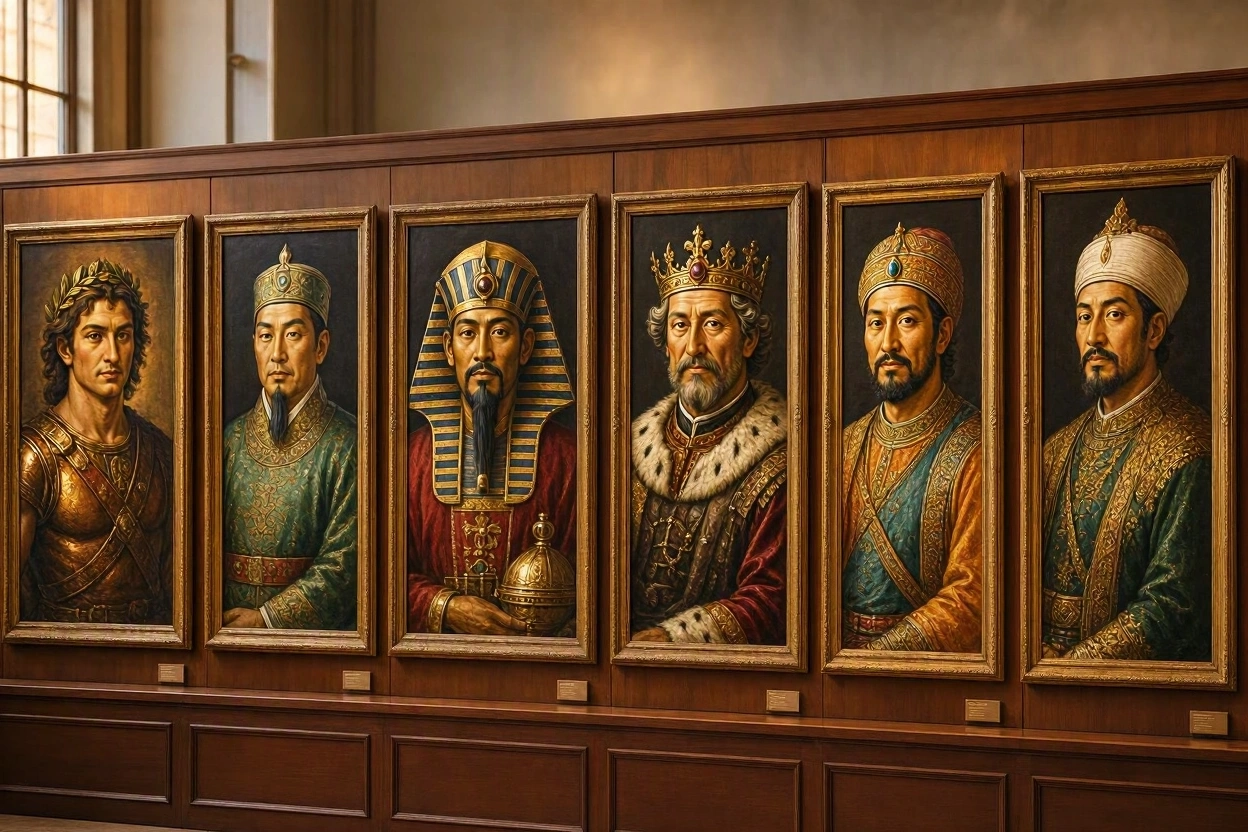
Defining the greatest monarchs in history requires examining the profound impact they had on their respective civilizations. Whether through visionary governance or sheer ambition, these influential leaders in history altered the geopolitical landscape and established new paradigms for statecraft that would endure for generations.
Military Conquests and Territorial Expansion
Military campaign achievements often defined the most successful sovereign. A brilliant military leader could orchestrate a massive conquest, turning a small state into a vast empire. Through strategic brilliance on the battlefield, legendary figures expanded their borders significantly, subduing rival territories and securing immense wealth and resources for their people.
Political Reforms and Lasting Government Institutions
Beyond warfare, true greatness often stemmed from sophisticated political reforms and the establishment of durable administrative systems. A wise monarch would modernize governance, create fair legal codes, and oversee efficient bureaucracies to ensure internal stability. These enduring institutions allowed complex societies to flourish long after the original ruler passed away.
Cultural Achievements, Religion, and Historical Legacy
The cultural footprint of a monarch is equally vital in cementing their status among famous rulers. By patronizing the arts, architecture, philosophy, and religion, these sovereigns fostered golden ages that elevated human knowledge and creativity, ensuring their cultural legacy would be celebrated throughout world history.
Top 10 Most Influential Kings Throughout History
Examining the 10 greatest figures who ever wore a crown reveals how a single monarch could alter the trajectory of world history. As a supreme ruler, each individual on this prestigious list of famous rulers utilized their authority to reshape borders, govern diverse populations, and leave an indelible mark on civilization through ambition, strategy, and power.
1. Alexander the Great: The Conqueror Who Spread Hellenistic Culture

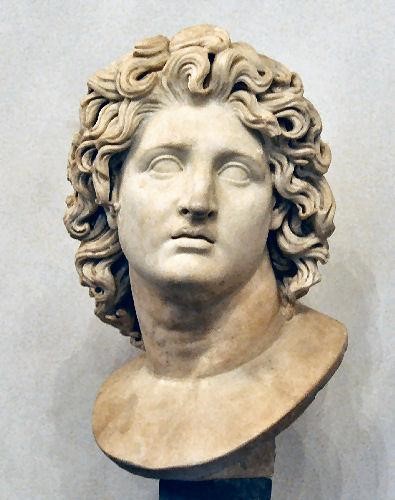
As an unmatched military leader and fearless conqueror, this legendary king built an unprecedented empire in history that stretched from Greece to India. His brilliant military campaign philosophy allowed him to never lose a battle, successfully defeating the Persian empire while simultaneously spreading Greek culture, philosophy, and administrative practices across three different continents during his remarkable and transformative reign.
2. Cyrus the Great: The Founder of the Persian Empire

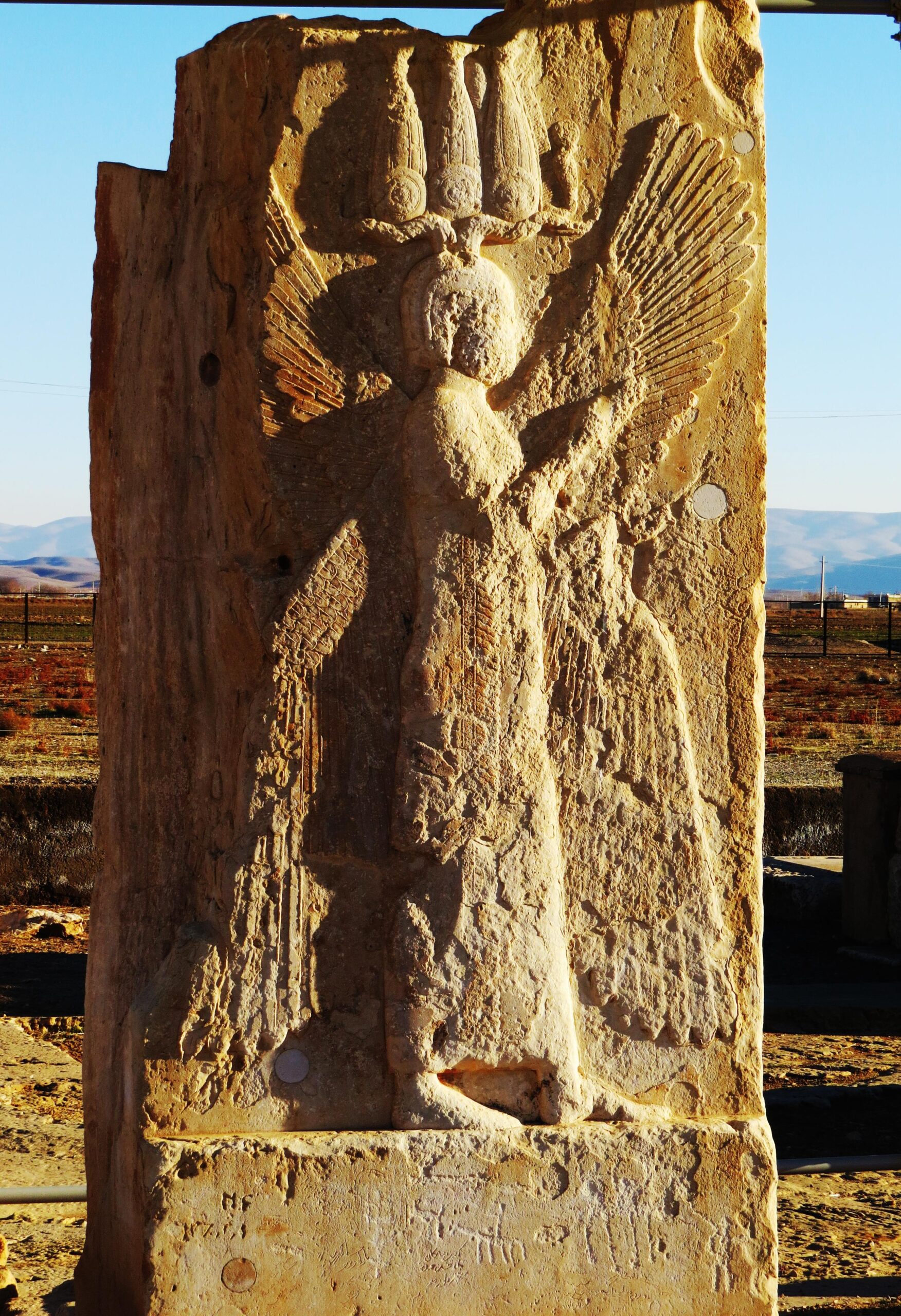
Rising to power through bold rebellion, this visionary monarch established the vast Achaemenid dominion by uniting various ancient tribes. Known for his enlightened governance, he respected local customs and religions, creating an innovative model of administration that would inspire subsequent rulers throughout history and demonstrate that compassion could successfully accompany imperial expansion.
3. Ashoka the Great: The Indian Emperor Who Promoted Buddhism

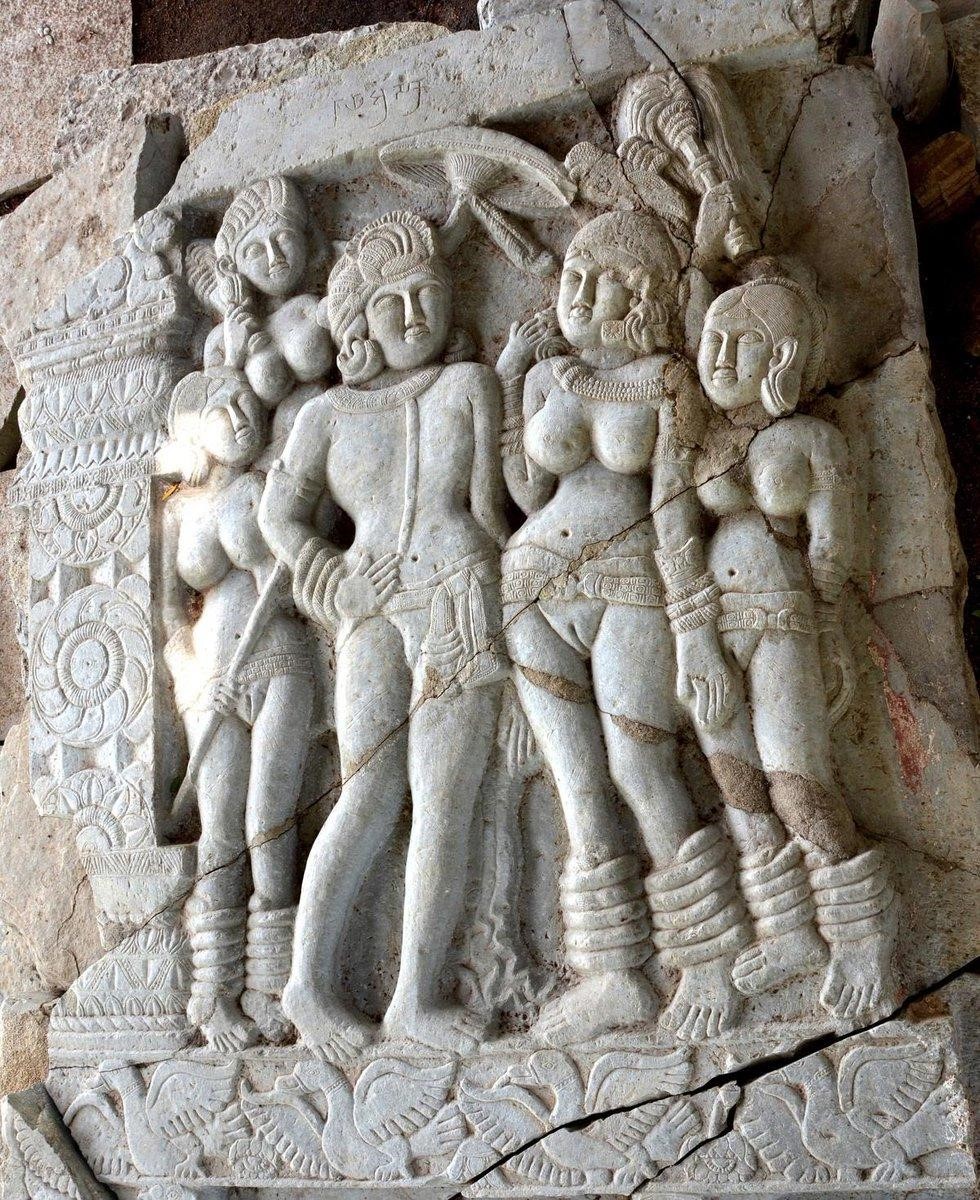
Initially remembered as a ruthless warrior king, this influential sovereign experienced a profound spiritual awakening after witnessing the horrors of bloody warfare. He dedicated the remainder of his rule to promoting Buddhist principles of non-violence, social welfare, and moral righteousness, transforming his sprawling territory into a peaceful realm defined by compassion and ethical governance.
4. Qin Shi Huang: The First Emperor Who Unified China

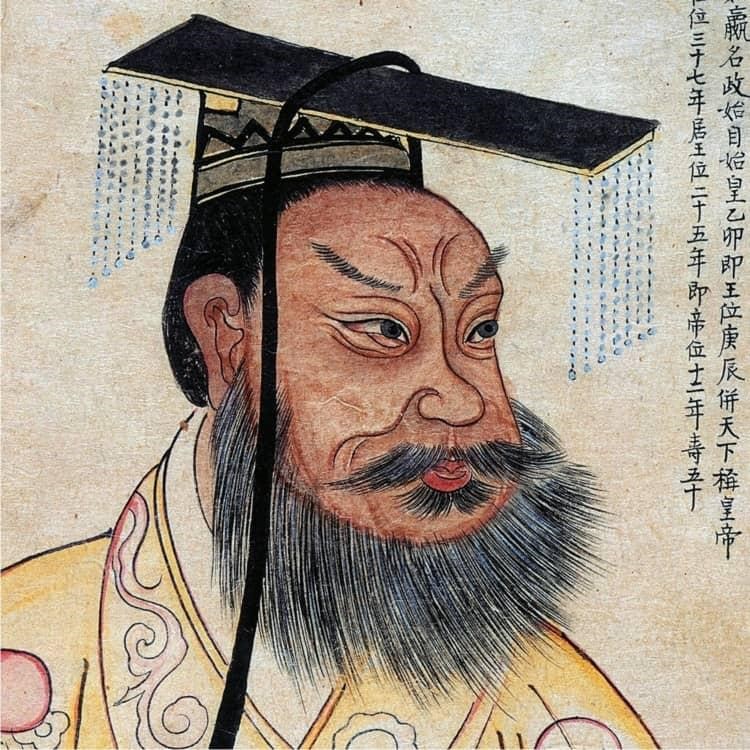
Ending centuries of bloody warfare during the Warring States period, this determined ruler successfully managed to unite warring factions under a single centralized authority. He standardized weights, measures, and writing systems while initiating construction on the legendary Great Wall, fundamentally shaping the political structure and cultural identity of Chinese civilization for millennia to come.
5. Ramesses II: The Pharaoh Who Shaped Ancient Egypt

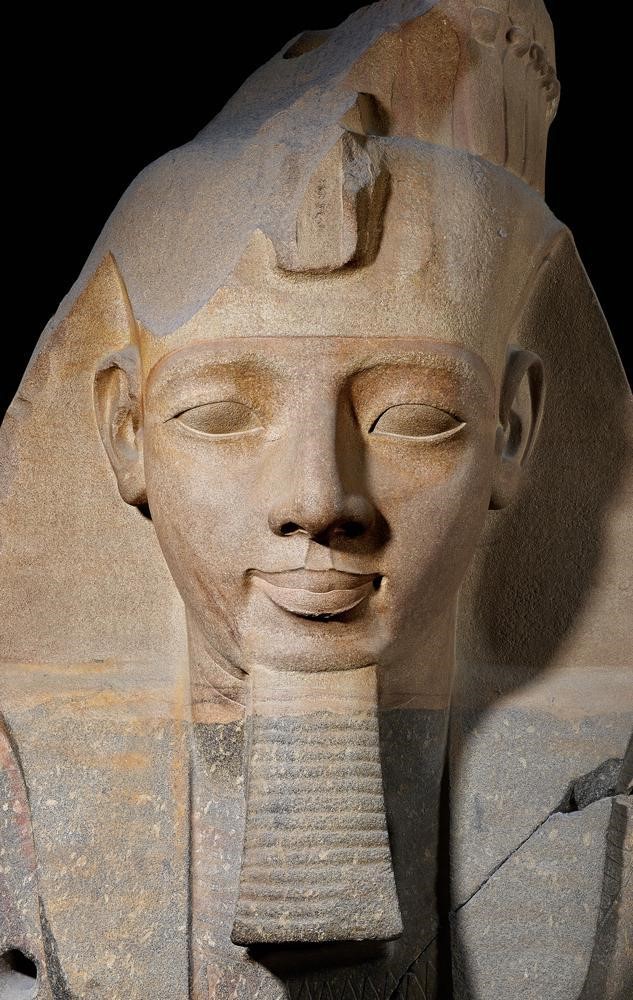
Reigning for over six decades, this iconic Egyptian pharaoh oversaw monumental architectural projects, including the magnificent temples of Abu Simbel. Through strategic peace treaties and decisive military campaigns, he secured Egypt’s borders and projected unmatched royal prestige, cementing his enduring reputation as one of the most powerful rulers of the ancient world.
6. Charlemagne: The King Who Transformed Medieval Europe

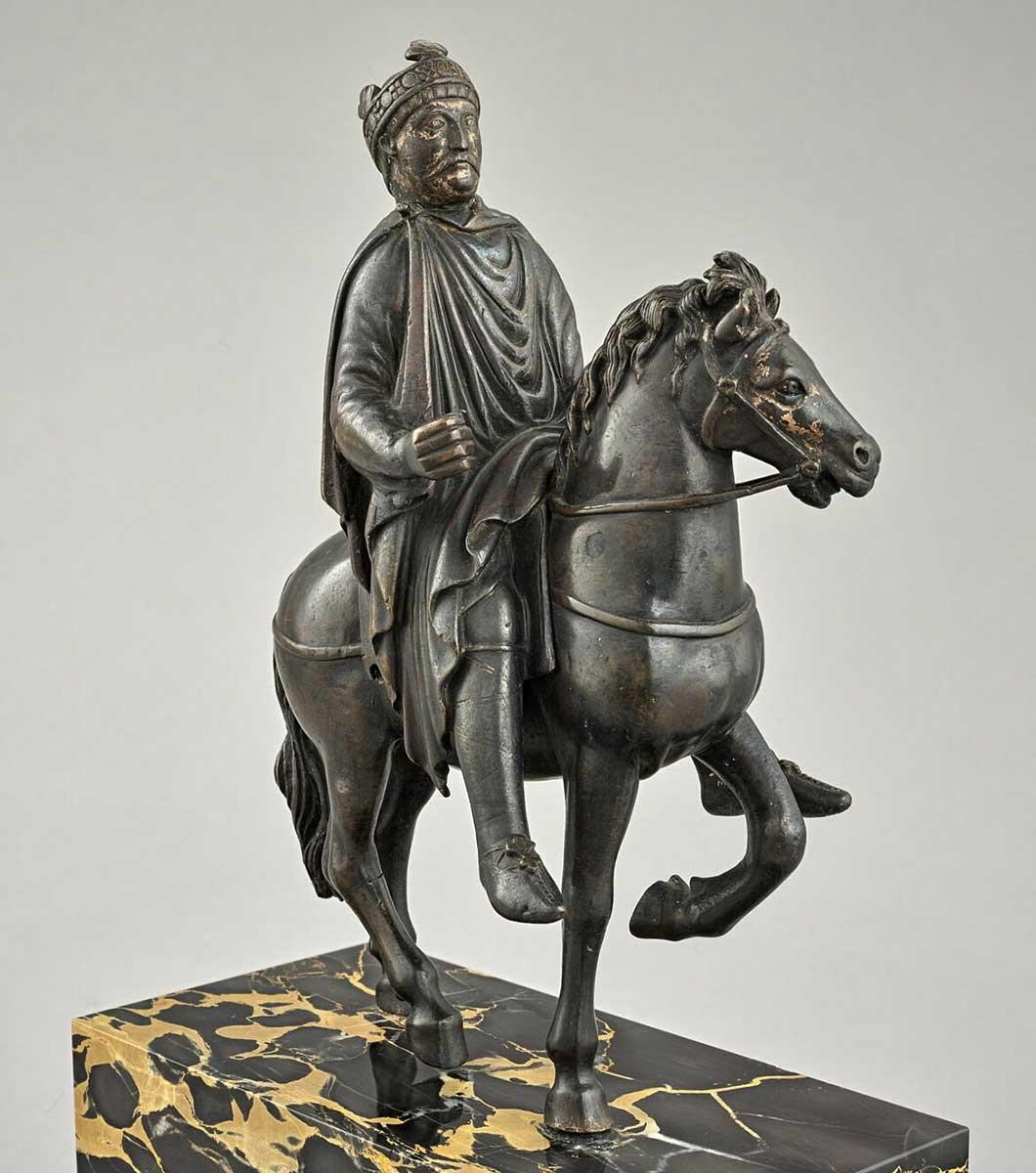
Ruling as the King of the Franks and eventually crowned Roman Emperor, this visionary sovereign united much of Western Europe through relentless military campaigns. He sparked the Carolingian Renaissance, heavily investing in education, legal reform, and religious unity, effectively laying the foundational institutional framework for modern European history, culture, and governance systems.
7. Genghis Khan: The Mongol Leader Who Created the Largest Empire

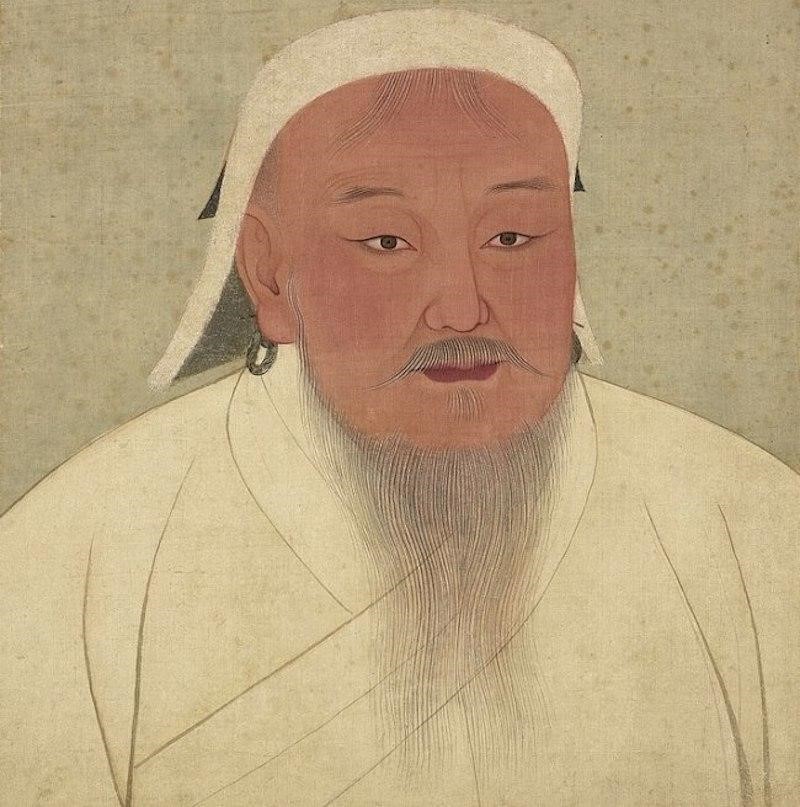
By forging fiercely loyal nomadic tribes into an unstoppable military machine, this brilliant commander established the contiguous land-based Mongol Empire. His revolutionary meritocratic military tactics and administrative innovations enabled secure trade routes across Asia, forever connecting disparate cultures and profoundly influencing global commerce, demographics, and geopolitical developments.
8. Louis XIV: The Sun King Who Redefined French Royal Authority

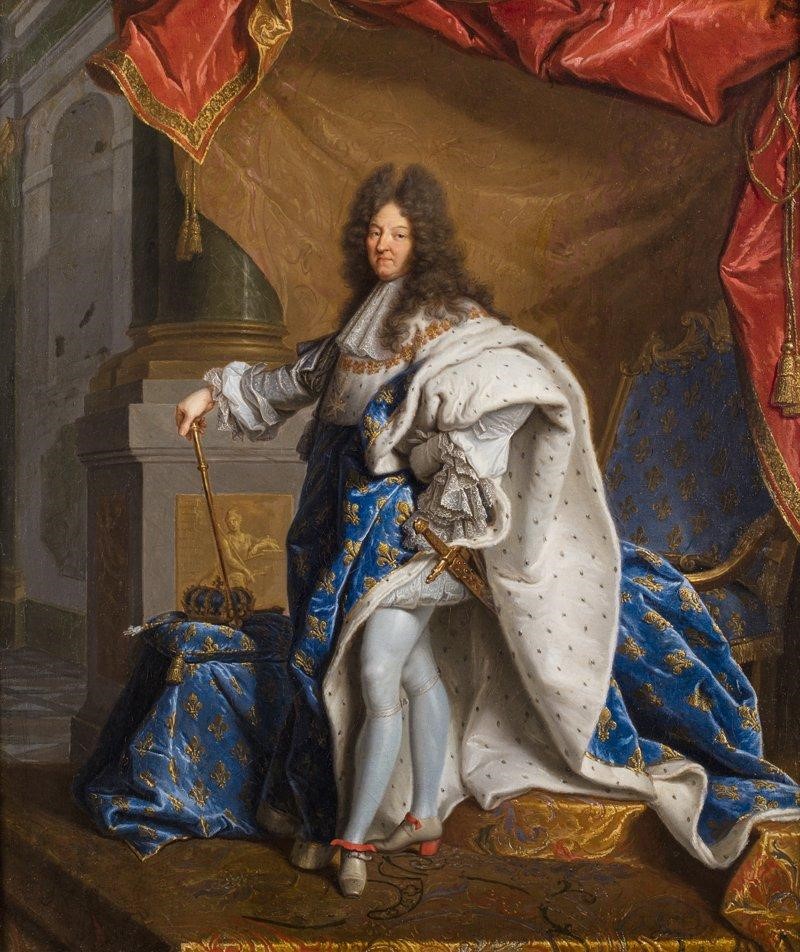
Embodying the absolute divine right of kings, this quintessential European monarch centralized French political power and weakened the traditional nobility. By constructing the opulent Palace of Versailles and patronizing the arts, he established France as the cultural and political epicenter of the continent, creating a standard of royal magnificence that fascinated contemporaries.
9. Napoleon Bonaparte: The Emperor Who Reshaped Europe

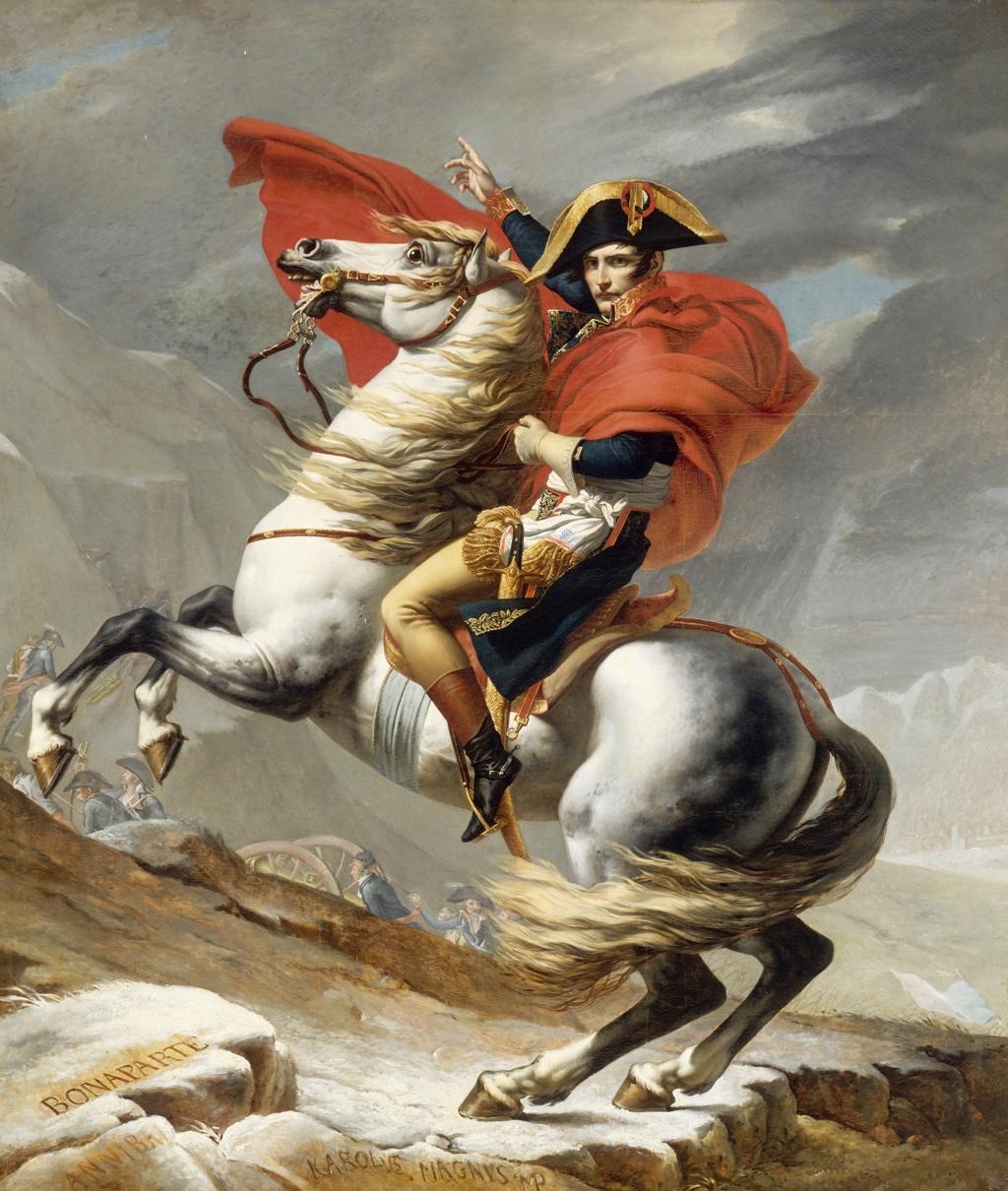
Rising rapidly through military ranks during revolutionary turmoil, this brilliant tactician crowned himself emperor and fundamentally reorganized European geopolitics. His comprehensive legal framework, the Napoleonic Code, modernized civil law across multiple nations, while his tactical genius on the battlefield permanently dismantled ancient feudal structures and transformed modern statecraft.
10. Cleopatra VII: The Last Pharaoh of Egypt and Diplomat

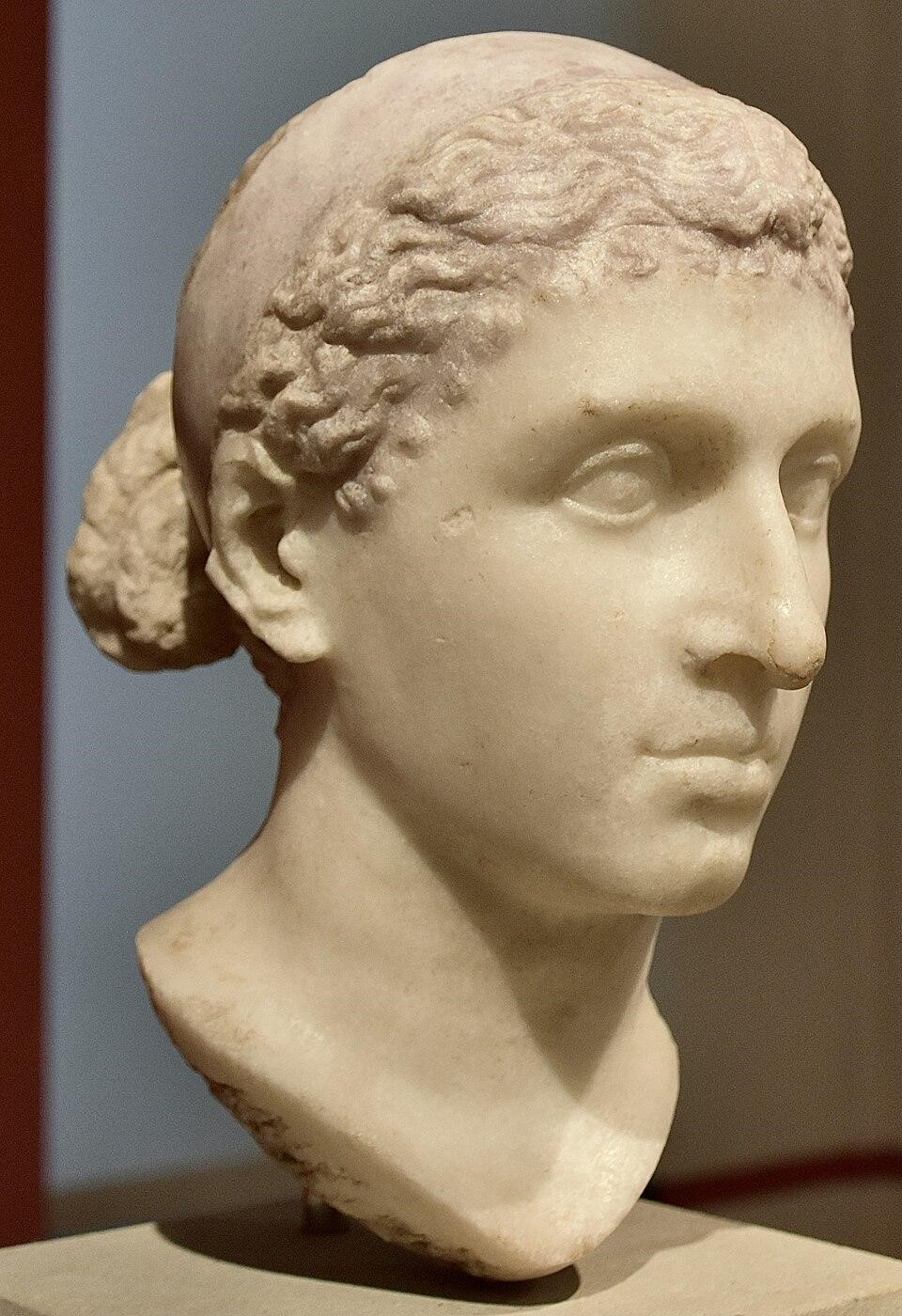
Navigating the treacherous waters of late republican Roman politics, this brilliant queen utilized her exceptional intellect, charisma, and unmatched diplomatic skills to protect her kingdom’s sovereignty. Aligning strategically with Julius Caesar and Mark Antony, she sought to preserve Egyptian independence against the relentless expansion of the growing Roman Empire.
How These Influential Kings Changed the Course of History
Kings Who Expanded Empires Through Military Campaigns
Every legendary conqueror and military leader understood that aggressive territorial acquisition was essential for building a lasting empire in history. Through a relentless military campaign, these ambitious monarchs mobilized massive armies to subdue rival states, crush enemy forces, and secure vital trade routes. Whether engaging in a decisive battle or orchestrating a sweeping conquest, these formidable sovereigns demonstrated exceptional tactical brilliance. By absorbing conquered populations and absorbing vast new lands, they dramatically expanded their borders and accumulated immense wealth that fueled further expansion across the globe.
Rulers Who Changed Government, Law, and Administration
Effective governance required far more than mere military might; a visionary ruler had to establish durable legal frameworks and centralized administrative institutions. These influential monarchs in history introduced comprehensive legal codes, standardized taxation systems, and appointed loyal officials to oversee vast territories efficiently. By replacing chaotic feudal structures with organized bureaucracies, they ensured internal stability and long-term prosperity. Their innovative administrative policies strengthened state authority and created sophisticated governmental models that modern nations still study and emulate today in contemporary political science.
Kings Who Influenced Religion, Art, Architecture, and Education
Beyond politics and warfare, the greatest sovereigns recognized the profound importance of cultural patronage in cementing their legacy. By financing magnificent architectural marvels, supporting philosophical inquiry, and promoting specific religious traditions, they fostered vibrant golden ages. These enlightened patrons encouraged literacy, established centers of learning, and commissioned breathtaking works of art that reflected the glory of their respective reigns. Such profound cultural achievements elevated human creativity and shaped collective identity across world history.
Comparing the World’s Most Influential Kings
Which Rulers Built the Largest or Most Powerful Empires?
Evaluating the 10 greatest empire-builders requires analyzing the sheer geographic scale and geopolitical dominance achieved during their respective reigns. Some legendary monarchs united disparate nomadic tribes or fragmented city-states into massive transcontinental domains that reshaped global demographics. These dominant realms commanded unprecedented economic power, military supremacy, and cultural influence over millions of subjects. The capacity to project imperial authority across immense distances distinguished these extraordinary leaders from ordinary sovereigns, permanently altering the historical trajectory of entire continents.
Which Kings Left the Most Enduring Political and Cultural Legacies?
While vast territories often fractured after a monarch’s death, deep political and cultural innovations frequently survived for millennia. The most impactful rulers established legal codes, religious traditions, and administrative institutions that outlived their original creators by centuries. By transforming societal values, promoting architectural innovation, and standardizing administrative practices, these visionary leaders ensured their influence would permeate subsequent civilizations. Their profound legacy lies not merely in the land they conquered, but in the enduring systems of thought, governance, and artistic expression they successfully introduced to the world.
How Geography and Historical Period Shaped Their Influence
The magnitude of a sovereign’s impact was frequently dictated by the unique geographical constraints and historical circumstances of their era. Rulers operating at critical geopolitical crossroads could easily dominate regional commerce, control vital waterways, and project military power across vulnerable neighboring territories. Conversely, monarchs emerging during periods of severe crisis or chaotic transition found unique opportunities to centralize authority and fundamentally reform decaying societies. Understanding these environmental and temporal factors provides essential context for evaluating how historical conditions helped shape extraordinary achievements.
The Controversial Legacies of History’s Most Powerful Kings
Analyzing the actions of any great ruler often reveals a dark side defined by massive human suffering, relentless warfare, and widespread forced labor. While building a vast empire required visionary leadership, it frequently came at an astronomical human cost. Every legendary conqueror mobilized hundreds of thousands of subjects to construct monuments, fight in bloody wars, and maintain infrastructural projects under brutal conditions. This harsh reality complicates how modern historians evaluate these dominant monarchs in history, forcing us to weigh monumental architectural and territorial achievements against immense misery inflicted upon the lower classes and conquered peoples.
The Human Cost of Conquest, Warfare, and Forced Labor
The expansion of any major empire in history was invariably fueled by violence, subjugation, and the ruthless exploitation of human life. During a typical military campaign, civilian populations suffered immensely through starvation, displacement, and mass slaughter ordered by ambitious sovereigns. Furthermore, monumental engineering feats and public works projects relied almost entirely on conscripted labor, where thousands perished from exhaustion and unsafe working conditions. Recognizing these atrocities is essential for achieving a balanced perspective on these famous rulers, ensuring that tales of military glory never overshadow the tragic realities endured by ordinary individuals.
The Difference Between Historical Influence and Good Leadership
Differentiating between historical significance and ethical governance remains one of the greatest challenges when studying powerful rulers. A monarch could dramatically alter the course of a nation through ruthless expansion, centralized administration, and radical reforms without necessarily prioritizing the welfare or happiness of their subjects. Many leaders achieved their legendary status through cunning brutality, Machiavellian politics, and aggressive warfare rather than benevolence or justice. Consequently, an infamous tyrant might wield far more lasting influence over global development than a peaceful and compassionate sovereign.
Final Thoughts: The Kings Whose Legacies Still Shape Our World
Reflecting upon the lives and deeds of history’s most extraordinary monarchs reveals how individual ambition can permanently alter the destiny of human civilization. From ancient antiquity through the medieval era and beyond, each legendary sovereign utilized power, strategy, and vision to reshape borders, establish durable institutions, and advance cultural progress. Although their reigns were frequently marred by tremendous violence, human suffering, and autocratic oppression, their political, legal, and architectural contributions continue to resonate in modern society. Ultimately, studying these iconic figures provides invaluable insight into the complex nature of power, reminding us that the contemporary world is built upon the complicated, enduring legacies of those who dared to rule absolute empires.