


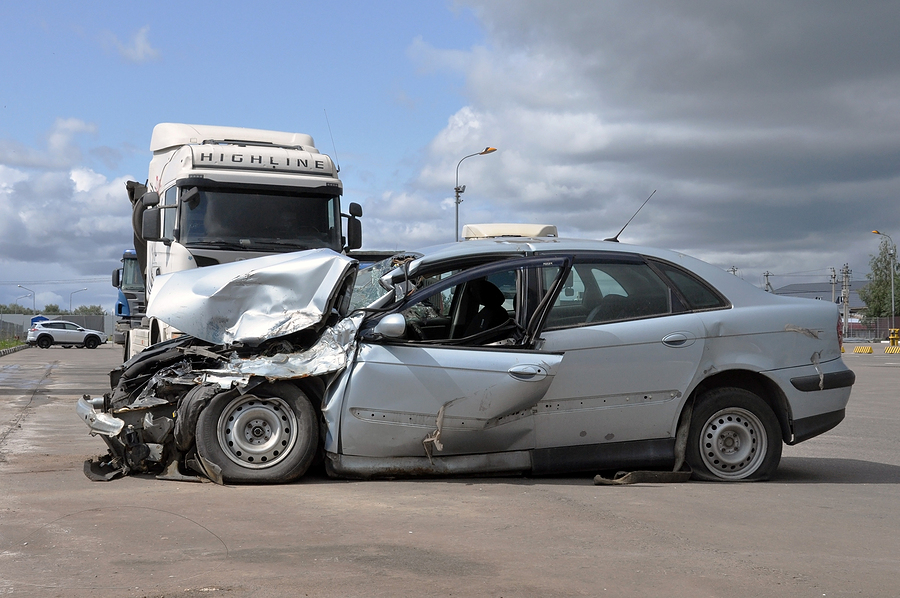
Commercial vehicle accidents are among the most serious and complex cases on the road today. When a passenger vehicle is hit by a large truck, delivery van, construction vehicle, or company-owned fleet car, the consequences can be severe.
Beyond the physical damage, these cases often involve multiple parties, corporate insurance policies, and federal regulations—factors that can significantly impact the outcome of an injury claim.
One of the main reasons commercial vehicle accidents result in higher settlement values is the disparity in size and weight. A fully loaded tractor-trailer can weigh up to 80,000 pounds, while the average passenger car weighs closer to 3,000.

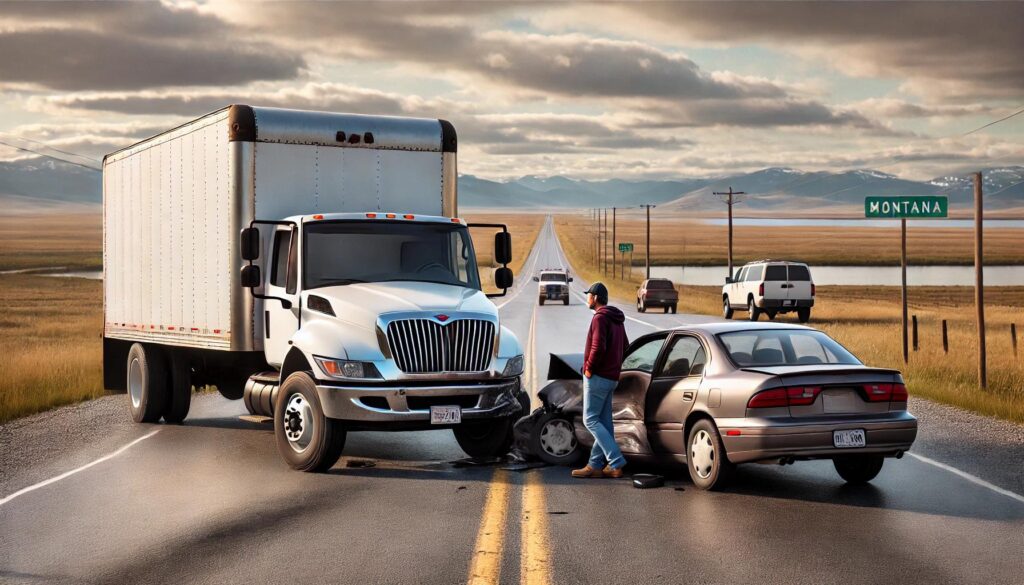
Even a slow-speed collision can cause catastrophic injuries, long-term medical needs, and extensive vehicle damage. Because of this, compensation tends to be higher simply due to the severity of the harm and the long recovery periods victims face.
Another major factor is corporate liability. Unlike ordinary car accidents, commercial vehicle accidents often involve employers, drivers, maintenance companies, or even third-party logistics providers. When businesses are involved, they generally carry larger insurance policies designed to cover serious incidents.
While this doesn’t guarantee a higher settlement, it does mean that more financial resources may be available—especially in cases involving permanent injuries or long-term disability.


In addition, commercial drivers must follow strict safety regulations. Truck drivers, for example, are required to comply with federal Hours-of-Service limits, undergo routine drug testing, and maintain detailed logbooks. When these rules are violated and an accident occurs, it can create clear evidence of negligence. This often strengthens the injured party’s case and can influence settlement negotiations.
Evidence also plays a bigger role in commercial vehicle accidents than in typical auto collisions. Many trucks are equipped with GPS tracking, electronic logging devices (ELDs), dash cameras, and “black box” data recorders. These tools can reveal speeding, hard braking, driver fatigue, or unsafe driving patterns leading up to the crash. When this data shows that a driver or company failed to act responsibly, it can directly impact the value of a claim.
Finally, the long-term impact of injuries is another reason these cases settle for more. Victims often suffer spinal injuries, traumatic brain injuries, broken bones, or internal trauma—all of which require ongoing medical care. Lost wages, reduced earning capacity, and long-term pain must all be factored into the settlement value.


While every case is different, the combination of severe injuries, corporate insurance policies, regulatory violations, and extensive digital evidence makes commercial vehicle accidents uniquely complex.
Understanding how these elements affect settlement outcomes can help injured individuals better navigate the recovery process and make informed decisions about their next steps.