


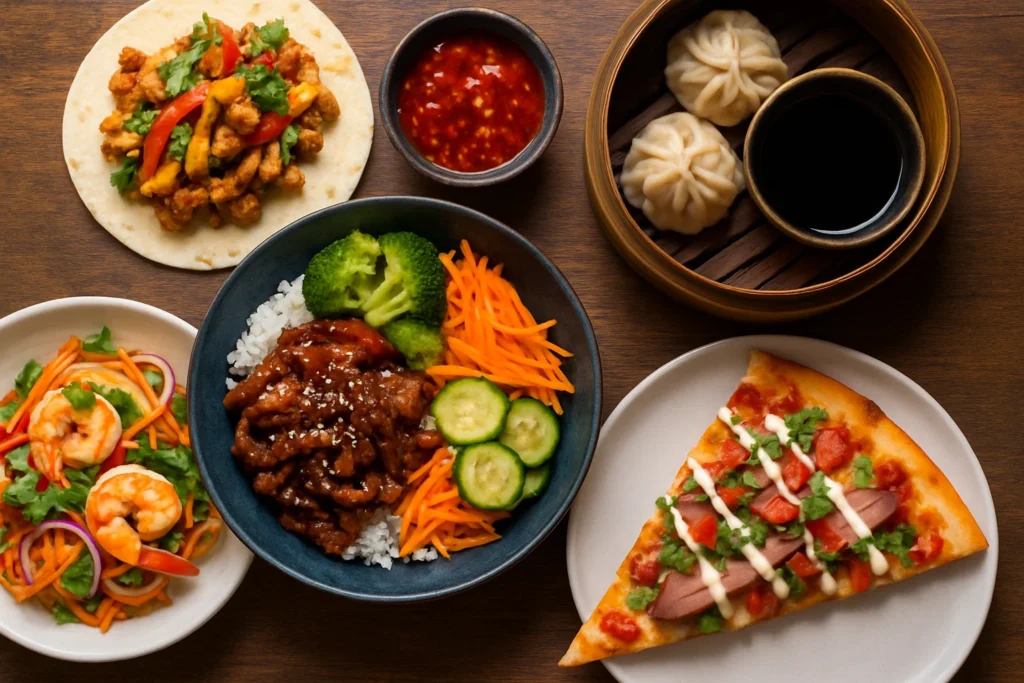
Fusion cuisine has become one of the most exciting culinary phenomena of the 21st century. Once considered a novelty for adventurous eaters, it has now taken center stage in restaurants, street food markets, and even home kitchens worldwide. Today, diners are no longer satisfied with traditional flavors alone—they crave experiences that blend the familiar with the unexpected, offering a taste of global culture in every bite.

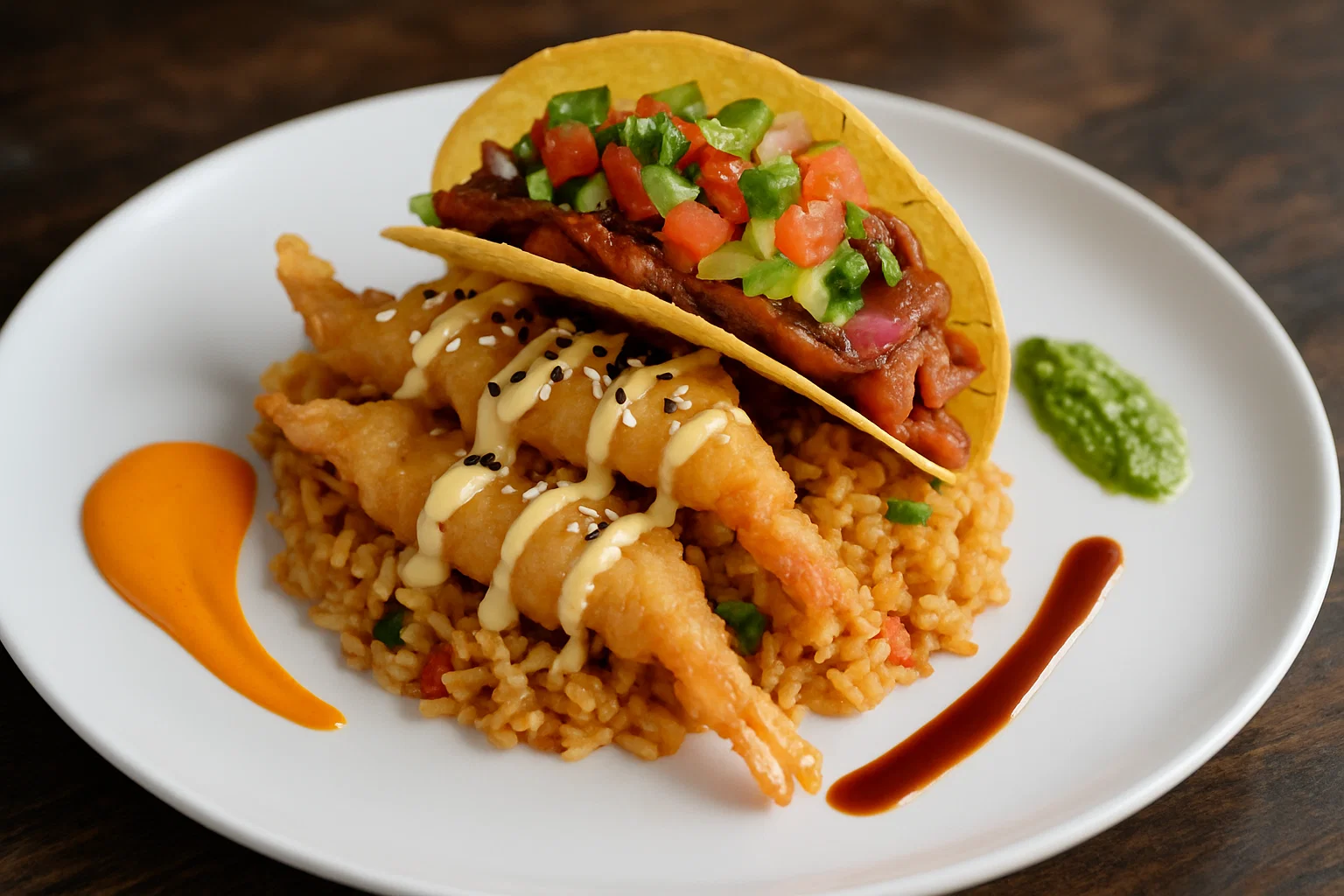
How fusion cuisine has evolved from novelty to mainstream
In its early days, fusion cuisine was often seen as a daring experiment. Chefs would combine ingredients from different cultures to create eye-catching dishes that challenged conventional palates. Over time, however, these combinations have moved beyond mere curiosity.
Today, fusion dishes like Korean tacos, sushi burritos, and matcha-flavored desserts are widely celebrated, reflecting a culinary world that thrives on creativity and innovation.
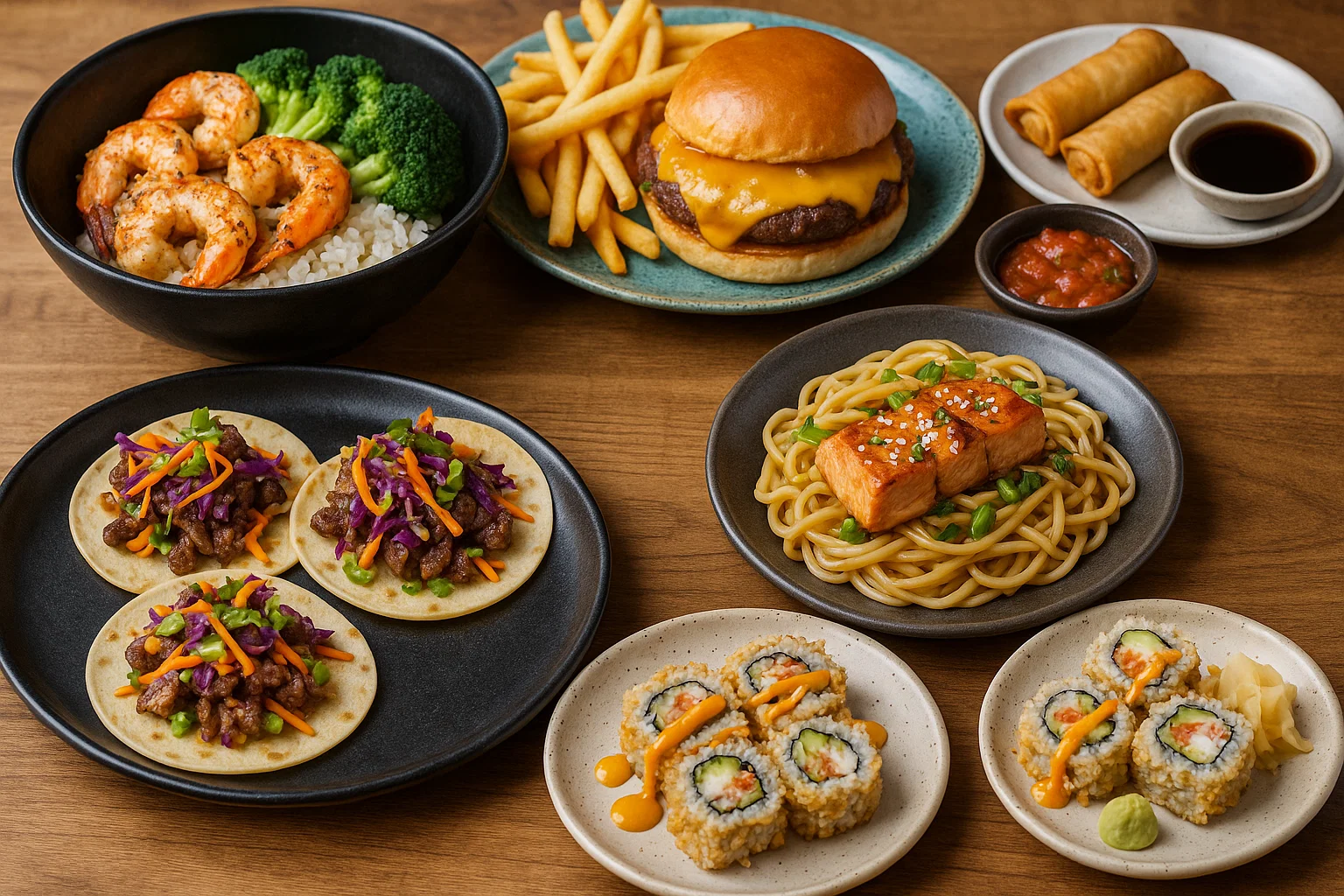
Why diners are seeking cross-cultural flavor experiences
Modern diners crave experiences, not just meals. Traveling the world is not always feasible, but food offers a passport to global flavors. Fusion cuisine satisfies this desire by blending distinct culinary traditions, allowing diners to explore new taste landscapes while enjoying the comfort of familiar elements.
The role of social media and global connectivity in spreading trends
Platforms like Instagram, TikTok, and Pinterest have accelerated the popularity of fusion cuisine. Stunning visuals of colorful dishes and creative plating techniques quickly go viral, inspiring both professional chefs and home cooks to experiment.
Global connectivity also enables chefs to access international ingredients, recipes, and techniques, further fueling the fusion movement.
️ Defining Fusion Cuisine: More Than Just Mixing Flavors
Fusion cuisine is more than simply tossing unrelated ingredients together. At its best, it is a thoughtful, artful approach to combining culinary traditions, respecting each culture’s essence while creating something new and exciting.
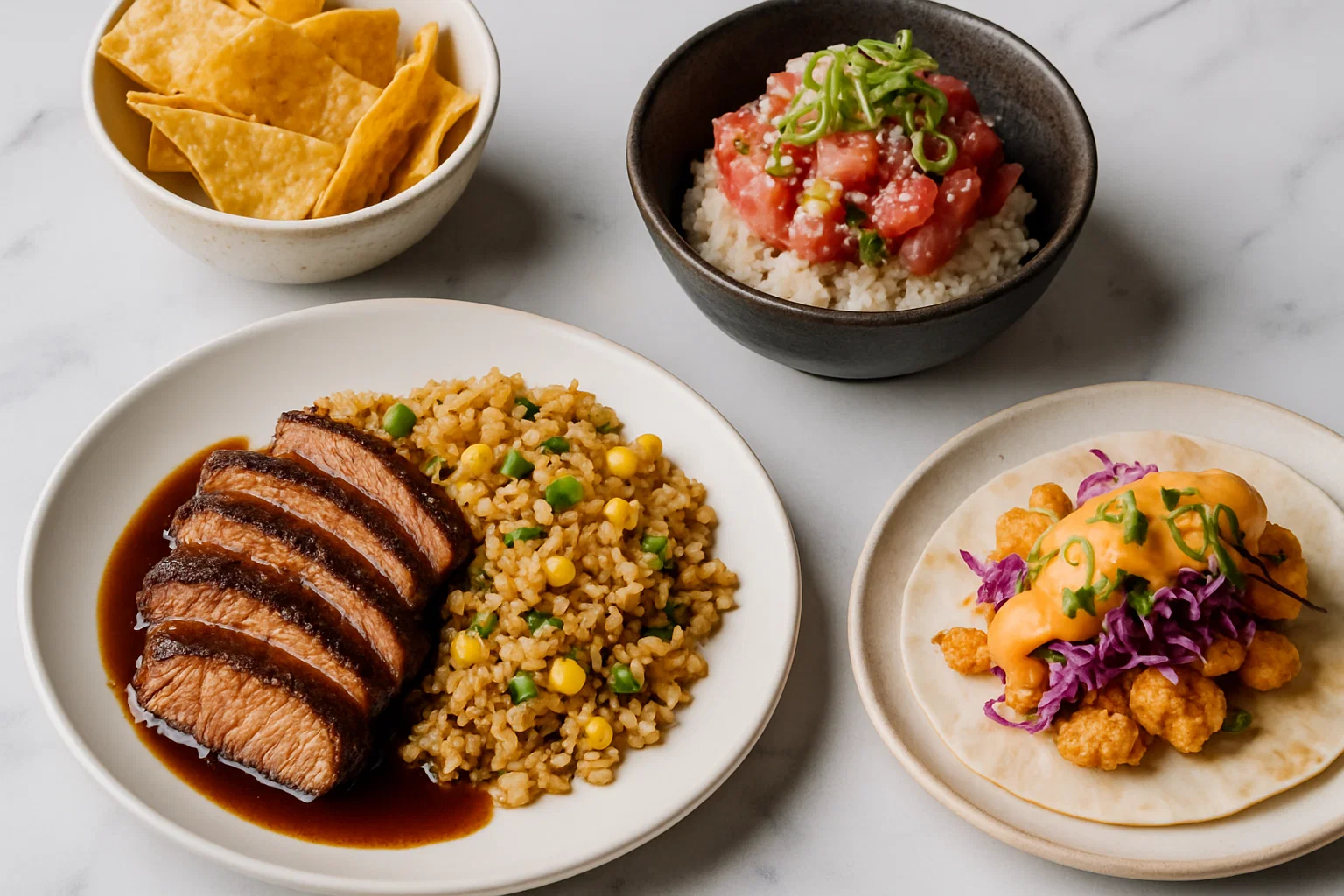
Difference between authentic fusion and gimmicky mash-ups
Authentic fusion respects the integrity of the cuisines it combines. It is rooted in understanding flavors, techniques, and cultural context. In contrast, gimmicky mash-ups often prioritize novelty over taste, producing dishes that may look impressive but fail to satisfy the palate. The key to successful fusion is harmony, not just shock value.
Micro-fusion: blending specific regional cuisines for unique flavor profiles
Micro-fusion involves subtle, precise combinations of regional cuisines. For example, blending Japanese and Peruvian ingredients in Nikkei cuisine or combining Indian spices with French cooking techniques. These nuanced approaches create depth and complexity, appealing to both sophisticated and adventurous diners.
Balancing authenticity, creativity, and taste
The ultimate goal of fusion cuisine is to create dishes that are both innovative and delicious. Chefs must balance creativity with authenticity, ensuring that flavor profiles complement rather than clash. Proper seasoning, ingredient sourcing, and cooking techniques are essential to achieving a dish that resonates with diners.
Top Fusion Cuisine Trends in 2026
Fusion cuisine continues to evolve, with new trends emerging as global tastes converge. The following are some of the most popular trends shaping menus in 2026.
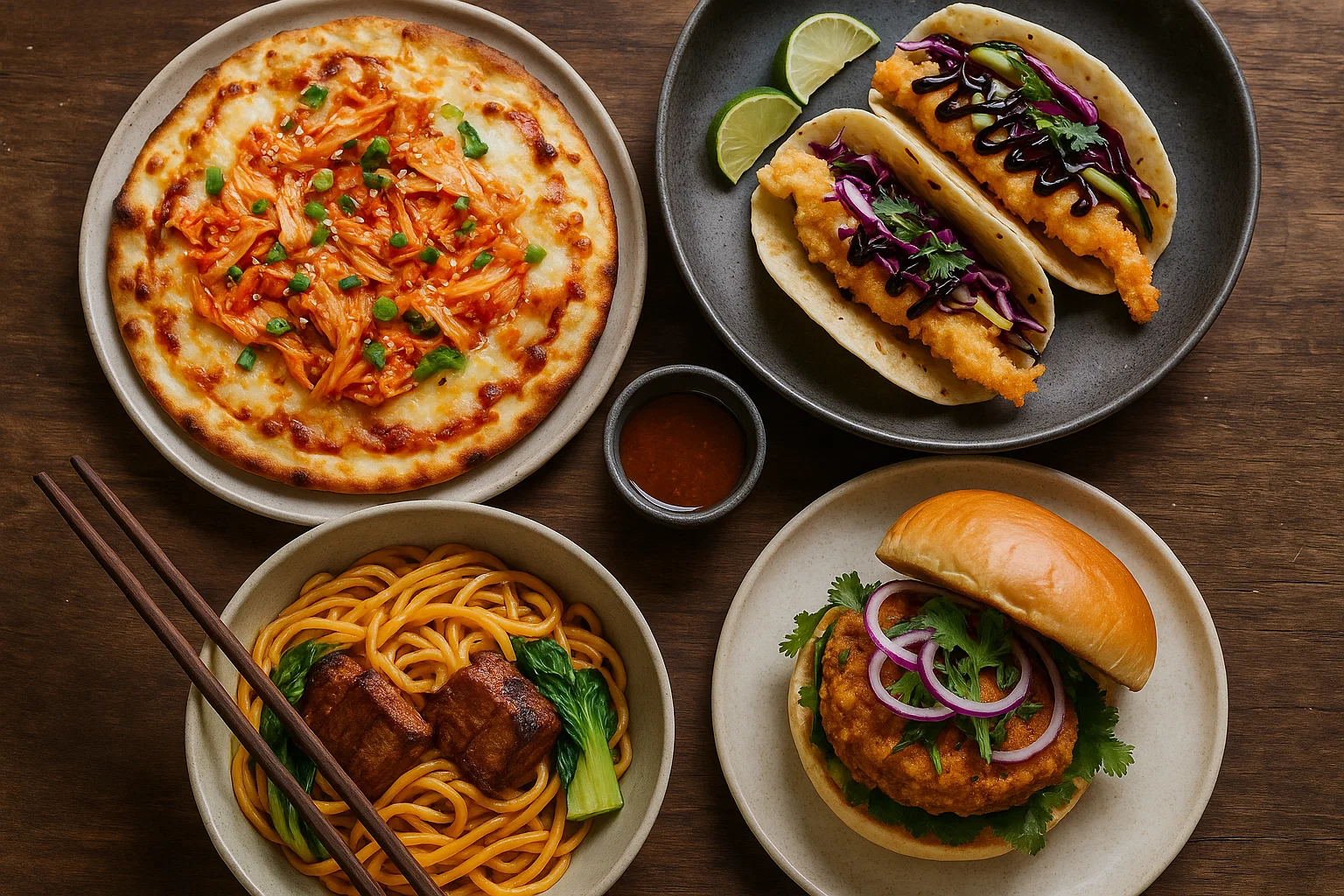
Asian-Mexican mash-ups: tacos with kimchi or bao buns with salsa
Asian-Mexican fusion has taken the world by storm. Dishes like Korean BBQ tacos or bao buns filled with spicy Mexican salsa combine familiar comfort foods with bold international flavors. The marriage of fermented, spicy, and savory elements creates a taste experience that is both unique and crave-worthy.
Japanese-Peruvian Nikkei cuisine: sushi with Peruvian ingredients
Nikkei cuisine is a classic example of successful fusion. It combines Japanese techniques such as sushi and tempura with Peruvian ingredients like aji peppers, lime, and quinoa. This culinary bridge between continents offers refined, complex flavors that appeal to high-end and casual diners alike.
Middle Eastern-European blends: falafel burgers, hummus pasta
Middle Eastern flavors are increasingly finding their way into European-inspired dishes. Falafel burgers, shakshuka crostinis, and hummus-infused pastas offer familiar Mediterranean tastes with a modern twist. This trend is popular in casual dining spots and upscale bistros alike.
Cross-continental desserts: matcha tiramisu, churro mochis
Desserts are perhaps the most playful space for fusion experimentation. Matcha tiramisu combines Japanese tea flavors with Italian classic desserts, while churro mochis blend Latin American pastries with Japanese rice cake traditions. These creative sweets appeal to adventurous palates and social media enthusiasts alike.
Chefs Driving the Fusion Movement
The rise of fusion cuisine is inseparable from the vision of innovative chefs who dare to blend cultures on a plate.
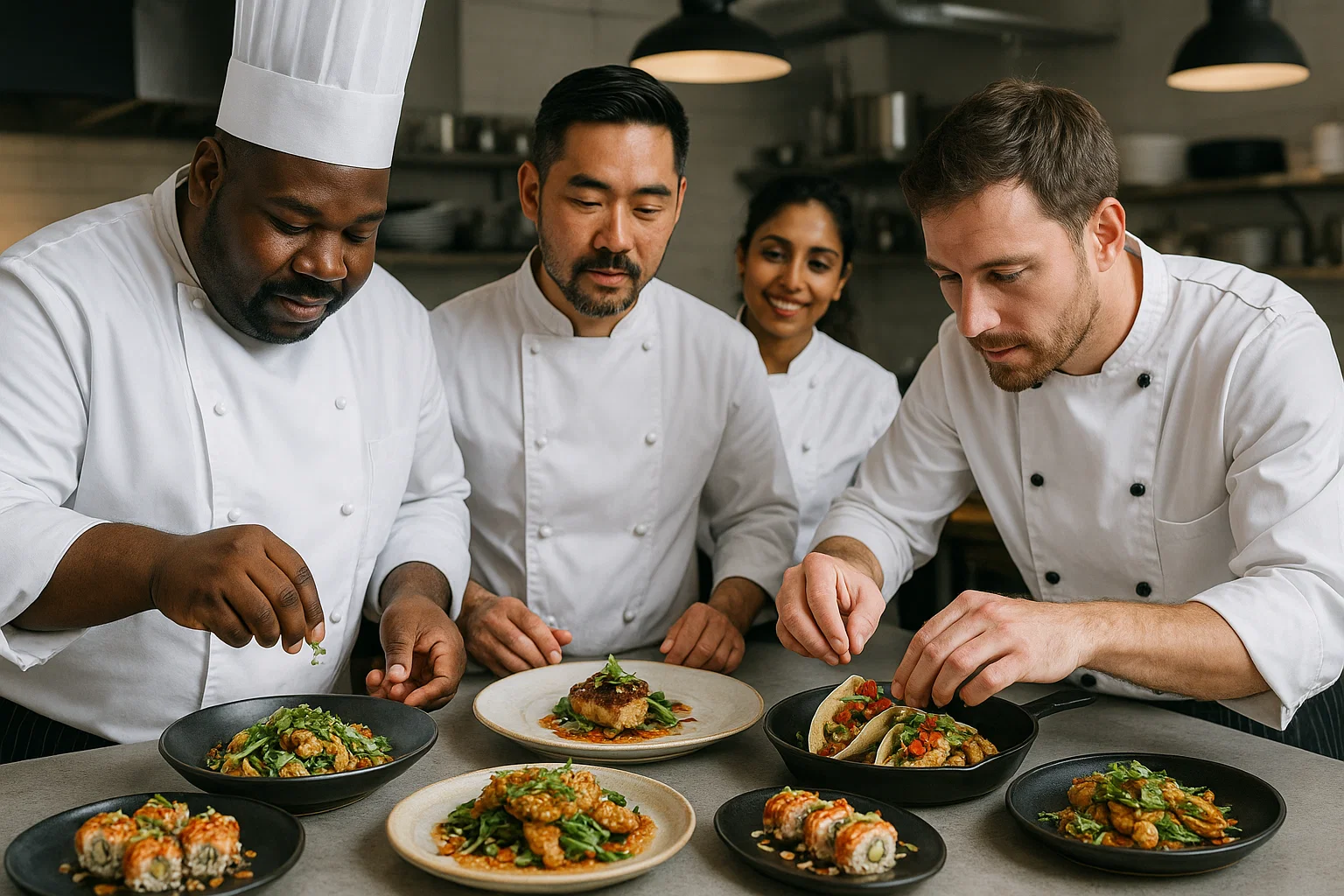
Influential chefs blending cultures and redefining menus
Chefs like Roy Choi, Nobu Matsuhisa, and Cristina Martinez have pioneered fusion cuisine in restaurants around the world. Their creations blend ingredients and techniques from multiple cultures while respecting the origins of each cuisine, inspiring a new generation of culinary innovators.
How local ingredients inspire global flavor combinations
Fusion is not only about combining cultures; it’s also about using locally sourced ingredients in creative ways. Chefs worldwide adapt traditional recipes to incorporate fresh, regional produce, enhancing sustainability while maintaining flavor authenticity.
Stories behind signature fusion dishes
Behind every iconic fusion dish is a story of inspiration and experimentation. Whether it’s a chef traveling abroad, blending family recipes, or responding to customer curiosity, these narratives add depth to the dining experience and create memorable culinary moments.
The Business Side: Why Fusion Cuisine Works on Menus
Fusion cuisine is not just creatively fulfilling—it is also commercially successful.
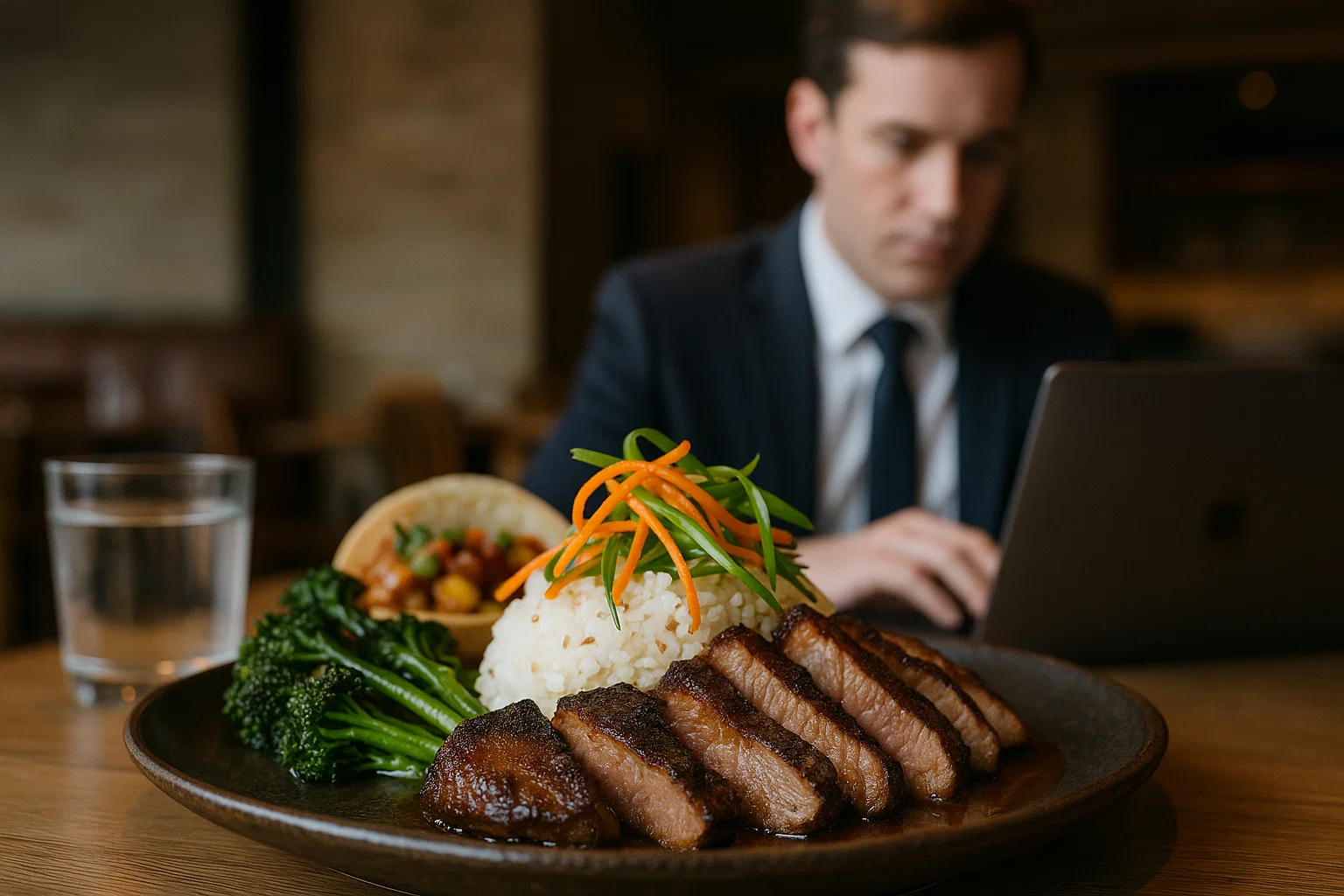
Attracting adventurous diners and millennials
Modern diners, particularly millennials and Gen Z, seek novelty and uniqueness in dining experiences. Fusion dishes appeal to these demographics, offering Instagram-worthy presentations and flavors that challenge the ordinary.
Marketing fusion cuisine: Instagram and foodie culture impact
Social media amplifies the success of fusion cuisine. Dishes that are visually striking or conceptually innovative often go viral, driving traffic to restaurants and influencing consumer preferences. Marketing strategies now emphasize storytelling, plating, and shareable experiences.
Revenue potential: pricing, menu diversity, and repeat customers
Fusion cuisine can command premium pricing due to its creativity and exclusivity. Diverse menus encourage repeat visits as diners return to explore new combinations. Restaurants can balance high-margin signature dishes with approachable options, optimizing revenue while appealing to a wide audience.
⚠️ Challenges and Considerations in Fusion Cuisine
Despite its popularity, fusion cuisine presents several challenges that chefs and restaurateurs must navigate carefully.
Avoiding cultural appropriation and respecting traditions
Successful fusion respects cultural origins. Chefs must avoid oversimplifying or misrepresenting traditional dishes, ensuring that creativity does not cross into insensitivity or appropriation.
Maintaining flavor balance and ingredient compatibility
One of the biggest technical challenges is balancing diverse flavors. Spices, sauces, and preparation methods must complement each other, requiring extensive testing, tasting, and refinement.
Training staff for unique preparation and presentation methods
Fusion dishes often require specialized skills, whether it’s mastering foreign cooking techniques or learning new plating styles. Staff training is crucial to ensure consistency and quality across every dish served.
Global Examples: Fusion Cuisine Around the World
Fusion cuisine is a truly global phenomenon, appearing in both street food stalls and high-end restaurants.
Street food innovations in Asia, Latin America, and Europe
Street food markets are hotbeds of fusion creativity. Examples include Thai-Mexican tacos in Bangkok, Korean-Peruvian empanadas in Lima, and Mediterranean-Asian bao buns in Paris. These affordable, experimental offerings attract locals and tourists alike.
Fine dining fusion restaurants gaining international acclaim
Upscale restaurants have embraced fusion as a hallmark of innovation. Establishments like Nobu in New York and London or Morimoto in Tokyo showcase refined techniques, blending cultures with meticulous execution to deliver unforgettable culinary experiences.
Case studies: signature fusion dishes that went viral
Dishes like sushi burritos, ramen burgers, and matcha-infused desserts demonstrate the viral power of fusion cuisine. Their success often lies in originality, taste, and visual appeal, inspiring chefs worldwide to experiment further.
The Future of Fusion Cuisine
The evolution of fusion cuisine shows no signs of slowing, with emerging trends poised to shape menus for years to come.
Emerging trends: plant-based fusion, molecular gastronomy mash-ups
Plant-based diets are influencing fusion, leading to innovative vegetarian and vegan dishes. Molecular gastronomy techniques allow chefs to experiment with texture and presentation, creating truly avant-garde fusion experiences.
How sustainability and local sourcing influence fusion menus
Sustainability is a key consideration. Chefs increasingly prioritize locally sourced ingredients, reducing carbon footprints while supporting regional producers. This trend encourages seasonal fusion dishes that reflect both global creativity and local responsibility.
Predicted global expansion and consumer adoption in 2026-2030
Fusion cuisine is expected to continue expanding across continents. As consumers become more adventurous and global connectivity grows, cross-cultural culinary experiences will become mainstream, transforming dining into a platform for cultural exploration.
✨ Conclusion: Why Fusion Cuisine Is More Than a Trend
Fusion cuisine is more than a fleeting trend—it is a reflection of globalization, creativity, and evolving consumer tastes. By combining authenticity, innovation, and cultural respect, fusion chefs are redefining dining experiences and creating a new culinary language that resonates across borders.
From street food markets to Michelin-starred restaurants, fusion dishes offer a journey through taste, culture, and storytelling. In 2026, as diners increasingly seek novel and meaningful culinary experiences, fusion cuisine is poised to remain at the forefront of global gastronomy.
When cultures collide on a plate, the result is not just food—it is a celebration of connection, creativity, and the endless possibilities of flavor.