


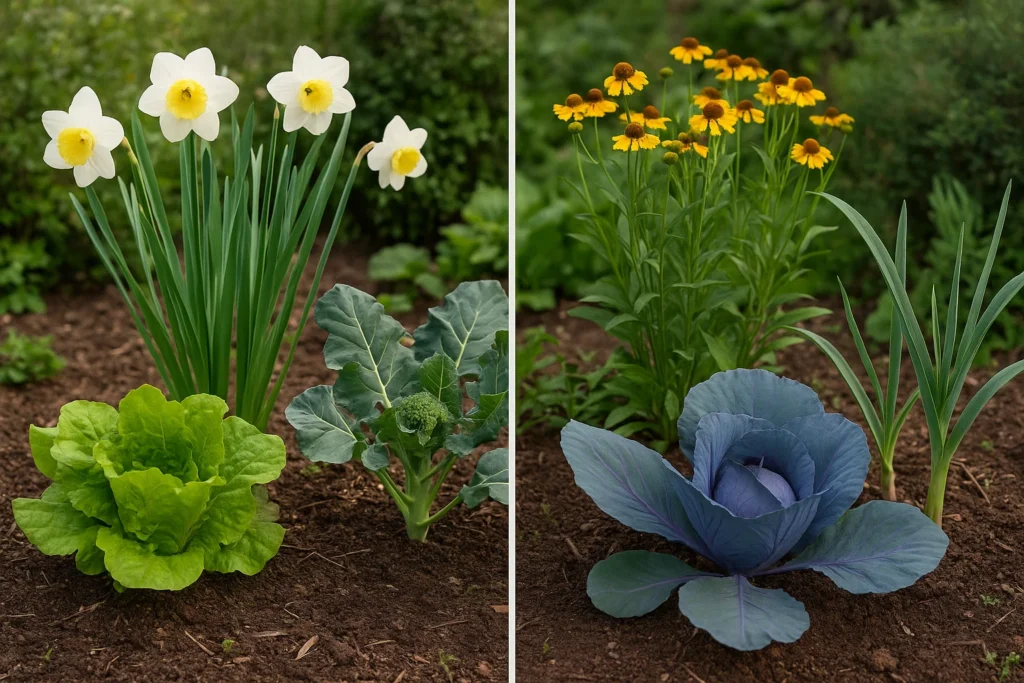
Embark on a journey to unlock the secrets of seasonal gardening. Discover the optimal strategies for planting in both spring and fall, ensuring your garden thrives year-round.
The Art of Seasonal Gardening


Why Planting Season Matters for Growth & Success
The gardening season hinges on selecting the best time to plant. Planting at the correct time allows new plants to establish a strong root system before facing extreme temperatures. This decision drastically affects the vigor, resilience, and overall health of your garden, ensuring plants thrive.
Understanding Seasonal Soil, Weather, and Light Differences
Fall vs spring offer distinct environmental conditions. Spring weather usually brings warming temperatures and increased rainfall. Fall weather, on the other hand, features cooler air and shorter days. These variations affect soil temperature, sunlight exposure, and moisture levels, all of which influence plant development.
How Timing Impacts Flowering, Fruiting, and Yield
Proper timing directly impacts flowering, fruiting, and yield. Plants follow specific cycles. Planting at the ideal time maximizes their potential. Planting at the proper time will give you the best possible garden.
Spring Planting Season: A Time for Growth & Renewal
Climate Conditions Ideal for Spring Planting
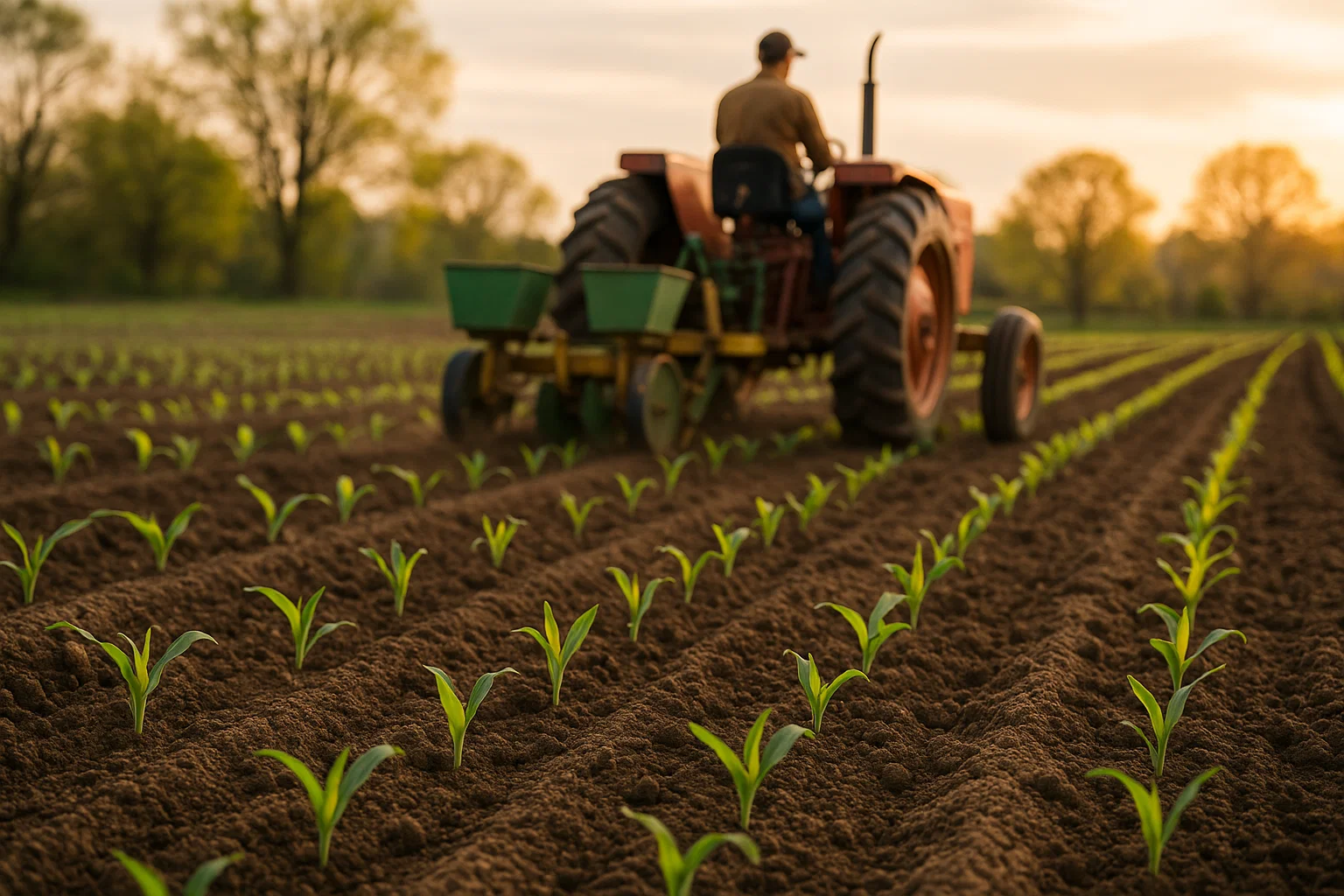
Spring planting thrives in moderate temperatures and increased soil moisture. Spring weather fosters root development. This is when many herbaceous perennials emerge from their dormant state.
Best Vegetables to Plant in Spring (Carrots, Lettuce, Tomatoes, etc.)
Late spring is perfect for sowing many vegetables like carrots, lettuce, and tomatoes. These plants benefit from the gradual warming of the soil and longer days, ensuring robust growth and plentiful yields.
Top Flowers That Thrive in Spring (Tulips, Daffodils, Pansies)
The spring garden comes alive with vibrant colors from tulips, daffodils, and pansies. These flowers, often planted as bulbs in the fall, bloom in spring, adding beauty and charm to your landscape. The bulb begins its bloom.
Spring-Blooming Perennials and Their Care
Early spring is a good time to transplant herbaceous perennials. Choose native plants that are easy to grow, which will thrive in your climate. Be sure to prepare the soil and provide adequate water.
Spring Planting Tips: Soil Prep, Watering, and Fertilization
To maximize the potential of your spring planting, focus on preparing the soil with compost and fertilizer. Regular watering is essential for root growth and initial establishment, especially as new plants begin to grow in the spring and summer. Mulch can keep moisture in the soil.
Fall Planting Season: Building Strength for the Next Bloom
Why Fall is the Underrated Planting Season
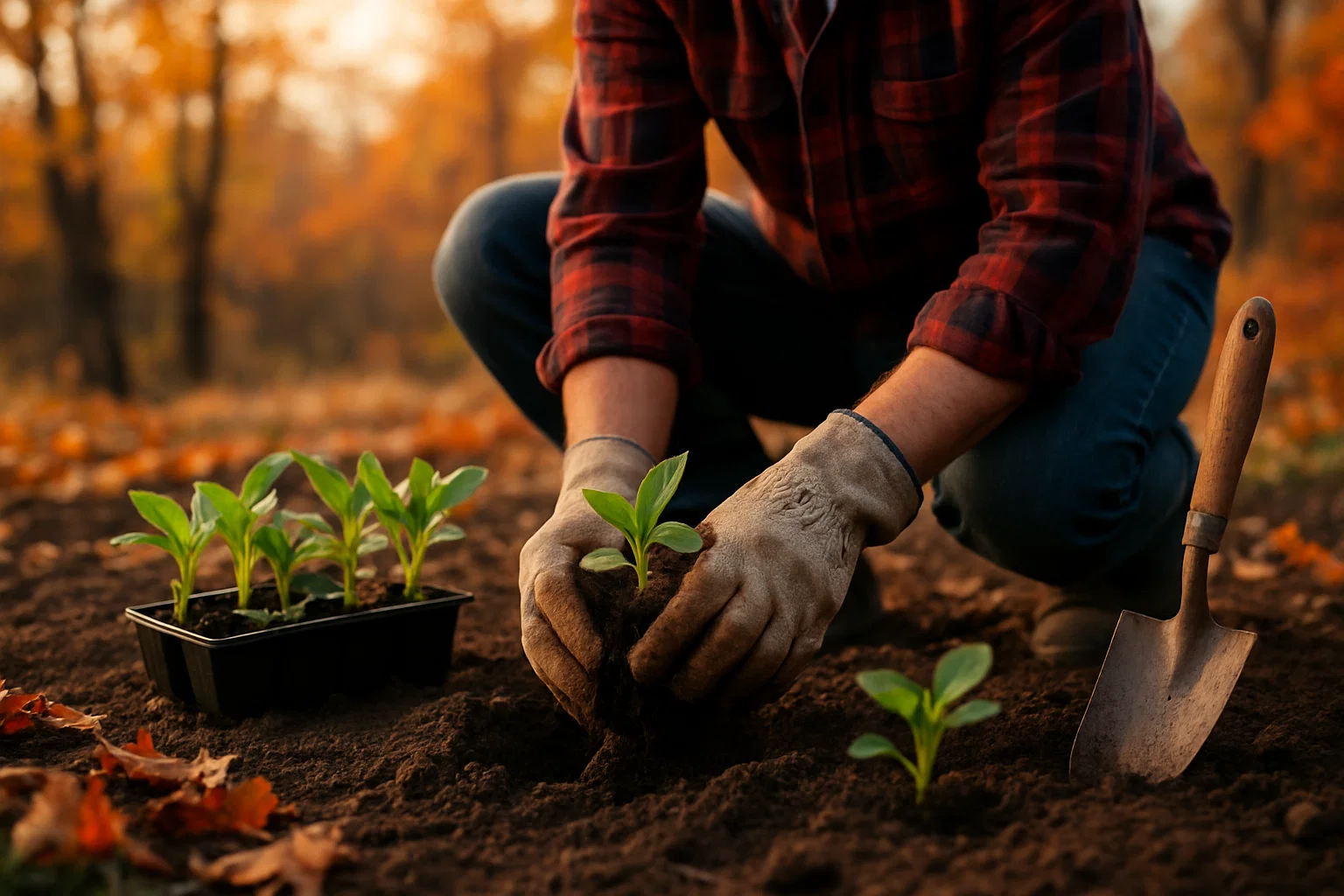
Fall is the best time to plant many types of plants in the garden, which is often underestimated. As cooler air temperatures arrive and the intensity of the sun diminishes, this provides an optimal environment for root development. Planting in fall allows new plants to establish themselves before the ground freezes, resulting in stronger, healthier plants. Fall is the best time to prepare the soil for growth.
Best Vegetables to Plant in Fall (Garlic, Kale, Spinach, Radishes)
Fall planting is ideal for many vegetables. Garlic benefits from being planted in the fall and winter to produce the best bulbs. Leafy greens like kale and spinach also thrive when sown in early fall. Quick-growing radishes are another great choice for the fall garden, maturing rapidly in the cooler temperatures.
Top Flowers That Bloom Beautifully in Fall (Chrysanthemums, Asters, Marigolds)
The fall garden comes alive with the vibrant colors of chrysanthemums, asters, and marigolds. These flowers bloom in late fall, providing a stunning display as other flowers fade. Plant these beauties in early fall to ensure they have time to establish before the first frost.
Herbs That Love the Fall Chill (Cilantro, Thyme, Rosemary)
Certain herbs thrive in the cooler conditions of fall. Cilantro, with its delicate leaves, does well in the reduced heat. Thyme and rosemary, both hardy perennials, benefit from being planted in the fall. These herbs get ready to grow come spring.
Fall Planting Tips: Mulching, Root Protection, and Moisture Control
To ensure successful fall planting, start by amending the soil with compost. Apply a layer of mulch to conserve moisture and regulate soil temperature. Protect newly planted in the ground from frost by covering them. Regular watering is crucial, especially during dry spells to ensure healthy root growth.
Spring vs. Fall: Key Differences Every Gardener Should Know

Temperature and Moisture Variations
Fall vs spring offer significantly different temperature and moisture conditions that impact plant growth. Spring weather brings warming temperatures and increased rainfall. Fall weather brings cooler air and reduced rainfall. These variations affect soil temperature and moisture levels, which directly influence root development.
Growth Speed and Germination Rate
The germination rate and growth speed of plants differ significantly between spring and fall. In spring, warmer soil temperatures and longer days promote rapid germination and quick growth. In fall, cooler temperatures and shorter days slow down growth. The time to plant will affect growth.
Pest Control and Disease Risks by Season
Pest control and disease risks vary by season, impacting how you manage your garden. Spring can bring an increase in common pests like aphids and slugs. Fall, with cooler temperatures, can see an increase in fungal diseases, requiring vigilant monitoring and proactive treatments.
Harvest Timelines: Which Season Pays Off Faster
The harvest timelines differ considerably between spring and fall planting. Spring planting often yields faster results for many vegetables. Fall crops, while slower to mature, often develop deeper flavors and are ready for harvest in the spring after overwintering. The best time to plant differs.
A Comparative Chart: Best Plants by Season
Creating a comparative chart of the best plants for each season can be an invaluable tool for the gardener. This chart should list vegetables, flowers, and herbs that thrive in spring and fall. This helps you make informed decisions and plan your garden effectively.
Perfect Pairings: Plants That Complement Each Other by Season
Companion Planting Ideas for Spring
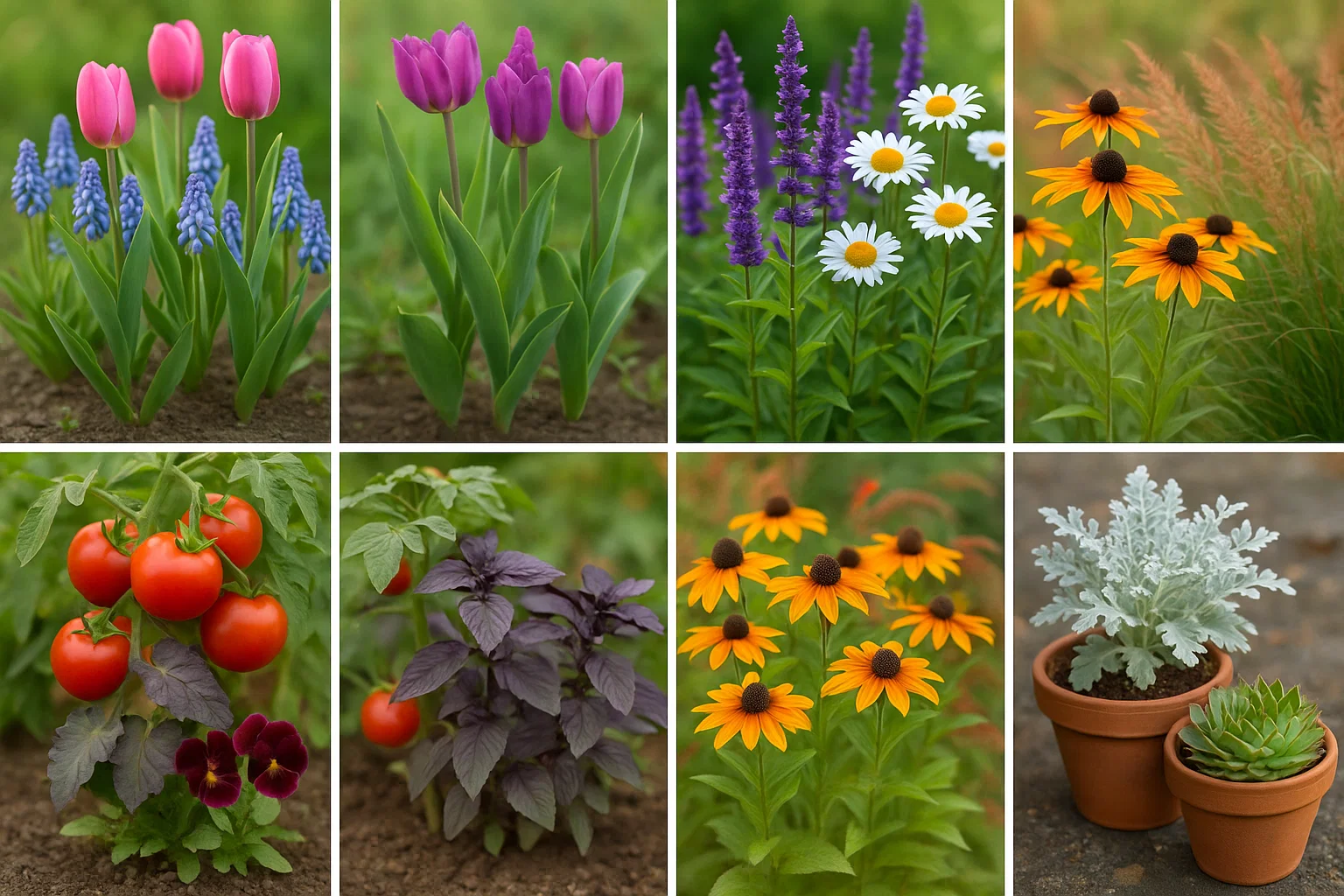
Companion planting in spring can greatly benefit your garden by improving growth and deterring pests. Plant basil near tomatoes to improve their flavor and repel insects. Marigolds are another excellent companion, deterring nematodes and other soil pests. It is better to plant together.
Companion Planting Ideas for Fall
Companion planting is equally beneficial in fall. Plant garlic near leafy greens like spinach and kale to deter aphids and other pests. Cover crops like clover can be sown between rows to improve soil health. When considering planting in fall, consider companion plants.
Plants to Avoid Mixing in Each Season
In each season, certain plants should not be mixed together to avoid hindering growth or attracting pests. Avoid planting fennel near most vegetables, as it inhibits their growth. Keep members of the allium family away from peas and beans, as they can stunt their development and prevent them from growing.
Regional Considerations: Tailoring Your Garden to Your Climate Zone
How to Identify Your USDA Hardiness Zone
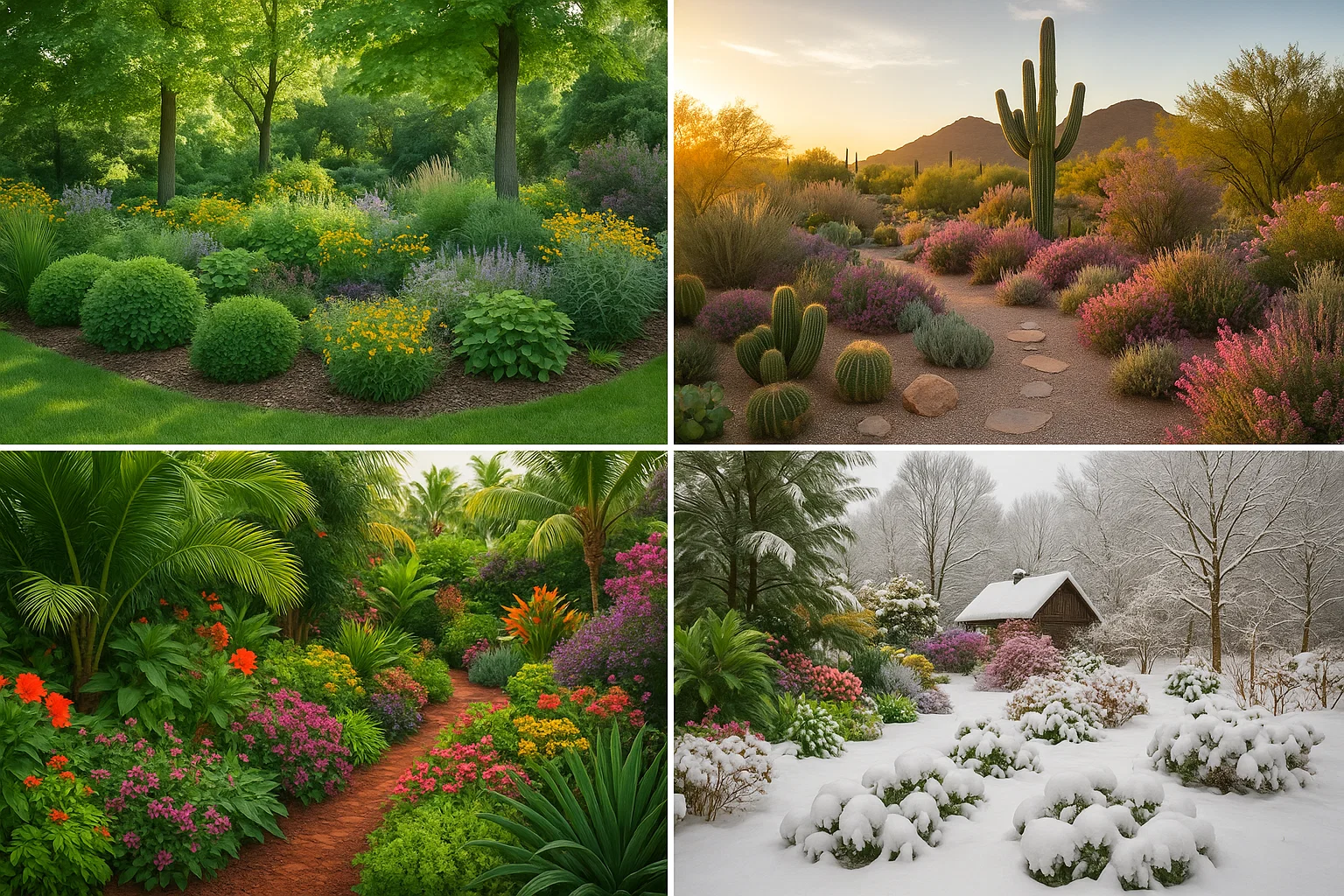
Understanding your USDA hardiness zone is crucial for successful fall gardening and spring planting. This zone indicates the average minimum winter temperatures in your region, helping you select plants that can survive the winter. The USDA hardiness zone is the best guide for when to plant.
Best Plants for Warm vs. Cool Regions
The climate significantly influences which plants thrive in your garden. In warmer climates, choose heat-tolerant varieties that can withstand high temperatures. In cooler regions, select plants hardy enough to survive winter frost and shorter growing seasons. This is the best time to plant. The gardening season is important.
Adjusting Planting Schedules for Different Climates
Adjust your planting schedules according to your local climate and the first frost date. In warmer areas, extend the growing season. Start spring planting earlier. In colder regions, delay planting perennials in the fall to avoid frost damage and protect vulnerable plants from the first frost.
Year-Round Care: Keeping Your Garden Thriving Beyond Seasons
Seasonal Maintenance Checklist
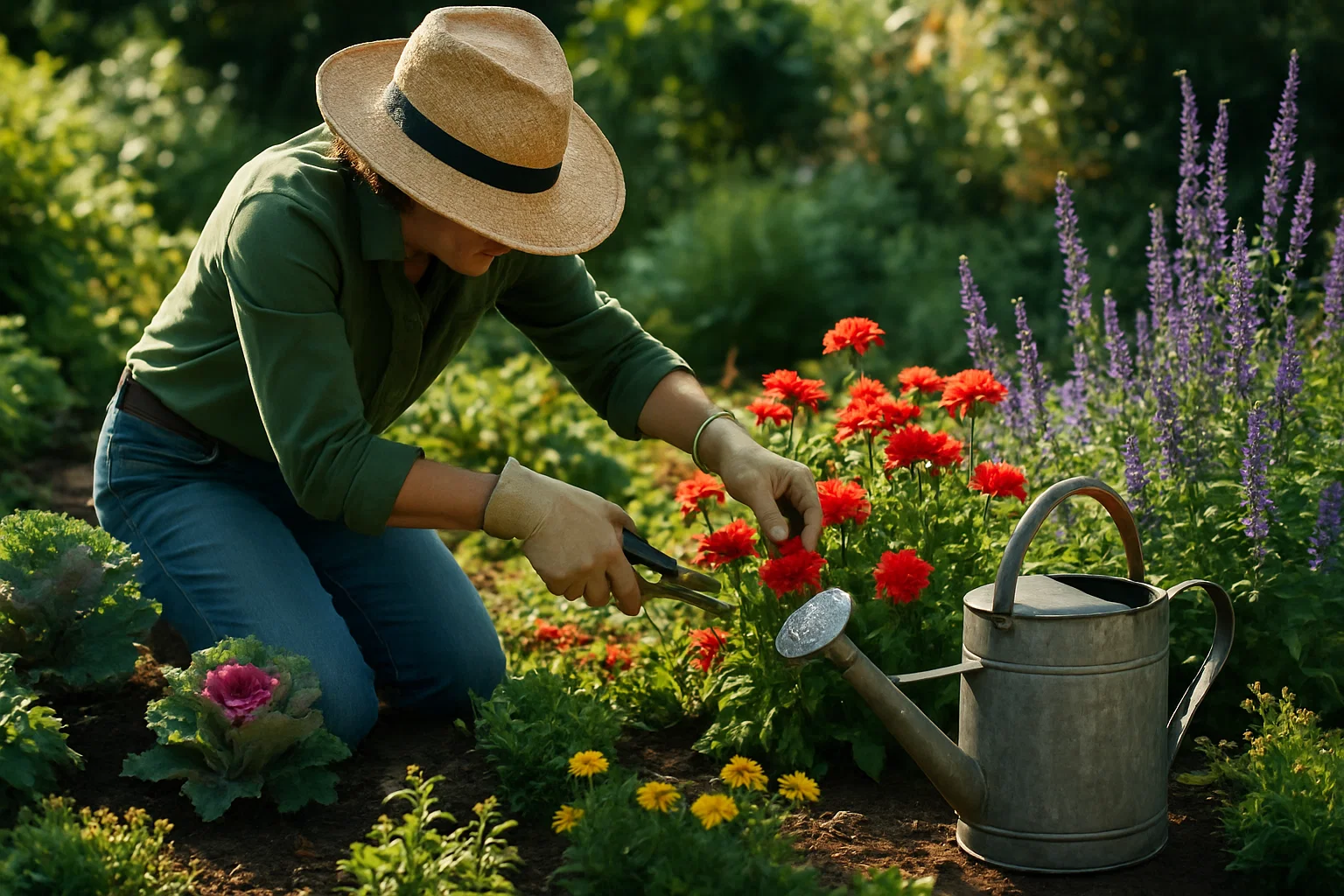
A seasonal maintenance checklist ensures your garden remains healthy throughout the year. In spring, focus on soil preparation and early-season pest control. During the fall, prioritize mulching and protecting sensitive plants from cooler air and frost. The time to grow will differ.
Soil Health: Composting, Aeration, and Rotation Tips
Maintaining soil health is essential for a thriving garden. Regularly amend the soil with compost to improve its fertility and structure. Aerate the soil to enhance root growth and drainage. Practice crop rotation to prevent soil-borne diseases and nutrient depletion, keeping it healthy.
Sustainable Gardening Practices to Keep in Mind
Adopt sustainable gardening practices to promote environmental stewardship and long-term garden health. Use organic fertilizers and natural pest remedies. Conserve water through efficient irrigation methods. Compost yard waste to enrich the soil and reduce landfill waste, and always think of the future.
Pro Tips from Expert Gardeners
Mistakes to Avoid in Spring and Fall Planting
Avoid common mistakes in spring and fall planting to ensure a successful garden. Do not plant tender plants too early in spring before the last frost. Neglecting soil preparation in the fall can hinder root development over winter. This is the best time to plant native plants.
Tools That Make Seasonal Gardening Easier
Invest in tools that simplify seasonal gardening tasks. A soil tester helps monitor soil pH and nutrient levels. A good pair of gardening gloves protects your hands. A sturdy trowel and spade are essential for planting bulbs and transplanting seedlings. A soil thermometer helps you know when it’s time to grow.
Best Organic Fertilizers and Natural Pest Remedies
Enhance your garden with organic fertilizers. Compost, well-rotted manure, and bone meal provide essential nutrients. Control pests naturally with beneficial insects like ladybugs. Use neem oil to combat fungal diseases and insect infestations. These will help any time to grow.
Conclusion: Creating a Garden That Blooms All Year Long
By understanding the nuances of spring and fall gardening, and tailoring your approach to your specific climate, you can create a garden that blooms beautifully throughout the year. Embrace the best time to plant and enjoy the rewards of a thriving, vibrant landscape, no matter the season, from herbaceous perennials to shrubs.