



Embark on a transformative journey by understanding the profound impact of achieving 10,000 steps per day. This article dives deep into the science-backed benefits, exploring how consistent daily steps can revolutionize your overall health and contribute to longevity. Discover how this achievable goal can become a cornerstone of your wellness journey.
Understanding the 10,000 Steps Phenomenon to Improve
Your Health
The concept of taking 10,000 steps per day has gained considerable traction as a simple yet effective way to improve health through physical activity. But what’s the real story behind this number of steps? Let’s explore the origins, validity, and influence of this widely recognized fitness benchmark on your well-being.


The Origins of the 10,000 Steps Goal
The popular 10,000 steps per day recommendation originated in Japan in the 1960s, not as a scientific conclusion but as a marketing campaign. A company introduced a pedometer called “Manpo-kei,” which translates to “10,000 steps meter.” This catchy name promoted movement throughout the day and captured public interest, setting a benchmark.
Is 10,000 Steps a Magic Number or Just a Benchmark?
While 10,000 steps may not be a magical, scientifically derived figure, it serves as a useful benchmark for gauging physical activity. Instead of being a rigid target, it represents a level of daily movement that can significantly improve health, especially for those transitioning from a sedentary lifestyle with fewer steps.
How Step Count Influences Overall Health
The step count is closely linked to various aspects of overall health. Increasing steps per day contributes to weight management, enhances cardiovascular health, and improves mental well-being. It provides a tangible way to measure and accumulate daily routine physical activity, encouraging people to embrace a more active lifestyle.
Cardiovascular Benefits of Walking Daily and Steps Per Day
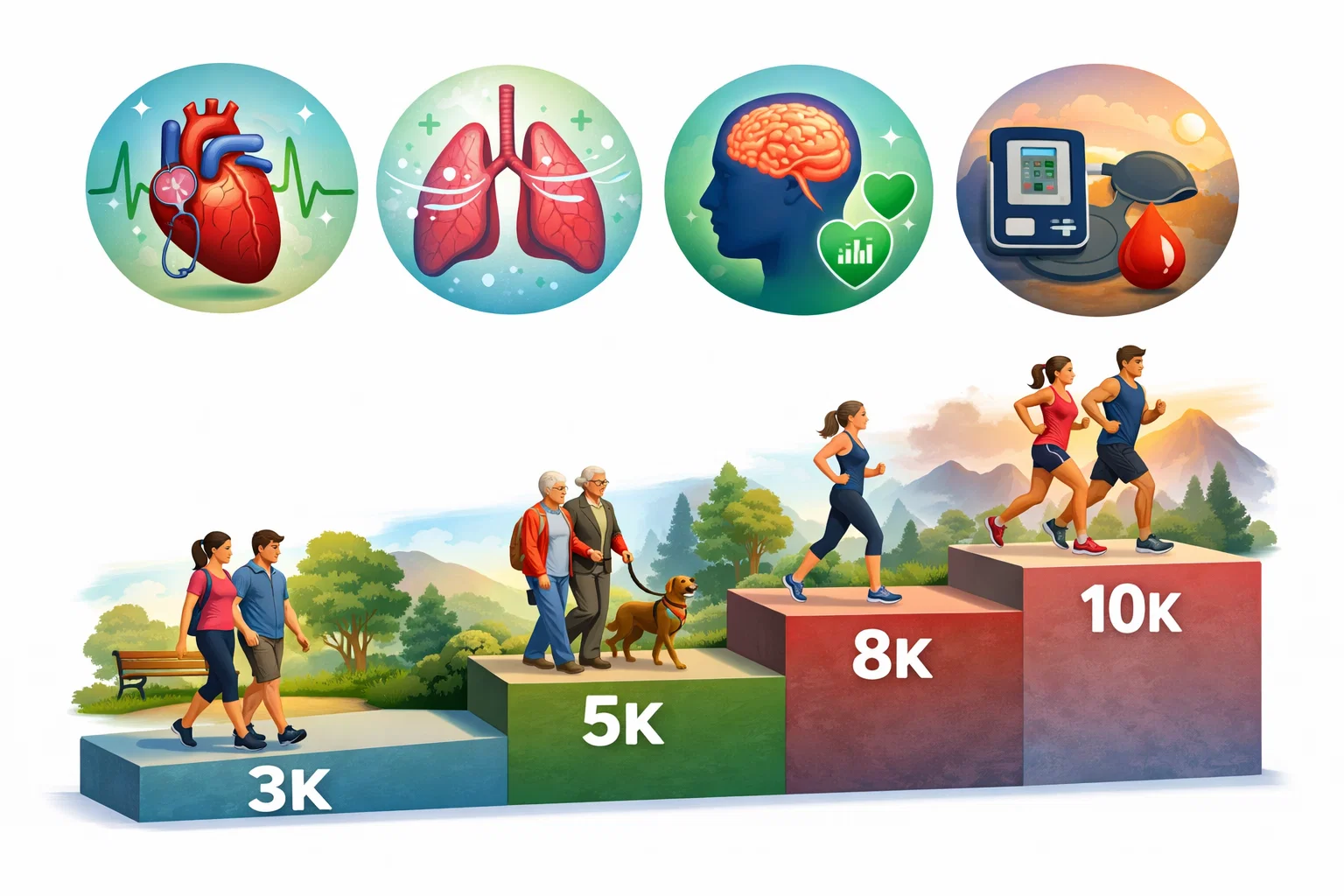
Walking daily, and aiming for a consistent number of steps, has a profound impact on your cardiovascular health. Regular aerobic exercise, like walking, can strengthen your heart, improve circulation, and reduce your risk of various heart-related conditions. It’s a simple yet powerful way to boost your well-being.
Strengthening Your Heart and Improving Circulation
Walking is a fantastic way to strengthen your heart muscle, enabling it to pump blood more efficiently. This improved cardiovascular function leads to better circulation, ensuring that oxygen and nutrients are delivered effectively throughout your body with steps throughout the day. This supports better health and vitality.
Reducing Blood Pressure and Risk of Heart Disease
Consistent walking helps to lower blood pressure, reducing strain on your arteries and decreasing the risk of heart disease. The National Institutes of Health and Harvard Medical School found that steps per day was associated with positive effects, and that taking steps every day is a proactive step toward protecting your heart.
How Walking Impacts Cholesterol and Blood Sugar
Walking has a positive impact on cholesterol levels by helping to increase HDL (good) cholesterol while potentially lowering LDL (bad) cholesterol. Additionally, it aids in regulating blood sugar levels, reducing the risk of type 2 diabetes. Research has shown the connection between daily step count and risk of type 2.
Weight Management and Metabolic Effects of Daily Steps
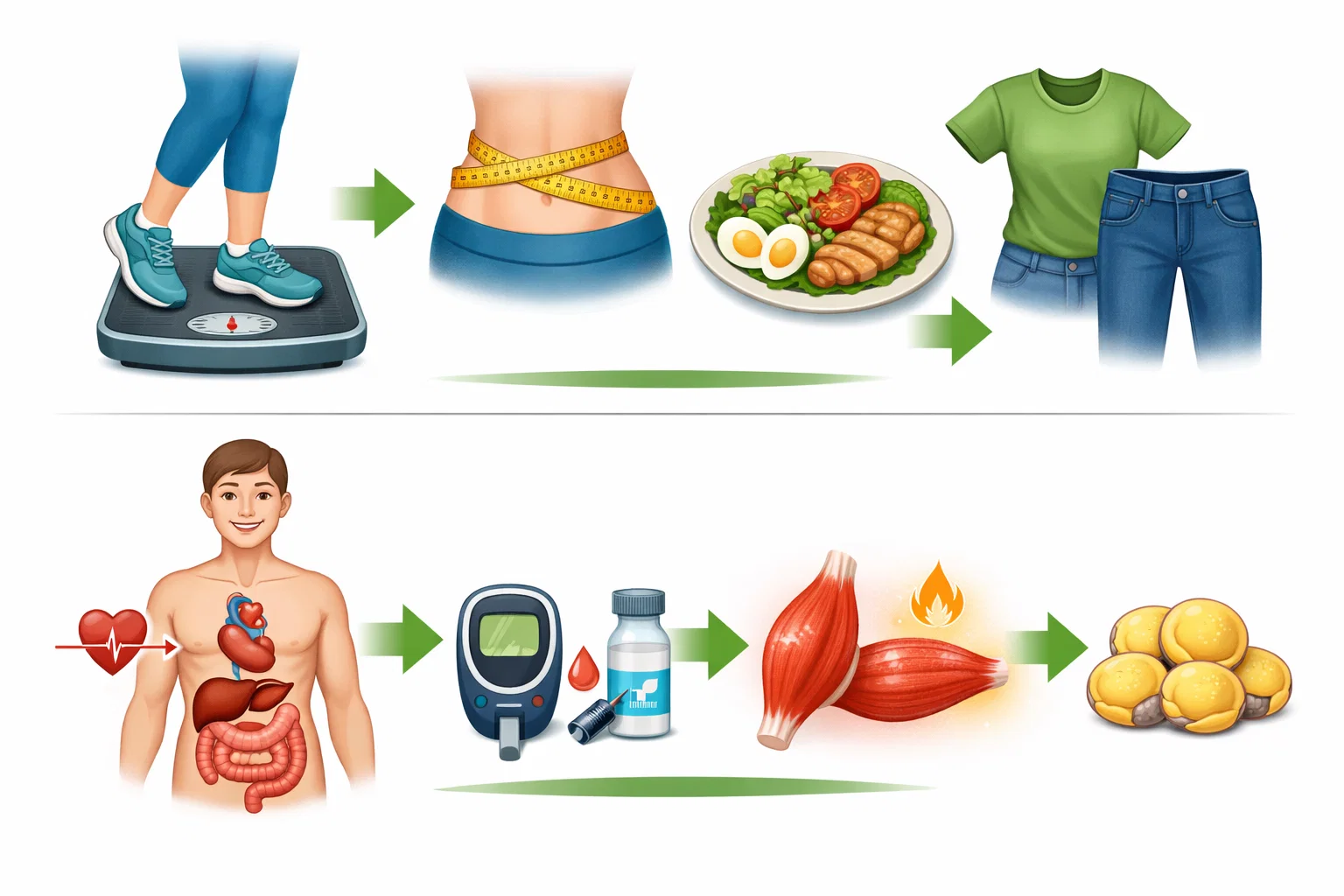
Embarking on a journey to increase your steps per day is an excellent strategy for weight management. Walking burns calories, influences body weight, and improves metabolic processes. Let’s explore how achieving steps every day can support your goals of achieving a healthier body weight and overall metabolic function.
Calories Burned by Walking 10,000 Steps
Walking 10,000 steps can burn a significant number of calories, contributing to a calorie deficit necessary for prevention of weight gain or if you want to lose weight. The exact number of calories burned depends on factors such as your weight, stride length, and walking speed, but it’s undoubtedly a valuable way to expend energy.
How Daily Steps Influence Fat Loss and Body Composition
In addition to burning calories, daily steps can positively influence fat loss and improve body composition. Regular walking helps increase lean muscle mass, which in turn boosts your metabolism. Aiming for the number of steps you should aim for can lead to a leaner, healthier physique and promote overall health.
Walking vs. Other Cardio: What Science Says
While other forms of cardio, according to sports medicine, like running or cycling may burn more calories in a shorter time, walking offers a low-impact, accessible option for sustained physical activity. Studies published in JAMA and other health sciences journals indicate that walking regularly provides comparable cardiovascular health benefits and contributes to health and longevity.
Mental Health and Cognitive Improvements through Daily Step Count
Incorporating more steps per day into your daily routine not only benefits your physical health but also significantly enhances your mental well-being. Walking and physical activity can lead to notable improvements in mood, cognitive function, and overall mental resilience. The number of steps you take each day can truly transform your mental landscape.

Boosting Mood: Dopamine, Serotonin, and Stress Reduction
Walking stimulates the release of endorphins, dopamine, and serotonin, neurotransmitters that act as natural mood elevators. Regular physical activity and daily steps help to combat stress, anxiety, and symptoms of depression. Taking steps daily becomes a simple, effective strategy for enhancing emotional well-being and improve your health.
Improving Memory, Focus, and Brain Health
Increasing your step count is linked to improved cognitive function, including enhanced memory and focus. Walking promotes blood flow to the brain, nourishing brain cells and supporting neural connections, resulting in better cognitive performance. Embrace the power of steps per day for a sharper mind and better health.
Walking in Nature: The Added Cognitive Benefits
Taking your walk outdoors amplifies the cognitive benefits. Nature exposure reduces mental fatigue, enhances attention span, and boosts creativity. Combining steps every day with time spent in green spaces offers a powerful combination for mental clarity and overall health. It is a great way to improve your health.
Bone, Joint, and Musculoskeletal Health with Better Health
Walking, as a weight-bearing exercise, plays a crucial role in maintaining and improving bone, joint, and musculoskeletal health. Consistent physical activity, measured by steps per day, can strengthen bones, lubricate joints, and prevent age-related decline in mobility. It is a good way to improve your health and longevity.

Weight-Bearing Exercise: Strengthening Bones Naturally
Walking is a weight-bearing activity that stimulates bone growth and increases bone density. The impact of each step encourages bone cells to regenerate, leading to stronger, healthier bones. Aiming for a sufficient number of steps each day is a natural way to combat bone loss and support skeletal strength.
Joint Lubrication and Reducing Stiffness
Regular walking promotes joint lubrication, reducing stiffness and improving flexibility. Movement stimulates the production of synovial fluid, which nourishes cartilage and reduces friction within the joints. By increasing steps, you can maintain joint health, alleviate discomfort, and enhance your range of motion.
Preventing Osteoporosis and Improving Posture
Walking helps prevent osteoporosis by increasing bone density and reducing the risk of heart disease. Additionally, it strengthens core muscles, contributing to improved posture and balance. Make steps per day a cornerstone of your strategy to maintain bone strength, prevent falls, and preserve a healthy posture.
Hormonal and Blood Sugar Regulation with Increased Daily Steps
Walking is a powerful tool for regulating hormones and stabilizing blood sugar levels. By making steps per day a consistent habit, you can enhance insulin sensitivity, balance hormone production, and manage blood glucose levels effectively. Many studies published in health sciences journals indicate that walking provides multiple health and longevity benefits.

How Walking Helps Insulin Sensitivity
Walking improves insulin sensitivity, allowing your body to use glucose more efficiently. This is particularly beneficial for individuals with insulin resistance or type 2 diabetes. Aiming for a target number of steps daily can help regulate blood sugar levels, reduce your risk, and improve metabolic health.
Balancing Hormones for Energy and Appetite Control
Regular walking can help balance hormones involved in energy regulation and appetite control. It can reduce levels of stress hormones like cortisol and promote the release of hormones that regulate hunger and satiety. Prioritizing steps every day supports hormonal balance, helping to stabilize energy levels and manage cravings.
Walking After Meals: Timing Matters for Blood Sugar
Taking a short walk after meals can have a significant impact on blood sugar levels. Research has shown that post-meal physical activity helps to lower glucose spikes, preventing dramatic fluctuations in blood sugar. Incorporating a daily routine of walking after eating is a practical strategy for managing blood sugar levels.
Sleep and Recovery Benefits from Increasing Your Daily Steps
Walking and increasing your number of steps offers benefits for sleep quality and overall recovery. Regular physical activity helps regulate your circadian rhythm, reduce fatigue, and promote restful sleep. Daily steps can contribute to improved sleep patterns and enhanced recovery from physical exertion. It promotes better health.

How Daily Walking Improves Sleep Quality
Consistent walking has been shown to improve sleep quality, helping you fall asleep faster, stay asleep longer, and wake up feeling more refreshed. Accumulate daily steps and daily movement, and aerobic exercise promotes relaxation and reduces insomnia symptoms. Aiming for steps throughout the day can pave the way for a more restful night’s sleep.
Regulating Circadian Rhythm Naturally
Walking helps regulate your circadian rhythm, the internal clock that governs your sleep-wake cycle. Exposure to daylight during your walk reinforces this natural rhythm, promoting better sleep patterns. Make steps per day a part of your strategy to synchronize your circadian rhythm and improve sleep quality.
Enhancing Recovery and Reducing Fatigue
Walking aids in recovery from physical activity by increasing blood flow to muscles and tissues, promoting healing and reducing soreness. Additionally, regular walking can combat fatigue by increasing energy levels and improving overall stamina. Embrace steps every day to enhance recovery, alleviate fatigue, and improve your health.
How Much Is Enough? Step Counts and Realistic Goals for Longevity

Minimum Steps for Health Benefits
Even a modest increase in daily steps can yield significant health and longevity benefits, especially for those transitioning from a sedentary lifestyle. Aiming for at least 5,000 steps per day can improve cardiovascular health, boost mood, and reduce the risk of heart disease, making it a great starting point.
Progressing Gradually: From 3,000 to 10,000 Steps
The journey to 10,000 steps per day doesn’t have to be immediate. Start by tracking your current step count with a pedometer or fitness tracker and gradually increase your daily routine by 500 to 1,000 steps each week. Increasing steps ensures sustainable progress toward better health.
Customizing Step Goals Based on Age, Fitness, and Lifestyle
The optimal number of steps varies based on individual factors such as age, fitness level, and lifestyle. Younger, active individuals may aim for a high number of steps, while older adults or those with health conditions may benefit from a lower target. Tailor the number of steps you should aim for to your needs.
Practical Tips to Hit 10,000 Steps Every Day
Making Walking a Habit: Routine and Motivation
To make walking a sustainable habit, integrate it into your daily routine. Schedule dedicated time for walks, whether it’s during your lunch break or after dinner. Find an accountability partner or join a walking group to maintain motivation and stay committed to your steps per day goal.
Creative Ways to Add Steps Without a Gym
You don’t need a gym to accumulate more steps. Take the stairs instead of the elevator, park further away from your destination, walk during phone calls, or stroll around during your lunch break. Incorporate daily movement into your activities and strive to improve your health.
Tracking Progress: Wearables, Apps, and Mental Accountability
Use a pedometer, fitness tracker, or smartphone app to monitor your step count and track your progress. Visualizing your achievements can be highly motivating. Set realistic goals, reward yourself for reaching milestones, and stay mentally accountable to your steps daily commitment to ensure health and longevity.
Long-Term Health Transformation from Walking Daily
What Happens to Your Body After 30, 60, and 90 Days
After 30 days of consistently achieving your daily steps goal, you may start noticing several positive changes. These benefits can include:
- Improved energy levels
- Better mood
- Enhanced cardiovascular health
By 60 days, you might experience weight loss. After 90 days, the long-term benefits become more pronounced with steps throughout the day.
Real-Life Success Stories and Scientific Studies
Countless individuals have transformed their health and well-being by incorporating steps per day into their lives. Research has shown the relationship between physical activity and positive health outcomes. Reading JAMA or reviewing success stories published in health sciences journals can inspire and motivate you.
Walking for Longevity: Why Consistency Beats Intensity
While high-intensity workouts have their place, consistency is key when it comes to walking and longevity. Regular, moderate-intensity walking offers sustainable cardiovascular health benefits and helps maintain body weight. Aim for consistent steps every day rather than sporadic, intense exercise for overall health.
Conclusion: Why Walking 10,000 Steps a Day Is More Than a Number
Walking 10,000 steps per day is more than just a number of steps; it represents a commitment to physical activity, better health, and enhanced well-being. Embrace this benchmark as a tool to encourage daily movement, improve your health, and enjoy the numerous cardiovascular and mental health benefits. Increase your step count to ensure a long and healthy life.