



Welcome to the future of wearable technology! In 2026, wearables will be more integrated into our lives than ever before. Forget bulky gadgets; think seamless extensions of your body and mind.
Why 2026 Will Redefine Wearables

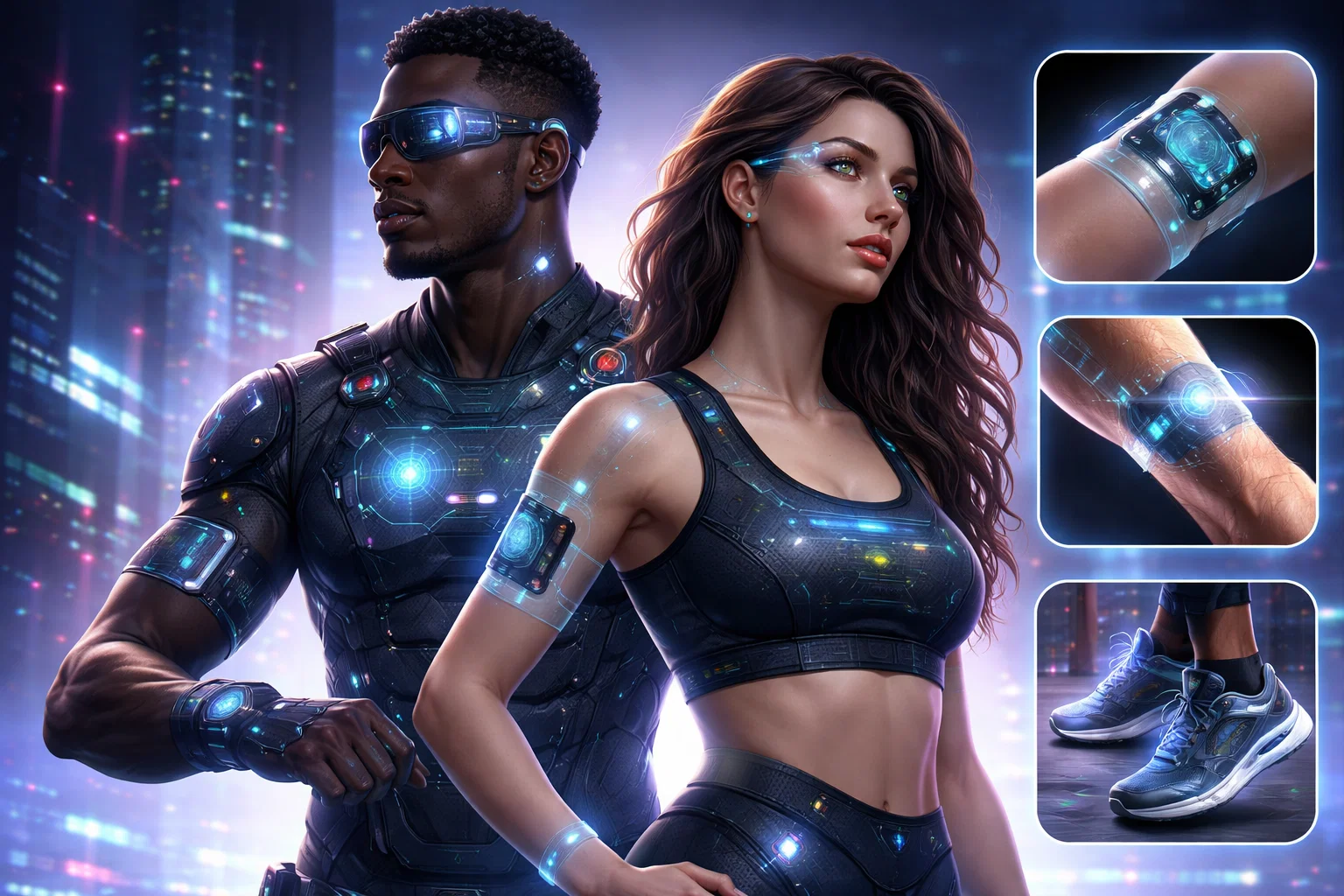
From Fitness Gadgets to Life-Enhancing Devices
In 2026, the scope of wearable technology broadens dramatically. No longer just fitness trackers, wearables become sophisticated wearable devices designed to enhance every aspect of life. This transformation from simple health monitoring to comprehensive health monitoring is a key trend.
How Wearables Are Becoming Seamless Extensions of Daily Life
Modern wearables are evolving to seamlessly integrate into our daily routines. Smart rings and smart glasses, powered by artificial intelligence, will provide real-time health data and actionable insights. This level of wearable integration offers a constant connection to our digital and physical selves.
The Shift from Monitoring to Proactive Assistance
The future of wearable technology shifts from simply monitoring metrics to providing proactive assistance. Wearable sensors will detect potential health issues early, offering personalized recommendations. This evolution marks a new era of wearable health monitoring and proactive well-being.
Health & Longevity Wearables
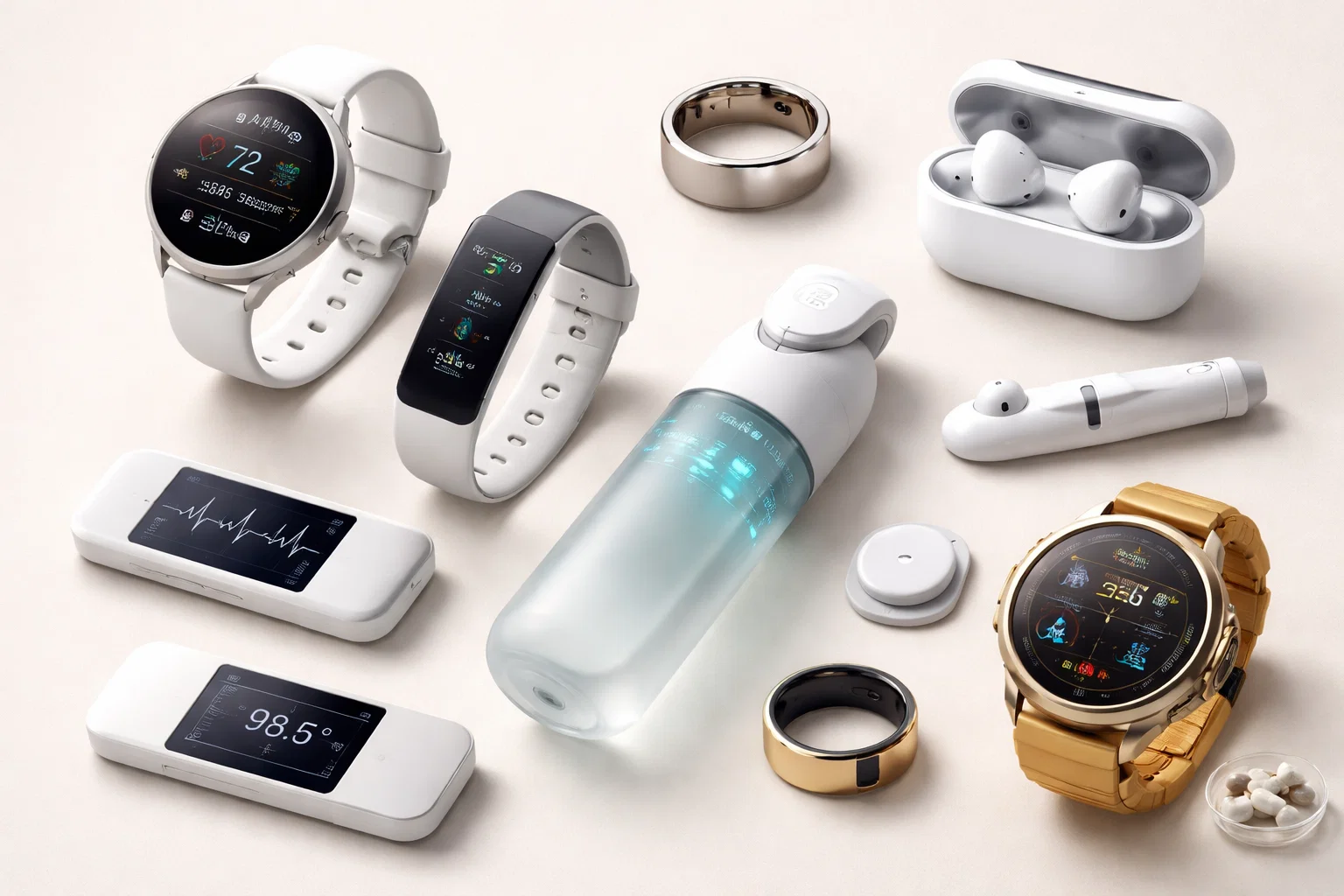
Advanced Biomarker Tracking: Heart, Glucose, Hydration, and Stress
Wearable health monitoring in 2026 includes advanced biomarker tracking, allowing sophisticated wearable medical devices to monitor several key indicators. These include:
- Heart rate
- Glucose levels
- Hydration
- Stress
This provides wearers and healthcare providers with a comprehensive overview of specific health and overall health.
AI-Powered Personalized Health Insights
Artificial intelligence takes center stage by providing personalized health insights. AI analyzes wearable data, offering tailored recommendations. This helps individuals optimize their health and fitness and proactively address potential health concerns. The ability to personalize health data will be an innovation.
Sleep, Recovery, and Longevity Optimization
Wearable tech helps optimize sleep, recovery, and longevity. Wearable devices monitor sleep patterns and recovery metrics, offering personalized advice. These wearables enable users to enhance their well-being and extend their healthy years. It is more than fitness, it is holistic wellness.
Mental Wellness and Cognitive Wearables
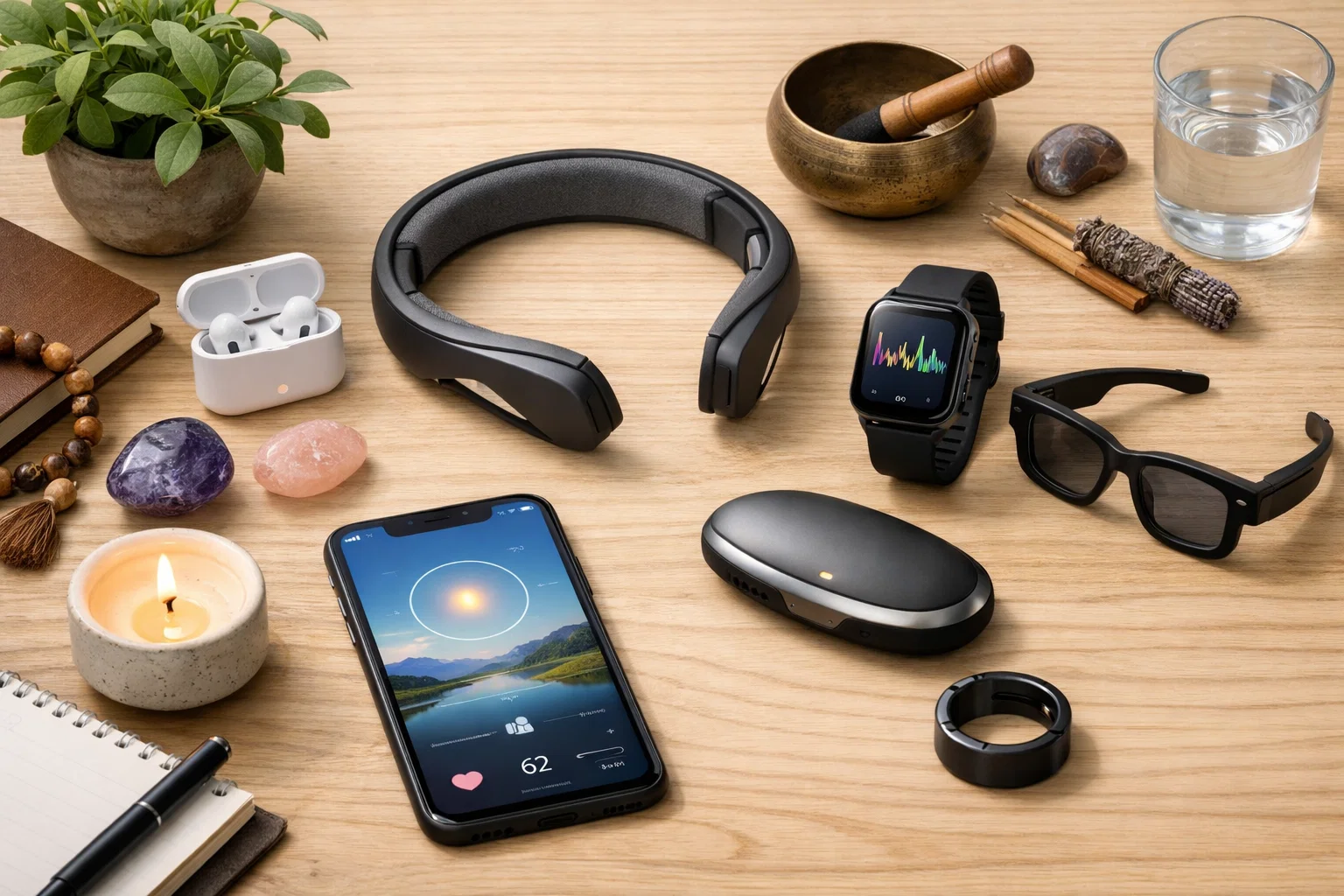
Neurotech Devices That Track Focus and Brain Activity
The advancement of neurotech enables wearable devices to track focus and brain activity. These sophisticated wearable medical devices monitor brainwaves. They provide real-time feedback on cognitive performance. Such insights will revolutionize how we understand and improve mental performance and wellness programs.
Wearables for Meditation, Stress Relief, and Cognitive Training
Wearables in 2026 support meditation, stress relief, and cognitive training. These wearable devices offer guided meditation sessions, biofeedback, and cognitive exercises. They help users manage stress and improve mental clarity. The future of wearable technology is also about supporting our mental wellness.
Integration With AI Companions for Mental Support
Wearables will integrate with AI companions to provide mental support. These AI companions analyze sensitive health data, offering personalized advice and support. The top trends in this area include proactive alerts for mental health and personalized strategies for managing stress.
Fashionable and Discreet Wearables
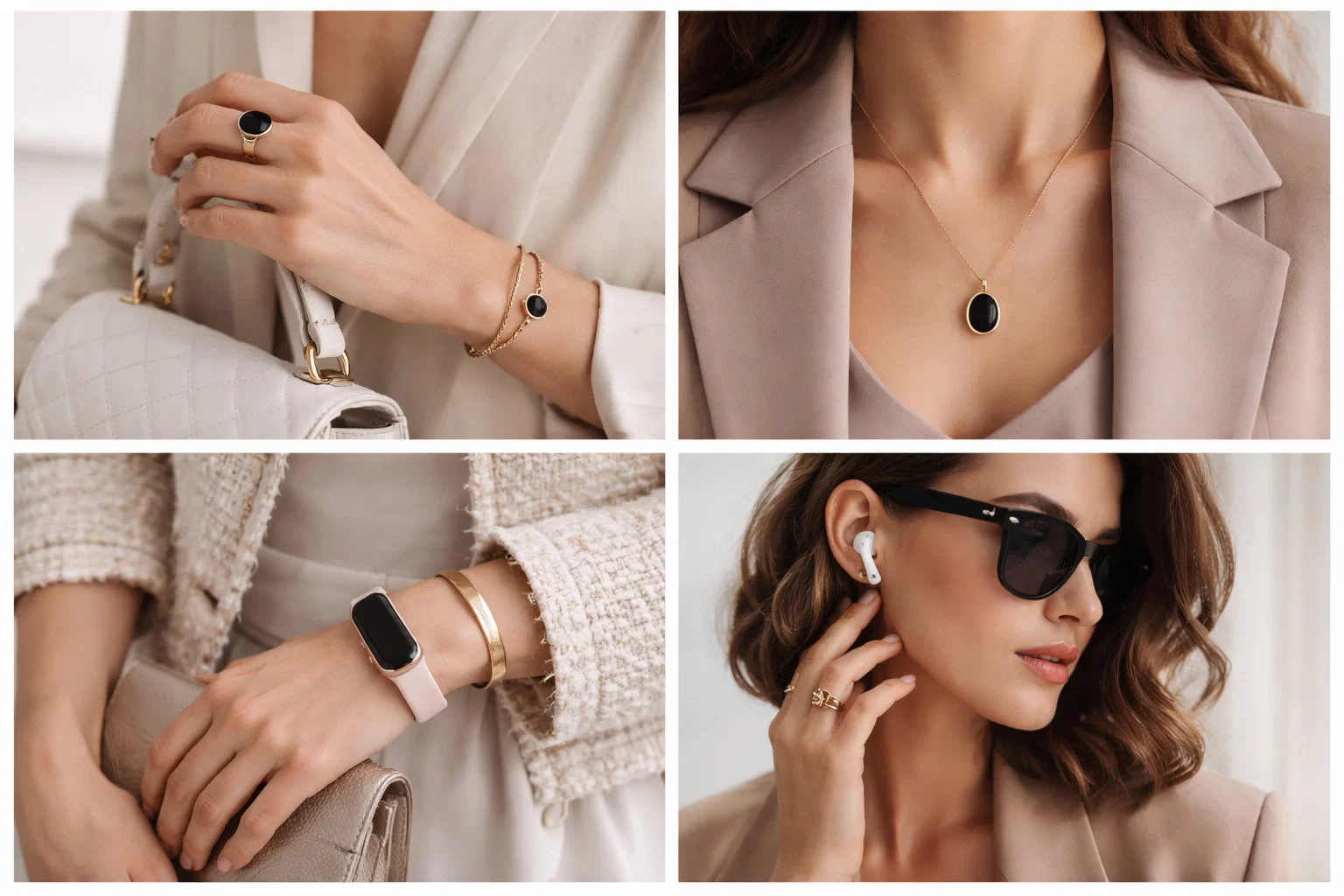
Smart Rings, Jewelry, and Clothing That Blend Tech and Style
Here’s what you can expect in 2026, wearable technology will merge seamlessly with fashion. Smart rings, jewelry, and clothing will incorporate sensors. These wearables will monitor your health metrics while complementing your style. The top trends will focus on:
- Using advanced materials
- Discreet designs, making wearable tech a stylish accessory
How Wearables Become Lifestyle Statements, Not Gadgets
Wearables in 2026 are less about gadgets and more about lifestyle statements. Modern wearables are personalized to match individual preferences, becoming an extension of personal identity. These stylish wearable devices can be customized with different materials and designs, making them unique.
Materials, Design, and Customization Trends in 2026
Customization is a key trend in wearable technology. In 2026, expect a wide range of materials and designs for wearable devices. You’ll be able to personalize your wearable to match your unique style. It is important to make a style statement and prioritize wellness, so select carefully.
AR, VR, and Mixed Reality Wearables
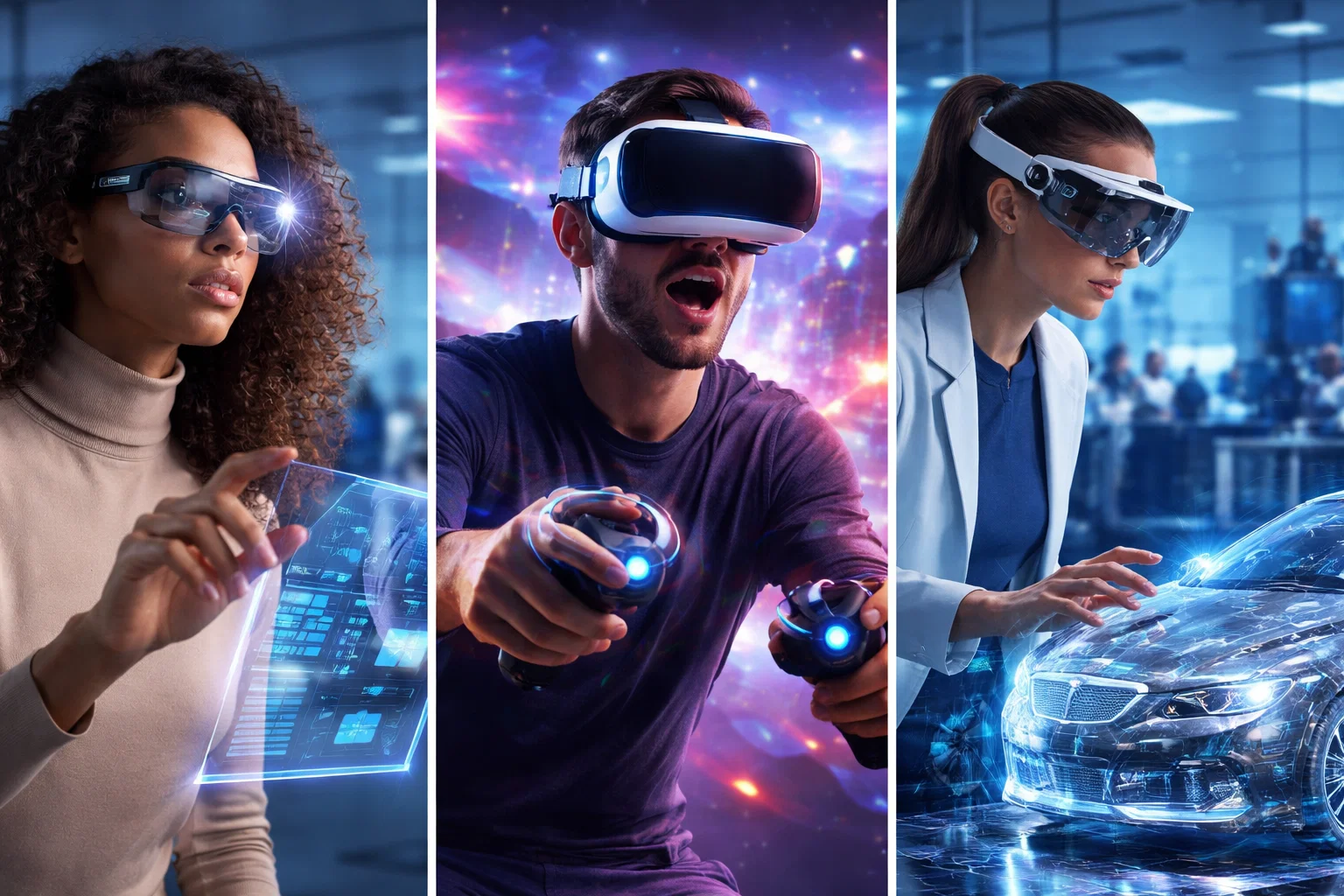
AR Glasses for Navigation, Shopping, and Social Interaction
Augmented reality (AR) glasses are set to transform navigation, shopping, and social interaction in 2026. These wearable devices provide real-time information overlaid onto your view of the world. The future of wearable technology involves seamless integration of digital and physical experiences thanks to innovation.
MR Headsets in Work, Education, and Entertainment
Mixed reality (MR) headsets will find applications in work, education, and entertainment. These wearable devices blend virtual and real-world elements, creating immersive experiences. Imagine collaborating with colleagues in a virtual workspace or learning through interactive simulations with wearable tech.
How Immersive Experiences Will Change Daily Life
Immersive experiences powered by wearable technology will change daily life. From virtual travel to interactive entertainment, the possibilities are endless. This innovation in the future of wearable technology enhances how we learn, work, and play. The advancement will be significant to 2026.
Proactive and Predictive Wearables
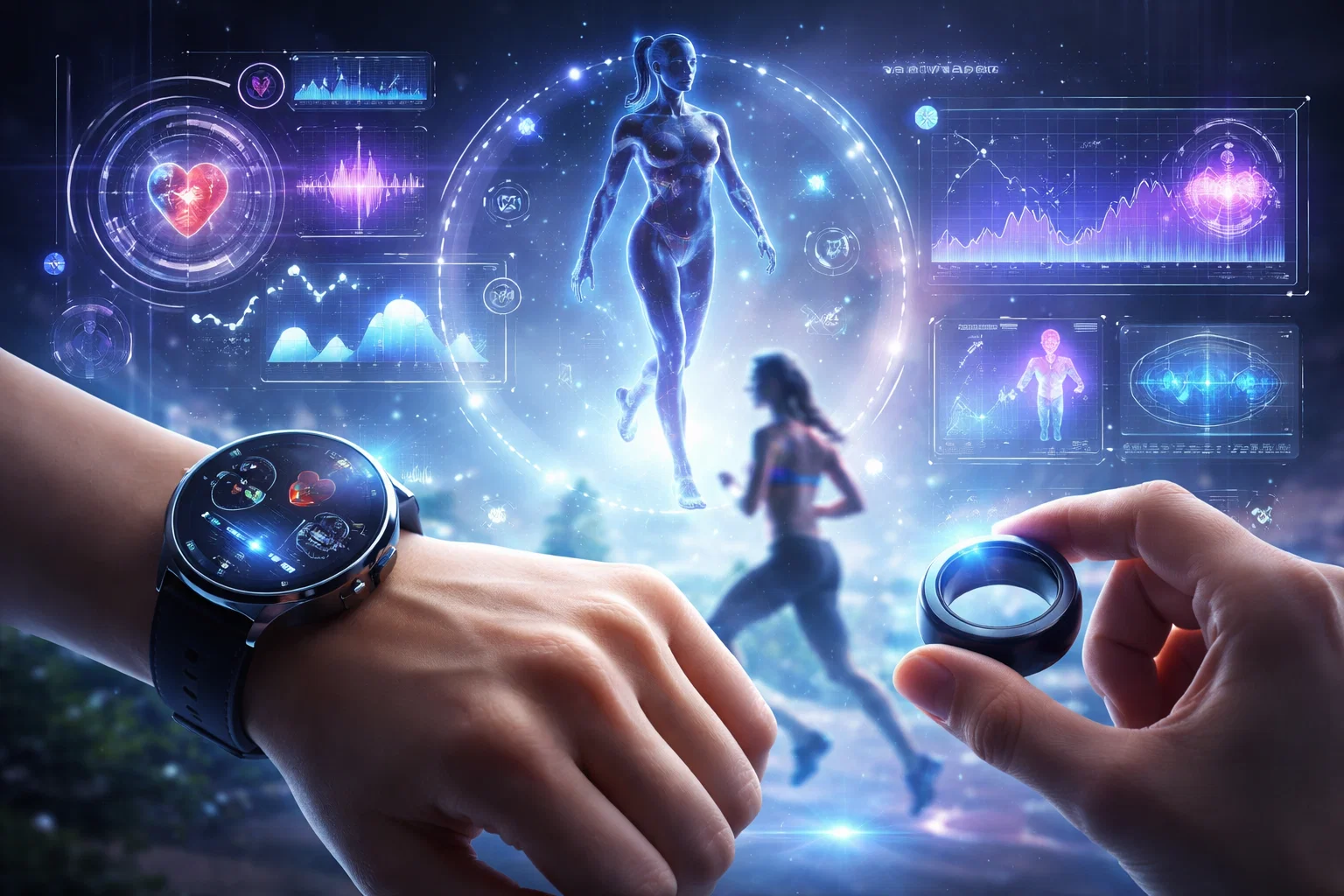
AI Anticipating User Needs Before They Ask
Artificial intelligence will enable wearable technology to anticipate user needs before they ask. These wearable devices analyze your data, predicting your next move. The advancement includes suggesting routes based on traffic patterns or adjusting your home temperature before you arrive by using these wearable sensors.
Early Detection of Health Events and Risk Alerts
Early detection of health events and risk alerts is a major focus of wearable technology. Wearable medical devices continuously monitor health metrics, detecting anomalies, and can send alerts for a variety of factors, including:
- Glucose
- Heart Rate
- Other items
These alerts are sent to the user and their healthcare provider, potentially saving lives.
Lifestyle Adjustments and Personalized Recommendations
Wearables will offer lifestyle adjustments and personalized recommendations based on your health data. AI analyzes your metrics, suggesting dietary changes or exercise routines. Modern wearables that personalize these insights help you optimize your health and well-being by using these innovations for detection.
Connectivity and Ecosystem Integration
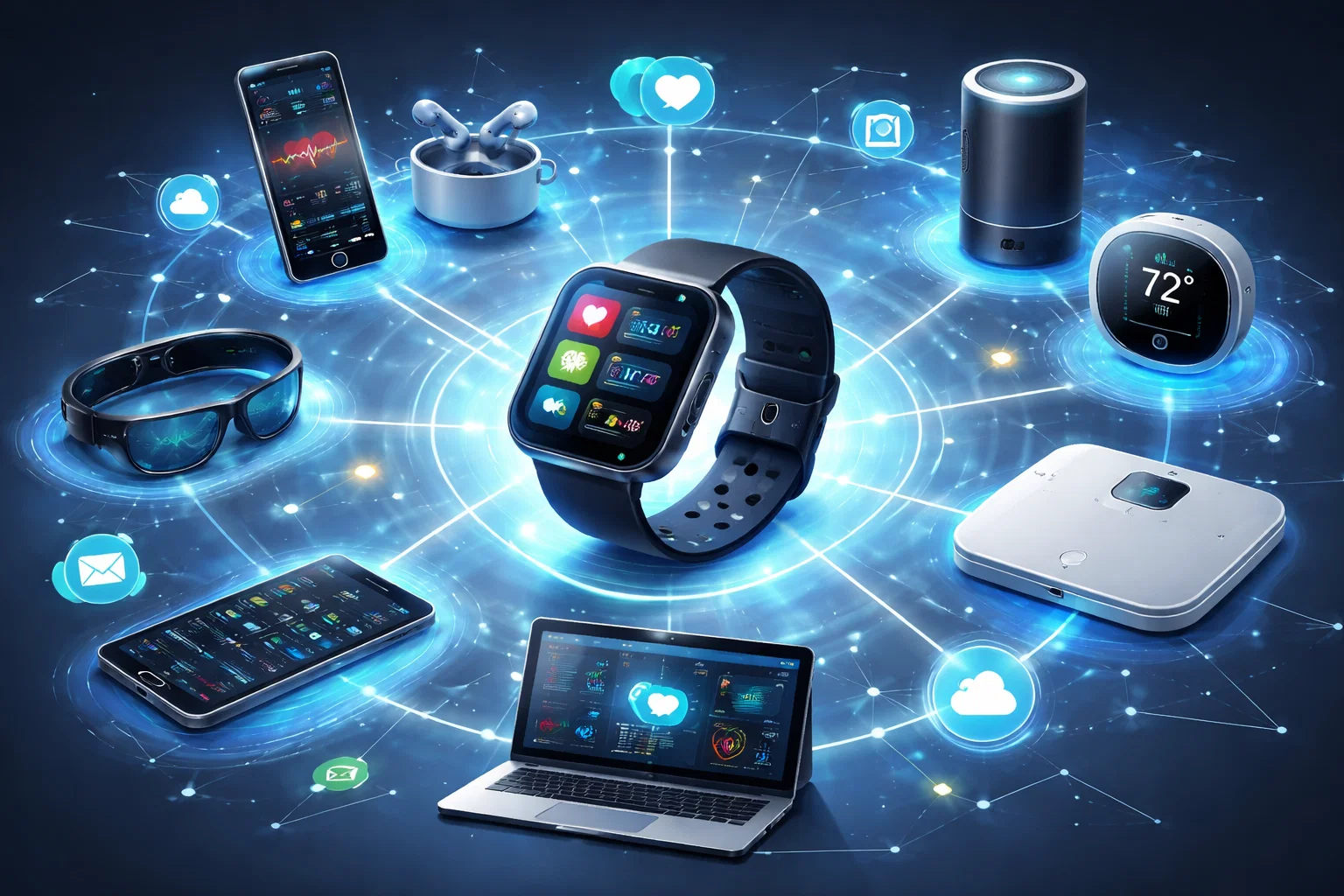
6G, IoT, and Wearables That Sync Across Devices
In 2026, wearable technology will leverage 6G and IoT to integrate seamlessly across devices. Wearables will sync effortlessly with smartphones, tablets, and other wearable devices. This innovation ensures real-time data sharing and enhanced functionality, solidifying the future of wearable technology. The advancement is set to transform connectivity.
Seamless Integration With Smart Homes, Cars, and Workspaces
Wearables in 2026 will extend beyond personal devices to integrate with smart homes, cars, and workspaces. AI-powered wearable tech will control lighting, temperature, and access. This seamless integration enhances convenience and efficiency, driven by the advancement in wearable sensors. This personalized control will be a game changer.
Wearables as Hubs for Personal Digital Life
The future of wearable technology sees wearables evolving into central hubs for your digital life. Manage communications, access media, and control smart devices directly from your wrist or eyeglasses. This integration simplifies daily tasks and enhances connectivity. These wearable medical devices are more than just health monitoring devices.
Sustainability and Energy Innovation in Wearables

Energy-Efficient Designs and Longer Battery Life
Sustainability is a key focus in wearable technology. 2026 sees energy-efficient designs and extended battery life. Manufacturers are developing wearable sensors that consume less power without sacrificing functionality. This extends use and reduces the need for frequent charging. This helps the adoption of wearable health monitoring.
Recycled Materials and Eco-Friendly Production
The adoption of recycled materials and eco-friendly production methods marks a significant shift in wearable technology. Companies are prioritizing sustainability. They use recycled plastics, bio-based materials, and ethical manufacturing processes to minimize environmental impact. This is a trend worth investing in the global market for wearable medical devices.
Wearables Designed for Longevity and Minimal Environmental Impact
Wearables in 2026 are designed for longevity. This reduces electronic waste and promotes sustainability. Modular designs allow for easy repairs and upgrades, extending the lifespan of the device. The future of wearable technology includes a commitment to minimal environmental impact in health and fitness.
Privacy, Security, and Ethical Considerations
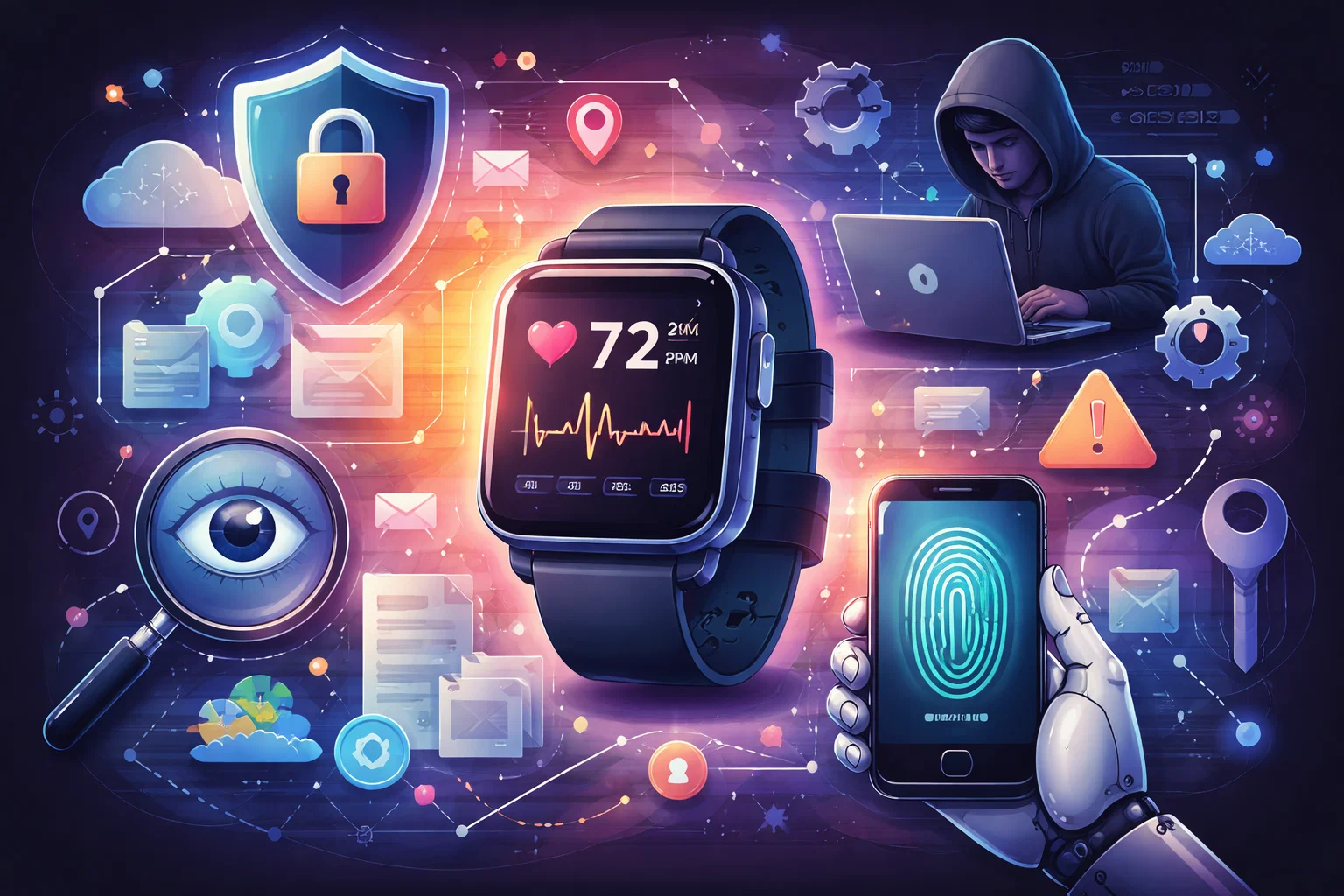
Protecting Sensitive Health and Behavioral Data
Protecting sensitive health data is paramount in wearable technology. Advanced encryption and secure data storage are crucial for safeguarding personal information. Users need assurance that their sensitive health and behavioral data remain private and secure when using monitoring devices. Consider the importance of securing personal health information.
Transparent AI and User Control Over Personal Data
AI transparency and user control over personal health data are essential ethical considerations. Wearable device companies must provide clear explanations of how AI algorithms use data. They also must empower users to manage their data and privacy settings. This protects the holistic wellness of clients.
Balancing Convenience With Safety and Ethics
Striking a balance between convenience, safety, and ethics is crucial in wearable technology. While wearables offer numerous benefits, potential risks to privacy and security must be addressed. Ethical guidelines and regulations are needed to ensure wearable tech is used responsibly. We must monitor the use of this innovation.
The Future of Wearables Beyond 2026
Implantables, Smart Fabrics, and Seamless Integration
Beyond 2026, the future of wearable technology points towards implantables and smart fabrics. Imagine wearable sensors embedded in clothing or under the skin. These innovations would offer continuous health monitoring and data collection. This advancement promises truly seamless integration of technology into our lives. It will transform the capabilities of modern wearables.
Wearables That Adapt to Mood, Context, and Environment
Wearables will evolve to adapt to mood, context, and environment. AI-powered wearable devices will detect emotional states and adjust settings accordingly. Consider smartwatches that change displays based on your mood, or clothing that adjusts temperature based on weather conditions. These are truly actionable and intuitive modern wearables.
The Role of Wearables in Longevity, Wellness, and Lifestyle
The role of wearable technology in longevity, wellness, and lifestyle will continue to expand. Wearable tech will provide personalized health insights, guiding users toward healthier choices. These wearables will detect early signs of illness, promote proactive care, and contribute to extended, healthier lives through health monitoring. Expect these top trends to develop more.
How to Choose the Right Wearable in 2026
Matching Technology to Health, Lifestyle, and Fashion Needs
Choosing the right wearable device in 2026 requires careful consideration of individual needs. Prioritize health monitoring features that align with your specific health goals. Also, consider how the wearable fits into your lifestyle and fashion preferences. A smart ring may suit a minimalist style.
Integration With AI Companions and Other Devices
Integration with AI companions and other devices is crucial for maximizing the benefits of wearable technology. Ensure your chosen wearables seamlessly sync with your smartphone, smart home devices, and other wearable devices. This integration allows for a holistic and connected digital experience for modern wearables.
Tips for Maximizing Benefits While Avoiding Overload
To maximize benefits from wearables while avoiding information overload, set clear goals for health and fitness. Limit the number of health metrics you actively monitor to avoid feeling overwhelmed. Use AI-powered insights to personalize recommendations and focus on actionable steps for wellness. This will transform your adoption.
Conclusion: Wearables as a Natural Extension of Life
Wearable technology in 2026 represents more than just gadgets; they are natural extensions of our lives. By seamlessly integrating into our daily routines, these wearable sensors provide personalized health insights. AI enhances our wellness, and promote a healthier, more connected future. The future of wearable technology is bright and transformative for health and fitness!