


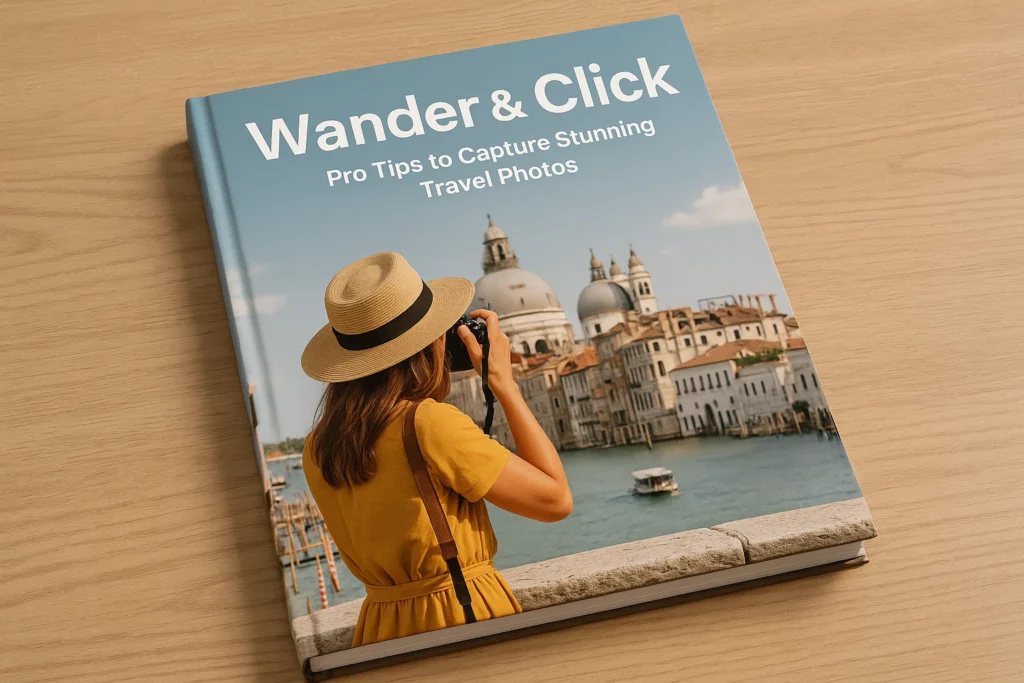
Travel photography isn’t just about pointing your camera and clicking — it’s about capturing the soul of a place. A single image can stir emotions, revive memories, and transport viewers to faraway destinations. Whether it’s the golden sunset over Santorini or the bustling streets of Tokyo, each frame tells a story that words often fail to express.
How Photography Helps You Preserve Memories and Tell Visual Stories
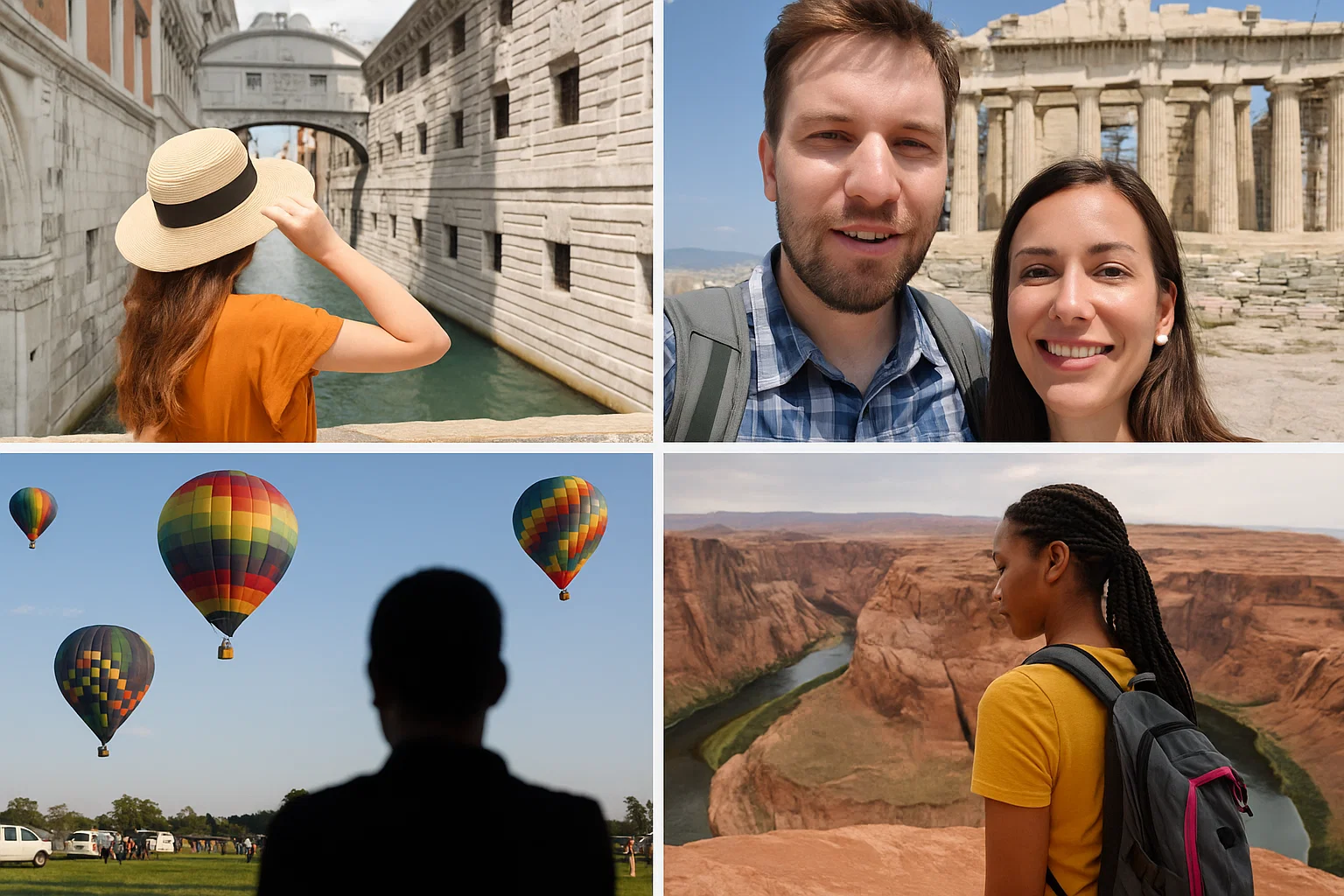
Every traveler carries a collection of fleeting moments — a child’s smile in a Moroccan market, mist rolling over the Scottish Highlands, or the stillness of a desert dawn. Travel photography turns those ephemeral experiences into lasting memories. It allows you to document your personal journey while sharing the world’s beauty with others.

The Difference Between Snapshots and Professional-Quality Travel Images
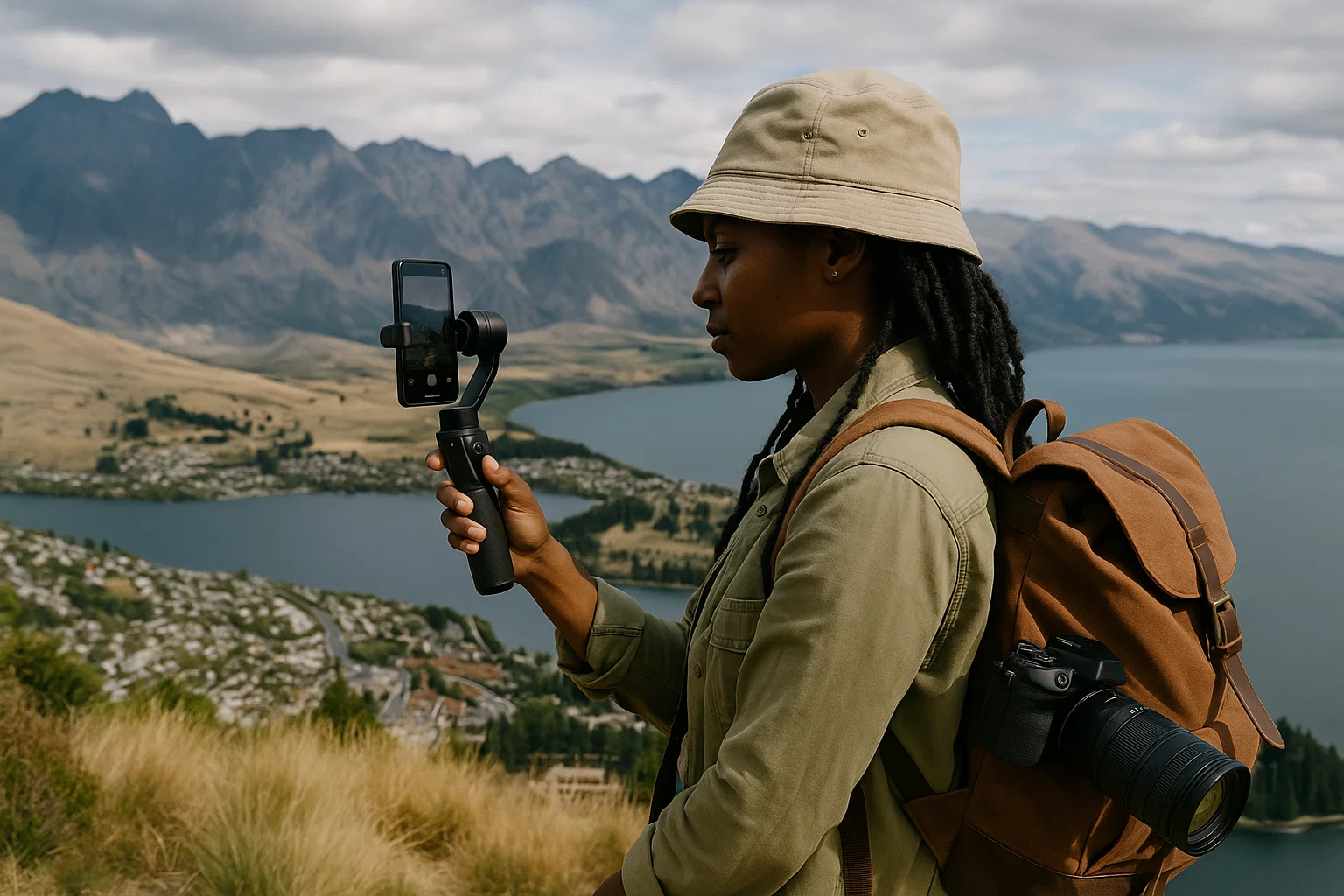
The gap between ordinary snapshots and breathtaking travel photos lies in intention, composition, and understanding of light. Professional-quality photos don’t just record — they communicate. They make the viewer feel like they’re standing in your shoes, witnessing that exact moment. With the right techniques and mindset, you can transform your shots from simple captures to compelling visual stories.
1. Gear That Elevates Your Travel Photography
Choosing the Right Camera: DSLR, Mirrorless, or Smartphone?
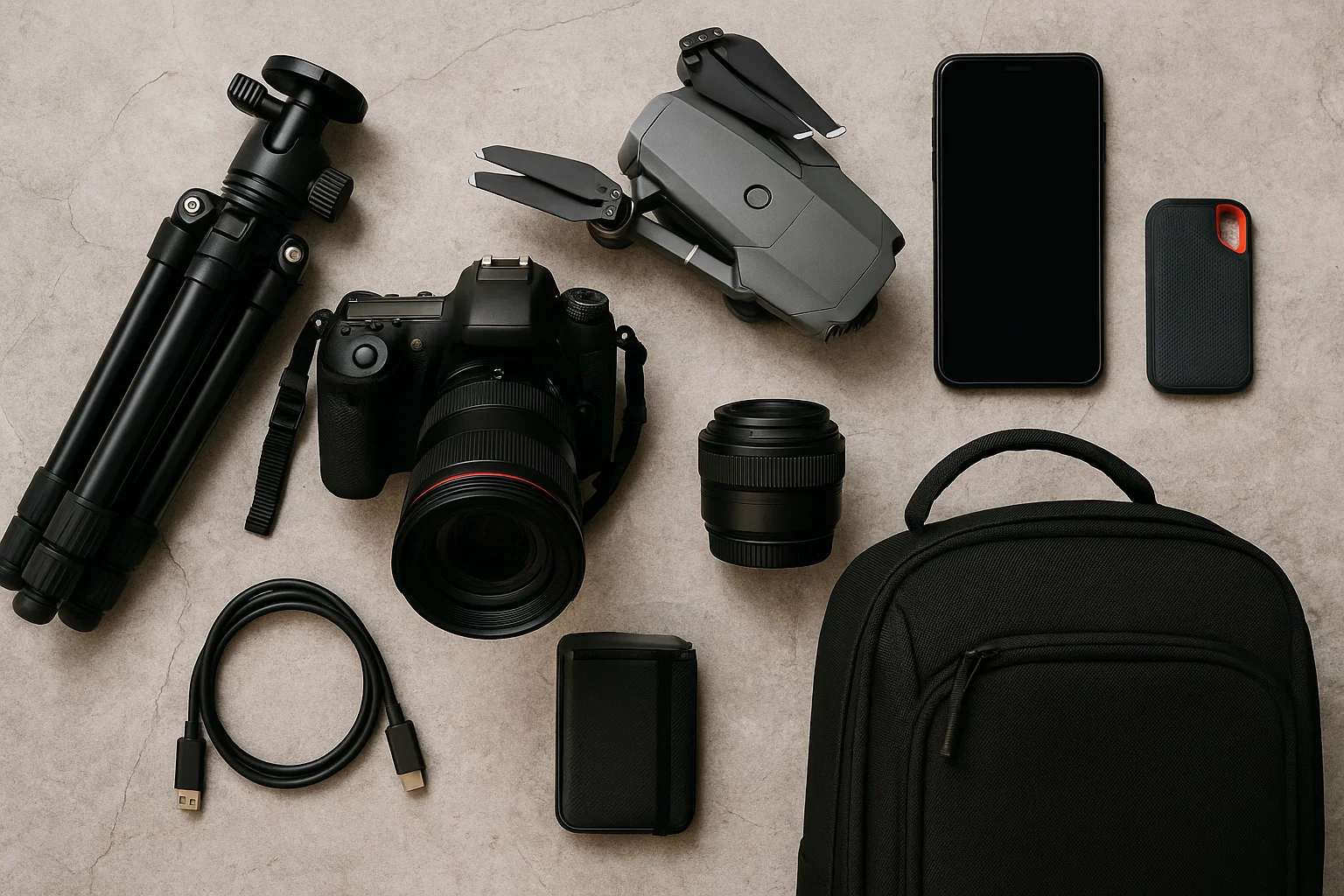
The best camera is the one you’ll actually carry. DSLRs offer superior control and image quality, but mirrorless cameras are now the go-to choice for travel photographers thanks to their compact size and advanced features. Modern smartphones, especially flagship models, have powerful sensors and computational photography that rival entry-level cameras — perfect for spontaneous street or food shots.
Essential Lenses for Landscapes, Portraits, and City Shots
A versatile lens kit can make or break your travel photography experience:
Wide-angle lens (16–35mm): Ideal for landscapes and architecture.
Prime lens (35mm or 50mm): Great for portraits and street photography.
Telephoto lens (70–200mm): Perfect for wildlife or capturing details from afar.
If you’re packing light, a 24–70mm zoom lens can handle almost any situation.
Must-Have Accessories
A few smart additions can dramatically improve your photography:
Lightweight tripod for long exposures and night shots
ND filters to manage exposure in bright light
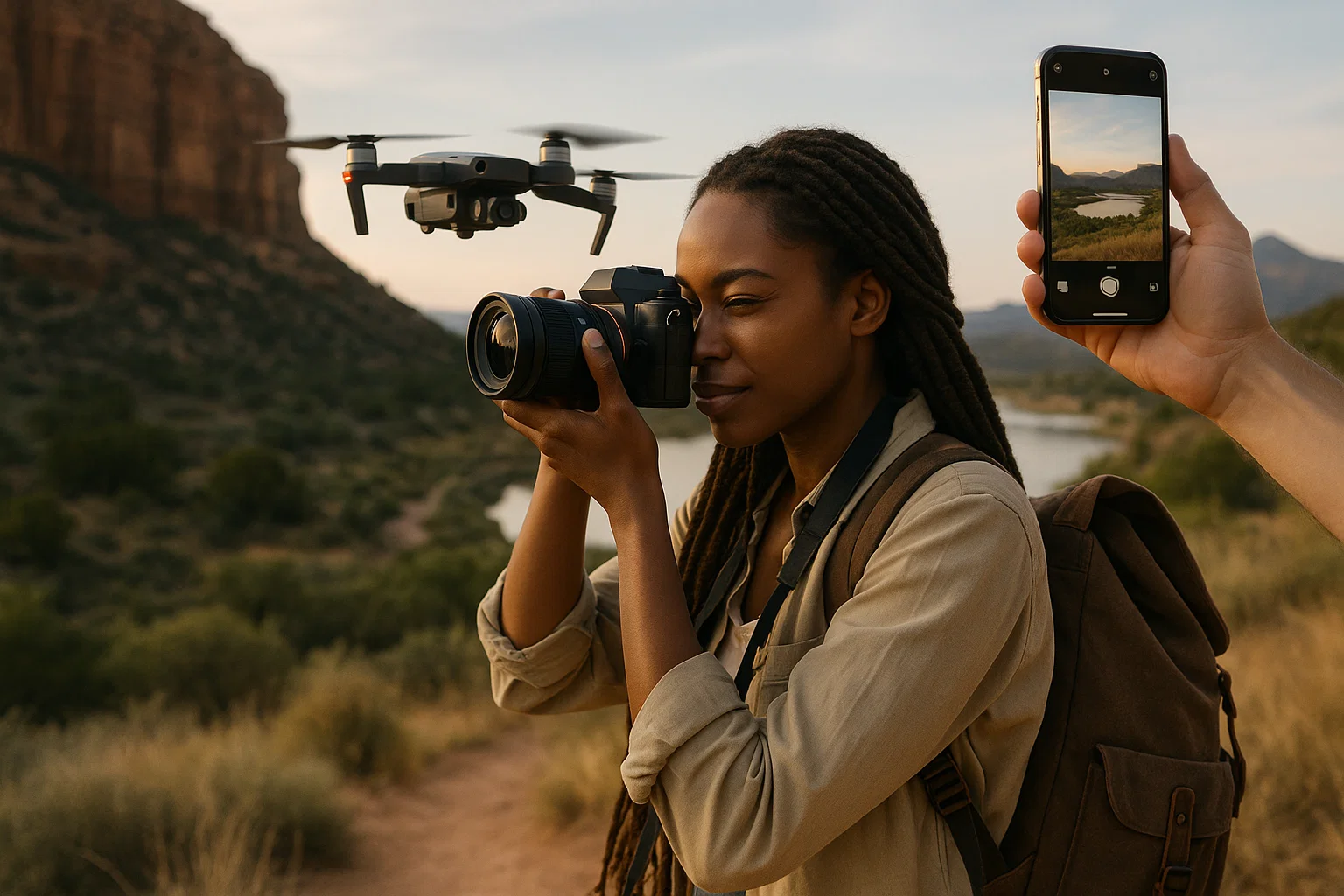
Drone for breathtaking aerial perspectives
Extra batteries and memory cards to avoid missing moments
Weatherproof camera bag for protection and easy organization
Lightweight Packing Tips for Photographers on the Go
Less is more. Carry multi-purpose gear, roll your straps tightly, and use packing cubes to save space. Remember: every extra pound you carry can drain your energy and creativity.
2. Mastering Light: The Secret to Stunning Travel Photos
Understanding Natural Light and Golden Hour Magic
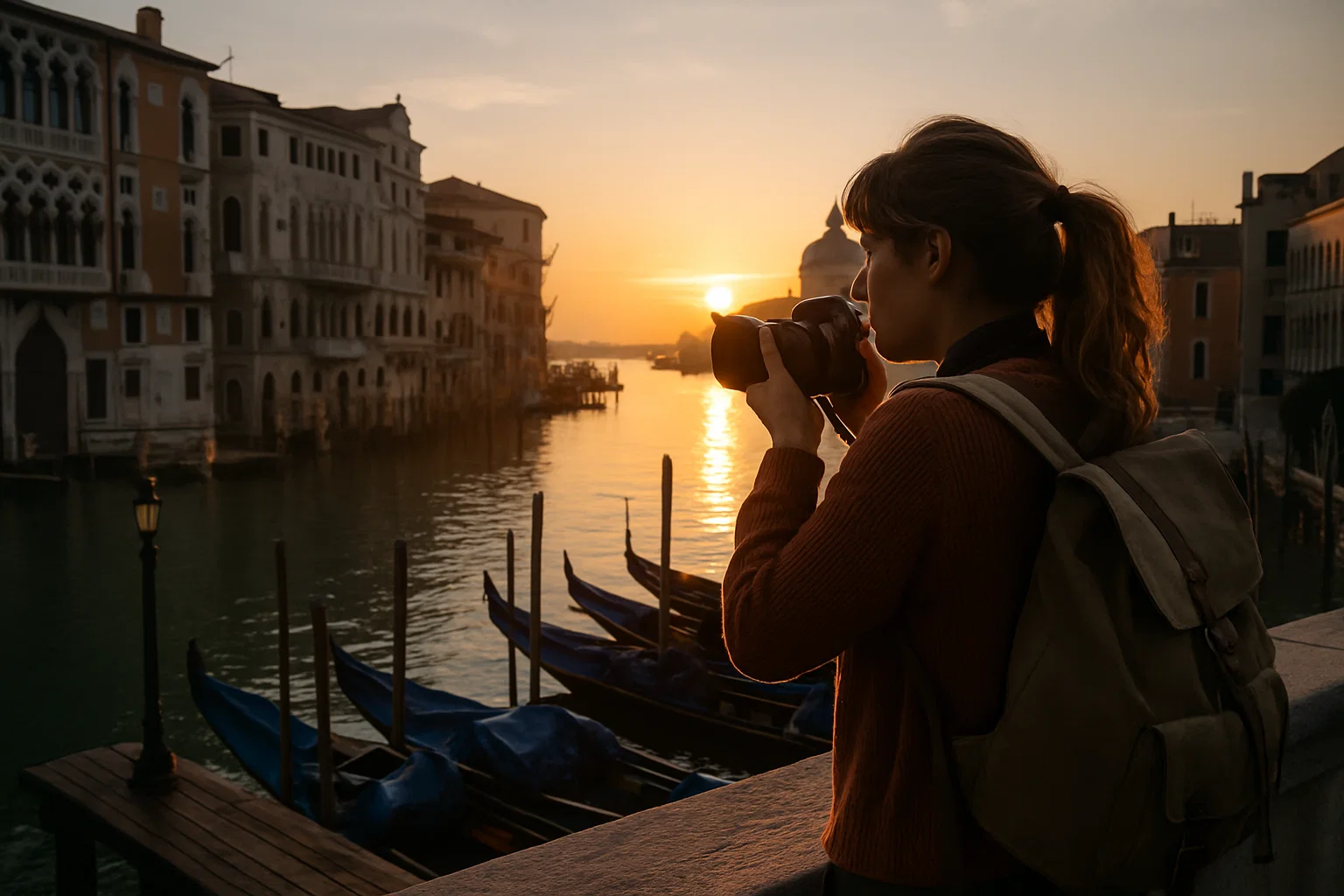
Light is the soul of photography. The golden hour — just after sunrise and before sunset — paints everything in warm, soft tones that add emotion and depth. It’s perfect for portraits, landscapes, and cityscapes alike.
Shooting During Blue Hour and Handling Harsh Midday Light
The blue hour, right before sunrise or after sunset, offers moody tones ideal for city lights or coastal views. Midday light, though harsh, can be managed by seeking shade, using reflectors, or shooting backlit subjects for dramatic silhouettes.
Using Shadows, Reflections, and Silhouettes Creatively
Play with natural light sources — reflections in puddles, long shadows on cobblestone streets, or silhouettes against the sun. These techniques add mystery and artistic flair to your compositions.
How Weather and Lighting Moods Affect Storytelling
Don’t shy away from bad weather. Rain, fog, or overcast skies can enhance mood and drama. A misty mountain or rain-slicked street tells a story far richer than a perfect sunny day.
3. Composition Techniques That Instantly Improve Your Shots
Rule of Thirds, Leading Lines, and Symmetry
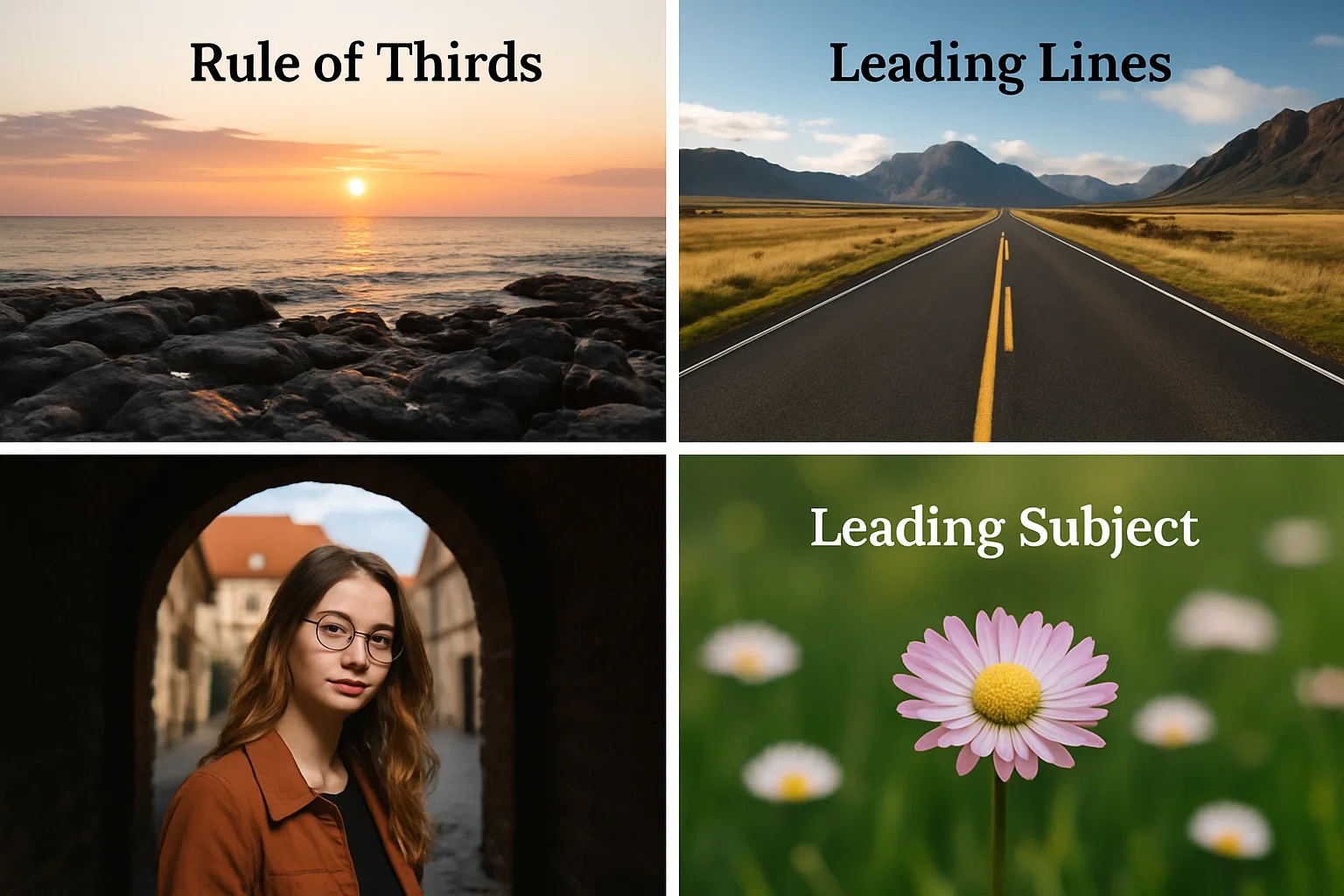
Position your subject off-center using the rule of thirds to create balance. Use leading lines like roads, bridges, or rivers to draw the viewer’s eye. Symmetry, especially in architecture, provides visual satisfaction and structure.
Framing Subjects with Natural Elements
Use windows, doorways, or tree branches as frames to focus attention and add layers to your photo. This technique enhances depth and context.
Adding Depth and Scale Using Foreground Interest
Include foreground objects — rocks, plants, or people — to give your image a sense of scale and immersion. It makes the viewer feel as if they could step right into the scene.
Balancing People and Landscapes for Storytelling Impact
A lone figure in a vast landscape can evoke emotion and scale. People give life to spaces, connecting the viewer emotionally to the destination.
4. Finding Unique Perspectives: Travel Photographer’s Mindset
Go Beyond Tourist Spots — Seek Hidden Gems
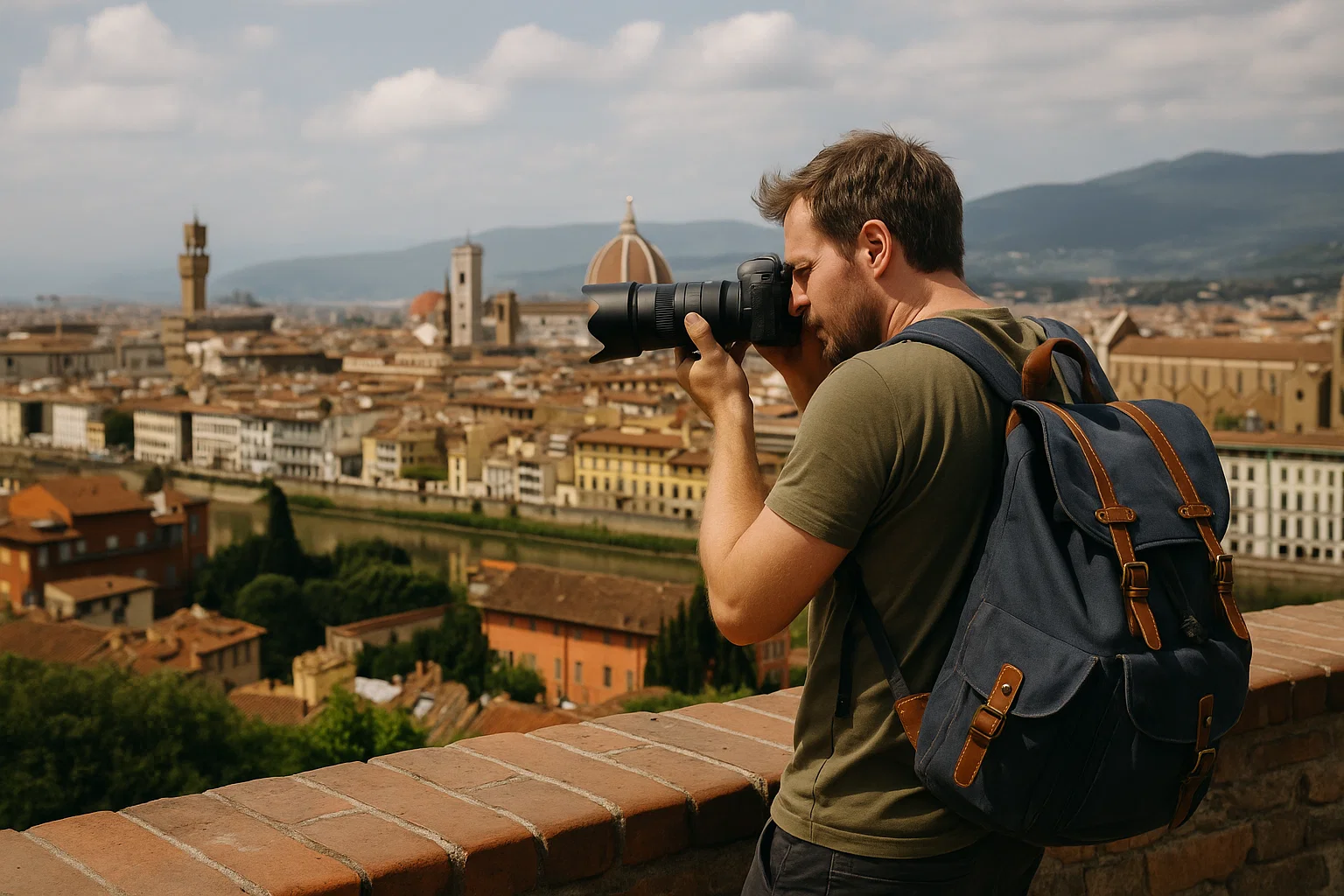
Avoid shooting from the same vantage points as everyone else. Wander alleys, climb hills, and explore less-visited areas. Authentic stories often live in unexpected places.
Experimenting with Angles, Reflections, and Aerial Shots
Shoot from the ground for dramatic foregrounds or use reflections in water and mirrors for creative compositions. Drones open a new dimension — offering fresh perspectives of familiar destinations.
Capturing Candid Human Moments and Local Culture
Travel photography shines when it captures real life. Photograph street vendors, artisans, or spontaneous cultural interactions — always with respect and consent.
How to Tell a Story Through Your Travel Photos
Sequence your images to narrate a journey: arrival, exploration, interaction, reflection. Each frame should contribute to an overarching story that invites viewers to travel with you.
️ 5. Editing Magic: Bringing Your Travel Photos to Life
Importance of Post-Processing in Travel Photography
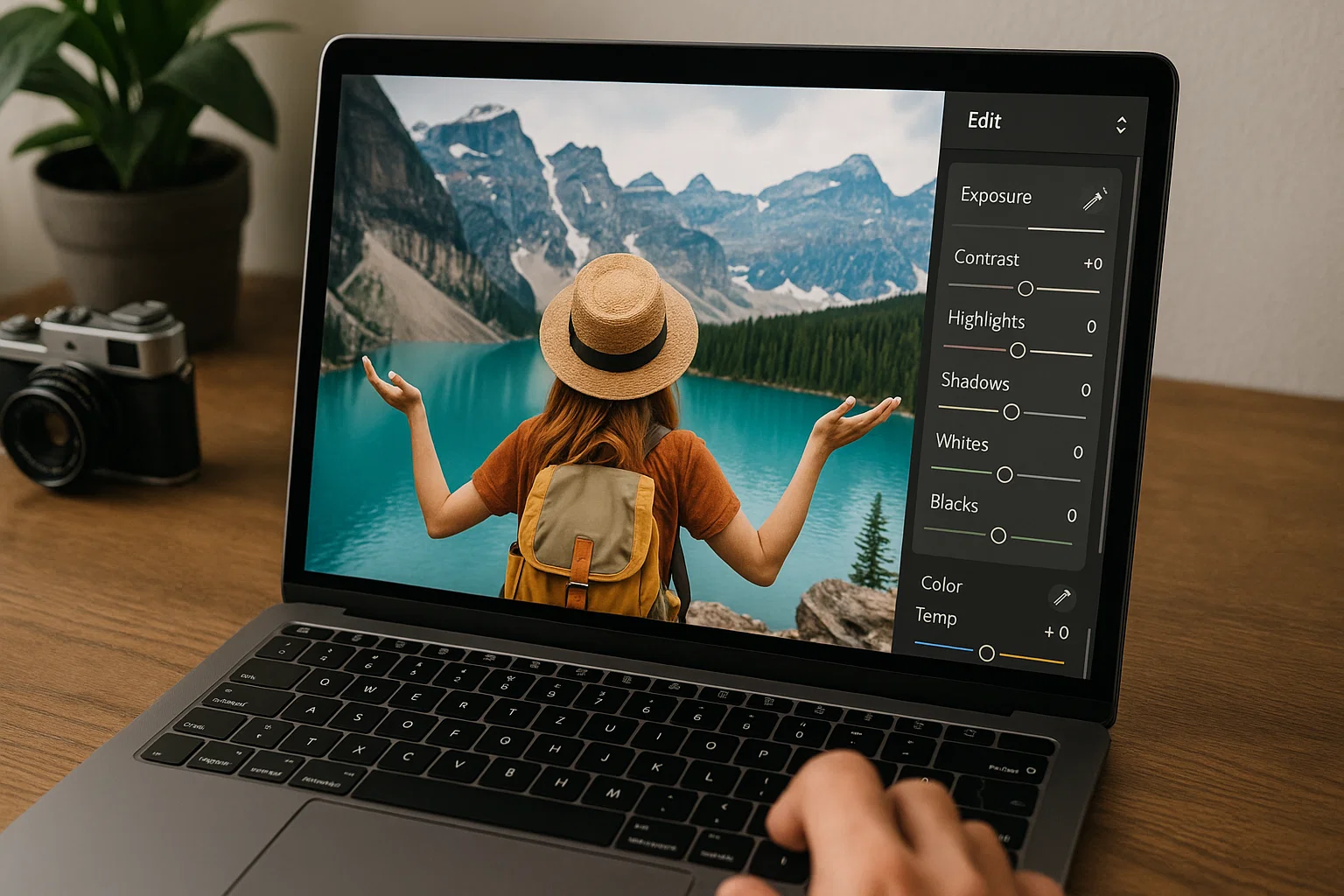
Editing isn’t cheating — it’s refining. Post-processing helps you enhance mood, correct exposure, and emphasize storytelling elements. Think of it as polishing your visual voice.
Recommended Editing Tools
Lightroom for professional-level control and presets
Snapseed and VSCO for mobile editing
Capture One for color accuracy and detail enhancement
Each tool offers unique features to help you refine your creative style.
Balancing Color Correction, Contrast, and Mood
Aim for realism with personality. Avoid oversaturation or extreme contrast. Subtle adjustments in highlights, shadows, and warmth can transform your image while keeping it authentic.
Creating Your Own Consistent Photography Style
Consistency builds identity. Develop a recognizable aesthetic through similar tones, lighting, and composition. Use custom presets to maintain visual coherence across your portfolio or social feed.
✈️ 6. Travel Smart: Planning and Preparation for Picture-Perfect Shots
Researching Locations and Scouting Ahead
Preparation is key. Use tools like Google Earth, Pinterest, and Instagram to find potential shooting spots and angles. Check sunrise/sunset times and weather forecasts for optimal conditions.
Understanding Local Customs and Photography Etiquette
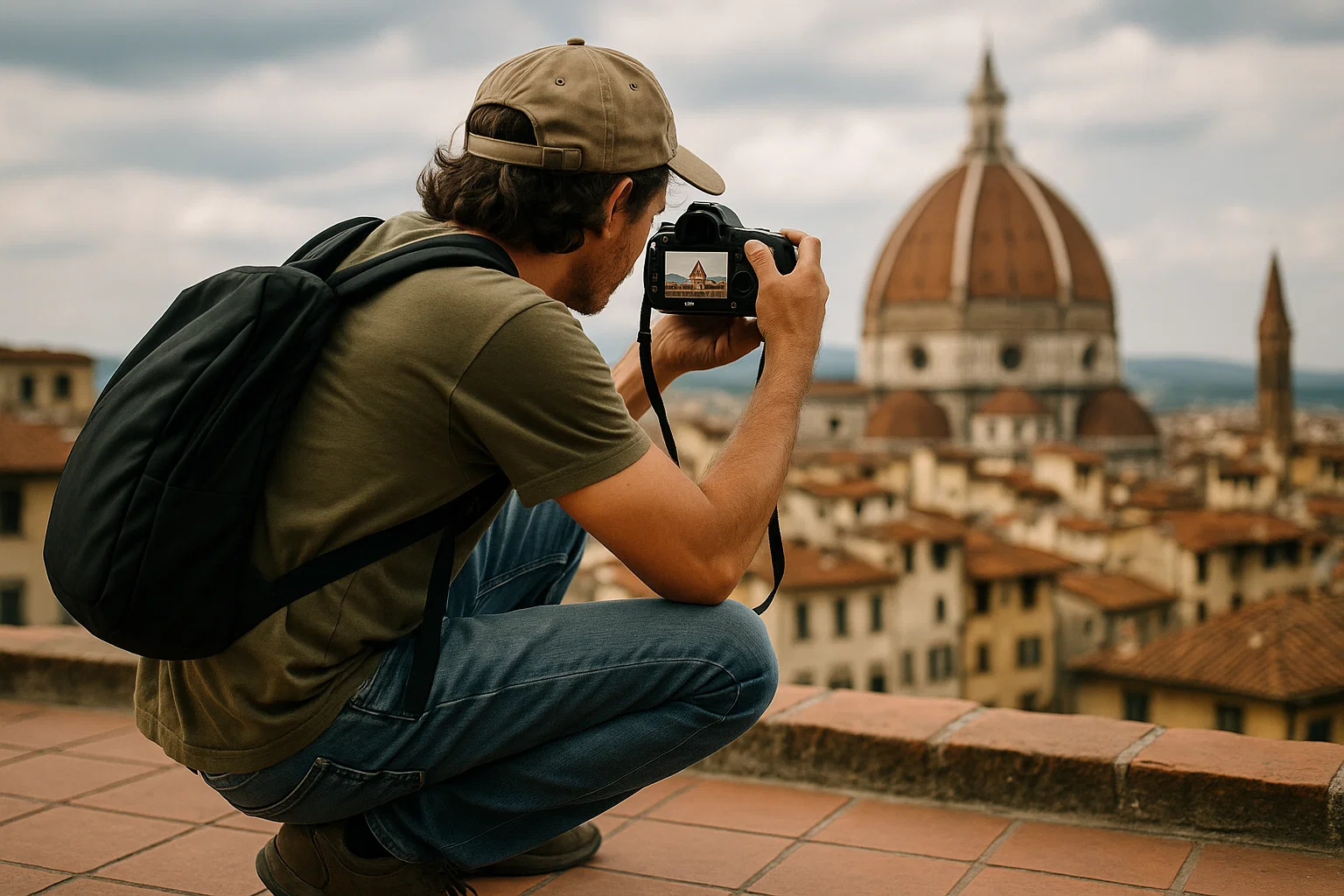
Respect your surroundings. Learn cultural sensitivities, especially regarding photographing people or religious sites. A polite gesture or small tip can go a long way in building trust.
Staying Safe While Shooting in Unfamiliar Areas
Blend in, keep your gear discreet, and stay alert. Avoid isolated areas at night and back up your photos regularly to cloud storage or portable drives.
Managing Backups and Data Safety While Traveling
Always have a redundant system — memory cards, SSDs, or cloud backups. Losing your photos can be more painful than losing your luggage.
7. Telling Stories Through Your Lens: From Shots to Emotions
Capturing Emotions, Not Just Scenery
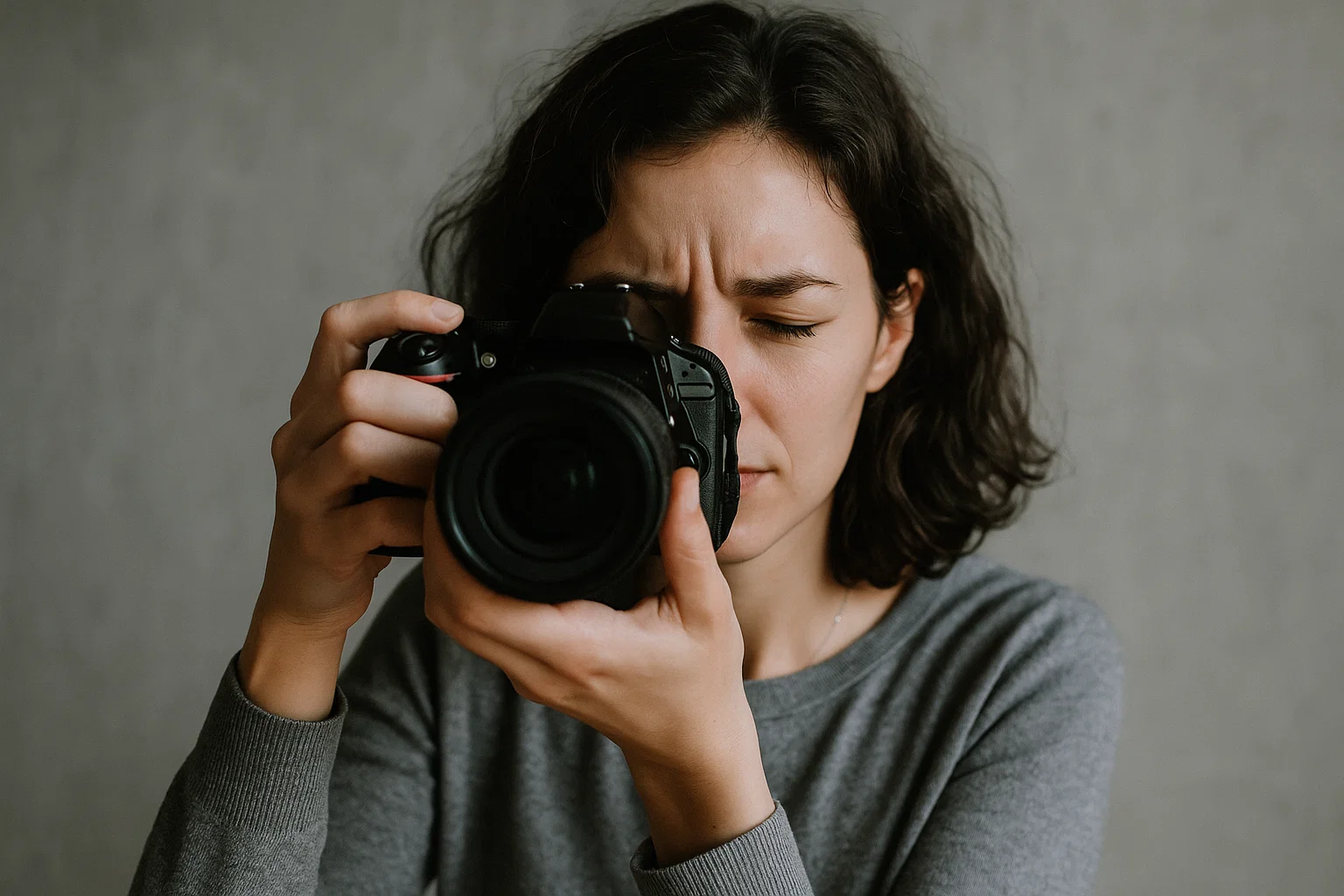
A photograph should make the viewer feel something. Focus on moments that reveal emotion — laughter, awe, solitude, or curiosity.
Using People, Color, and Culture to Evoke Feeling
Vibrant markets, traditional clothing, and candid portraits can convey culture’s heartbeat. Use color psychology — warm tones for excitement, cool tones for calm — to reinforce your story.
Creating Visual Narratives That Inspire Wanderlust
Curate photo series that unfold like chapters of a story. Combine wide shots for context, mid-shots for action, and close-ups for emotion.
Sharing Your Story on Social Media and Travel Blogs Effectively
Use captions that provide context, emotions, or behind-the-scenes anecdotes. Authentic storytelling engages followers far more than just “pretty pictures.”
8. Common Mistakes to Avoid in Travel Photography
Over-Editing or Over-Saturating Images
Too much editing kills authenticity. Natural tones resonate better with audiences and stand the test of time.
Ignoring Composition and Lighting Basics
Even expensive gear can’t fix poor framing or harsh light. Learn to see — not just to shoot.
Focusing Too Much on Equipment Instead of Creativity
Your vision matters more than your gear. Great photographers make masterpieces with minimal tools because they understand light and storytelling.
Forgetting to Enjoy the Journey
Remember: you’re a traveler first, photographer second. Don’t get so obsessed with capturing moments that you forget to live them.
9. Future Trends in Travel Photography
AI-Powered Editing Tools and Smart Composition Suggestions
Artificial intelligence is transforming photography workflows, offering smart curation, editing automation, and instant composition guidance.
Drone and 360° Immersive Travel Photography
Drones and 360° cameras are redefining visual storytelling, allowing audiences to experience travel destinations interactively.
Mobile-First Storytelling and Travel Reels
Short-form videos, travel reels, and cinematic vlogs dominate platforms like Instagram and TikTok — offering a dynamic way to share journeys.
Sustainable Travel Photography and Eco-Friendly Practices
Eco-conscious travel photography emphasizes ethical tourism — capturing nature’s beauty while preserving it for future generations.
Conclusion: Capture Moments, Not Just Photos
The best travel photos aren’t just visually stunning — they carry emotion, context, and authenticity. Every click should reflect curiosity, respect, and appreciation for the world’s diversity. So pack your camera, follow the light, and remember: true photography isn’t about chasing perfection — it’s about capturing the stories that make the world feel alive