


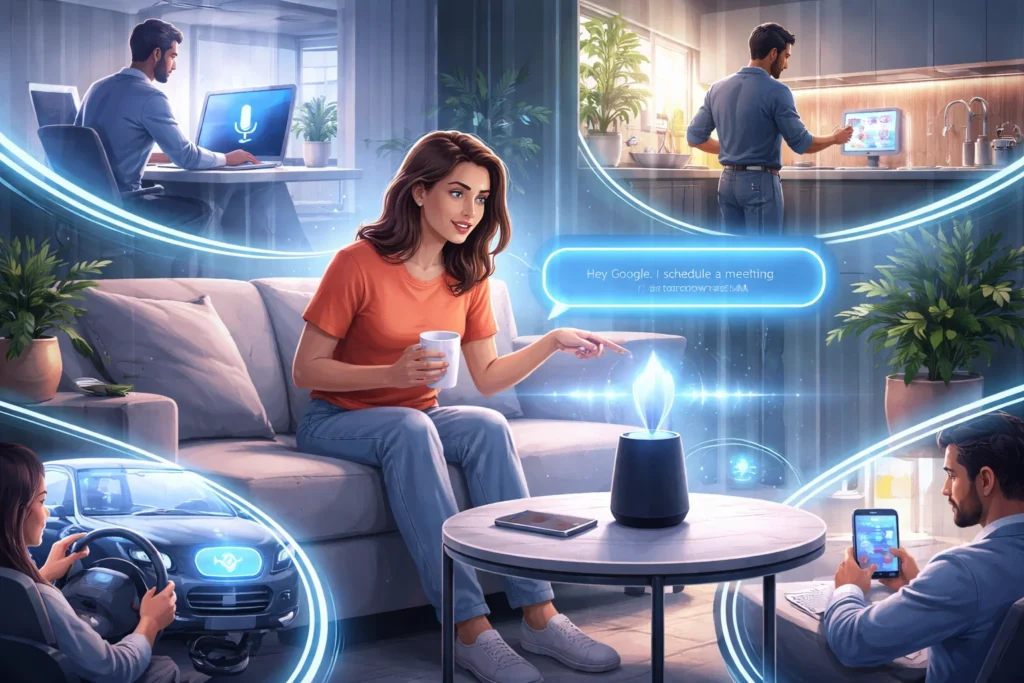
In 2026, the way we interact with technology is undergoing a seismic shift. Voice-first technology is rapidly changing how we communicate with our devices, making typing seem increasingly outdated. This article explores the rise of voice-first solutions and their impact.
The Shift from Typing to Talking


How voice-first interfaces are changing human-computer interaction
Voice-first interfaces are revolutionizing human-computer interaction by providing a hands-free, conversational method for commanding and control, making technology more intuitive and accessible than traditional typing. The tech is a game-changer.
The convenience, speed, and accessibility driving this trend
The growing trend towards voice-first technology is driven by its convenience, speed, and enhanced accessibility, enabling users to accomplish tasks more efficiently and effectively compared to traditional keyboard entry. Productivity improves.
Overview of voice-first technology adoption across devices and industries
The adoption of voice-first technology is expanding rapidly across various devices and industries, from smartphones and smart home devices to healthcare and automotive sectors, highlighting its versatility and broad applicability in daily life. This includes wearables.
What Is Voice-First Technology?
Definition and key features
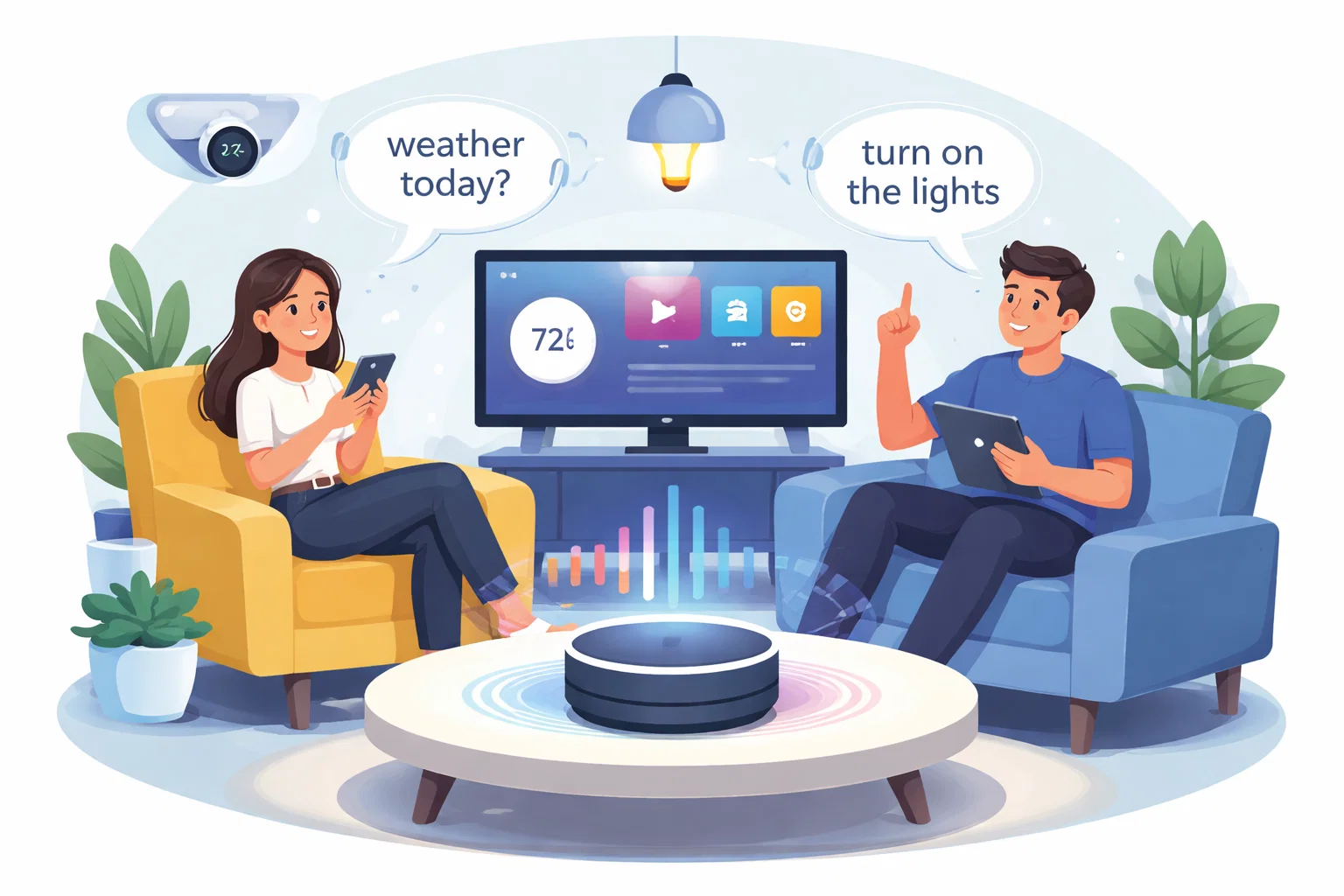
Voice-first technology refers to interfaces and devices that prioritize voice input as the primary method of interaction, featuring speech recognition, natural language processing, and AI to understand and respond to user requests. This needs configuration.
Difference between traditional typing-based interfaces and voice-first systems
Traditional typing-based interfaces require manual text input, while voice-first systems allow users to interact through spoken commands, offering a more natural and hands-free experience, enhancing accessibility and efficiency for many tasks.
Examples: smart speakers, voice assistants, voice-enabled apps, and IoT devices
Voice-first technology encompasses a range of applications, including devices and software that prioritize voice interaction. These can be seen in several forms:
- Smart speakers like Amazon Echo.
- Voice assistants such as Siri and Google Voice Typing.
This technology extends to voice-enabled apps and various IoT devices that respond to spoken commands, streamlining user interaction, particularly benefiting Android devices.
Why Voice-First Technology Is Gaining Momentum in 2026

Faster, hands-free communication and task execution
Voice-first technology is gaining momentum due to its ability to enable faster, hands-free communication and task execution, allowing users to accomplish tasks more efficiently and safely while multitasking, enhancing overall productivity. We can use voice typing.
AI and natural language processing (NLP) advancements improving accuracy
Advancements in AI and natural language processing (NLP) are significantly improving the accuracy and reliability of voice recognition, making voice-first technology more effective and user-friendly by accurately interpreting spoken commands. The advancement is crucial.
Multi-device integration: phones, wearables, smart homes, and cars
The increasing integration of voice-first technology across multiple devices, including phones, wearables, smart homes, and cars, creates a seamless, interconnected experience, allowing users to control their digital environment and tasks effortlessly.

Accessibility: empowering users with disabilities and diverse demographics
Voice-first technology enhances accessibility by empowering users with disabilities and catering to diverse demographics, providing an alternative, more accessible method for interacting with technology, fostering inclusivity and improving quality of life.
Behavioral shift: conversational queries replacing typed searches
A significant behavioral shift is occurring as conversational queries increasingly replace typed searches, with users preferring to speak their questions and requests, making voice-first technology an essential tool for information retrieval and automation.
Popular Applications of Voice-First Technology
Smart home automation: lights, thermostats, appliances, and security
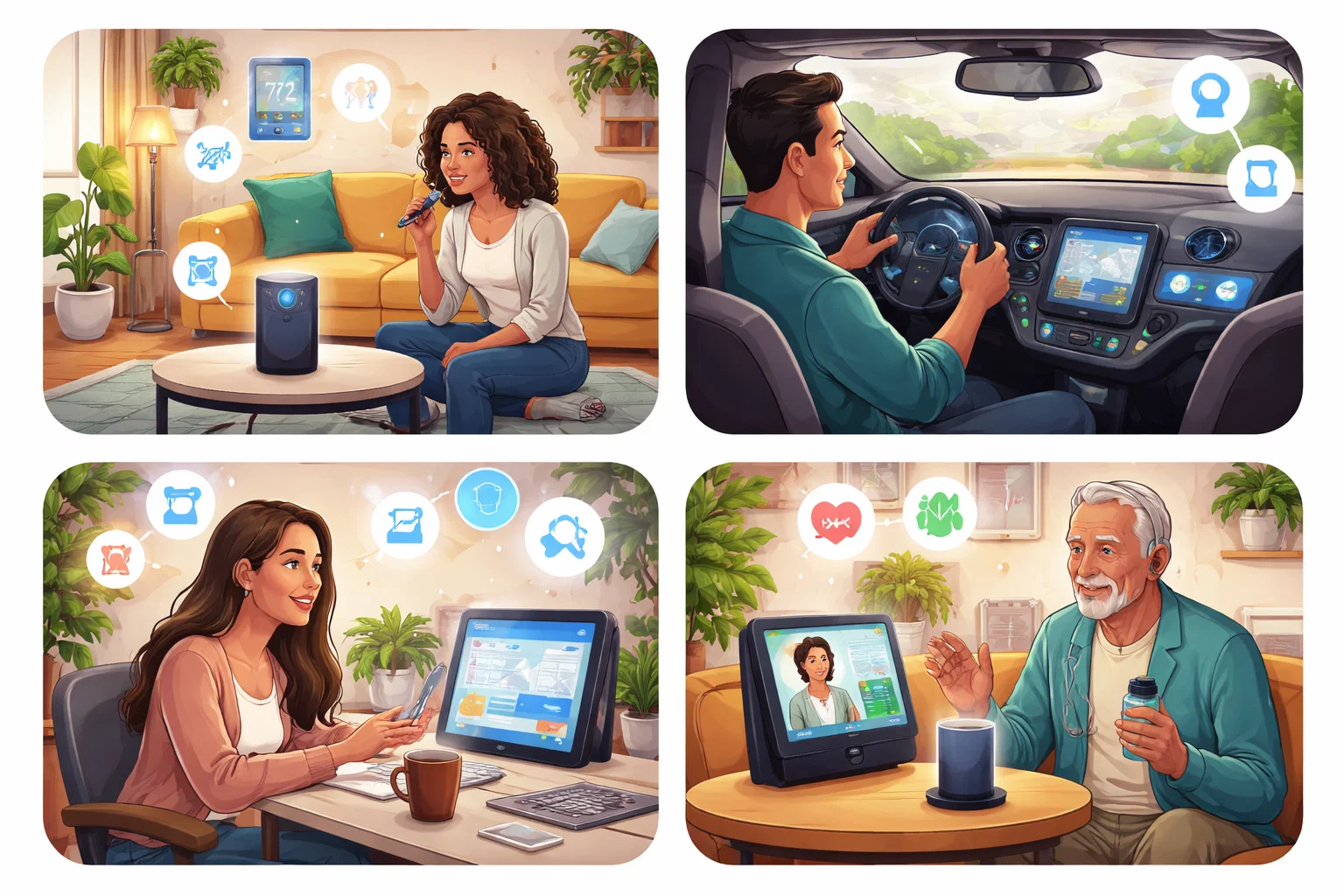
Voice-first technology is revolutionizing smart home automation, enabling users to control lights, thermostats, appliances, and security systems with simple voice commands, enhancing convenience and efficiency. You can easily configure the settings by using voice.
Voice search and SEO: the rise of conversational, question-based queries
The rise of voice search is transforming SEO strategies, emphasizing conversational, question-based queries to align with how users naturally speak, impacting keyword research and content optimization to enhance accessibility. This improves the workflow.
Healthcare and telemedicine: hands-free monitoring and dictation
In healthcare and telemedicine, voice-first technology facilitates hands-free monitoring and dictation, allowing healthcare professionals to efficiently document patient information and manage tasks while maintaining focus on patient care and improving productivity.
Workplace productivity: voice-to-text, meeting transcription, task management
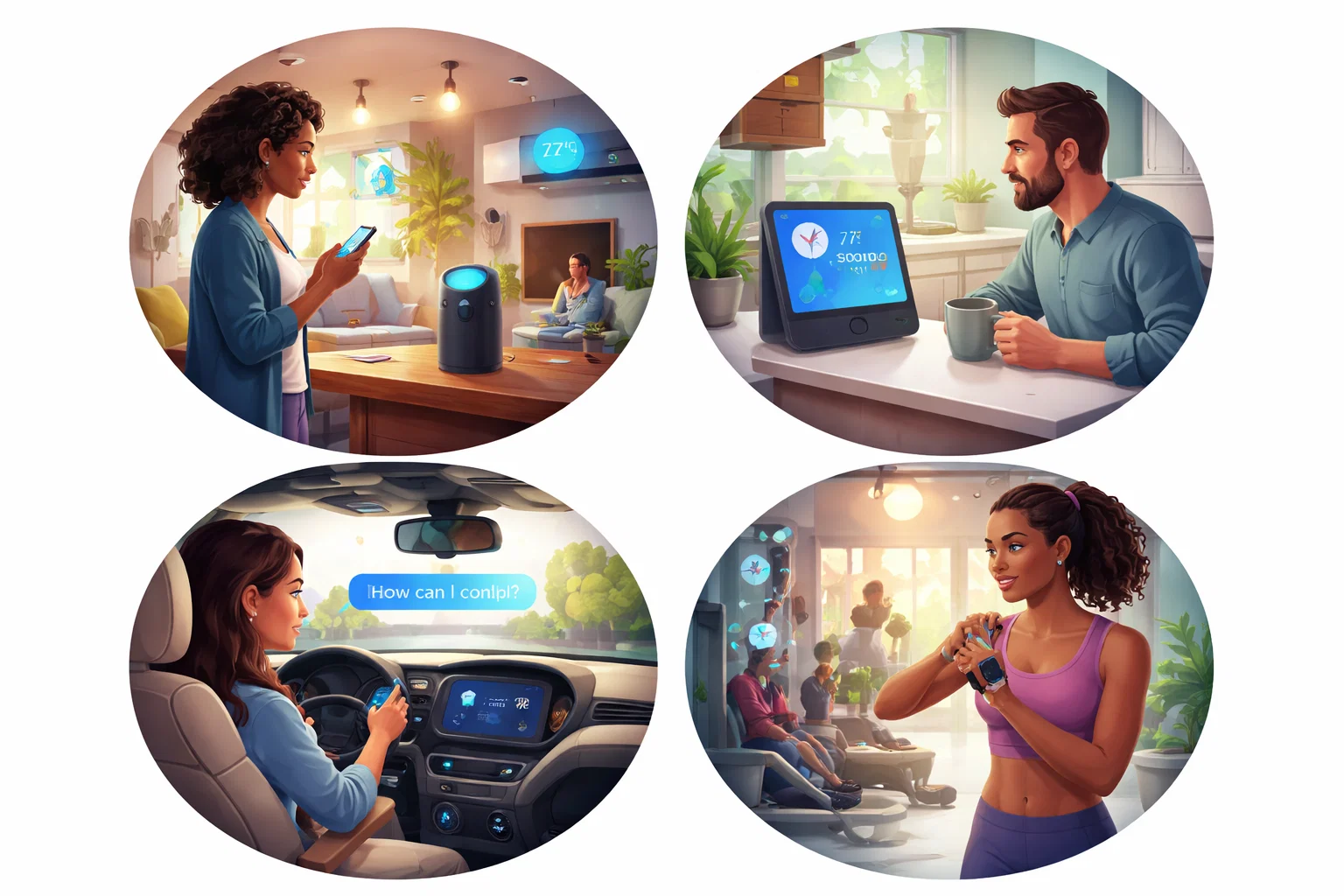
Voice-first technology is boosting workplace productivity through voice-to-text capabilities, meeting transcription services, and streamlined task management, helping professionals save time, reduce errors, and enhance collaboration in a more efficient workflow.
E-commerce and voice commerce: shopping, reordering, and payments
E-commerce is evolving with voice commerce, enabling seamless shopping, reordering, and payments via spoken commands, providing a hands-free, convenient shopping experience. This advancement helps users easily interact with apps on their phone.
Entertainment and gaming: music, streaming, AR/VR interfaces
In entertainment and gaming, voice-first technology enhances user experiences by enabling voice commands for music, streaming, and interactions within AR/VR interfaces, providing intuitive control and more immersive, interactive experiences. Optimization occurs here.
Benefits of Voice-First Technology

Efficiency: faster task completion than typing
One of the most significant benefits of voice-first technology is efficiency, as it allows for faster task completion compared to traditional typing, reducing the time and effort required to accomplish various activities on smartphones and other devices.
Accessibility: inclusive technology for all users
Voice-first technology promotes accessibility by providing an inclusive solution for users of all abilities, especially benefiting individuals with disabilities or limited mobility, offering an alternative, hands-free method for interacting with technology and improving their workflow.
Hands-free convenience for multitasking and safety
Hands-free convenience is a key advantage of voice-first technology, enabling users to multitask safely while driving, cooking, or performing other activities, allowing for seamless control and interaction without the need to type or physically interact with devices. We can use voice typing.
Personalization: AI learns preferences for better interactions
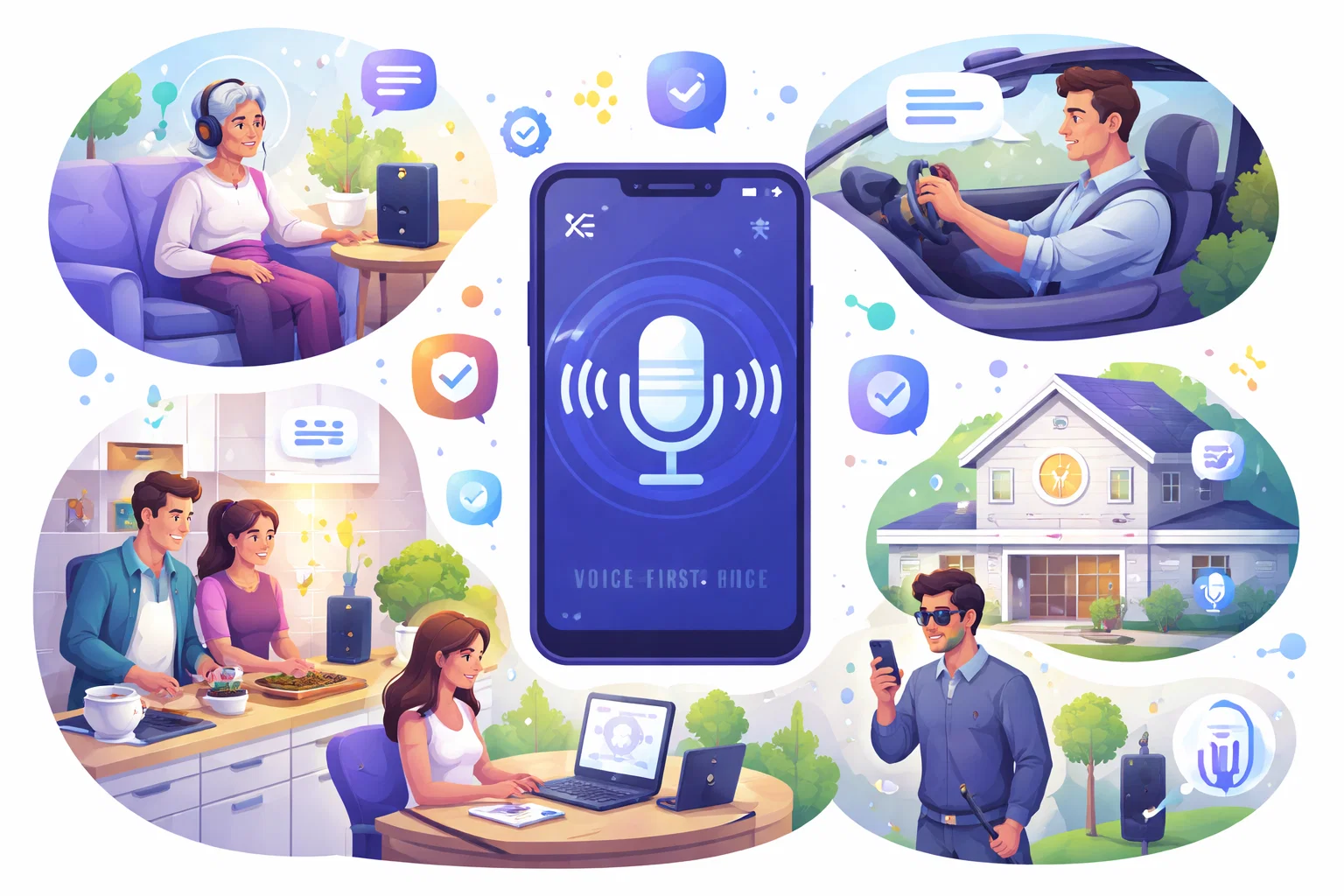
AI-driven personalization enhances voice-first technology by allowing systems to learn user preferences and habits, resulting in more intuitive and effective interactions that cater to individual needs, optimizing the overall user experience and improving productivity.
Enhanced engagement: conversational and human-like digital experiences
Voice-first technology enhances user engagement by creating conversational and human-like digital experiences, fostering a more natural and intuitive interaction style that encourages users to engage more deeply with their devices and applications, improving user accessibility.
Challenges and Considerations
Privacy and security concerns with voice data collection
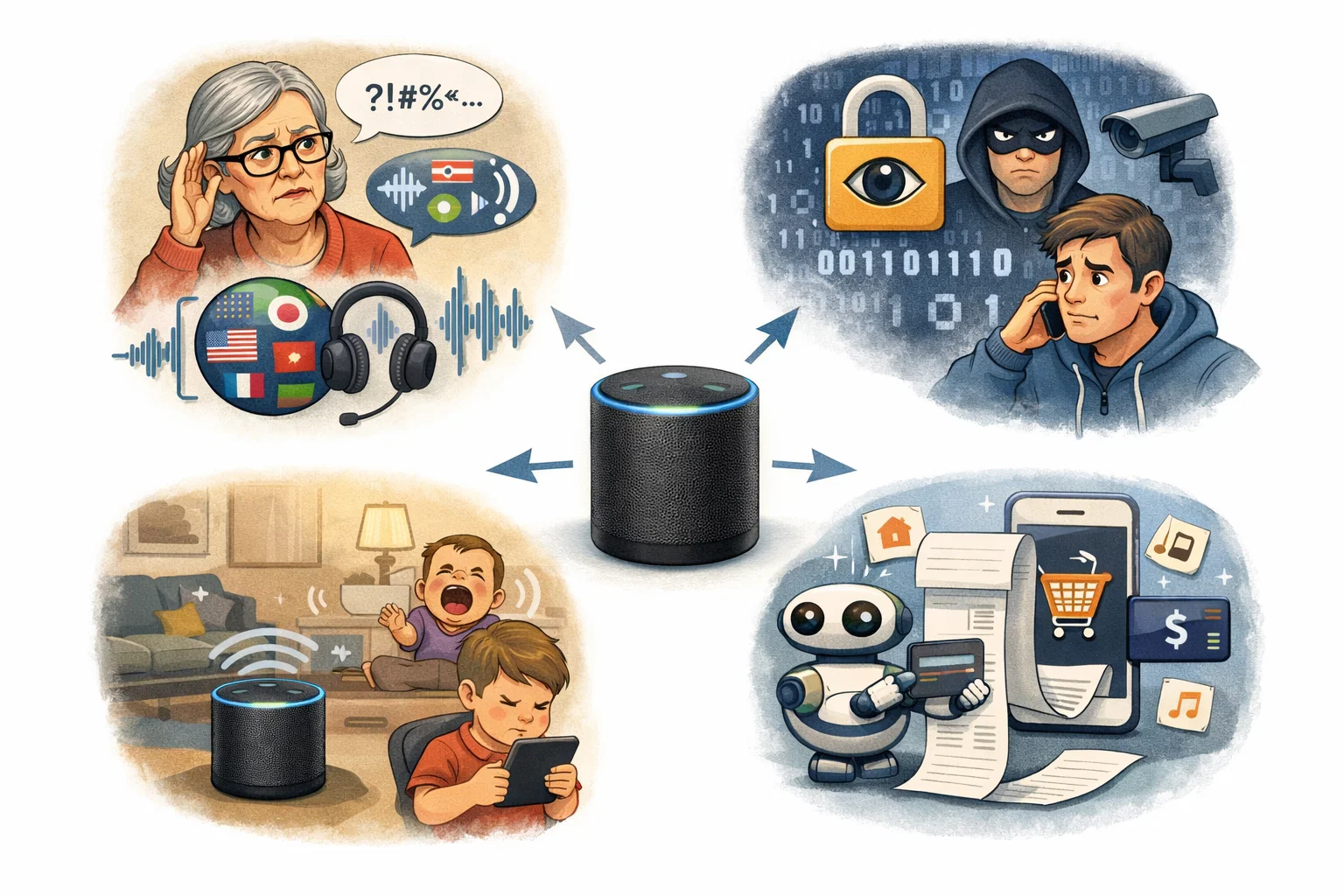
One of the primary challenges of voice-first technology involves privacy and security concerns related to voice data collection, raising questions about how user data is stored, processed, and protected, necessitating robust safeguards and clear privacy policies. This impacts Apple’s offering.
Accuracy issues with accents, dialects, and noisy environments
Voice-first technology faces challenges with accuracy in diverse acoustic conditions, as accents, dialects, and noisy environments can hinder speech recognition capabilities, leading to misinterpretations and reduced user productivity. Optimization of AI is needed.
Integration limitations with apps and devices
Integration limitations with apps and devices pose a significant hurdle for voice-first technology, as not all applications and hardware fully support voice input, restricting the seamless functionality and requiring users to resort to traditional typing or manual controls. We need automation.
User adaptation: balancing typing and voice preferences
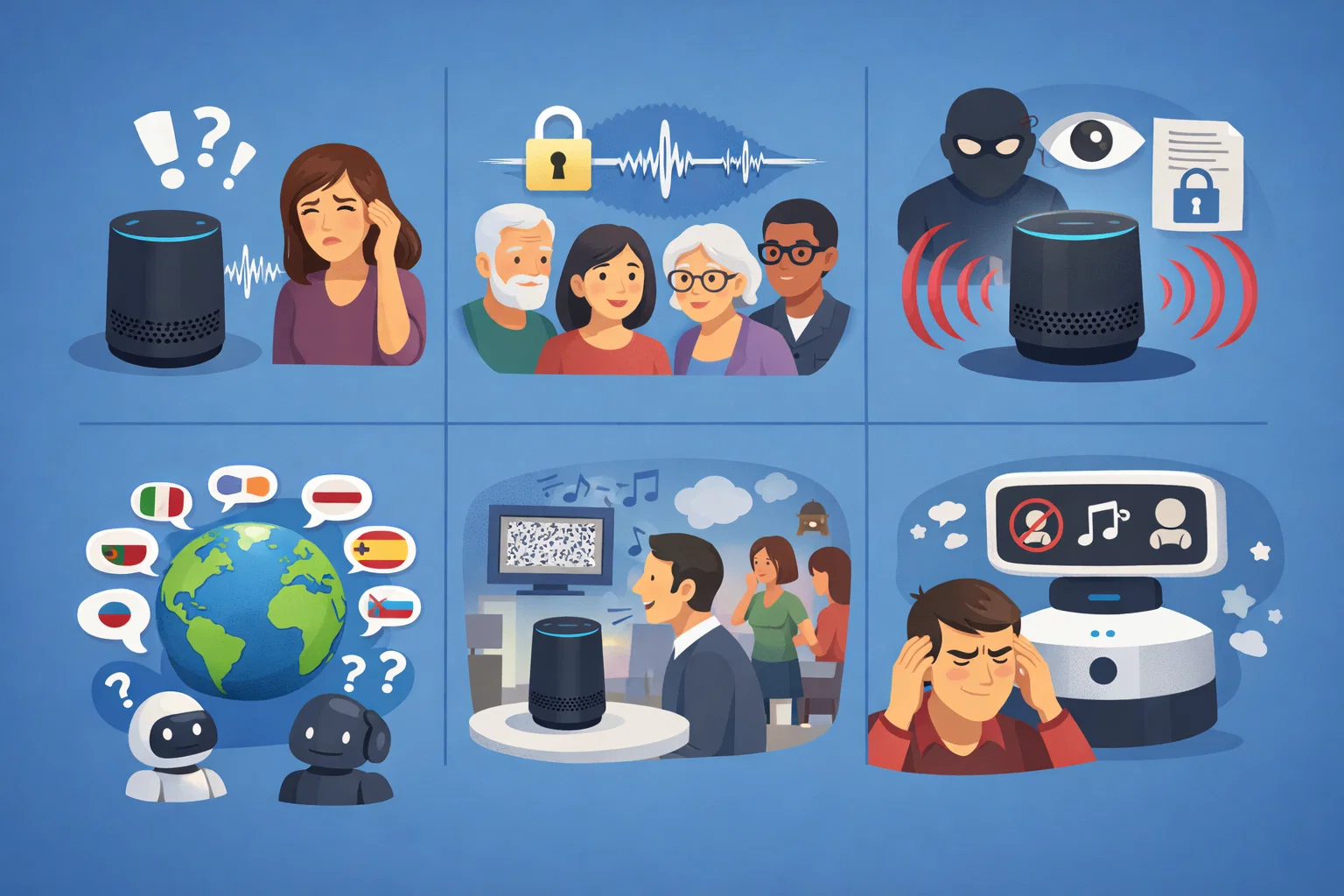
User adaptation requires balancing typing and voice preferences, as individuals may prefer typing in certain situations due to privacy concerns, accuracy issues, or personal habits, requiring voice-first interfaces to offer a flexible and adaptable experience, with great accessibility.
Dependence on internet connectivity and AI processing
The dependence on internet connectivity and AI processing is a significant consideration, as voice-first technology relies on stable internet connections and cloud-based AI to accurately process and interpret spoken commands, affecting its usability in areas with poor connectivity. Configuration is a key element.
Emerging Trends in 2026

AI-powered predictive voice assistants anticipating user needs
AI-powered predictive voice assistants are emerging as a key trend, anticipating user needs by leveraging machine learning algorithms to understand context, predict intentions, and proactively offer relevant information and services, enhancing user experience and productivity with smartphones.
Voice-enabled AR/VR experiences for immersive interactions
Voice-enabled AR/VR experiences are gaining traction, offering immersive interactions through spoken commands and natural language, allowing users to control virtual environments, interact with digital content, and enhance the overall AR/VR experience with hands-free convenience. Consider wearables.
Voice commerce: seamless shopping, banking, and payments via speech
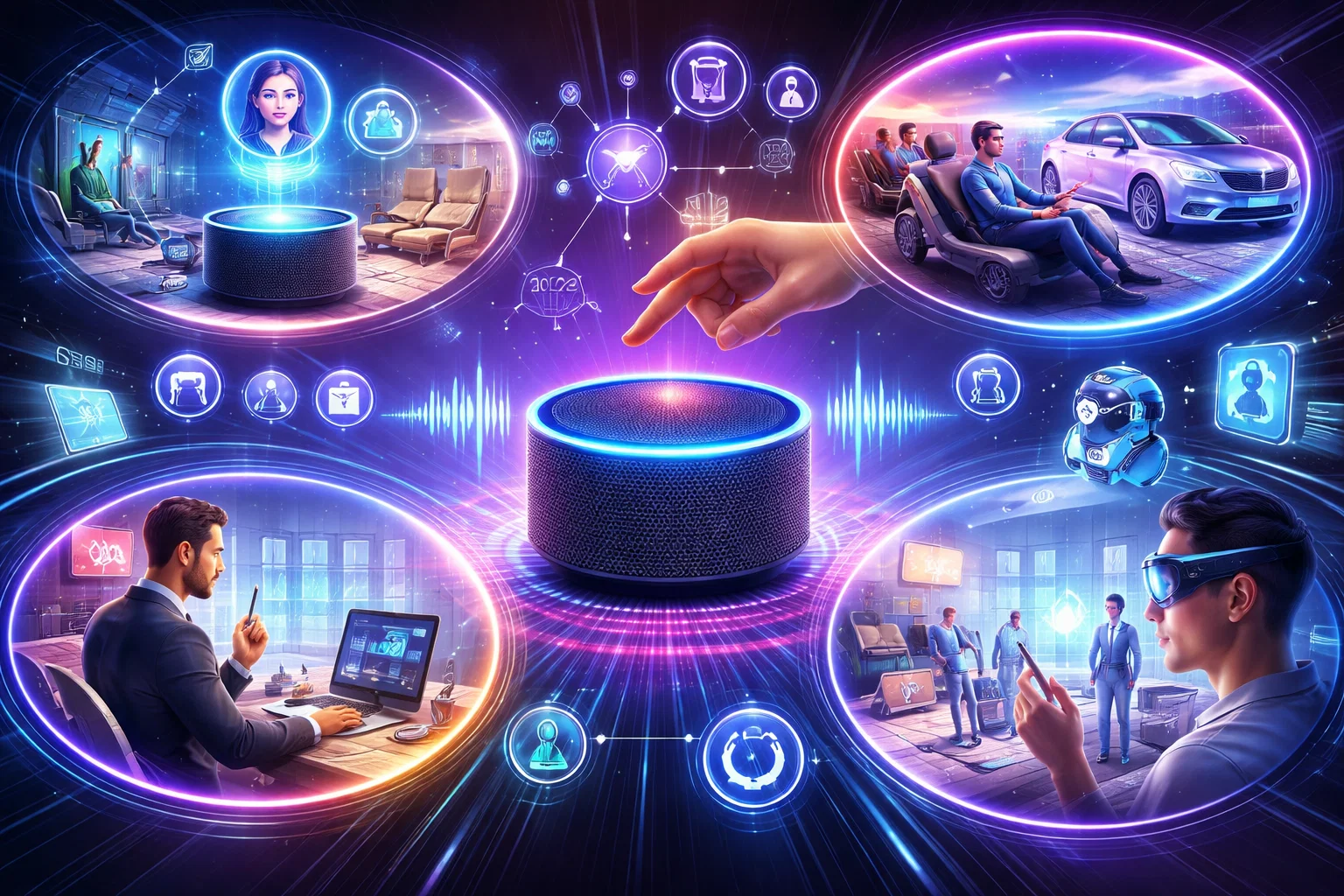
Voice commerce is becoming increasingly prevalent, enabling seamless shopping, banking, and payments via speech, offering a convenient and hands-free method for making purchases, managing finances, and conducting transactions with enhanced security and efficiency. Many apps support this.
SEO transformation: optimizing for long-tail, conversational queries
SEO is undergoing a transformation to optimize for long-tail, conversational queries, as voice search becomes more prevalent, requiring content creators and marketers to focus on answering specific questions and addressing natural language phrases used in spoken searches, improving accessibility.
Enterprise and productivity applications expanding across industries
Enterprise and productivity applications are expanding across industries, integrating voice-first capabilities to streamline workflows, enhance collaboration, and improve employee productivity through voice-activated commands, dictation, and hands-free task management, enhancing optimization.
Future Outlook for Voice-First Technology
Typing becomes secondary as voice becomes primary interface
In the future, typing will likely become a secondary mode of interaction as voice becomes the primary interface, with advancements in speech recognition and natural language processing making voice interactions more accurate, reliable, and intuitive. Many will use voice typing.
Integration across daily life: home, work, mobility, and entertainment
The integration of voice-first technology will expand across all facets of daily life, including home, work, mobility, and entertainment, creating a seamless and interconnected ecosystem where users can control and interact with their environment using spoken commands and automation, helping improve productivity.
Conversational AI becomes proactive, context-aware, and predictive
Conversational AI will evolve to become proactive, context-aware, and predictive, anticipating user needs and providing personalized recommendations and assistance based on individual preferences, past interactions, and real-time context, transforming how people interact with technology. This improves workflow.
Voice-first technology shaping human-computer interaction standards in 2026 and beyond
Voice-first technology is poised to shape human-computer interaction standards in 2026 and beyond, influencing the design of interfaces, devices, and applications to prioritize spoken commands, natural language, and conversational experiences, making technology more intuitive, accessible, and user-friendly, with better accessibility.
Conclusion: Talking Is the New Typing
The rise of voice-first technology signals a significant shift in how we interact with machines. As we move towards 2026, talking is indeed becoming the new typing, promising a more intuitive and efficient digital future and enhancing accessibility.