


Navigating the world of supplements can feel like traversing a minefield of conflicting information and extravagant claims. This article aims to clear the fog, offering a balanced perspective on what supplements are truly for, who might benefit from them, and how to make informed choices for your health.
Why the Supplement Industry Is So Confusing

The Billion-Dollar Wellness Market and Marketing Hype
The wellness industry is a booming market, filled with alluring promises. The abundance of vitamins and supplements available can be overwhelming, and aggressive marketing often blurs the line between genuine health benefits and empty hype. This makes it difficult to discern what supplements are truly necessary and effective.
Why More Supplements Don’t Equal Better Health
It’s a common misconception that if some vitamins and supplements are good, then more must be better. However, this isn’t always the case. Taking high doses of certain supplements can actually be detrimental to your health, leading to potential toxicities and imbalances. It’s crucial to understand that more isn’t necessarily better when it comes to your health.
What Supplements Are Actually Designed to Do

The Definition of “Supplement” vs. Replacement
A dietary supplement, by definition, is meant to supplement your diet, not replace a balanced diet. The Office of Dietary Supplements clarifies that these products are intended to provide nutrients that might be lacking in your regular food intake. They are not meant to be a substitute for whole, nutrient-rich foods and healthy eating habits.
Nutrient Gaps vs. Performance Enhancement
Supplements primarily address nutritional gaps that arise when individuals struggle to meet their nutrient requirements through food alone. Some people take supplements for performance enhancement, such as athletes seeking to improve muscle growth or endurance. However, even in these cases, a solid nutritional foundation should always come first before adding supplements.
Food First: The Foundation of Real Health
Prioritizing food first is the cornerstone of real health. A balanced diet rich in fruits, vegetables, whole grains, and lean protein provides the vitamins and minerals your body needs. Supplements should only be considered to fill nutritional gaps that cannot be met through diet alone. Always prioritize healthy eating to give your body the nutrients it needs.
Do Most People Really Need Supplements?

When a Balanced Diet Is Enough
Many people can obtain all the necessary nutrients through a balanced diet, rendering the need for supplements minimal. The Dietary Guidelines for Americans emphasize the importance of a varied and nutrient-dense diet. For these individuals, additional vitamins or supplements may simply be a waste of money, with limited added health benefits.
Lifestyle Factors That Increase Nutrient Needs
Certain lifestyle factors can increase an individual’s need for supplements. These factors include intense physical activity, chronic stress, and poor sleep habits. People don’t need to take supplements unnecessarily. It’s important to assess your lifestyle and consult with a healthcare provider or dietitian to determine if you are at risk of nutritional deficiencies.
The Role of Age, Gender, and Activity Level
Age, gender, and activity level play significant roles in determining nutrient needs. For example, women of childbearing age may need folic acid supplements, while older adults may benefit from vitamin D supplements and calcium. Athletes often have higher protein requirements than sedentary individuals. Considering these factors is essential when assessing the need to take supplements.
The Supplements Most People Commonly Benefit From

Vitamin D: The Most Widespread Deficiency
Vitamin D deficiency is widespread, especially in regions with limited sunlight exposure. A vitamin D supplement is often recommended, as it plays a crucial role in bone health, immune function, and overall well-being. Many individuals struggle with getting enough vitamin D from their diet alone, making supplementation a practical solution.
Omega-3 Fatty Acids for Heart and Brain Health
Omega-3 fatty acids, commonly found in fish oil supplements, are essential for heart health and brain function. The Office of Dietary Supplements acknowledges their benefits. These dietary supplements can help reduce inflammation and support cognitive function. People who don’t consume enough fatty fish may consider omega-3 supplements.
Magnesium for Stress, Sleep, and Muscle Function
Magnesium is a vital mineral involved in numerous bodily functions, including stress management, sleep regulation, and muscle function. Magnesium supplements can be beneficial for individuals experiencing stress, insomnia, or muscle cramps. Different forms of magnesium, such as magnesium glycinate, may offer better absorption.
Vitamin B12: Only When Clinically Deficient
Vitamin B12 is essential for nerve function and red blood cell production. Vitamin B12 deficiencies are more common in older adults and vegans, often needing vitamin B12 supplements. Before taking supplements, it’s crucial to confirm a deficiency through blood tests, as unnecessary supplementation offers limited benefits.
Supplements You Probably Don’t Need (Unless Medically Advised)
Fat Burners and “Metabolism Boosters”
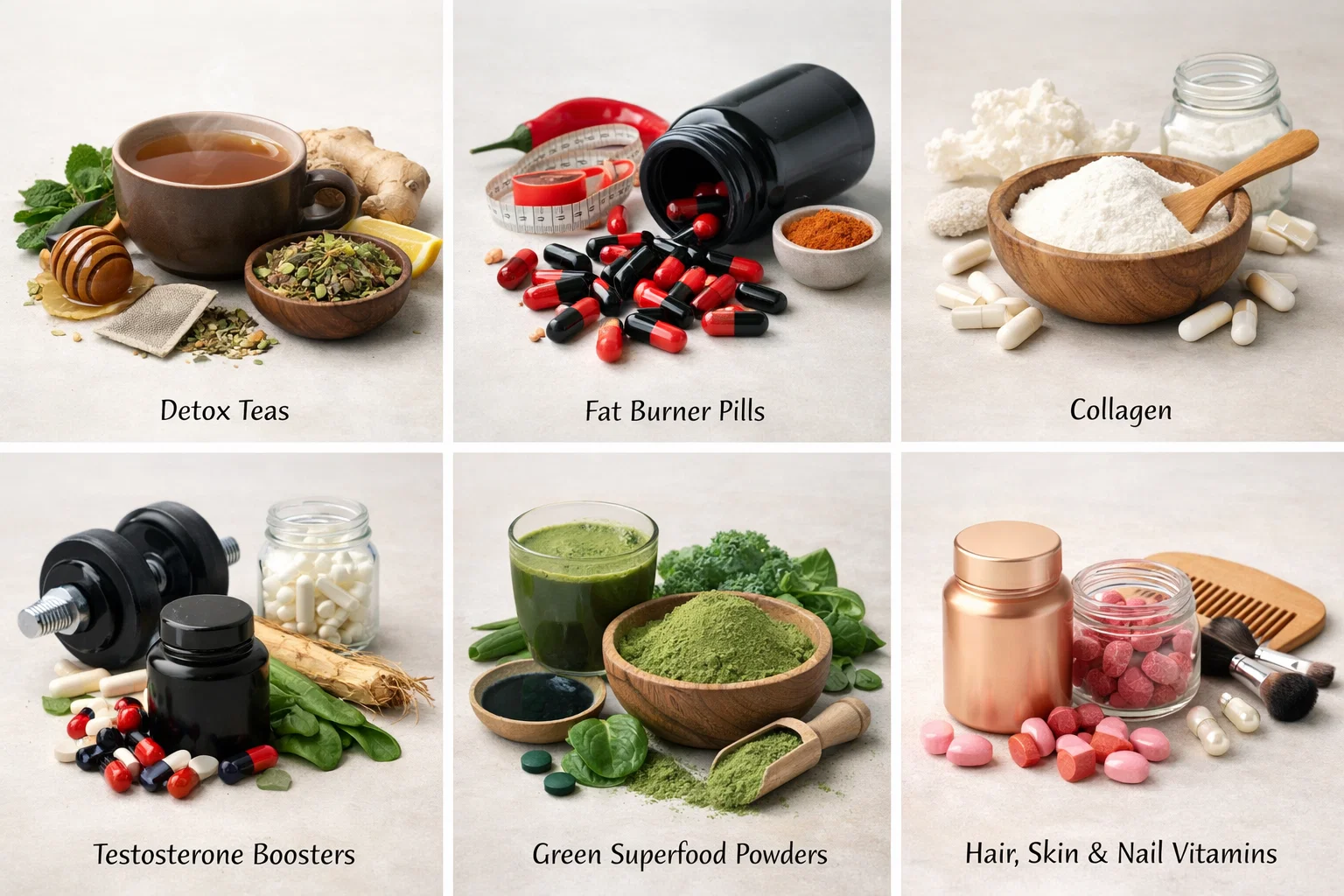
Fat burners and “metabolism boosters” often make exaggerated claims without substantial scientific support. Many contain stimulants or ingredients that have minimal impact on weight loss, and some may even pose health risks. Always seek medical advice before considering these vitamins or supplements, and prioritize lifestyle changes for sustainable results.
Detox Teas and Cleansing Products
Detox teas and cleansing products are often marketed as quick fixes for weight loss and improved health, but they rarely deliver on their promises. These products can sometimes lead to dehydration, electrolyte imbalances, and other health complications. Focus on supporting your body’s natural detoxification processes through a balanced diet.
Testosterone and Hormone Boosters
Testosterone and hormone boosters are typically marketed towards men seeking to enhance muscle mass or improve libido. However, they often contain ingredients with limited scientific evidence and potential side effects. Hormone imbalances should always be addressed under the guidance of a healthcare provider, rather than through over-the-counter supplements.
Overpriced Superfood Powders
Overpriced superfood powders often contain a blend of fruits, vegetables, and other ingredients that are marketed as nutritional powerhouses. While these powders can provide vitamins and minerals, they are often expensive and not necessarily more beneficial than