The year 2026 marks a pivotal shift in how we perceive and practice well-being. After years of relentless pressure and unattainable ideals, the toxic side of wellness culture is finally losing its grip, paving the way for a more authentic and inclusive approach to health.
What Is Toxic Wellness Culture?
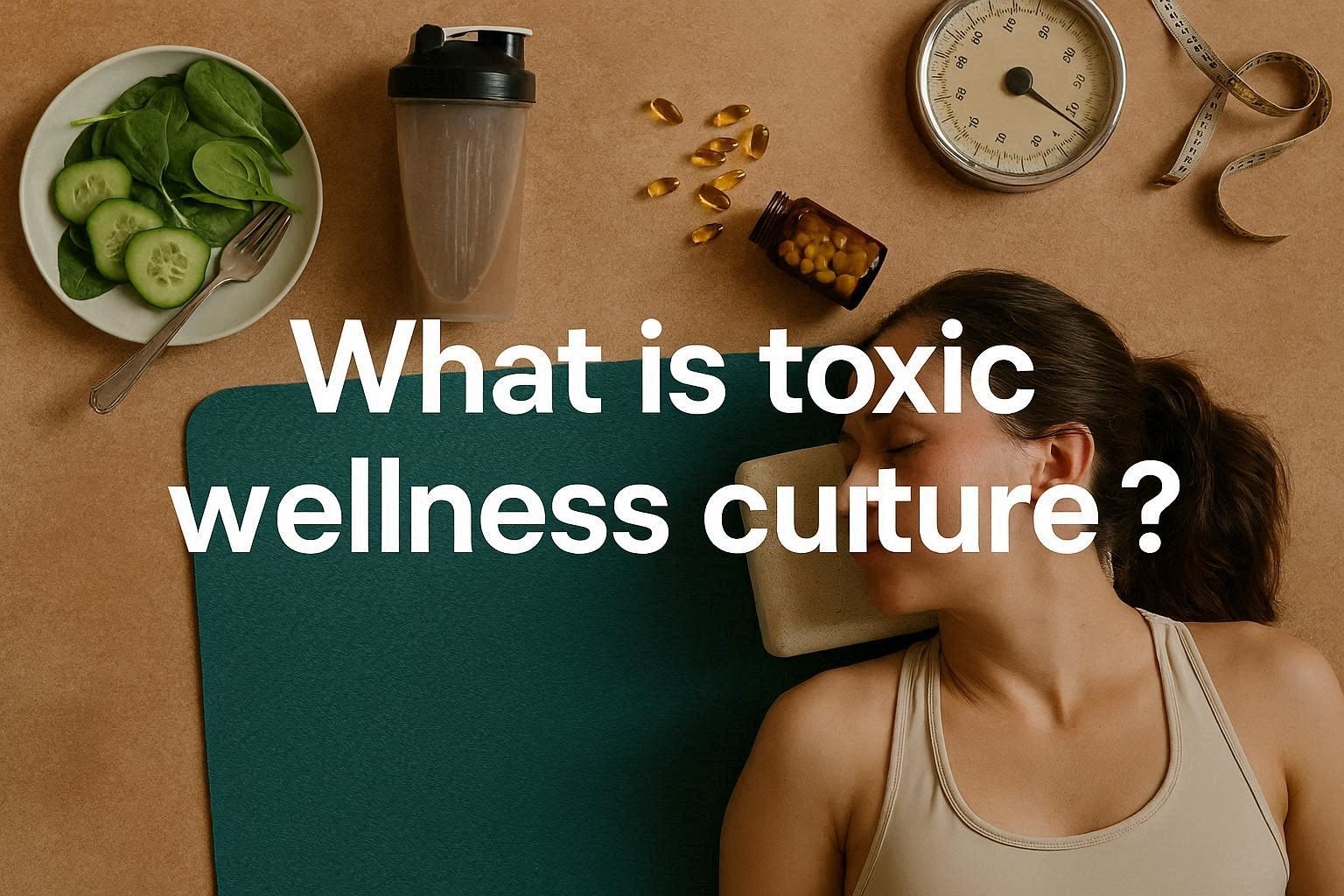
Toxic wellness culture is an insidious phenomenon that distorts the pursuit of health into an extreme obsession, often leading to more harm than good for an individual’s physical and mental well-being. It manipulates genuine desires for health into a relentless quest for perfection, frequently driven by commercial interests.
The Rise of Perfection-Driven Wellness Trends
In recent years, wellness culture has become increasingly intertwined with perfection-driven trends, where individuals feel immense pressure to achieve an unrealistic ideal of health and appearance. This often involves adopting extreme wellness practices and an obsession with specific supplements or diets.
How Wellness Became Linked to Productivity and Appearance
Wellness, unfortunately, became inextricably linked to productivity and a particular aesthetic, promoting the idea that one’s value was directly proportional to their output and adherence to specific beauty standards. This harmful narrative encouraged a constant need to self-optimize.
The Difference Between Healthy Habits and Wellness Obsession
There’s a critical distinction between cultivating healthy habits for genuine well-being and succumbing to wellness obsession, which often entails a rigid, fear-based approach to diet and exercise. The latter can lead to significant physical and mental distress.
Why Toxic Wellness Culture Is Losing Influence in 2026
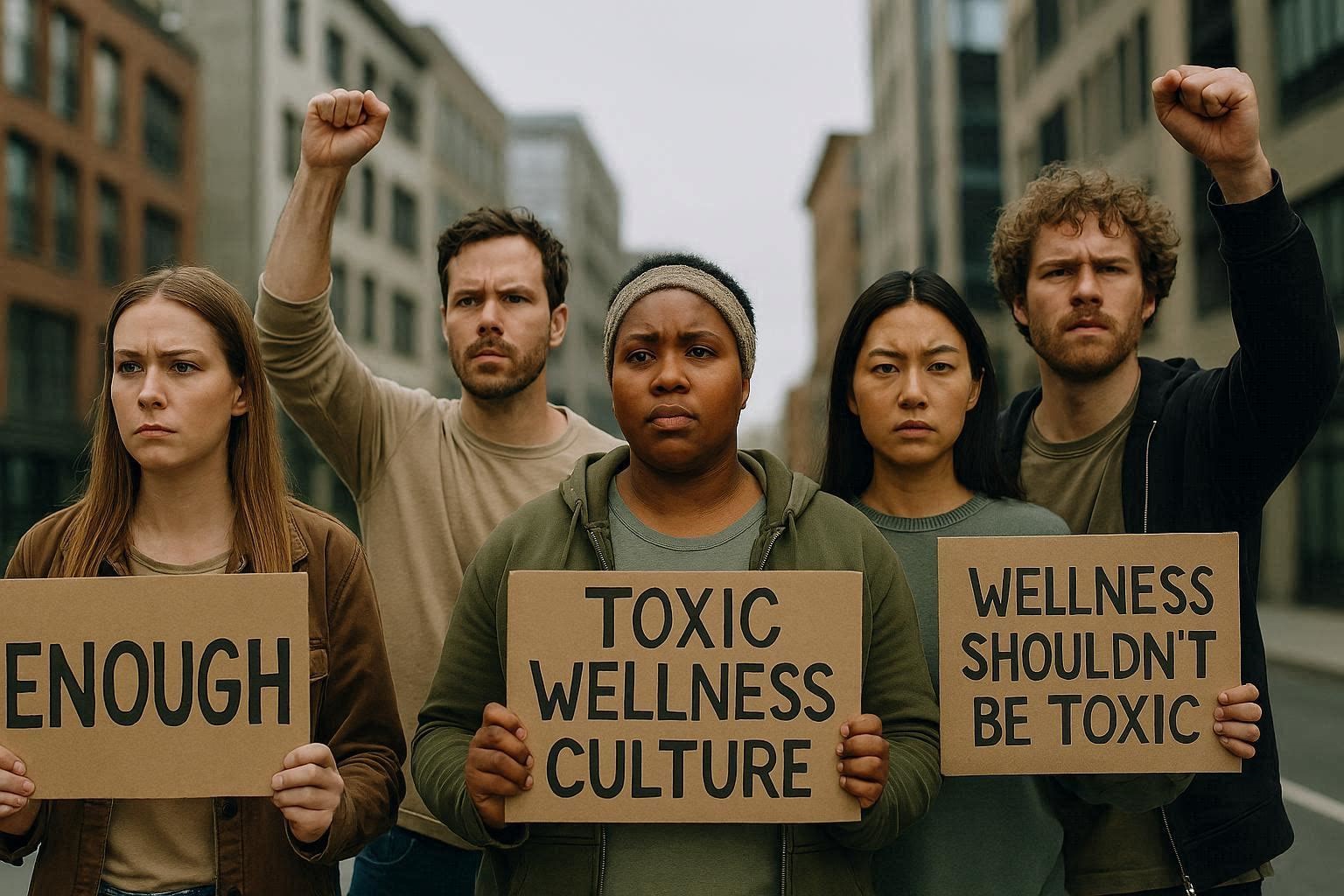
Several factors are contributing to the decline of toxic wellness culture in 2026, including a heightened collective awareness of mental health challenges and the detrimental impact of constant self-optimization. People are seeking more sustainable and gentle approaches to well-being.
Growing Awareness Around Mental Health and Burnout
A growing global awareness of mental health issues and the pervasive problem of burnout is significantly contributing to the rejection of demanding wellness ideologies. Individuals are increasingly prioritizing psychological well-being over relentless pursuits of physical perfection.
The Collapse of Hustle Culture and Constant Self-Optimization
The once-dominant hustle culture, with its emphasis on constant self-optimization and maximal productivity, is collapsing, taking with it many of the tenets of toxic wellness. People are realizing that an “always on” lifestyle is unsustainable and detrimental to long-term health.
Why Younger Generations Are Rejecting Extreme Wellness Messaging
Younger generations, particularly those active on platforms like TikTok, are actively rejecting extreme wellness messaging and the unrealistic standards it promotes. They are seeking more authentic, inclusive, and less prescriptive advice on health and well-being, fostering a pushback against the harmful effects of diet culture.
The Biggest Problems With Toxic Wellness Culture
Toxic wellness culture presents numerous significant problems, all contributing to a decline in genuine well-being. These issues include:
- The promotion of unrealistic beauty standards
- The perpetuation of fear-based nutrition
- The creation of immense guilt and shame around personal choices
Unrealistic Beauty and Body Expectations
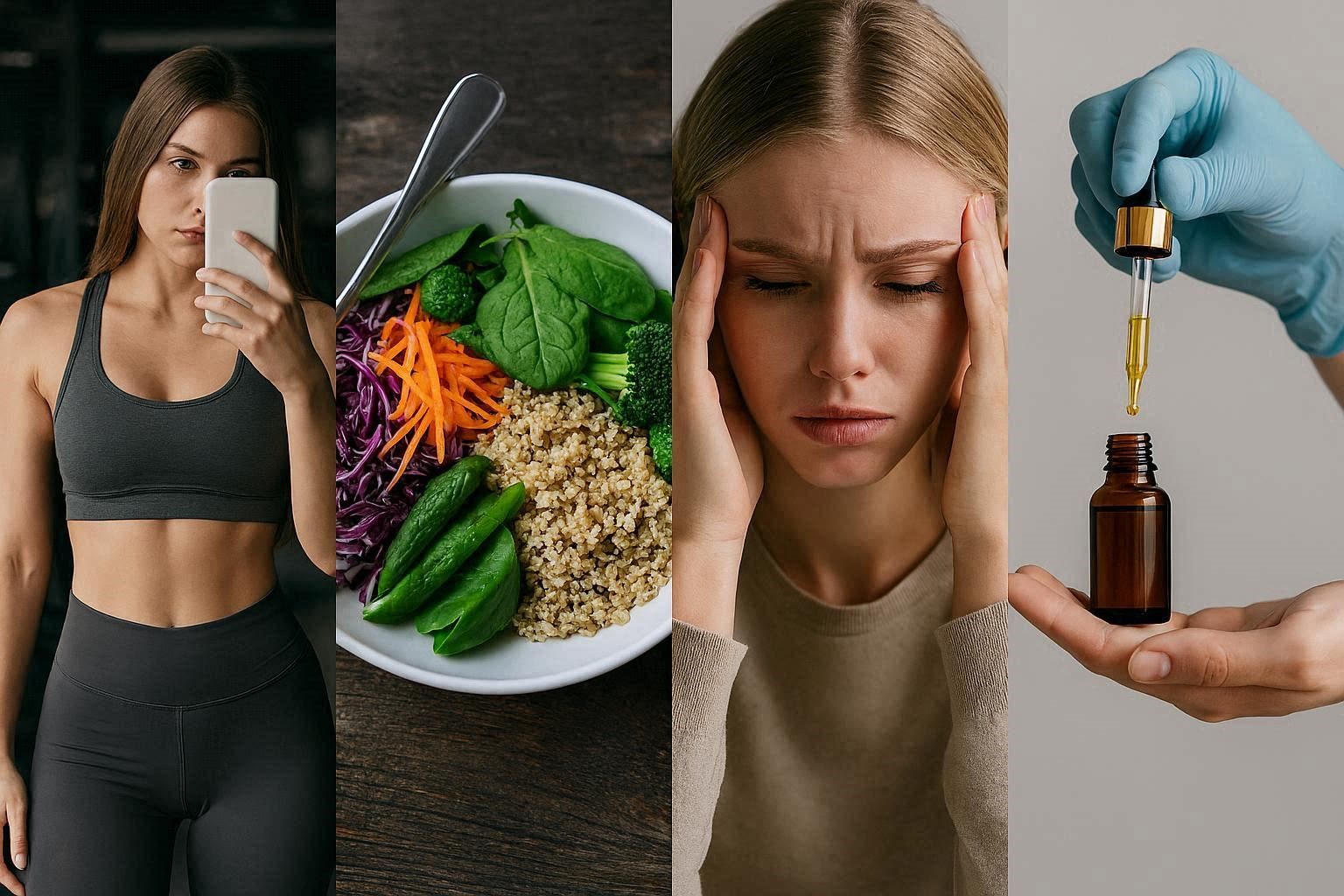
One of the most insidious problems with toxic wellness culture is its promotion of unrealistic beauty and body expectations, often centered around thinness and a very specific aesthetic. This can lead to body dissatisfaction and contribute to disordered eating patterns.
Fear-Based Nutrition and Restrictive Diet Trends
Toxic wellness culture often thrives on fear-based nutrition and promotes restrictive diet trends, labeling certain foods as “bad” or “toxic.” This approach can foster an unhealthy relationship with food, leading to anxiety, guilt, and even eating disorders, rather than truly nourishing the body.
“Always Productive” Lifestyle Pressure
The “always productive” lifestyle pressure inherent in toxic wellness culture demands constant activity, relentless workouts, and minimal rest, equating self-worth with output. This leaves little room for genuine recovery or mindful living, often leading to burnout.
Wellness Guilt and Social Media Comparison Culture
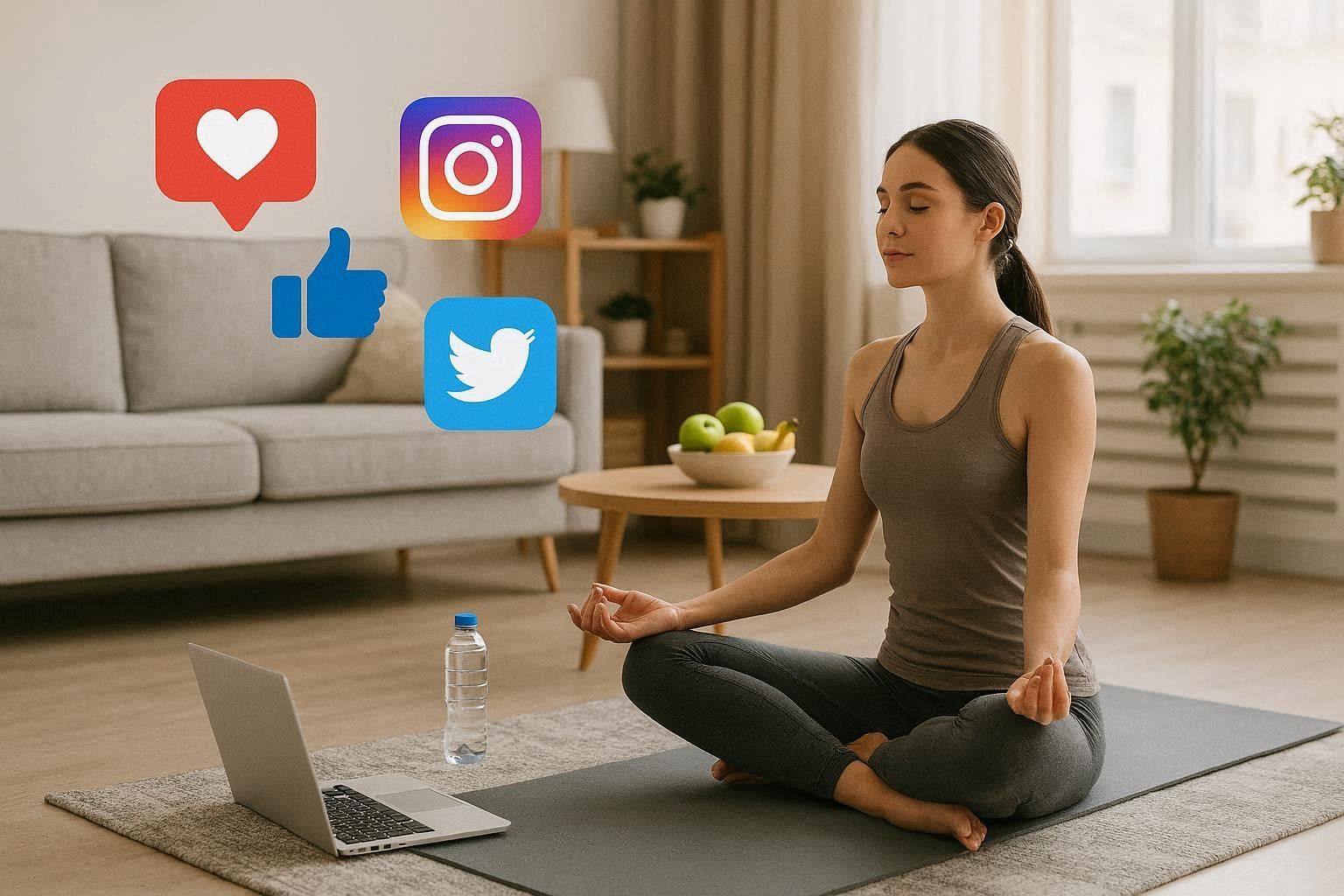
Toxic wellness culture fuels significant wellness guilt and thrives on social media comparison culture, where individuals constantly measure their own wellness practices against often-curated influencer lifestyles. This fosters feelings of inadequacy and shame, hindering genuine self-acceptance and fostering an unhealthy obsession with wellness.
How Social Media Changed the Wellness Conversation
Social media platforms have profoundly reshaped the dialogue around wellness, moving from an era of perfectly curated content to one that increasingly values authenticity and honest discussions. This evolution is a major factor in the fading of toxic wellness culture.
The Fall of Perfect Influencer Lifestyle Content
The carefully constructed image of the perfect influencer lifestyle, once a dominant force in wellness culture, is now experiencing a significant decline. Audiences have grown tired of the unrealistic portrayals of health, unattainable routines, and aspirational content that often promoted unsustainable practices and a specific, unattainable body size.
TikTok and the Rise of Honest Wellness Discussions
TikTok has emerged as a powerful platform fostering more honest and relatable wellness discussions, often directly challenging the toxicity prevalent in older social media narratives. This shift allows for diverse voices and experiences, promoting a more nuanced understanding of health and well-being rather than a single, prescriptive path.
Why Audiences Now Prefer Realistic and Transparent Creators
In 2026, audiences overwhelmingly prefer realistic and transparent creators who share genuine experiences, struggles, and evidence-backed advice, rather than perpetuating the unrealistic ideals of toxic wellness culture. This demand for authenticity promotes a healthier relationship with wellness, moving away from harmful comparison culture, guilt, and shame.
The Rise of “Soft Wellness” in 2026
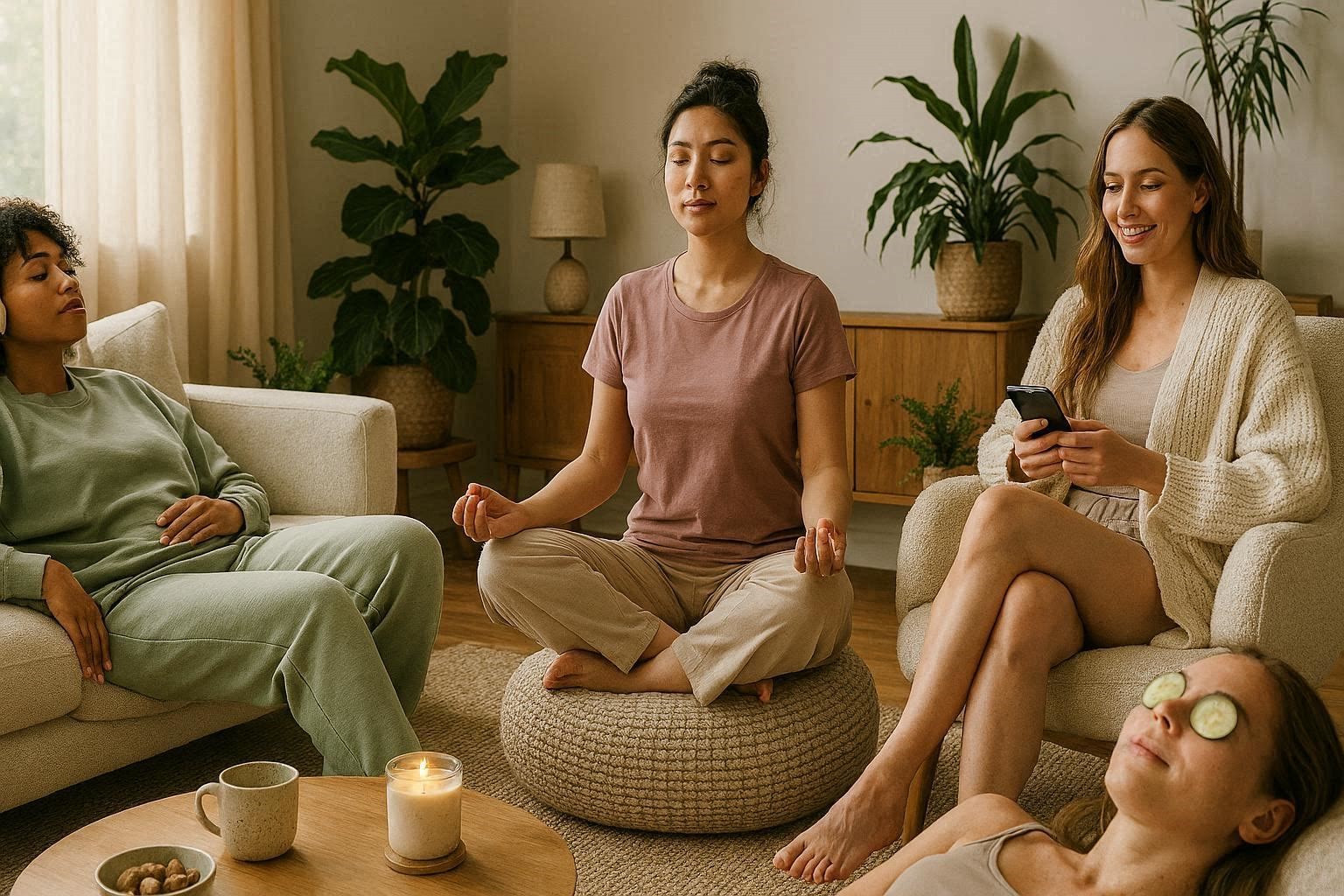
The year 2026 is witnessing the prominent rise of “soft wellness,” a gentle and compassionate approach that prioritizes self-care, rest, and intuitive practices over the demanding and often punishing regimes of toxic wellness culture. This shift emphasizes true well-being rather than external validation.
Gentle Fitness Trends (Walking, Pilates, Mobility Workouts)
Gentle fitness trends are gaining significant traction, replacing the high-intensity, “no pain, no gain” mentality once promoted by the toxic side of wellness culture. These accessible and sustainable forms of movement focus on nourishing the body and mental health without excessive pressure, and popular examples include:
- Walking
- Pilates
- Mobility workouts
Nervous System Regulation and Emotional Recovery
Nervous system regulation and emotional recovery are becoming central tenets of the new wellness paradigm, recognizing the profound impact of stress on overall health. Practices aimed at calming the nervous system prioritize internal peace and resilience, a direct counterpoint to the anxiety-inducing demands of toxic wellness.
Rest, Sleep, and Recovery Becoming Wellness Priorities
Critically, rest, sleep, and recovery are now being championed as non-negotiable wellness priorities, dismantling the toxic notion that constant productivity and minimal downtime equate to optimal health. This emphasizes the importance of these elements for both physical and mental well-being, moving away from guilt associated with resting.
How Science-Based Wellness Is Replacing Wellness Myths
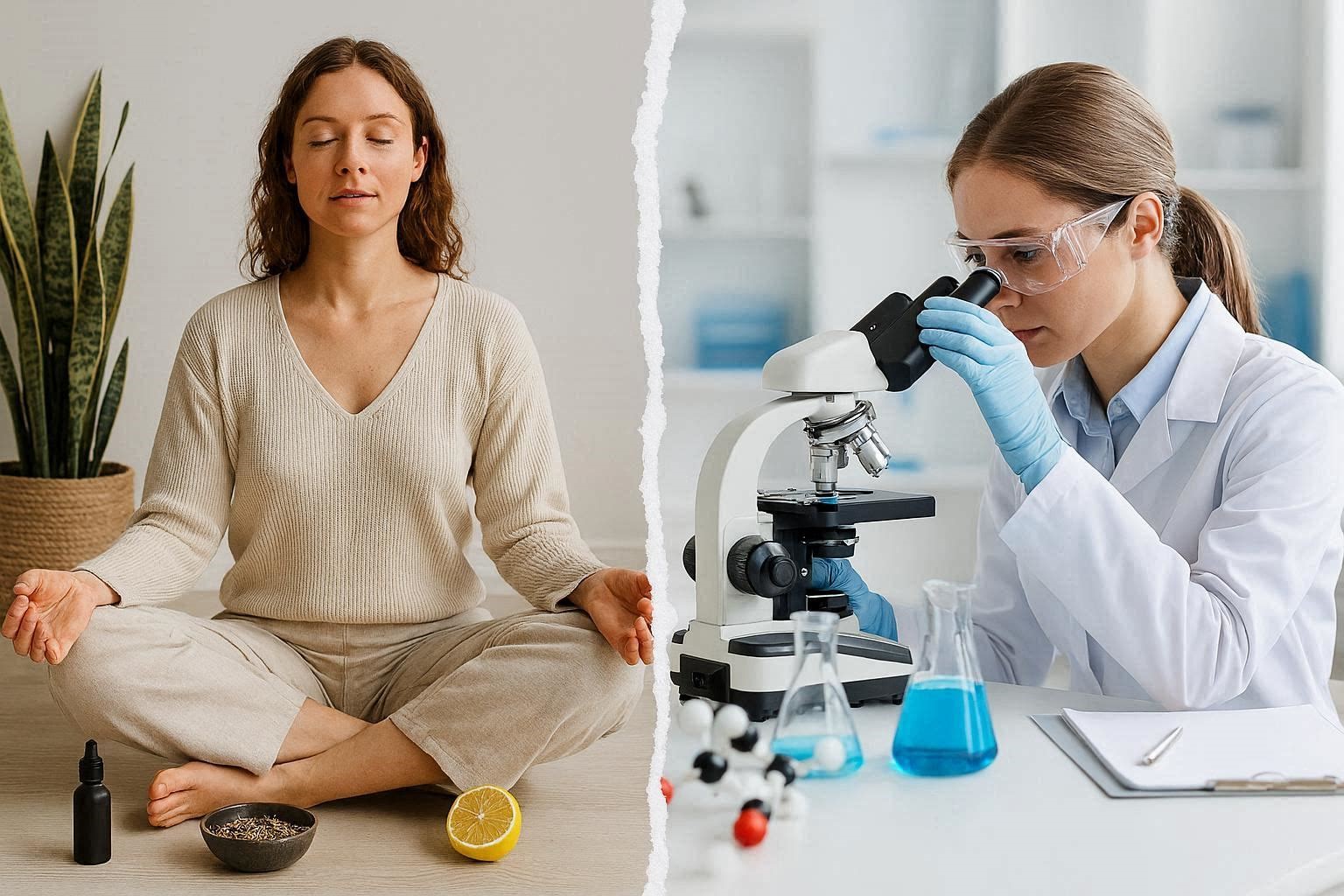
Science-based wellness is systematically replacing the plethora of myths and unsupported claims that once plagued the wellness industry, marking a crucial evolution in how people approach their health. This paradigm shift emphasizes credible information over anecdotal evidence and fast solutions.
The Shift Toward Evidence-Backed Health Information
There is a decisive shift toward evidence-backed health information, where individuals are actively seeking guidance from reliable sources instead of relying on unqualified wellness influencers or supplement recommendations. This movement is essential for dispelling misinformation and promoting genuine well-being. Individuals are now actively seeking guidance from:
- Registered dietitians
- Doctors
- Scientific research
Why Detox Trends and Quick Fixes Are Losing Credibility
Detox trends and quick fixes, long-standing staples of the toxic side of wellness culture, are rapidly losing credibility as consumers become more educated and discerning. The understanding that the body naturally detoxifies itself, alongside a rejection of unrealistic promises, underscores this significant change.
The Growing Importance of Sustainable Long-Term Habits
The growing importance of sustainable long-term habits is overshadowing the allure of temporary, extreme wellness practices. People are recognizing that consistent, manageable changes contribute more effectively to overall health and well-being than any “fast” or restrictive diet and exercise plan, reducing the harm of toxic culture.
The New Wellness Trends Replacing Toxic Culture
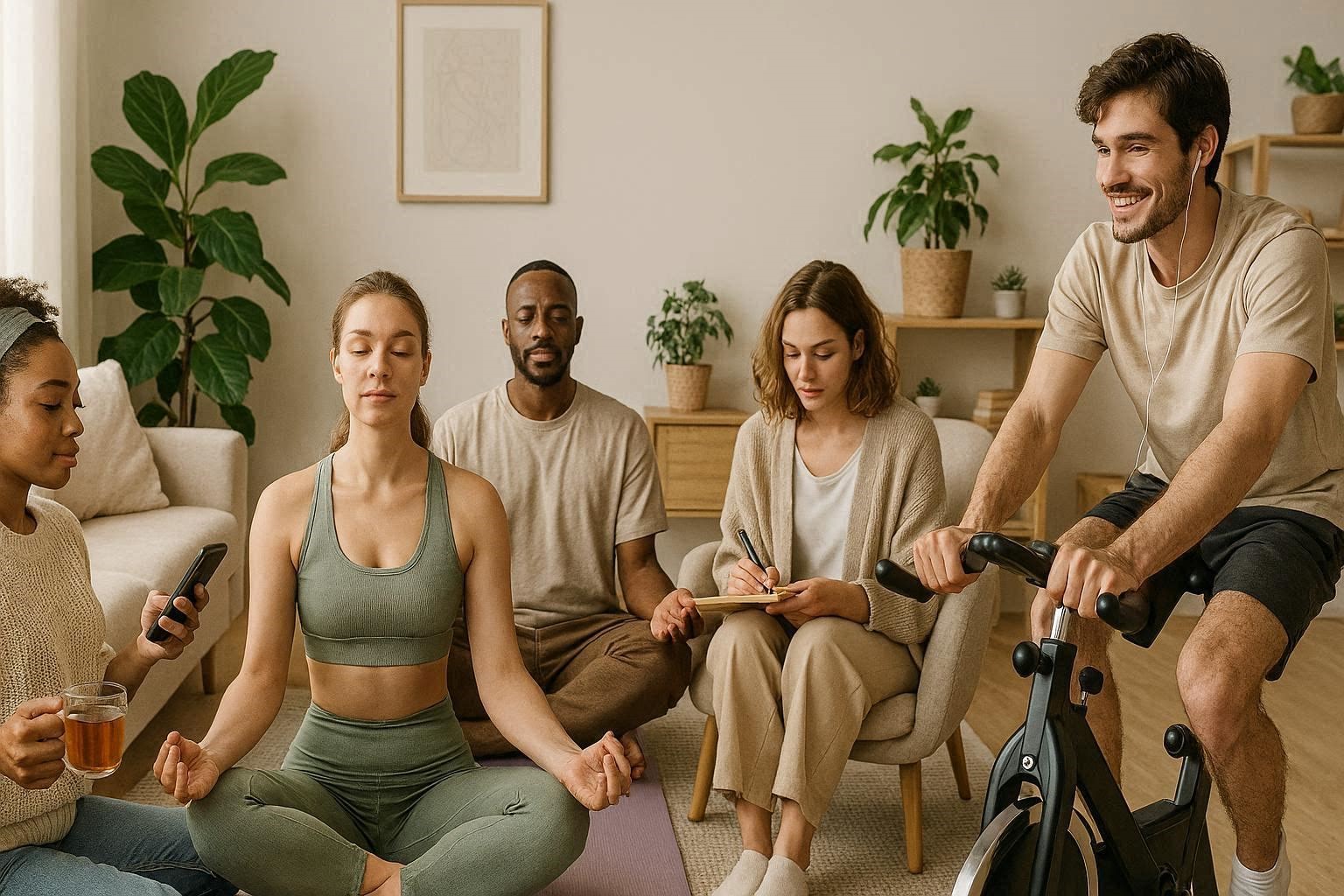
As toxic wellness culture recedes, a wave of new, more holistic, and inclusive wellness trends is emerging, focusing on genuine self-care and a balanced approach to health. These trends prioritize individual needs and promote a healthier relationship with one’s body and environment.
Intuitive Eating and Flexible Nutrition
Intuitive eating and flexible nutrition are replacing rigid, fear-based diet protocols, encouraging individuals to listen to their body’s hunger and fullness cues. This anti-diet approach helps to nourish the body without the guilt and shame associated with restriction, fostering a healthier relationship with food and challenging the harmful effects of diet culture.
Digital Detox and Mindful Living
The rise of digital detox practices and a commitment to mindful living reflect a growing awareness of the mental health impact of constant connectivity and social media comparison. Prioritizing breaks from screens helps to reduce pressure and allows for greater presence and peace, combating the obsession with wellness online.
Nature Therapy and Outdoor Wellness Routines
Nature therapy and integrating outdoor wellness routines are becoming increasingly popular, emphasizing the restorative power of the natural environment for both physical and mental well-being. This trend provides a gentle escape from the urban grind and offers an accessible way to de-stress and reconnect, without the need for expensive supplements.
Slow Living and Minimalist Self-Care Practices
Slow living and minimalist self-care practices are gaining traction as people reject the “always productive” lifestyle and prioritize intentionality and simplicity. This approach promotes deliberate choices that contribute to a calm and fulfilling existence, moving away from the unrealistic demands and toxicity of past wellness trends.
The Psychological Impact of Leaving Toxic Wellness Behind
The departure from a toxic wellness culture brings profound psychological relief, allowing individuals to heal from the harm caused by relentless pressure and unrealistic expectations. This shift promotes a healthier mindset, fostering greater self-acceptance and a more balanced approach to overall well-being.
Reduced Anxiety Around Food and Fitness
One of the most significant psychological benefits of leaving toxic wellness behind is the reduced anxiety around food and fitness. Individuals can finally release the obsession with restrictive diet culture and punishing workout regimens, developing a more intuitive and peaceful relationship with their bodies, free from the guilt and shame previously imposed.
Improved Relationship With Rest and Personal Time
An improved relationship with rest and personal time is another vital psychological impact, as the toxic emphasis on constant productivity and self-optimization fades. People are embracing the importance of genuine recovery and mindful relaxation without feeling guilty, recognizing that these elements are crucial for long-term physical and mental well-being, rather than a sign of weakness.
The Rise of Self-Acceptance and Balanced Living
The fading of toxic wellness culture directly contributes to the rise of self-acceptance and balanced living, as individuals no longer feel compelled to conform to unrealistic body and lifestyle ideals. This encourages a more compassionate view of oneself, promoting holistic well-being over superficial perfection and reducing the harmful effects of societal pressure.
Industries and Brands Adapting to the New Wellness Era
In response to the evolving landscape, industries and brands within the global wellness industry are significantly adapting their messaging and product offerings. This demonstrates a crucial shift away from the toxic narratives that once dominated, embracing inclusivity, genuine health, and mental well-being over unattainable perfection.

Fitness Brands Promoting Recovery and Inclusivity
Fitness brands are now actively promoting recovery and inclusivity, moving away from the “no pain, no gain” mentality that characterized the toxic side of wellness culture. They are designing programs and equipment that cater to diverse body sizes and fitness levels, emphasizing sustainable movement, mental health, and overall well-being, rather than just intense workout sessions.
Beauty Brands Focusing on Skin Health Over Perfection
Beauty brands are pivoting to focus on skin health over unrealistic perfection, eschewing the pressure to achieve flawless skin at all costs. This involves promoting ingredients that nourish and and protect, celebrating natural beauty, and offering products that support genuine well-being, rather than perpetuating unattainable ideals and contributing to the obsession with appearance.
Wellness Apps Supporting Mental Balance Instead of Productivity Pressure
Wellness apps are undergoing a transformation, increasingly supporting mental balance instead of exacerbating productivity pressure. These apps now offer tools for meditation, stress reduction, and sleep tracking, prioritizing emotional and psychological well-being over relentless self-optimization, providing a valuable counterpoint to the former toxic demands of wellness culture.
Common Mistakes People Still Make in Modern Wellness
Even as toxic wellness culture recedes, some common mistakes persist, highlighting the challenge of fully disengaging from ingrained habits and societal pressures. Recognizing these pitfalls is crucial for cultivating truly healthy and sustainable wellness practices.
Turning “Healthy Living” Into Another Form of Perfectionism
One prevalent mistake is inadvertently turning “healthy living” into another form of perfectionism, replacing old toxic wellness rules with new, equally rigid ones. This can lead to an obsession with “clean” eating, perfectly timed workouts, or an extensive supplement regimen, thus hindering genuine well-being and maintaining a restrictive diet mentality.
Following Viral Wellness Advice Without Personalization
Many still err by following viral wellness advice from TikTok influencers or other sources without proper personalization, often adopting quick-fix solutions that are not suitable for their individual needs. This can lead to ineffective or even harmful practices, emphasizing the importance of consulting a registered dietitian or medical professional for tailored guidance.
Confusing Aesthetic Wellness With Actual Health
A persistent error is confusing aesthetic wellness, often driven by social media, with actual, holistic health, where the focus remains on external appearance rather than internal well-being. This perpetuates unrealistic beauty standards and can lead to unhealthy wellness practices that prioritize a certain body size or thinness over true physical and mental health.
What the Future of Wellness Will Look Like Beyond 2026
Beyond 2026, the future of wellness promises an even more personalized, technologically integrated, and balance-focused approach, further distancing itself from the harmful effects of toxic wellness culture. This evolution will prioritize individual needs and sustainable practices, moving away from the restrictive diet and exercise mentality.
Personalized Wellness Based on Mental and Physical Needs
The future will see increasingly personalized wellness, tailored precisely to an individual’s unique mental health and physical needs, moving far beyond one-size-fits-all recommendations. This approach will leverage advanced diagnostics and expert guidance from registered dietitians and other professionals to create bespoke plans that genuinely support long-term well-being, rejecting the quick-fix mentality.
AI-Powered Health Guidance and Habit Tracking
AI-powered health guidance and sophisticated habit tracking will become commonplace, offering intelligent insights and support without the guilt and shame associated with past wellness apps. These tools will help individuals build sustainable practices, monitor progress, and make informed choices, fostering a healthier relationship with technology and well-being, without promoting an obsession with wellness.
The Continued Rise of Balance-Focused Lifestyle Culture
The continued rise of a balance-focused lifestyle culture will further cement the rejection of toxic wellness, emphasizing moderation, flexibility, and joy in daily routines. This broader cultural shift will prioritize overall well-being, encouraging rest, mindful movement, and intuitive eating, solidifying a humane approach to health and wellness.
Final Thoughts: Why Wellness Is Becoming More Human Again
The overarching trend in 2026 and beyond is a powerful rehumanization of wellness, stripping away the toxic layers of perfectionism, pressure, and unrealistic expectations that once defined it. This vital transformation allows individuals to pursue health in a way that truly nourishes their physical and mental well-being, free from guilt and shame, and embraces the anti-diet movement.