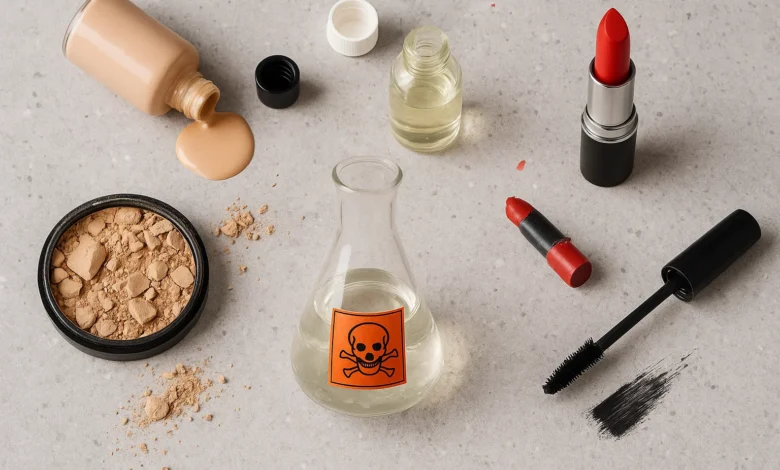
Dive into the world of toxic beauty and uncover the hidden dangers lurking within your makeup bag. Many common cosmetic products contain ingredients that may pose risks to your health. This article serves as your guide to navigating the complex world of cosmetics and personal care products, helping you make informed choices for safe cosmetics.
The Hidden Dangers in Your Makeup Bag
Why “Clean Beauty” Is More Than Just a Trend
The rise of “clean beauty” is not just a passing fad; it represents a growing awareness of the harmful ingredients often used in cosmetics and personal care products. Consumers are increasingly concerned about the toxicity of chemicals in cosmetics and seeking skincare products that prioritize health and well-being, driving the demand for safer alternatives.
How Toxic Ingredients Affect Your Skin and Health
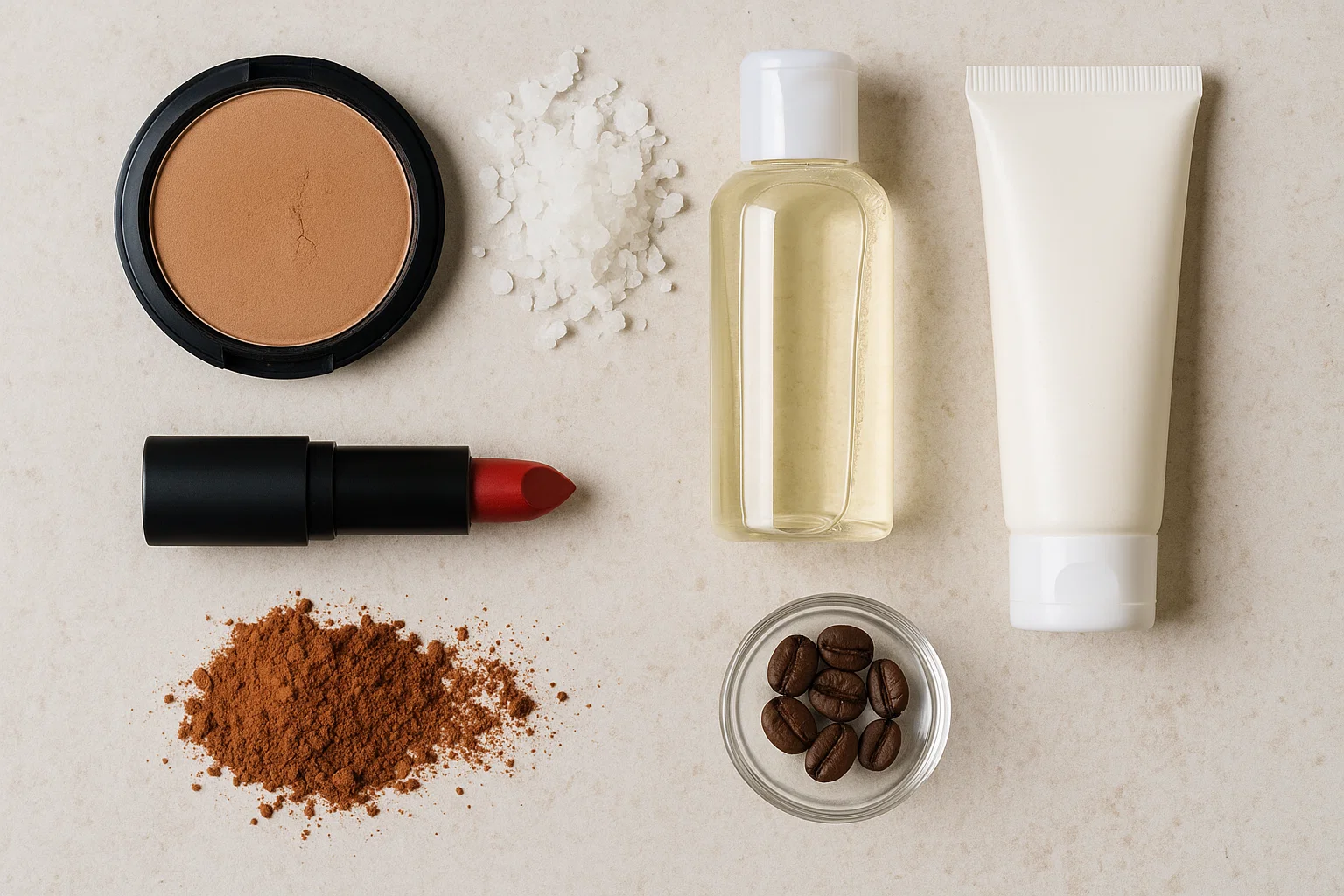
Toxic ingredients in beauty products can have a wide range of adverse effects on your skin and overall health. Skin irritation, allergic reactions, and long-term health concerns like endocrine disruption and increased cancer risk can all be linked to prolonged exposure to certain cosmetic ingredients. It is crucial to check the ingredients list.
How Toxic Ingredients Get into Everyday Makeup
Lack of FDA Regulation in the Beauty Industry
One of the primary reasons toxic chemicals end up in our cosmetics and personal care products is the insufficient regulation by the FDA. The FDA’s limited authority over the cosmetics industry allows for the use of harmful ingredients like formaldehyde and phthalates, even if they have known health risks, impacting both makeup products and skincare products.
Misleading Terms Like “Natural” and “Fragrance-Free”
Consumers often rely on terms like “natural” and “fragrance-free” when selecting beauty products; however, these terms can be misleading. Brands exploit these labels to appear safe, even if their products contain synthetic preservatives or other questionable additives. It’s essential to scrutinize the list of ingredients, not just the marketing claims.
Top 13 Toxic Ingredients Lurking in Your Makeup
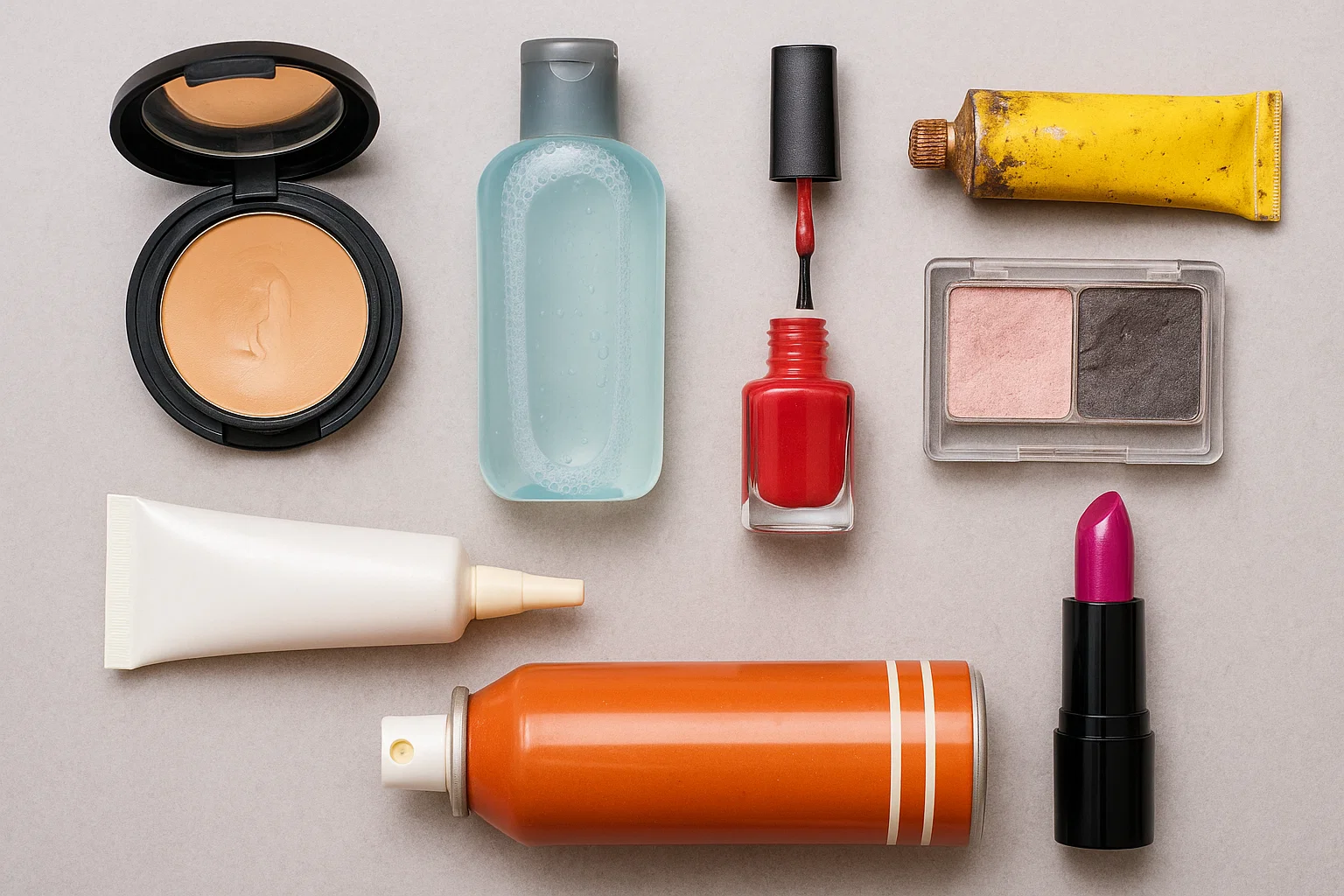
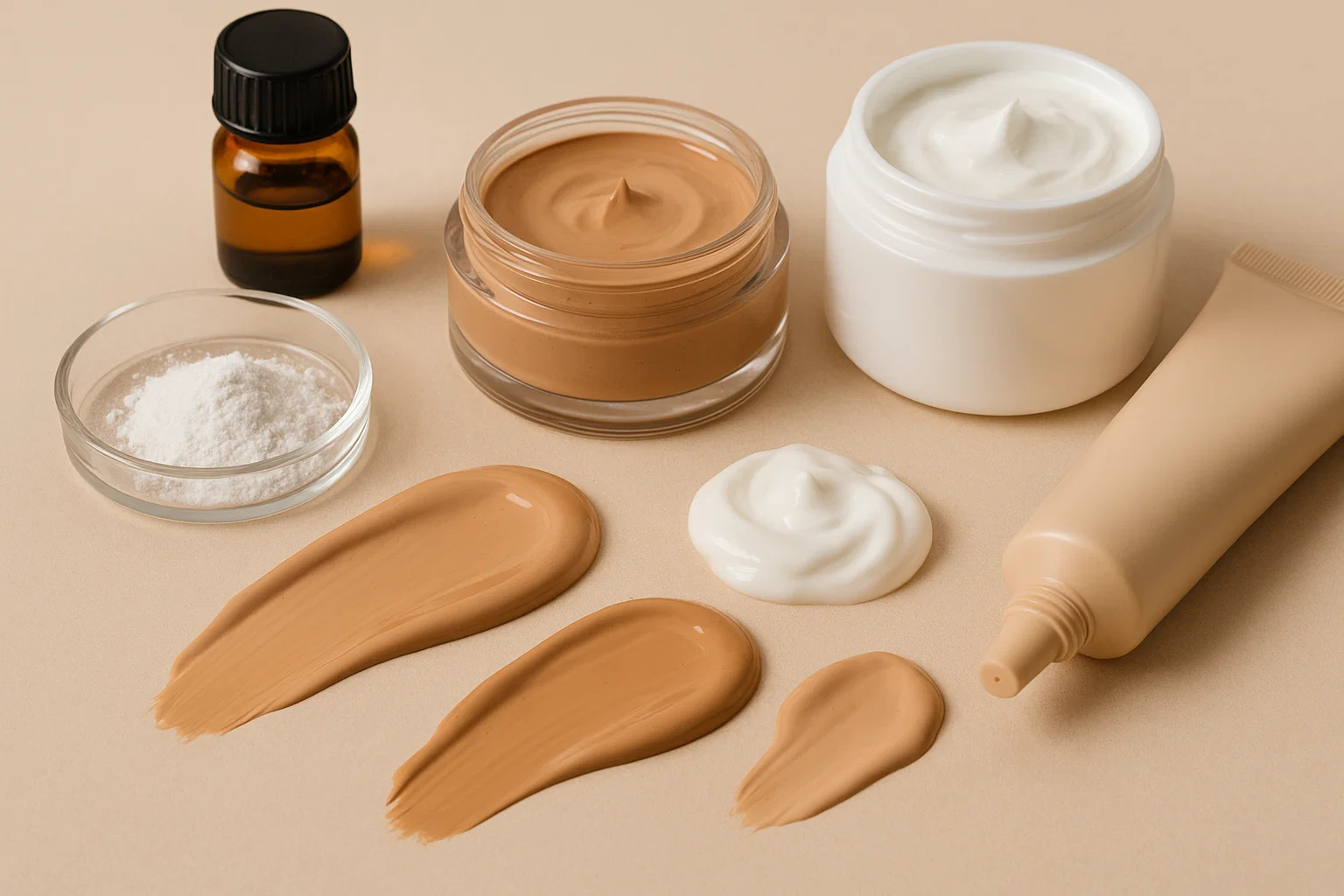
1. Parabens – Endocrine Disruptors in Foundations & Creams
Parabens, widely used in cosmetics and personal care products as preservatives, are ingredients to avoid due to their endocrine disruption potential. These harmful ingredients can mimic estrogen in the body, potentially leading to hormonal imbalances and increasing the risk of breast cancer. Always check the ingredients list for propylparaben, butylparaben, methylparaben, and ethylparaben to ensure safe cosmetics.
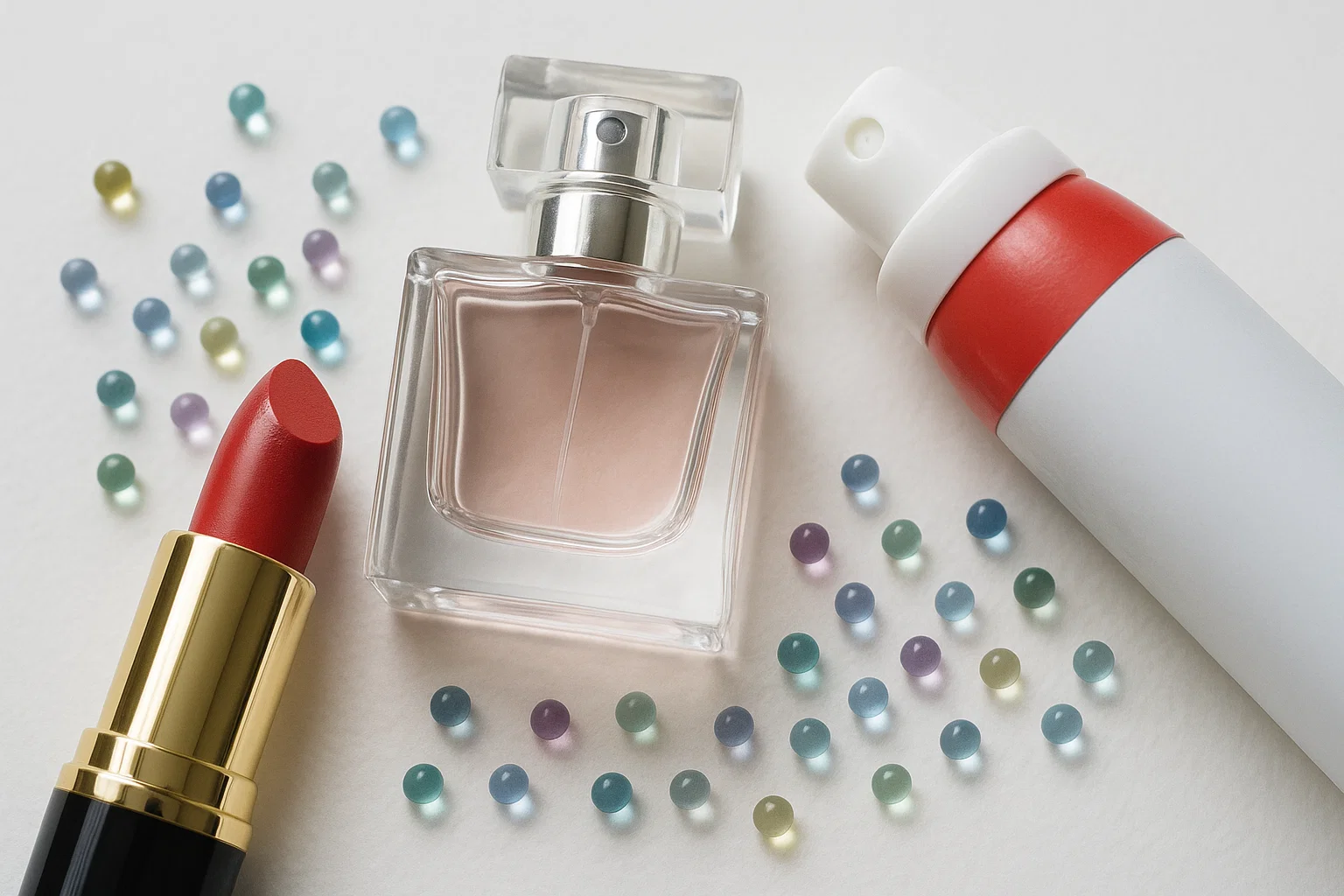
2. Phthalates – Hidden Under “Fragrance” in Lipsticks & Sprays
Phthalates are often hidden under the term “fragrance” on cosmetic labels, making them difficult to identify. These endocrine disruptors can interfere with hormone function and have been linked to cancer and reproductive issues. Since the FDA does not require companies to disclose individual fragrance components, it’s best to avoid products that contain “fragrance” or “parfum” in their list of ingredients.
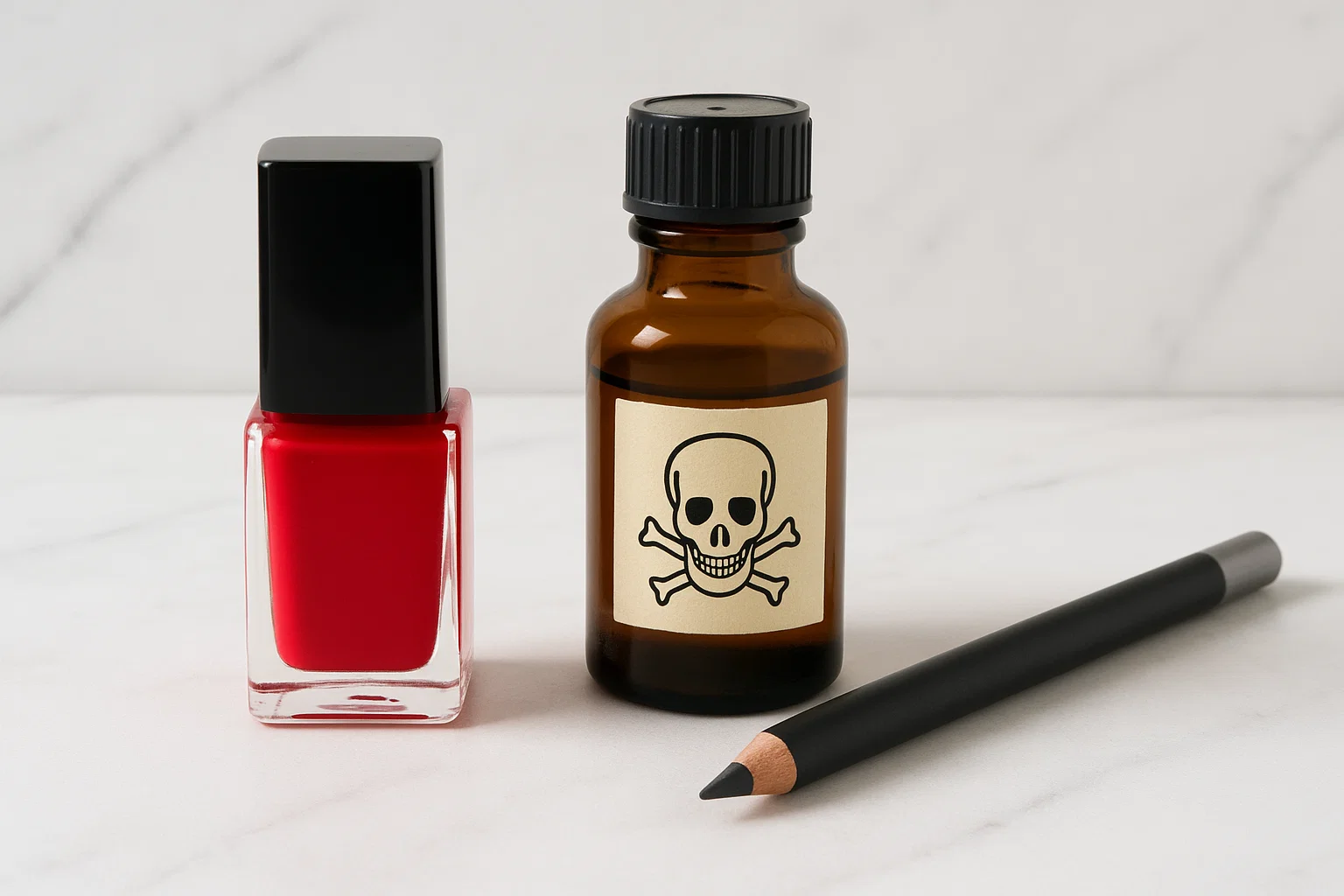
3. Formaldehyde & Releasers – Found in Nail Polish, Eyeliner
Formaldehyde and chemicals that release formaldehyde are toxic chemicals often found in cosmetic products such as nail polish, eyeliner, and eyelash glue. As ingredients to avoid, they’re known carcinogens and can cause skin irritation, allergic reactions, and respiratory problems. Look out for names like quaternium-15, DMDM hydantoin, and imidazolidinyl urea on the list of ingredients to find safe cosmetics.
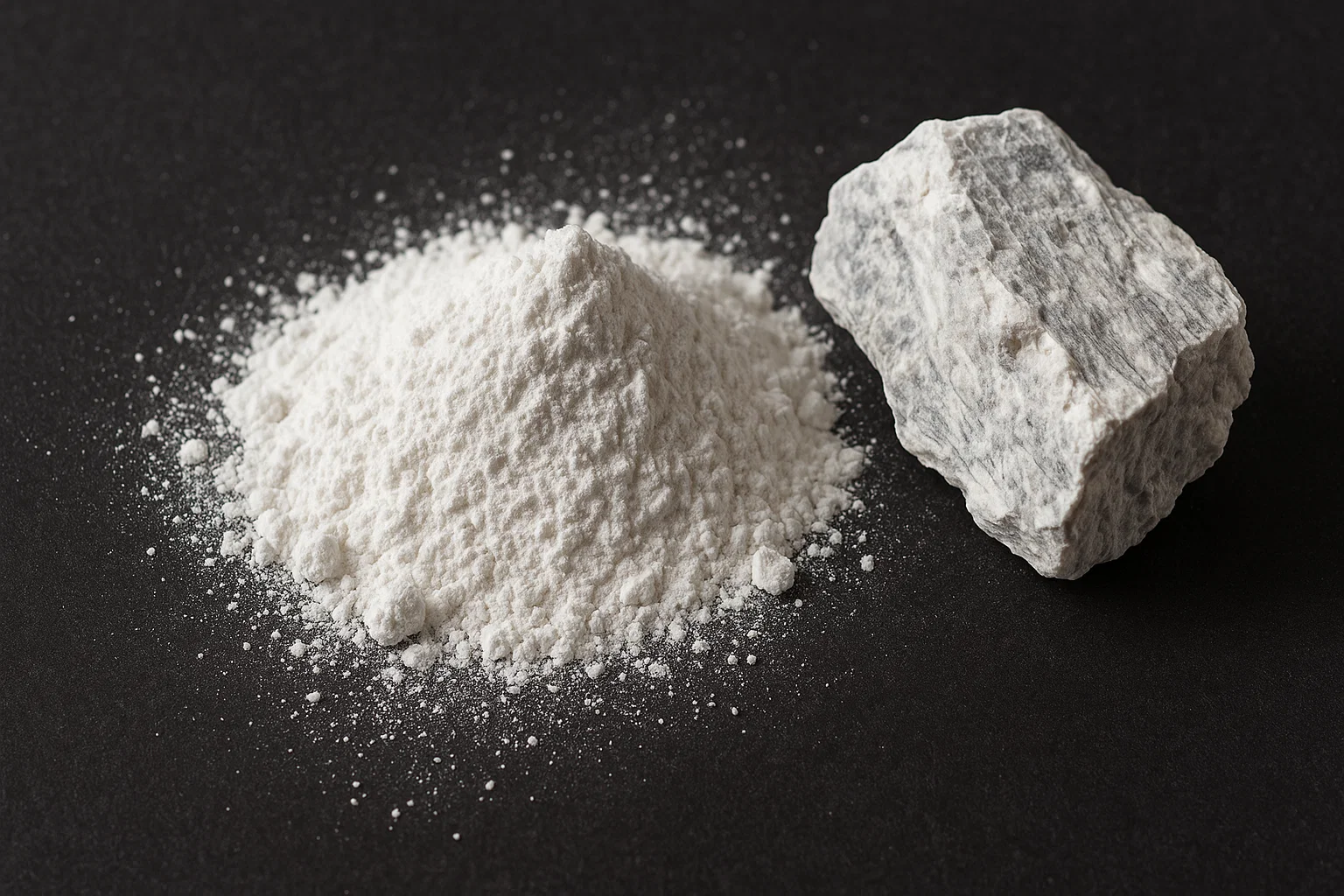
4. Talc (Unpurified) – May Contain Asbestos
Unpurified talc, a mineral used in cosmetics like powders and eyeshadows, poses a risk of asbestos contamination. Asbestos is a known carcinogen, and its presence in cosmetic products is a serious health concern. Always choose talc-free makeup products or ensure the talc is certified asbestos-free to avoid this toxic makeup ingredient, promoting safe cosmetics and care products that contain safe ingredients.
5. Lead – Still Found in Some Lipsticks
Lead, a neurotoxin, can still be found in cosmetic products like lipsticks, despite its known dangers. Even small amounts of lead exposure can be harmful, especially to pregnant women and children. While the amounts may be trace, it’s still an ingredient to avoid when choosing safe cosmetics. Look for brands committed to rigorous testing and transparency.
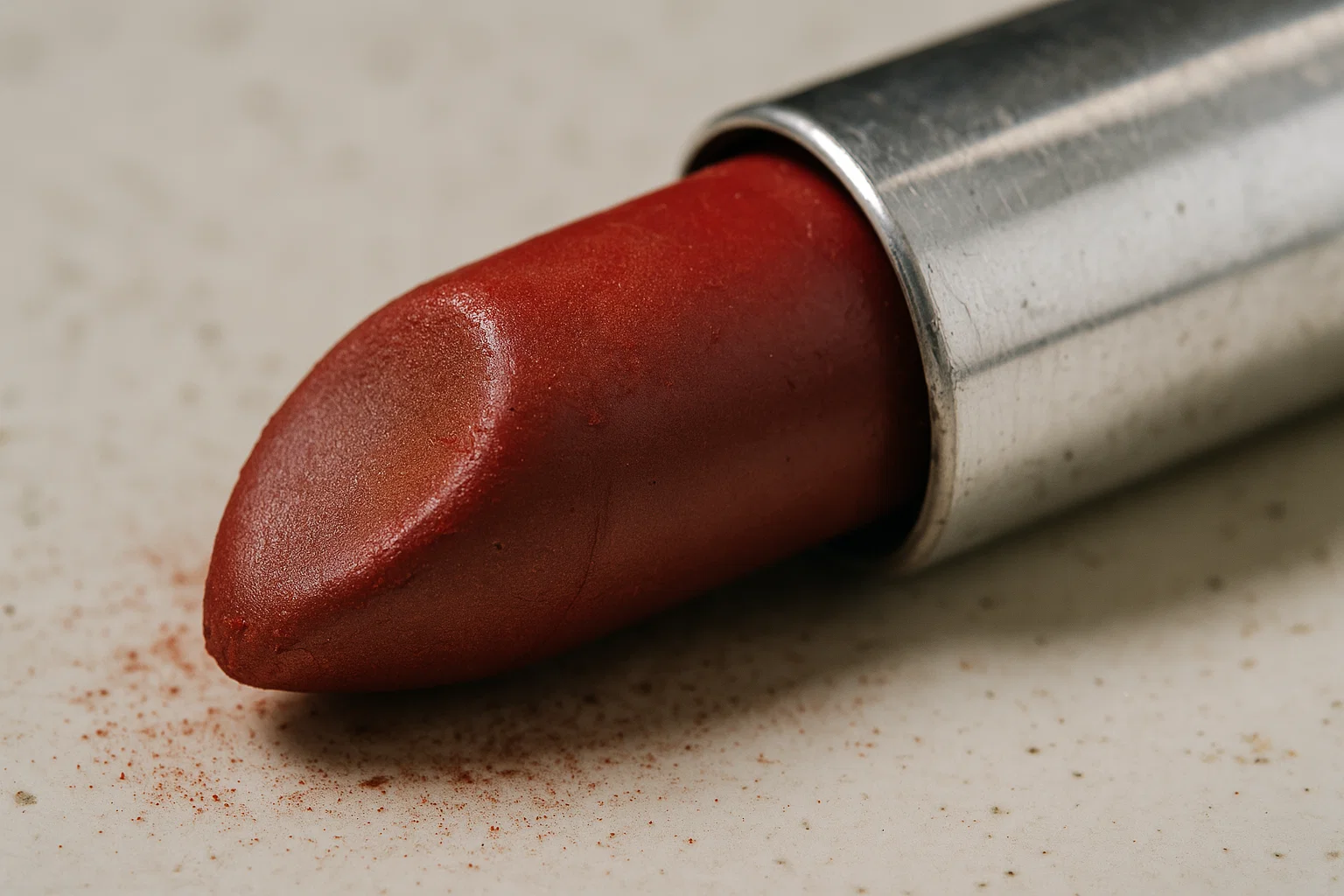
6. Coal Tar Dyes (FD&C Colors) – Linked to Allergies and Cancer
Coal tar dyes, also known as FD&C or D&C colors, are synthetic colorants used in cosmetics like eyeshadows, blush, and hair products. Some coal tar dyes have been linked to cancer and skin irritation. These toxic makeup ingredients, derived from petroleum, are potential harmful ingredients to avoid, particularly for those with sensitive skin, pushing the need for safer and more safe cosmetics.
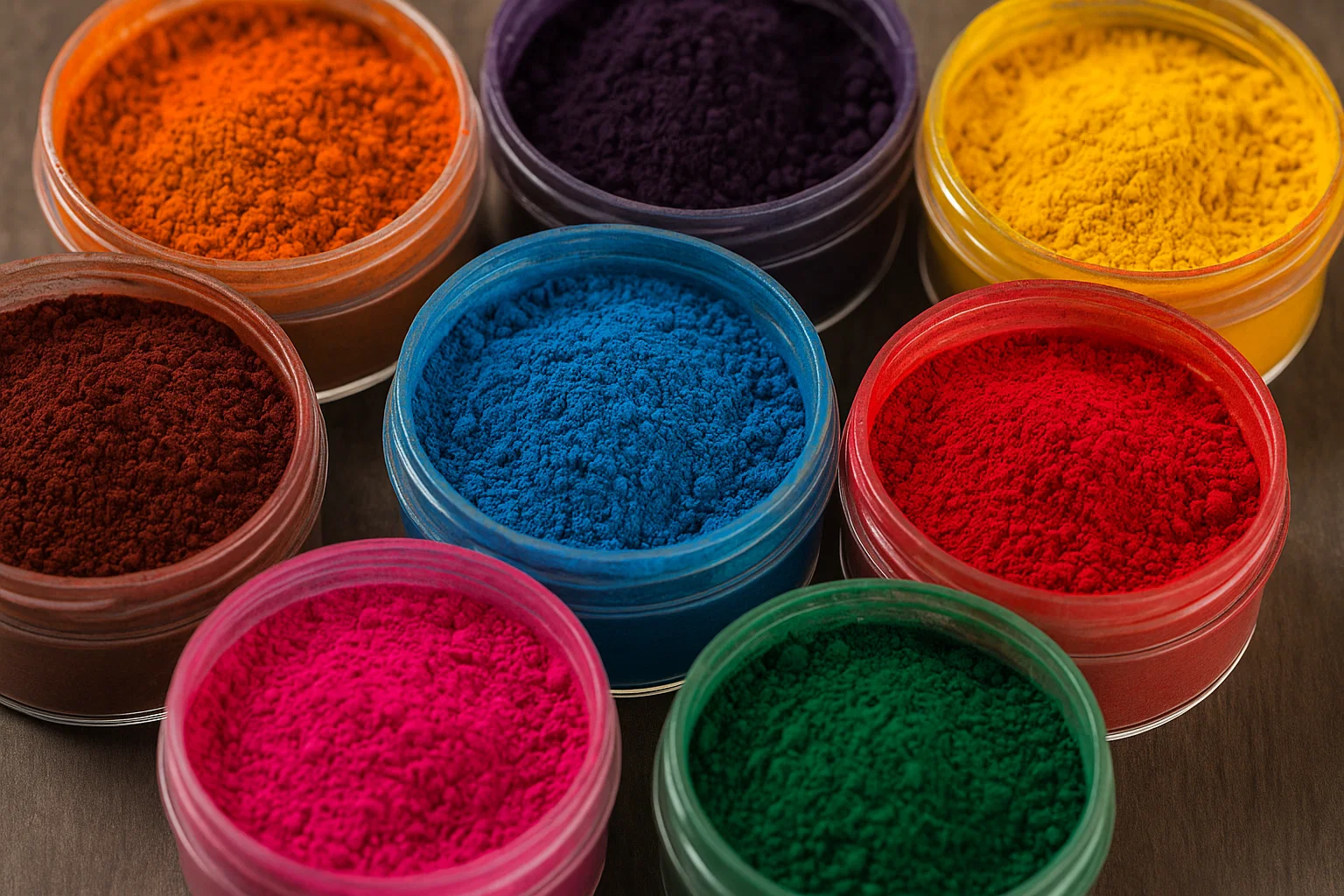
7. BHA and BHT – Synthetic Preservatives with Health Concerns
BHA (Butylated Hydroxyanisole) and BHT (Butylated Hydroxytoluene) are synthetic preservatives commonly used in cosmetics and skincare products. These ingredients to avoid have been linked to endocrine disruption and potential carcinogenic effects in animal studies. To make safer choices, the ingredients list should be checked when trying to achieve safe cosmetics and fewer toxic makeup ingredients in the long run.
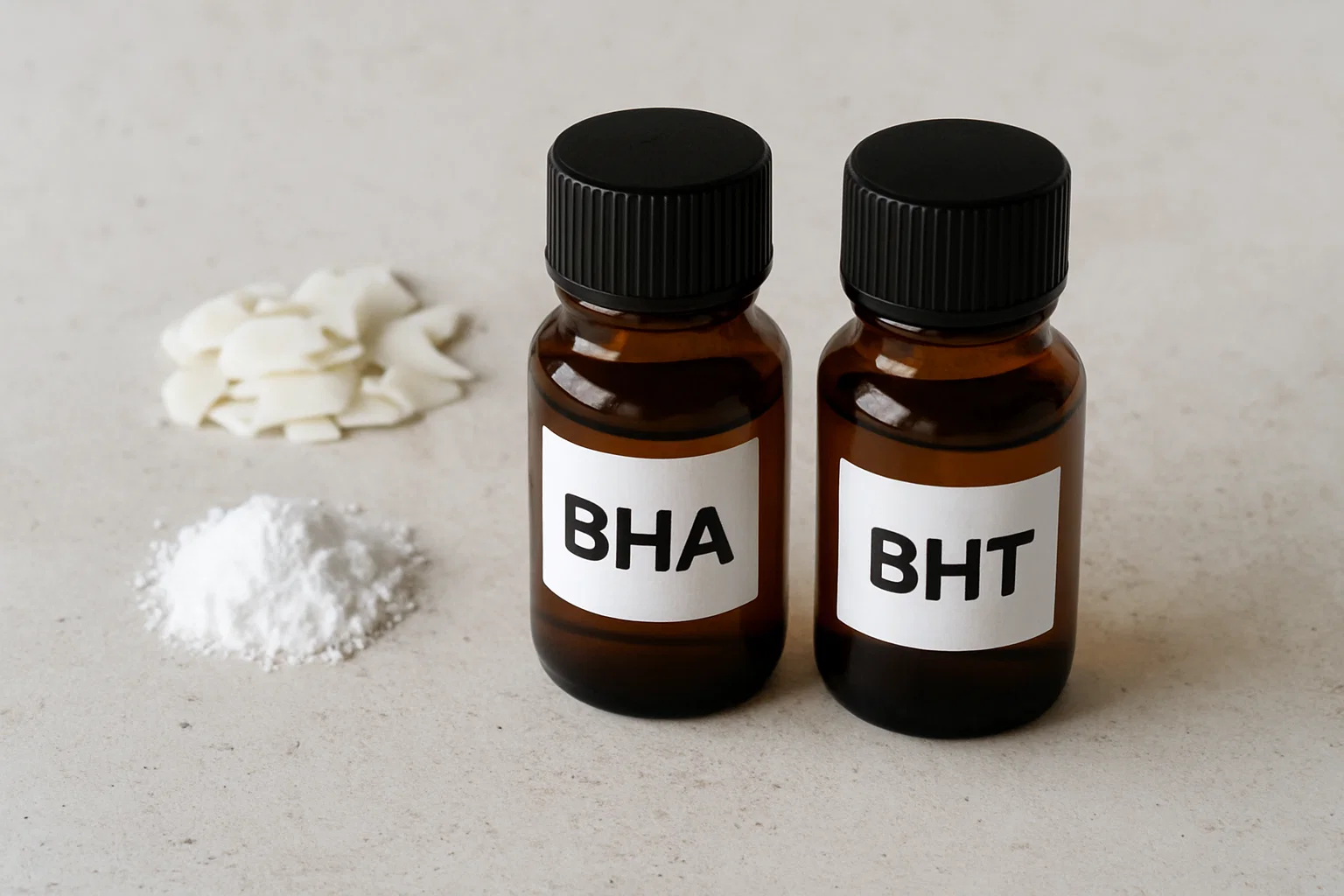
8. Triclosan – Antibacterial Linked to Hormone Disruption
Triclosan is an antibacterial agent that has been used in cosmetics like toothpaste and hand sanitizers. However, it’s an endocrine disruptor and has been linked to hormone disruption and potential antibiotic resistance. Due to its toxicity and the availability of safer alternatives, Triclosan is definitely an ingredient to avoid and promote safe cosmetics and care products that contain the right ingredients.
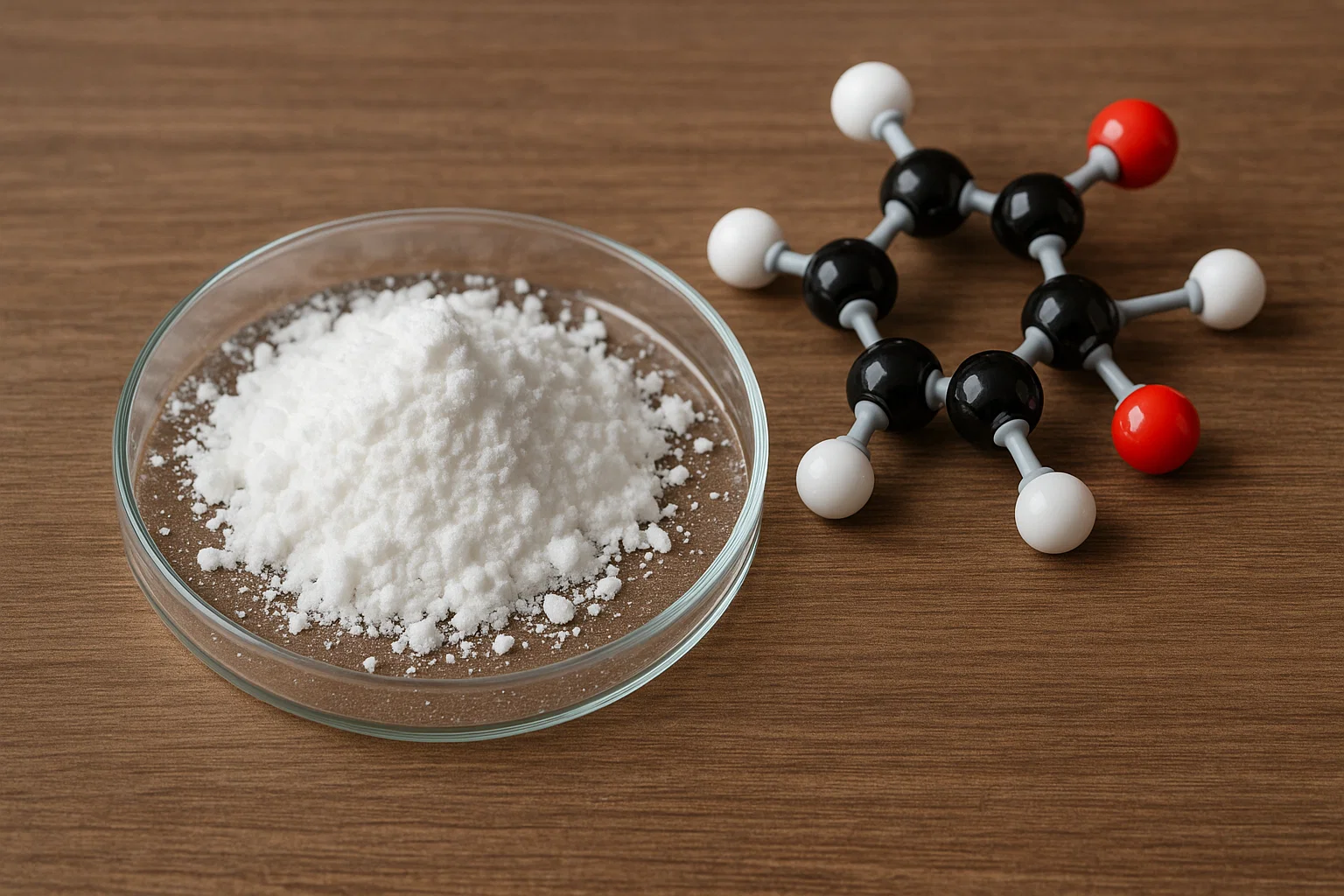
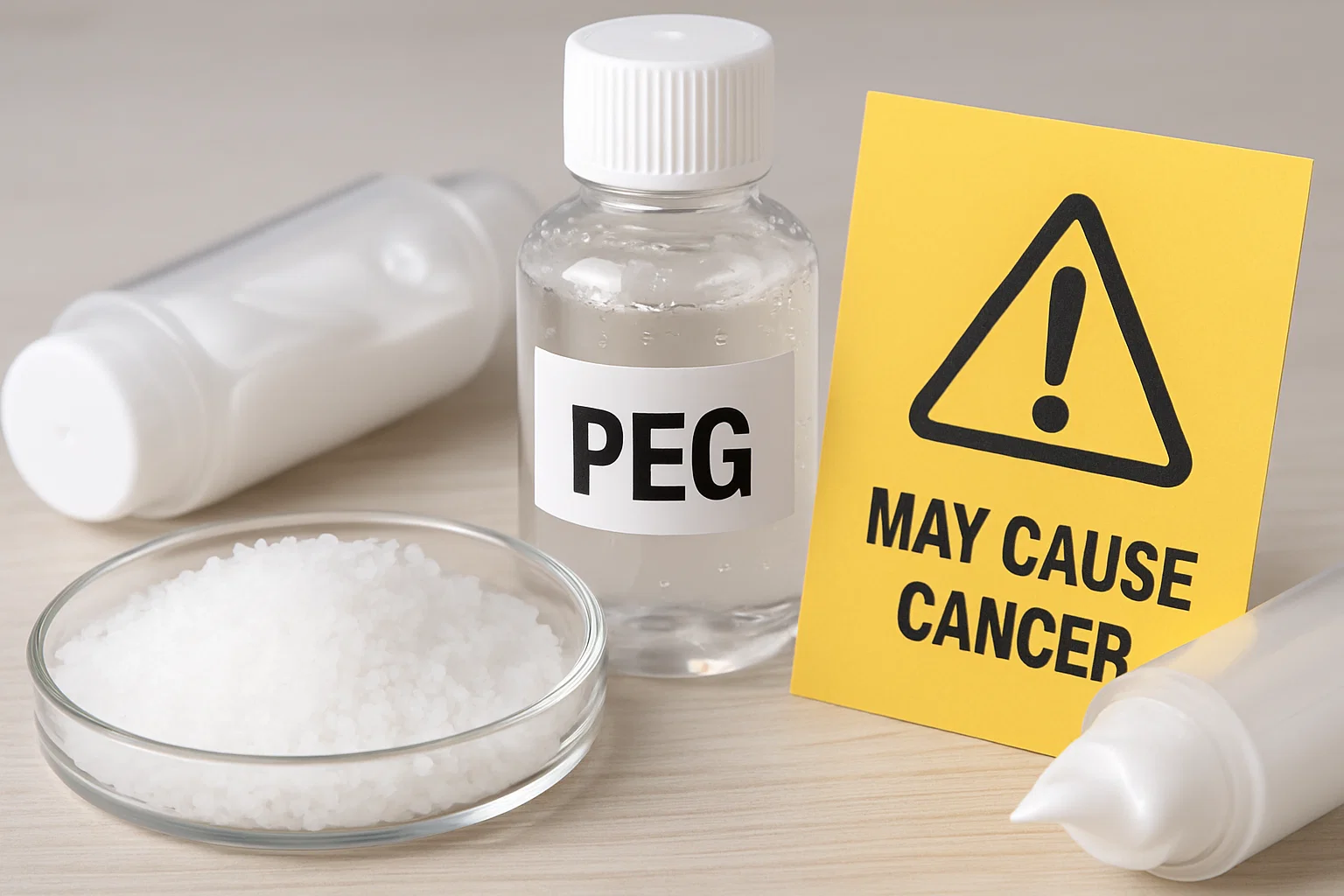
9. PEG Compounds – May Be Contaminated with 1,4-Dioxane
PEG (Polyethylene Glycol) compounds are used in cosmetics as emulsifiers, solvents, and penetration enhancers. However, they may be contaminated with 1,4-dioxane, a known carcinogen. Choose cosmetic products from brands that test for and remove 1,4-dioxane from their products, ensuring safe cosmetics and less exposure to toxic chemicals. Check the list of ingredients and promote safe cosmetics.
10. Siloxanes (e.g., D4, D5) – Linked to Hormone Interference
Siloxanes like D4 and D5 are used in cosmetics and hair products for their smoothing and softening properties. However, these toxic chemicals are endocrine disruptors and may interfere with hormone function. They are also persistent in the environment. Check the ingredients list and promote safe cosmetics and personal care products. Choose products that are silicone-free for overall health and environmental benefits.
11. Petrolatum (Unrefined) – May Contain Carcinogenic Impurities
Unrefined petrolatum, a mineral oil derivative, can be used in cosmetics and may contain carcinogenic impurities. Ingredients to avoid should be considered, as refined petrolatum is generally considered safe. To promote safe cosmetics, skincare products, and makeup products, choosing brands that use high-quality, purified petrolatum or plant-based alternatives is recommended. Check the list of ingredients to promote safe cosmetics.

12. Aluminum Compounds – Found in Eye Products
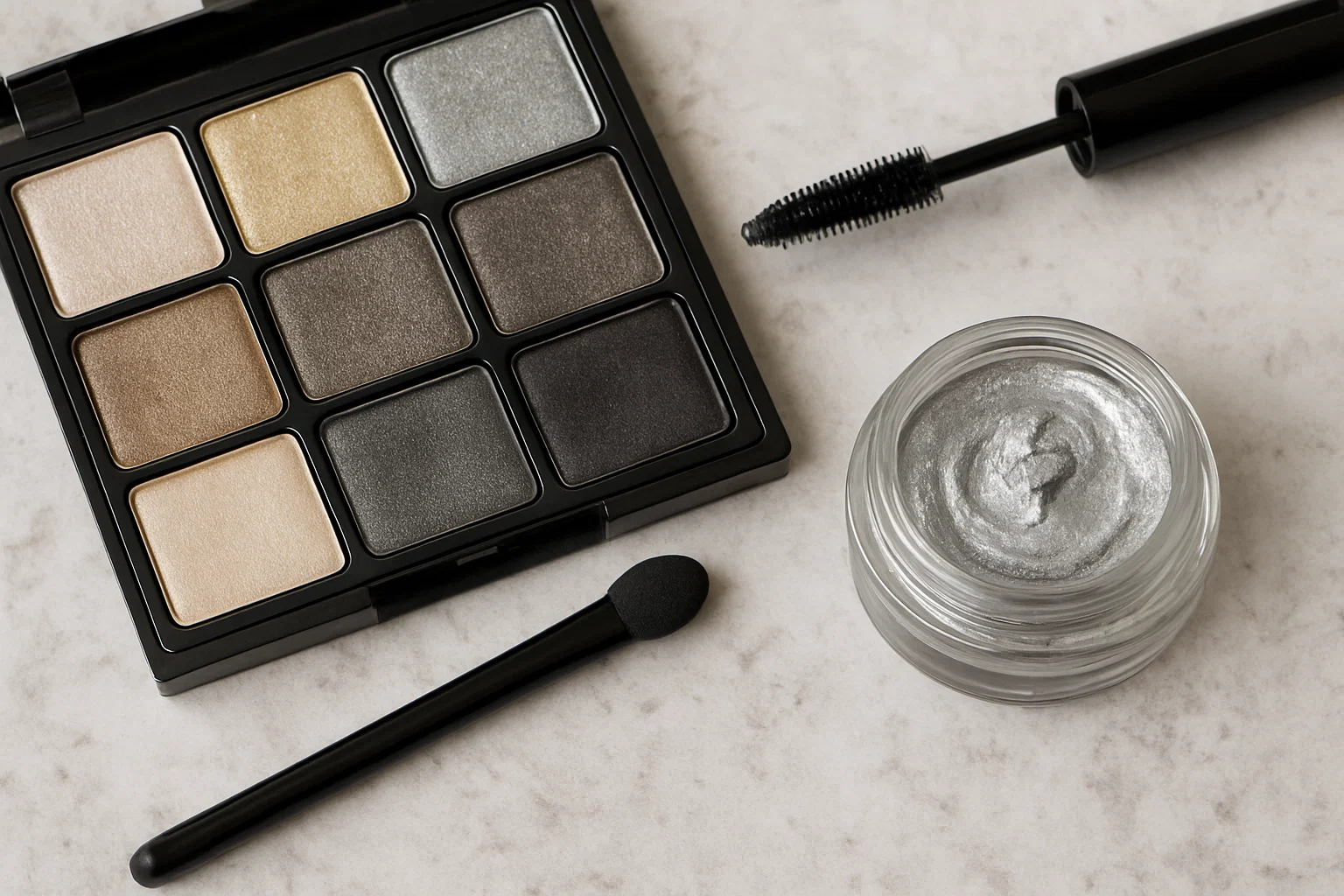
Aluminum compounds are often found in cosmetic products, particularly eye shadows and antiperspirants. While the absorption of aluminum compounds through the skin is generally low, there are concerns about potential neurotoxicity and links to breast cancer with long-term exposure. Consider choosing aluminum-free alternatives, especially for daily personal care products, and look for safe cosmetics, check the ingredients list.
13. Synthetic Fragrance/Parfum – Undisclosed Chemical Cocktails
Synthetic fragrance or parfum is a catch-all term that can hide dozens or even hundreds of undisclosed chemicals in cosmetics. Since manufacturers aren’t required to list each fragrance ingredient, it’s impossible to know exactly what you’re exposing yourself to. Many of these hidden toxic chemicals can cause skin irritation, allergens, or are endocrine disruptors. Opt for fragrance-free or naturally scented products that contain essential oils only and safe cosmetics.
Why These Ingredients Are Still Legal and Common
Beauty Industry Loopholes
The cosmetics industry operates within a framework of beauty industry loopholes. The FDA’s limited authority allows harmful ingredients like formaldehyde and phthalates to be used in cosmetics without rigorous safety assessments. This lack of oversight enables companies to prioritize profit over consumer health when developing makeup products and skincare products.
How Brands Use Greenwashing to Appear Safe
Many brands engage in “greenwashing,” a deceptive marketing tactic used to portray beauty products as natural or eco-friendly when they still contain ingredients to avoid. Terms like “natural” or “organic” are often loosely applied, misleading consumers into believing they are buying safe cosmetics when they are not. Always scrutinize the ingredients list, regardless of marketing claims, to ensure the products that contain truly safe ingredients for your skincare products and cosmetics and personal care products.
What to Look for on Makeup Labels Instead
Key Certifications: EWG Verified, USDA Organic, COSMOS
Here’s what to look for when you want to buy safe cosmetics. Several reputable organizations offer certifications that can help you make informed choices, including:
- EWG Verified, which signifies that a product meets strict health criteria and avoids harmful ingredients.
- USDA Organic, which ensures the product contains ingredients produced using organic farming practices.
- COSMOS certification, which guarantees adherence to strict standards for natural and organic cosmetics and personal care products.
Finally, always check the list of ingredients.
Ingredient Transparency and Brand Reputation
Prioritize brands that champion ingredient transparency by providing complete ingredients lists for their cosmetic products and are open about their sourcing and manufacturing processes. Research a brand’s reputation by consulting the Environmental Working Group (EWG) Skin Deep cosmetics database or researching online reviews. A transparent and reputable brand is more likely to prioritize the safety of their personal care products, avoiding chemicals in cosmetics and potentially toxic makeup ingredients, promoting safe cosmetics.
Apps and Tools to Scan Your Products (Think Dirty, Yuka, etc.)
Utilize mobile apps and online tools like Think Dirty and Yuka to scan the barcodes of your beauty products and instantly assess their toxicity levels. These apps provide ratings and information on the chemicals in cosmetics found in each product, helping you identify ingredients to avoid, such as formaldehyde and phthalates, and make informed decisions about makeup products and skincare products. These apps help you in checking the list of ingredients.
Safer Alternatives: Clean Beauty Brands That Get It Right
Top Non-Toxic Brands to Try (Ilia, RMS Beauty, 100% Pure, more)
When transitioning to safe cosmetics, exploring brands that prioritize personal care products with non-toxic ingredients to avoid is essential. Several companies are committed to creating cosmetic products without harmful ingredients. Examples of such brands include:
- Ilia
- RMS Beauty
- 100% Pure
These brands often undergo rigorous testing, including evaluation by the Environmental Working Group (EWG), to ensure the ingredients list avoids toxic chemicals like formaldehyde, phthalates, and parabens and promotes overall health.
Budget-Friendly Clean Alternatives
Finding safe cosmetics doesn’t have to break the bank. Several affordable brands offer personal care products that contain fewer toxic chemicals. By carefully scrutinizing the ingredients list and utilizing resources like the EWG Skin Deep cosmetics database, consumers can identify budget-friendly options that avoid harmful ingredients and toxic makeup ingredients. Look for brands that prioritize transparency and avoid cosmetics and other personal care products that contain excessive harmful ingredients like parabens and phthalates.
Common Mistakes People Make When “Going Clean”
Falling for Buzzwords Without Reading Labels
One common mistake when transitioning to safe cosmetics is relying solely on marketing buzzwords without carefully reading the ingredients list. Terms like “natural” or “organic” can be misleading and do not guarantee the absence of toxic chemicals. Always scrutinize the list of ingredients for known harmful ingredients, such as formaldehyde, phthalates, and parabens, regardless of the marketing claims. Use tools like the EWG cosmetics database to verify the safety of cosmetic ingredients.
Switching Too Fast or Not Testing New Products
Switching to all-safe cosmetics and personal care products too quickly can overwhelm your skin and make it difficult to identify potential irritants or allergens. It’s best to introduce new cosmetic products gradually, testing them on a small area of skin first to check for any adverse reactions. This approach helps prevent skin irritation and allows you to determine whether the products that contain are compatible with your sensitive skin. If you start using several products all at once, you may inadvertently damage the skin.
Conclusion: Detox Your Makeup Bag Today
Detoxing your makeup bag is a crucial step towards safeguarding your health and well-being. By becoming informed about the toxic ingredients to avoid, such as formaldehyde, phthalates, and parabens, and prioritizing safe cosmetics and personal care products that contain fewer chemicals in cosmetics, you can reduce your exposure to potentially harmful ingredients. Utilize resources like the EWG Skin Deep cosmetics database and choose brands committed to transparency to make informed choices for a healthier future.