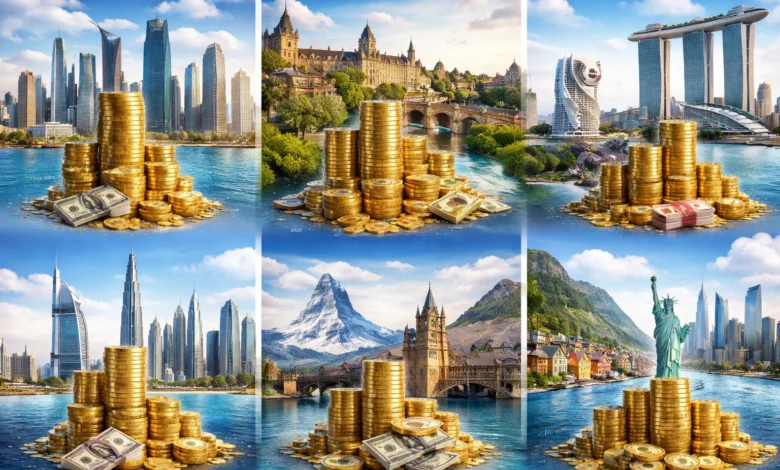
Living in one of the richest countries in the world gives you the chance to make all your dreams come true. It allows you to live the most luxurious life on earth and enjoy complete welfare.
Staying in a rich country means that you are going to find all what you need for living an exceptional and satisfactory life that is more than enough for making you live happily since you can find the best education, excellent health care, high standard of living, high incomes, highly developed infrastructure, amenities and all what you may dream of to enjoy your life alone or with your family. Ranking the richest countries in the world differs according to the organizations, estimations and calculations that are used for listing these countries.
This means that you can find more than one list showing you the richest countries in the world but in different orders and you may also find other countries that are not included in other lists of the richest countries depending on the calculations and estimations that are used. Here is a quick glance at the top 10 richest countries in the world and they are ranked on the basis of the GDP (PPP) per capita that they have.
Understanding Global Wealth in 2026
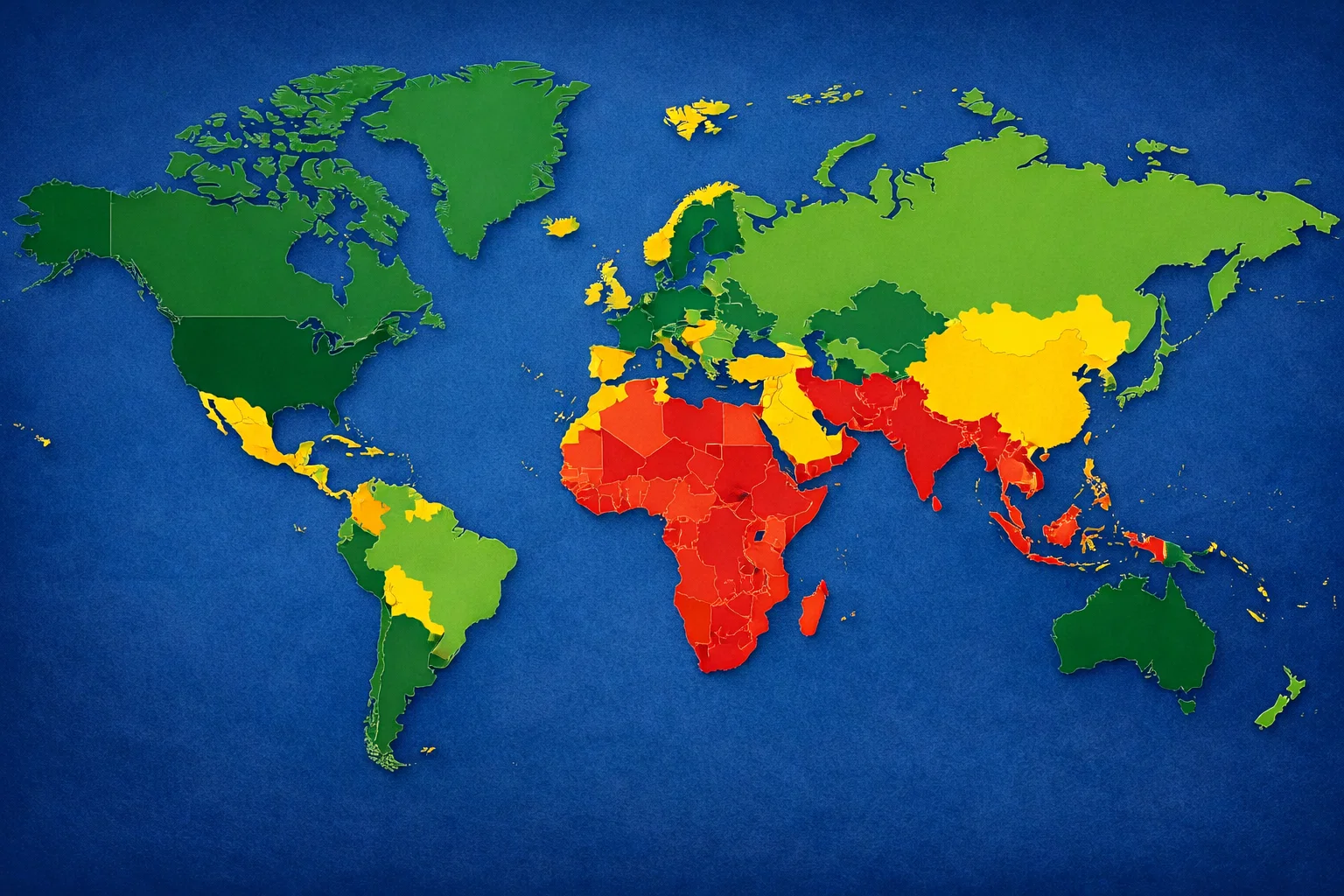
What Defines a “Rich Country”? GDP, GDP per Capita, and PPP Explained
Here’s what contributes to a country being considered one of the richest:
- GDP per capita, reflecting the average economic output per person.
- Purchasing power parity (PPP), which accounts for the relative cost of living and inflation rates.
Why 2026 Rankings Are Unique: Post-Pandemic Recovery & Economic Shifts
The 2025 ranking of the richest countries will be particularly interesting. As nations continue to recover from the economic impacts of the pandemic and grapple with evolving global dynamics, significant shifts in economic power are anticipated. These shifts, driven by technological advancements and policy changes, make the 2025 landscape uniquely poised for change and surprises.
How We Determined the Richest Countries
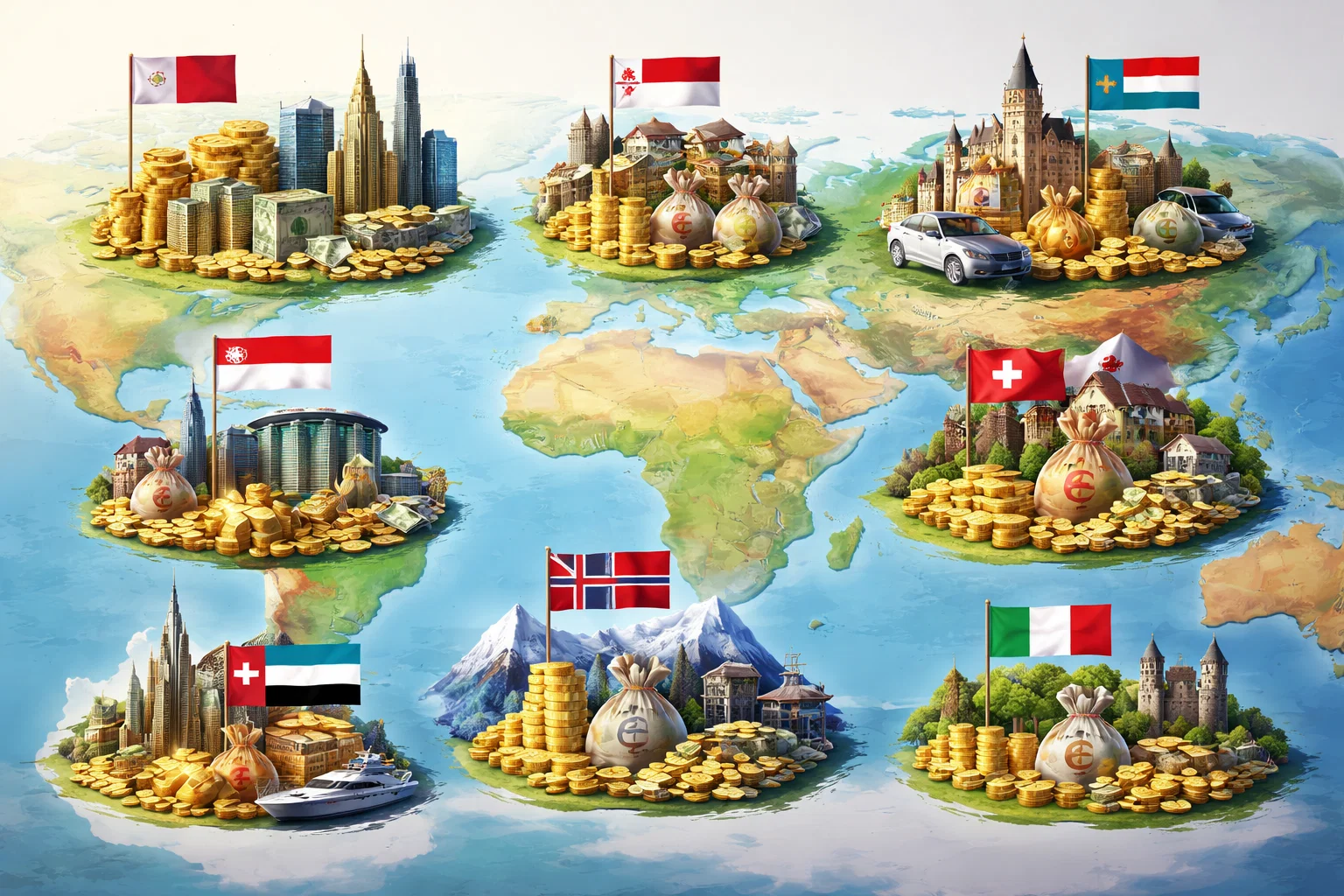
Key Metrics Considered: GDP, GDP per Capita, PPP, and Wealth Distribution
To determine the richest countries 2025, we employ a comprehensive methodology analyzing key economic indicators. This multi-faceted approach ensures a balanced and accurate assessment, providing insight into not just the size of an economy, but also how wealth is spread among its citizens. Key indicators considered are:
| Indicator | Description |
|---|---|
| GDP | Gross Domestic Product |
| GDP per capita | GDP divided by the population |
| PPP | Purchasing Power Parity |
| Wealth distribution | How wealth is spread among citizens |
Data Sources: IMF, World Bank, Forbes, and Other Reliable Reports
Our analysis relies on data from reputable sources such as the International Monetary Fund (IMF), the World Bank, and Forbes. These organizations offer comprehensive economic data and insights, which we use to create our ranking of the richest countries. By cross-referencing these reports, we ensure the reliability and accuracy of our findings about the countries in the world 2025.
1. Singapore: Asia’s Wealth Powerhouse
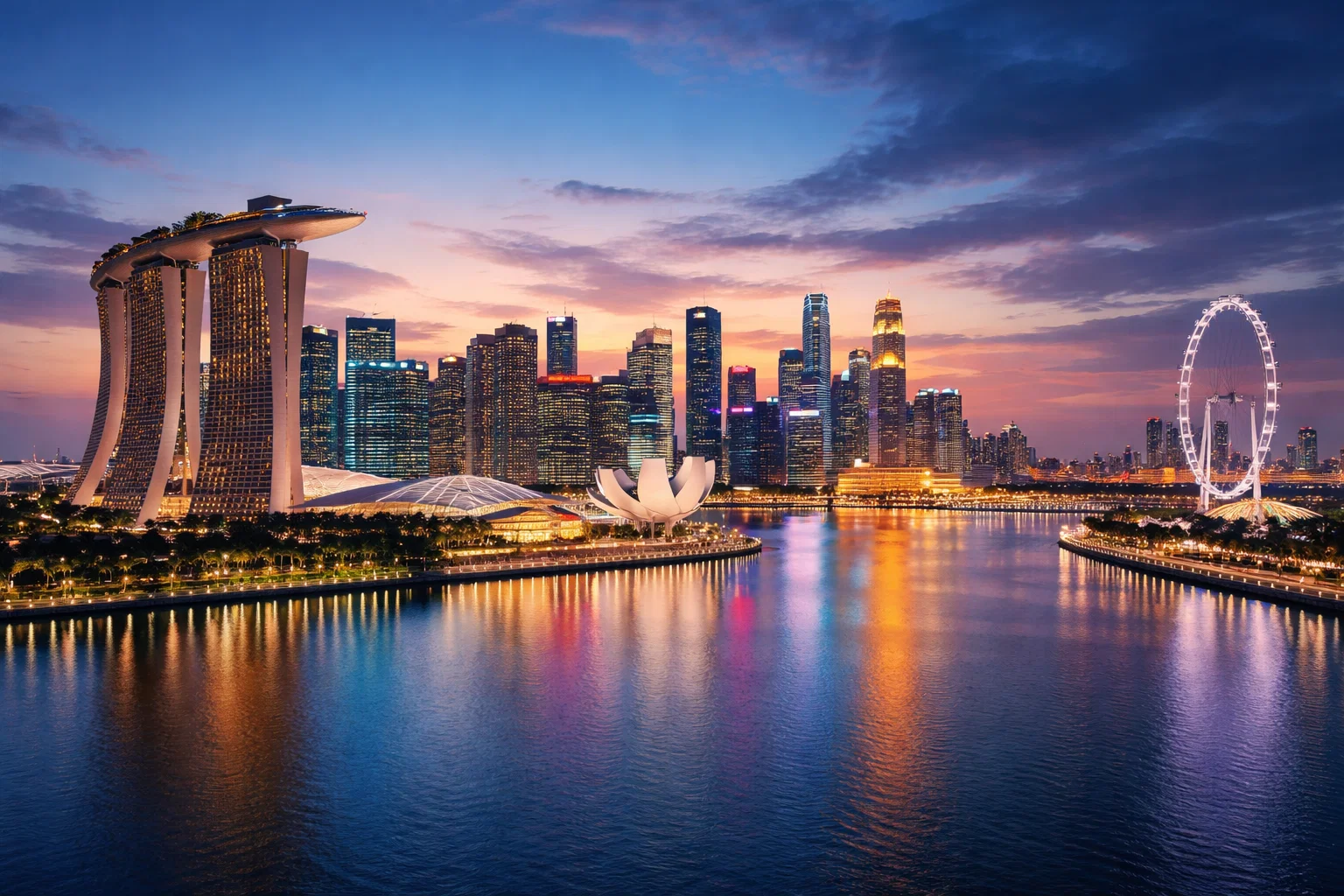
Overview of Singapore’s Economy and Wealth Indicators
Singapore stands out as Asia’s wealth powerhouse, consistently ranking among the top 10 richest countries. Its robust economy is characterized by high GDP per capita and strong GDP growth, reflecting its status as a global hub for finance and trade. The economic stability of Singapore makes it one of the richest countries in the world.
Key Sectors Driving Wealth: Finance, Technology, and Trade
Singapore’s wealth is propelled by its thriving financial sector, advanced technology industry, and strategic position in international trade. These sectors contribute significantly to its GDP, attracting foreign investment and fostering innovation. Its strength in finance, technology and trade makes Singapore a leader among the richest countries.
What Makes Singapore Stand Out Globally
What sets Singapore apart is its commitment to innovation, strategic economic policies, and a stable political environment. These factors collectively create an attractive environment for investment and growth. With an emphasis on fostering high-tech industries and attracting global talent, Singapore secures its position as a leader among the richest countries in the world.
2. Luxembourg: Small Country, Huge Wealth
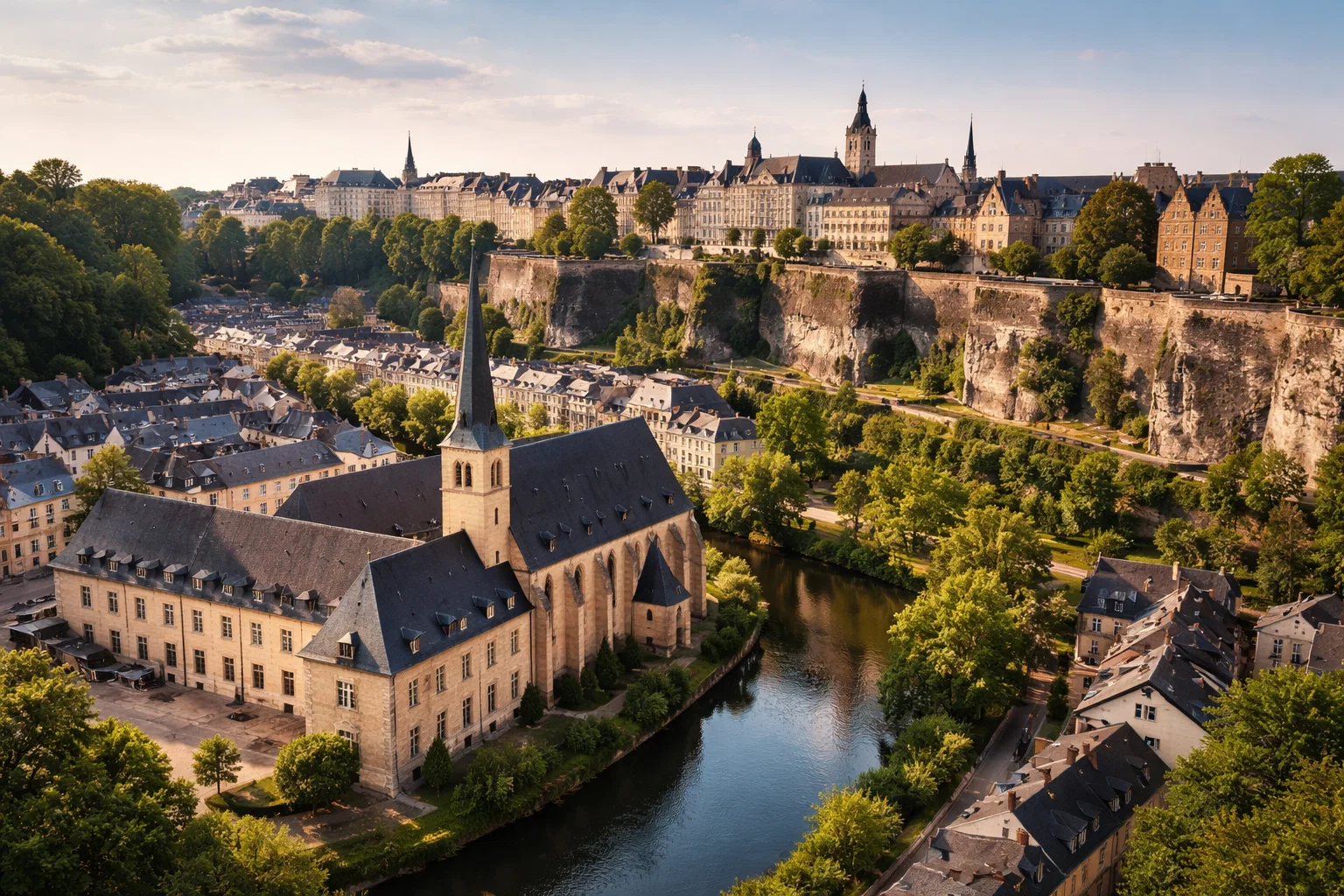
Economic Strengths and Wealth Indicators
Luxembourg, despite its small size, boasts one of the highest GDP per capita figures, securing its place among the richest countries in the world. Its economy thrives on a sophisticated financial sector and strategic location in Europe. The GDP growth of Luxembourg consistently places it among the top 10 richest countries, reaffirming its economic stability. The per capita GDP is a key indicator.
Banking, Investment, and Financial Services Impact
The strength of Luxembourg’s economy lies in its robust banking, investment, and financial services. These sectors attract significant foreign investment, contributing substantially to the GDP. Luxembourg’s expertise in global finance and investment management solidifies its position as one of the wealthiest countries in the world. As one of the European countries, its central location helps.
3. Macao SAR: Luxury Tourism and Gaming Capital
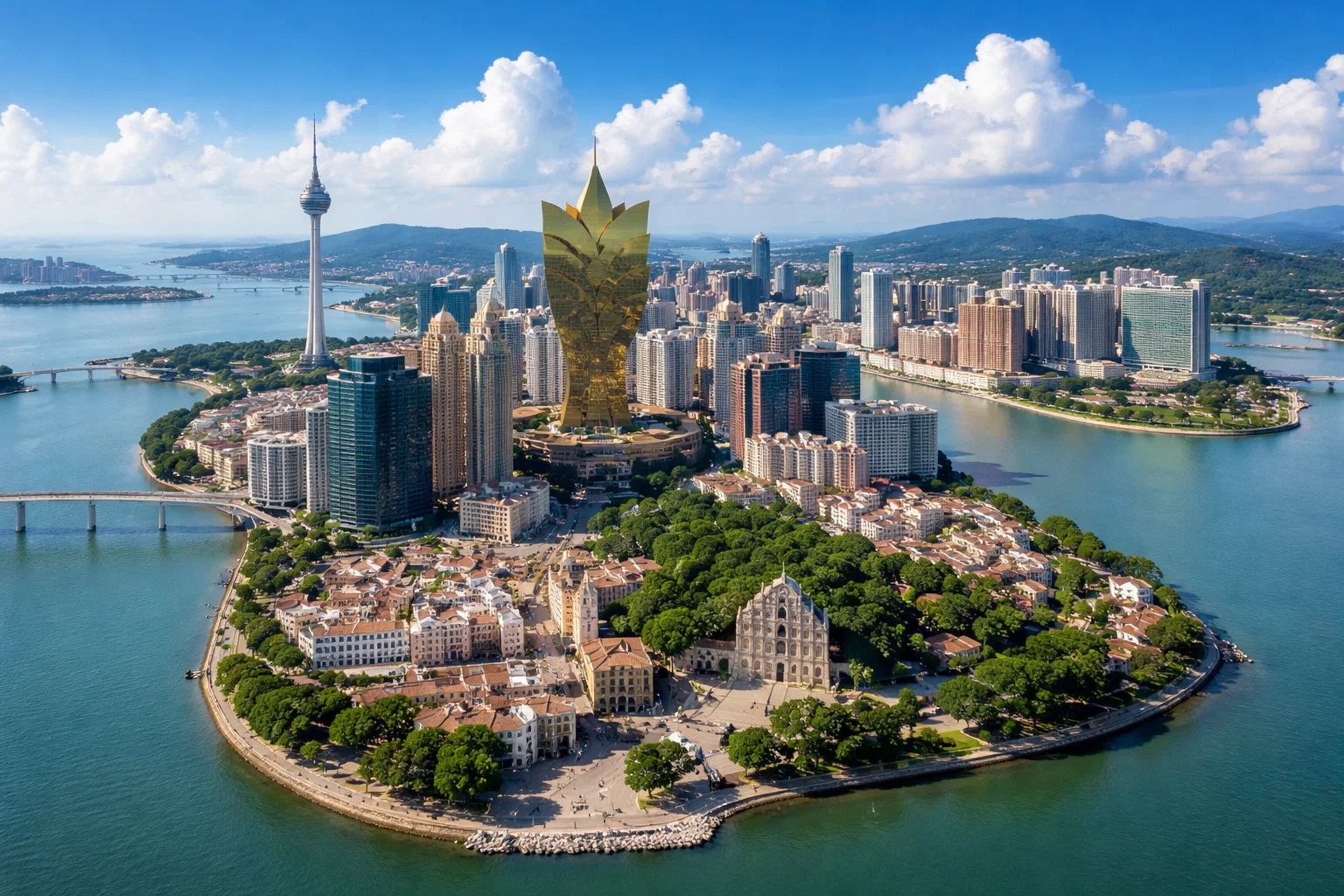
Economic Overview and PPP Rankings
Macao SAR’s economy is uniquely driven by tourism and gaming, resulting in a high GDP per capita and impressive PPP ranking. This special administrative region has transformed into a wealth hub due to its thriving entertainment industry. While some consider that income inequality might be a factor, Macao’s GDP figure still proves that it belongs among the richest.
Tourism, Casinos, and Trade Contributions to Wealth
Tourism, especially luxury tourism, along with casinos and strategic trade, are the main drivers of Macao’s wealth. These sectors attract visitors and investment, contributing significantly to its GDP. Macao’s specialization in entertainment and trade positions it as a key player in the global economy, and therefore among the richest countries in the world.
4. Ireland: Europe’s Rising Star in Wealth

Tech and Pharmaceutical Sectors Driving GDP Growth
Ireland has emerged as Europe’s rising star in wealth, driven by its booming tech and pharmaceutical sectors. These industries have significantly contributed to GDP growth, attracting foreign investment and creating jobs. The focus on high-tech industries has propelled Ireland among the richest countries and boosted the nominal GDP of the country in the world.
Economic Policies Attracting Foreign Investment
Ireland’s attractive economic policies, including low corporate tax rates and a business-friendly environment, have been instrumental in attracting substantial foreign investment. These policies foster innovation and growth, further solidifying Ireland’s position among the richest countries. Its commitment to creating a favorable investment climate is key to its economic success.
5. Qatar: Energy Rich and Strategically Growing
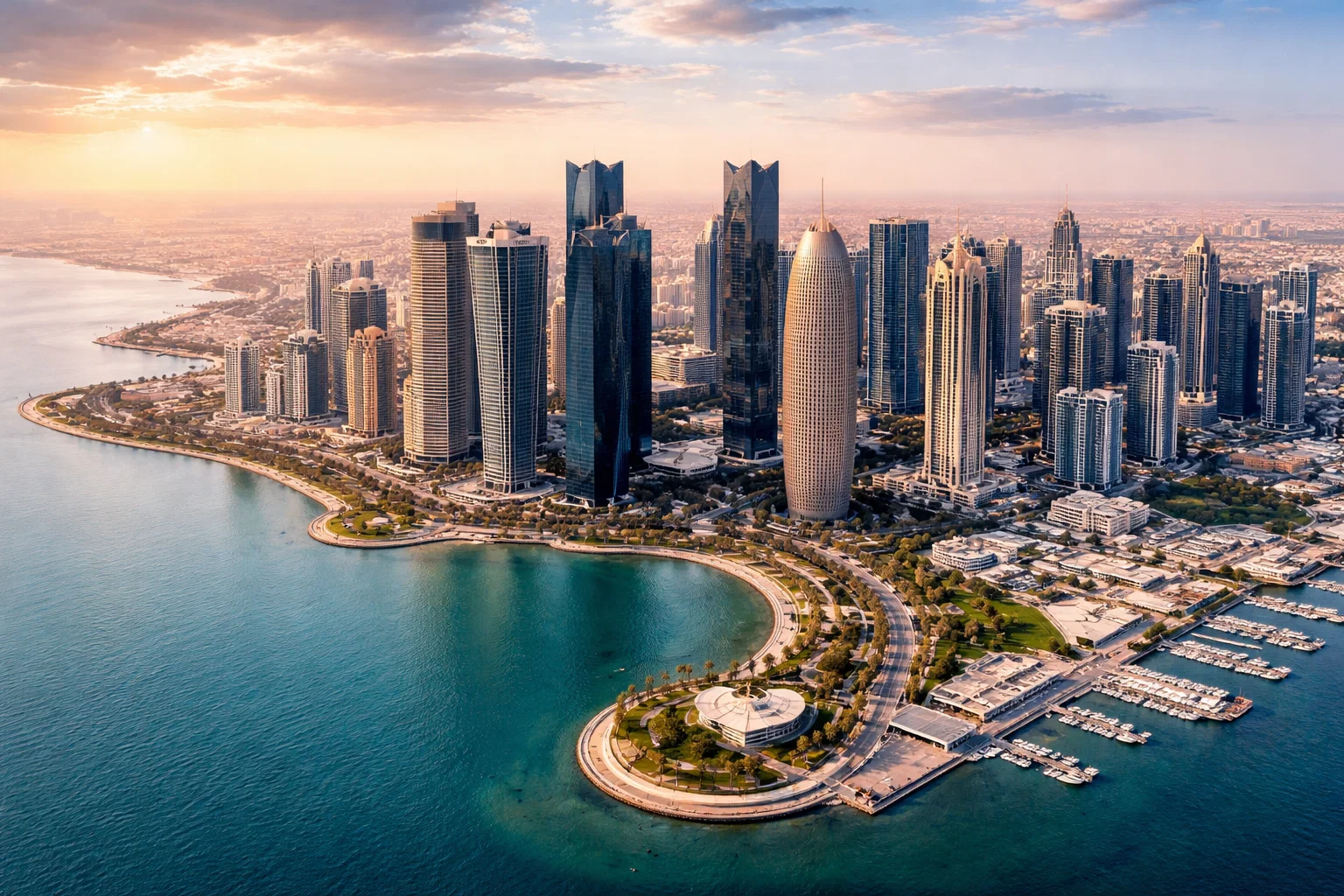
Oil, Gas, and National Wealth Management
Qatar’s immense wealth is rooted in its vast reserves of oil and gas. As a major exporter of these natural resources, Qatar has achieved a high GDP per capita, positioning it among the richest countries in the world. Strategic national wealth management, through its sovereign wealth fund, plays a crucial role in sustaining and growing its economy for future generations, therefore influencing the countries rank. GDP figure is also very important.
Investments in Diversification and Global Influence
Recognizing the importance of diversifying its economy, Qatar is investing heavily in various sectors such as tourism, infrastructure, and education. These investments aim to reduce its reliance on oil and gas while enhancing its global influence.
By expanding into non-energy sectors, Qatar seeks to secure its long-term economic stability and maintain its status among the richest countries 2025. Diversification helps the countries rank better.
6. Norway: Scandinavia’s Wealthy Haven
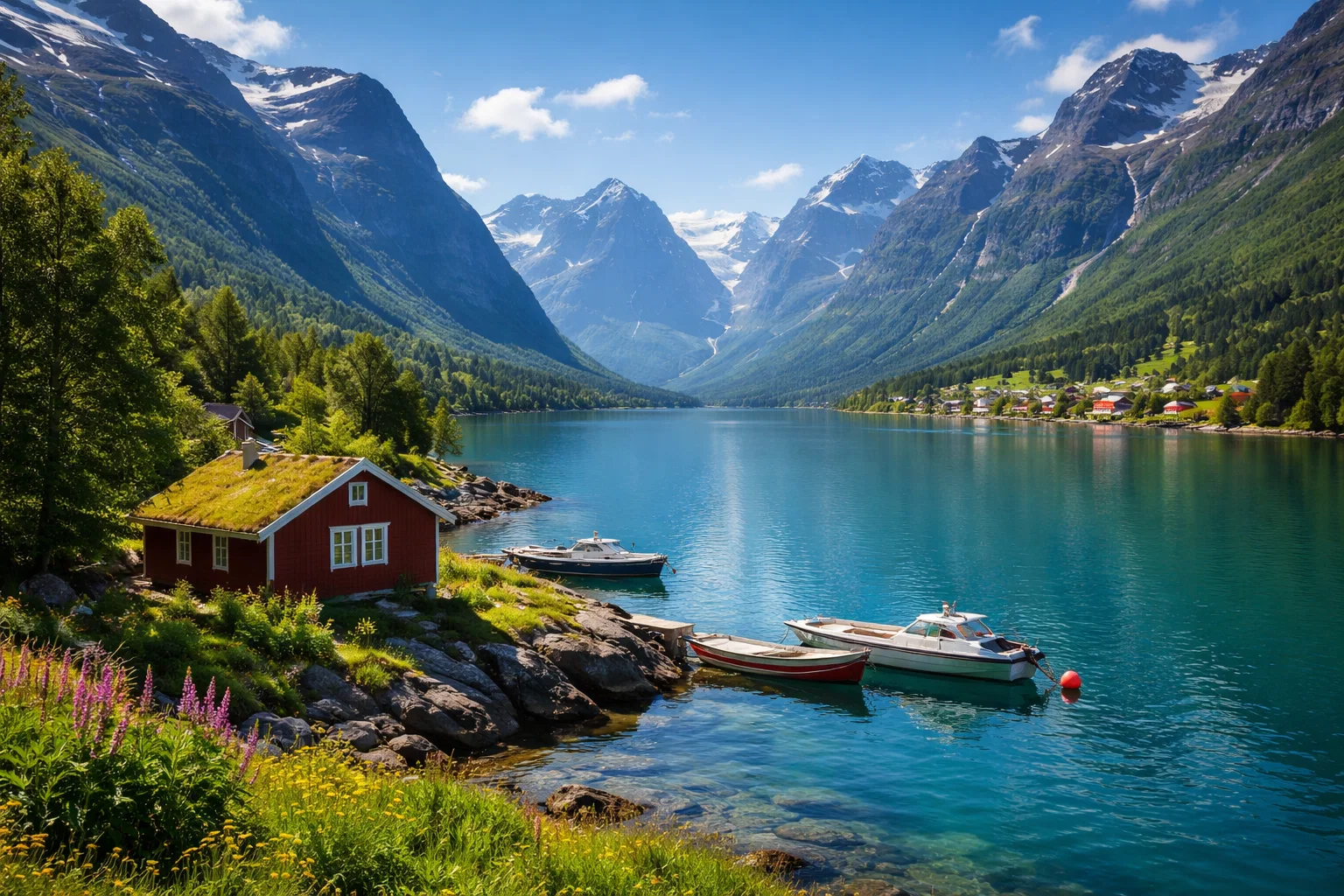
Oil, Sovereign Wealth Fund, and Social Policies
Norway’s economy benefits significantly from its oil reserves, which have fueled the growth of its sovereign wealth fund, the largest in the world.
This fund, combined with progressive social policies, contributes to Norway’s high living standards and GDP per capita. The effective management of natural resources and commitment to social welfare make Norway one of the wealthiest countries in the world and improves the standard of living.
Balancing Wealth with Sustainability and Welfare
Norway distinguishes itself by balancing its economic wealth with a strong emphasis on sustainability and social welfare. The country in the world is committed to environmental protection and invests heavily in renewable energy.
This focus on long-term sustainability, alongside robust social safety nets, ensures that Norway remains a wealthy haven while preserving its natural resources and high living standards for future generations. Norway can be considered a rich countries.
7. Switzerland: Banking, Innovation, and Stability
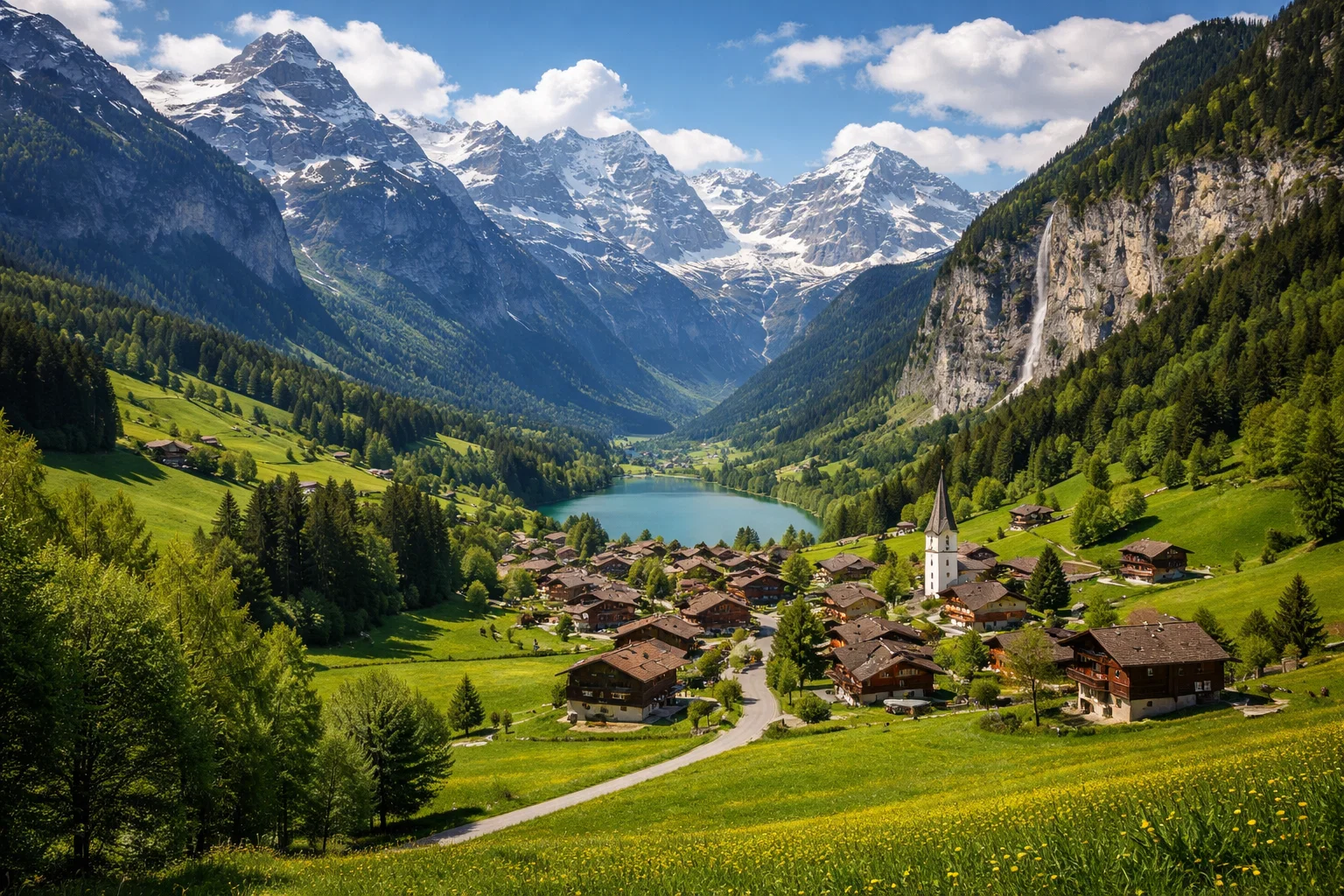
Financial Services, Innovation, and High Living Standards
Switzerland consistently ranks among the richest countries, driven by its strong financial services sector, emphasis on innovation, and high living standards.
Its stable political environment, combined with a skilled workforce, attracts businesses and investors from around the globe. The Swiss financial sector and innovation ecosystem are vital components of its economic success and are among the top 10 richest countries.
How Switzerland Maintains Consistent Wealth Rankings
Switzerland maintains its consistent wealth ranking through a combination of factors, including its neutral political stance, sound economic policies, and commitment to innovation. Its highly developed financial sector and reputation for stability attract significant foreign investment.
By fostering a business-friendly environment and investing in research and development, Switzerland ensures its continued prosperity among the wealthiest countries in the world and affects the countries rank.
Key Trends Among the 7 Richest Countries
Common Factors Driving Wealth: Finance, Energy, and Innovation
Several common factors contribute to the wealth of the richest countries. These factors often include:
- Finance, with many nations boasting sophisticated financial sectors that attract investment and drive economic growth.
- Energy resources, particularly natural resources like oil and gas, which contribute significantly to national wealth.
Finally, innovation in high-tech industries fosters productivity and competitiveness, helping these nations maintain their positions among the richest. Each sector contributes to the countries rank.
Economic Policies and Investment Strategies That Matter
Strategic economic policies and smart investment strategies are also vital for the richest countries in the world. These nations often implement policies that encourage foreign investment, promote innovation, and maintain stable political environments.
Additionally, effective management of natural resources and investment in education and infrastructure ensures long-term economic growth and allows them to maintain their ranking as one of the richest countries. A strong financial sector always helps.
Future Outlook: Will These Countries Remain Wealth Leaders?
Predictions for 2026–2030: Emerging Economies and Shifting Powers
Looking ahead to 2026-2030, the global economic landscape is likely to evolve, potentially impacting the ranking of the richest countries. While the current leaders may maintain their positions, emerging economies could rise in prominence due to technological advancements and strategic policy changes.
The International Monetary Fund (IMF) and the World Bank provide valuable insights for making predictions on which country in the world will rise to power. GDP growth plays a crucial part of it.
Potential Risks and Challenges Facing the Wealthiest Nations
Even the wealthiest countries in the world face potential risks and challenges that could impact their economic standing. These challenges may include global economic downturns, geopolitical instability, and shifts in technological dominance.
Furthermore, issues such as income inequality and environmental concerns could pose significant threats to their long-term prosperity and could impact the standard of living. Those countries will need to adapt to maintain their spot among the richest.
Lessons from the World’s Wealthiest Countries
In conclusion, the success of the richest countries 2025 offers valuable lessons for nations worldwide. By prioritizing innovation, implementing sound economic policies, investing in education and infrastructure, and managing natural resources effectively, countries can foster sustainable economic growth and improve the living standards for their citizens. Ultimately, wealth is not just about GDP but also about creating a prosperous and equitable society, which proves that the countries rank matters.
Living in one of the wealthiest countries in the world means enjoying the most luxurious life on earth and political stability, so which country of the above ones do you choose to live in?