


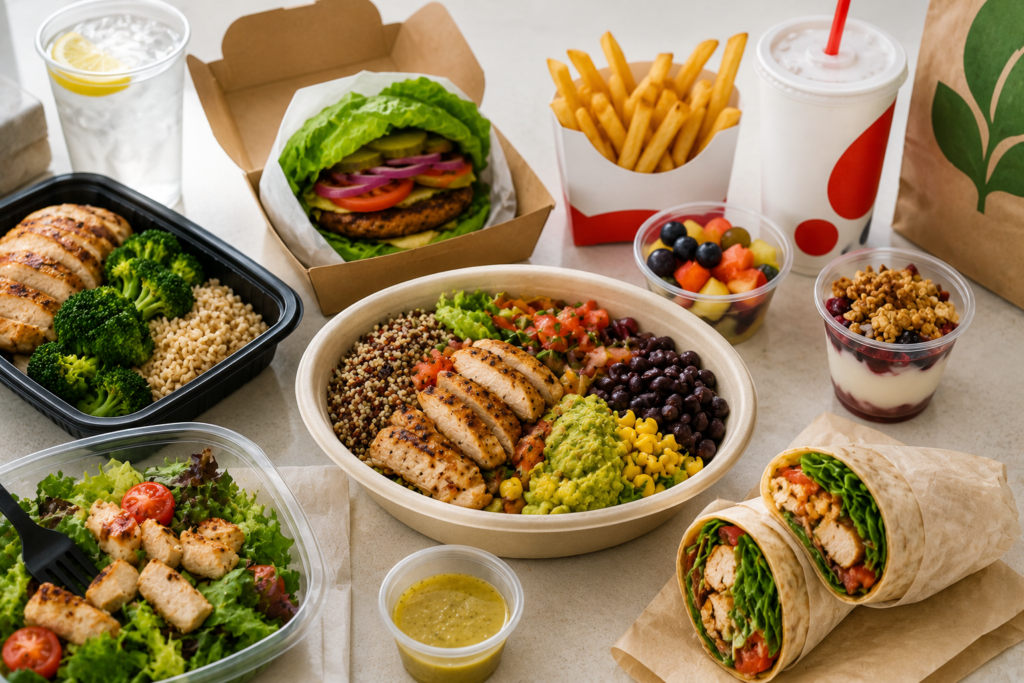
In our increasingly fast-paced world, navigating the world of fast food without derailing our health goals can feel like a daunting challenge. This article provides actionable strategies and smart fast food hacks to help you make healthier choices even when time is of the essence.
Why Healthy Fast Food Hacks Matter More Than Ever in 2026

The Rise of Busy, On-the-Go Eating Habits
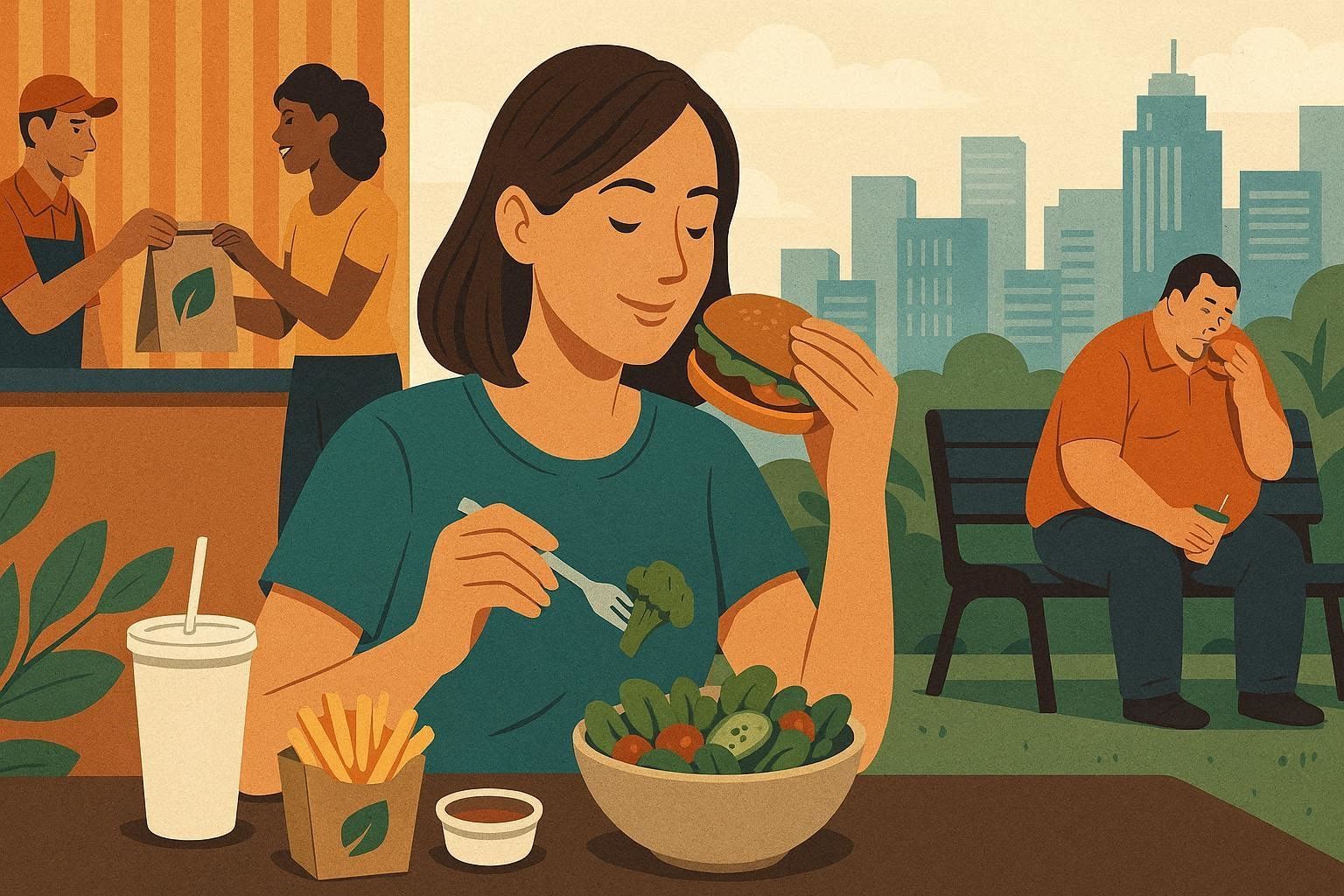
Modern life often dictates an on-the-go lifestyle, leading many to seek convenient meal solutions, and fast food frequently emerges as the top choice. The demands of work, family, and personal commitments mean that traditional sit-down meals are becoming a luxury for many, making healthy fast food strategies absolutely essential for maintaining well-being in 2026.
Why People Are Replacing “Dieting” With Smart Eating Systems
The paradigm is shifting from restrictive dieting to sustainable, smart eating systems that integrate seamlessly into daily routines. People are increasingly recognizing that long-term health isn’t about temporary deprivation, but rather about developing consistent habits and making informed, healthier choices, even when eating fast food.
How Fast Food Has Quietly Evolved in Recent Years
Fast food restaurants have quietly, yet significantly, evolved, responding to consumer demand for more nutritious meals. This transformation includes:
| Category | Examples |
|---|---|
| Healthier Options | Grilled chicken, fresh salads |
| Menu Customization | More customizable menus |
These changes are making healthy fast food a more achievable reality than ever before.
The Biggest Mistakes People Make When Eating Fast Food

Over-Reliance on Fried, Ultra-Processed Menu Items
A common pitfall when eating fast food is an over-reliance on fried and ultra-processed menu items, which are typically high in calories, unhealthy fats, and sodium. Consistently opting for items such as:
- Crispy chicken
- French fries
- Onion rings
can quickly contribute to excess calorie intake and other health concerns.
Hidden Sugars, Sauces, and Liquid Calories
Many fast food meals contain hidden sugars that can significantly increase calorie consumption without adding much nutritional value. These often go unnoticed in various components, including:
- Sauces and dressings
- Sweetened beverages like soda
These liquid calories and sugary condiments can transform an otherwise decent meal into a high-calorie indulgence.
Ignoring Portion Sizes and Combo Meal Traps
Ignoring portion sizes and falling for the allure of combo meal traps are major mistakes that lead to consuming far more food and calories than necessary. Supersized options, complete with large french fries and a sugary soda, can easily push a meal past healthy limits, even if individual components seem innocuous.
Core Principles of Healthy Fast Food Eating
Protein First Strategy for Stable Energy
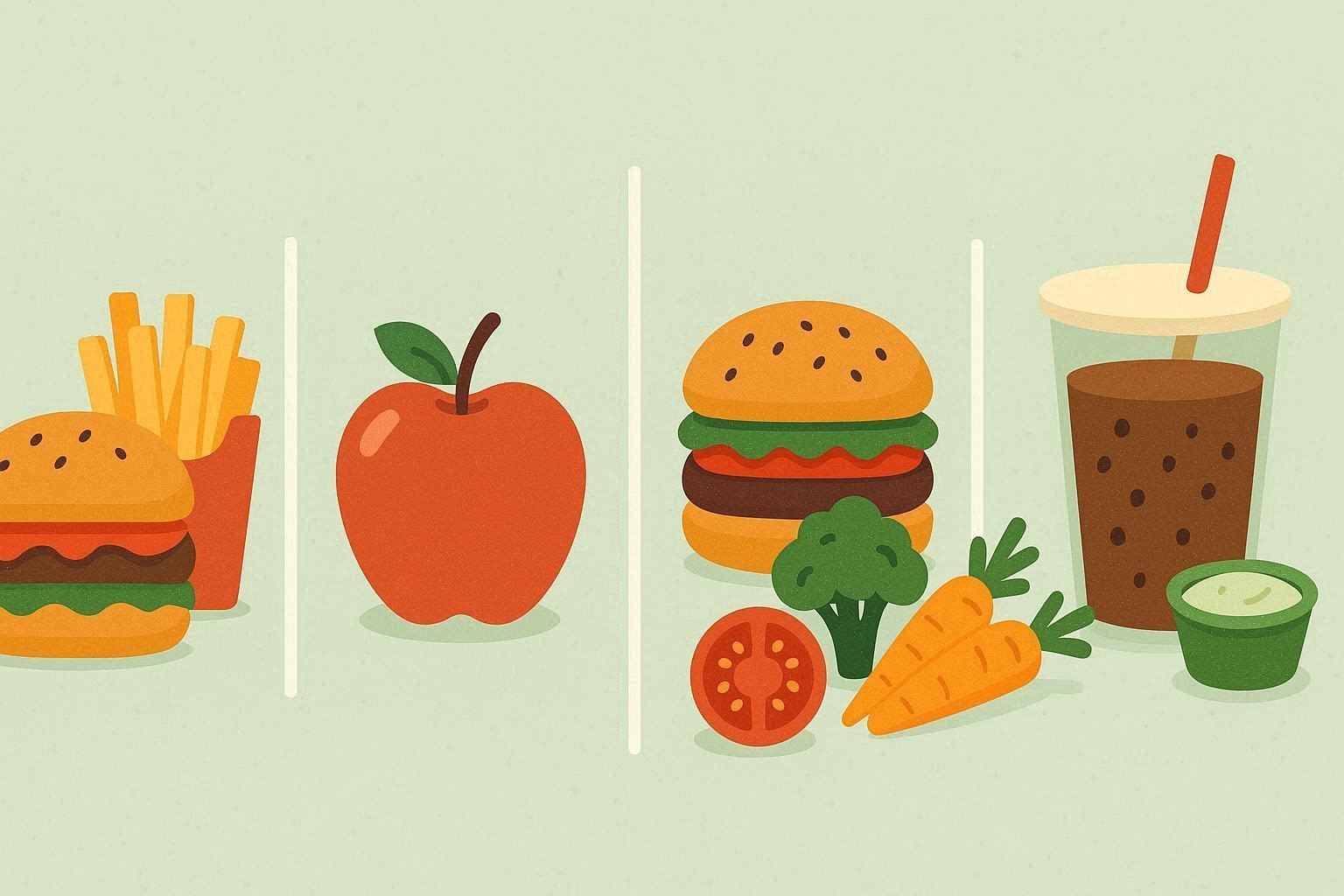
Adopting a “protein first” strategy is a fundamental principle for healthy fast food eating, as protein helps promote satiety and provides stable energy throughout the day. Prioritizing lean proteins like grilled chicken breast, tofu, or lean beef patties helps to keep you full and prevent overeating later.
Balancing Macros: Protein, Fiber, and Healthy Fats
Balancing macronutrients – protein, fiber, and healthy fats – is crucial for optimizing fast food meals for both energy and satiety. Incorporating ingredients like brown rice, beans, avocados, and side salads ensures a more well-rounded meal that supports overall health and keeps hunger at bay.
The “Upgrade, Don’t Eliminate” Mindset
Embracing an “upgrade, don’t eliminate” mindset transforms the way we approach eating fast food, focusing on making smarter choices rather than complete restriction. This means swapping unhealthy components for healthier options, such as choosing a grilled chicken sandwich over a crispy chicken sandwich, instead of avoiding fast food entirely.
Top Healthy Fast Food Hacks for Busy Lifestyles in 2026
Smart Menu Swaps: Fries, Soda, and Fried Options Replacement

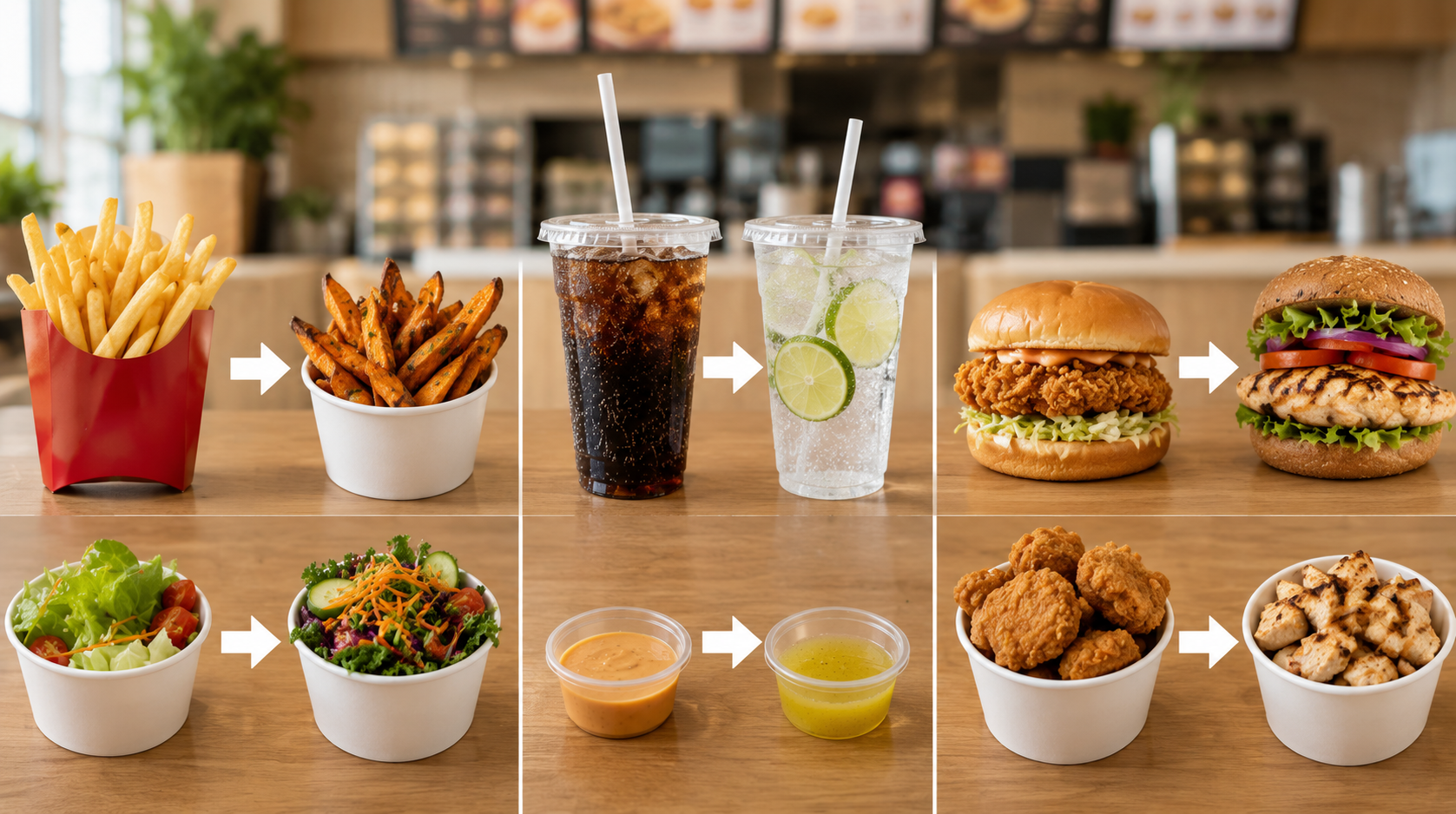
Implementing smart menu swaps is one of the most effective fast food hacks for busy lifestyles, specifically replacing fries with side salads, soda with unsweetened beverages, and fried items with grilled alternatives. These simple changes drastically reduce calorie and unhealthy fat intake while still allowing you to enjoy your meal.
Choosing Grilled Over Fried for Better Nutrition
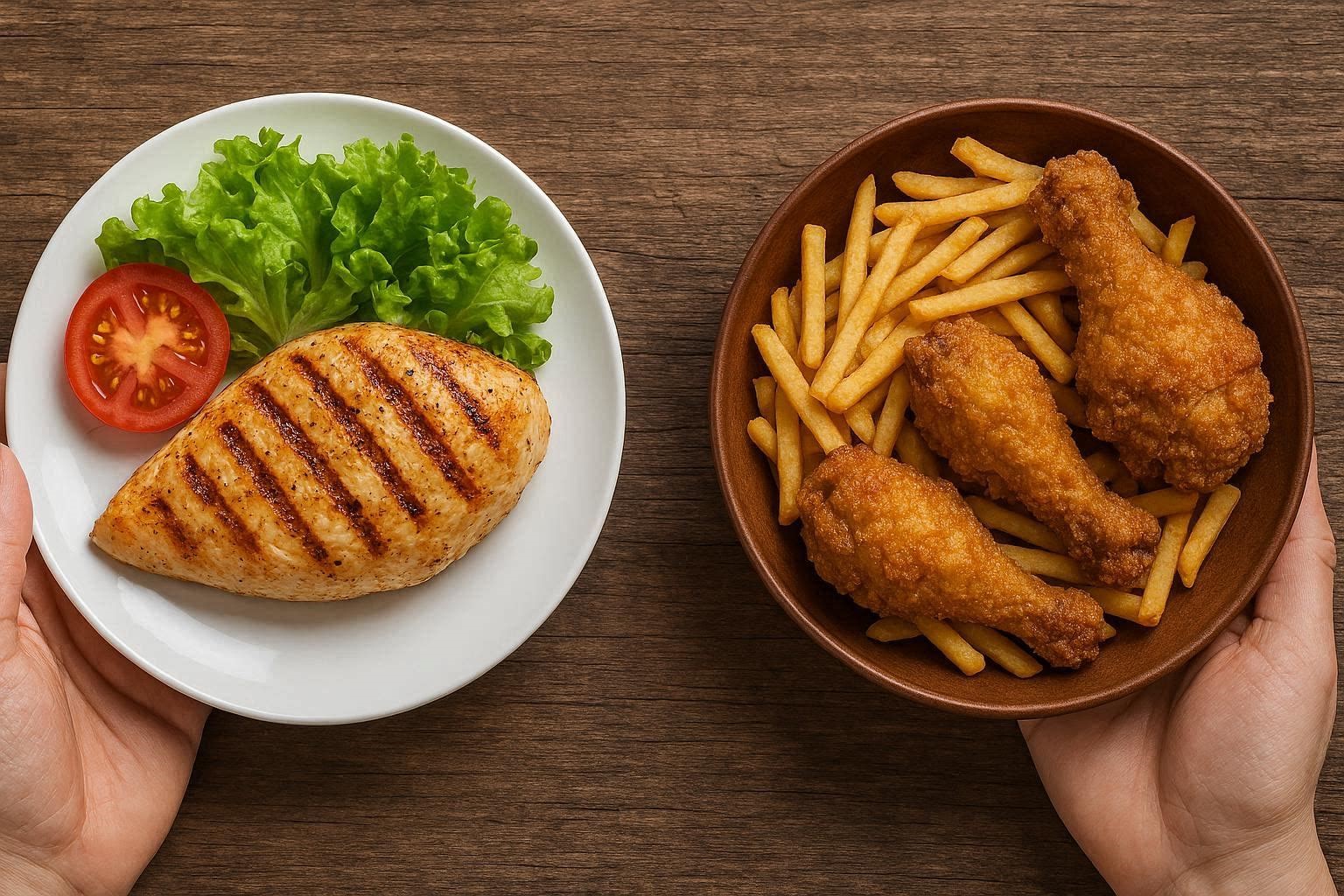
Consistently choosing grilled over fried options is a cornerstone of making healthier fast food choices, significantly cutting down on saturated fat and overall calories. For instance, opting for a grilled chicken sandwich instead of a breaded chicken patty can make a substantial difference in the nutritional profile of your meal.
The Half-Plate Rule for Balanced Fast Food Meals
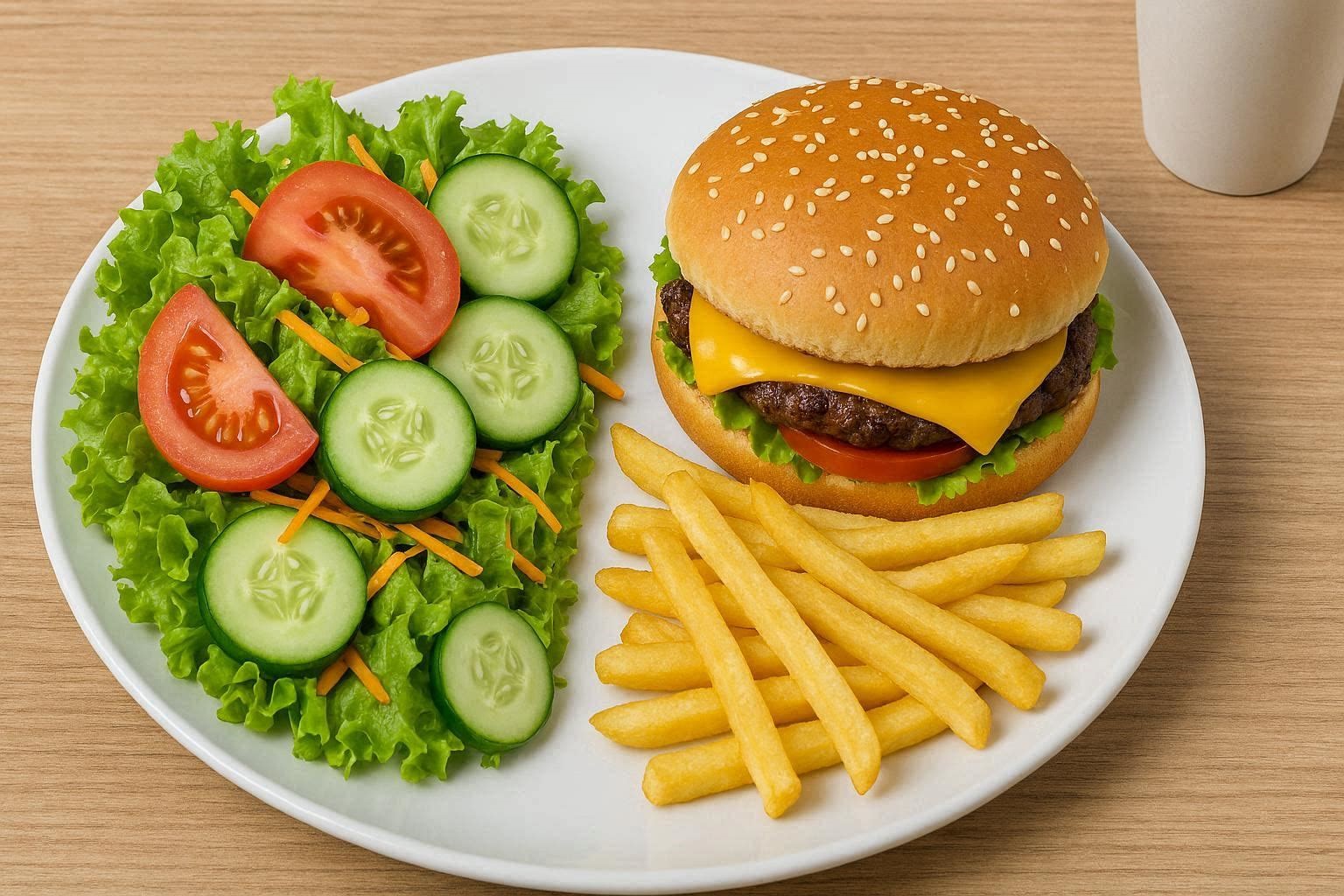
Applying the “half-plate rule” to fast food meals ensures a balanced intake of nutrients, encouraging you to fill half your plate with vegetables or a side salad. This simple strategy increases fiber and nutrient density, helping you feel fuller and more satisfied with fewer empty calories.
Building Custom Orders Instead of Set Combos

Building custom orders instead of defaulting to set combos is a powerful strategy in healthy fast food hacks, allowing you to control ingredients and avoid unnecessary calories. For example, at a burger joint, you can request a burger patty without the bun, opting for a lettuce wrap, or at a burrito place, meticulously choose your fillings to avoid high-calorie additions like sour cream or extra cheese.
Adding Fiber Through Vegetables, Beans, and Whole Grains
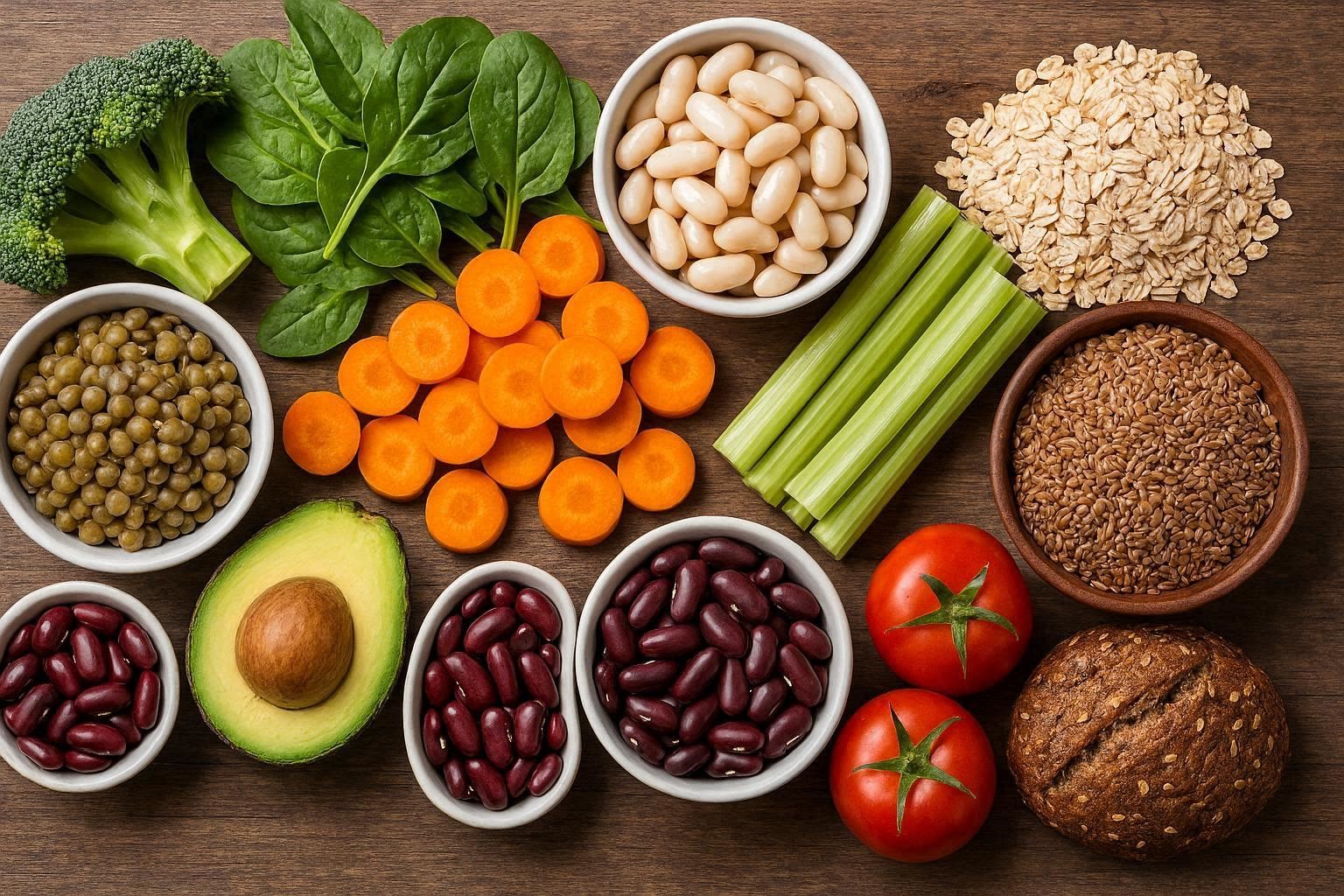
Incorporating fiber through vegetables, beans, and whole grains is a crucial element for making fast food meals more satisfying and nutritious. When eating fast food, look for opportunities to add ingredients like black beans to your burrito, extra veggies to your sandwich at Subway, or a side of broccoli if available, which can significantly boost fullness and aid digestion.
Avoiding Hidden Sugar in Sauces and Dressings
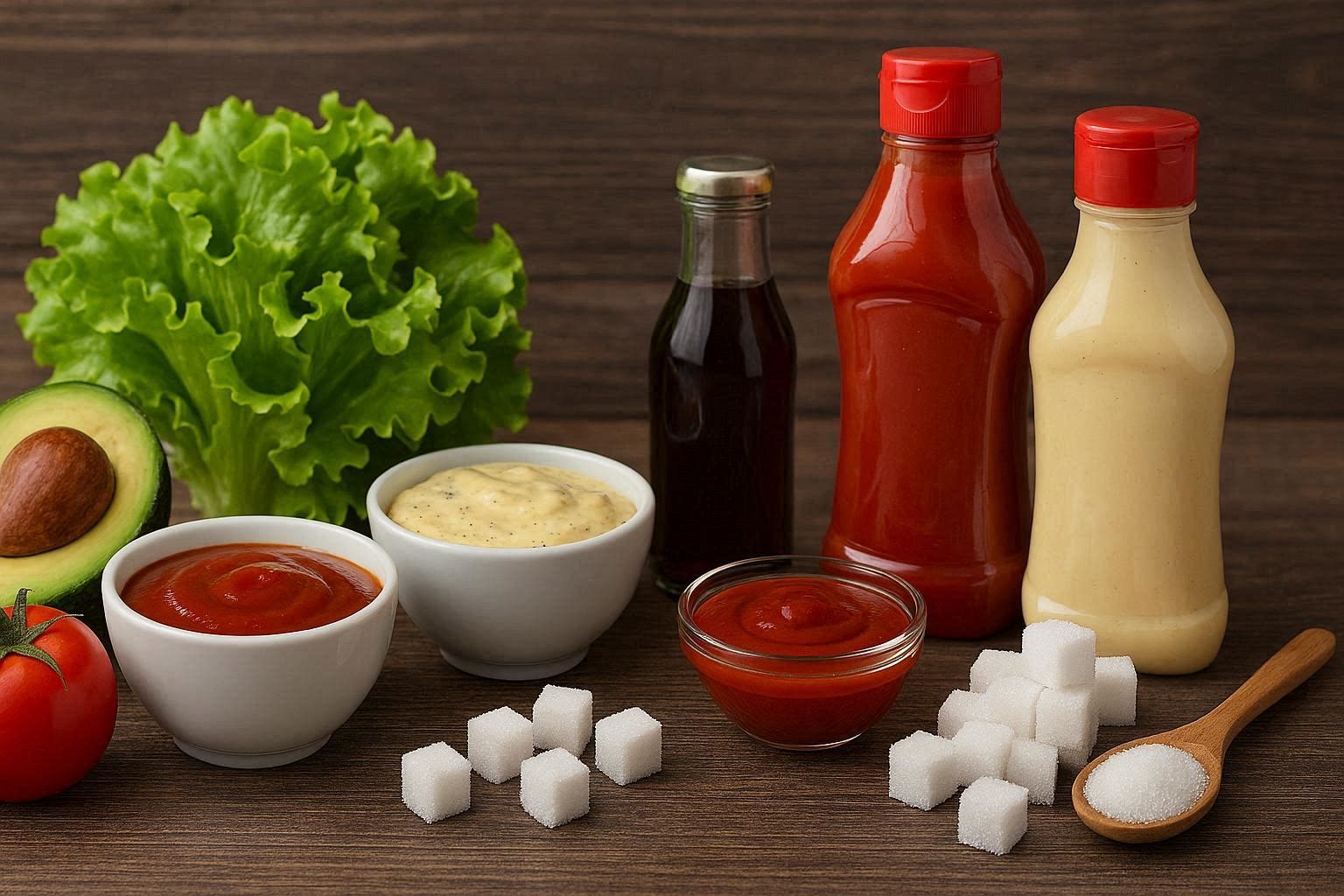
Vigilantly avoiding hidden sugar in sauces and dressings is a key hack to reduce excess calorie intake from your fast food meal. Many seemingly innocuous condiments, like BBQ sauce, honey mustard, or certain salad dressings, are loaded with calories and added sugars, so opting for vinaigrettes, mustard, or requesting sauce on the side to control portions can make a big difference.
Smart Portion Control Without Feeling Restricted
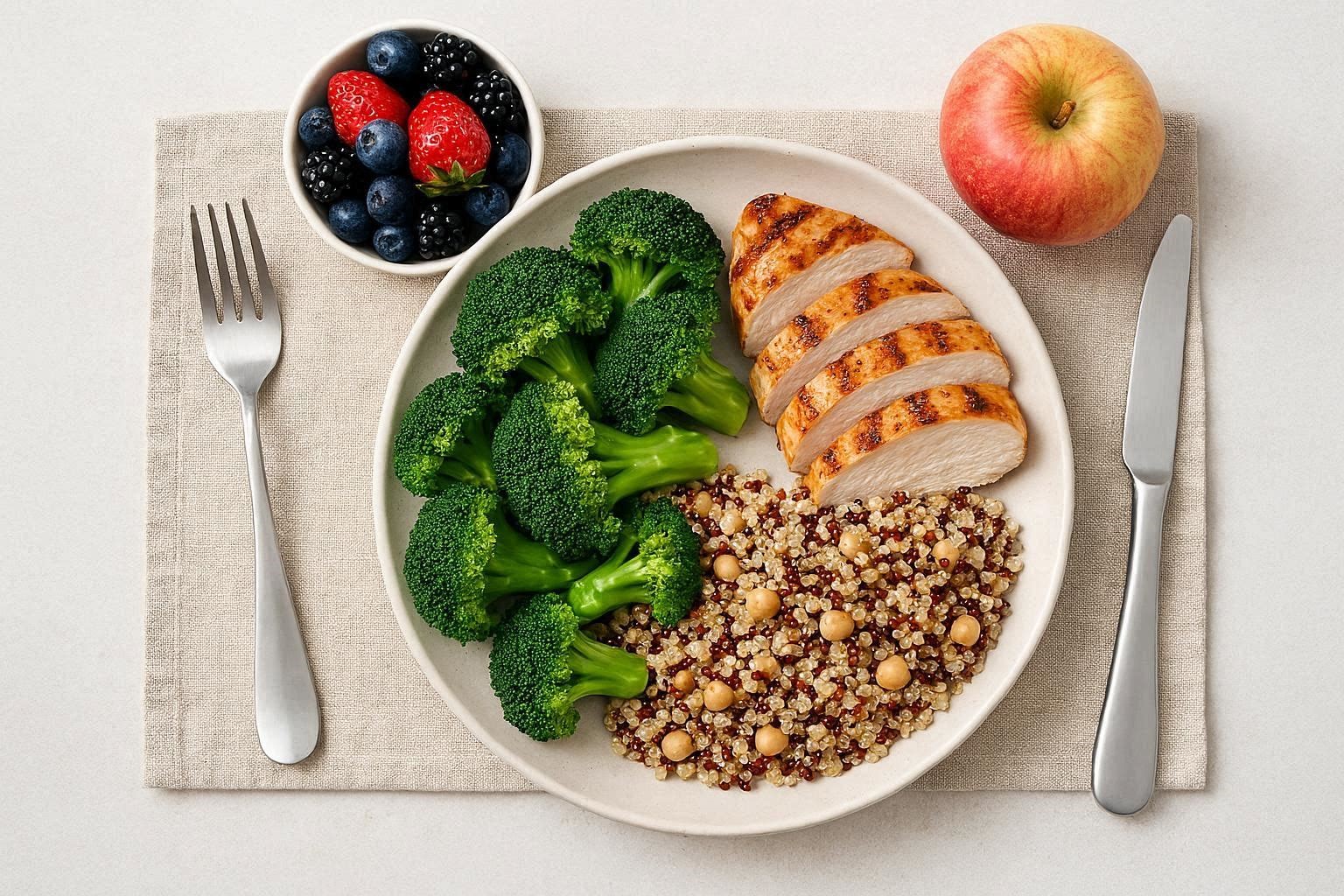
Practicing smart portion control without feeling overly restricted is essential for sustainable healthy fast food eating, allowing you to enjoy your meal responsibly. This might involve ordering a smaller size, sharing a larger item, or consciously setting aside a portion of your meal to save for later, preventing you from consuming more than your body needs.
Mixing and Matching Side Items for Balanced Nutrition
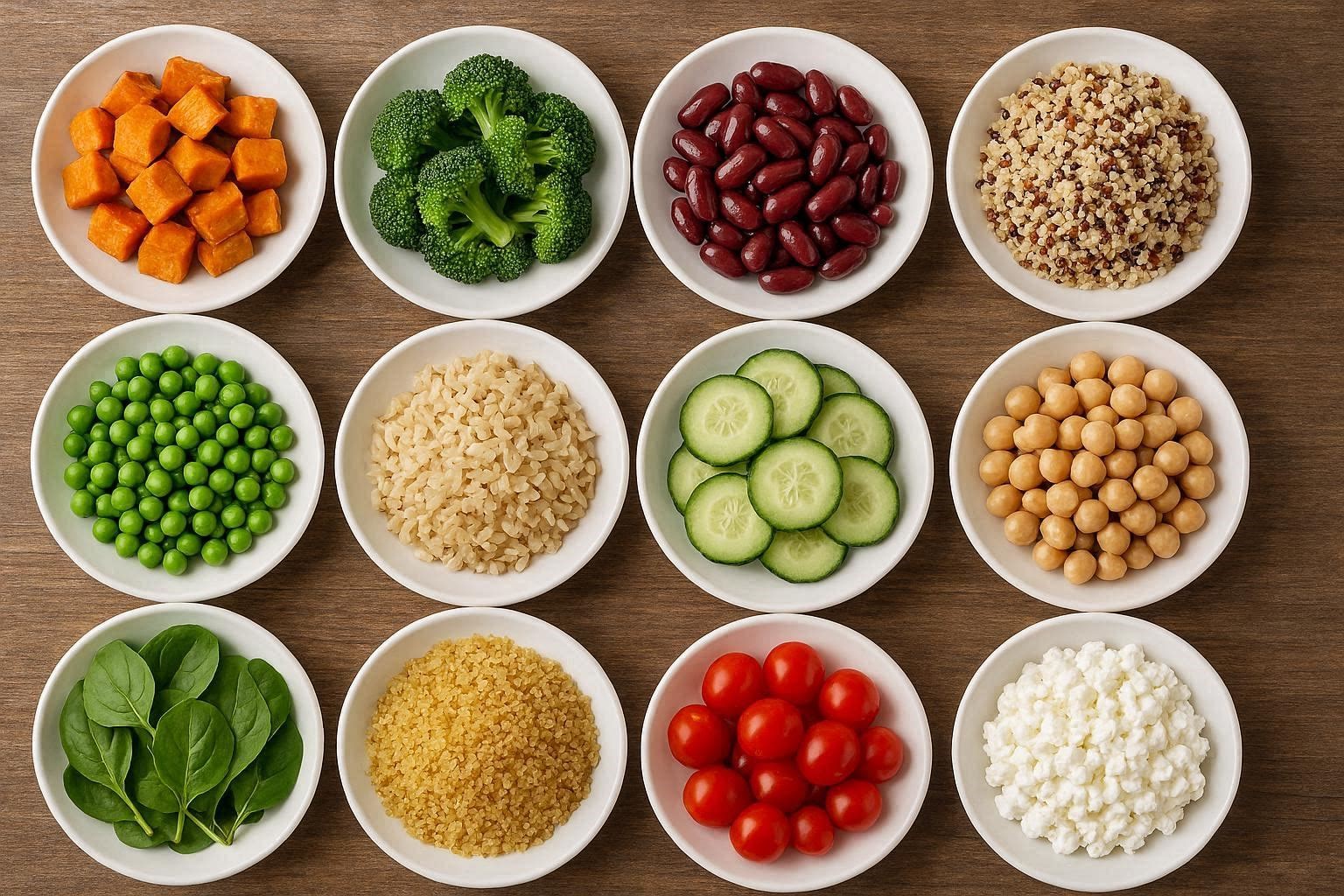
Mixing and matching side items for balanced nutrition is a clever approach to enhance the overall health profile of your fast food order. Instead of automatically pairing your main dish with french fries, consider swapping them for a side salad, apple slices, or even mashed potatoes if it’s a better alternative at specific fast food restaurants, thereby diversifying your nutrient intake.
Choosing Hydration Over Sugary Drinks Every Time
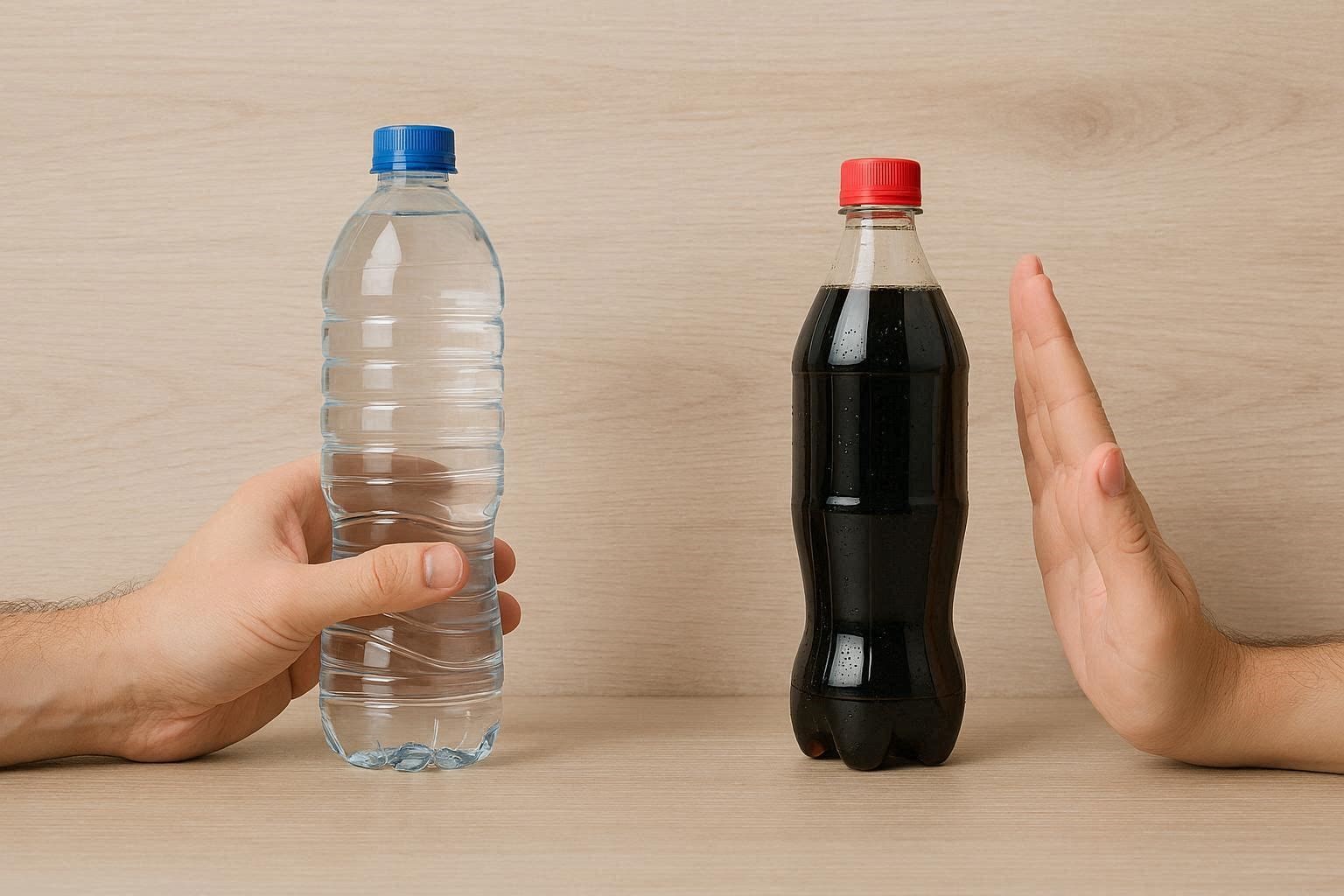
Prioritizing hydration by choosing unsweetened beverages over sugary drinks is a non-negotiable hack for healthier fast food choices, as liquid calories can quickly accumulate. Opting for water, unsweetened tea, or black coffee instead of soda or other sweetened drinks significantly reduces your sugar intake and helps you make smarter choices for your overall health.
Turning Fast Food Into a “Protein + Veggie” Meal Base
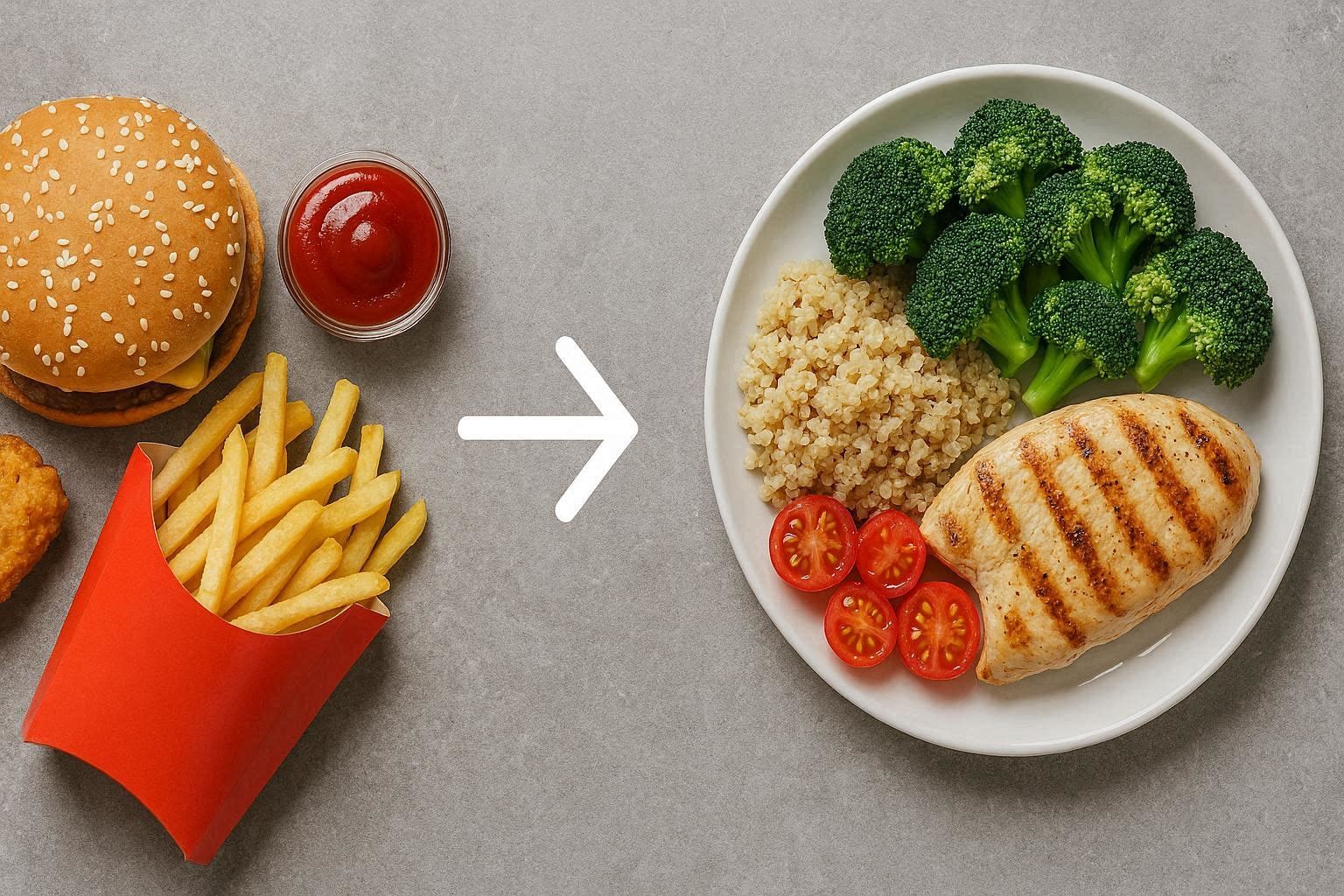
Transforming fast food into a “protein + veggie” meal base is an effective strategy to ensure your meal is nutrient-dense and satisfying. This could mean ordering a grilled chicken breast with a double side of steamed vegetables, or a burrito bowl with extra beans and fajita veggies, making it a fulfilling and healthier fast food option that supports your health goals.
Best Healthy Fast Food Choices by Category
Navigating the diverse menus of fast food restaurants can be simpler when you know which categories offer the best healthier options. This section breaks down smart choices across popular fast food categories, helping you make informed decisions effortlessly.
Healthier Burger and Sandwich Options
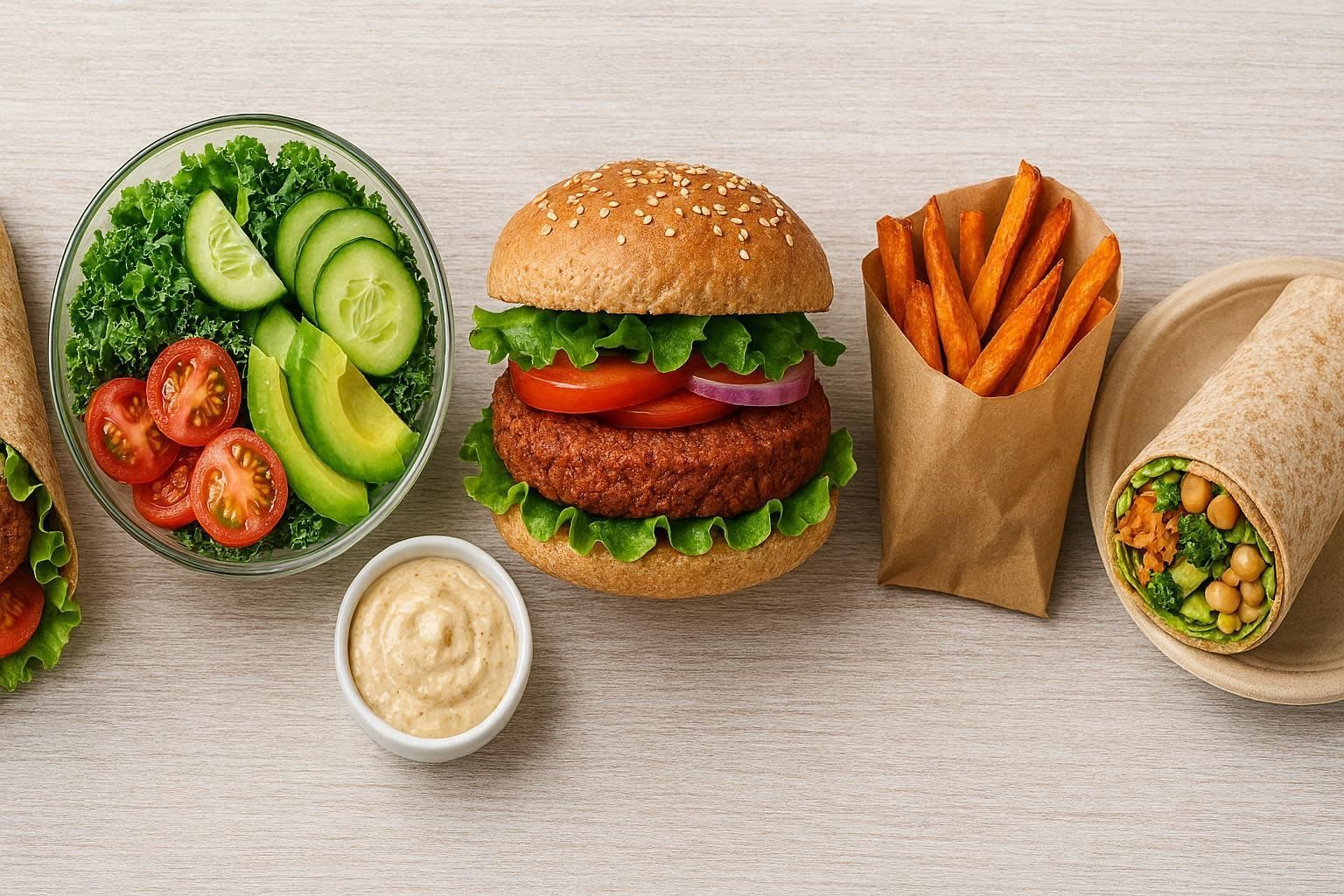
When it comes to burgers and sandwiches, making healthier fast food choices often involves simple swaps that significantly reduce fat and calories. Opt for a single patty over multiple, choose a grilled chicken sandwich instead of a breaded or crispy chicken option, and consider ditching the bun for a lettuce wrap to minimize refined carbohydrates.
Smarter Chicken and Protein-Based Meals
For chicken and other protein-based fast food meals, the key is to prioritize grilled or baked options over crispy or fried alternatives. For example, instead of chicken nuggets or crispy chicken, go for grilled chicken breast, and consider protein bowls at places like Chipotle or Taco Bell, focusing on lean protein sources and avoiding high-fat add-ons like extra cheese or sour cream.
Better Salad and Bowl Choices That Actually Fill You Up
Salads and bowls can be excellent healthier options at fast food restaurants, but it’s crucial to customize them to ensure they truly fill you up without being loaded with calories. Focus on adding lean protein like grilled chicken or tofu, plenty of fresh veggies, and opt for lighter dressings or ask for them on the side to control the amount, avoiding fried toppings or cheesy additions.
Healthier Breakfast Fast Food Options
Even breakfast at fast food restaurants can be made healthier with strategic choices that provide sustained energy rather than a sugar crash. Look for options like egg white bites, oatmeal (without excessive added sugar), or a breakfast sandwich with an English muffin and lean protein, being mindful of high-calorie cheesy and fatty additions.
Fast Food Ingredients to Prioritize in 2026
To consistently make healthier choices when eating fast food, understanding which ingredients to prioritize is key for maximizing nutritional value. Focusing on these components can transform an ordinary fast food meal into a more balanced and beneficial experience, supporting your energy levels and overall well-being.
Lean Proteins and Plant-Based Alternatives
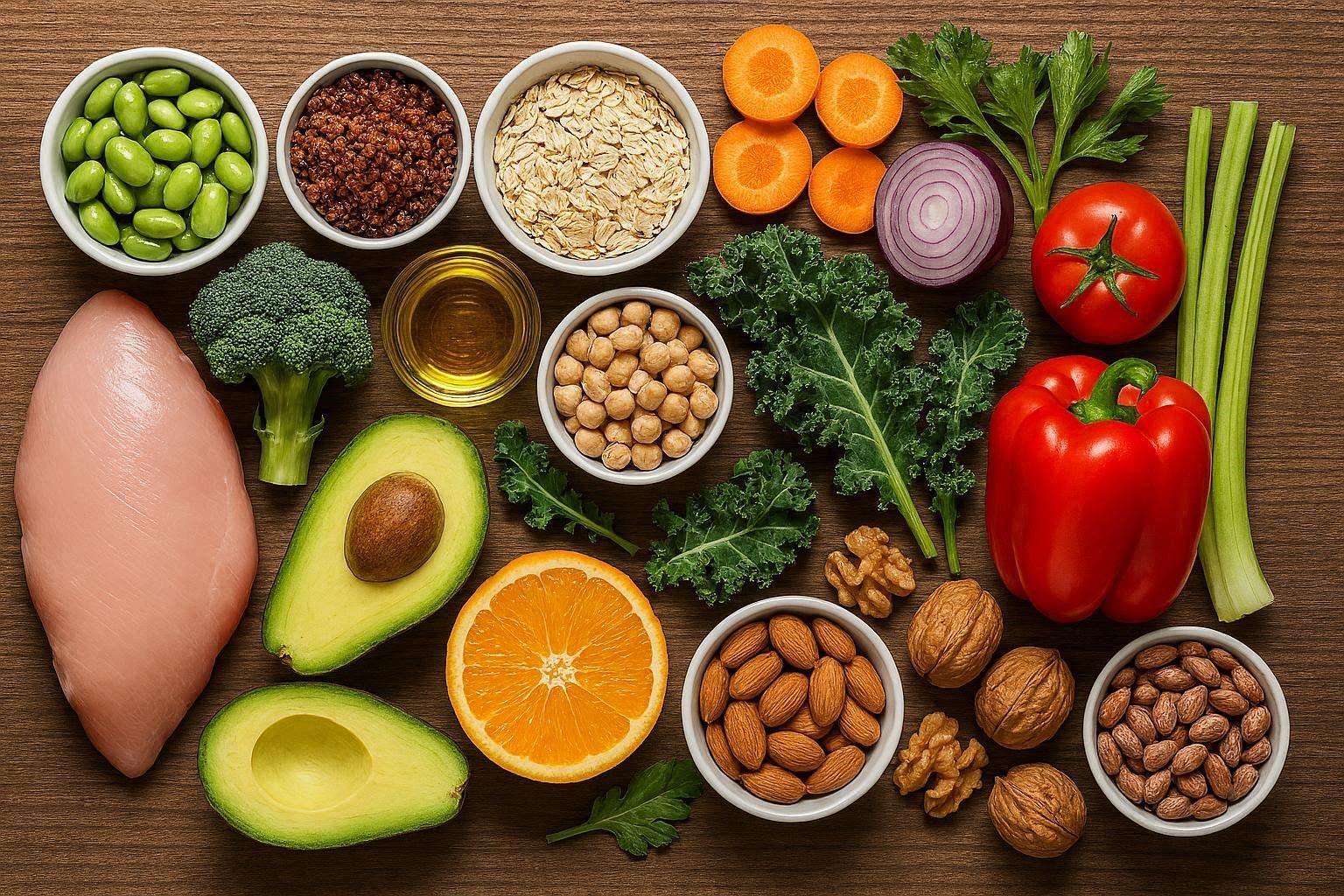
Prioritizing lean proteins and plant-based alternatives is fundamental for making healthier fast food choices, providing essential amino acids and satiety without excessive fat. Opt for grilled chicken breast, lean beef patties, or plant-based options like black beans, tofu, or veggie patties, which are typically lower in saturated fat and contribute to feeling full longer.
High-Fiber Ingredients for Fullness and Energy
Emphasizing high-fiber ingredients is crucial for achieving sustained fullness and stable energy from fast food meals, preventing rapid blood sugar spikes. Look for items that incorporate whole grains, like brown rice in a burrito bowl, or add extra vegetables, beans, and side salads to your order, as these contribute significantly to your daily fiber intake.
Healthy Fats That Support Brain and Energy Function
Incorporating healthy fats, albeit in moderation, is important for supporting brain and energy function, making your fast food meal more nutritionally complete. While many fast food items are higher in unhealthy fats, smarter choices include avocado on a sandwich or salad, or a small amount of nuts if available, which provide beneficial monounsaturated and polyunsaturated fats.
Fast Food Ingredients to Limit or Avoid
To effectively navigate fast food menus for healthier options, it’s just as important to know which ingredients to limit or outright avoid. Being mindful of these common culprits can significantly reduce your intake of unhealthy fats, sugars, and preservatives, steering you towards better health outcomes.
Ultra-Processed Oils and Deep-Fried Items
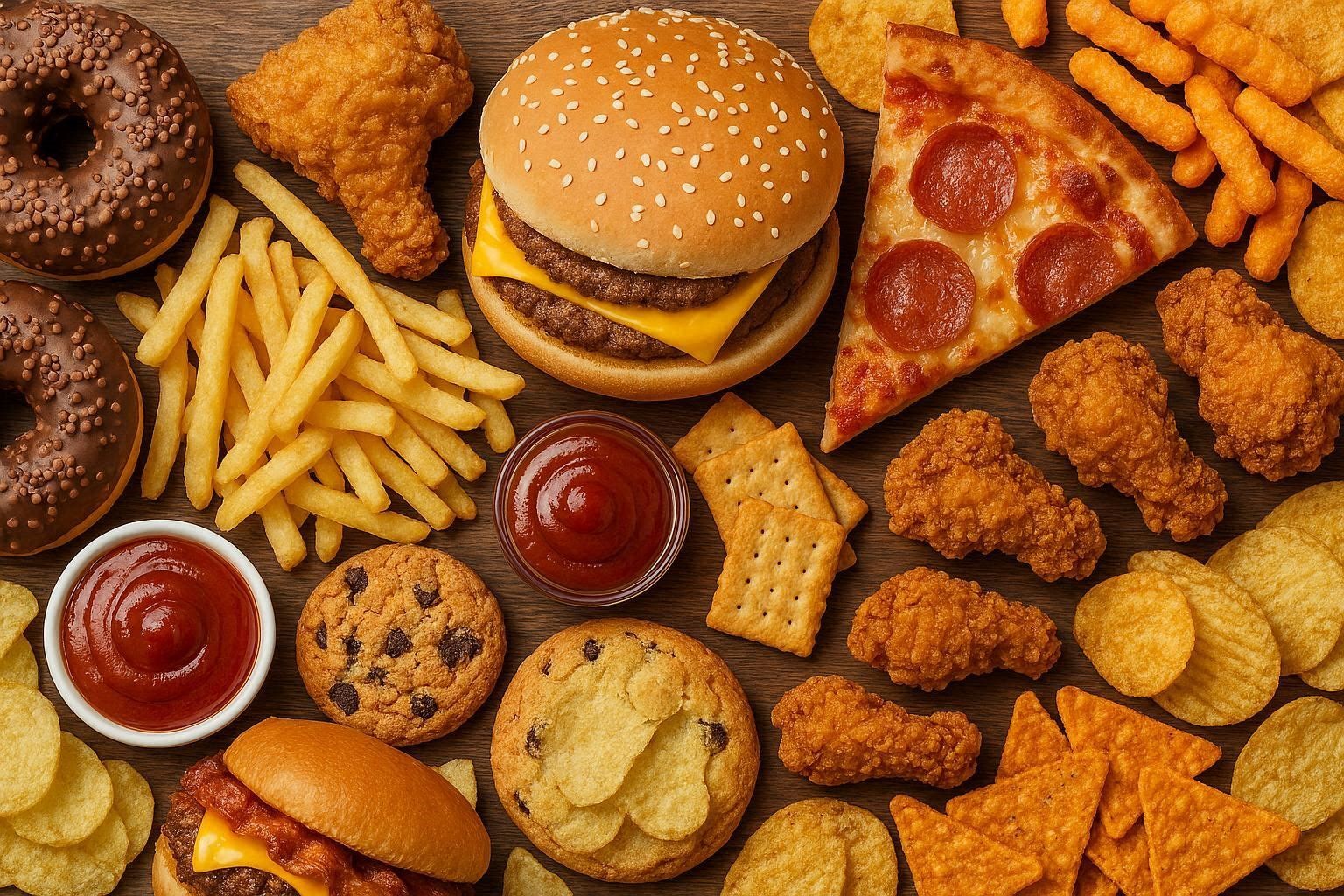
Limiting or avoiding ultra-processed oils and deep-fried items is paramount for reducing your intake of unhealthy trans and saturated fats, which are prevalent in many fast food offerings. These include common culprits like french fries, crispy chicken, onion rings, and breaded items, which are often cooked in cheap, inflammatory oils that are high in calories and detrimental to heart health.
Excess Added Sugar in Drinks and Sauces
Actively avoiding excess added sugar in drinks and sauces is a critical step in cutting down on empty calories and preventing sugar spikes when eating fast food. Sugary sodas, sweet teas, and many condiments like ketchup, BBQ sauce, and certain salad dressings are often loaded with hidden sugars, making unsweetened beverages and minimal sauce choices preferable for healthier fast food.
Highly Processed Meats and Heavy Preservatives
Being wary of highly processed meats and heavy preservatives is advisable to minimize exposure to ingredients that can have long-term negative health impacts. Some fast food items, particularly certain breakfast meats, hot dogs, and some deli meats, are often high in sodium, nitrates, and other artificial additives, making leaner, less processed protein choices a better option for healthy fast food.
Smart Ordering Strategies for Busy Lifestyles
The “Protein First” Ordering Method
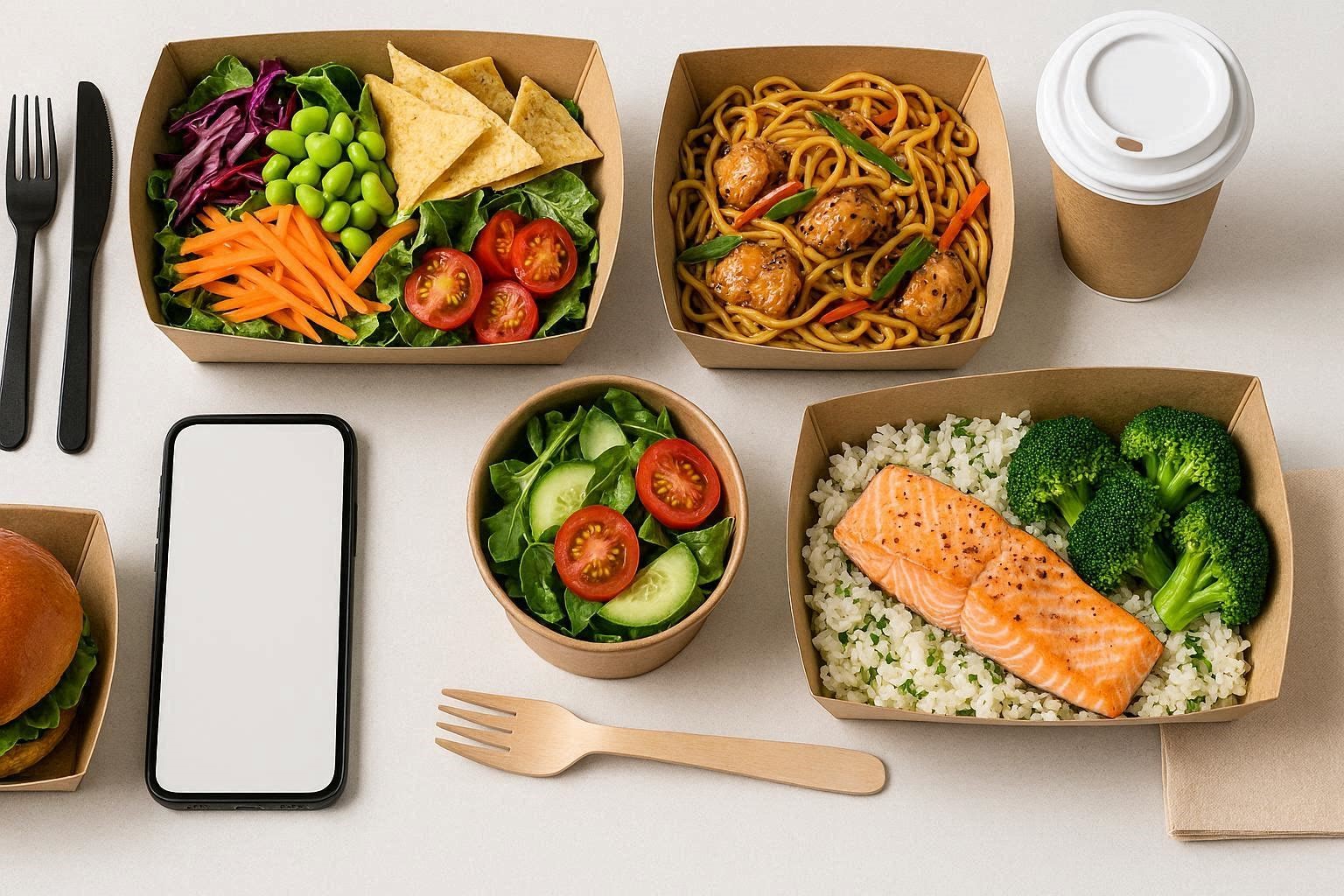
Adopting a “protein first” ordering method is one of the most effective fast food hacks for busy lifestyles, ensuring your meal provides sustained energy and satiety. This strategy involves consciously selecting your main protein source before adding other components, ensuring that items like grilled chicken breast, lean beef patty, or plant-based tofu are the foundation of your healthier fast food meal, helping you make smarter choices.
Customizing Orders for Nutrition Without Extra Cost
Customizing orders for nutrition without incurring extra cost is a clever way to elevate your fast food experience, transforming a standard meal into a healthier fast food option. This might involve simple requests like asking for no cheese, opting for a lettuce wrap instead of a bun, or requesting sauce on the side to control calorie intake, all of which contribute to making healthier choices without emptying your wallet.
Choosing Small Adjustments That Make Big Health Differences
Choosing small adjustments that ultimately make big health differences is a practical approach to eating fast food more mindfully and is a core principle of effective fast food hacks. This includes minor swaps such as replacing soda with unsweetened tea, opting for a side salad instead of french fries, or asking for grilled chicken instead of crispy chicken, all of which significantly reduce unnecessary calories and unhealthy fats.
Healthy Fast Food Hacks for Specific Lifestyles

Hacks for Office Workers and Remote Employees
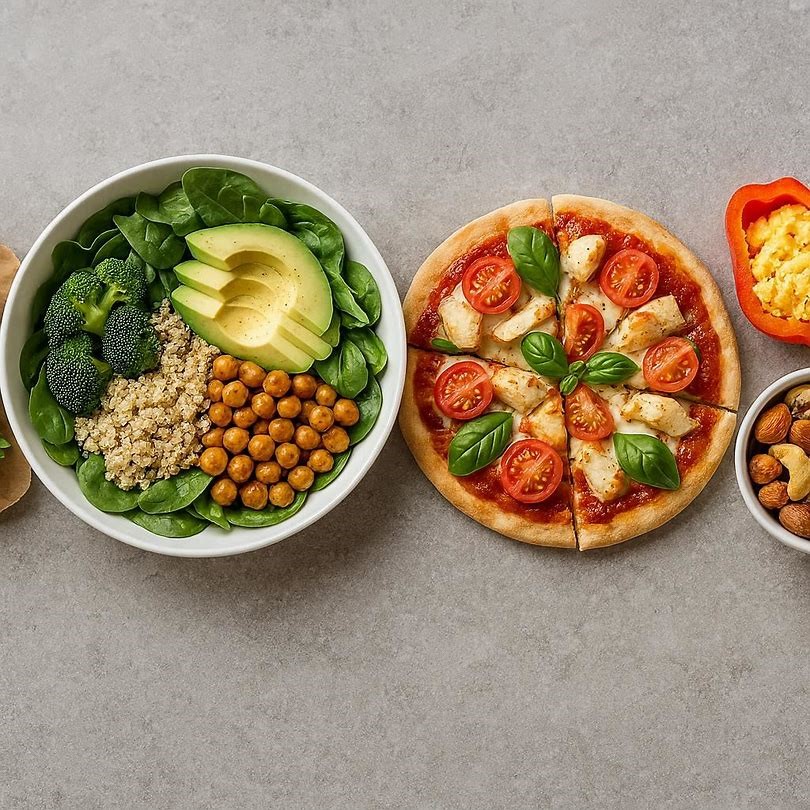
For office workers and remote employees, strategic fast food hacks focus on convenience and smart pre-planning to make healthier choices during busy workdays. This involves using apps to order ahead of time, opting for fast food restaurants with a wide array of veggie and lean protein options, and choosing meals that can be easily portioned, like a burrito bowl or a large salad, to avoid mid-afternoon energy slumps.
Hacks for Students and Study Days
Students and individuals with demanding study schedules can utilize fast food hacks by prioritizing budget-friendly, nutrient-dense options that support brain function and sustained energy. Choosing healthier fast food involves looking for places that offer grilled chicken, brown rice, and plenty of veggies, and consciously avoiding high-calorie combos that might lead to a post-meal crash, making smart use of limited time and funds.
Hacks for Travelers and On-the-Go Schedules
Travelers and those with constantly on-the-go schedules can significantly benefit from fast food hacks by knowing how to quickly identify healthier options across different fast food restaurants. This means always looking for grilled chicken sandwiches (without the crispy breading), customizing salads with lean proteins, and steering clear of calorie-laden fried toppings and sugary sodas, ensuring you make smarter choices even when in transit.
Hacks for Fitness and Active Lifestyle Individuals
For individuals leading a fitness and active lifestyle, fast food hacks are about optimizing meals for muscle recovery and sustained energy without compromising hard-earned progress. This involves prioritizing high-protein, low-fat options such as grilled chicken breast with steamed veggies, opting for complex carbohydrates like brown rice, and consciously avoiding saturated fat and high-calorie dressings that can hinder performance and recovery goals.
Social Media Trends Influencing Fast Food Choices
TikTok “Healthy Fast Food Order” Trends
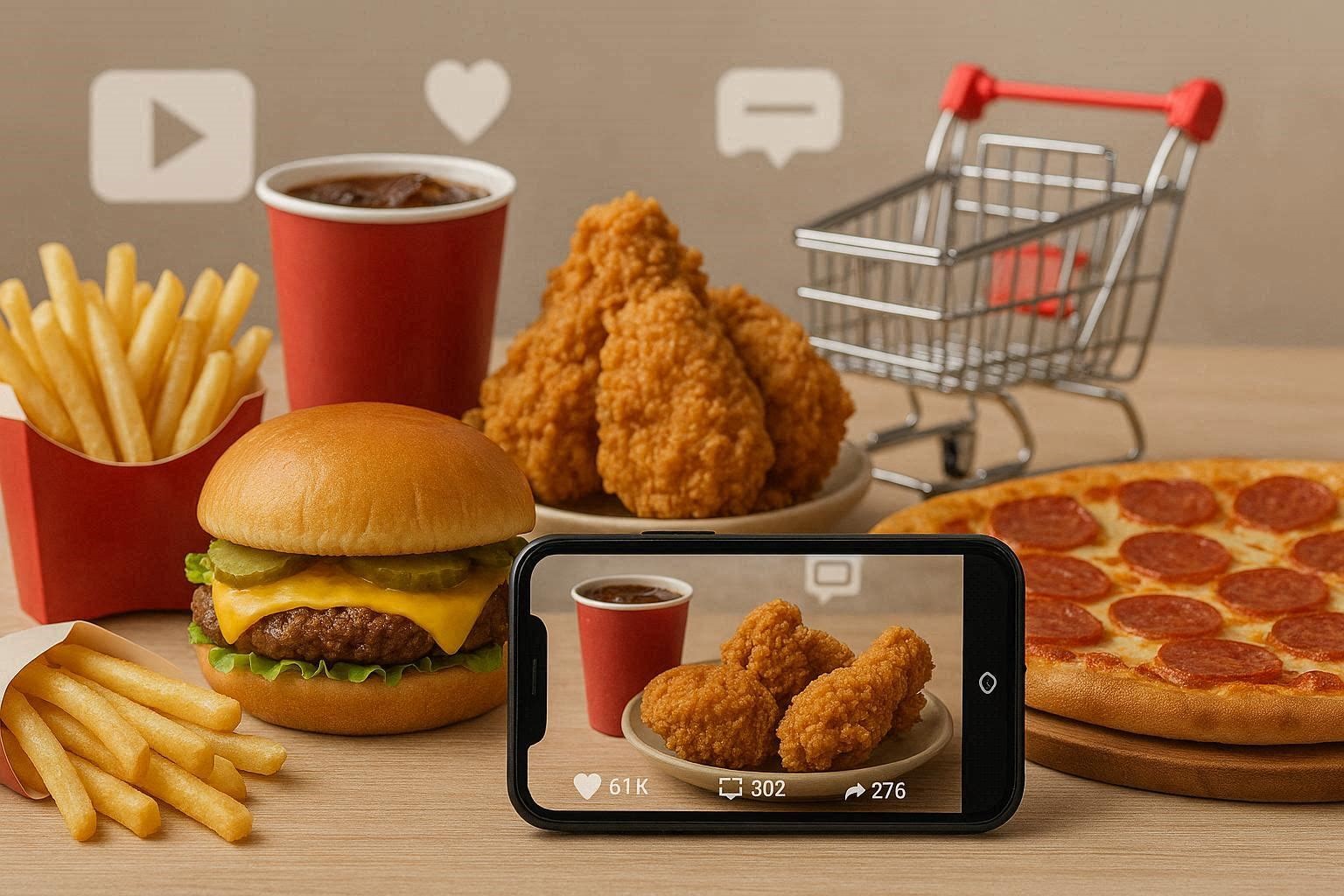
TikTok “healthy fast food order” trends have become a major influence on consumer behavior, showcasing innovative fast food hacks that inspire millions to make healthier choices at popular fast food restaurants. These viral videos often feature creative modifications to classic menu items, like turning a cheesy crunchwrap into a healthier veggie and grilled chicken option, or making low-fat modifications to a burrito, encouraging users to experiment with their own healthier fast food creations.
Instagram Nutrition Swap Challenges
Instagram nutrition swap challenges play a significant role in promoting healthier eating by demonstrating simple fast food hacks to a wide audience. Users post their successful swaps, such as replacing McDonald’s fries with apple slices or a soda with unsweetened iced tea, showcasing how minor adjustments can lead to substantial reductions in calories and improvements in overall nutrition, thereby fostering a community focused on making smarter choices.
Viral Meal-Upgrade Hacks and Budget Fitness Meals
Viral meal-upgrade hacks and budget fitness meals circulating on social media provide practical fast food hacks for those looking to eat healthy without breaking the bank. These trends often highlight how to transform a basic fast food order, like a plain grilled chicken patty, into a more complete and nutrient-dense meal by adding available veggies or requesting sauce on the side, making healthier fast food accessible and affordable for everyone.
Common Myths About Fast Food and Healthy Eating
“Fast Food Is Always Unhealthy” Myth
The persistent “fast food is always unhealthy” myth often discourages people from even attempting to make healthier choices when eating fast food, creating an unnecessary barrier to convenient nutrition. While many fast food options are indeed high in calories, saturated fat, and sugar, the emergence of healthier options like salads, grilled chicken, and customizable veggie bowls at fast food restaurants proves that with smart fast food hacks, it’s entirely possible to eat healthy.
“Healthy Eating Must Be Expensive” Myth
The “healthy eating must be expensive” myth is a common misconception that often deters individuals from adopting healthier habits, especially when considering fast food options. However, many fast food hacks demonstrate that making smarter choices, such as opting for water instead of soda, or a simpler grilled chicken sandwich over a loaded, high-calorie burger, can actually be more cost-effective while still providing a healthier fast food experience.
“You Can’t Lose Weight Eating Fast Food” Myth
The “you can’t lose weight eating fast food” myth is a widely held belief that often discourages people from integrating fast food into a balanced weight management plan. While calorie control is crucial, utilizing fast food hacks like choosing grilled chicken, making veggie additions to your burrito or salad, and avoiding crispy, high-fat items and sugary drinks, demonstrates that responsible fast food consumption can align with weight loss goals.
The Future of Fast Food and Healthy Eating in 2026 and Beyond
As we look towards 2026 and beyond, the landscape of fast food and healthy eating is poised for significant transformation, driven by consumer demand and technological advancements. This evolution will likely redefine what it means to eat fast food, making healthier choices even more accessible and integrated into our daily lives, reflecting a greater emphasis on overall well-being and personalized nutrition.