


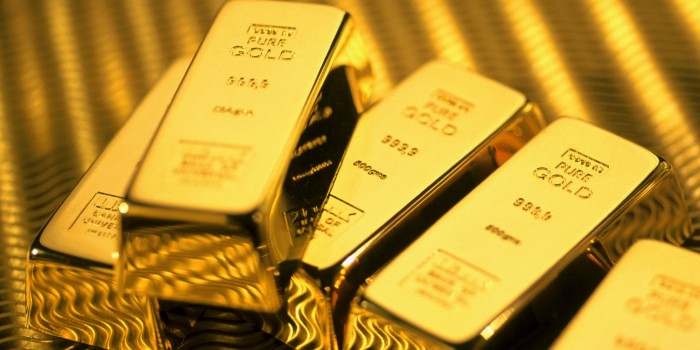
The land is rich with elements that represent a high qualified feature of nature. Metals are valuable; they are involved in everything we use in our life. Scientists and mine-workers appreciate these metals so much. Yet, there are some that are more valuable than the others. If you want to know them, check this list of the top 10 metals.
Why Some Metals Are Worth More Than Gold

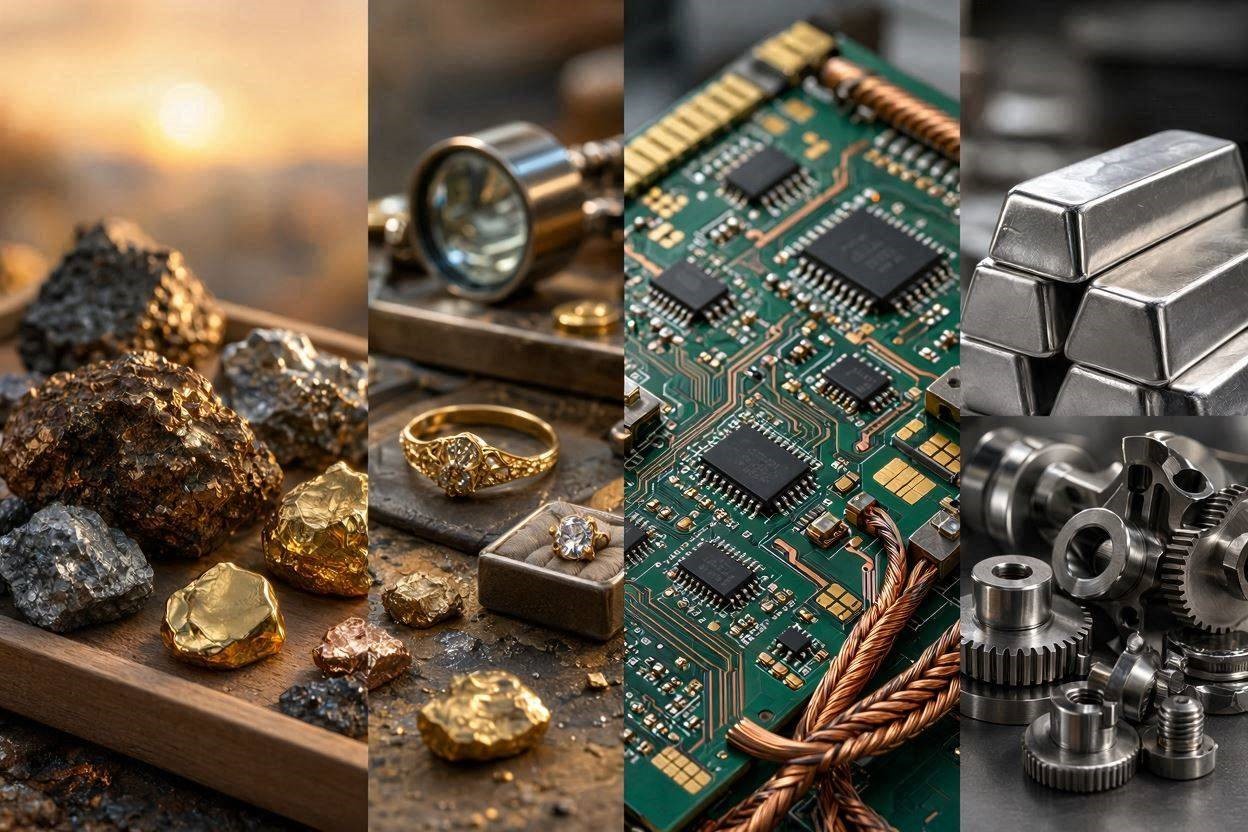
While gold has historically been the quintessential symbol of wealth, several other metals today command a significantly higher price per ounce, overshadowing the golden standard. This introduction will explore the underlying factors that elevate certain metals to such remarkable valuations, often surpassing even the most cherished precious metal.
What Determines a Metal’s Value?
A metal’s value is determined by a complex interplay of factors, including:
| Factor | Description |
| Rarity | Its abundance in the Earth’s crust. |
| Extraction Difficulty | The challenges associated with its mining and refining. |
| Industrial Demand | The need for the metal in various industries. |
Metals that possess unique properties for specific high-tech applications or exceptional durability and resistance to corrosion often fetch a premium price.
How This Ranking Was Compiled
This comprehensive ranking of the top 10 most valuable metals in the world was compiled based on current market prices per ounce. The assessment also considered their overall rarity, industrial significance, and demand. While prices can fluctuate, this list provides a snapshot of the most expensive precious metals, some of which are truly among the rarest metals found.
| Factor Considered | Description |
|---|---|
| Market Prices | Per ounce |
| Overall Rarity | Key determinant of value |
| Industrial Significance | Impacts demand |
| Demand | Influences market price |
What Makes a Metal Extremely Valuable?
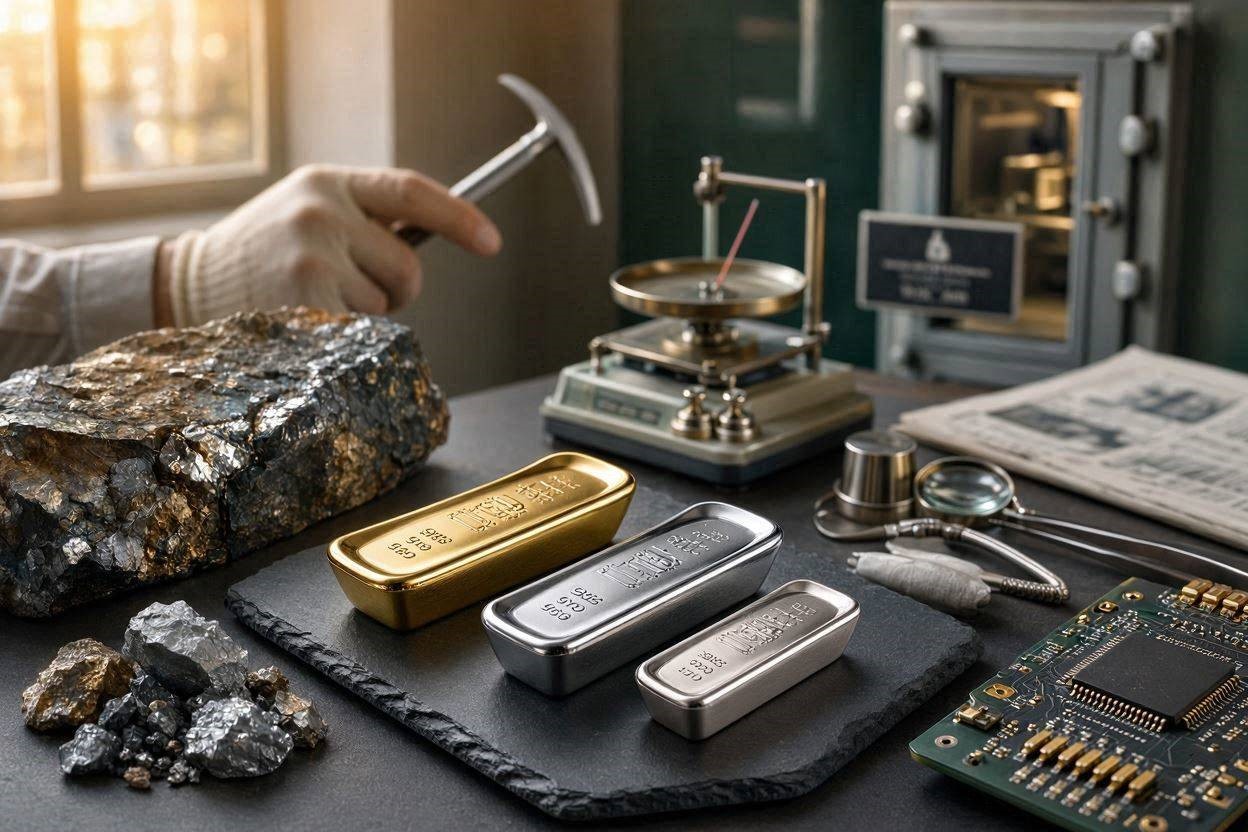
The extreme value of certain metals stems from a combination of inherent characteristics and external market forces. Understanding these contributing factors is key to appreciating why some elements, often referred to as noble metals, are considered so much more precious than others.
Rarity in the Earth’s Crust
The scarcity of a metal is arguably the most significant determinant of its value. Metals like rhodium, iridium, and osmium are among the rarest naturally occurring elements, found in minute quantities as by-products of other mining operations, making their extraction incredibly challenging and contributing to their high price.
| Metal | Characteristic |
|---|---|
| Rhodium | Among the rarest naturally occurring elements |
| Iridium | Among the rarest naturally occurring elements |
| Osmium | Among the rarest naturally occurring elements |
Mining and Refining Challenges
Beyond mere rarity, the difficulty and cost involved in mining and refining an ore significantly impact a metal’s price. For example, platinum group metals (PGMs) like platinum, palladium, ruthenium, and rhenium often occur in complex geological formations, requiring specialized and energy-intensive processes to isolate them from other elements.
Industrial Demand and Limited Supply
Many of the most valuable metals, such as palladium and rhodium, are indispensable in modern industrial applications, particularly in catalytic converters for the automotive industry. Their limited supply combined with high demand creates significant market pressure, driving up their price due to their rarity and essential uses.
Investment, Jewelry, and Collectible Value
While industrial demand is paramount for many, traditional factors like investment appeal, use in fine jewelry, and collectible value also play a role. Although gold remains the most commonly used precious metal for these purposes, platinum and white gold, often plated with rhodium, also hold significant allure, contributing to their high value.
Top 10 Most Precious Metals in the World
1. Rhodium – The World’s Most Expensive Precious Metal

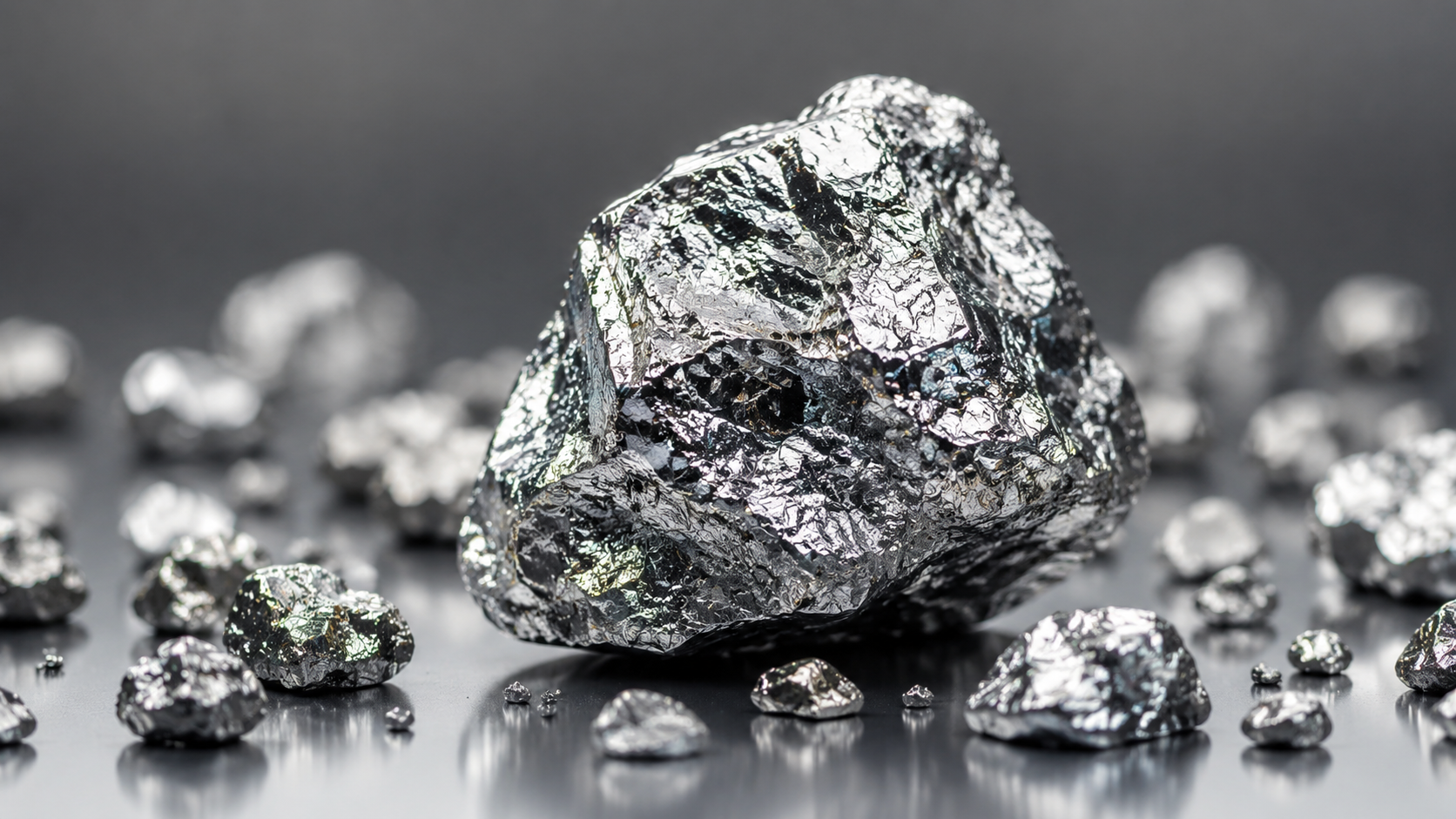
Rhodium stands as the world’s most expensive precious metal, frequently fetching a price per ounce significantly higher than gold and platinum. This silver-white, highly reflective metal is predominantly used in catalytic converters for the automotive industry, where its exceptional catalytic properties help reduce nitrogen oxide emissions. Its extreme rarity and the complex process of mining it as a by-product of platinum and nickel ores contribute to its consistently high price, making it one of the rarest and most expensive precious metals.
2. Iridium – The Ultra-Rare Metal Built for Extreme Conditions
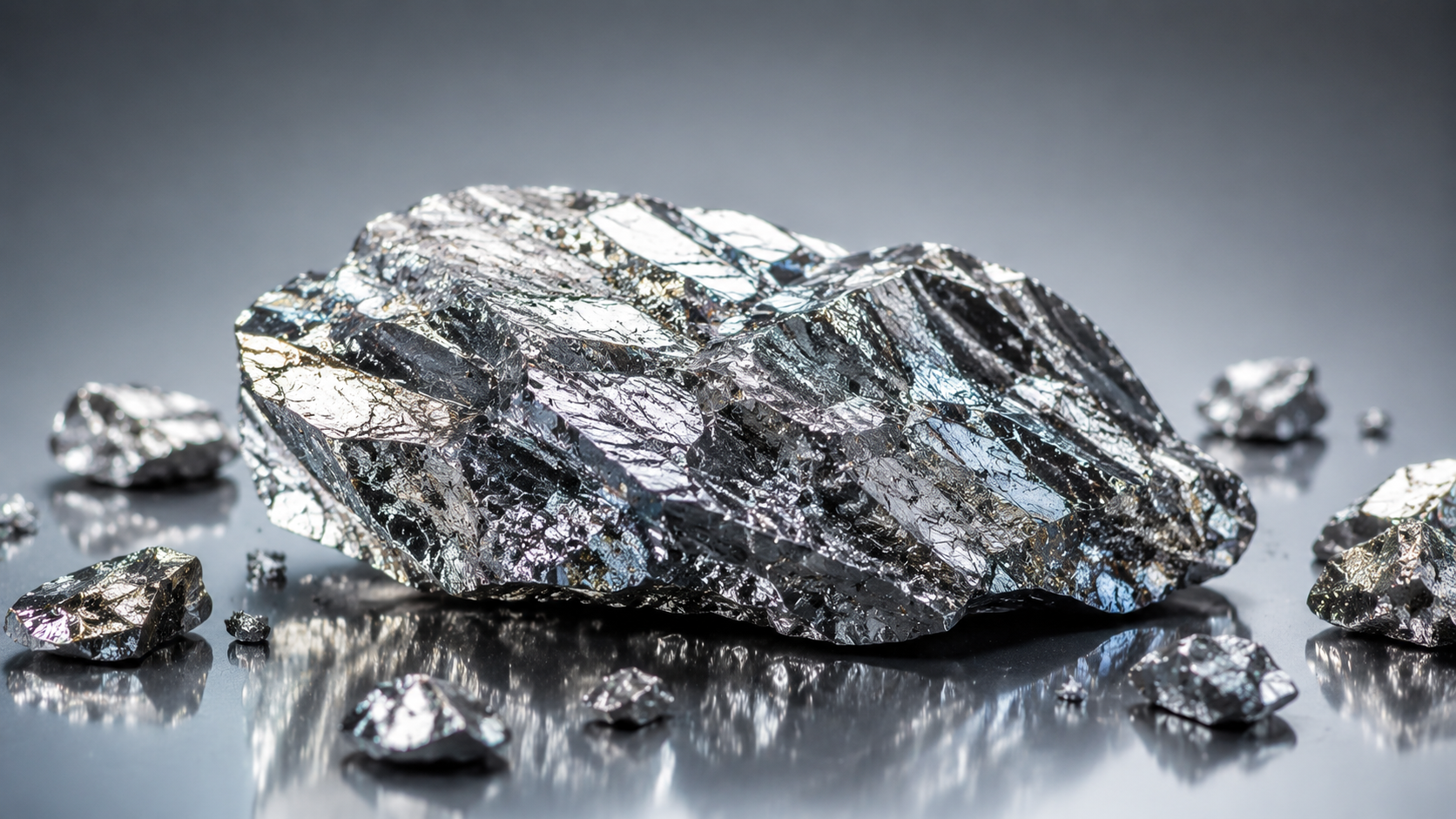
Iridium, another member of the platinum group metals, is renowned for its incredible resistance to corrosion, even at high temperatures, and its exceptional durability. This makes it an indispensable metal in the world for applications requiring extreme resilience, such as in spark plugs, crucibles, and specialized electrical contacts. The rarity of iridium in the Earth’s crust and the intricate processes involved in isolating it from other platinum group elements ensure its status as an ultra-rare and expensive precious metal.
3. Osmium – The Densest Naturally Occurring Metal
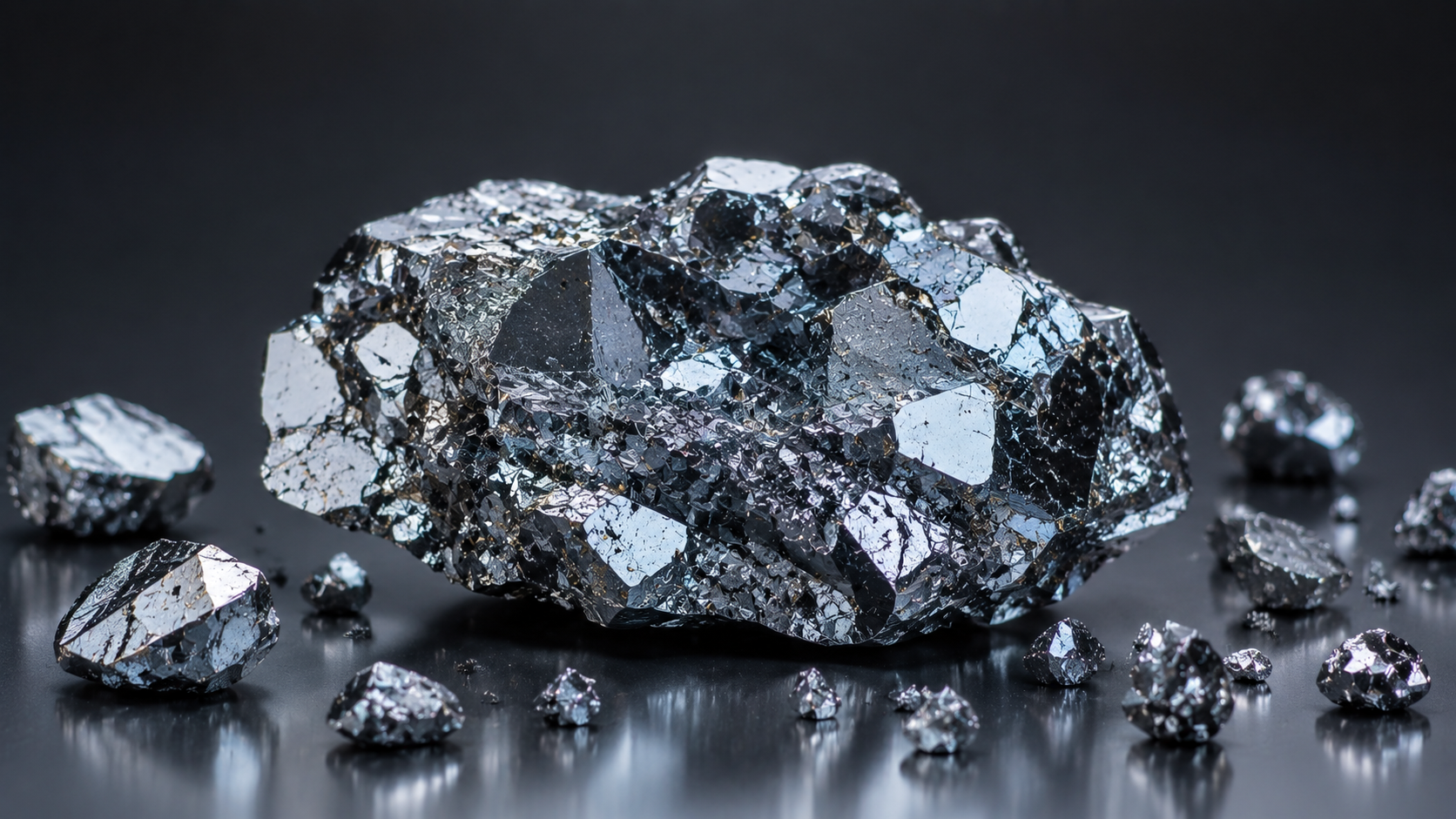
Osmium holds the distinction of being the densest naturally occurring metal, possessing extraordinary hardness and a very high melting point. While its brittleness limits widespread use, osmium is valued for specialized applications where extreme wear resistance is required, such as in fountain pen nibs and electrical contacts. Its rarity, coupled with the challenges in refining this precious metal, contributes to its position among the most expensive metals in the world.
4. Gold – The Timeless Store of Wealth
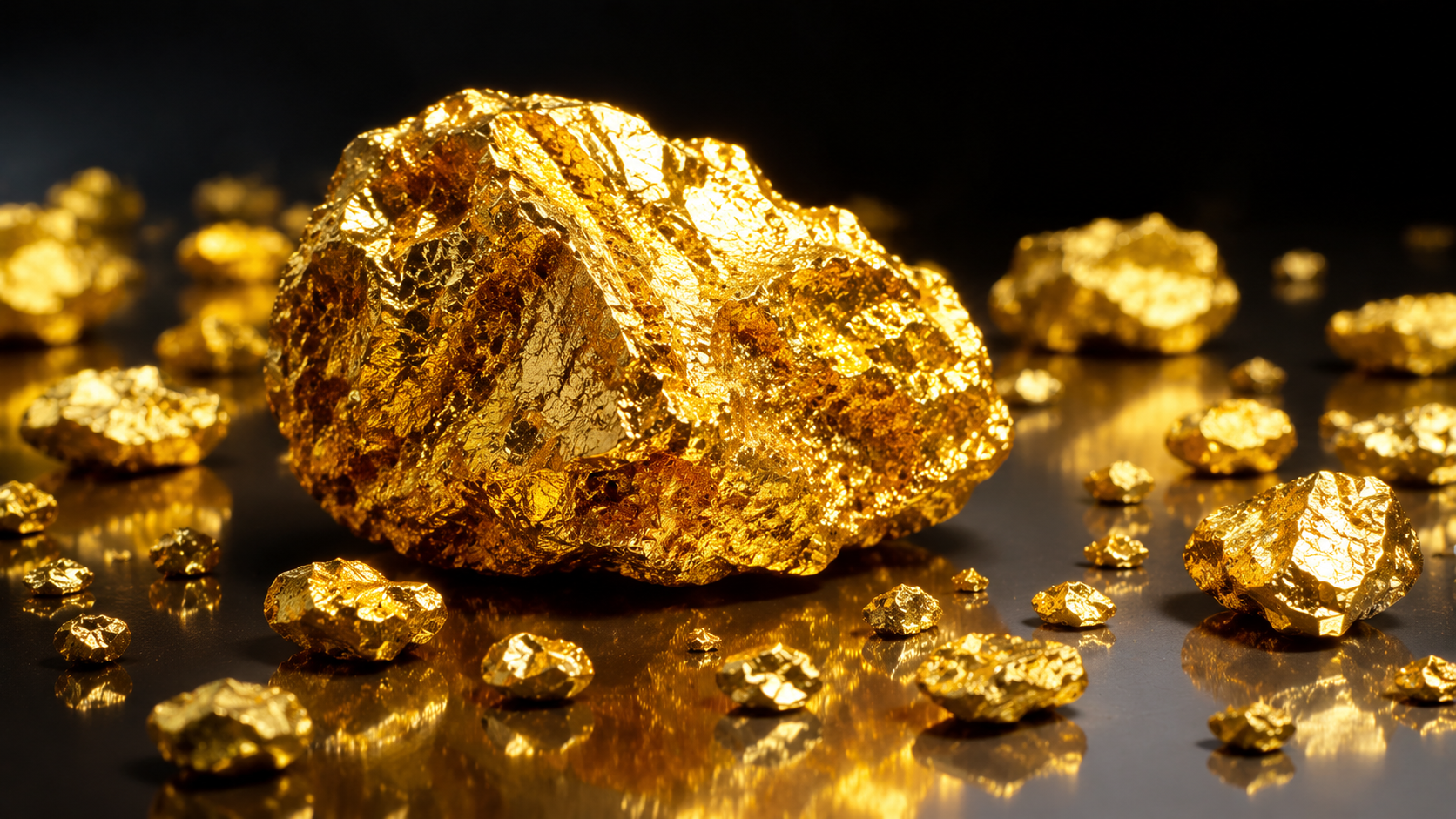
Gold remains the most commonly used precious metal for investment, jewelry, and as a timeless store of wealth, despite being surpassed in price per ounce by several other elements. Its intrinsic beauty, malleability, and resistance to corrosion have cemented its historical significance. While not the most expensive metal in the world, gold’s consistent demand and widespread acceptance ensure its enduring value within global markets, continuing its legacy as a noble metal.
5. Platinum – The Premium Precious Metal for Industry and Luxury
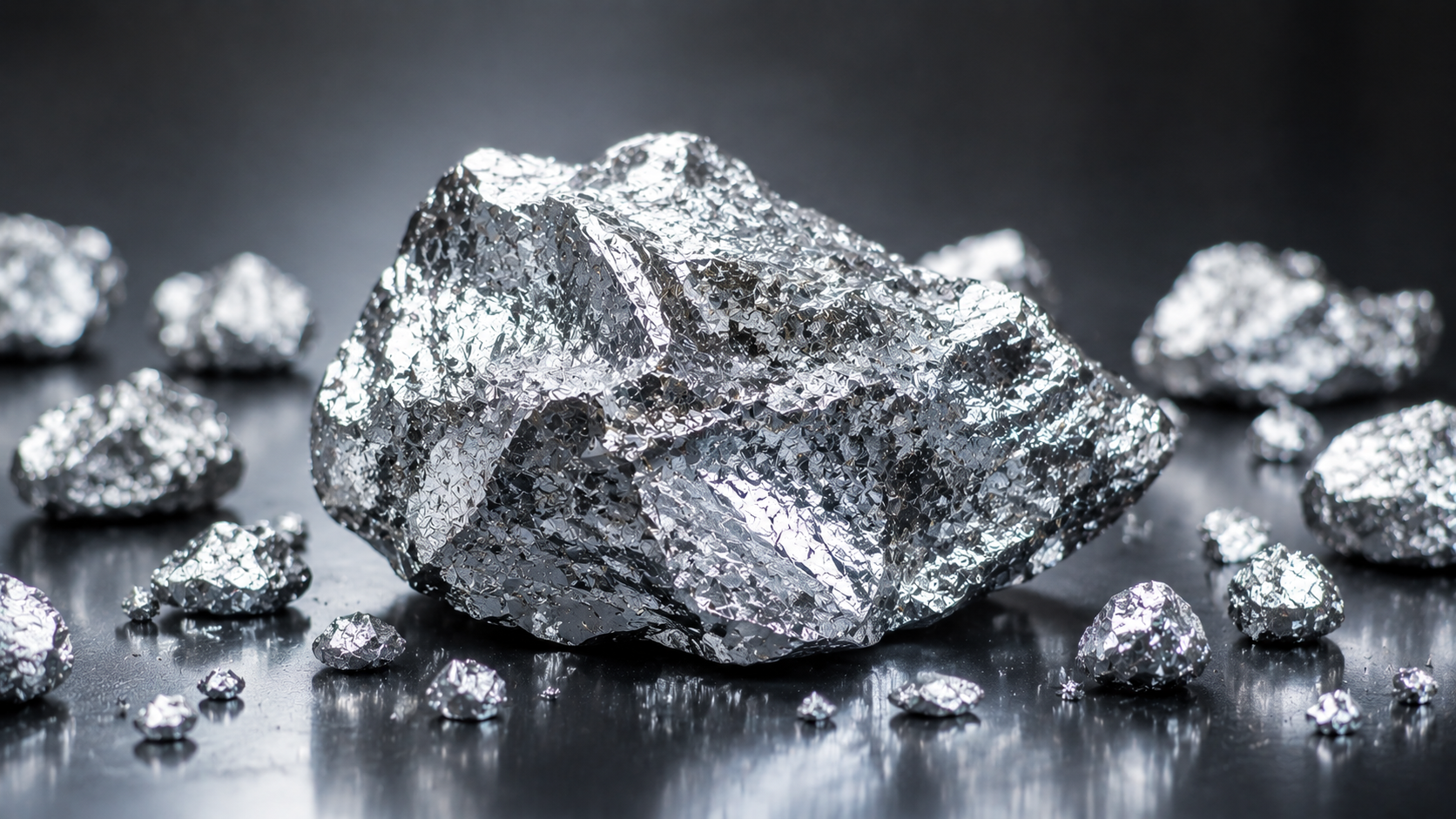
Platinum is a premium precious metal renowned for its versatility, finding extensive use in both industrial applications and luxury goods. As a key component in catalytic converters, jewelry, and laboratory equipment, its high melting point, excellent corrosion resistance, and catalytic properties are highly valued. The mining of platinum often occurs alongside palladium, and its rarity compared to gold contributes to its higher price per ounce and status as a desirable precious metal.
6. Palladium – The Metal Driving Modern Automotive Technology
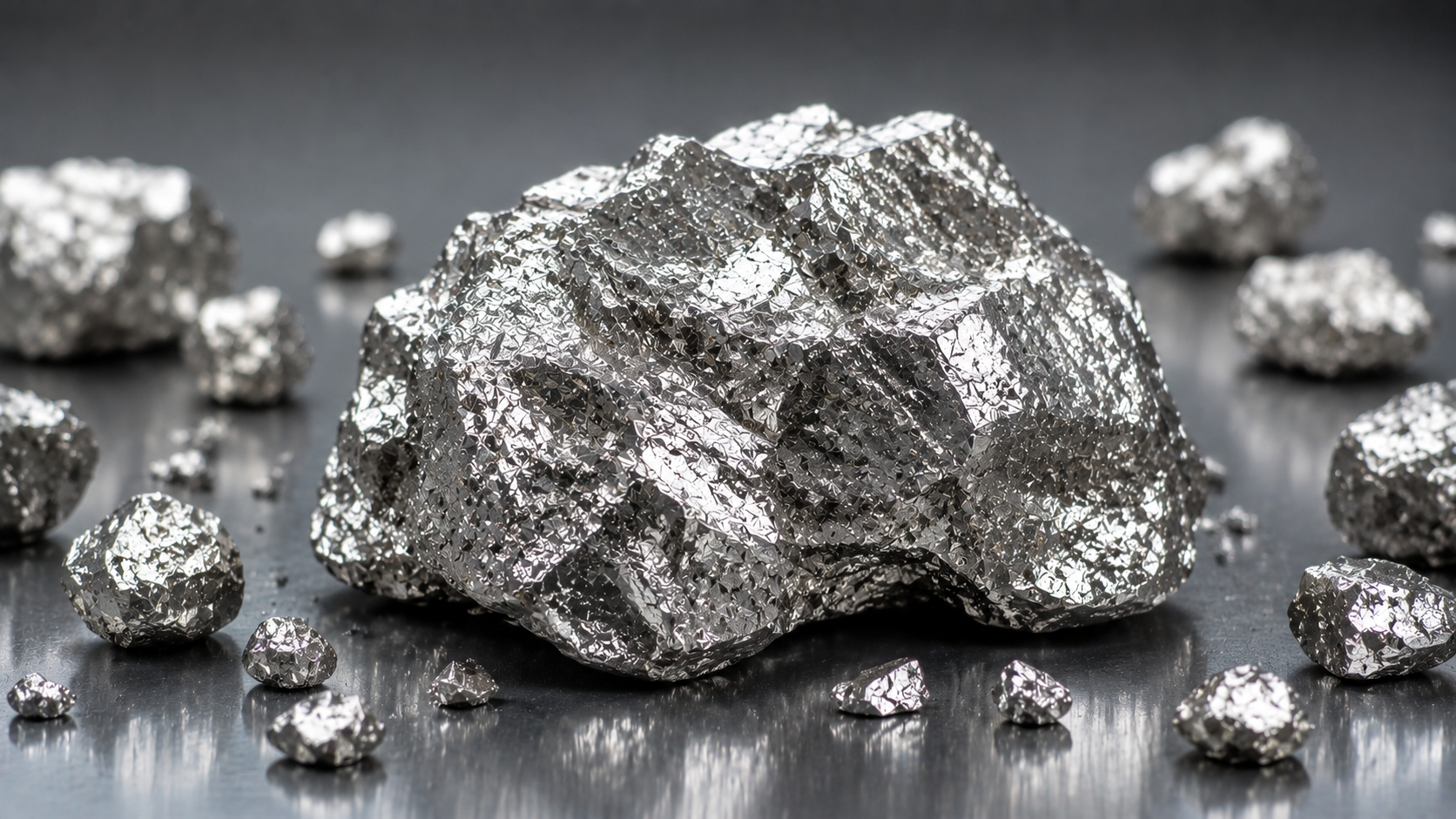
Palladium has emerged as a critical precious metal, particularly for its role in the automotive industry’s catalytic converters, where it helps convert harmful pollutants into less toxic substances. Its demand has frequently pushed its price per ounce above that of platinum due to strict emission standards and limited supply. This white noble metal, often mined as a by-product of nickel and copper, is also used in dentistry and electronics, solidifying its position as one of the top 10 precious metals.
7. Ruthenium – The Hidden Gem of Advanced Electronics
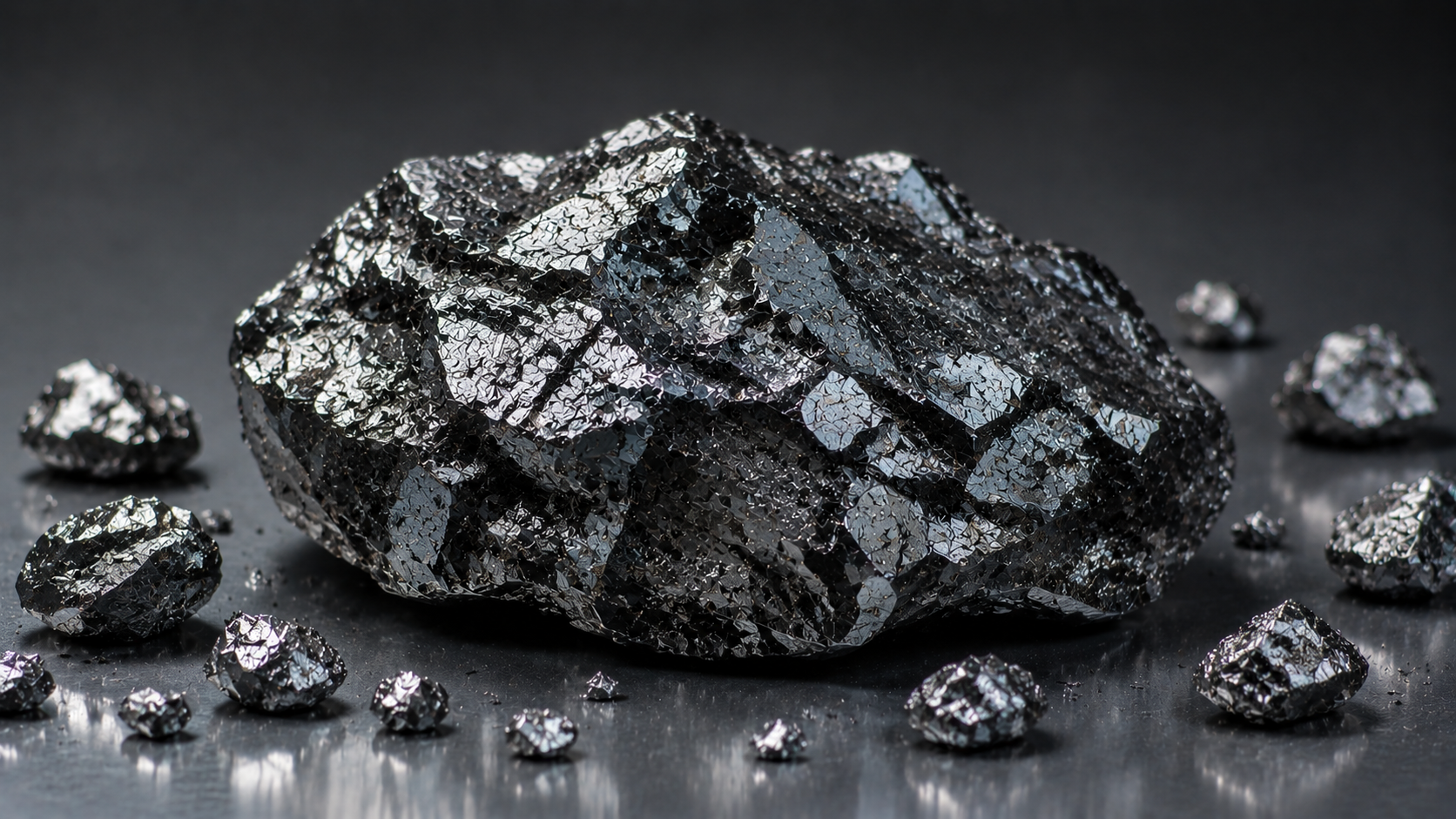
Ruthenium, another valuable platinum group metal, is highly prized in advanced electronics for its exceptional hardness, durability, and excellent electrical properties. It is commonly used in electrical contacts, chip resistors, and certain specialized alloys to enhance resistance to corrosion and wear. Its rarity and specific high-tech applications, often as a plating material, contribute to its status as an expensive precious metal, essential for modern technological advancements.
8. Rhenium – The Aerospace Industry’s High-Performance Metal
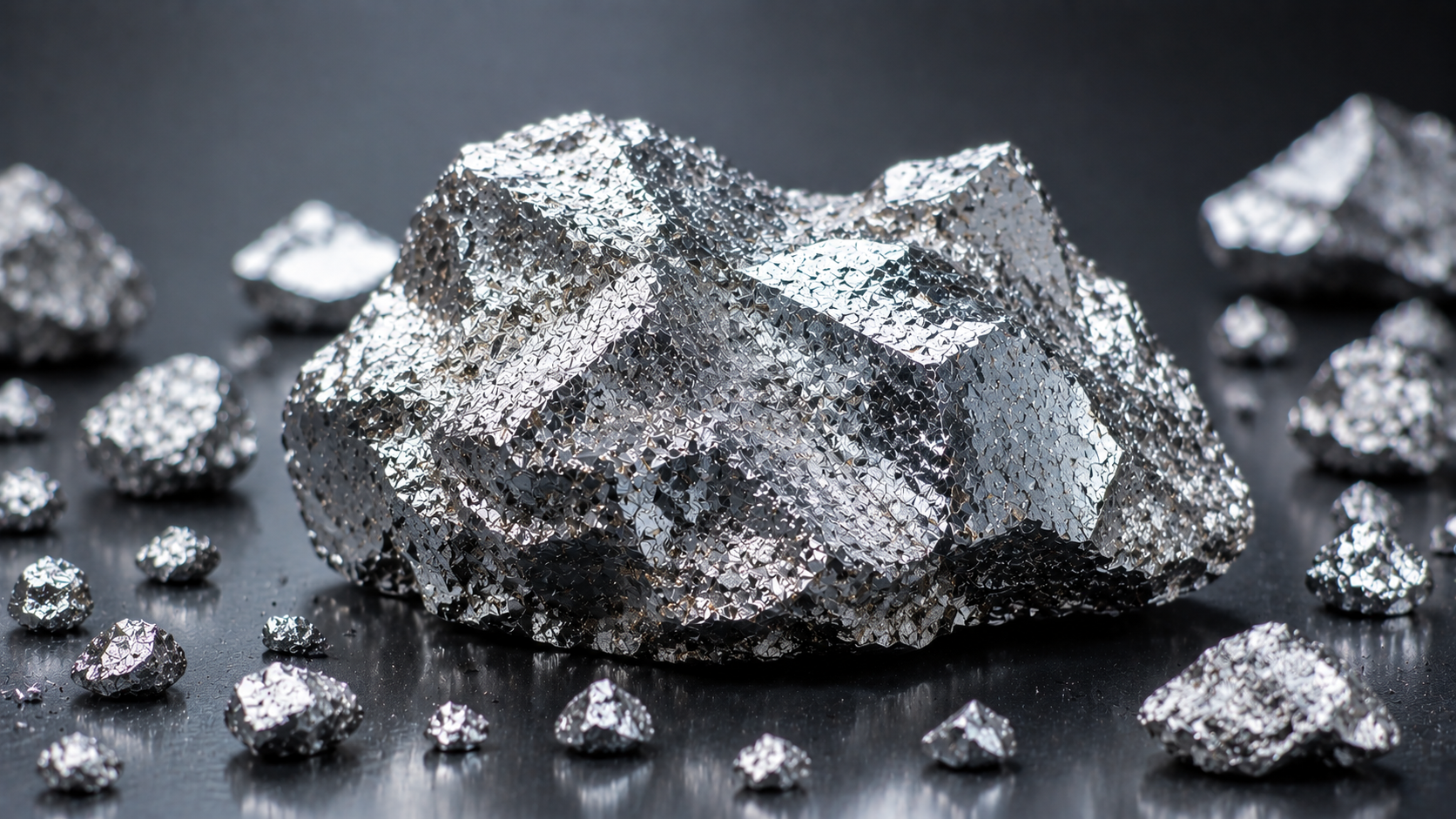
Rhenium is a rare and expensive metal with an exceptionally high melting point, making it invaluable in high-temperature applications, particularly within the aerospace industry. It is primarily used as an alloy component in superalloys for jet engines, providing enhanced strength and durability under extreme conditions. The extraction of rhenium is complex, often as a by-product of molybdenum mining, contributing significantly to its rarity and high price.
9. Silver – The Most Versatile Precious Metal
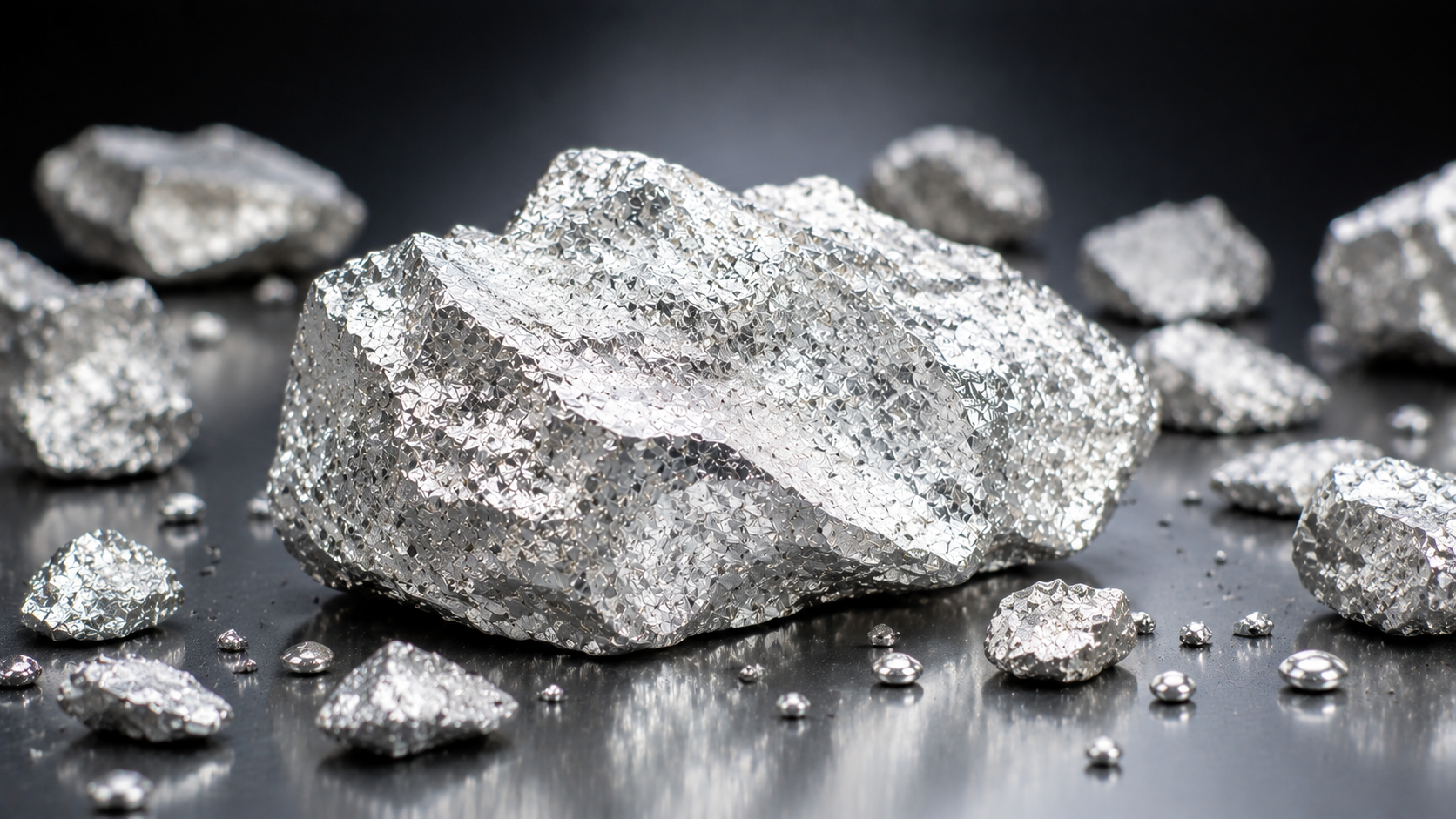
Silver, while more abundant and less expensive than gold, remains a highly versatile and valuable precious metal with a vast array of applications. Its excellent electrical conductivity, thermal conductivity, and reflectivity make it indispensable in electronics, solar panels, and photography. Silver also holds significant investment and jewelry value, making it one of the most commonly used precious metals and an important component of the global economy.
10. Scandium – The Rare Metal Revolutionizing Lightweight Alloys
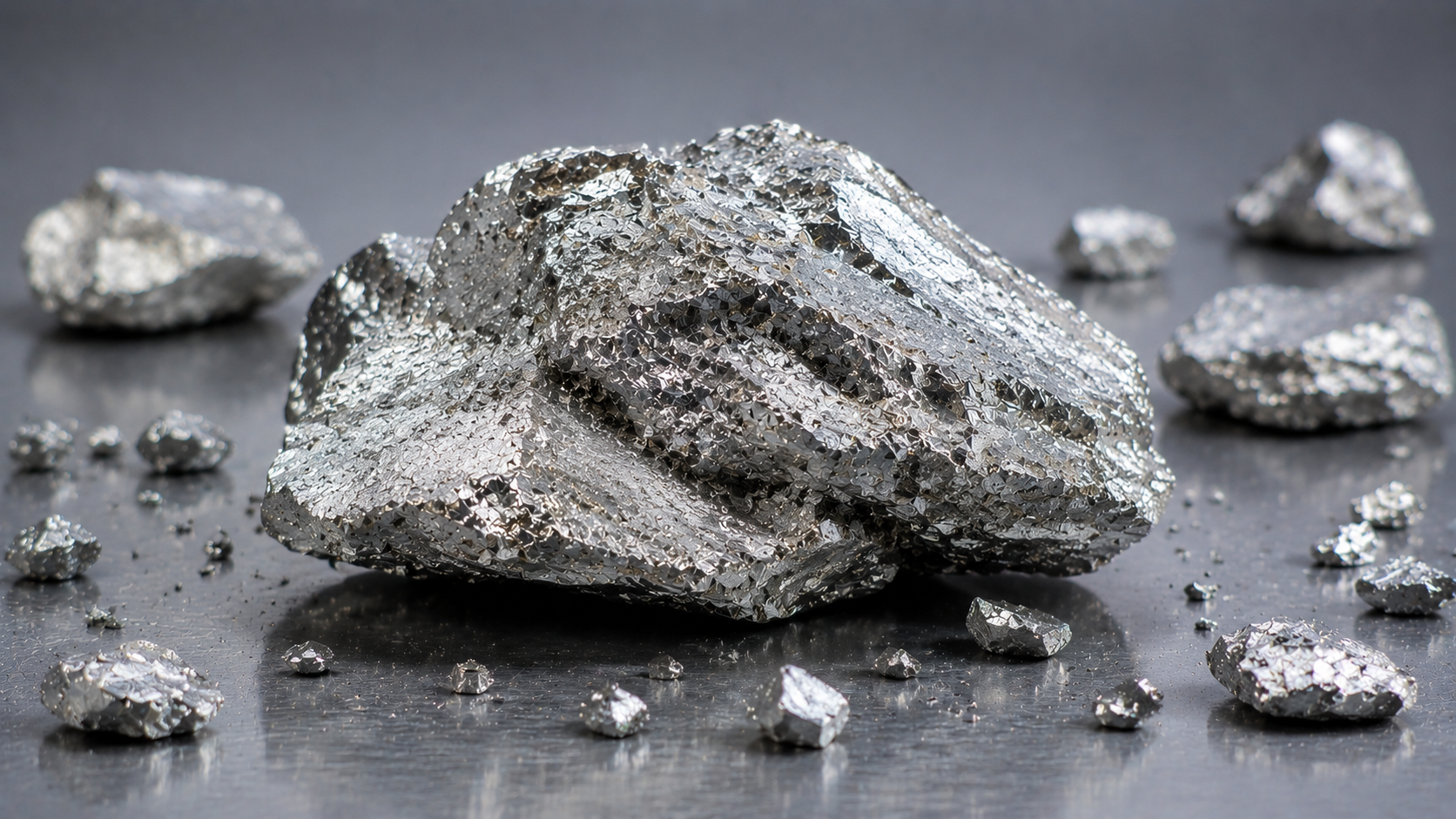
Scandium is one of the rarest metals on Earth, primarily valued for its ability to create incredibly strong and lightweight alloys, particularly with aluminum. These scandium-aluminum alloys are revolutionizing industries like aerospace, sporting goods, and electric vehicles, offering superior performance where weight reduction is crucial. Its extreme rarity and specialized refining processes contribute to its high price, solidifying its place among the top 10 most expensive metals, due to its rarity and potential.
Comparing the World’s Most Expensive Metals
Price Per Ounce vs. Long-Term Market Value
When evaluating the world’s most expensive precious metals, it’s crucial to differentiate between their current price per ounce and their long-term market value. While rhodium or iridium might command the highest spot price today, gold and silver often retain a more stable and historically significant long-term market value due to their extensive use as a store of wealth and liquidity. The high price of platinum group metals, for instance, can be more susceptible to industrial demand fluctuations, impacting their overall market stability and investment appeal.
Precious Metals vs. Industrial Metals
The distinction between precious metals and industrial metals is important when assessing overall value and market drivers. Precious metals, traditionally including gold and silver, derive much of their value from investment, jewelry, and aesthetic appeal.
In contrast, many of the most expensive metals, such as rhodium, palladium, and rhenium, are primarily industrial metals whose high price is driven by their critical, often irreplaceable, roles in manufacturing, technology, and catalytic converters. Their value is intrinsically tied to technological advancements and industrial demand, contrasting with the more stable demand for gold and silver.
Which Metals Are the Rarest on Earth?
When considering which metals are the rarest on Earth, the platinum group metals (PGMs) often lead the list, with rhodium, iridium, and osmium being prime examples due to their rarity and the limited quantities found in the Earth’s crust. Scandium and rhenium are also among the rarest metals, occurring as trace elements or by-products in other mining operations, making their extraction exceptionally challenging and expensive. This inherent rarity is a significant factor contributing to their high price per ounce, making them some of the most expensive precious metals in the world.
Where Are These Valuable Metals Found?
Leading Mining Countries and Major Deposits
The distribution of the world’s most valuable metals is geographically concentrated, with a few leading mining countries dominating production. For instance, the vast majority of platinum group metals, including platinum, palladium, rhodium, iridium, ruthenium, and osmium, are primarily sourced from South Africa, Russia, and Zimbabwe. These regions host major deposits where these expensive precious metals are found in the Earth’s crust, often as by-products of nickel and copper mining.
How These Metals Are Extracted and Refined
The extraction and refining processes for these rare and expensive precious metals are incredibly complex and energy-intensive. For platinum group metals, mining typically involves deep underground operations to retrieve the ore. The ore then undergoes various stages of crushing, flotation, and smelting to concentrate the platinum group metals. Further sophisticated chemical and electrolytic methods are then employed to separate and purify each individual platinum metal, ensuring the high purity required for their specialized applications.
How the Top 10 Most Expensive Precious Metals Are Used
Jewelry and Luxury Goods
Many of the top 10 most expensive precious metals find their way into the luxury market, primarily in jewelry and high-end goods. Gold remains the most commonly used precious metal for jewelry, revered for its timeless beauty and malleability. However, platinum and palladium are increasingly popular choices for fine jewelry due to their exceptional durability and lustrous white appearance, often being chosen over white gold. Rhodium is also frequently used as a plating for white gold and silver jewelry, imparting a brilliant, highly reflective finish and enhanced resistance to corrosion.
Aerospace and Aviation Engineering
The aerospace and aviation industries rely heavily on several of the world’s most valuable metals due to their exceptional properties under extreme conditions. Rhenium, for example, is a critical component in superalloys used for jet engine turbine blades, providing unparalleled strength and heat resistance. Iridium and ruthenium are also utilized in specialized aerospace components where durability and resistance to corrosion are paramount, contributing to the safety and efficiency of aircraft. These metals enable advancements in high-performance engineering.
Electric Vehicles and Catalytic Converters
The automotive industry, particularly with the rise of electric vehicles and stricter emission standards, is a major consumer of several expensive precious metals. Rhodium, palladium, and platinum are indispensable catalysts in catalytic converters, which reduce harmful pollutants from internal combustion engine exhausts. While electric vehicles reduce the need for catalytic converters, some of these platinum group metals still find applications in advanced battery technologies and electrical contacts within EVs, driving demand for these crucial metals.
Electronics, Semiconductors, and Data Storage
The electronics sector is a significant consumer of various expensive precious metals due to their superior electrical conductivity and resistance to corrosion. Ruthenium and iridium are commonly used in electrical contacts, chip resistors, and advanced data storage devices, where their durability and precise conductive properties are essential. Silver, while less expensive than its counterparts, is also indispensable in numerous electronic components due to its excellent electrical and thermal conductivity, making it one of the most versatile precious metals.
Medical Equipment and Scientific Research
The unique properties of the most expensive precious metals make them invaluable in medical equipment and scientific research. Platinum and palladium alloys are used in pacemakers, dental fillings, and various surgical instruments due to their biocompatibility and resistance to corrosion. Iridium and osmium are found in specialized laboratory equipment requiring extreme hardness and high melting points, such as crucibles. Rhodium, with its highly reflective properties, also plays a role in certain optical instruments.
Why Rhodium Is More Expensive Than Gold
Supply Constraints and Limited Production
Rhodium’s price per ounce consistently surpasses that of gold due to severe supply constraints and exceptionally limited production. Unlike gold, which is primarily mined as a standalone precious metal, rhodium is almost exclusively obtained as a by-product of platinum and nickel mining operations. This means its availability is directly tied to the production levels of other metals, making it incredibly susceptible to supply disruptions. The rarity of the ore itself further exacerbates this scarcity, positioning rhodium as one of the rarest metals in the world.
Industrial Demand That Drives Record Prices
The overwhelming industrial demand for rhodium, primarily from the automotive sector, is the driving force behind its record-high prices. Rhodium is an essential catalyst in catalytic converters, where it efficiently converts harmful nitrogen oxides into less noxious gases. As global emission standards become increasingly stringent, the demand for rhodium in catalytic converters has soared. Its unique catalytic properties are difficult to replicate, making it an indispensable component and solidifying its status as the most expensive precious metal, due to its rarity and critical function.
Final Thoughts: Why These Rare Metals Continue to Shape the Future of Technology and Global Markets
The world’s most valuable and expensive precious metals, from the automotive industry’s rhodium and palladium to the aerospace sector’s rhenium and iridium, are far more than just commodities; they are foundational elements shaping the future of technology and global markets. Their extreme rarity, coupled with unique properties like exceptional durability, resistance to corrosion, and catalytic capabilities, makes them indispensable in an ever-expanding array of high-tech applications. As innovation continues, the demand for these top 10 most expensive metals will only intensify, solidifying their role in driving progress across industries.