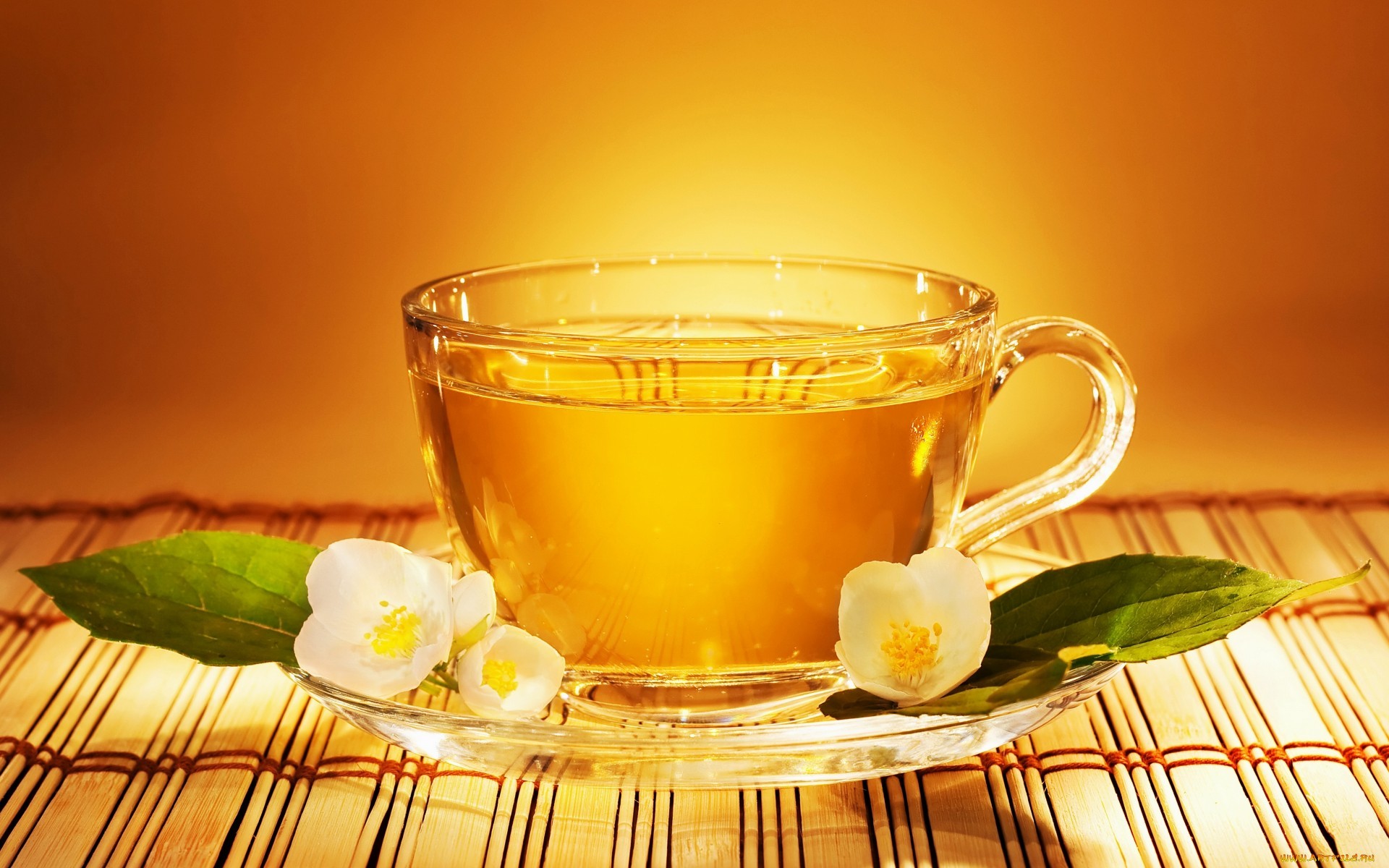
Tea used to grow mainly in Asia, and specifically in China. The widespread type of it is the Camellia sinensis, which was known of its medicinal effects. Chinese people include myths in their history about Shennong who invented tea, then people started drinking it in the 10th century. Different types of black and green spread the world from China since then. Some of them are highly expensive due to different reasons, the following list tells.
Introduction to Expensive Tea
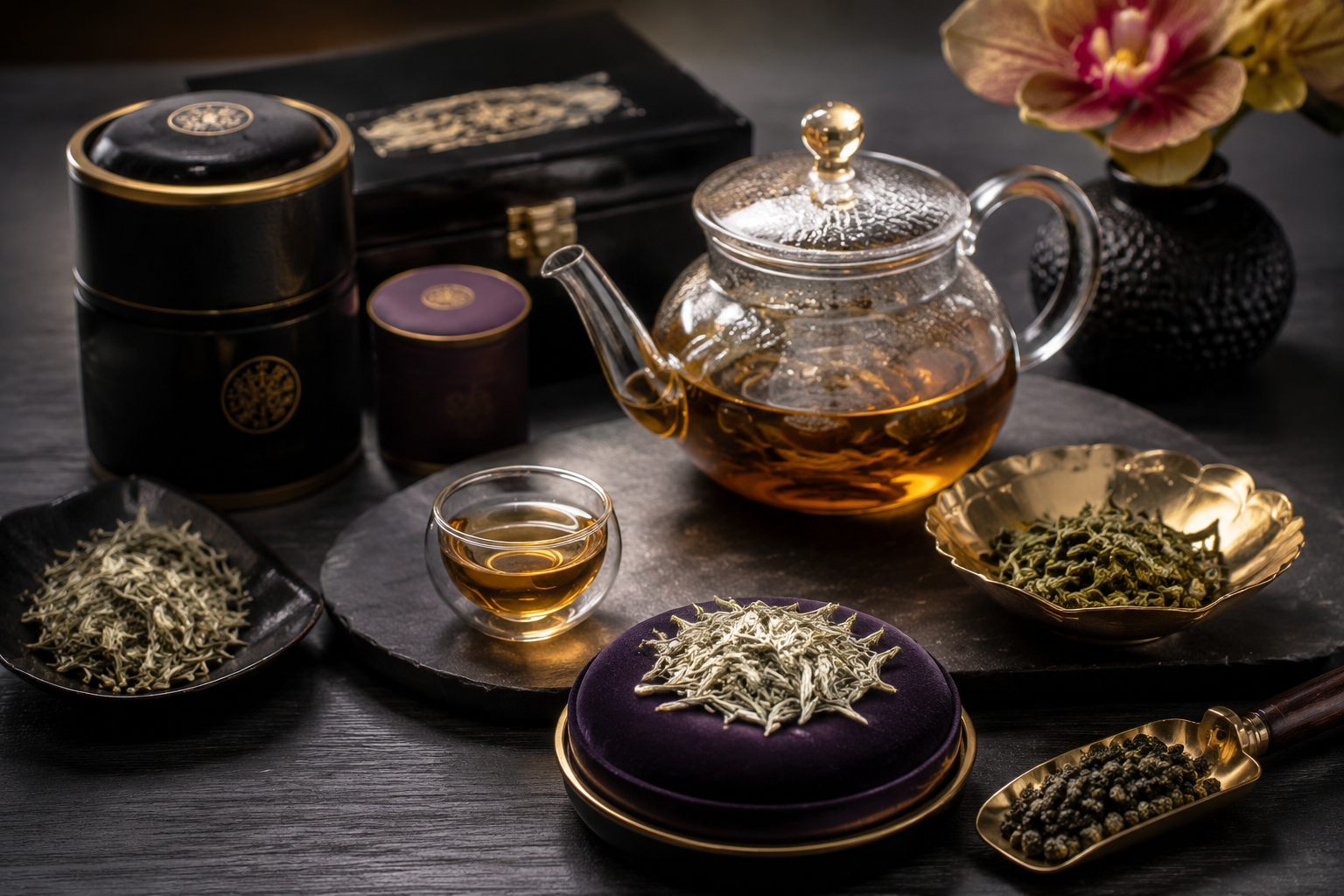
The allure of expensive tea stems from a complex interplay of factors, transforming simple tea leaves into a highly coveted commodity. Understanding why certain teas are considered priceless requires an exploration into their origins, the meticulous cultivation methods, and the rich cultural heritage associated with each brew.
Why Some Teas Are Considered Priceless
Some teas are deemed priceless due to their extreme rarity, often stemming from limited harvests, specific terroir, or the age of the tea plants themselves. Factors like unique flavor profiles, labor-intensive hand-processing techniques, and historical significance also contribute to their extraordinary value, making them highly sought after by tea connoisseurs and collectors alike.
Understanding Gong Fu Cha and Its Significance
Gong Fu Cha, a traditional Chinese tea ceremony, is more than just a method of brewing; it is an art form that elevates the tea-drinking experience, especially for expensive tea varieties. This meticulous preparation highlights the nuanced flavors and aromas of rare teas, such as high-grade oolong or pu-erh tea, allowing enthusiasts to fully appreciate their intrinsic value and complex character.
The Top 10 Most Expensive Teas in the World
1. Da Hong Pao – China’s Legendary Million-Dollar Oolong Tea
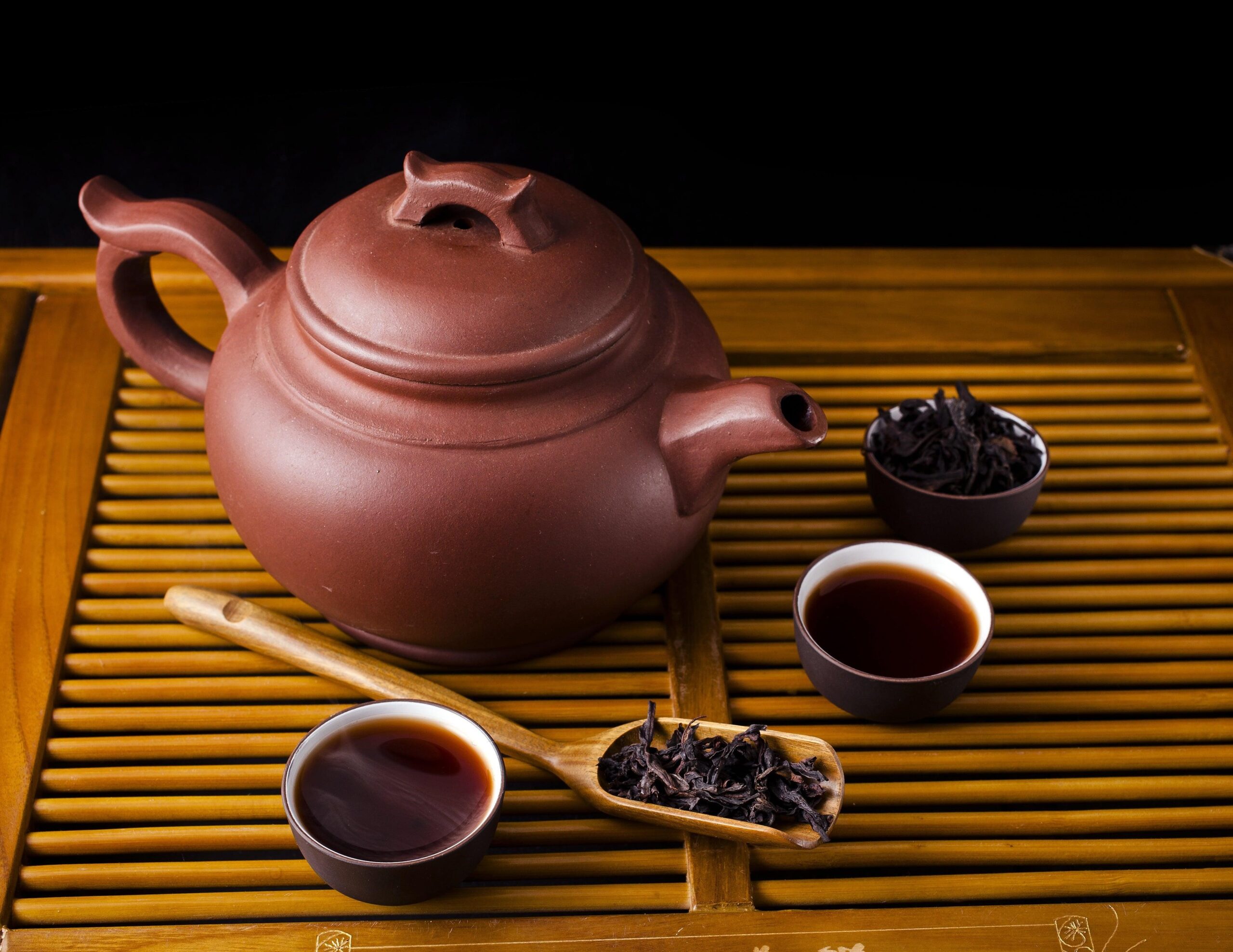
Da Hong Pao stands as one of the most expensive teas in the world, renowned for its legendary status and incredible rarity. Originating from the Wuyi Mountains in China, this oolong tea derives its exceptional value from ancient mother trees, which yield only a minuscule harvest each year. The meticulous hand-processing of the tea leaves further elevates its prestige, culminating in a complex flavor profile that tea connoisseurs highly covet.
2. Panda Dung Tea – The World’s Most Unusual Luxury Tea
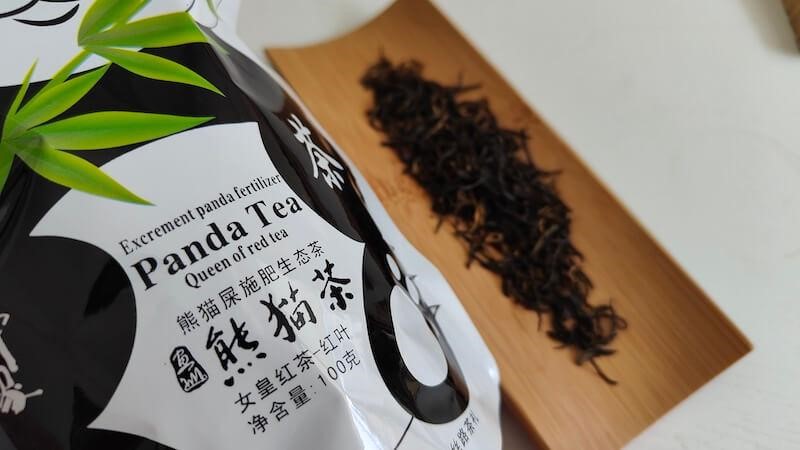
Panda Dung Tea is perhaps the most unusual, expensive tea in the world, gaining notoriety not just for its price, but also its unique fertilization method. Tea plants are cultivated in an area where panda excrement is used as a natural fertilizer, imbuing the tea with a distinctive taste. While its novelty contributes to its high price per kilogram, the resulting green tea is said to possess a remarkably mellow flavor and a rich aroma.
3. PG Tips Diamond Tea Bag – The Most Expensive Tea Bag Ever Created
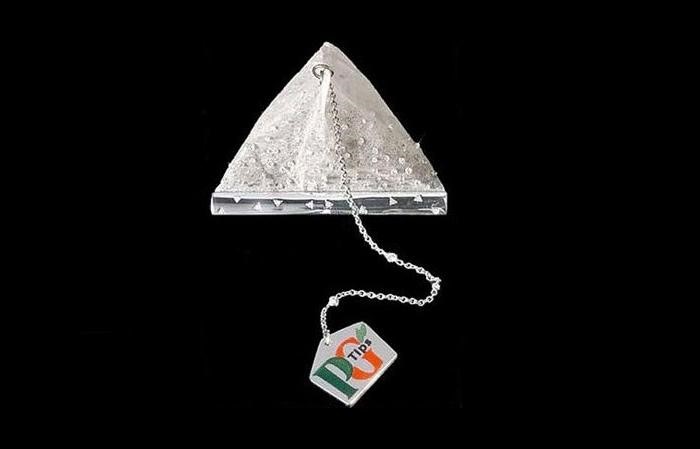
The PG Tips Diamond Tea Bag secured its place among the 10 most expensive teas, though it’s more an object of luxury than a traditional brew. Created to celebrate PG Tips’ 75th anniversary, this single tea bag was adorned with 280 diamonds and filled with Silver Tips Imperial white tea. Its exorbitant price was largely due to the precious stones, making it a unique spectacle in the tea market.
4. Tieguanyin – China’s Premium Iron Goddess Oolong Tea
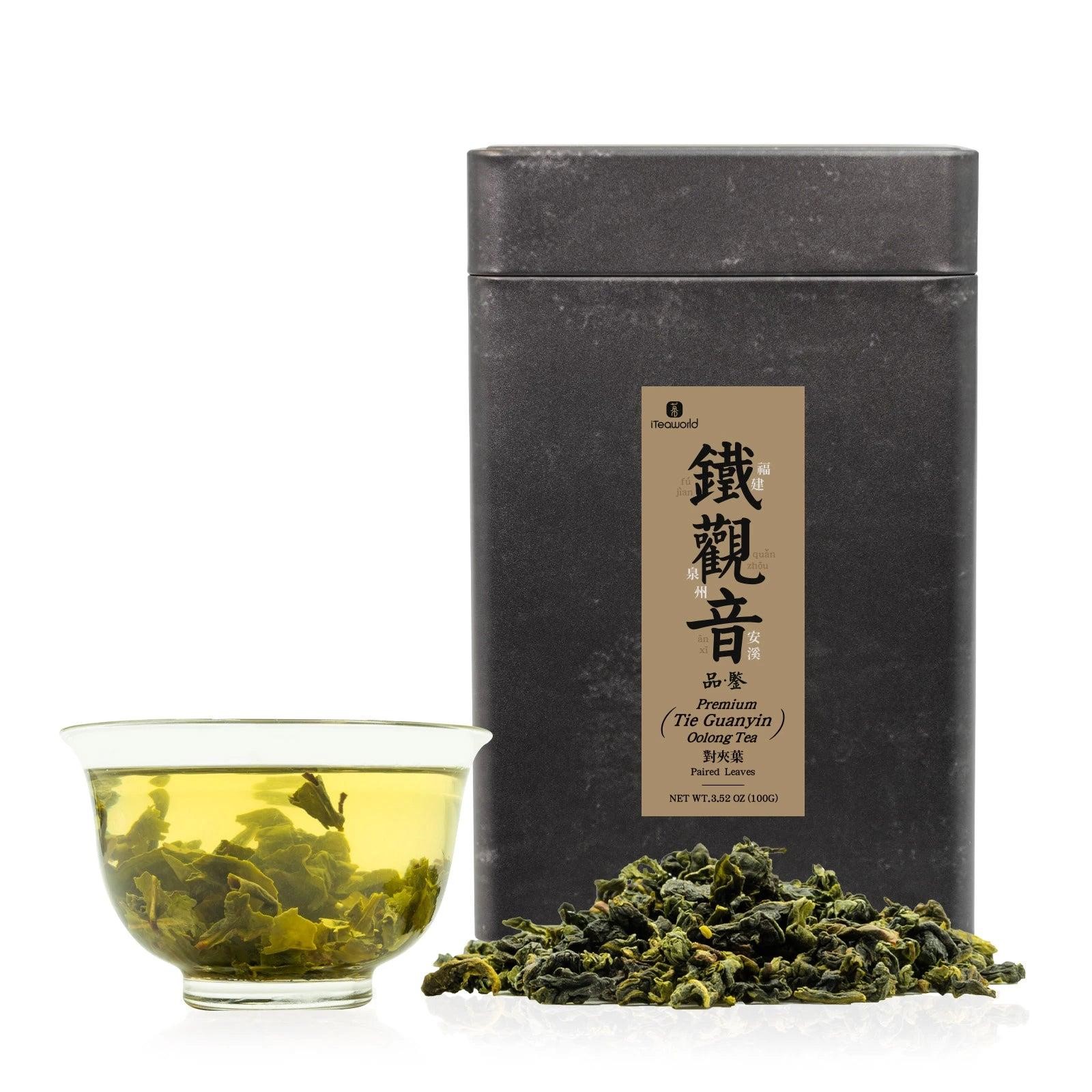
Tieguanyin, a premium oolong tea from China, translates to ‘Iron Goddess of Mercy’ and is consistently listed as one of the most expensive teas globally. The tea leaves undergo a complex processing method, involving sun-drying, tossing, roasting, and rolling, to achieve its characteristic floral aroma and rich, roasted flavor. The finest grades are incredibly rare, with limited harvests driving up the price for this exquisite tea.
5. Gyokuro – Japan’s Finest Shade-Grown Green Tea
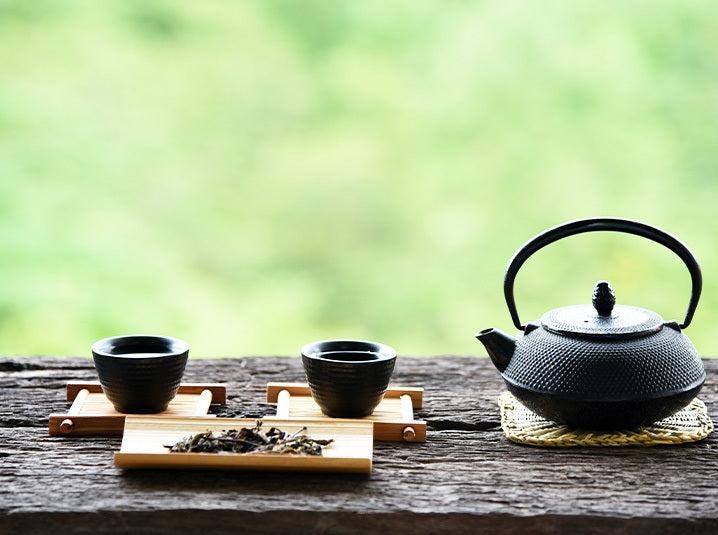
Gyokuro is Japan’s most celebrated and expensive green tea, translating to ‘pearl dew’ or ‘jade dew’ in Japanese, a fitting description for its vibrant appearance and exquisite taste. This exceptional tea is grown under shade for several weeks before harvest, a technique that boosts chlorophyll and amino acid levels, resulting in a distinct umami flavor and a sweet, oceanic aroma, highly prized by tea connoisseurs.
6. Vintage Pu-erh Tea – The Aged Tea That Increases in Value Over Time
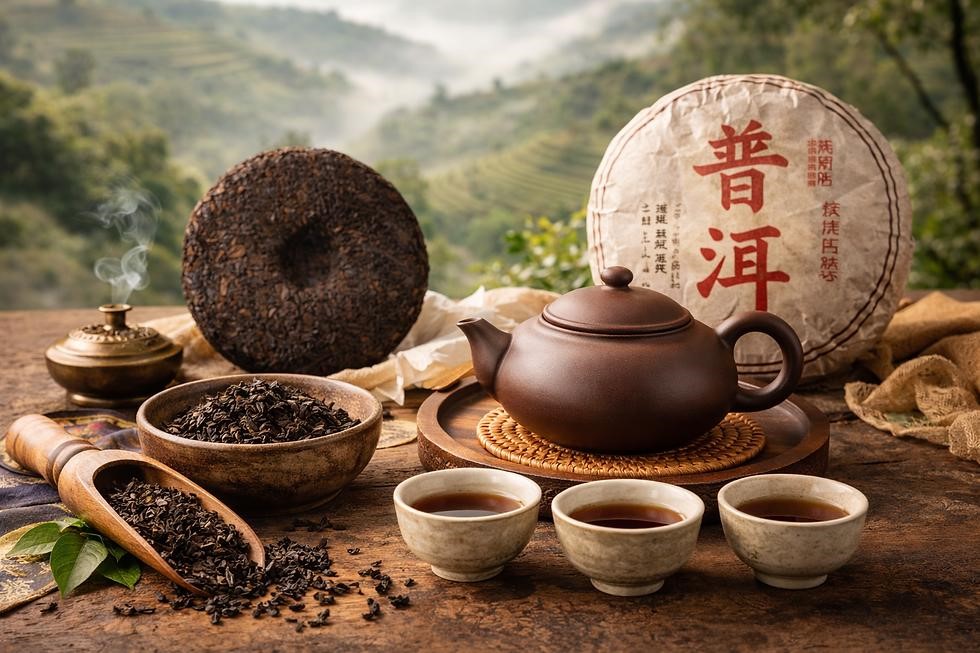
Vintage Pu-erh tea, predominantly from China’s Yunnan province, is a fermented black tea whose value dramatically increases with age, akin to fine wine. This expensive tea is usually sold in compressed cakes or bricks, and its unique aging process develops a deep, earthy flavor and complex aroma. The rarity of ancient Pu-erh, with some cakes dating back decades or even centuries, makes it one of the world’s most expensive and sought-after teas.
7. Silver Tips Imperial – India’s Record-Breaking Darjeeling White Tea
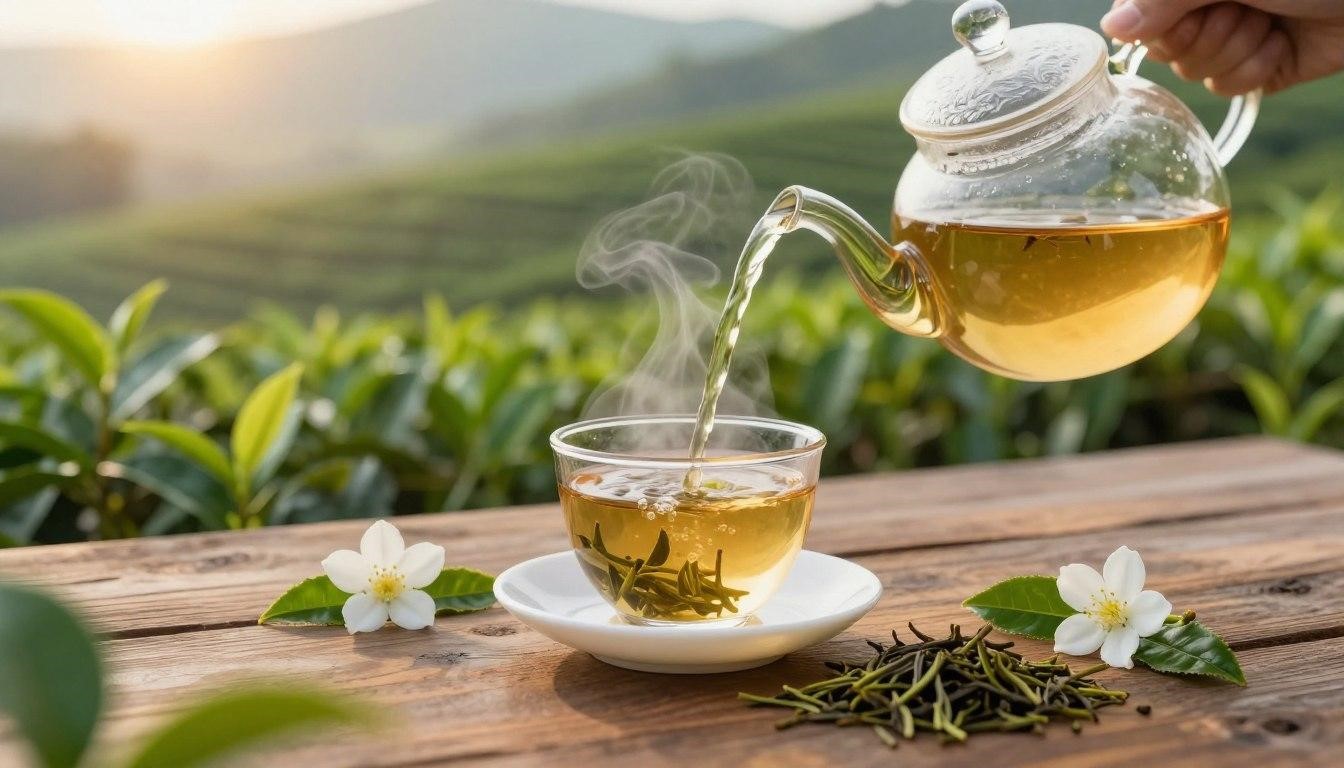
Silver Tips Imperial is a prestigious white tea from the Makaibari Estate in Darjeeling, India, renowned for breaking records in the expensive tea market. This delicate tea is made exclusively from the finest, unopened tea buds, often picked during specific lunar cycles for optimal flavor. Its ethereal, fruity flavor and light body make it a prized possession for tea connoisseurs willing to pay a premium for its unparalleled quality and rarity.
8. Yellow Gold Tea Buds – Singapore’s 24-Karat Gold Tea
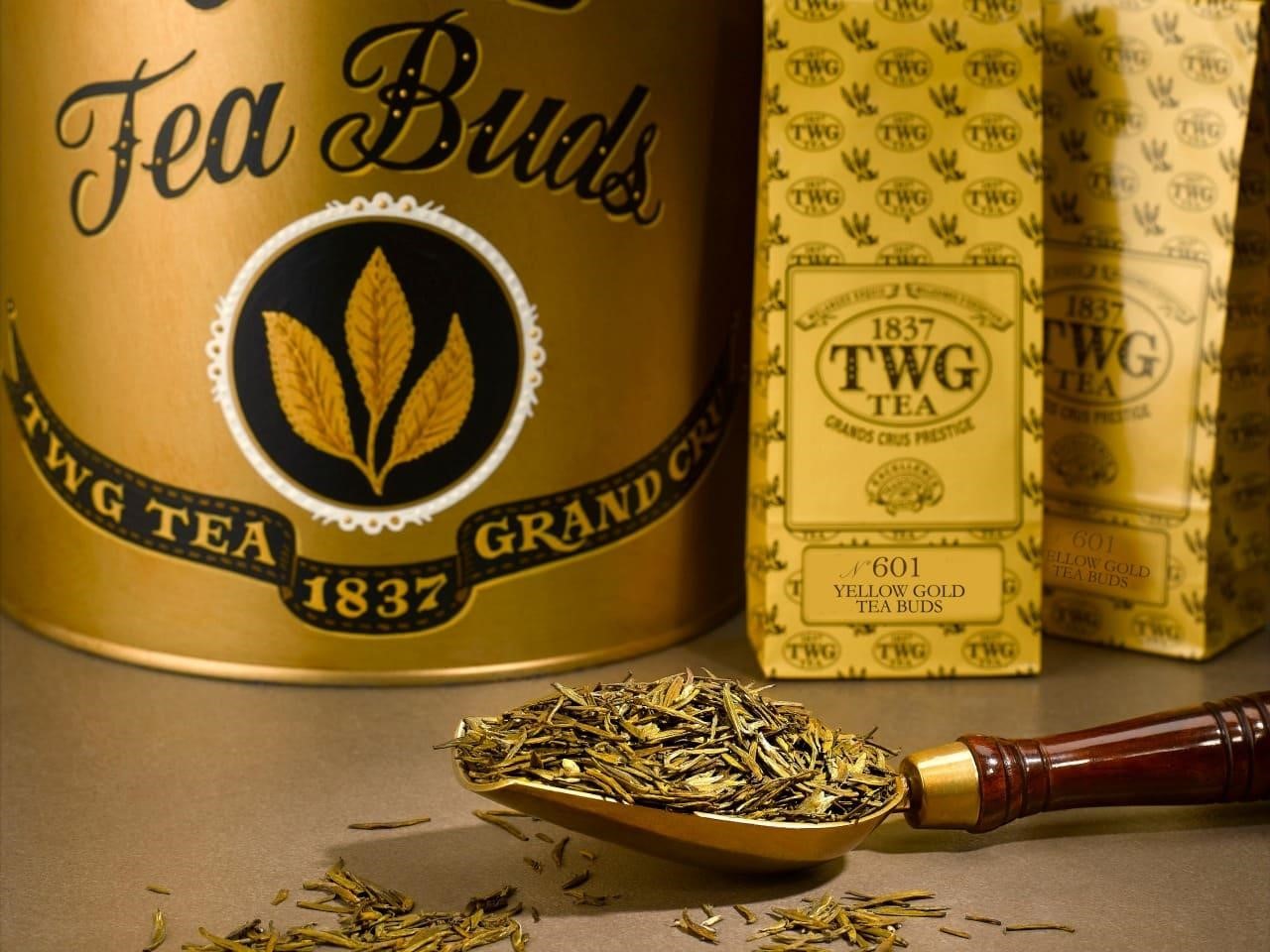
Yellow Gold Tea Buds from Singapore represent true luxury, featuring 24-karat edible gold flakes dusted onto each tea bud. Harvested only one day a year from a single mountain, these delicate tea leaves are then painted with gold, enhancing their visual appeal and rarity. This unique presentation, combined with its limited availability and delicate flavor profile, makes it one of the most expensive and exclusive teas in the world.
9. Narcissus Wuyi Oolong – A Rare Treasure from China’s Wuyi Mountains
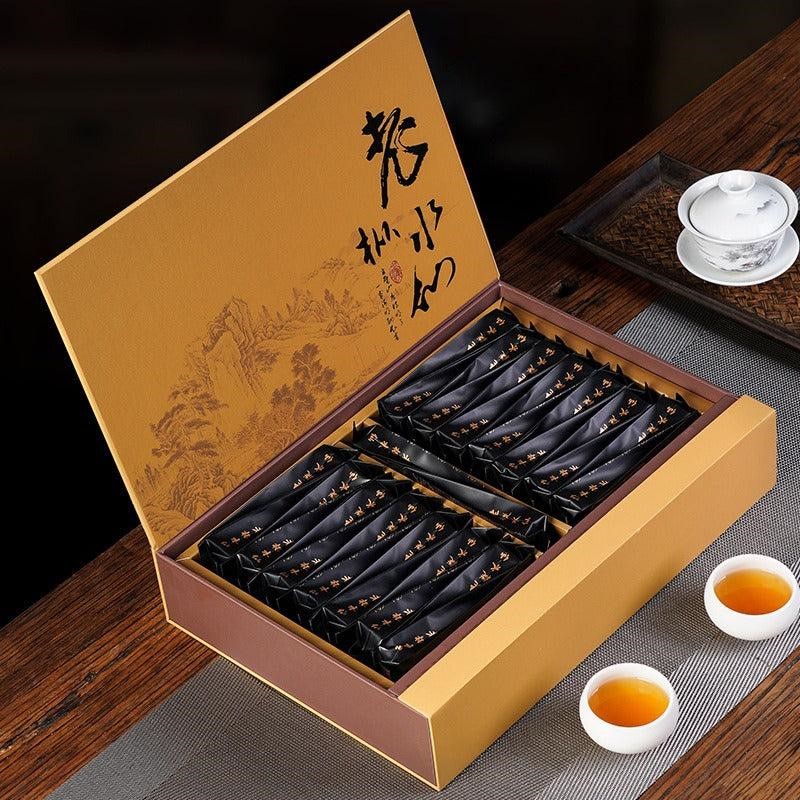
Narcissus Wuyi Oolong is another rare and expensive tea hailing from the Wuyi Mountains of China, much like its famous cousin, Da Hong Pao. This oolong tea is harvested from very old tea plants, some believed to be hundreds of years old, contributing to its profound depth of flavor and complex aroma. The limited annual harvest and the extraordinary character of its tea leaves firmly place it among the world’s most luxurious teas.
10. An-Si Tea – A Handcrafted Chinese Tea with Exceptional Rarity
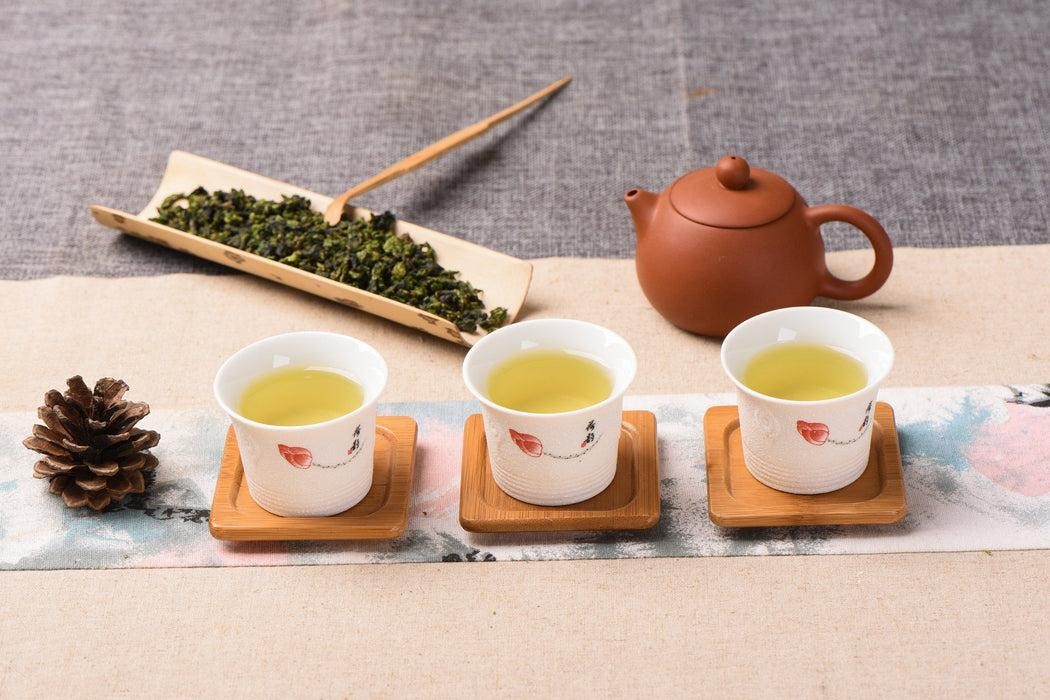
An-Si Tea refers to a category of highly prized, handcrafted Chinese teas, often including specific grades of Tieguanyin oolong tea, known for their exceptional rarity and meticulous processing. These teas are grown in the Anxi county of Fujian province, and their limited production, combined with the traditional artisanal methods used to prepare the tea leaves, makes them incredibly expensive and sought after by discerning tea connoisseurs.
Factors Contributing to the Value of Expensive Teas
The Role of Rare Tea Plants and Limited Harvests
The unparalleled value of many expensive tea varieties often originates from the rarity of their tea plants and severely limited harvests. Some of the world’s most expensive teas, like Da Hong Pao from the Wuyi Mountains, come from ancient mother trees, yielding only minuscule amounts of precious tea leaves. This inherent scarcity, coupled with specific environmental conditions where the tea is grown, greatly amplifies their market value among tea connoisseurs.
Traditional Handcrafting Techniques in Tea Production
Traditional handcrafting techniques play a crucial role in elevating the status and price of expensive tea. Unlike mass-produced varieties, many of the world’s most expensive teas, such as fine oolong or Gyokuro green tea, undergo labor-intensive processing. This meticulous attention to detail, from hand-picking specific tea leaves to intricate drying and oxidation methods, imparts unique flavor profiles and aromas, justifying their high per kilogram cost.
The Appeal of Auction Prices and Collectibility Among Tea Connoisseurs
The appeal of expensive tea is further driven by competitive auction prices and its collectibility among discerning tea connoisseurs. Rare teas, often with limited annual harvests, become highly sought-after commodities. Similar to fine wine, certain teas like aged Pu-erh tea increase in value over time, becoming investment pieces. The prestige and exclusivity associated with owning and experiencing such rare and priceless tea also contribute significantly to its high price in the tea market.
How to Appreciate and Identify Expensive Tea
Evaluating the Origin and Harvest Season
To truly appreciate expensive tea, evaluating several key factors is paramount. These include:
- The specific terroir where the tea is grown, such as the Wuyi Mountains for oolong tea or Darjeeling for white tea, as this profoundly impacts its characteristics.
- The harvest season, which dictates the quality and flavor profile, with first flush Darjeeling, for example, being prized for its delicate notes and making it one of the most expensive types.
Assessing Flavor, Aroma, and Leaf Quality
Assessing the flavor, aroma, and leaf quality is crucial when identifying high-quality expensive tea. The finest tea leaves will exhibit a complex flavor, a captivating aroma, and an impeccable appearance, free from imperfections. For example, when evaluating tea quality, you should look for:
- A complex flavor profile
- A captivating aroma
- An impeccable appearance, free from imperfections
For green tea like Gyokuro, a rich umami flavor and a vibrant jade-green hue are indicative of superior quality, reflecting the careful cultivation and processing of the tea.
Tips for Proper Storage of Rare and Expensive Teas
Proper storage is essential for preserving the integrity and value of rare and expensive teas. Tea leaves are susceptible to moisture, light, and strong odors, which can degrade their delicate flavor and aroma. To maintain their peak condition and ensure their exceptional quality endures for years to come, valuable teas should be stored in the following ways:
- In airtight, opaque containers.
- Away from direct sunlight and humidity.
Conclusion: The Fascination with Rare and Priceless Teas
The world of rare and priceless tea continues to captivate enthusiasts and collectors, transforming humble tea leaves into objects of luxury and fascination. From the legendary Da Hong Pao oolong tea to the shade-grown Gyokuro green tea, each expensive tea tells a unique story of origin, craftsmanship, and exclusivity. The meticulous cultivation, traditional handcrafting, and the sheer rarity of these teas solidify their status as some of the most expensive teas in the world.