


Building and construction is known since millions of years. Many features and styles appear in the building. Architects have shown their skills and talents in their designs. Times show magnificent works appeared in pyramids, houses, temples … etc. There are many famous architects, whose works are telling. Here is the list of the top 10 most successful architects.
The Architects Who Redefined the World’s Skyline


This article delves into the extraordinary minds that have shaped our built environment, showcasing the brilliant architects whose iconic buildings stand as testaments to human ingenuity and artistic vision. We will explore the contributions of the best architects who have left an indelible mark on the world, from the flowing forms of Zaha Hadid to the organic integration championed by Frank Lloyd Wright, truly revolutionizing our skylines.
What Makes an Architect Truly Brilliant?
A truly brilliant architect possesses not only technical mastery but also a profound visionary ability to innovate and challenge conventional norms. They often redefine modern architecture, transcending mere construction to create spaces that evoke emotion, inspire awe, and profoundly influence their surroundings. Their designs become famous buildings, recognized globally for their innovative spirit and timeless appeal.
How We Ranked the World’s Greatest Architects
Our ranking methodology considered several critical factors, including the impact of their design philosophies on modern architecture, the global recognition and influence of their famous buildings, and the number of prestigious awards received, such as the Pritzker Prize and the Royal Institute of British Architects’ Gold Medal. We sought to celebrate architects whose work consistently pushed boundaries and left a lasting legacy.
1. Frank Lloyd Wright – Fallingwater (Pennsylvania, USA)

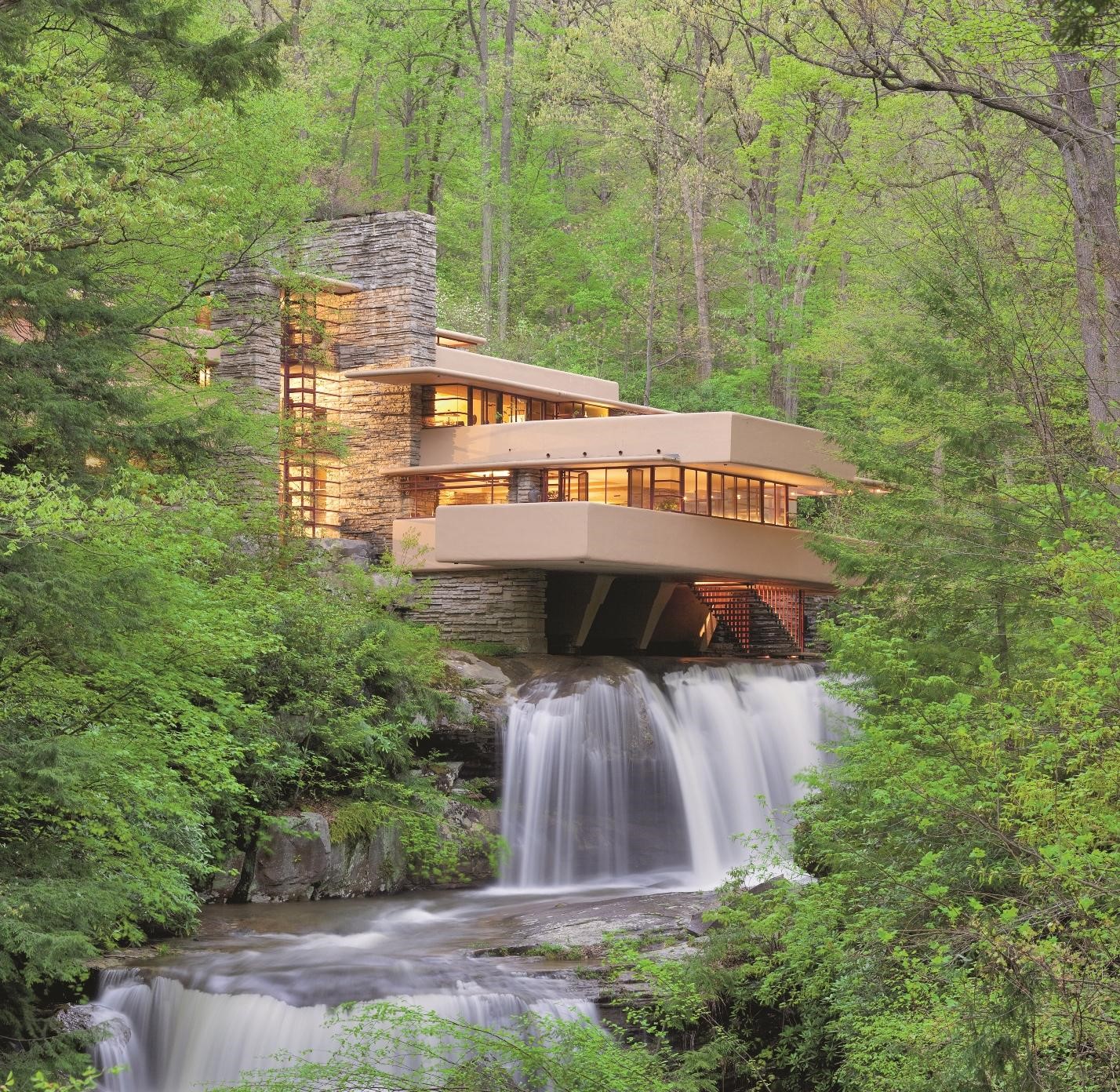
Why Fallingwater Is Widely Regarded as the Greatest House Ever Designed
Fallingwater, a masterpiece by Frank Lloyd Wright, is often celebrated as the greatest house ever designed due to its seamless integration with its natural environment. Wright’s organic architecture principles are on full display, with the concrete cantilevered terraces dramatically extending over a waterfall, creating a profound connection between the built structure and the natural landscape. This iconic dwelling perfectly embodies his innovative approach to design.
2. Zaha Hadid – Heydar Aliyev Center (Baku, Azerbaijan)

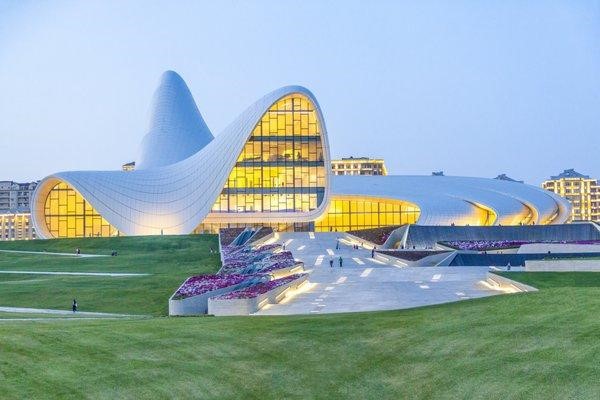
How Zaha Hadid Redefined Contemporary Architecture with Fluid Design
Zaha Hadid, a truly brilliant architect, redefined contemporary architecture with her distinctive fluid and undulating designs, exemplified by the Heydar Aliyev Center. This British architect, a Pritzker Prize laureate, masterfully eschewed rigid angles, creating a continuous, flowing exterior that blursthe lines between structure and landscape. Her revolutionary approach to form and space significantly influenced modern architecture and cemented her legacy.
3. Antoni Gaudí – Sagrada Família (Barcelona, Spain)

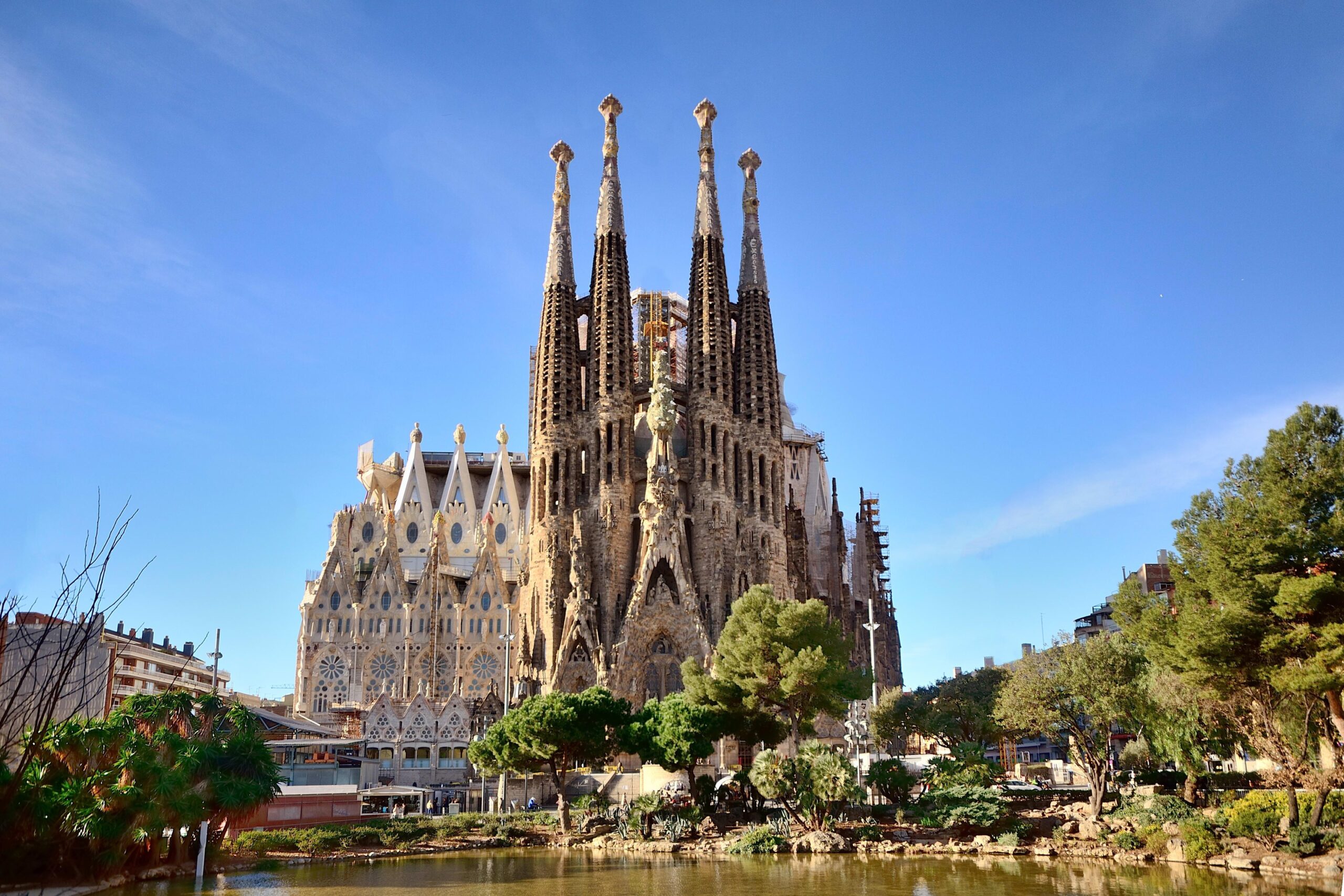
Why the Sagrada Família Is One of the Greatest Architectural Achievements Ever
The Sagrada Família, a breathtaking basilica in Barcelona, stands as an enduring testament to the brilliant vision of Antoni Gaudí, a truly famous Catalan architect. Its intricate facades, a harmonious blend of Gothic and Art Nouveau forms, tell biblical stories through their captivating sculptural details. Despite being still under construction for over a century, the Sagrada Família remains one of the world’s most famous buildings and a global icon of modern architecture.
4. Le Corbusier – Villa Savoye (Poissy, France)

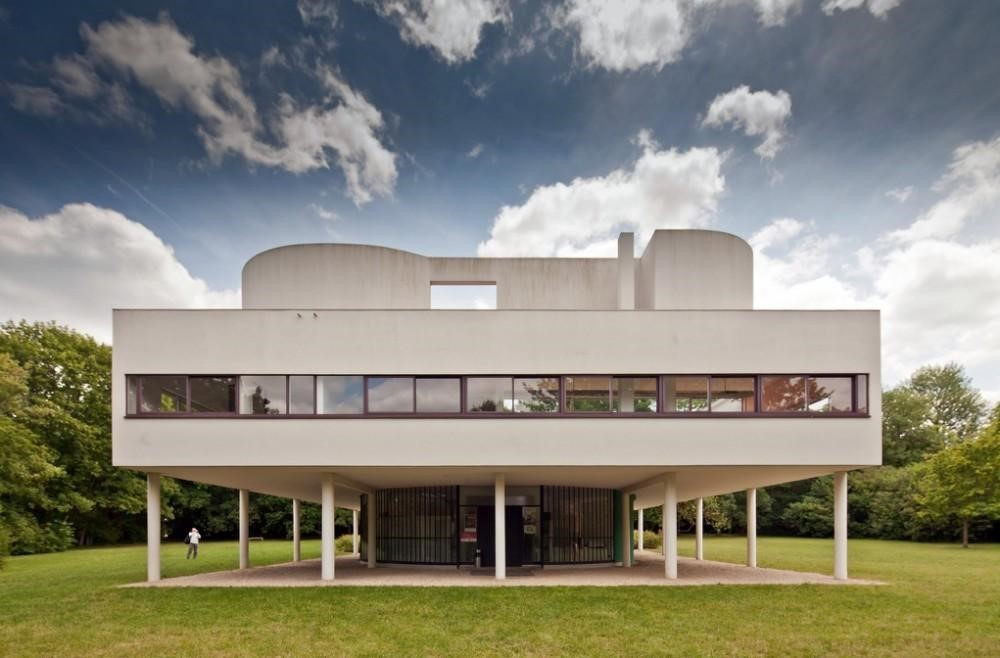
How Villa Savoye Became the Blueprint for Modern Architecture
Villa Savoye, designed by the visionary Le Corbusier, is widely regarded as a seminal work that provided the blueprint for modern architecture and the International Style. This famous architect famously articulated his “five points of architecture” through its design, including pilotis, a free facade, an open plan, horizontal windows, and a roof garden. These revolutionary principles dramatically influenced subsequent generations of architects and their famous buildings.
5. Ludwig Mies van der Rohe – Barcelona Pavilion (Barcelona, Spain)
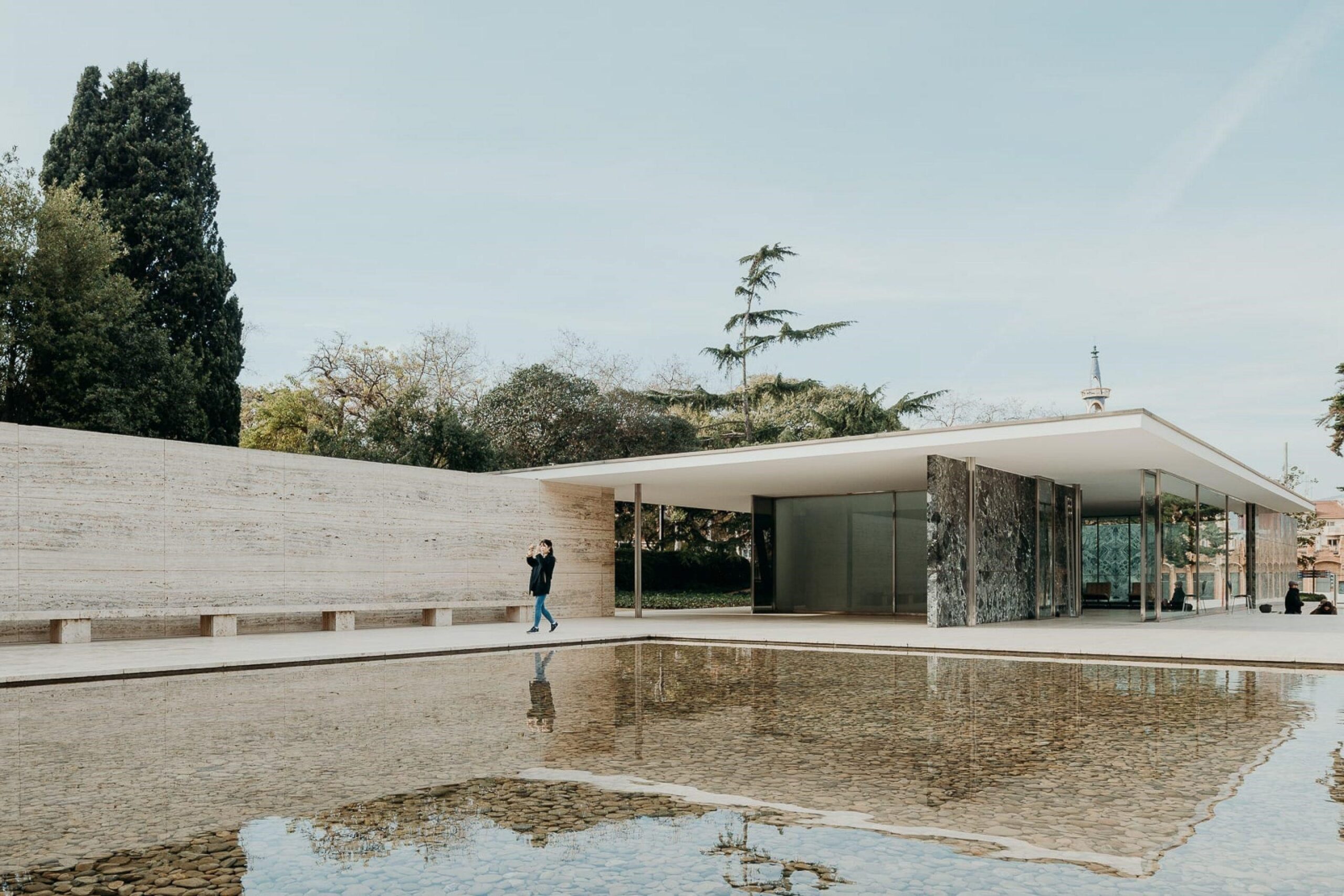
How “Less Is More” Transformed Modern Architecture
The Barcelona Pavilion, designed by Ludwig Mies van der Rohe for the 1929 International Exposition, epitomizes his “less is more” philosophy and stands as a pivotal work in modern architecture. This minimalist masterpiece, a Pritzker Prize laureate, showcases an unprecedented use of open space, luxurious materials like marble and onyx, and a seamless flow between interior and exterior. The pavilion’s profound simplicity and elegance continue to inspire architects worldwide.
6. Oscar Niemeyer – Cathedral of Brasília (Brasília, Brazil)

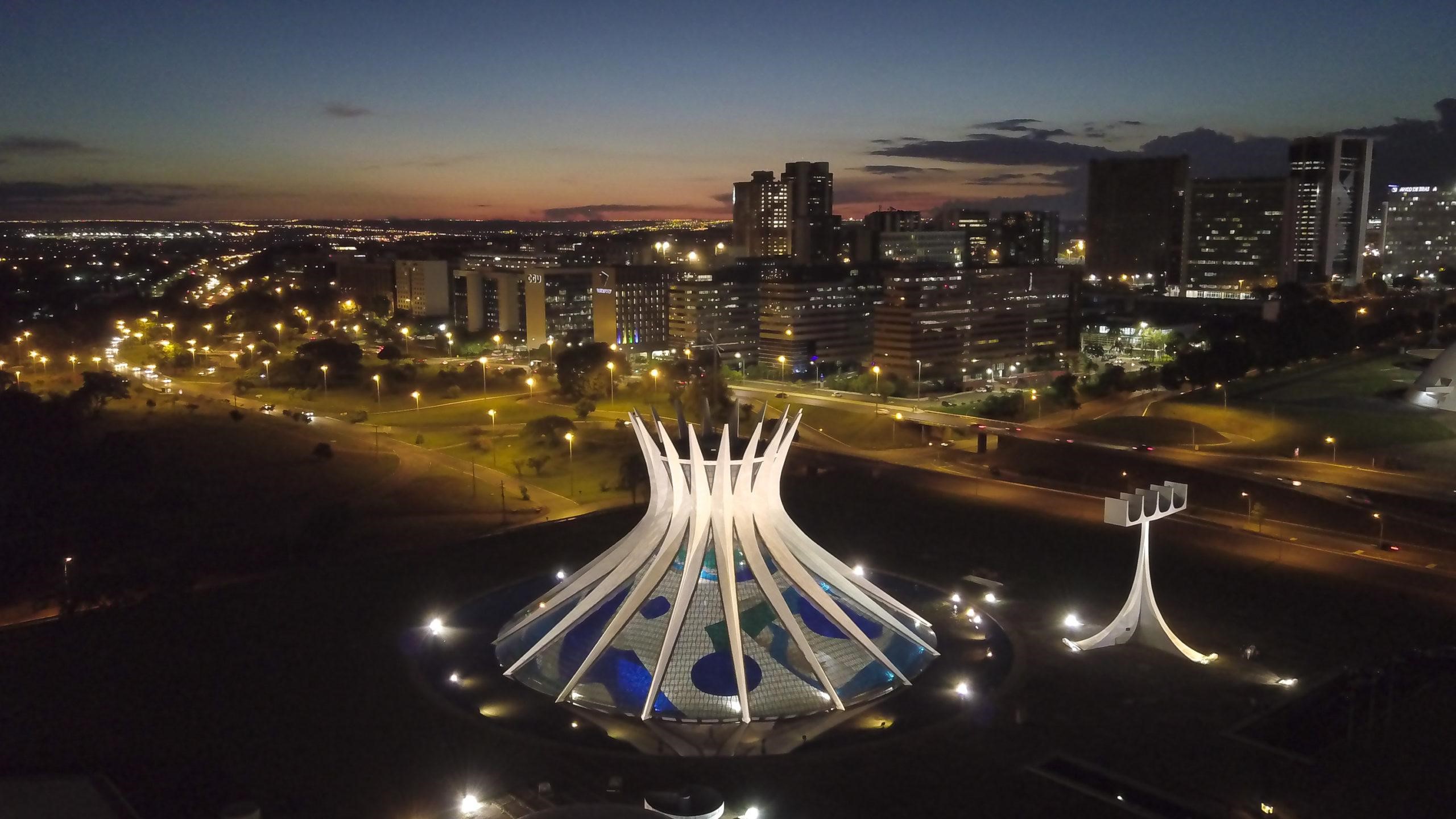
Why Niemeyer’s Curved Concrete Designs Changed Architecture Forever
Oscar Niemeyer, a truly brilliant architect, profoundly influenced modern architecture with his signature curved concrete designs, exemplified by the iconic Cathedral of Brasília. A Pritzker Prize laureate, Niemeyer embraced the aesthetic potential of reinforced concrete, creating sensuous, organic forms that departed from the rigid linearity of many modernist architects. His visionary approach to structure and space not only defined the capital city but also left an indelible mark on architects in the world, proving that concrete could be both monumental and poetic, elevating it into famous buildings.
7. Norman Foster – The Gherkin (London, England)

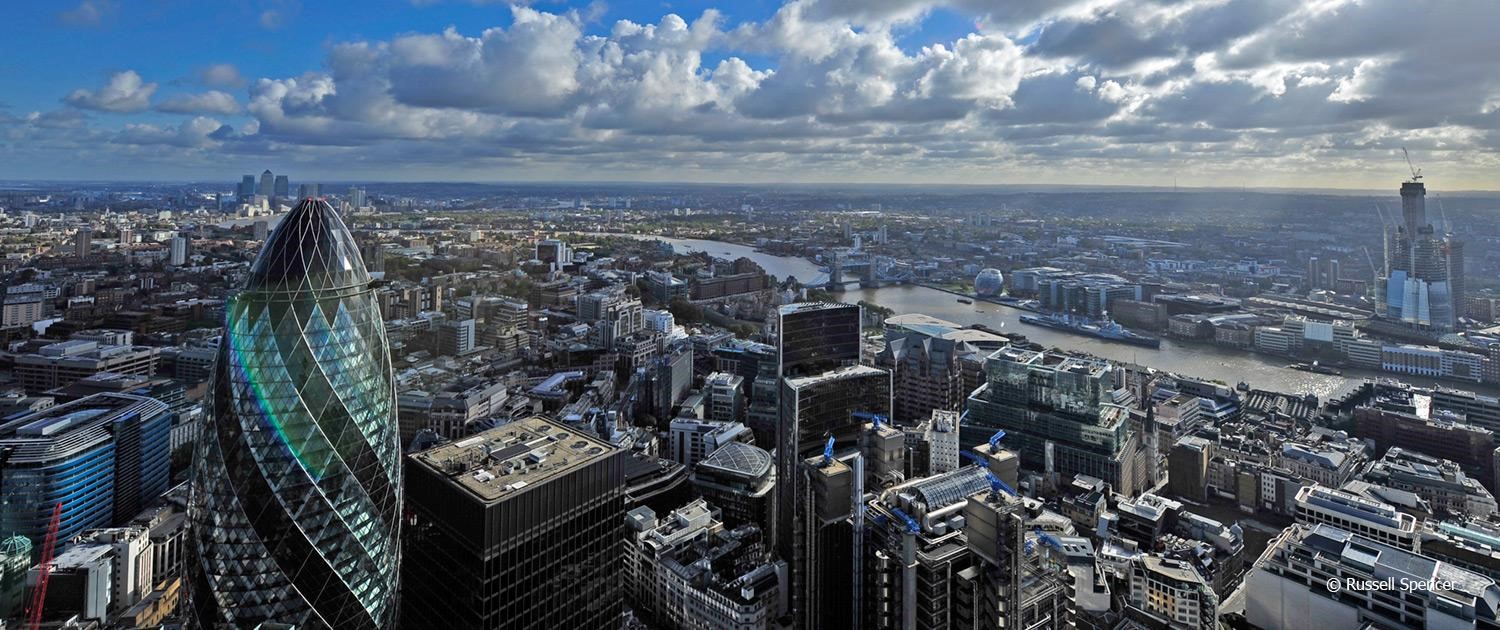
How The Gherkin Set a New Standard for Sustainable Skyscrapers
Norman Foster, a renowned British architect and Pritzker Prize winner, set a new standard for sustainable skyscrapers with The Gherkin in London, making it one of the city’s most famous buildings. This iconic structure, celebrated for its energy-efficient design and distinctive form, integrates natural ventilation and daylighting strategies, showcasing a visionary approach to high-rise construction. Foster’s work demonstrates how brilliant architects can combine cutting-edge technology with environmental responsibility, influencing countless modern architecture projects and earning him the Royal Institute of British Architects’ Gold Medal.
8. I. M. Pei – Louvre Pyramid (Paris, France)

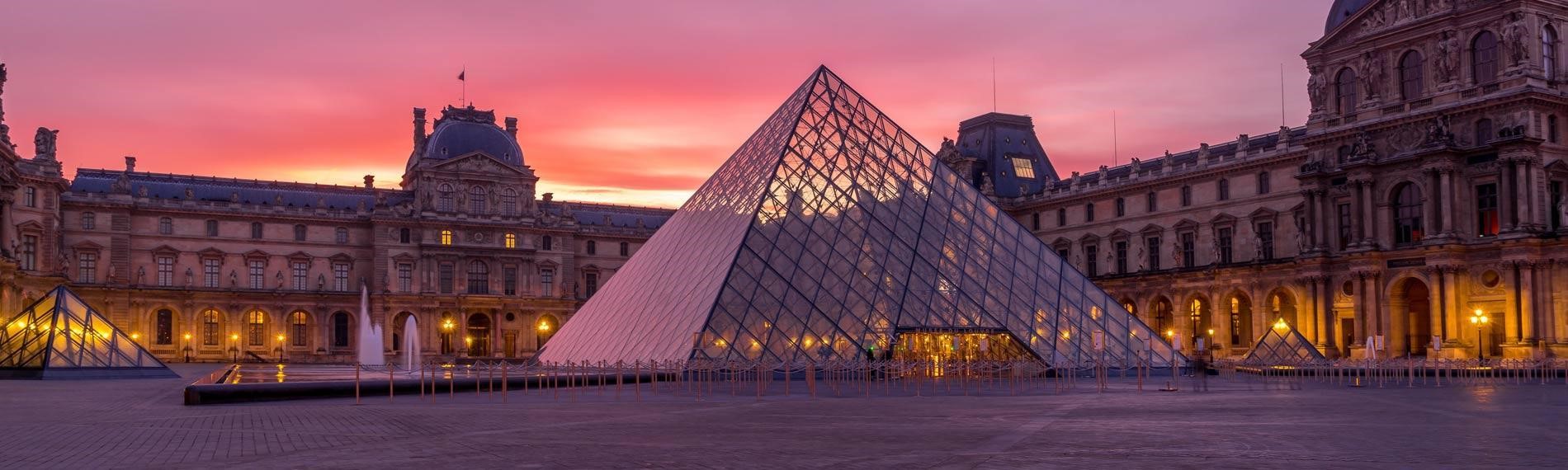
Why the Louvre Pyramid Became an Icon of Modern Architecture
I. M. Pei, a celebrated architect and Pritzker Prize recipient, solidified his place among brilliant architects in the world with the controversial yet ultimately iconic Louvre Pyramid in Paris. This minimalist glass and steel structure, a masterpiece of modern architecture, transformed the entrance to one of the world’s most famous museums, seamlessly blending contemporary design with historical context. Pei’s visionary integration of ancient and new elements defied initial criticism, becoming a globally recognized symbol of French culture and a pivotal example of how a famous architect can revitalize an existing landmark.
9. Bjarke Ingels – CopenHill (Copenhagen, Denmark)

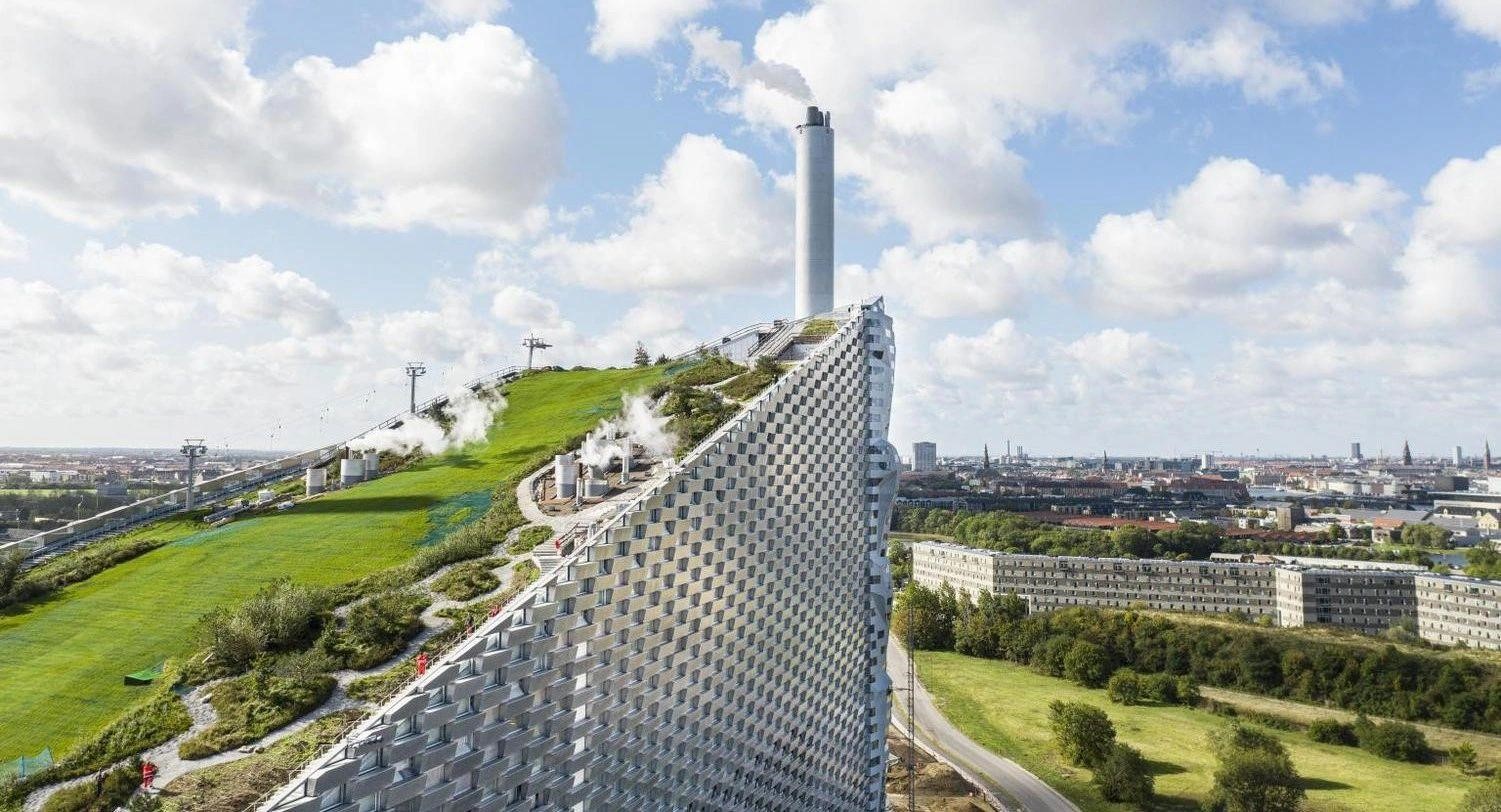
How CopenHill Revolutionized Sustainable Urban Design
Bjarke Ingels, a visionary architect, has revolutionized sustainable urban design with projects like CopenHill in Copenhagen. This brilliant architect, known for his innovative and playful approach, created a waste-to-energy plant that doubles as an artificial ski slope and hiking park, making it one of the city’s most famous buildings. Ingels’ firm, BIG, masterfully integrated infrastructure with recreation, showcasing how modern architecture can be both functional and environmentally responsible, setting a new standard for sustainable urban development and inspiring architects in the world.
10. Tadao Ando – Church of the Light (Osaka, Japan)

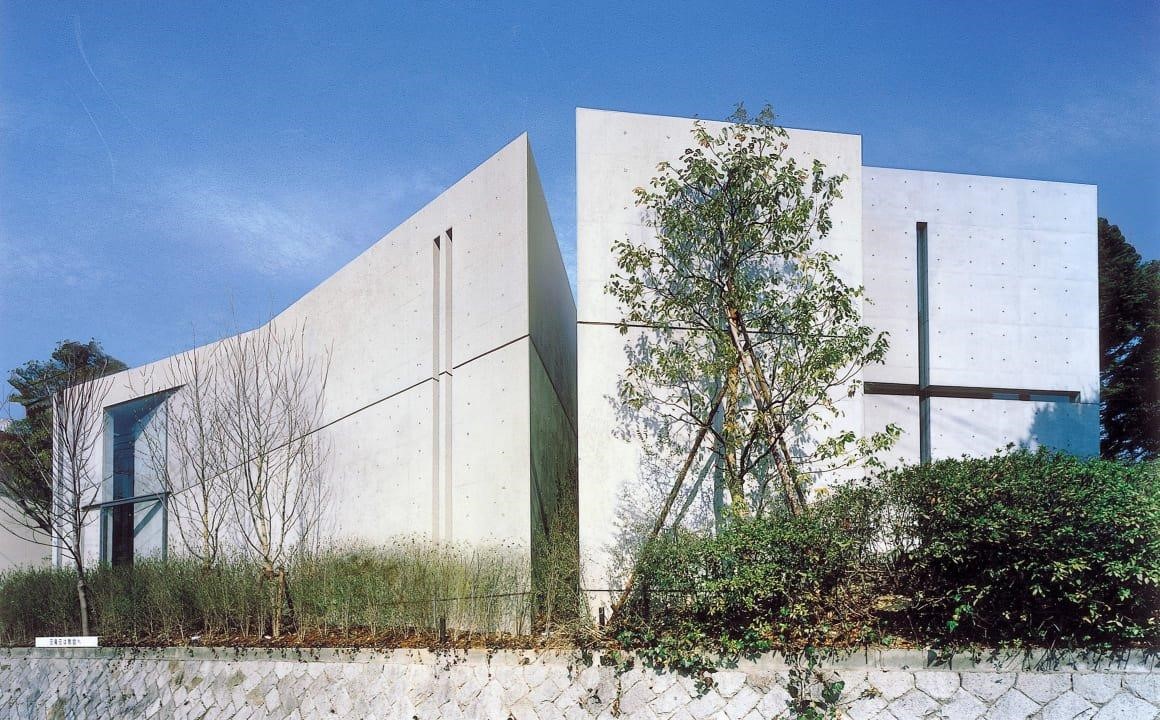
Why the Church of the Light Is a Masterpiece of Minimalist Architecture
Tadao Ando, a Pritzker Prize-winning architect, created a masterpiece of minimalist architecture with the Church of the Light in Osaka. This brilliant architect utilized stark concrete walls and a cruciform opening to manipulate natural light, transforming a simple space into a profound spiritual experience. Ando’s signature use of raw materials and precise geometric forms, embodying a serene simplicity, defines his modern architecture and reinforces his status among the best architects globally.
What Makes These Architects the Greatest of All Time?
Revolutionary Design Philosophies
The architects highlighted here distinguish themselves through revolutionary design philosophies that challenged conventions and redefined modern architecture. From Frank Lloyd Wright’s organic architecture, which seamlessly integrated buildings with their natural surroundings, to Ludwig Mies van der Rohe’s “less is more” minimalist approach, each brilliant architect introduced groundbreaking ideas. Zaha Hadid’s fluid, undulating forms and Antoni Gaudí’s fantastical Catalan modernism exemplify diverse yet equally transformative visions that have shaped our built environment.
Iconic Buildings That Became Global Landmarks
These brilliant architects are responsible for designing iconic buildings that have transcended their original purpose to become global landmarks and symbols of their respective cities. The Sagrada Família in Barcelona, still under construction, is a testament to Gaudí’s enduring vision, while the Louvre Pyramid by I. M. Pei became an icon of modern architecture. Frank Lloyd Wright’s Fallingwater and Oscar Niemeyer’s Cathedral of Brasília stand as powerful examples of famous buildings that captivate and inspire.
Their Lasting Influence on Modern Architecture
The lasting influence of these famous architects on modern architecture is undeniable, as their innovative approaches continue to shape contemporary design and inspire future generations. From Le Corbusier’s International Style principles, which laid the groundwork for countless urban developments, to Norman Foster’s sustainable skyscrapers, their legacies are deeply embedded in the built world. These best architects have provided blueprints and philosophies that continue to guide and challenge architects in the world.
Final Thoughts: The Architects Whose Masterpieces Continue to Inspire the World
The brilliant architects featured in this article have undeniably left an indelible mark on the world, with their famous buildings standing as enduring testaments to their creativity and visionary thinking. Their masterpieces, from the intricate Sagrada Família by Antoni Gaudí to the minimalist Church of the Light by Tadao Ando, continue to inspire awe and spark innovation among architects in the world. These best architects have not only designed structures but have shaped our perceptions of space, form, and functionality, ensuring their legacy will resonate for centuries.