


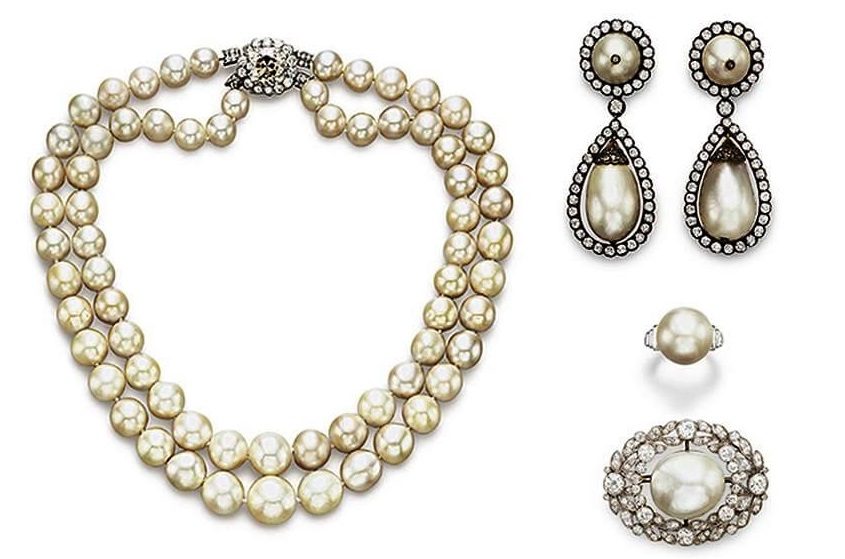
Pearls have captivated humanity for centuries with their iridescent beauty and rarity. These organic gemstones, formed within the soft tissue of a mollusk, have adorned royalty and celebrities, symbolizing wealth, status, and refined taste. This article delves into the fascinating world of the most expensive pearls ever discovered, exploring what makes them so valuable and how their worth is determined.
What Makes a Pearl Extremely Valuable?
Understanding the intrinsic qualities that contribute to a pearl’s extraordinary value is crucial when examining the world’s most expensive specimens. Several key factors converge to elevate a simple organic gem into a priceless treasure, often transcending mere aesthetics to embody historical significance and rarity. Each valuable pearl possesses a unique combination of these characteristics, making it highly sought after by collectors and connoisseurs alike.
Size, Shape, and Weight
The physical attributes of a pearl are paramount in determining its value. The table below illustrates how specific characteristics influence a pearl’s worth.
| Attribute | Impact on Value |
| Size | Larger pearls are generally rarer and command higher prices. |
| Shape | Perfectly round pearls are highly desirable and significantly more valuable than irregularly shaped baroque pearls due to their rarity. |
| Weight | Directly correlates with overall mass, contributing to perceived grandeur and rarity. |
Color, Luster, and Surface Quality
The allure of a valuable pearl is heavily influenced by several key characteristics. Pearls come in a wide spectrum of colors, from classic white to exotic black, golden South Sea, and even pink hues. Luster, the intensity and quality of light reflected from the pearl’s surface, is critical. Furthermore, a flawless surface free from blemishes, spots, or cracks significantly enhances the pearl’s appeal and its overall price.
| Characteristic | Description/Impact |
|---|---|
| Color | Wide spectrum including white, black, golden South Sea, and pink. |
| Luster | Intensity and quality of reflected light; high luster indicates a deep, almost metallic sheen. |
| Surface Quality | Flawless surface free from blemishes, spots, or cracks enhances appeal and price. |
Natural vs. Cultured Pearls
The distinction between natural pearls and cultured pearls is perhaps the most significant determinant of value. Here’s a comparison:
| Pearl Type | Formation | Rarity and Value |
| Natural Pearls | Formed without human intervention when an irritant accidentally enters an oyster. | Exceedingly rare, thus fetch astronomical prices. A natural saltwater pearl is a true rarity. |
| Cultured Pearls | Created by intentionally inserting a bead or tissue into the oyster, guiding the pearl formation process. Varieties include Akoya, freshwater, and Tahitian pearls. | More abundant and generally less expensive than natural counterparts. |
Rarity, Provenance, and Historical Significance
Beyond their intrinsic physical characteristics, a pearl’s rarity, provenance, and historical significance can dramatically inflate its value. A truly rare pearl, especially a natural pearl, is a gem that few have ever seen. Pearls with a documented history of ownership by royalty, celebrities, or figures of historical importance acquire an added layer of prestige and allure, often becoming an expensive pearl in the world. This rich backstory transforms the pearl from a mere gemstone into a cultural artifact, making the pearl worth much more than its material composition, increasing its overall pearl cost.
How We Ranked the World’s Most Expensive Pearls
Establishing a definitive ranking of the world’s most expensive pearls involves a meticulous process, considering various financial metrics and contextual factors that influence their perceived and actual worth. It’s not simply about identifying the largest pearl or the most visually stunning; rather, it’s a comprehensive evaluation that takes into account the complex interplay of market dynamics, historical data, and expert appraisals. Our methodology aimed to provide an accurate representation of the pearls that command the highest prices.
Public Auction Prices vs. Estimated Values
Our ranking primarily prioritized pearls sold at public auctions, as these transactions provide verifiable market prices, reflecting what buyers were willing to pay. While estimated values from appraisals or private sales are considered, they are often less transparent and can fluctuate, making public auction prices a more reliable benchmark for assessing the true financial worth of an expensive pearl. The record auction prices often highlight the fierce competition among collectors for a truly unique or historically significant pearl.
Individual Pearls vs. Pearl Jewelry
A crucial distinction in our ranking methodology was between individual pearls and pearls incorporated into elaborate pearl jewelry, such as a pearl necklace or pearl earrings. While an expensive pearl necklace or a pair of pearl earrings can command high prices, our focus was primarily on the value of the single, loose pearl itself. This approach allows for a clearer comparison of the inherent value of the gemstone, rather than the combined value of the pearl and its setting or accompanying diamonds, as seen in items like Marie Antoinette’s natural pearl and diamond pendant.
Authenticity, Documentation, and Provenance
The authenticity, comprehensive documentation, and robust provenance of each pearl were paramount in our ranking. A real pearl with verifiable documentation from reputable gemological laboratories confirming its natural origin, type, and characteristics was given higher consideration. A well-established provenance, tracing the pearl’s ownership through history, especially if it includes royal or celebrity connections, significantly bolsters its credibility and, consequently, its value, often making it one of the 10 most expensive pearls.
Top 10 Most Expensive Pearls in the World
Embark on a journey through the annals of gemological history to discover the ten most extraordinarily valuable pearls known to exist. These aren’t just beautiful gems; they are legendary treasures, each with a captivating story, unparalleled rarity, and prices that defy imagination. From gigantic natural wonders to pearls steeped in royal intrigue, this list showcases the epitome of pearl collecting, highlighting what makes a pearl truly stand out as an expensive pearl in the world.
1. Pearl of Puerto — The Giant Pearl From the Philippines
Discovered by a Filipino fisherman, the Pearl of Puerto is an awe-inspiring natural pearl, often touted as the largest pearl ever found. This colossal pearl, weighing an astonishing 34 kilograms and measuring 26 inches long, far surpasses any known pearl in sheer size. Its immense dimensions and natural formation make it a truly unique and invaluable specimen, showcasing the incredible potential for an oyster to create such a magnificent and gargantuan gem.
2. La Peregrina — Elizabeth Taylor’s Legendary Pearl
La Peregrina Pearl is arguably the most famous and historically significant pearl in the world. This magnificent, perfectly pear-shaped natural saltwater pearl boasts an illustrious provenance, having adorned Spanish royalty, French emperors, and eventually, the legendary actress Elizabeth Taylor. Its remarkable history, combined with its flawless beauty and significant pearl size, propelled its pearl price to an astounding $11.8 million at auction, securing its place as an iconic expensive pearl.
3. Pearl of Lao Tzu — The Famous Giant Pearl
The Pearl of Lao Tzu, also known as the Pearl of Allah, is another contender for the title of the largest pearl. Weighing over 14 pounds, this irregularly shaped, non-nacreous pearl is notable for its immense size rather than its luster. Discovered in a giant clam, not an oyster, it holds a unique position among the world’s most expensive pearls due to its sheer scale and the legendary tales surrounding its discovery, making it a truly exceptional and valuable pearl.
4. The Big Pink Pearl — A Rare Natural Freshwater Pearl
The Big Pink Pearl stands out as a unique and exceptionally rare natural freshwater pearl. Unlike most expensive pearls which are saltwater in origin, this captivating gem boasts a remarkable pink pearl color and iridescent sheen, making it highly desirable. Its unusual origin and stunning natural hue contribute significantly to its high pearl price, marking it as one of the most distinctive and valuable pearls on the market, appealing to collectors seeking truly unique gems.
5. The Hope Pearl — A Historic Two-Tone Treasure
The Hope Pearl is an extraordinary historic two-tone pearl, renowned for its significant size and remarkable coloration, featuring both white pearl and dark metallic hues. Weighing nearly four ounces, this natural pearl exhibits a rare combination of pearl color and luster, making it a fascinating specimen. Its provenance as part of the famous Hope collection, alongside the Hope Diamond, solidifies its status as a highly valuable pearl with immense historical significance and prestige.
6. The Palawan Princess — An Extraordinary Golden Pearl
The Palawan Princess is an extraordinary golden South Sea pearl, celebrated for its exquisite golden pearl color and substantial pearl size. Originating from the Pinctada maxima oyster, this type of pearl is highly prized for its natural, rich golden hue and silky luster. Its rarity and the demand for such vibrant golden pearls contribute significantly to its elevated pearl price, establishing it as one of the most expensive pearls in the world and a testament to nature’s artistry.
7. The Arco Valley Pearl — A Pearl With Imperial Connections
The Arco Valley Pearl is a magnificent baroque natural pearl with profound imperial connections, historically linked to Chinese emperors. This exceptionally large, irregularly shaped pearl, weighing 575 carats, is notable for its impressive pearl size and historical provenance. Its journey through imperial collections adds immeasurable value, making it not just a valuable pearl but also a significant artifact of history and culture, highly sought after by discerning collectors.
8. The Abernethy Pearl — Scotland’s Famous River Pearl
The Abernethy Pearl holds the distinction of being Scotland’s most famous river pearl, an exceedingly rare natural freshwater pearl found in the River Ythan. Weighing 44 grains and boasting a perfect round shape and exquisite luster, its rarity is magnified by its freshwater origin, as natural freshwater pearls of this quality are exceptionally scarce. This unique provenance and natural beauty contribute to its status as a highly valuable pearl, cherished for its national heritage.
9. The Queen Pearl — Royal Provenance and Collectors’ Appeal
The Queen Pearl is an exceptional natural pearl with strong royal provenance, believed to have belonged to a European queen, adding immense historical and cultural value. Its perfect round shape, brilliant luster, and significant pearl size make it a quintessential example of what makes a valuable pearl. The allure of its royal connections and its inherent beauty contribute to its substantial pearl price and strong appeal among collectors of historic and prestigious gems.
10. The Imperial Pearl — History, Rarity, and Prestige
The Imperial Pearl embodies history, rarity, and prestige, standing as a testament to the enduring allure of natural pearls. This magnificent pearl boasts a rich historical background, believed to have been part of an imperial collection. Its exceptional pearl color, flawless surface quality, and impressive pearl size, combined with its rare natural origin, cement its position as one of the world’s most expensive pearls, a true symbol of luxury and enduring value.
La Peregrina: The Most Famous Pearl Ever Sold at Auction
The History and Discovery of La Peregrina
The La Peregrina pearl boasts a storied and fascinating history, beginning with its discovery in the Gulf of Panama in the mid-16th century. This magnificent natural pearl, uniquely pear-shaped, quickly caught the attention of Spanish royalty, becoming a prized possession within the Spanish Crown Jewels for centuries. Its journey through European monarchies, adorning queens and kings, solidified its status as a truly valuable pearl and one of the most historically significant expensive pearls in the world.
How It Became Part of Elizabeth Taylor’s Collection
The illustrious La Peregrina pearl found its way into Elizabeth Taylor’s legendary collection in 1969, purchased by Richard Burton for his wife at a Sotheby’s auction for a then-record price. This natural pearl, previously owned by various European royals, was later redesigned by Cartier, incorporating diamonds and rubies into a stunning pearl necklace or pearl pendant setting, further enhancing its already immense value and making it an iconic piece of pearl jewelry.
Why Its Auction Price Reached Millions
The La Peregrina pearl commanded an astonishing $11.8 million at auction, setting a new record for a single pearl, primarily due to its unparalleled provenance and historical significance. Its journey through the hands of Spanish monarchs, Napoleon III, and ultimately Elizabeth Taylor, combined with its rare size, perfect pear shape, and natural saltwater pearl origin, made it an irresistible acquisition for collectors, solidifying its place among the 10 most expensive pearls.
The World’s Largest Pearls and Why Size Matters
How Pearl Weight Is Measured
The weight of a pearl, a crucial factor in determining its value, is primarily measured in carats, just like other precious gemstones, or sometimes in grains, especially for older or natural pearls. One carat is equivalent to 0.2 grams, and 157.5 grains equal one ounce. This precise measurement helps ascertain the rarity and substantiality of a pearl, with larger, heavier pearls generally commanding higher prices due to their scarcity in nature.
Why Bigger Does Not Always Mean More Valuable
While size is an important factor, a bigger pearl does not always equate to a more valuable pearl. Other attributes such as luster, surface quality, shape, pearl color, and whether it is a natural pearl or a cultured pearl significantly impact its overall pearl price. A smaller, perfectly round natural pearl with exceptional luster and surface quality can often be far more valuable than a very large, irregularly shaped baroque pearl with poor luster, even if the latter is larger.
Naturals vs. Cultured Pearls: Which Are More Valuable?
How Natural Pearls Form
Natural pearls form when an irritant, such as a parasite or a piece of shell, accidentally makes its way into the soft tissue of a mollusk, typically an oyster. As a defense mechanism, the oyster secretes layers of nacre around the irritant, gradually building up the lustrous, resilient layers that form a natural pearl. This entirely unassisted process makes finding a natural pearl incredibly rare and thus exceptionally valuable.
How Cultured Pearls Are Produced
Cultured pearls are produced through human intervention, where a small bead or piece of mantle tissue is intentionally inserted into a pearl oyster to stimulate nacre secretion. This controlled process allows for the production of various types of pearls, including Akoya pearl, freshwater pearl, Tahitian pearl, and golden South Sea pearls, making them more abundant and accessible than natural pearls.
Why Natural Pearls Are So Rare
Natural pearls are exceedingly rare because their formation relies entirely on chance, with only a tiny fraction of mollusks ever producing a pearl, let alone one of significant size, shape, and quality. The historical overfishing of natural pearl beds further depleted their populations, making discoveries of new natural pearls an increasingly rare event, thereby driving their pearl price much higher than cultured pearls due to their scarcity and unique origin.
The Most Valuable Pearl Colors
White and Cream Pearls
White and cream pearls have historically been the most classic and sought-after pearl colors, often associated with elegance and tradition. These natural pearl hues, particularly in saltwater pearl varieties like Akoya pearl and some South Sea pearls, are highly prized for their clean, luminous appearance and versatility. The pristine beauty of a perfectly round white pearl with high luster can command significant pearl prices, representing a timeless valuable pearl.
Golden Pearls
Golden pearls, primarily originating from the golden-lipped Pinctada maxima oyster in the South Sea, are among the most valuable and expensive pearls in the world. Their rich, natural golden pearl color ranges from light champagne to deep, intense gold, making them exceptionally desirable. A well-formed golden South Sea pearl with excellent luster and surface quality can fetch very high pearl prices, often used in luxurious pearl jewelry, including an expensive pearl necklace.
Pink and Rose-Colored Pearls
Pink and rose-colored pearls represent a rare and enchanting category of natural pearl colors, often found in both freshwater pearl and some saltwater pearl varieties. These delicate hues can range from soft blush to vibrant fuchsia, adding a unique charm to the pearl. The scarcity of naturally occurring pink pearl colors, especially those with good luster and minimal blemishes, significantly increases their pearl price and appeal to collectors looking for a truly unique and valuable pearl.
Black and Tahitian Pearls
Black pearls, predominantly originating as Tahitian pearls from the black-lipped Pinctada margaritifera oyster, are highly coveted for their exotic and iridescent pearl color. These valuable pearls display a spectrum of dark hues, from charcoal gray to vibrant peacock green and aubergine, making a black pearl necklace a stunning piece of pearl jewelry. The natural occurrence of such rich, dark tones, combined with their unique overtone, positions Tahitian pearls as some of the most expensive pearls in the world.
How Much Can a Rare Pearl Really Be Worth?
Record Auction Prices
The true worth of a rare pearl is often best reflected in record auction prices, where competitive bidding among discerning collectors drives up the pearl price to astonishing figures. Iconic examples like the La Peregrina pearl, which sold for millions, demonstrate that a unique combination of natural pearl rarity, historical provenance, exceptional pearl size, and perfect pearl color can elevate a valuable pearl into an investment-grade asset, making it one of the 10 most expensive pearls.
Private Valuations and Estimated Prices
Beyond public auctions, many expensive pearls are valued through private valuations and estimated prices, often conducted by expert gemologists for insurance, estate planning, or discreet sales. These valuations take into account all factors influencing a pearl’s worth, including its pearl type, origin, and condition. While not as transparent as auction results, these estimates provide crucial insights into what a real pearl might be worth in the exclusive world of high-end pearl collecting.
Why Pearl Values Can Be Difficult to Verify
Verifying pearl values can be challenging due to several factors, including the lack of a standardized global pricing system, the subjective nature of beauty, and the often-private transactions of high-value pieces. Unlike commodities, each natural pearl is unique, making direct comparisons difficult. Furthermore, the secrecy surrounding private sales and the fluctuating market demand for specific pearl types contribute to the difficulty in definitively stating what some expensive pearls in the world are worth.
What Makes Historic Pearls So Valuable to Collectors?
Royal and Celebrity Provenance
Pearls with royal and celebrity provenance possess an undeniable allure, significantly amplifying their value to collectors. A natural pearl that has adorned queens, emperors, or iconic film stars like Elizabeth Taylor transforms from a mere gemstone into a tangible piece of history and glamour. This storied past and association with influential figures make such a valuable pearl exceptionally desirable, driving up its pearl price and ensuring its place among the world’s most expensive pearls.
Famous Discoveries and Legendary Stories
Famous discoveries and legendary stories intrinsically link pearls to human fascination, adding immeasurable value beyond their physical attributes. Pearls like the Pearl of Lao Tzu, shrouded in mythical tales, or the Pearl of Puerto, discovered by chance, captivate the imagination. These narratives contribute to the mystique of an expensive pearl, making it not just a gem but a cultural artifact, eagerly sought after by collectors who cherish history and uniqueness.
Rarity and Unrepeatable Characteristics
The rarity and unrepeatable characteristics of historic pearls are paramount to their high valuation. Many of the most expensive pearls are natural pearls of exceptional size, unique pearl color, or flawless shape that are virtually impossible to replicate. This inherent scarcity, combined with traits that defy modern pearl production, ensures their unparalleled status and drives intense demand among collectors who understand the value of a truly one-of-a-kind valuable pearl.
Top 10 Most Expensive Pearls at a Glance
Pearl Name, Origin, Type, Size, and Reported Value
To provide a concise overview, this section summarizes the essential details of the top 10 most expensive pearls, including their name, geographical origin, pearl type (natural or cultured, saltwater pearl or freshwater pearl), remarkable pearl size or weight, and their reported value or auction price. This quick reference highlights the diversity among these valuable pearls, from giant natural wonders to historically significant natural saltwater pearl specimens, underscoring what makes each an expensive pearl in the world.
Final Thoughts on the World’s Most Expensive Pearls
The journey through the world’s most expensive pearls reveals that their immense value transcends mere physical beauty, encompassing historical significance, unparalleled rarity, and captivating provenance. From the flawless luster of a natural pearl to the storied past of a pearl necklace, each valuable pearl is a testament to nature’s artistry and human fascination. These treasures continue to captivate collectors, making the market for an expensive pearl a realm of both luxury and legend.