



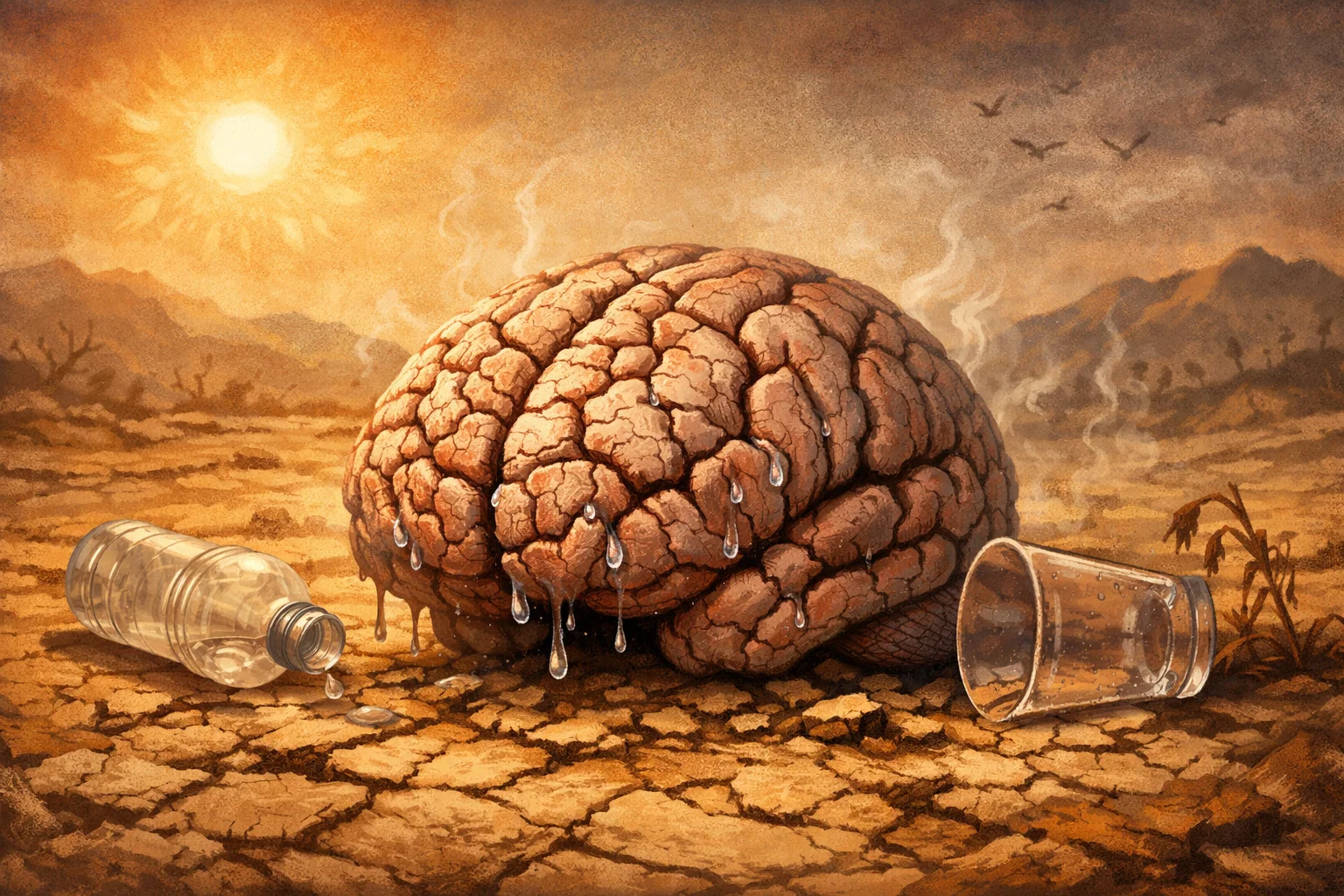
Dehydration can have a profound effect on both your cognitive performance and mood.
Even mild dehydration, often overlooked, can impair brain function and diminish mental clarity. This article will explore the hidden impact of dehydration, revealing how proper hydration is essential for optimal brain health.
The Hidden Consequences of Not Drinking Enough

Why Most People Underestimate Dehydration
Many people underestimate dehydration because the signs of dehydration are often subtle. We frequently ignore the early thirst signals. In its early stages, dehydration can manifest in several ways:
- It may affect mood.
- It can also impair cognitive performance.
Dehydration only progresses as fluid loss continues, and many are unaware of how even mild water loss affects them.
How Mild Water Loss Affects the Brain Before You Notice
Even if you’re only slightly dehydrated, the brain is sensitive to changes in fluid balance. This can lead to decreased blood flow and subtle shifts in neurotransmitter function before you consciously register thirst. Staying hydrated should be a priority before dehydration affects you drastically.
How Dehydration Impacts Cognitive Function

Attention and Focus Decline
One of the first cognitive functions affected by dehydration is attention and focus. When the brain doesn’t have enough water, it struggles to maintain concentration, which is worsened by how dehydration affects blood flow to the brain. So drink water regularly to maintain focus.
Short-Term and Working Memory Impairment
Dehydration affects cognitive functions such as short-term memory and working memory. Both types of memory rely on efficient neurotransmitter activity and blood flow. That is why maintaining proper hydration is important. Dehydration can cause these cognitive functions to slow down.
Decision-Making and Problem-Solving Challenges
Dehydration impacts complex cognitive processes like decision-making and problem-solving. These cognitive functions rely on optimal brain function, which is compromised during dehydration. Staying hydrated supports clear thinking and efficient problem-solving by ensuring cognitive function remains at its peak.
The Emotional Toll of Dehydration

Irritability and Increased Anxiety
Beyond cognitive impairments, dehydration can have a negative impact on your emotional state, leading to increased anxiety and irritability. When you don’t drink enough water, it triggers the release of stress hormones, which can cause this. Make sure you drink enough water.
Mood Lows and Depression-Like Symptoms
Chronic dehydration may contribute to persistent mood lows and even depression-like symptoms. Imbalances in neurotransmitters and the impact of dehydration on the brain all play a role in affecting mood. Therefore, staying hydrated is not just good for the body, but the mind too.
Reduced Motivation and Mental Energy
Dehydration often results in reduced motivation and a noticeable decrease in mental energy. When dehydration affects brain function, the ability to sustain effort diminishes, impacting productivity and overall well-being. Maintaining hydration is important to maintain focus and motivation.
Physical Symptoms That Affect Mental Clarity

Headaches and Migraines
Headaches and migraines can be a common sign of dehydration. When you don’t drink enough water, it can lead to decreased blood flow to the brain, which can trigger headaches. Proper hydration is essential to maintain blood volume and prevent these dehydration-related issues.
Fatigue and Low Energy Levels
Fatigue and low energy levels are hallmark signs of dehydration. Even mild dehydration affects brain function, leading to feelings of tiredness and reduced mental energy. Staying hydrated helps maintain optimal electrolyte balance and supports energy production, combating dehydration’s effects.
Brain Fog and Slower Reaction Times
Dehydration can cause brain fog and slower reaction times, impacting cognitive performance. When dehydration affects brain function, it impairs neurotransmitter activity, which is essential for quick thinking. Proper hydration helps maintain mental clarity and keeps reaction times sharp. Staying hydrated protects your brain from the effects of dehydration.
Why Your Brain Is Particularly Vulnerable

The Role of Water in Neurotransmitter Function
Water plays a crucial role in neurotransmitter function. Neurotransmitters rely on adequate hydration to transmit signals effectively. When you are dehydrated, the production and release of these chemicals can be impaired, which affects brain function. Staying hydrated can protect your brain.
Blood Flow, Oxygen Delivery, and Energy Production
Proper hydration is essential for maintaining optimal blood flow, oxygen delivery, and energy production in the brain. When you don’t drink enough water, blood volume decreases. This can impact cognitive performance, affecting mental clarity and overall brain function. Staying hydrated is crucial.
The Brain’s High Water Content and Sensitivity
The brain’s high water content makes it particularly sensitive to dehydration. Even mild dehydration can disrupt the delicate balance needed for optimal brain function. Cognitive performance depends on maintaining adequate hydration, as dehydration can cause the brain to function suboptimally. Discover how dehydration affects brain function.
Factors That Increase Dehydration Risk

Exercise and Increased Sweat Loss
Exercise increases sweat loss, which can lead to dehydration if fluid intake isn’t adequate. Physical activity requires proper hydration to maintain electrolyte balance and prevent dehydration. Drink water during and after workouts to replenish lost fluids and support cognitive function.
Hot or Dry Environments
Hot or dry environments increase dehydration risk due to increased sweat and fluid loss. In these conditions, staying hydrated is essential to maintain body temperature and cognitive performance. Remember to increase your water consumption and electrolyte intake to combat the effects of dehydration.
Caffeine, Alcohol, and Certain Medications
Caffeine and alcohol, being diuretics, can increase fluid loss and contribute to dehydration. Certain medications also have diuretic effects, further elevating the risk. Be mindful of your water intake when consuming these substances to mitigate their dehydrating effects and maintain cognitive function.
Age and Gender Considerations
Age and gender influence dehydration risk. Older adults may have a reduced thirst sensation, making them more susceptible to dehydration. Differences in body composition and hormones can also affect hydration needs between men and women. Adequate fluid intake is vital to protect your brain. Drink water to stay hydrated.
Strategies to Stay Hydrated for Optimal Brain Performance

Daily Water Intake Guidelines and How to Personalize Them
General guidelines suggest around eight glasses of water daily, but individual needs vary significantly. Factors like body weight, activity level, and climate influence optimal water intake.
Adjust your daily water intake to match your lifestyle and listen to your body’s thirst signals to maintain cognitive performance and overall brain health. Remember, staying hydrated is key.
Water-Rich Foods to Boost Hydration
Enhance your hydration by including water-rich foods in your diet. Fruits like watermelon and strawberries, and vegetables like cucumbers and spinach, contribute to fluid intake.
These foods not only provide hydration but also essential nutrients that support cognitive function and help combat the impact of dehydration on brain function. Choosing these options is important even when you’re slightly dehydrated.
Tracking Hydration: Urine Color and Other Signs
Monitor your hydration through simple indicators. Urine color can be a key sign, along with other symptoms such as thirst, dry mouth, and infrequent urination. Regularly assessing these signs helps you adjust your water intake to prevent dehydration. The table below summarizes the connection between urine color and hydration levels:
| Urine Color | Possible Indication |
|---|---|
| Pale Yellow | Good Hydration |
| Darker Yellow | Dehydration |
Dehydration can affect cognitive performance and your brain health.
Timing Water Intake Around Workouts and Workdays
Strategic water intake is crucial during physical activity and demanding workdays. To optimize your hydration, consider the following key times:
- Before, during, and after workouts to replenish sweat loss and maintain electrolyte balance.
- Consistently throughout the workday to sustain focus and mental clarity.
Timing hydration helps protect your brain, ensuring optimal cognitive function, even if you feel you’re not that thirsty.
Myths About Hydration and the Brain
“I’m Not Thirsty, So I’m Hydrated”
It’s a common misconception that the absence of thirst means you’re adequately hydrated. Thirst is a late sign of dehydration; cognitive function can decline even before you feel thirsty. Make a conscious effort to drink water throughout the day, regardless of thirst, to maintain optimal brain health and prevent the hidden impact of dehydration.
“Coffee and Tea Count as Enough Water”
While coffee and tea contribute to fluid intake, their diuretic effects can increase fluid loss, potentially leading to dehydration. Relying solely on these beverages isn’t enough to meet your daily hydration needs. Supplement with water to ensure proper hydration and protect your brain from the adverse effects of dehydration on brain function.
Overhydration Risks and Balance
While staying hydrated is important, excessive water intake can lead to overhydration, or hyponatremia, which dilutes electrolytes. This condition, though rare, can impair brain function. Balance your water intake with electrolyte consumption and listen to your body’s signals to maintain optimal hydration levels. Don’t drink too much water. Proper hydration is key for cognitive performance and mood.
Conclusion: Treat Your Brain Like a Well-Oiled Machine
Just as a machine requires proper maintenance, your brain needs consistent hydration to function at its best. Understanding the hidden impact of dehydration and implementing proactive hydration strategies can significantly enhance cognitive performance, mood, and overall brain health. Make a conscious effort to prioritize proper hydration to support a sharp, focused, and emotionally balanced mind.