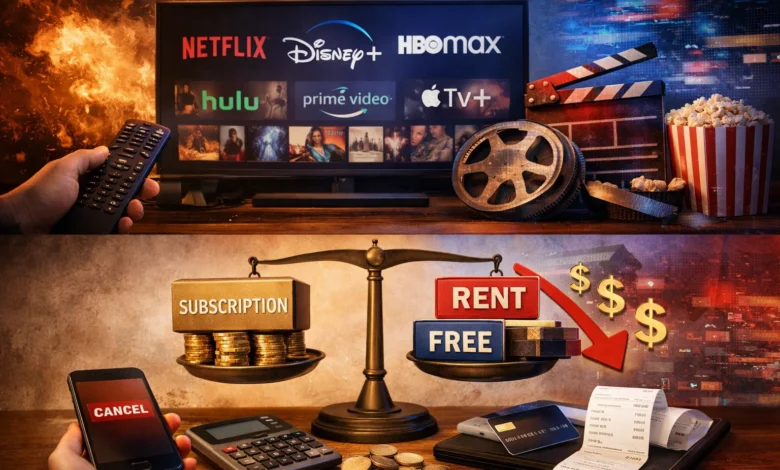
The streaming wars are far from over. In fact, a new battleground is emerging as streaming platforms grapple with evolving pricing models to maintain profitability and market share. This article examines the streaming shake-up, the forces reshaping the streaming industry, and the innovative strategies media companies are deploying to capture and retain subscribers.
A New Era of Streaming Competition
Why Streaming Services Are Changing Their Pricing Now
Streaming services are facing increased pressure to prove profitability after years of prioritizing subscriber growth. Rising content costs, competition, and declining subscriber growth are forcing streaming platforms to re-evaluate their pricing models, shifting from simple subscriptions to more complex systems.
How Consumers Are Reacting to Market Shifts
Consumers are experiencing subscription fatigue and budget overload, leading to increased churn as they switch between platforms in search of the best value. This shift in consumer behavior is prompting streaming platforms to explore new strategies to retain subscribers and attract new viewers.
The Evolution of Streaming: From Simple Subscriptions to Complex Models

The Early Days: One Price, All Content
In the early days of video streaming, platforms like Netflix offered a simple subscription model: one price for all available content. This contrasted sharply with linear TV, providing on-demand convenience and a vast library of movies and shows for a fixed monthly fee.
The Rise of Subscription Tiers and Add-Ons
As the streaming industry matured, media companies like HBO and Warner introduced subscription tiers, offering various levels of access and features at different price points. Add-ons, such as 4K streaming or multiple simultaneous streams, became commonplace, increasing revenue for streaming platforms.
How Increased Competition Triggered Pricing Changes
The explosion of streaming wars and the emergence of new platforms intensified competition. Media giants such as NBCUniversal with Peacock, and Disney with Hulu and ESPN, entered the fray, driving the need for diverse pricing models to attract and retain subscribers in a crowded market.
New Pricing Models Disrupting the Streaming Landscape
Ad-Supported Plans Becoming the Default
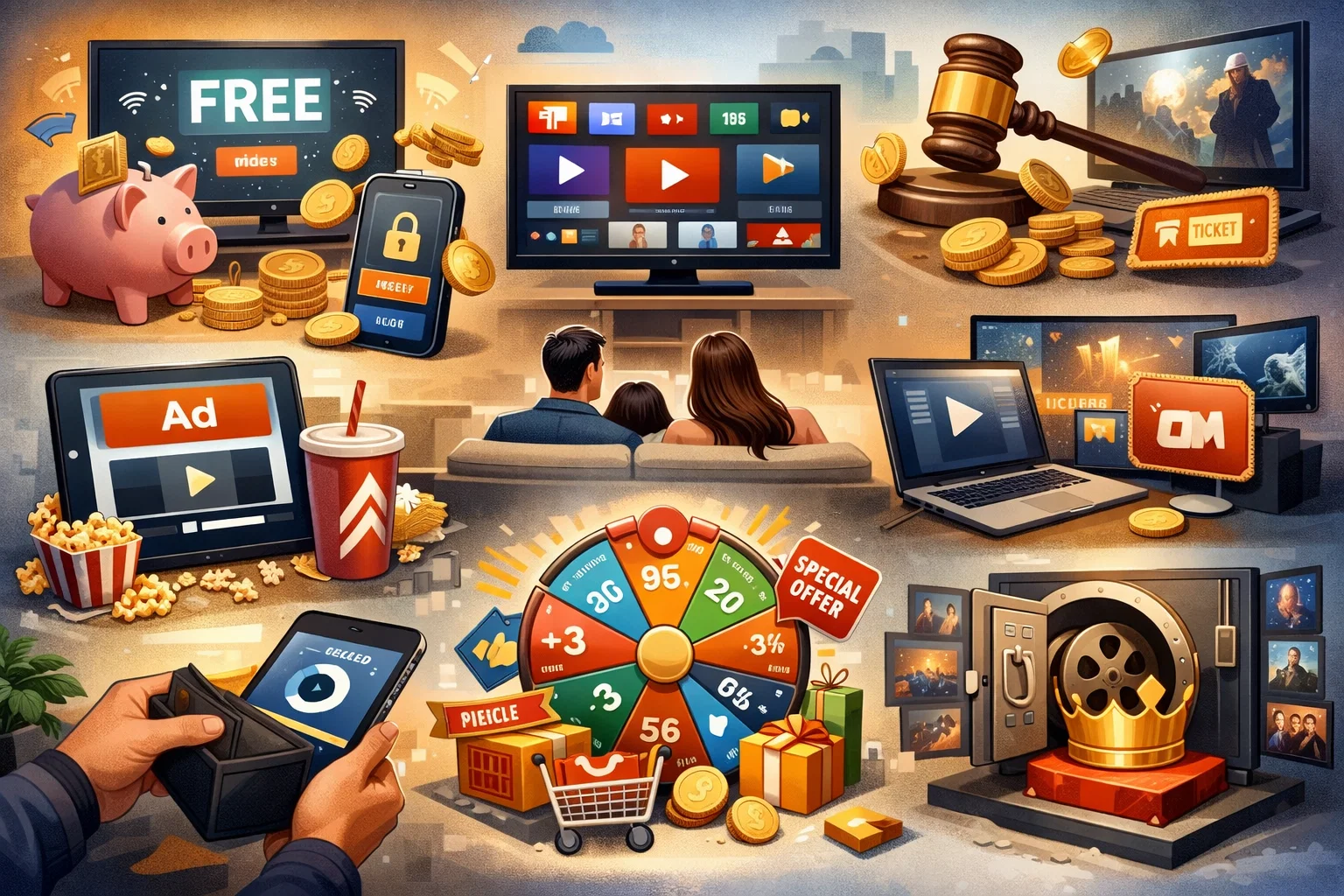
Ad-supported plans are becoming increasingly prevalent as streaming platforms seek to attract price-sensitive viewers. These tiers offer a lower subscription cost in exchange for watching advertisements, providing a new revenue stream and appealing to a wider audience.
Premium Ad-Free Tiers and Their Rising Costs
While ad-supported plans attract some, premium ad-free tiers cater to viewers willing to pay more for an uninterrupted viewing experience. However, the costs of these tiers are rising, reflecting the increasing investment in original content and exclusive content.
Password-Sharing Crackdowns and Paid “Extra Members”
To combat revenue loss from password sharing, streaming platforms like Netflix are cracking down on unauthorized account sharing. They are introducing paid “extra members” options, allowing subscribers to add users outside their household for an additional fee.
“Add-On Channels” and Micro-Subscriptions
Streaming services are experimenting with “add-on channels” and micro-subscriptions, allowing subscribers to customize their viewing experience by adding specific content or channels to their existing subscription. This approach offers flexibility and caters to niche interests.
Pay-Per-Event & Live Streaming Charges
Live sports and special events are driving the adoption of pay-per-event models. Streaming platforms are charging viewers for access to specific live sports events, concerts, or other high-demand content, creating new revenue opportunities beyond traditional subscriptions.
Why Streaming Platforms Are Adopting These Models

Revenue Pressures and Content Costs
Escalating content costs, particularly for original streaming and exclusive content, are putting immense revenue pressures on streaming platforms. These rising costs necessitate new pricing strategies to maintain profitability and sustain investment in future content.
The Decline of Subscriber Growth & Rise of Churn
The era of rapid subscriber growth is slowing, and churn rates are rising as consumers become more selective about their streaming subscriptions. This decline in new subscribers forces streaming platforms to focus on retention strategies and explore new revenue streams.
Competition from FAST (Free Ad-Supported TV) Platforms
Competition from free ad-supported streaming (FAST) platforms is intensifying. These platforms offer free streaming content, often including older movies and TV shows, attracting viewers who are unwilling to pay for traditional streaming subscriptions and affecting paid streaming.
Advertiser Demand for Digital TV Inventory
Advertiser demand for digital TV inventory is growing, as advertisers shift their budgets from linear TV to streaming platforms. Ad-supported streaming models provide a valuable opportunity for streaming services to tap into this growing advertising market.
How These Pricing Changes Affect Consumers
Subscription Fatigue and Budget Overload
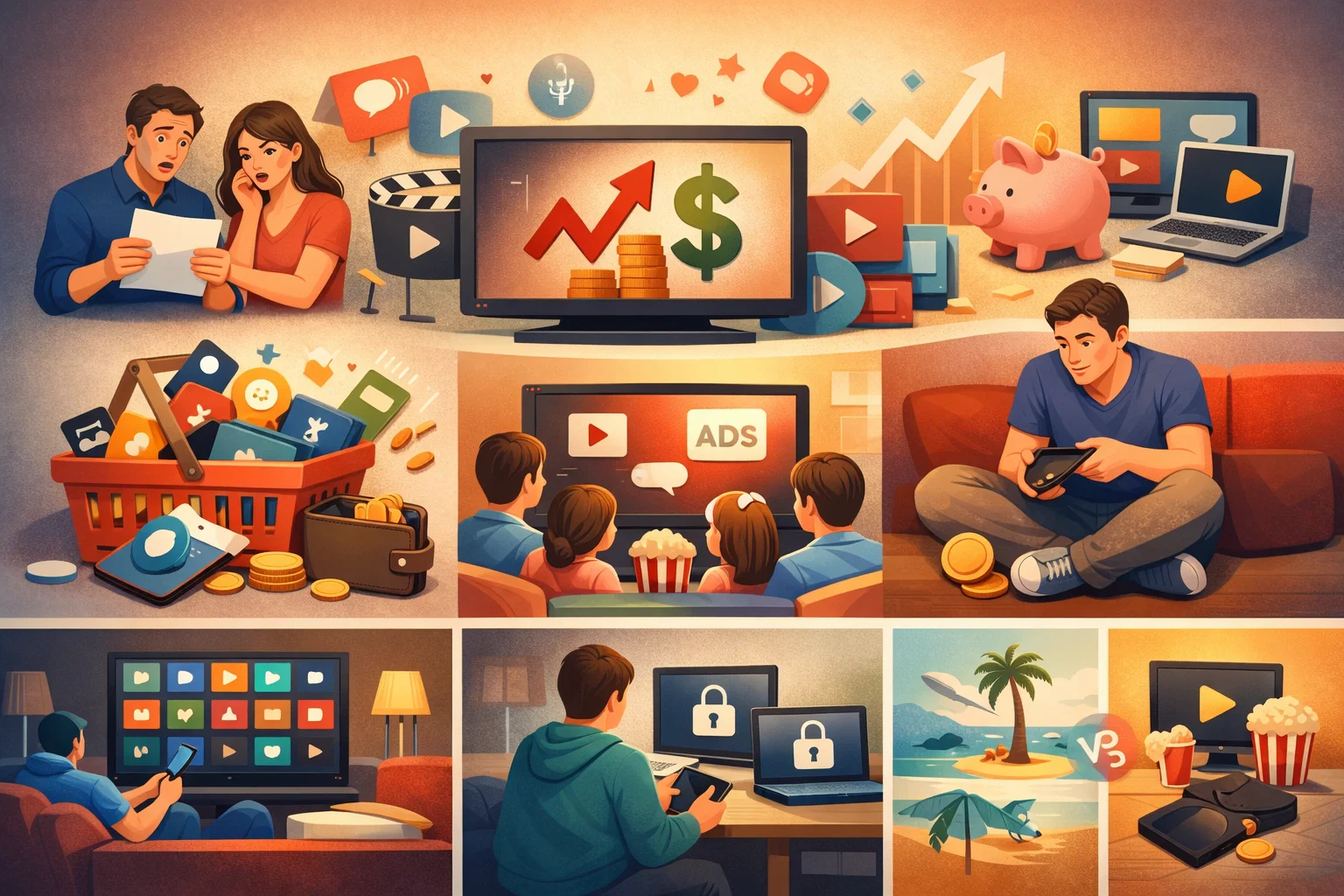
The proliferation of streaming service options has led to subscription fatigue among consumers. Managing multiple streaming subscriptions strains household budgets, compelling viewers to make tough choices about which platforms to keep. This budget overload and content saturation can lead to viewer frustration.
More Churn: Consumers Switching Platforms More Frequently
Faced with rising costs and a plethora of options, consumers are increasingly engaging in churn, switching between platforms more frequently. This trend is driven by the pursuit of the best value for original content, leading to a more dynamic and less predictable subscription landscape across streaming platforms.
Demand for Bundles and Cost-Saving Options
Consumers are actively seeking bundles and cost-saving options to alleviate the financial burden of multiple subscriptions. There is a growing demand for packages that combine several streaming subscriptions at a discounted rate, addressing the challenge of affordability in the current market and reshaping streaming subscriptions.
A Shift Back Toward “Cable-Like” Viewing Experiences
Paradoxically, the unbundling of content through streaming platforms is now leading to a re-bundling trend, creating viewing experiences that resemble traditional cable television. Ad-supported tiers, scheduled programming, and channel-like interfaces are becoming more prevalent, offering a familiar format to some viewers.
The Rise of Bundles: The Industry’s New Strategy to Reduce Churn
Disney+ + Hulu + ESPN: A New Super-Bundle
Disney is leading the charge with a super-bundle that combines Disney+, Hulu, and ESPN, offering a comprehensive entertainment package at a competitive price. This bundle aims to reduce churn and attract a wider audience by providing diverse content options like live sports and original streaming.
Max + Discovery+ and Paramount+ Partnerships
Warner Bros. Discovery is exploring partnerships to bundle Max and Discovery+, while Paramount+ seeks similar collaborations. These alliances aim to create more compelling offerings for subscribers, reducing churn and enhancing viewership across the media industry and platforms.
Telecom Bundles (Verizon, AT&T, Vodafone)
Telecom companies like Verizon, AT&T, and Vodafone are entering the bundling game by offering streaming subscriptions as part of their service packages. These telecom bundles provide added value to subscribers, reduce churn, and integrate streaming into existing service plans in the market.
Are Bundles the Future of Streaming Pricing?
Bundles represent a significant shift in streaming pricing strategies, but their long-term success remains to be seen. The future of streaming subscriptions may depend on the ability of media companies to create compelling bundles that offer value, reduce churn, and meet the evolving needs of subscribers.
FAST Platforms: The Silent Disruptor in the Streaming War

What FAST Channels Are and Why They’re Booming
FAST (Free Ad-Supported Streaming TV) platforms offer free streaming content funded by advertising. These channels are booming due to their accessibility, affordability, and the increasing consumer appetite for free entertainment options which is influencing the streaming and media industries.
Examples: Pluto TV, Tubi, Freevee, Roku Channel
Here are some prominent examples of FAST platforms. These platforms offer a variety of viewing options, including:
- Classic movies and TV shows
- Original content
Attracting a large audience seeking free entertainment options, these services are reshaping the streaming model.
Why Free Streaming Has Become So Popular
Free streaming has gained immense popularity due to subscription fatigue and budget constraints. Consumers are increasingly drawn to free, ad-supported options as a way to access entertainment without incurring additional costs, challenging the traditional pricing models and streaming subscriptions.
Impact on Paid Platforms and the Future of Ad Revenue
The rise of FAST platforms is impacting paid streaming services, diverting viewership and ad revenue. Paid streamers are now integrating ad-supported tiers to compete, and advertisers are shifting budgets towards digital TV inventory on both FAST and paid streaming platforms and impacting streaming.
The Role of AI in Shaping the Next Generation of Pricing Models

AI-Powered Personalized Subscriptions
AI is poised to revolutionize pricing models by enabling personalized subscription plans tailored to individual viewing habits and preferences. These AI-powered personalized subscriptions use data to optimize pricing, content recommendations, and user experience, enhancing the streaming service value proposition in the market.
Predictive Pricing: Adjusting Plans Based on User Behavior
Predictive pricing leverages AI to analyze user behavior and adjust subscription plans dynamically. Streaming platforms can optimize revenue by offering tailored pricing based on content consumption, viewing frequency, and engagement metrics, ensuring profitability and optimizing the pricing models.
AI-Driven Content Recommendations and Ad Targeting
AI enhances the user experience through personalized content recommendations, increasing engagement and retention, and by using AI-driven ad targeting, ads become more relevant and effective. AI is shaping the future of streaming content delivery and advertising strategies within media companies.
Live Sports: The New Battleground for Streaming Dominance

Why Live Sports Are Boosting Subscription Prices
Live sports are increasingly driving up streaming service subscription costs, as streaming platforms invest heavily in acquiring sports rights. This increased investment in live sports content necessitates higher prices to maintain profitability, impacting viewers in the market.
Major Deals: NFL, NBA, FIFA, EPL, MLB
Major media companies are securing deals with leagues. These deals, like those with the following, are helping streaming platforms solidify exclusive content and attract sports fans:
- NFL, NBA, FIFA, EPL
- MLB
Amazon’s deals alone are costing billions, reshaping streaming subscriptions and business models.
Will Sports Become a Standalone Paid Tier?
The escalating costs of sports rights raise the question of whether sports will become a standalone paid streaming tier. A separate tier would allow streaming platforms to cater to sports enthusiasts while offering other entertainment options at lower prices to other subscriber demographics.
Global Influence: How International Markets Are Changing Pricing Strategies

The Growth of Local Content in Non-U.S. Markets
Outside the U.S., there’s a surge in local streaming content. Streaming platforms are investing in local productions and this helps attract subscribers. Original streaming content and exclusive content are especially valuable in these markets and expand viewership.
Country-Specific Pricing Adjustments
Streaming services are making country-specific pricing adjustments to reflect local economic conditions and consumer preferences. These adjustments are essential for attracting subscribers in diverse markets, ensuring streaming subscriptions are affordable and competitive, and affecting profitability.
New Subscription Models Emerging in Asia, Middle East, and Europe
Asia, the Middle East, and Europe are witnessing the emergence of new streaming subscription models tailored to local consumers. From mobile-first offerings to bundled services, streaming platforms are experimenting with innovative approaches to capture market share and viewership.
The Future of Streaming Pricing Models

Hybrid Plans: Mix of Ads, Add-Ons, Micro-Payments
Hybrid streaming plans, blending ad-supported content, add-ons, and micro-payments, are likely to become more common in the future. These models offer flexibility and cater to diverse viewing preferences, allowing subscribers to customize their experiences, thus reshaping media industry practices.
Personalized Bundles: Choose Your Own Subscription
Personalized bundles may allow subscribers to select streaming content and channels to curate their subscriptions, as streaming platforms continue to develop. This “choose your own subscription” approach could increase subscriber satisfaction and reduce churn across the market.
AI-Curated Content Packages
AI-curated content packages will use algorithms to suggest shows and movies based on a user’s viewing history and preferences. AI can enhance engagement, increase subscriber retention, and generate greater profitability for the media industry and streaming platforms.
Will Streaming Eventually Look Like Cable Again?
As streaming services adopt ad-supported tiers, bundles, and scheduled programming, the question arises: will streaming eventually resemble cable again? The answer may lie in the balance between on-demand convenience and the familiar structure of linear tv.
Conclusion: The Streaming War Is Evolving, Not Ending
The streaming wars are evolving, not ending. As streaming platforms face revenue pressures, increased competition, and changing consumer behavior, they will continue to experiment with innovative pricing models to attract and retain subscribers. The shake-up is here to stay.