



In today’s fast-paced world, the concept of the “soft life” has emerged as a compelling trend, capturing the attention of millennials and Gen Z alike. This movement represents a significant shift away from hustle culture and towards a lifestyle that values relaxation, self-care, and overall well-being.
Understanding the Soft Life Movement

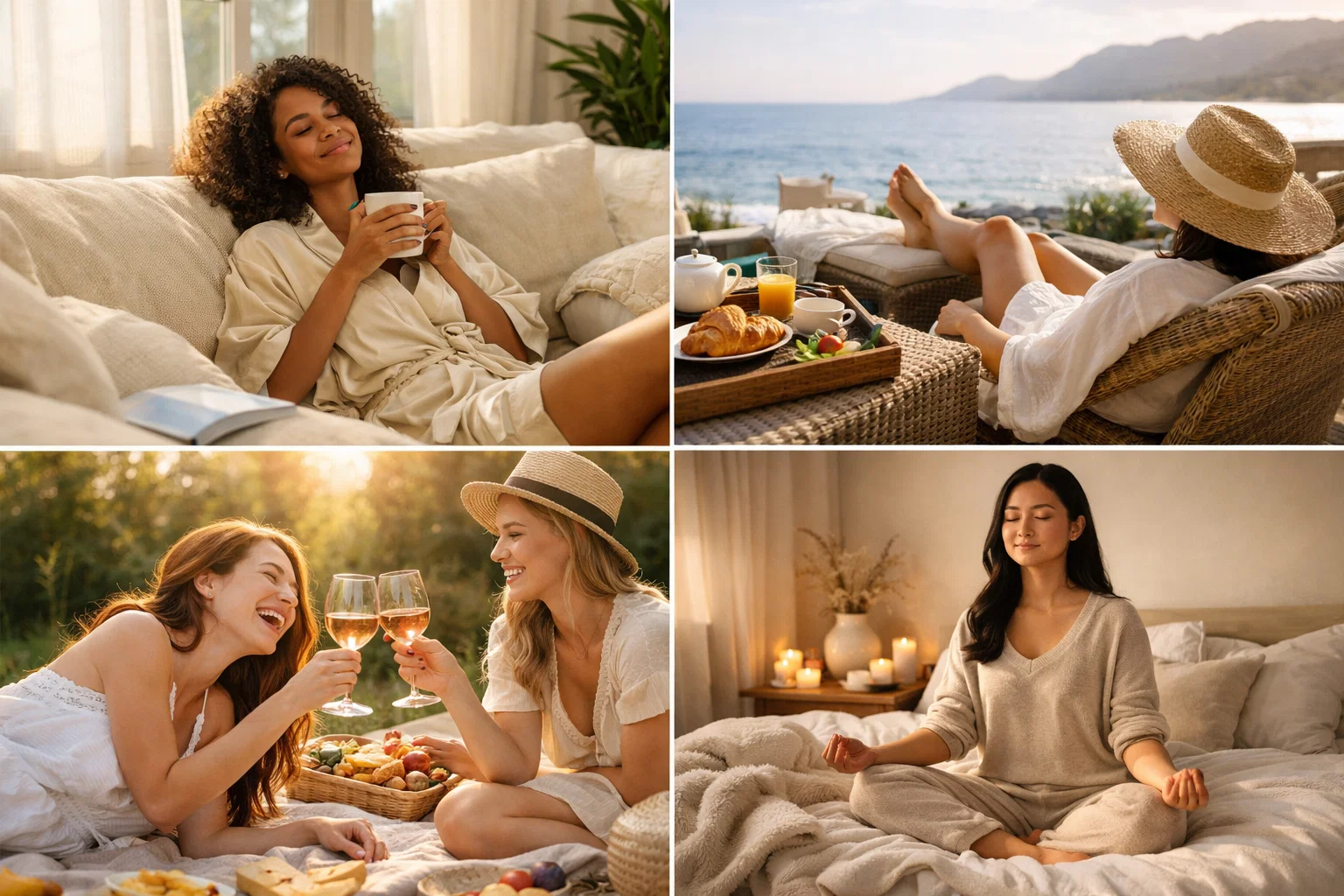
What Soft Life Culture Really Means
The “soft life” isn’t about laziness; it is about living a soft life, prioritizing mental well-being, and embracing a softer approach to work and personal life. It is the antithesis of hustle culture, advocating for setting clear boundaries and prioritizing personal well-being to avoid burnout.
Why This Trend Is Captivating Millennials and Gen Z
Millennials and Gen Z are drawn to the soft life trend due to increasing self-awareness of the negative effects of hustle culture and the glorification of busyness. They seek a fulfilling life that emphasizes mental well-being, work-life balance, and freedom from the constant pressure to grind.
The Difference Between Soft Life and Traditional Luxury
The soft life vs traditional luxury is more about prioritizing mental health and enjoying simple pleasures than accumulating material possessions. While traditional luxury often involves high costs and status symbols, living a soft life prioritizes relaxation and overall well-being, regardless of financial status.
Origins of Soft Life Culture
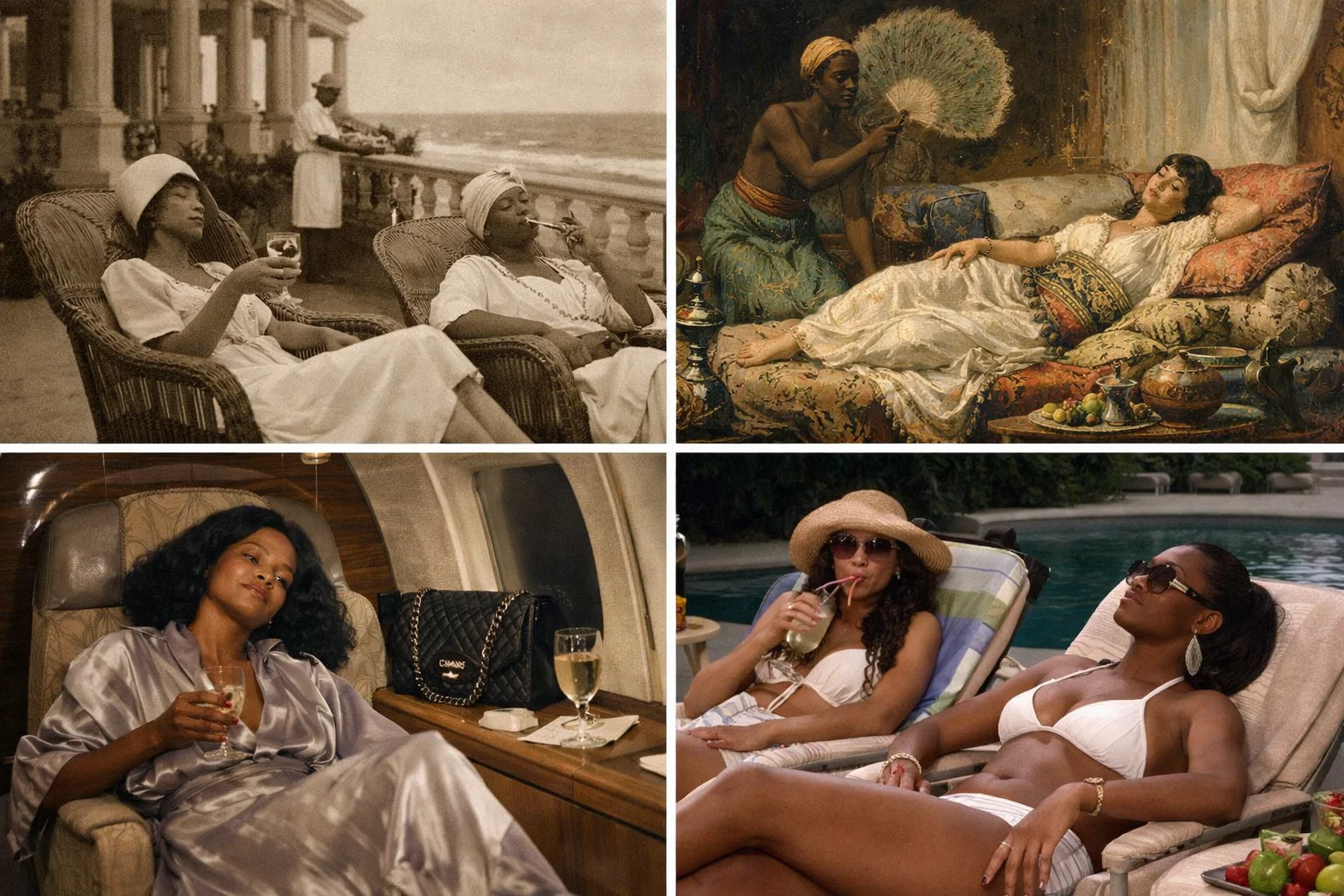
Reaction Against Hustle Culture and Burnout
The soft life movement originated as a reaction against hustle culture and burnout, especially in today’s fast-paced workplace. Many individuals are seeking a more sustainable approach to work and life by setting boundaries and prioritizing their mental and emotional well-being.
Influence of Social Media Aesthetics
Social media platforms, such as TikTok, play a significant role in popularizing the aesthetics associated with a soft life. Influencers often share content that showcases relaxation, self-care, and a focus on personal well-being, further driving the appeal of this lifestyle.
Historical Shifts in Lifestyle and Work-Life Balance
Historically, there have been shifts in work-life balance, with recent generations increasingly questioning the value of constant productivity and grind. The soft life era reflects a desire to recalibrate priorities, embracing softness and setting boundaries to foster overall well-being and mental well-being.
Key Characteristics of Soft Life Culture

Prioritizing Mental Health and Emotional Well-Being
A core characteristic of the soft life is prioritizing mental health and emotional well-being. This includes engaging in self-care practices, listening to music, reducing workload-related stress, and setting boundaries to protect one’s mental health, contributing to overall well-being.
Minimalism, Simplicity, and Intentional Living
The soft life often incorporates principles of minimalism and intentional living, focusing on simplicity and mindful consumption. This means decluttering one’s physical and mental space to create room for relaxation, self-care, and prioritizing mental well-being, leading to a fulfilling life.
Experiential Over Material: Investing in Memories and Joy
Rather than accumulating material possessions, those embracing a “soft life” prioritize experiences that bring joy and create lasting memories. This shift towards valuing experiences enhances overall well-being and fosters deeper connections, promoting a fulfilling life and improved mental health.
Why People Are Chasing Soft Life

Escape from Stress, Pressure, and Overwork
One of the primary reasons people are gravitating toward the soft life movement is the desire to escape the relentless stress, pressure, and overwork associated with hustle culture. The soft life offers a reprieve from the constant grind, promoting relaxation and prioritizing mental well-being in today’s fast-paced world.
Desire for Comfort, Ease, and Daily Happiness
The desire for comfort, ease, and daily happiness is a powerful motivator for embracing the soft life trend. The notion of living a soft life centers around creating a lifestyle that values relaxation, enjoyment, and self-care, providing a stark contrast to the constant demands of hustle culture.
Social Influence and the Appeal of Online Soft Life Aesthetics
Social media platforms, like TikTok, play a significant role in shaping the perception of the soft life era. The carefully curated “soft” aesthetics and lifestyles showcased online create a sense of aspiration and influence, drawing millennials and Gen Z toward prioritizing well-being over endless productivity.
Self-Priority and Redefining Personal Success
The soft life encourages individuals to place a greater emphasis on self-priority and redefine what personal success truly means. This shift away from traditional markers of achievement allows for a more balanced and fulfilling life, where well-being takes precedence over relentless ambition, with the goal of prioritizing mental well-being.
The Psychological and Social Benefits of Soft Life

Improved Mental Health and Reduced Anxiety
Embracing the soft life can lead to significant improvements in mental health and a reduction in anxiety. By prioritizing relaxation, setting boundaries, and reducing workload, individuals can alleviate stress and promote a greater sense of calm and emotional well-being, thereby enhancing their overall quality of life.
Greater Satisfaction Through Mindful and Intentional Living
Mindful and intentional living, key components of the soft life trend, can lead to greater satisfaction and fulfillment. By focusing on experiences over material possessions and engaging in activities that bring joy, individuals can cultivate a deeper sense of purpose and enhance their overall well-being.
Strengthened Social Connections Through Shared Experiences
Prioritizing experiences and relationships, as advocated by the soft life movement, can strengthen social connections. Sharing meaningful moments with loved ones and engaging in shared activities fosters a sense of belonging and support, contributing to overall well-being and a more fulfilling life in 2023.
The Role of Social Media in Popularizing Soft Life
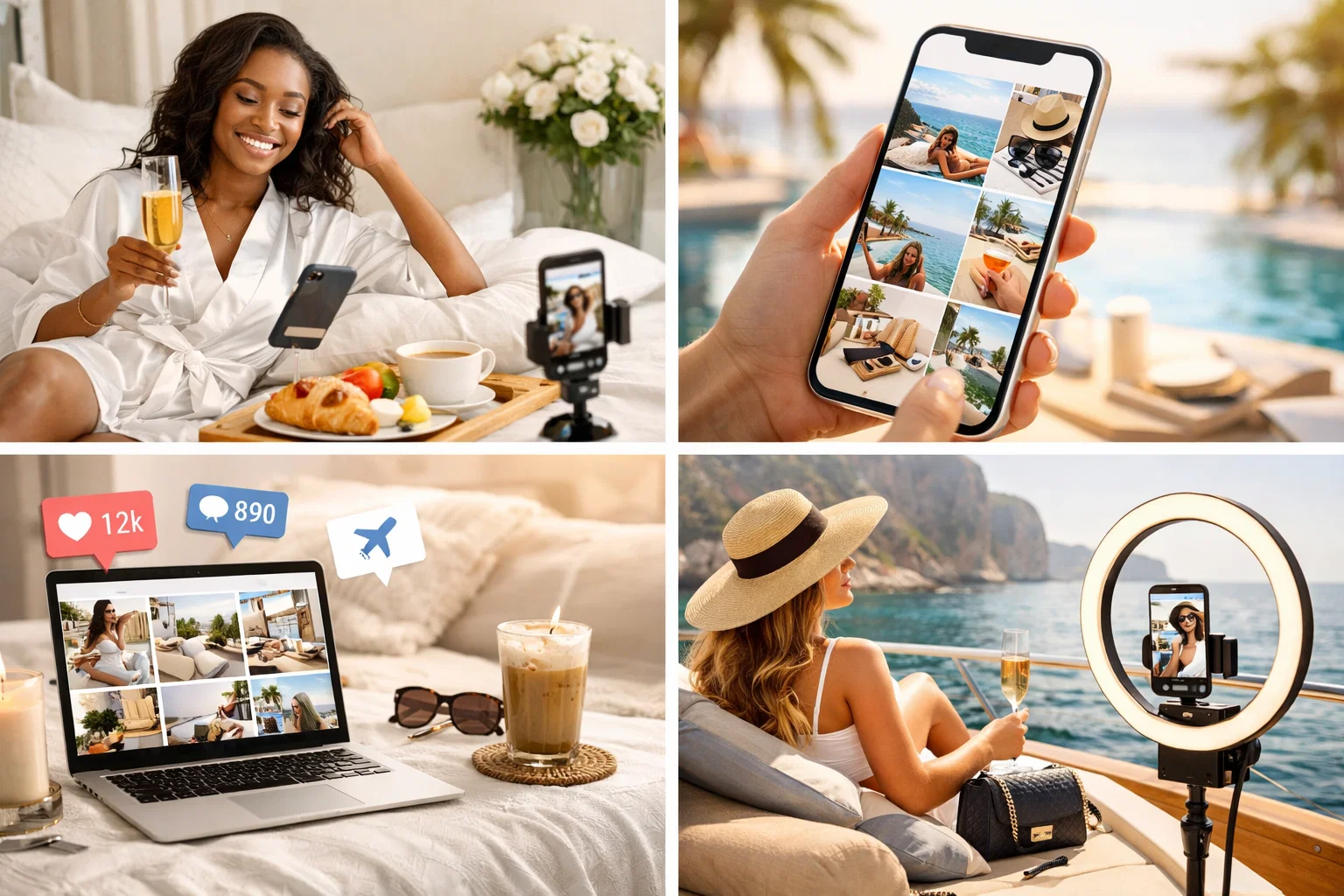
Instagram, TikTok, and Pinterest as Trend Amplifiers
Instagram, TikTok, and Pinterest serve as powerful amplifiers for the soft life trend, showcasing curated images and videos of individuals enjoying relaxed, aesthetically pleasing lifestyles. These platforms create a sense of aspiration and influence, further driving the popularity of the soft life in today’s fast-paced world.
Influencers and the Curation of the “Soft Life Aesthetic”
Influencers on platforms like TikTok play a crucial role in curating and promoting the “soft life” aesthetic. Through their content, they showcase the appeal of self-care, relaxation, and prioritizing mental well-being, further driving the soft life movement and inspiring others to embrace a softer approach to work and personal life.
The Positive and Negative Effects of Online Soft Life Culture
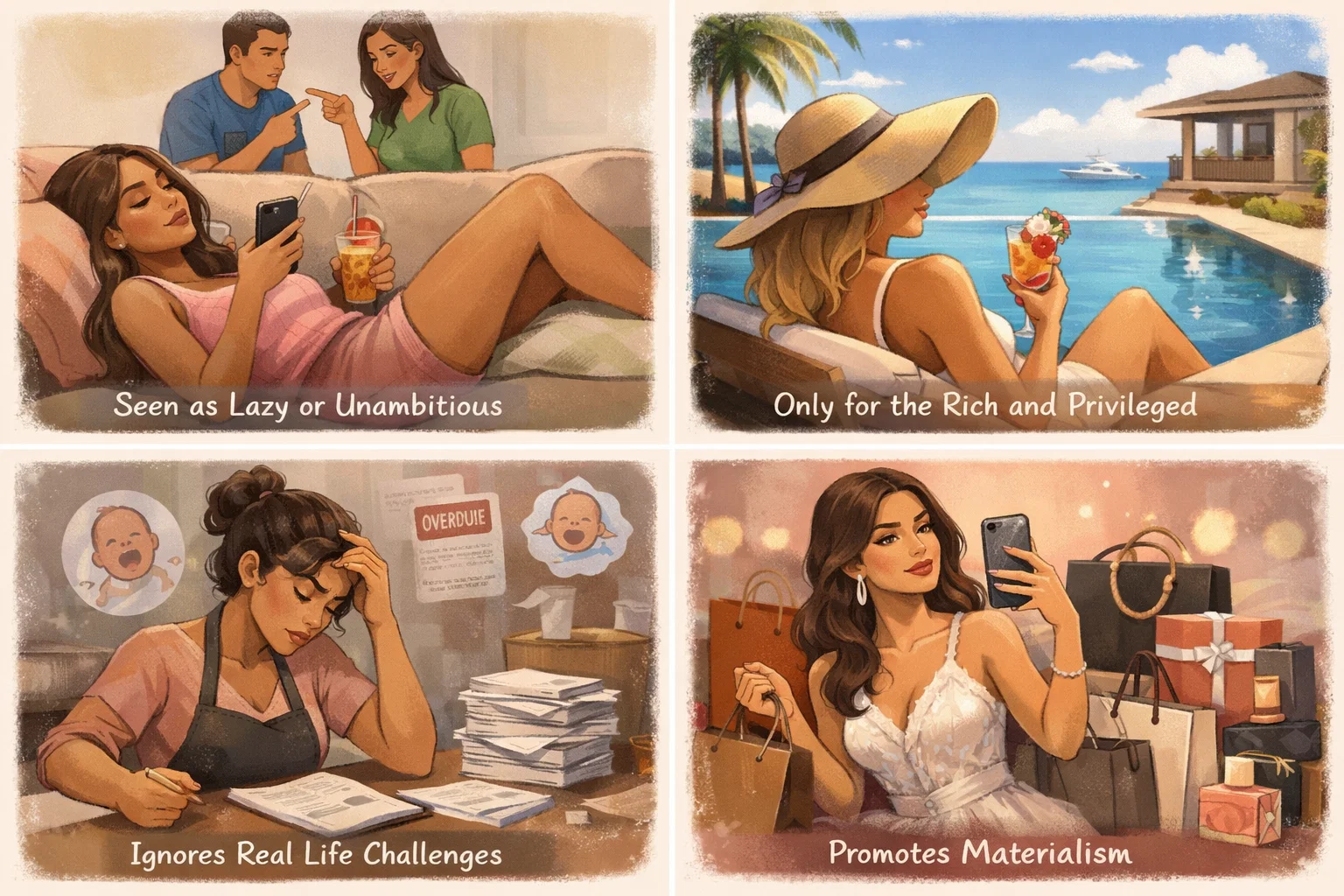
While social media can promote positive aspects of the soft life, such as self-care and well-being, it also has potential negative effects. The curated nature of online content can create unrealistic expectations and contribute to feelings of inadequacy, highlighting the importance of balance and self-awareness when engaging with the soft life trend. Some see the soft life vs the cost of living as unachievable, as well as the soft life vs hustle culture, that life isn’t about laziness.
Practical Ways to Embrace Soft Life in Daily Life

Designing Your Environment for Comfort and Calm
Designing your environment for comfort and calm is a vital step towards embracing the soft life. Creating a space that promotes relaxation and minimizes stress can significantly enhance your overall well-being. Simple changes, like decluttering, using soft lighting, and incorporating soothing colors, can transform your home into a sanctuary.
Simple Self-Care and Mindfulness Practices
Integrating simple self-care and mindfulness practices into your daily routine is essential for living a soft life. Activities such as meditation, yoga, listening to music, and taking mindful breaks can reduce stress and improve mental well-being. These practices encourage self-awareness and allow you to reconnect with yourself, fostering a sense of calm and balance.
Prioritizing Experiences and Relationships Over Material Possessions
Prioritizing experiences and relationships over material possessions is a cornerstone of the soft life trend. Investing in meaningful moments, such as spending time with loved ones, traveling, or pursuing hobbies, enriches your life in ways that material possessions cannot. This shift towards experiential living enhances well-being and promotes lasting happiness, a stark contrast to the constant grind.
Setting Boundaries and Saying No to Burnout
Setting clear boundaries and learning to say no are critical for preventing burnout and embracing the soft life movement. Protecting your time and energy by declining commitments that drain you allows you to focus on activities that bring joy and promote well-being. This approach to work and personal life safeguards your mental health and fosters a more balanced existence in today’s fast-paced world.
Critiques and Misconceptions About Soft Life
Avoiding Performativity and Social Media Pressure
Avoiding performativity and social media pressure is essential when embracing the soft life. The curated nature of online platforms, like TikTok, can create unrealistic expectations and lead to feelings of inadequacy. It’s important to remember that the soft life isn’t about achieving a perfect aesthetic but about prioritizing your own well-being and mental health.
Understanding That Soft Life Isn’t About Laziness
Understanding that the soft life isn’t about laziness is crucial for dispelling misconceptions about the trend. It’s about living a soft life, prioritizing mental well-being, and seeking a fulfilling life that balances work and personal life, rather than promoting idleness. It’s a conscious choice to set boundaries, protect your time, and focus on activities that enhance your overall well-being.
Financial Considerations and Accessibility of Comfort-Focused Lifestyles
Financial considerations and accessibility are important factors to consider when exploring comfort-focused lifestyles. While the soft life is often associated with luxurious experiences, it can be adapted to fit various budgets.
Prioritizing simple pleasures, practicing self-care, and investing in meaningful relationships are accessible ways to enhance well-being without significant financial strain, despite the soft life vs the cost of living.
Conclusion: Why Soft Life Culture Resonates Today
The soft life culture resonates today because it offers a compelling alternative to hustle culture and burnout, with black women and millennials leaning into it in 2023. The movement’s emphasis on mental well-being, self-care, and experiential living aligns with a growing desire for a more balanced and fulfilling existence in today’s fast-paced world. Gabrielle Judge has recently been a main social influencer on the lifestyle, bringing light to living a soft life.