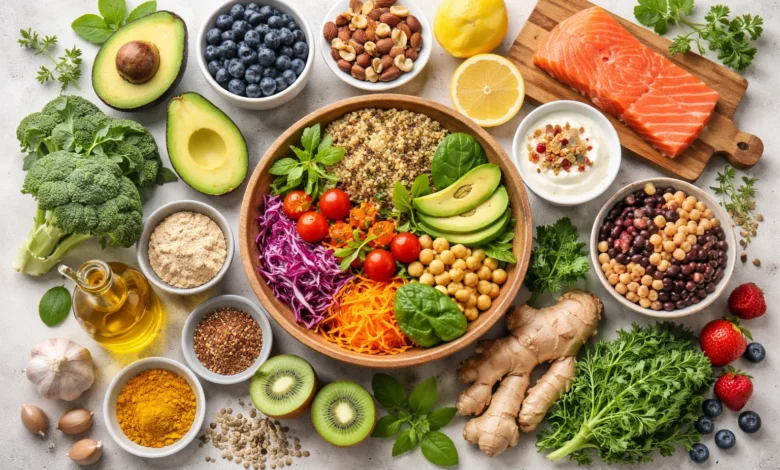
Embark on a journey to transform your health through the power of your gut. The microbiome diet focuses on nurturing your gut microbiome, enhancing immunity, and revitalizing your body. This comprehensive guide explores the principles, benefits, and practical steps to adopt this life-changing dietary approach.
Why the Microbiome Diet Matters in 2025–2026
The Role of Gut Microbes in Overall Health
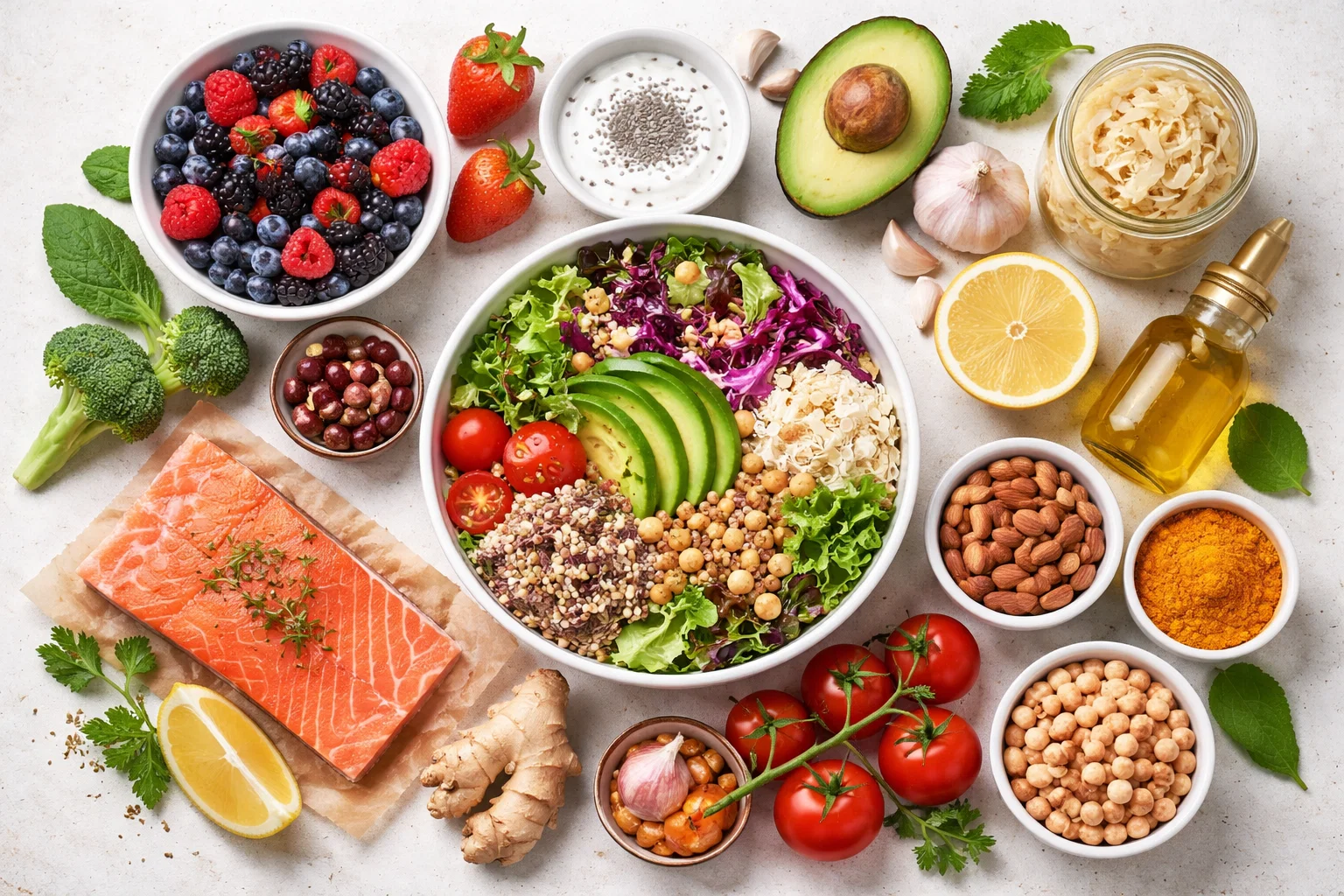
The gut microbiome, teeming with trillions of microorganisms, plays a pivotal role in overall health. These gut microbes, including beneficial bacteria, significantly impact digestion, nutrient absorption, and even mental well-being. Understanding the interplay between diet and the composition of the gut microbiota is crucial for maintaining human health and preventing diseases.
How Modern Lifestyle and Diet Impact the Microbiome
Modern lifestyle factors and dietary choices profoundly affect the human gut microbiome. The western diet, often high in processed foods and low in dietary fiber, can disrupt the healthy microbiome. This dietary shift reduces the diversity of gut bacteria, potentially leading to a compromised gut barrier and various health issues.
Benefits of a Balanced Gut: Immunity, Weight, and Mental Health
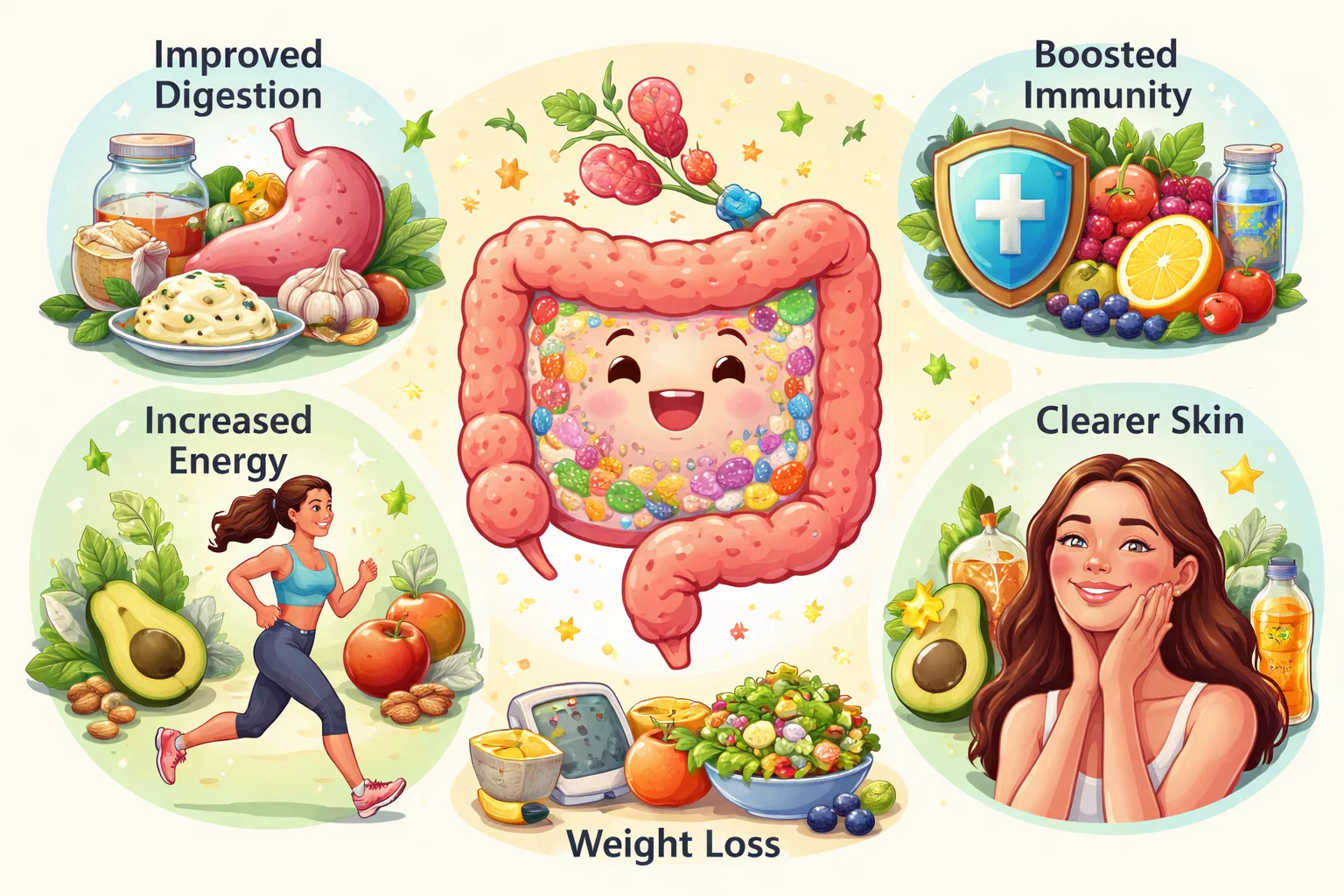
A balanced gut, fostered by a healthy diet, offers numerous health benefits. Specifically, a healthy gut microbiome can contribute to:
- Enhanced immune system function.
- Support for mental well-being.
The bacteria in your gut also produce short-chain fatty acids, which are essential for energy and gut health, highlighting the importance of maintaining healthy gut flora.
Core Principles of the Microbiome Diet
Prebiotic Foods: Feeding the Good Bacteria
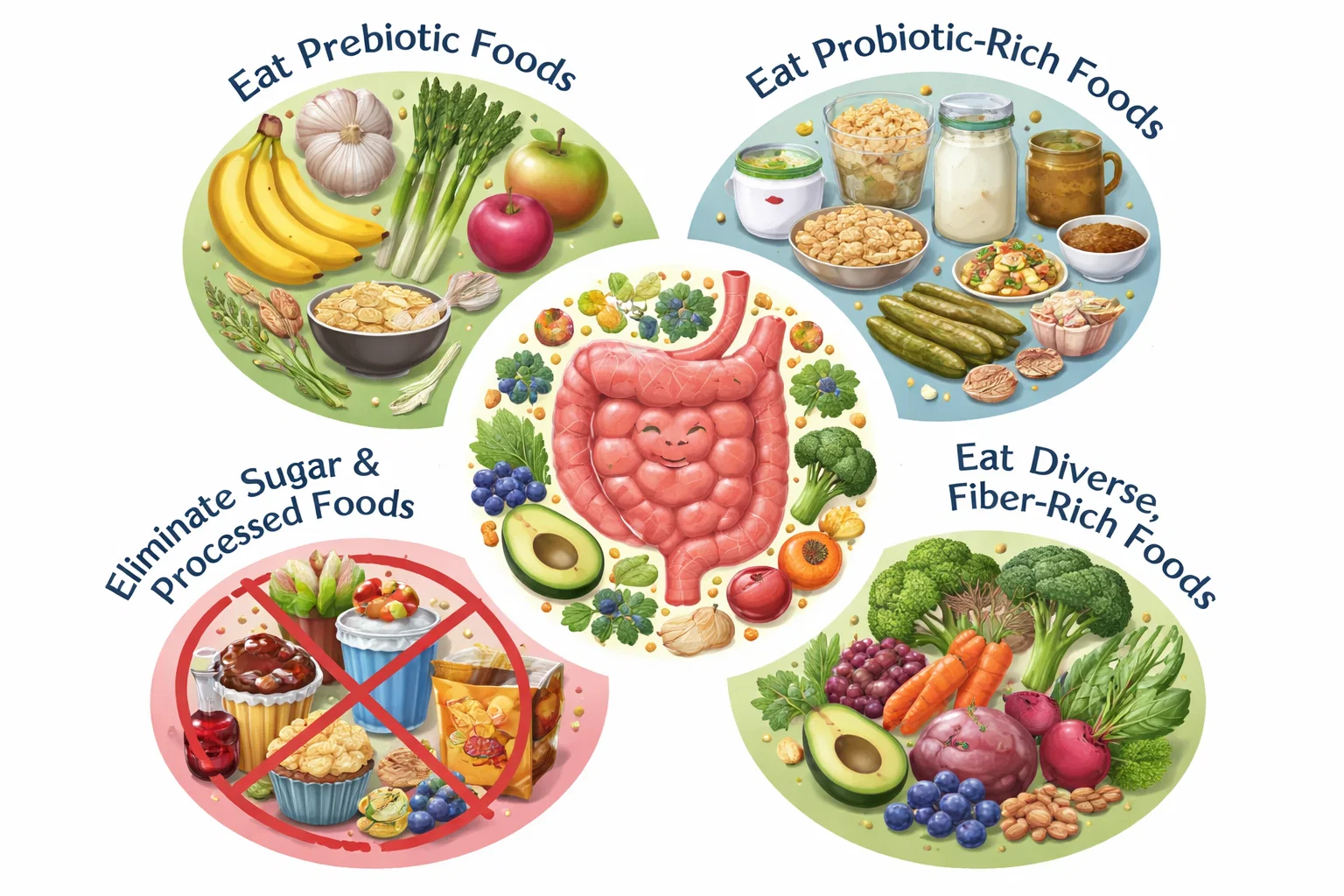
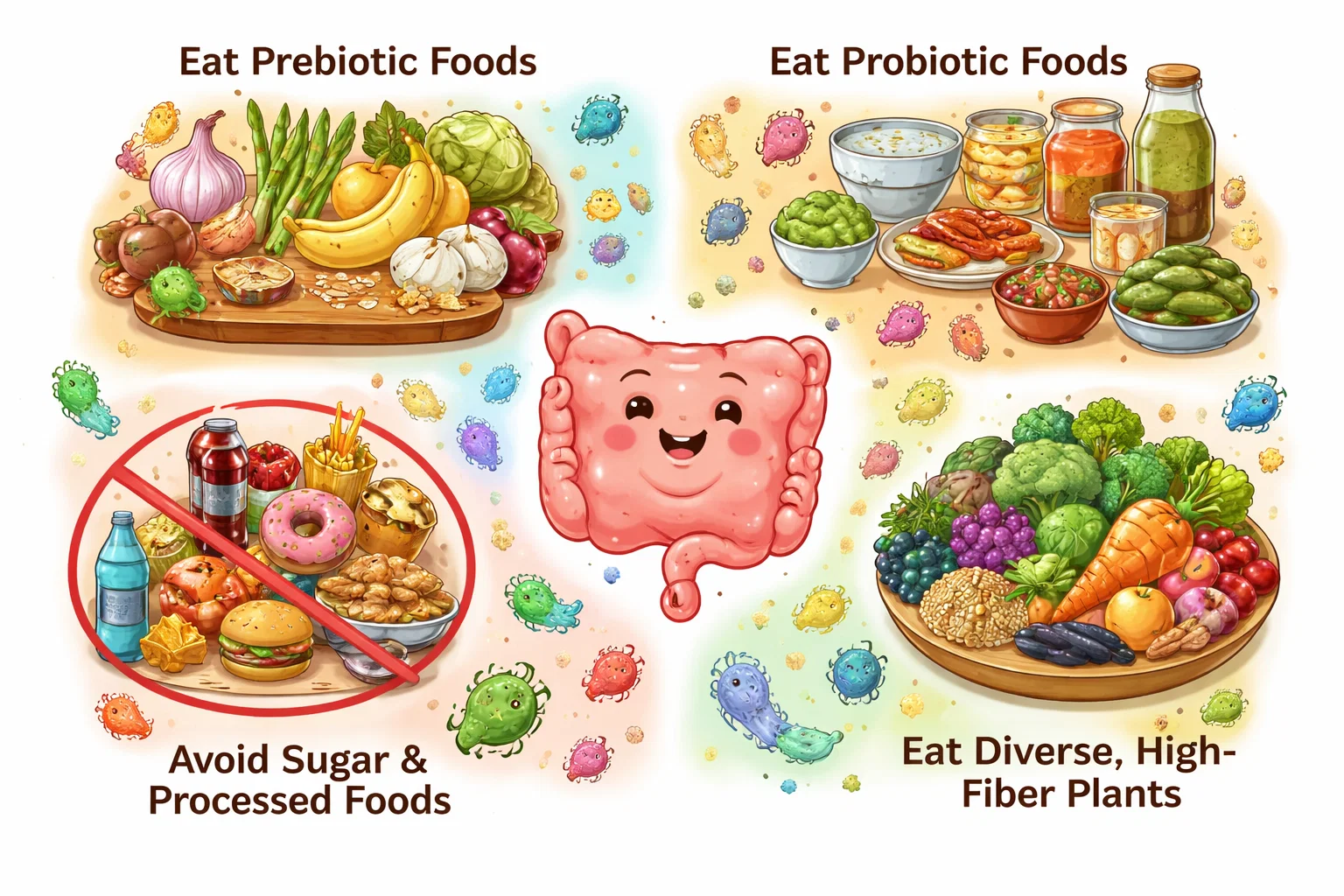
Prebiotic foods are essential to the microbiome diet, acting as nourishment for the beneficial bacteria in your gut. These dietary compounds, often fiber-rich, pass undigested into the colon, where they promote the growth and activity of healthy gut microbes, contributing to a balanced gut microbiota composition and improved digestive health.
Probiotic Foods: Adding Beneficial Microbes
Probiotic foods actively introduce beneficial microbes directly into the gut, complementing the effects of prebiotics. Incorporating probiotics into your diet may improve gut health, enhancing the diversity of gut bacteria and fortifying the gut barrier. These live microorganisms help restore a healthy gut microbiome, which is vital for human health.
Fiber-Rich Foods: Supporting Diversity and Digestion
Fiber-rich foods are a cornerstone of the microbiome diet, supporting diversity and digestion within the gut. Dietary fiber promotes the growth of a wide variety of gut bacteria, enhancing the composition of the gut microbiota. This process improves digestive function, aids nutrient absorption, and contributes to overall gut health.
Healthy Fats and Anti-Inflammatory Foods
Healthy fats and anti-inflammatory foods are critical components of the microbiome diet, aiding in the maintenance of overall health. These dietary elements reduce inflammation in the gut and support the function of beneficial gut microbes. Incorporating sources like omega-3 fatty acids and antioxidant-rich foods may improve gut health and overall well-being.
Avoiding Harmful Foods: Sugar, Processed Items, and Antibiotics
Avoiding harmful foods is paramount in the microbiome diet, particularly sugar, processed items, and unnecessary antibiotics. These substances can disrupt the delicate balance of the gut microbiome, diminishing the healthy gut flora. Limiting these dietary factors helps preserve a healthy gut microbiome and promote the well-being of the human gut microbiota.
Key Benefits of Following the Microbiome Diet
Improved Digestion and Gut Function
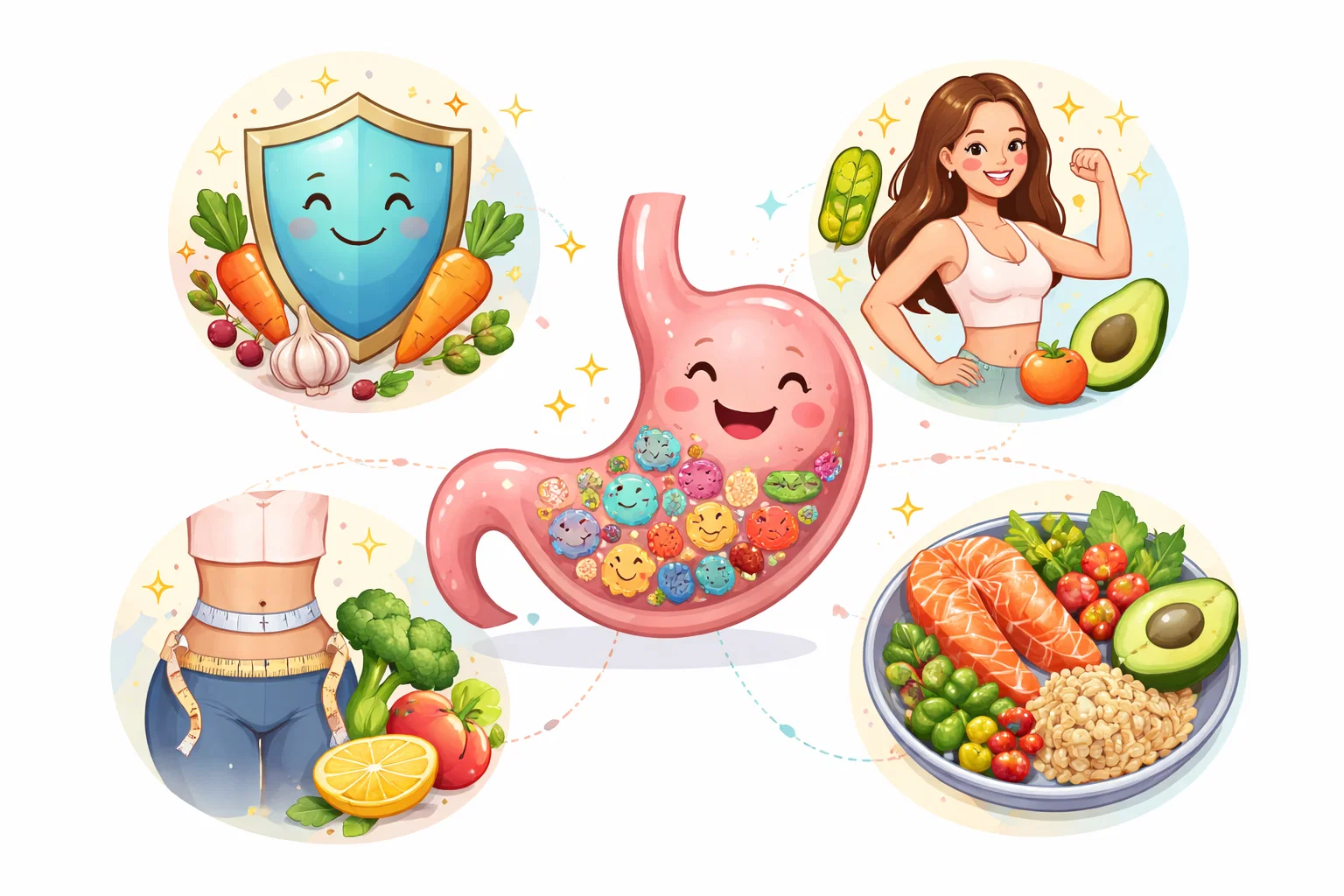
Following the microbiome diet can lead to significantly improved digestion and enhanced gut function. By emphasizing fiber-rich foods, prebiotics, and probiotics, the diet supports a diverse and balanced gut microbiota composition, which is essential for optimal digestion.
A healthy gut microbiome can more efficiently break down foods and absorb vital nutrients, reducing bloating and discomfort. This, in turn, improves overall gut health.
Enhanced Immune Response
An enhanced immune response is one of the key health benefits of adhering to the microbiome diet. The gut microbiome plays a crucial role in modulating the immune system, and a balanced composition of gut microbiota helps fortify the body’s defenses.
Probiotic and prebiotic foods contribute to a healthy gut microbiome, fostering a stronger immune system capable of effectively combating pathogens. The interplay between diet and immunity cannot be overstated.
Mental Wellbeing and Mood Regulation
Mental wellbeing and mood regulation are increasingly linked to gut health, and the microbiome diet supports both. The gut-brain axis connects the intestinal tract to the brain, and a healthy gut microbiome can positively influence mood.
The bacteria in your gut produce neurotransmitters that affect mental state, highlighting the role of diet in mental health. A healthy gut is therefore crucial for a healthy mind.
Weight Management and Metabolic Health
The microbiome diet supports weight management and metabolic health by promoting a healthy gut microbiome. Gut bacteria influence how the body processes nutrients and stores fat, and a balanced gut microbiota can aid in weight control.
Dietary adjustments can enhance metabolic function, potentially reducing the risk of obesity and related metabolic disorders. The phase of the microbiome diet matters when dealing with metabolism issues.
Anti-Inflammatory and Longevity Effects
Adhering to the microbiome diet may have anti-inflammatory and longevity effects due to the influence of gut health on systemic inflammation. A healthy gut microbiome can reduce inflammation throughout the body, potentially lowering the risk of chronic diseases associated with aging.
Dietary choices, such as including anti-inflammatory foods and avoiding harmful substances, support the health of the gut microbiota, promoting overall well-being and longevity.
How to Start the Microbiome Diet: Step-by-Step Guide
Phase 1: Detox and Reset Your Gut
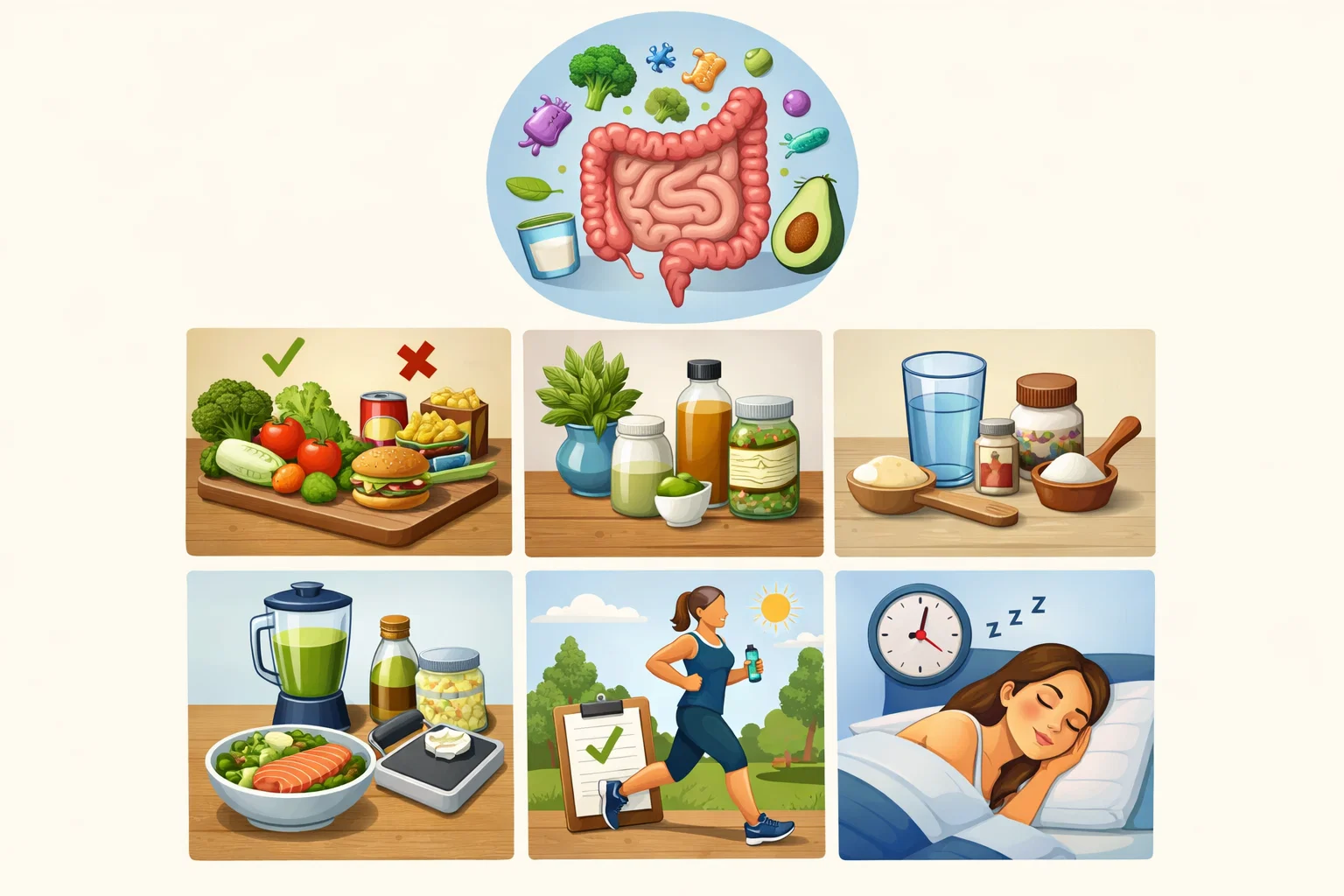
Phase 1 of the microbiome diet focuses on detoxifying and resetting your gut. This involves eliminating processed foods, sugars, and other harmful substances that disrupt gut health.
Emphasize a plant-based diet rich in non-starchy vegetables to help starve out unhealthy bacteria. This phase aims to reduce inflammation and prepare the intestinal environment for the reintroduction of beneficial gut bacteria later on.
Phase 2: Reintroduce Prebiotics and Probiotics Gradually
In Phase 2, reintroduce prebiotics and probiotics gradually to nourish and diversify your gut microbiome. Incorporate prebiotic-rich foods like onions, garlic, and bananas, along with probiotic sources like yogurt and kefir.
This strategic reintroduction supports the growth of beneficial gut bacteria, enhancing the composition of gut microbiota and improving overall gut health. Monitor your body’s response to ensure a smooth transition.
Phase 3: Long-Term Gut Health Maintenance
Phase 3 is centered on long-term gut health maintenance through consistent dietary practices. Continue to prioritize fiber-rich foods, prebiotics, and probiotics to sustain a balanced gut microbiome.
Maintain a healthy diet, rich in fruits, vegetables, and lean proteins, while minimizing processed foods and sugars. Regularly assess your gut health and adjust your dietary approach as needed to support optimal well-being.
Sample Daily Meal Plan for the Microbiome Diet
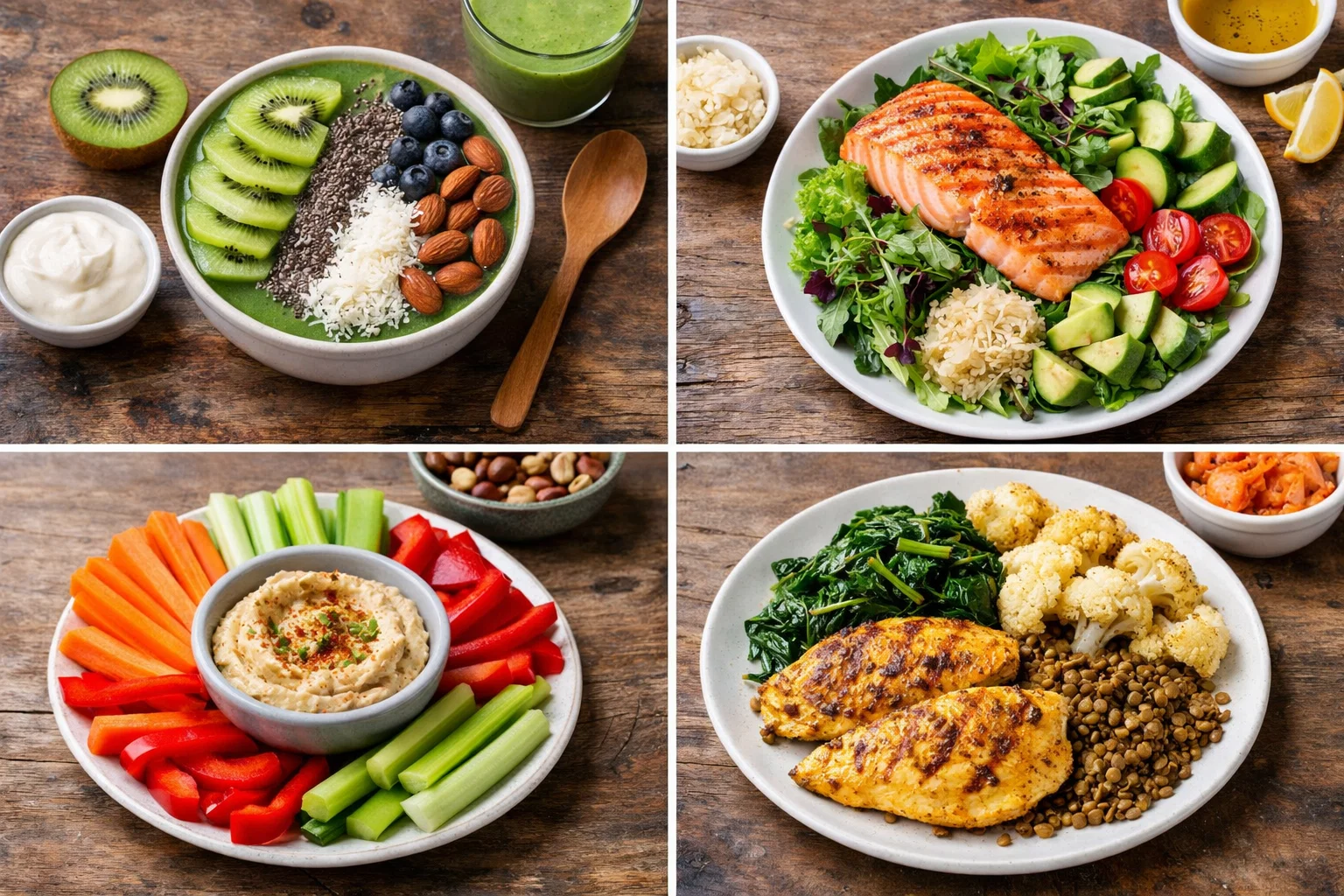
A sample daily diet plan for the microbiome diet might include the following:
| Meal | Example |
|---|---|
| Breakfast | Overnight oats with berries and nuts. |
| Lunch | Salad with mixed greens, grilled chicken, and a variety of colorful vegetables, dressed with olive oil and lemon juice. |
| Dinner | Baked salmon with roasted vegetables like broccoli and sweet potatoes. |
Snacks could include a small serving of yogurt or a handful of almonds, ensuring consistent support for gut microbial balance.
Foods to Embrace and Foods to Avoid
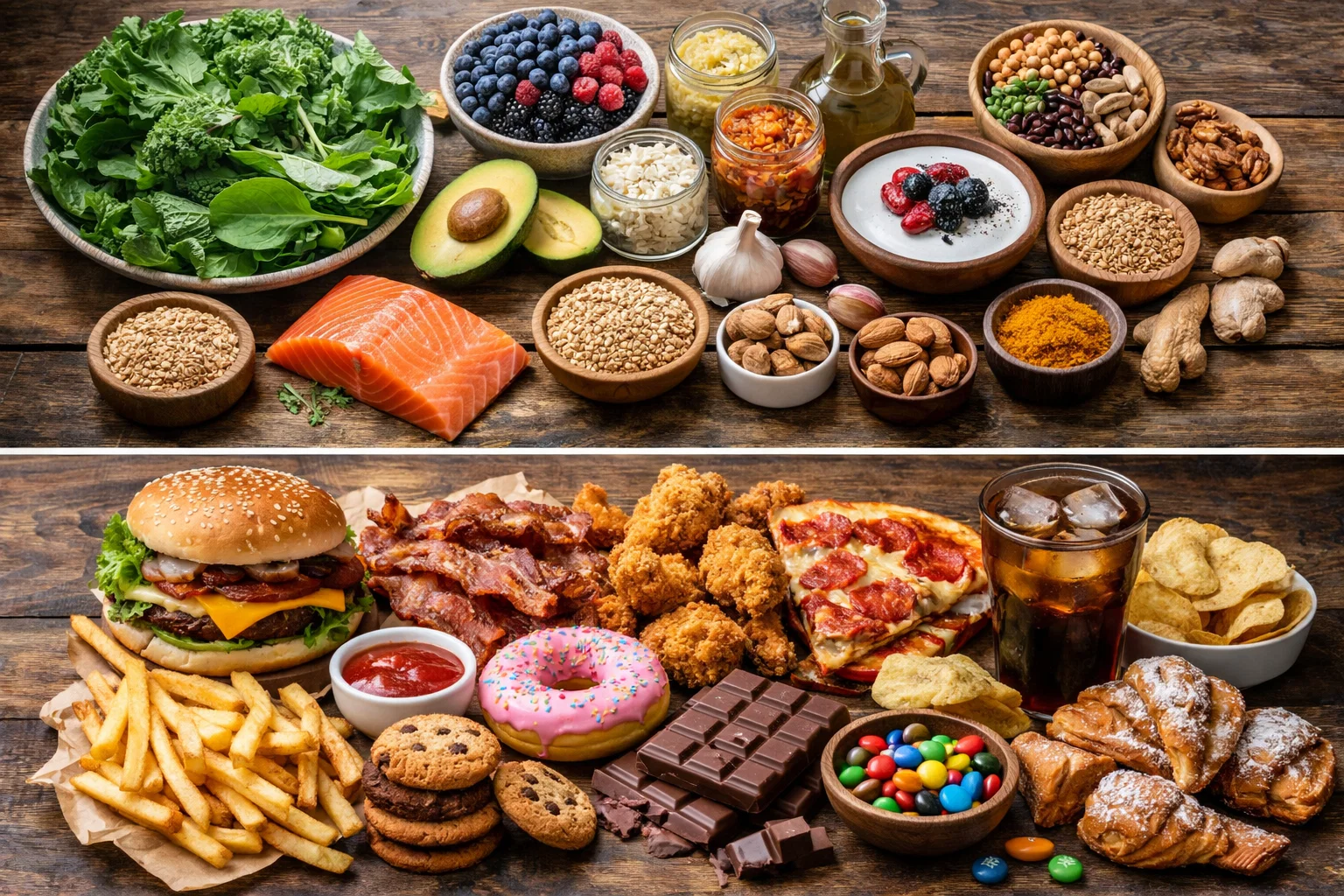
Top 15 Prebiotic and Probiotic Foods for Gut Health
To optimize your gut health on the microbiome diet, focus on incorporating top prebiotic and probiotic foods into your diet. Prebiotic-rich options include garlic, onions, leeks, asparagus, and bananas. These dietary sources feed the beneficial bacteria in your gut.
For probiotics, consider yogurt, kefir, sauerkraut, kimchi, and kombucha, which introduce beneficial microorganisms directly into your gut. Integrating these foods supports a healthy gut microbiome, improving the composition of gut microbiota and overall digestive function.
Foods That Harm Your Microbiome and Why
Certain foods can harm your microbiome and disrupt gut health, so it’s important to limit or avoid them on the microbiome diet. High sugar intake promotes the growth of unhealthy gut bacteria. Processed foods often contain additives that negatively impact the healthy microbiome.
Artificial sweeteners may alter the composition of gut microbiota. Also, excessive alcohol consumption can damage the gut wall and reduce the diversity of gut bacteria. These dietary changes can lead to a compromised gut barrier and health issues.
Emerging Trends and Science in Microbiome Nutrition
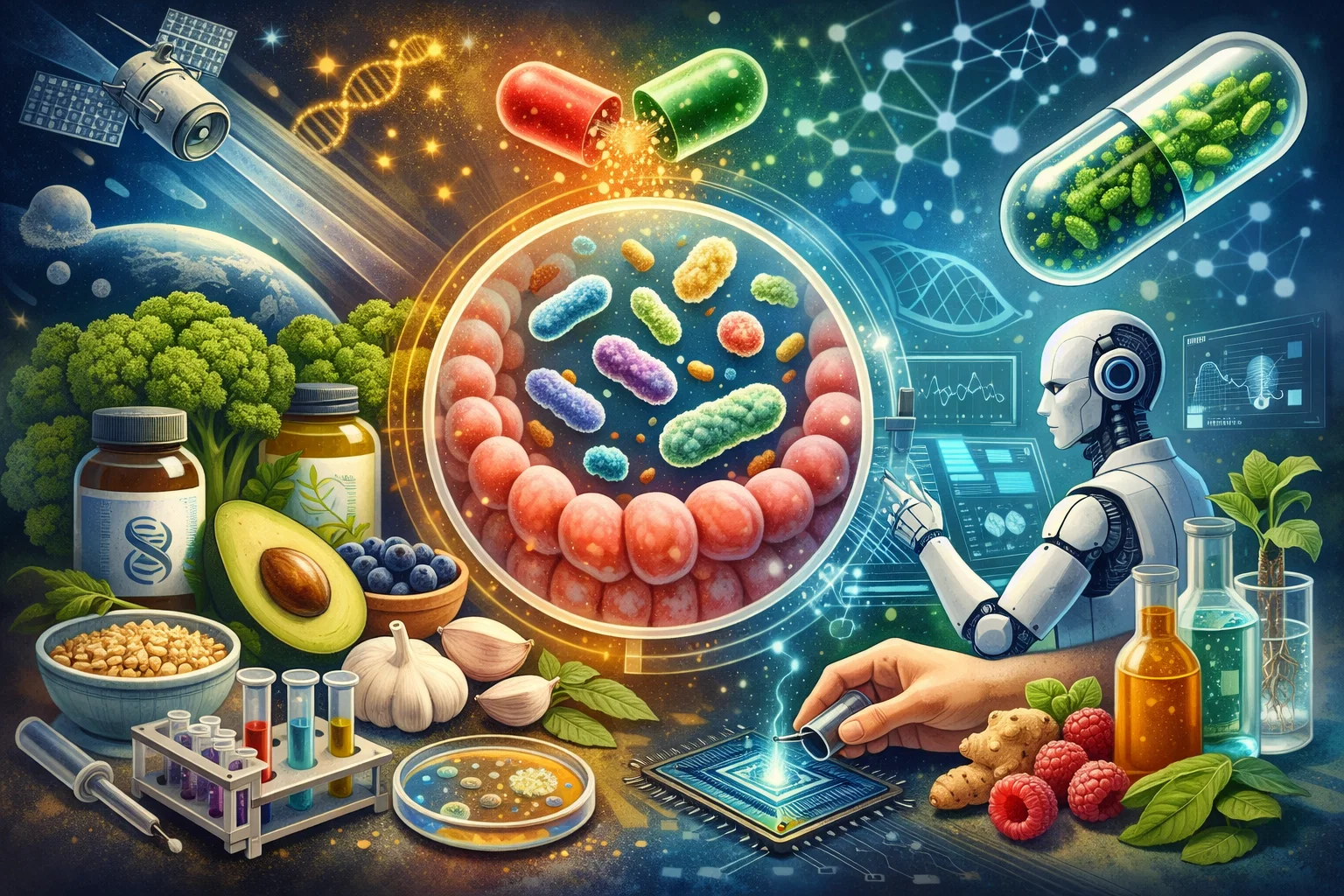
Personalized Gut Nutrition: Using Microbiome Testing
Personalized gut nutrition is an emerging trend that leverages microbiome testing to tailor dietary recommendations. This involves analyzing the composition of your gut microbiota to identify specific bacterial imbalances.
Based on the results, a registered dietitian or healthcare professional can recommend targeted dietary changes to improve gut health. This approach allows for a more precise and effective microbiome diet, optimizing overall health benefits by addressing individual needs and specific bacterial profiles.
AI and Apps for Tracking Gut Health and Diet Impact
AI and apps are increasingly used for tracking gut health and the impact of diet on the gut microbiome. These tools can monitor food intake, track symptoms, and provide personalized insights into how different foods affect gut bacteria.
Some apps even integrate with microbiome testing services, offering tailored dietary recommendations based on individual results. By leveraging AI, users gain a deeper understanding of the interplay between diet and gut health, leading to more informed and effective dietary choices.
Functional Foods and Innovative Microbiome-Friendly Products
Functional foods and innovative microbiome-friendly products are gaining popularity as consumers seek to enhance their gut health. These products are often fortified with prebiotics, probiotics, or postbiotics to support a healthy gut microbiome.
Examples include prebiotic-enriched snacks, probiotic-infused beverages, and supplements designed to improve the composition of gut microbiota. As research advances, these microbiome-targeted products may offer convenient and effective ways to promote gut health and overall well-being, complementing the benefits of the microbiome diet.
Expert Tips for Maximizing Gut Health on the Microbiome Diet
Lifestyle Factors: Sleep, Stress, and Exercise
To truly maximize the health benefits of the microbiome diet, remember that it’s about more than just what you eat; lifestyle factors also play a significant role. In particular, consider the impact of these habits:
- Prioritize adequate sleep, as sleep deprivation can negatively affect the composition of gut microbiota.
- Managing stress through techniques like meditation or yoga is also crucial for a healthy gut microbiome.
- Regular exercise enhances overall well-being and supports healthy gut bacteria.
These habits boost healthy gut and immune system functionality.
Combining Microbiome Diet with Other Healthy Eating Patterns
The microbiome diet can be seamlessly integrated with other established healthy eating patterns to amplify the health benefits. For example, combining it with elements of the Mediterranean diet, rich in plant-based foods, healthy fats, and lean proteins, can further enhance gut health.
You can also take the principles of the microbiome diet and apply them to a gluten-free diet or low FODMAP diet, adjusting the phase of the microbiome diet to match the dietary needs of your health issues.
When to Consult a Dietitian or Healthcare Professional
Knowing when to seek professional guidance is critical for maximizing the benefits of the microbiome diet. If you have underlying health conditions, such as inflammatory bowel disease, or if you’re unsure about how to safely implement the diet, consult a registered dietitian or healthcare professional.
They can assess your individual needs, monitor the effects on your gut, and provide personalized recommendations. They can offer support and ensure optimal results for your human gut microbiome.
Common Myths and Misconceptions About the Microbiome Diet
“Probiotics Alone Can Fix Your Gut”
One common myth is that probiotics alone can fix your gut; however, probiotics only introduce bacteria, but the body needs diverse prebiotics to grow the correct gut flora. The effectiveness of probiotics hinges on the environment they encounter in your gut.
A balanced diet rich in fiber and prebiotics is essential to nourish and sustain a healthy microbiome. Over-reliance on probiotics without addressing the underlying dietary factors is unlikely to yield long-term benefits for gut health.
“All Fiber Is Good Fiber”
Not all fiber is created equal, and consuming excessive amounts of one type of fiber may not be beneficial for everyone. While fiber-rich foods are generally encouraged on the microbiome diet, it’s important to diversify your fiber sources.
Different types of fiber support different types of gut bacteria, and a balanced intake promotes a more diverse and healthy gut microbiome. Pay attention to how your body responds to various fiber sources.
Debunking Quick-Fix Claims
Be wary of quick-fix claims surrounding the microbiome diet. Rapid and dramatic results are often unsustainable and may even be detrimental to your gut health. Building a healthy gut microbiome is a gradual process that requires consistent dietary changes, lifestyle adjustments, and patience.
Focus on long-term sustainable habits rather than seeking short-term solutions. This approach improves gut health and overall well-being.
Conclusion: Transform Your Health Through the Microbiome Diet
The microbiome diet offers a powerful approach to transforming your health by focusing on nurturing your gut microbiome. This involves embracing prebiotic and probiotic foods, dietary fiber, and making other dietary adjustments to improve gut health. By understanding the interplay between diet and gut health, you can unlock the full potential of your gut microbiota. The bacteria in your gut is the key to a more balanced gut.