


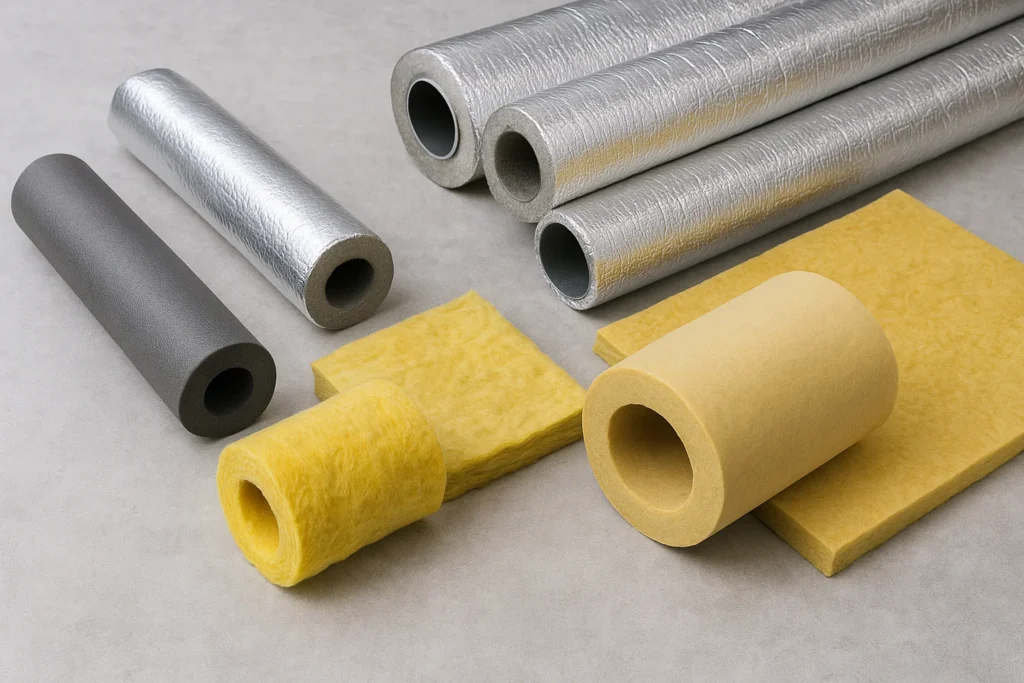
Industrial pipe insulation plays a critical role in controlling heat loss, maintaining system efficiency, and protecting workers throughout a facility. Whether the system carries steam, chemicals, chilled water, or process fluids, the insulation material chosen will have a long-term impact on operating costs, safety, and equipment performance.

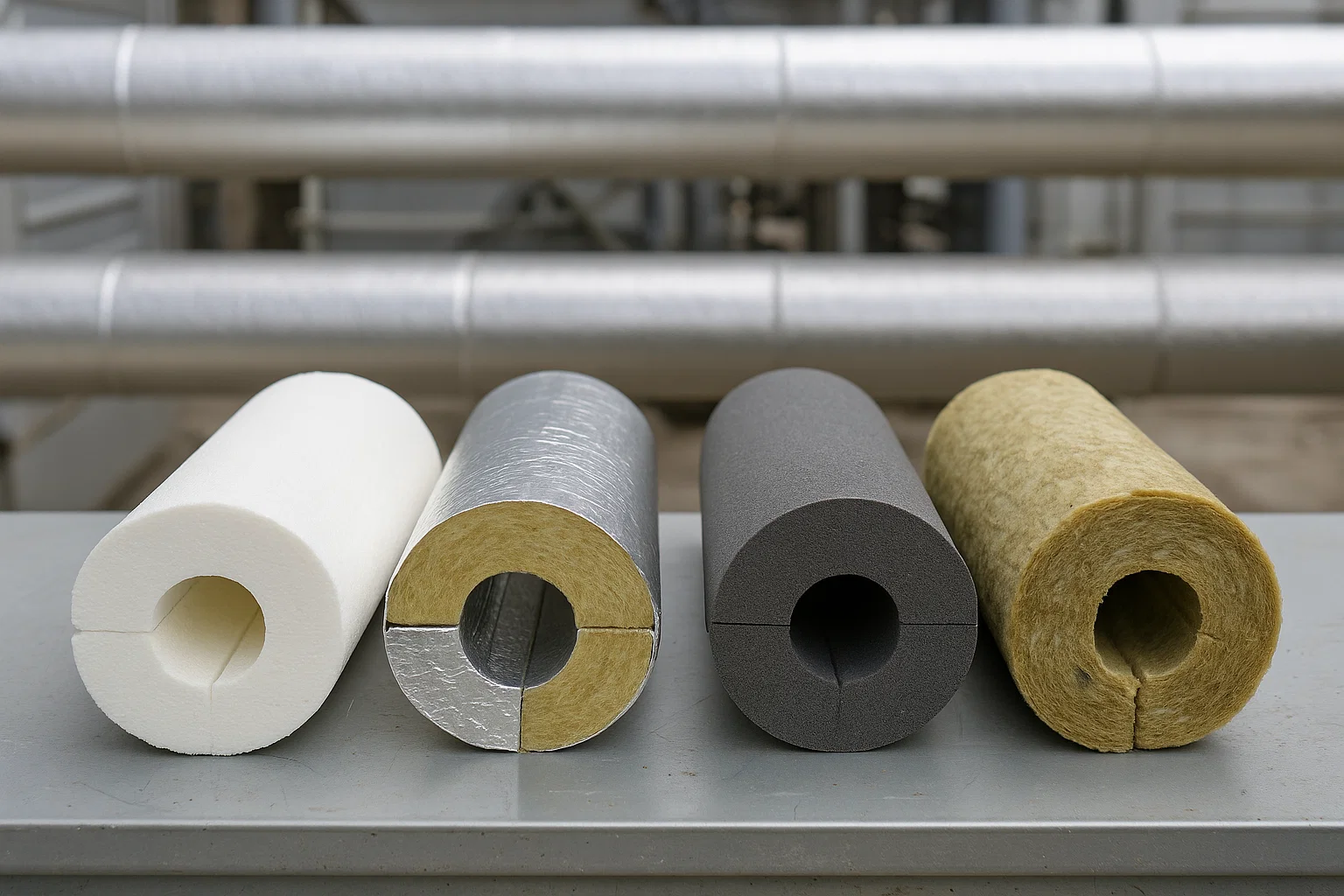
Understanding the most common insulation materials—and where each one excels—helps facility managers make informed decisions that reduce risks and improve reliability.
Below is a detailed look at the best materials used for industrial pipe insulation, along with their advantages and drawbacks.
1. Mineral Wool (Rock Wool and Slag Wool)
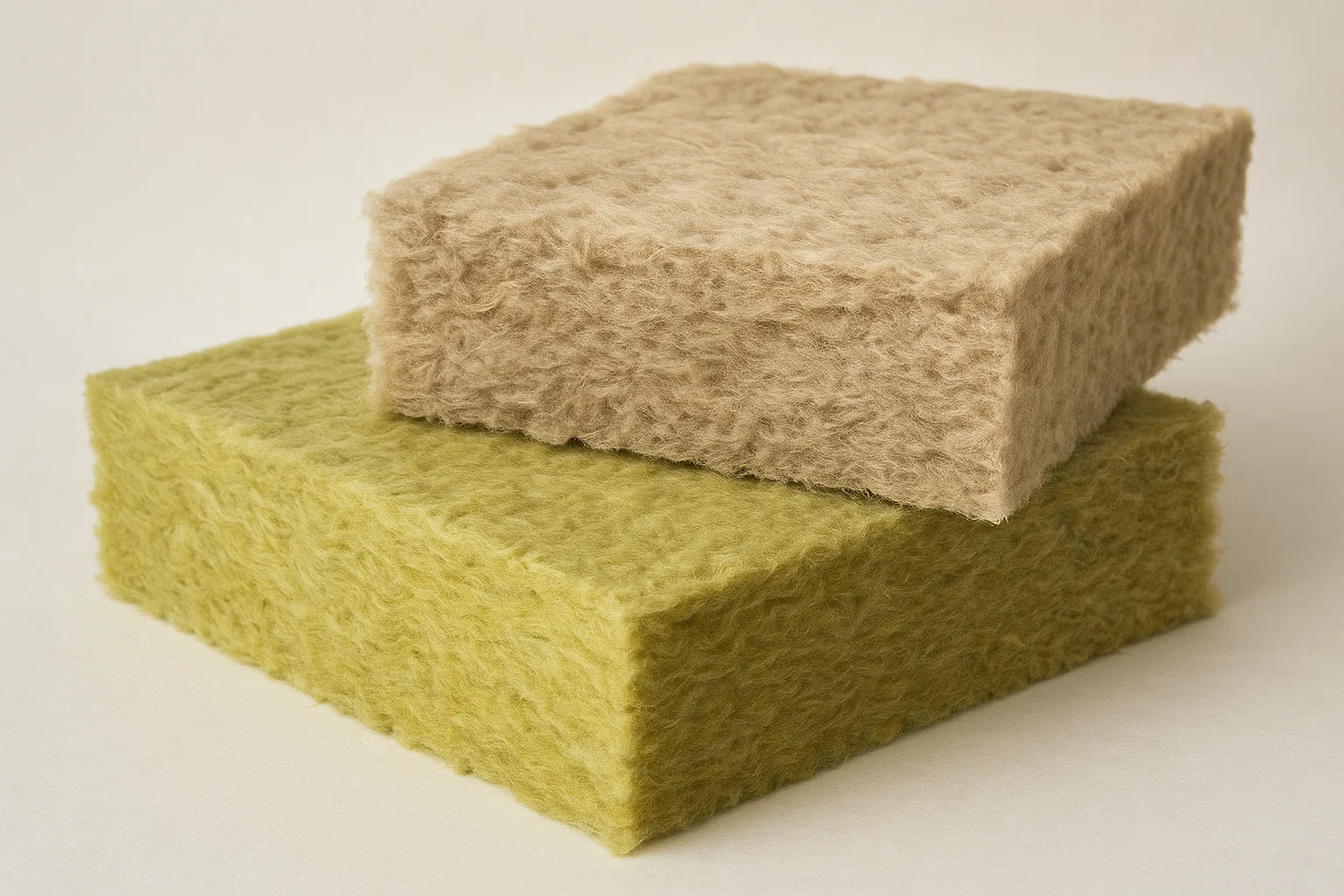
Mineral wool is one of the most widely used insulation materials in industrial environments. It performs exceptionally well in high-temperature applications and provides natural fire resistance, making it ideal for steam lines and high-heat processing systems.
Pros:
- Excellent thermal performance in high temperatures
- Naturally fire resistant
- Good acoustic dampening
- Widely available
Cons:
- Not suitable for cryogenic applications
- Can absorb moisture without proper jacketing
2. Fiberglass Insulation
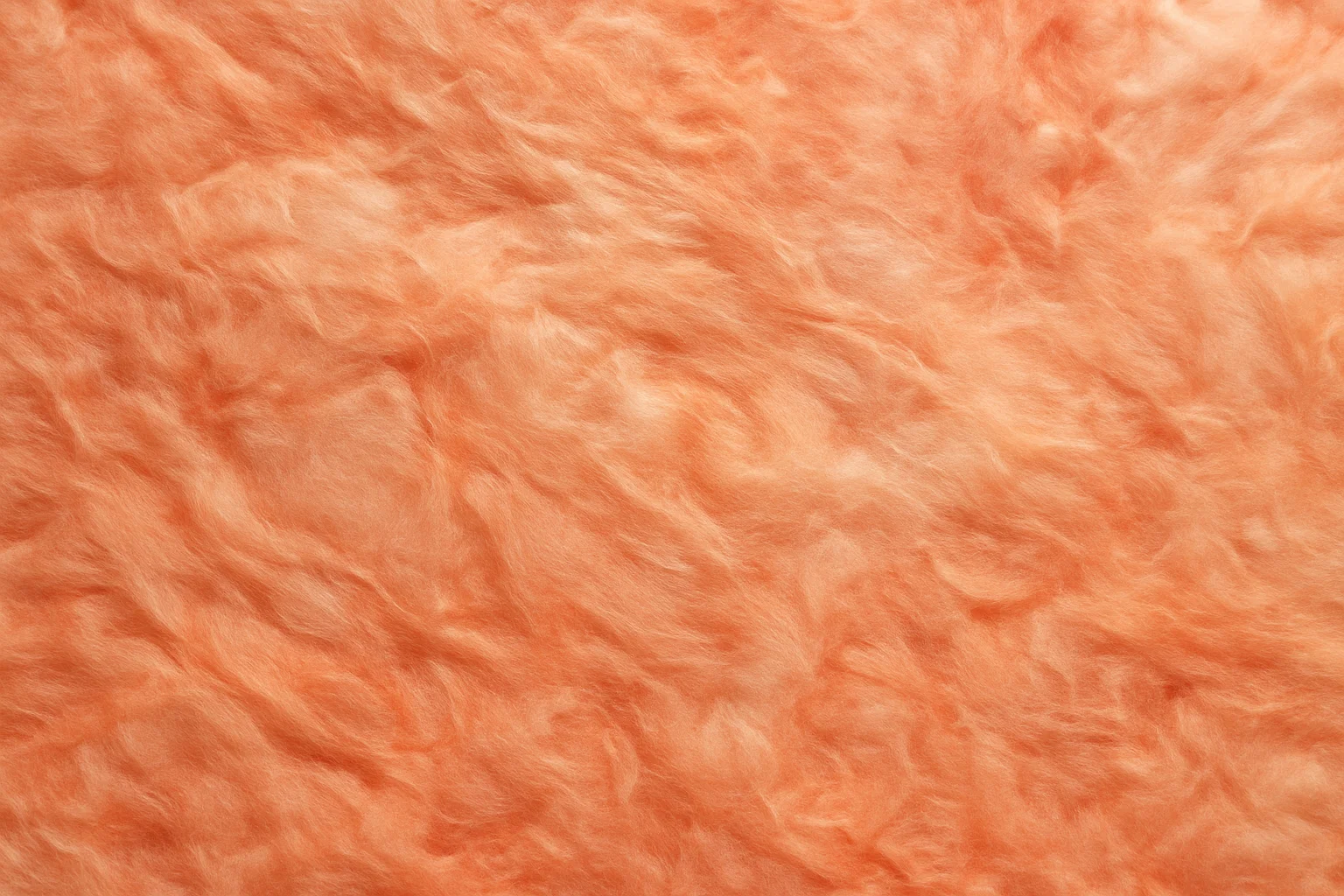
Fiberglass is a cost-effective choice for moderate temperature ranges. It is commonly used in plants with extensive piping networks because it’s lightweight, easy to install, and suitable for both hot and cold systems with the correct vapor barriers.
Pros:
- Cost-effective and versatile
- Good heat retention for mid-range temperatures
- Works well for both hot and chilled piping
- Easy to fabricate and install
Cons:
- Requires protective jacketing to prevent moisture intrusion
- Not recommended for extremely high temperatures
3. Calcium Silicate
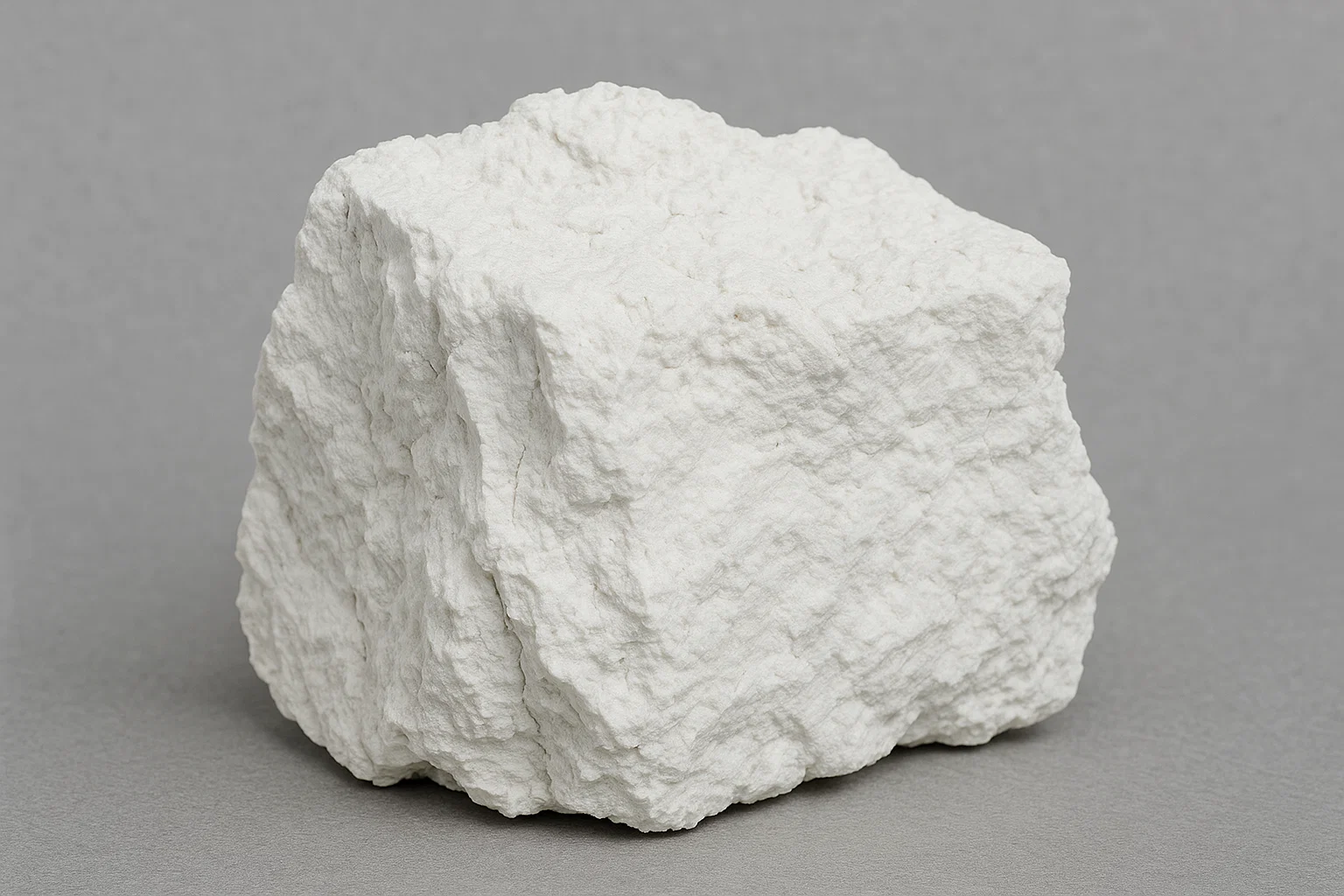
Calcium silicate insulation delivers structural strength and excellent resistance to moisture and compression. This makes it a strong option for outdoor industrial pipe insulation or locations where mechanical abuse is common.
Pros:
- High durability and strength
- Excellent moisture resistance
- Performs well under high temperatures
Cons:
- Heavier and more labor-intensive to install
- More brittle compared to flexible materials
4. Cellular Glass
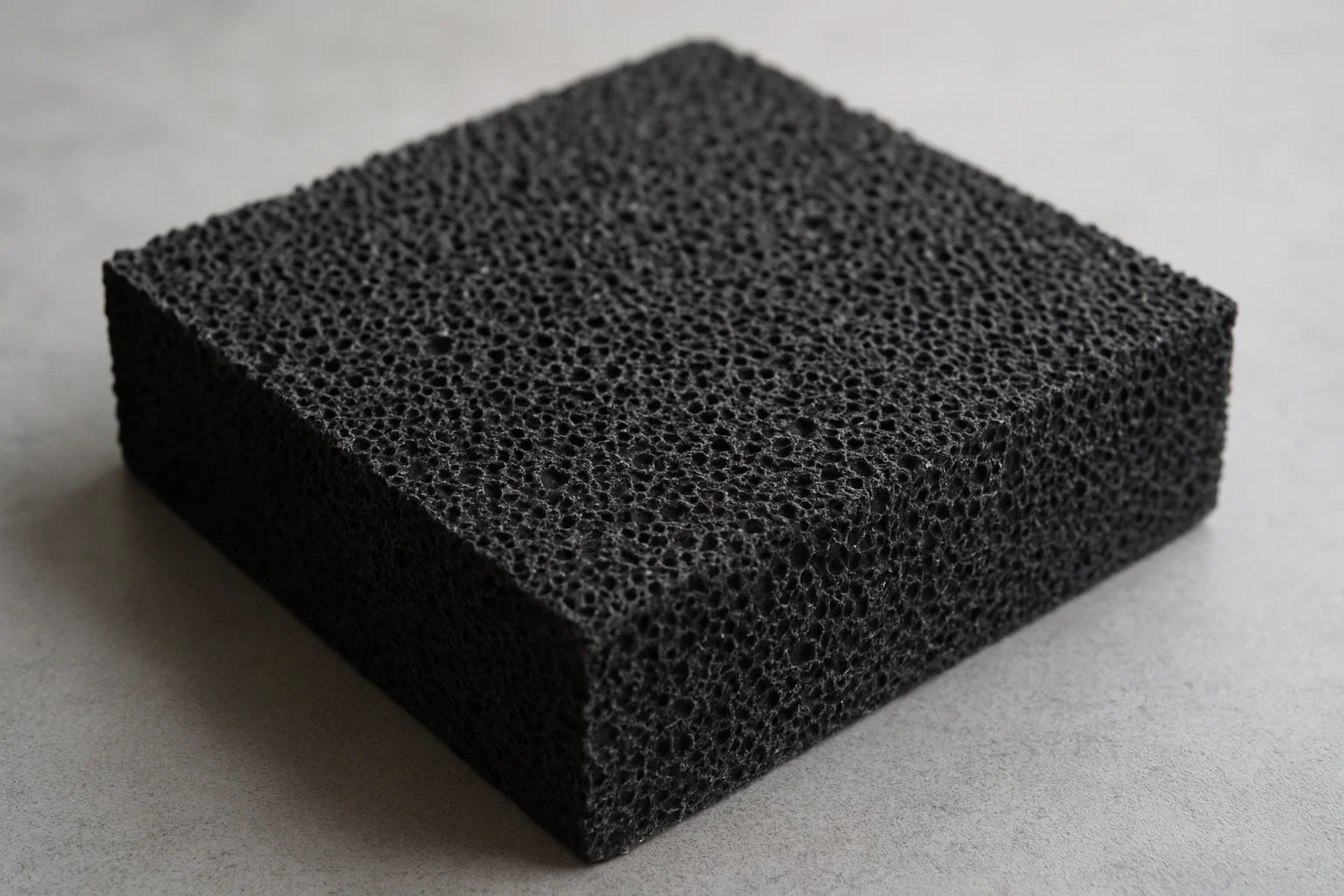
Cellular glass insulation is a closed-cell material that is completely moisture impermeable. It’s ideal for piping systems prone to condensation or for environments with extreme temperature cycling.
Pros:
- 100% moisture-resistant
- Strong vapor barrier capabilities
- Suitable for cryogenic to high-temperature applications
Cons:
- Higher cost
- Requires precise installation techniques
5. Aerogel Insulation
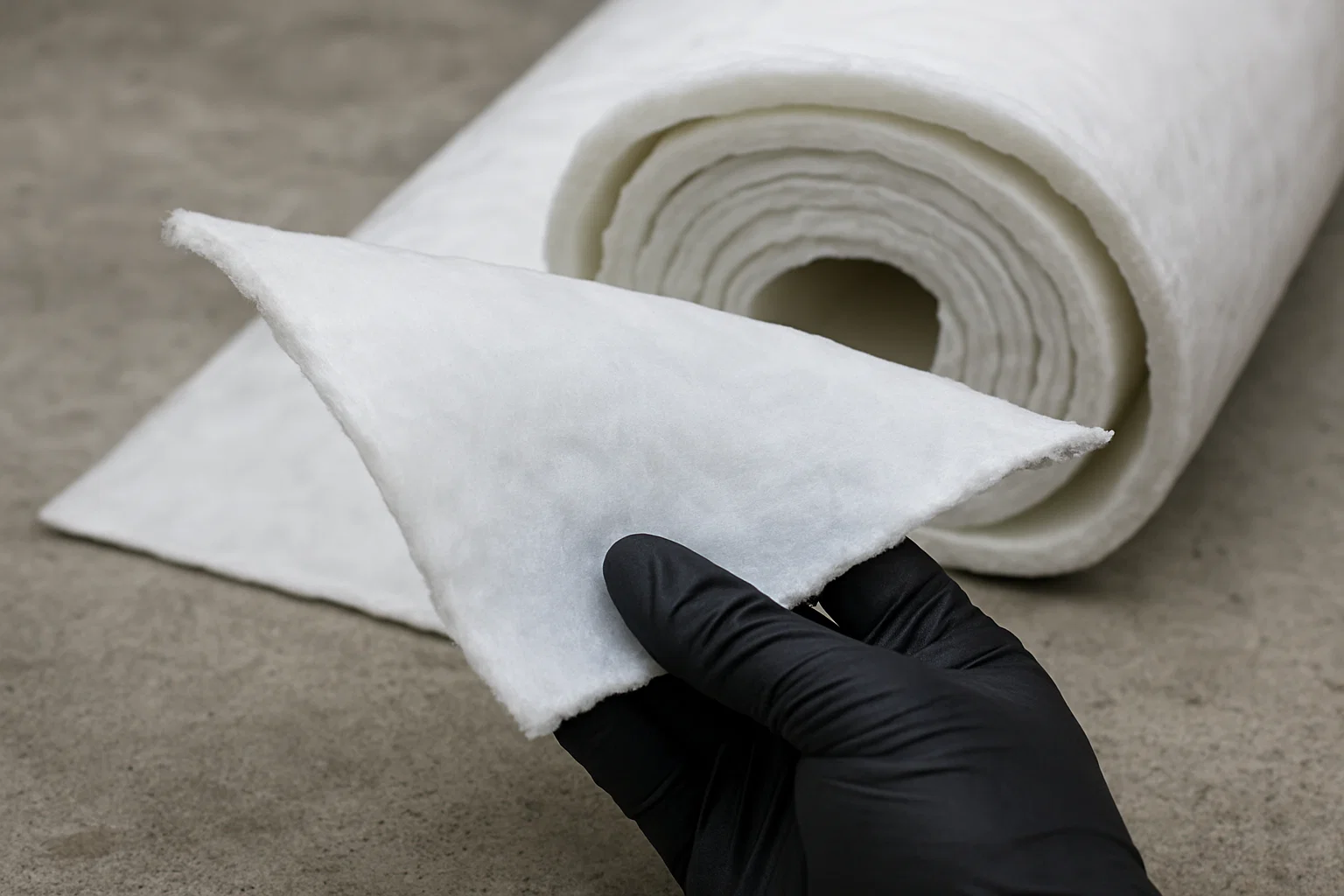
Aerogel materials are becoming more popular in modern industrial facilities due to their exceptional thermal resistance at minimal thickness. They are often used when space is limited or when maximizing energy efficiency is a priority.
Pros:
- Superior thermal performance in thin layers
- Lightweight and flexible
- Excellent moisture resistance
Cons:
- Higher material cost than traditional insulation
- May require specialized installation training
Final Thoughts
Choosing the right industrial pipe insulation material depends on a range of factors: operating temperature, environmental conditions, condensation risks, mechanical stress, and long-term maintenance needs. No single material fits every situation. Instead, many facilities use a combination of insulation types to achieve the ideal balance of performance, safety, and efficiency.
A strategic approach to insulation selection can significantly reduce energy losses, extend equipment life, and improve overall system reliability—making it a critical step in any industrial maintenance or upgrade plan.