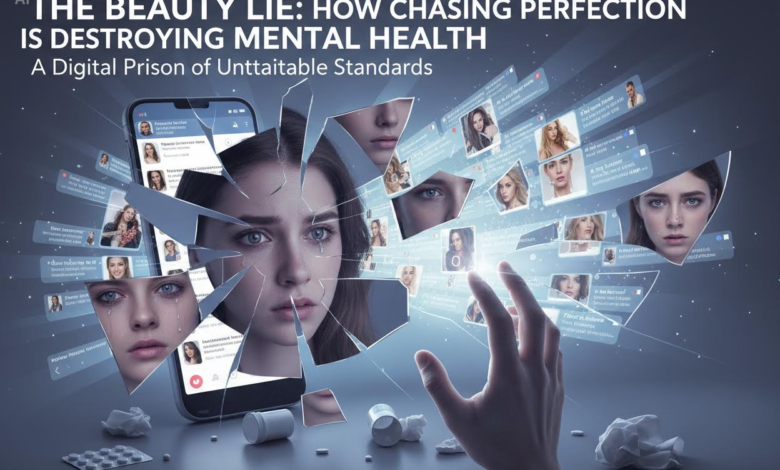
In a world increasingly dominated by curated images and filtered realities, the pursuit of flawless beauty has become a pervasive quest, often leading to profound consequences for our mental health. This article explores the hidden costs of chasing an unattainable ideal.
The Hidden Cost of “Perfect” Beauty
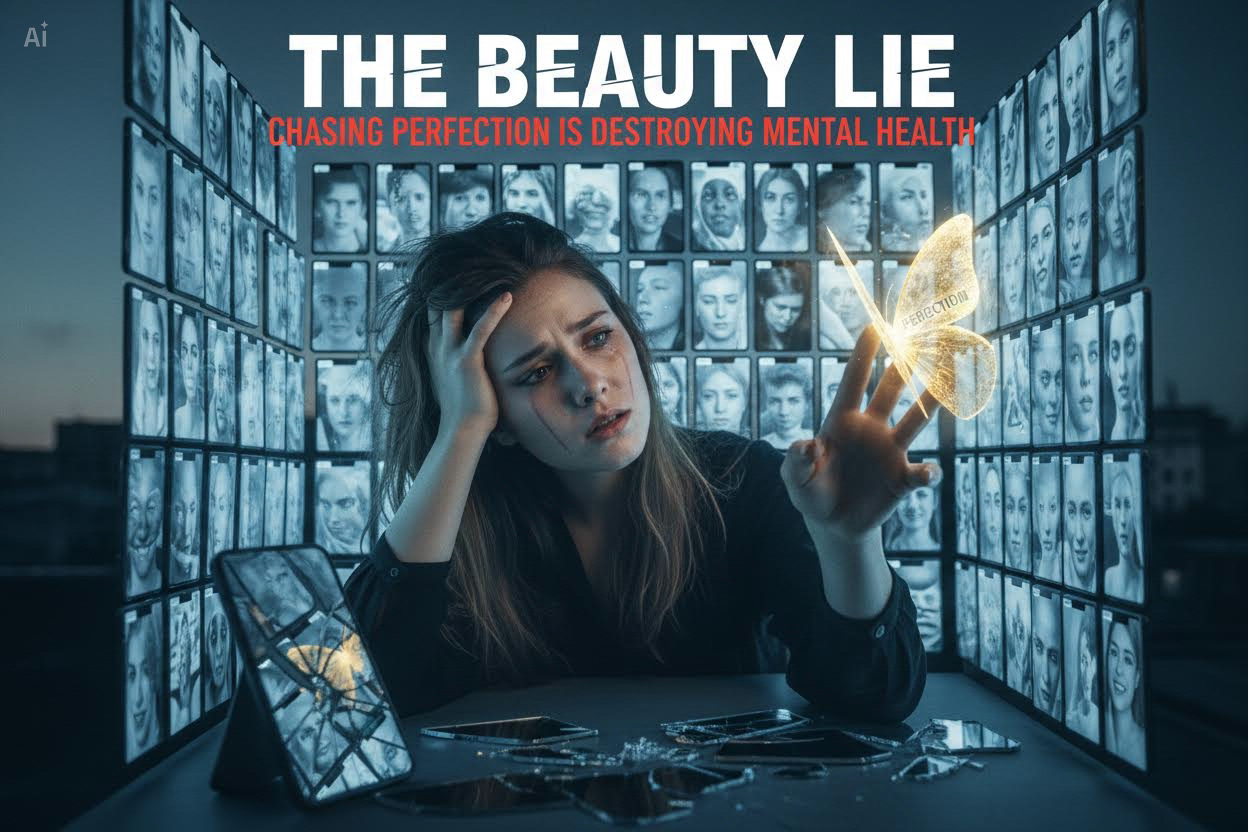
Why Beauty Standards Feel More Intense Than Ever
Today’s beauty standards feel more intense than ever, creating significant pressure to conform to specific physical appearance norms. This heightened intensity can profoundly affect mental health, leading to:
- Increased pressure to conform to specific physical appearance norms.
- Widespread body dissatisfaction among individuals.
The constant bombardment of idealized images through various media channels has established new, often unrealistic beauty ideals, making it increasingly challenging to cultivate a positive body image. These societal beauty standards contribute to a pervasive negative body image, impacting mental well-being and psychological health, through effects such as:
- Increased difficulty in cultivating a positive body image
- Negative impact on mental well-being
- Negative impact on psychological health
The Rise of Comparison Culture in the Digital Age
The digital age, particularly the prevalence of social media platforms, has fueled a comparison culture that exacerbates mental health issues related to body image. This constant exposure to curated perfection leads to unrealistic standards and a decline in self-esteem and mental health.
The impact of social media on mental health is undeniable, with individuals often comparing their authentic selves to the unrealistic beauty ideals presented online. This often results in mental health problems, contributing to body image concerns and a struggle to maintain healthy mental and physical health.
What Are Beauty Standards? A Deep Dive
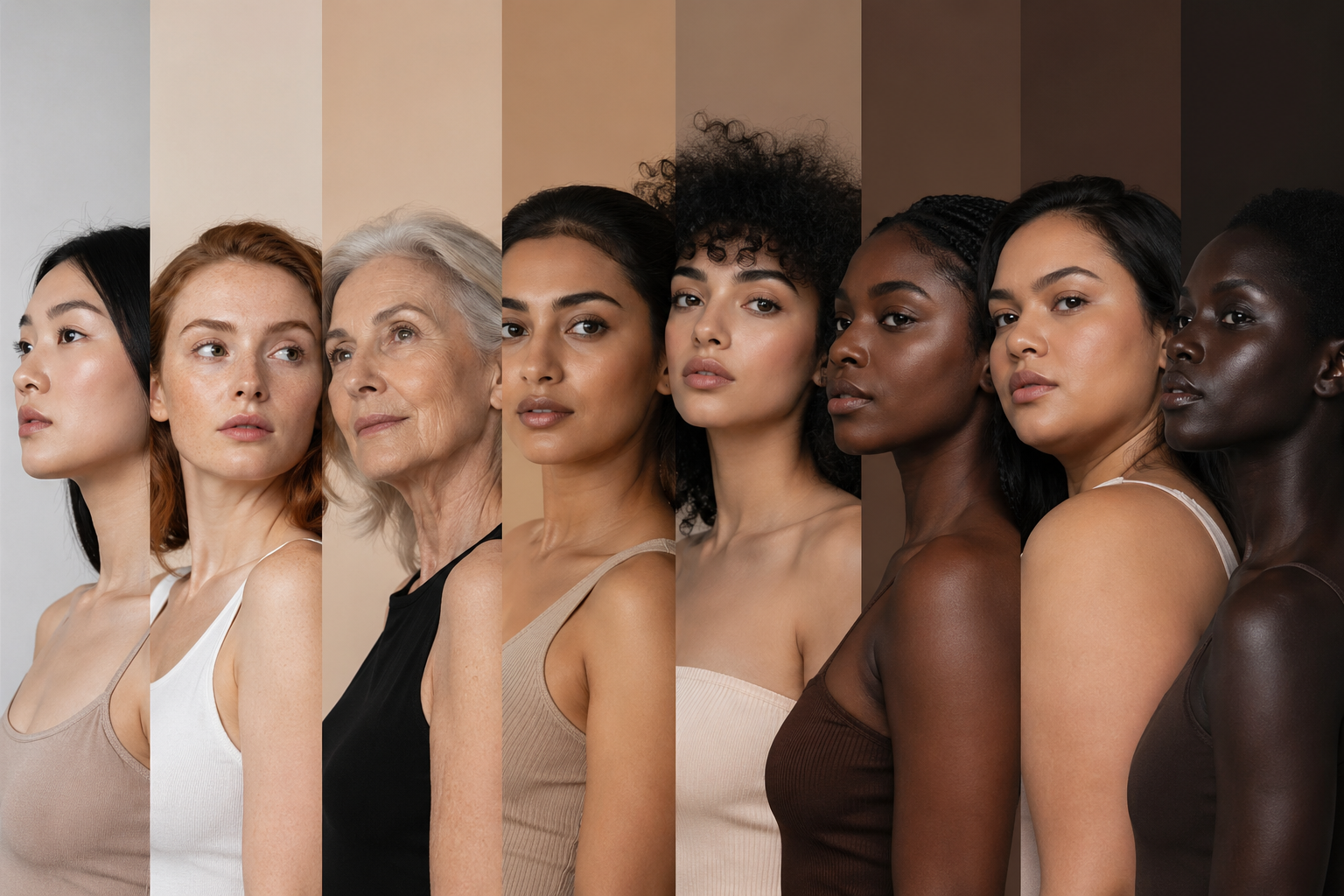
Definition and Evolution of Beauty Ideals Across History
Beauty ideals are culturally constructed notions of what is considered aesthetically pleasing and desirable in a physical appearance. These beauty standards have evolved dramatically throughout history, reflecting changing societal values and often dictating how individuals perceive their own body image.
From the curvaceous figures celebrated in the Renaissance to the slender silhouettes of the 20th century, the standard of beauty is fluid. Understanding this evolution helps us recognize that current unrealistic beauty standards are not immutable truths but transient societal constructs that can affect mental health.
Cultural vs. Globalized Beauty Standards
Historically, beauty standards were largely cultural, varying significantly from one region to another, promoting diverse body types. However, with globalization and the pervasive reach of social media platforms, we are witnessing the emergence of globalized beauty standards that often supersede local beauty ideals.
This homogenization of beauty ideals often leads to an increase in body dissatisfaction as individuals across different cultures strive to meet a singular, often unrealistic standard of beauty. The effects of beauty standards becoming globalized can negatively affect mental health by promoting a narrow view of what is considered beautiful.
The Role of Media, Advertising, and Influencers
Media, advertising, and influencers play a pivotal role in shaping and reinforcing current beauty standards, frequently promoting unrealistic beauty ideals. Their content often showcases a highly specific physical appearance, thereby influencing public perception of an ideal body image.
These powerful entities utilize sophisticated marketing tactics to create and perpetuate societal standards that often lead to body image concerns and mental health conditions. The constant exposure to these curated images can profoundly impact mental health, fostering negative body image and contributing to various mental health problems.
The Psychology Behind Chasing Perfection
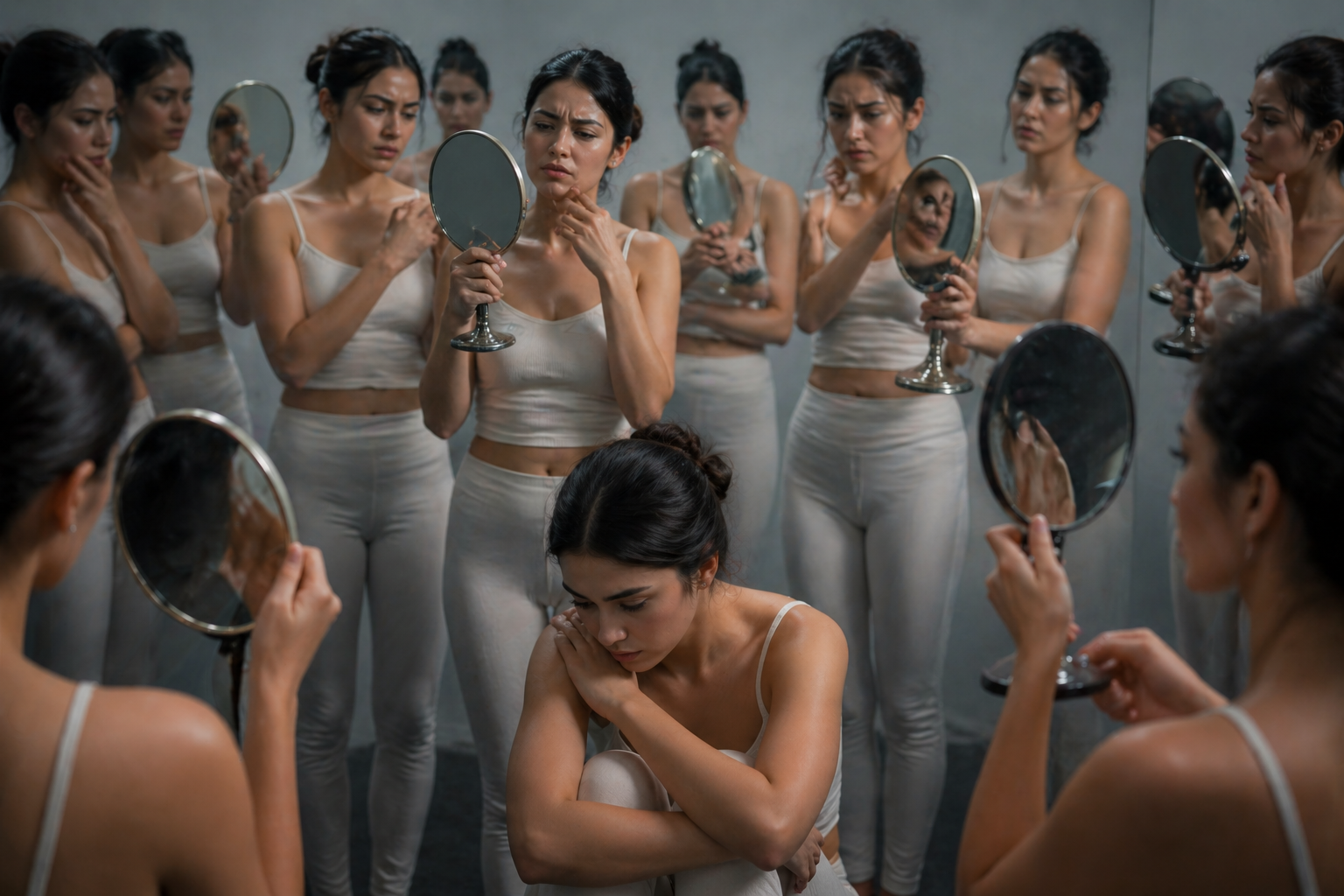
The Science of Self-Image and Identity Formation
The science of self-image and identity formation reveals how deeply embedded societal beauty standards become in an individual’s sense of self. A positive body image is crucial for a healthy identity, whereas unrealistic beauty ideals can severely affect mental health and psychological health.
The continuous pressure to conform to a specific physical appearance, often driven by the impact of social media, can lead to a distorted self-perception. This can result in significant body dissatisfaction and an ongoing struggle to reconcile one’s authentic self with external beauty ideals, impacting mental well-being.
Social Comparison Theory and Its Impact on Self-Worth
Social comparison theory posits that individuals evaluate their own physical appearance and abilities by comparing themselves to others, often leading to mental health problems when beauty standards are unattainable. This process, intensified by social media platforms, can severely affect mental health by fostering a negative body image.
When individuals constantly compare themselves to unrealistic beauty ideals, their self-worth can plummet, contributing to body image concerns and a range of mental health issues. This relentless comparison often highlights perceived flaws, reinforcing societal standards and the pervasive effects of beauty standards on psychological health.
Dopamine, Validation, and the “Like” Addiction Cycle
The “like” addiction cycle on social media platforms is intrinsically linked to dopamine and validation, creating a powerful feedback loop that reinforces the pursuit of unrealistic beauty standards. Each like or positive comment on a photo that aligns with beauty ideals provides a dopamine hit, encouraging further attempts to achieve a perfect physical appearance.
This constant craving for external validation, centered around one’s body image, can significantly impact mental health, leading to anxiety, social isolation, and a persistent negative body image. The cycle perpetuates the idea that one’s worth is tied to their adherence to societal standards, affecting mental well-being and fostering mental health disorders.
Social Media and the Illusion of Perfection
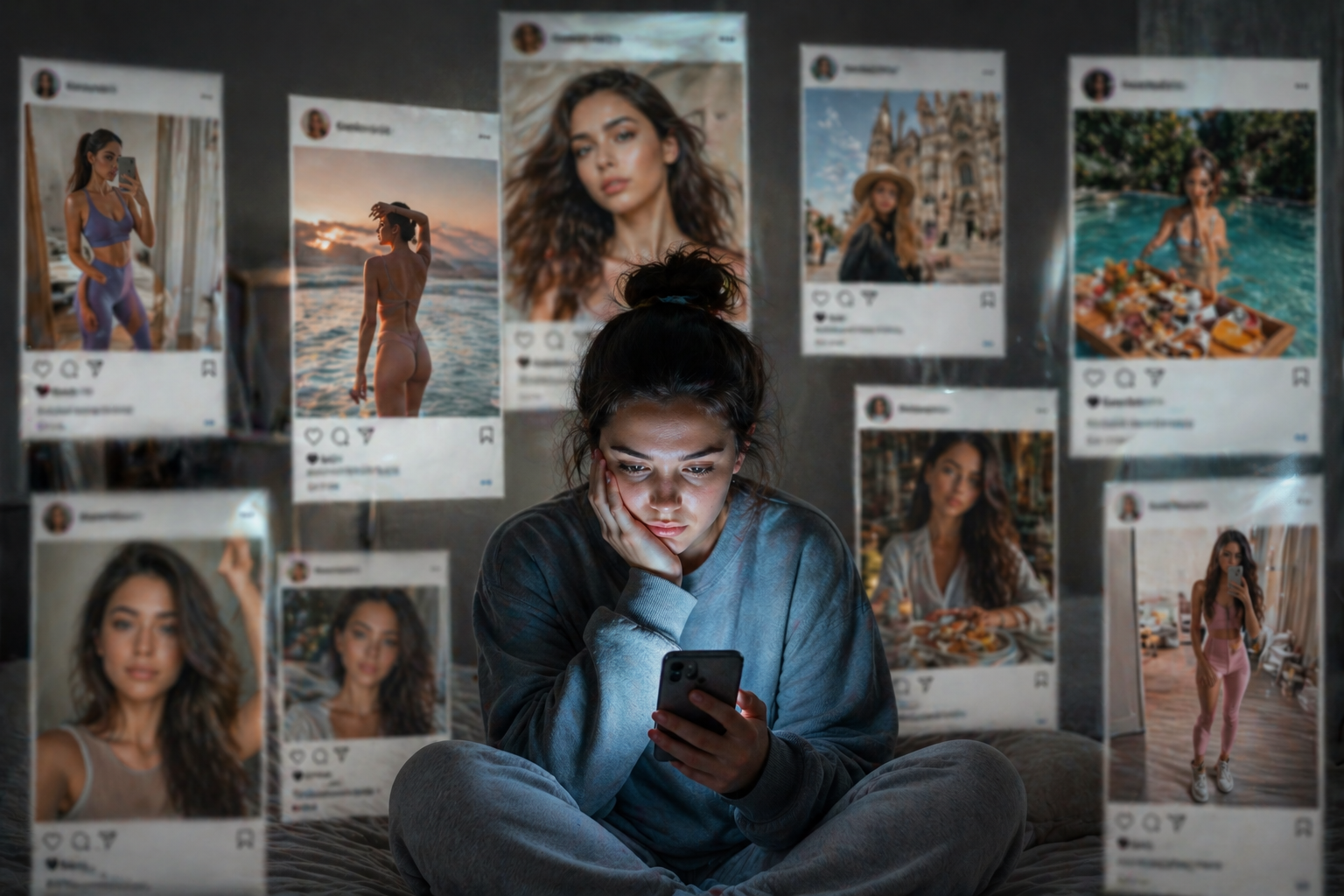
Filters, Editing Apps, and Unrealistic Expectations
Social media platforms have revolutionized how we perceive beauty through the widespread use of filters and editing apps, creating unrealistic expectations about physical appearance. These tools allow individuals to manipulate their images to conform to popular beauty ideals, presenting an often unattainable standard of beauty.
The prevalence of these highly altered images contributes significantly to body dissatisfaction and a pervasive negative body image among users. This constant exposure to filtered perfection can severely affect mental health, fostering body image concerns and contributing to mental health problems related to beauty standards and mental health.
Influencer Culture and Curated Lifestyles
Influencer culture, characterized by individuals promoting highly curated lifestyles and specific beauty ideals, further amplifies the illusion of perfection on social media. These influencers often present an idealized physical appearance and perfect body type, setting unrealistic standards for their followers.
The continuous display of these seemingly flawless lives and adherence to societal beauty standards can significantly impact mental health, leading to feelings of inadequacy and low self-esteem. This curated reality contributes to body image issues and mental health conditions, as individuals strive to emulate these often unattainable beauty standards.
The Algorithm Effect: Why You Keep Seeing “Perfect”
The algorithm effect on social media platforms plays a crucial role in perpetuating the illusion of perfection, ensuring users continuously encounter content aligning with popular beauty ideals. These algorithms learn user preferences and display more of what engages them, often leading to an endless feed of unrealistic beauty standards and ideal physical appearance.
This continuous exposure to “perfect” images can severely affect mental health, exacerbating body dissatisfaction and fostering a negative body image. The algorithm essentially traps users in a loop of unattainable beauty, intensifying body image concerns and contributing to various mental health issues related to beauty standards and mental health.
The Mental Health Impact of Beauty Standards
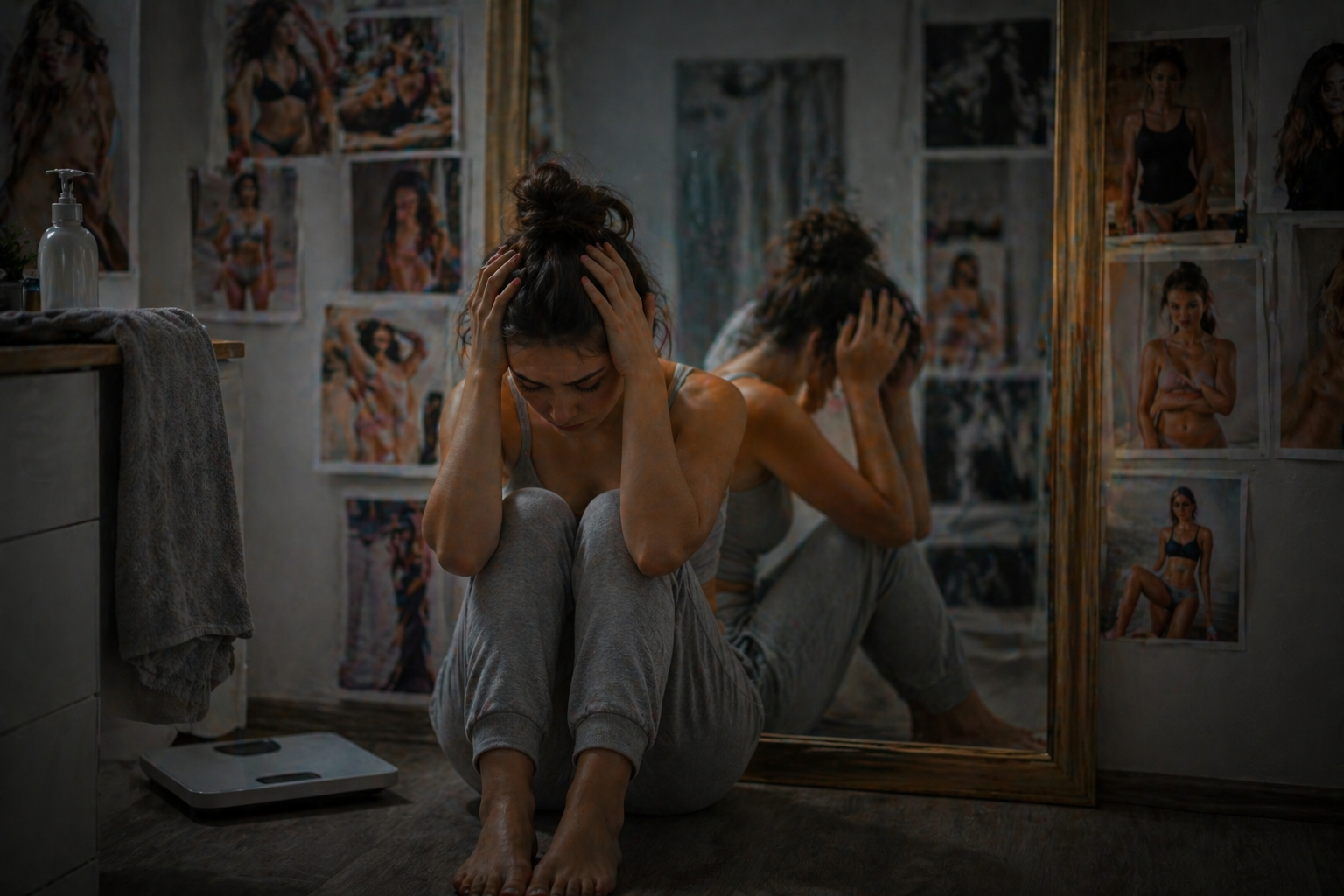
Low Self-Esteem and Chronic Dissatisfaction
The relentless pursuit of unrealistic beauty standards can lead to profound low self-esteem and chronic dissatisfaction, significantly impacting mental health. Individuals constantly striving for an unattainable physical appearance often experience a persistent negative body image, fueling feelings of inadequacy.
This perpetual state of body dissatisfaction makes it incredibly difficult to cultivate a positive body image, as the focus remains on perceived flaws rather than inherent worth. The effects of beauty standards in fostering such persistent feelings directly contribute to a decline in overall mental well-being and psychological health, affecting mental health on a deep level.
Anxiety, Depression, and Emotional Distress
Chasing idealized beauty frequently results in heightened anxiety, depression, and significant emotional distress, profoundly impacting mental health. The constant pressure to conform to societal beauty standards creates an environment ripe for mental health issues, as individuals grapple with their perceived shortcomings.
This can lead to a pervasive negative body image, where every glance in the mirror or scroll through social media platforms reinforces feelings of inadequacy. These mental health problems are a direct consequence of unrealistic beauty ideals, illustrating how beauty standards affect mental health by trapping individuals in a cycle of self-criticism and emotional turmoil.
Body Image Disorders and Obsessive Thinking
The intense focus on achieving a perfect physical appearance can precipitate various body image disorders and obsessive thinking patterns, severely affecting mental health. Conditions like body dysmorphic disorder emerge when individuals develop an excessive preoccupation with imagined or minor flaws, leading to significant distress.
This obsessive thinking about their body type or specific beauty ideals contributes to a deeply negative body image, making it challenging to maintain mental well-being. These mental health conditions underscore the severe impact of unrealistic beauty standards on body image and mental health, often requiring professional intervention to address the underlying psychological health issues.
Eating Disorders and Harmful Coping Mechanisms

The Link Between Diet Culture and Self-Worth
Diet culture profoundly intertwines with self-worth, creating a dangerous link that often leads to eating disorders and other mental health problems. The constant emphasis on specific body ideals and a ‘perfect’ physical appearance propagates unrealistic beauty standards, making individuals believe their value is tied to their body type.
This insidious connection fosters body dissatisfaction and a negative body image, as individuals internalize the message that only certain aesthetics are acceptable. The detrimental effects of beauty standards in this context are clear, as the pressure to conform often leads to a severe decline in self-esteem and mental health, fueling harmful coping mechanisms.
Common Disorders: Anorexia, Bulimia, and Binge Eating
The pursuit of unrealistic beauty standards is a significant precursor to common eating disorders. These severe mental health conditions manifest as extreme disturbances in eating behaviors, often driven by an intense fear of gaining weight or a preoccupation with body image. Some of these disorders include:
- Anorexia nervosa
- Bulimia nervosa
- Binge eating disorder
Individuals suffering from these disorders often possess a deeply negative body image and profound body dissatisfaction, exacerbated by societal beauty standards promoted on social media platforms. The devastating impact of these beauty ideals on mental and physical health highlights the urgent need to address the underlying pressures contributing to such severe mental health issues.
Warning Signs Most People Ignore
Many warning signs of developing eating disorders and other mental health issues related to body image often go ignored, perpetuating the cycle of harm. Subtle changes in eating habits, an increased focus on physical appearance, or excessive exercise driven by unrealistic beauty standards are critical indicators.
These signs, including a growing negative body image or chronic body dissatisfaction, can severely affect mental health, yet they are frequently dismissed as normal dieting. Recognizing these early indicators is crucial for preventing the escalation of mental health problems and promoting a positive body image, thereby mitigating the long-term effects of beauty standards on psychological health.
The Gendered Pressure: Women, Men, and Rising Expectations
Unrealistic Expectations Placed on Women
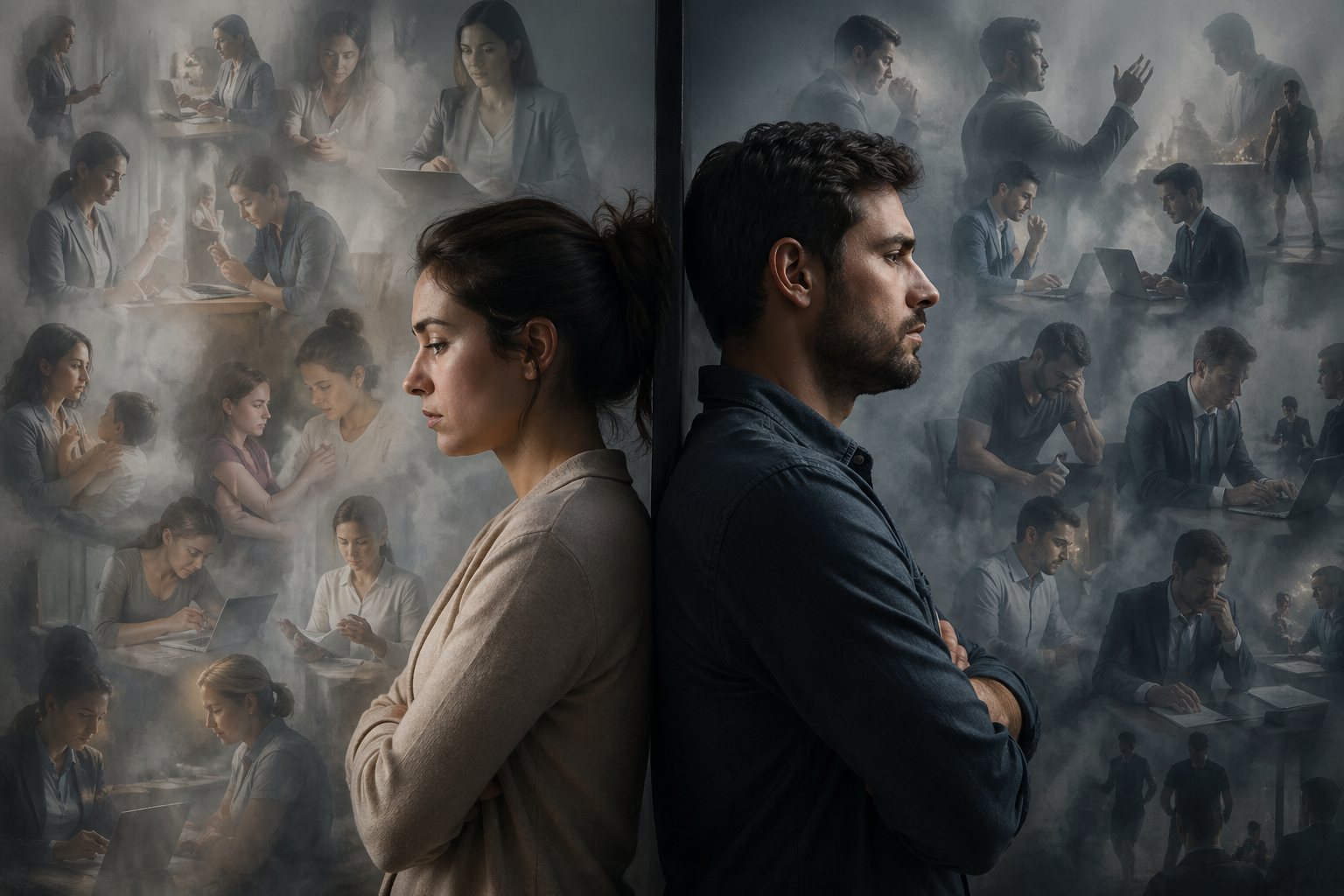
Throughout history, women have faced pervasive and unrealistic expectations regarding their physical appearance, profoundly impacting their mental health. Societal beauty standards often dictate an ideal body type that is frequently unattainable, leading to widespread body dissatisfaction and a negative body image.
The constant bombardment of these beauty ideals through various media channels intensifies the pressure, contributing to significant mental health problems such as anxiety and depression. These unrealistic beauty standards affect mental health by fostering a perpetual sense of inadequacy and making it incredibly challenging for women to develop a positive body image.
The Growing Pressure on Men and Masculinity Ideals
While often overlooked, men are also increasingly subjected to immense and unrealistic beauty standards, leading to growing pressure concerning masculinity ideals and their physical appearance. The media frequently promotes specific body ideals, often characterized by muscularity and leanness, which contributes to body dissatisfaction among men.
This pressure to conform can severely affect mental health, fostering a negative body image and leading to various mental health issues. The impact of social media amplifies these expectations, creating an environment where men also struggle with body image concerns, demonstrating that the effects of beauty standards are not exclusive to any gender.
The Impact on Teens and Young Adults
Teens and young adults are particularly vulnerable to the detrimental impact of unrealistic beauty standards, which significantly affect mental health during critical developmental stages. Constant exposure to idealized physical appearance on social media platforms fuels body dissatisfaction and creates pervasive mental health problems like low self-esteem and anxiety.
This age group, still forming their identity and self-image, is highly susceptible to developing a negative body image, influenced by unattainable beauty ideals. The effects of beauty standards on this demographic can lead to long-term mental health conditions, hindering their ability to foster a positive body image and secure mental well-being.
The Economic and Beauty Industry Influence
How the Beauty Industry Profits From Insecurity
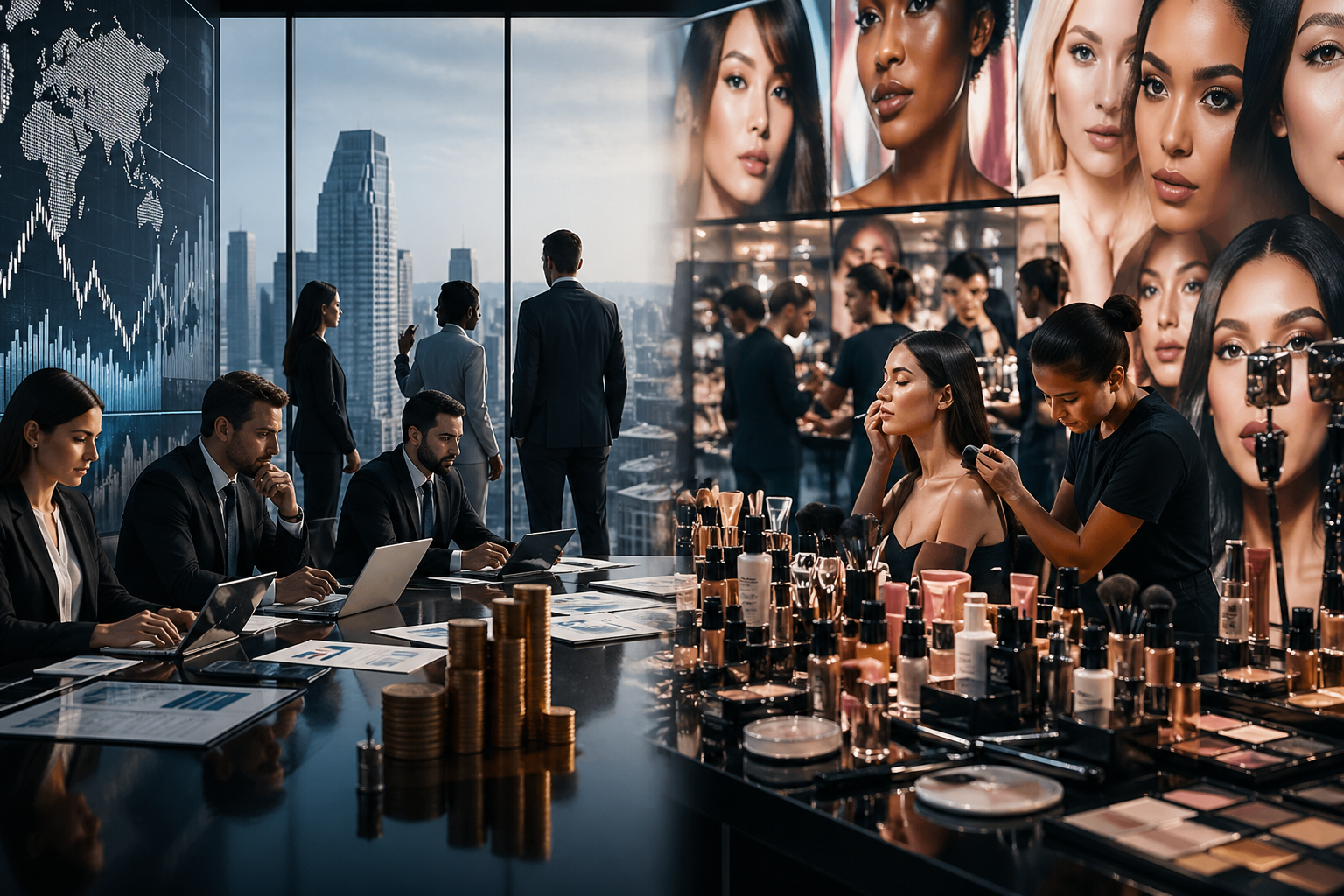
The beauty industry strategically profits from widespread insecurity by perpetuating unrealistic beauty standards and capitalizing on body dissatisfaction. Through pervasive marketing, it reinforces the notion that a perfect physical appearance is attainable only through its products and services, thereby fueling a continuous cycle of consumption.
This calculated exploitation of body image concerns ensures a steady demand for beauty ideals-driven solutions, severely affecting mental health as individuals strive for an elusive standard of beauty. The industry’s methods often foster a negative body image, deliberately creating mental health problems by making people feel inadequate without their offerings.
Marketing Tactics That Reinforce Perfection
Marketing tactics within the beauty industry are expertly crafted to reinforce an illusion of perfection, further entrenching unrealistic beauty standards and exacerbating mental health issues. Advertisements frequently showcase flawless physical appearance, often achieved through extensive editing, thereby setting unattainable beauty ideals.
These campaigns cleverly target existing body dissatisfaction, promising transformation and a positive body image if consumers adhere to societal beauty standards by purchasing their products. Such tactics not only amplify a negative body image but also contribute significantly to mental health problems, as individuals internalize the message that their natural state is somehow deficient, thus affecting mental health negatively.
Cosmetic Procedures and the Rise of “Fixing” Flaws
The proliferation of cosmetic procedures signifies a disturbing trend where “fixing flaws” has become a normalized response to unrealistic beauty standards, profoundly affecting mental health. Driven by pervasive beauty ideals and the desire for a specific physical appearance, more individuals are resorting to surgical and non-surgical interventions.
This pursuit often stems from deep-seated body dissatisfaction and a negative body image, fueled by the relentless pressure from social media platforms. The rise of these procedures highlights how societal standards can lead to severe mental health conditions, as individuals undergo painful and costly transformations in the hope of achieving an elusive perfect body type, thereby impacting mental health significantly.
Cultural Diversity vs. One-Size-Fits-All Beauty
The Erasure of Natural Features and Ethnic Identity
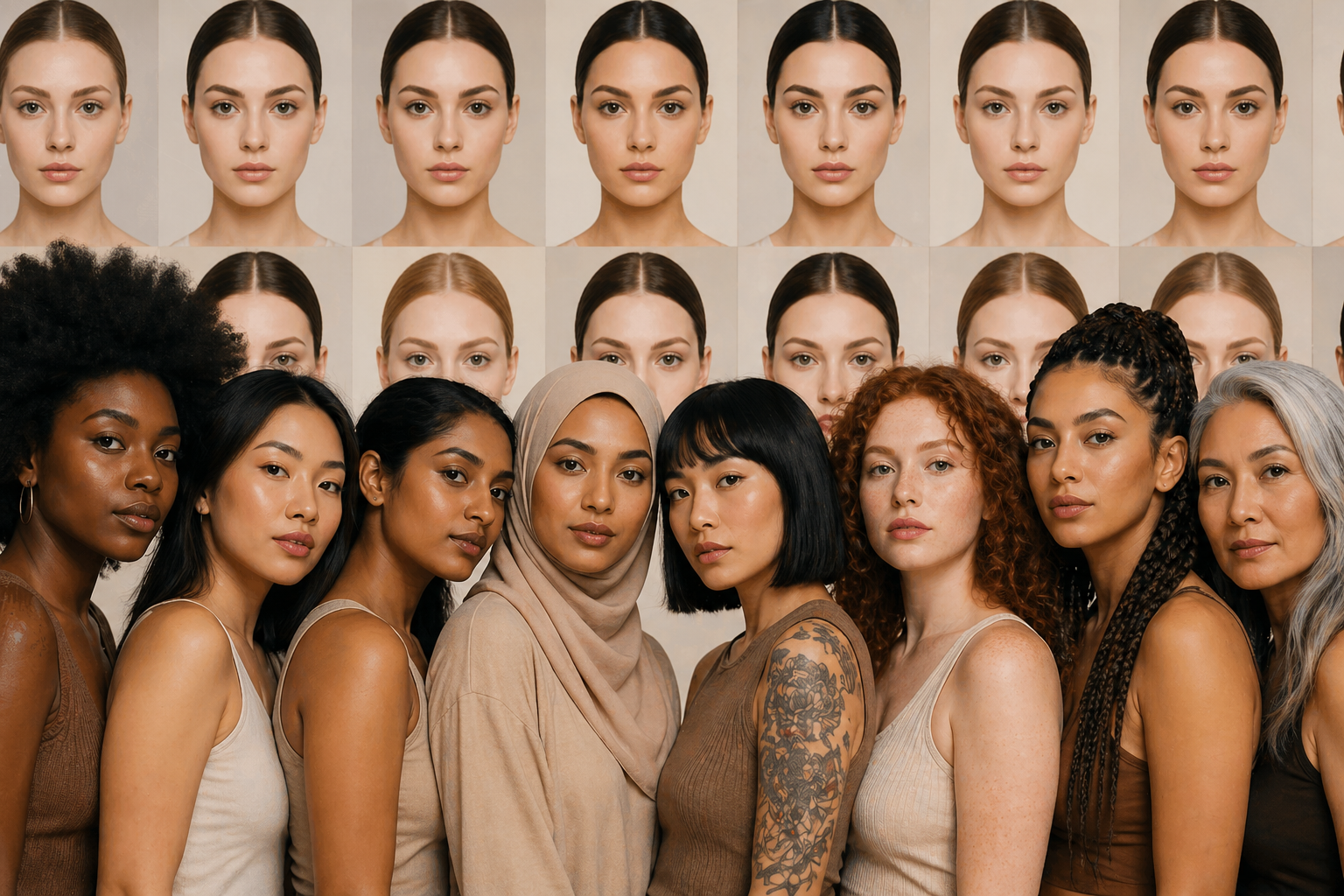
The pervasive nature of one-size-fits-all beauty ideals often leads to the erasure of natural features and ethnic identity, severely affecting mental health. Globalized beauty standards frequently promote a narrow ideal physical appearance, causing individuals from diverse backgrounds to perceive their unique characteristics as flaws rather than strengths.
This pressure to conform to a homogeneous standard fosters a negative body image and deep body dissatisfaction among those whose features deviate from the prevailing beauty ideals. The effects of beauty standards, in this context, contribute to mental health problems and a loss of connection to one’s heritage, as individuals attempt to alter their appearance to fit unrealistic expectations.
Colorism, Skin Tone Bias, and Global Beauty Hierarchies
Colorism and skin tone bias are insidious facets of global beauty hierarchies that perpetuate unrealistic beauty standards, significantly affecting mental health, especially within diverse communities. Lighter skin tones are often prioritized within these beauty ideals, creating a preference that contributes to widespread body dissatisfaction among individuals with darker complexions.
This pervasive bias, amplified by social media platforms, fosters a negative body image and severe mental health issues, as people internalize the message that their natural physical appearance is somehow less desirable. The impact of these beauty standards on mental health is profound, leading to mental health problems and a struggle to cultivate a positive body image amidst ingrained prejudice.
The Shift Toward Inclusivity (Is It Enough?)
While there has been a noticeable shift toward inclusivity in recent years, questions remain whether these efforts are sufficient to counter the entrenched unrealistic beauty standards and their impact on mental health. Brands and media are slowly beginning to feature a wider range of body types and physical appearance, promoting a more positive body image.
However, the pervasive nature of long-standing beauty ideals and the relentless pressure from social media platforms mean that many still grapple with body dissatisfaction and a negative body image. While these steps are crucial for mental well-being, true change requires a fundamental dismantling of existing societal standards to genuinely promote positive body image and address mental health problems effectively.
Long-Term Psychological Consequences
Perfectionism and Burnout
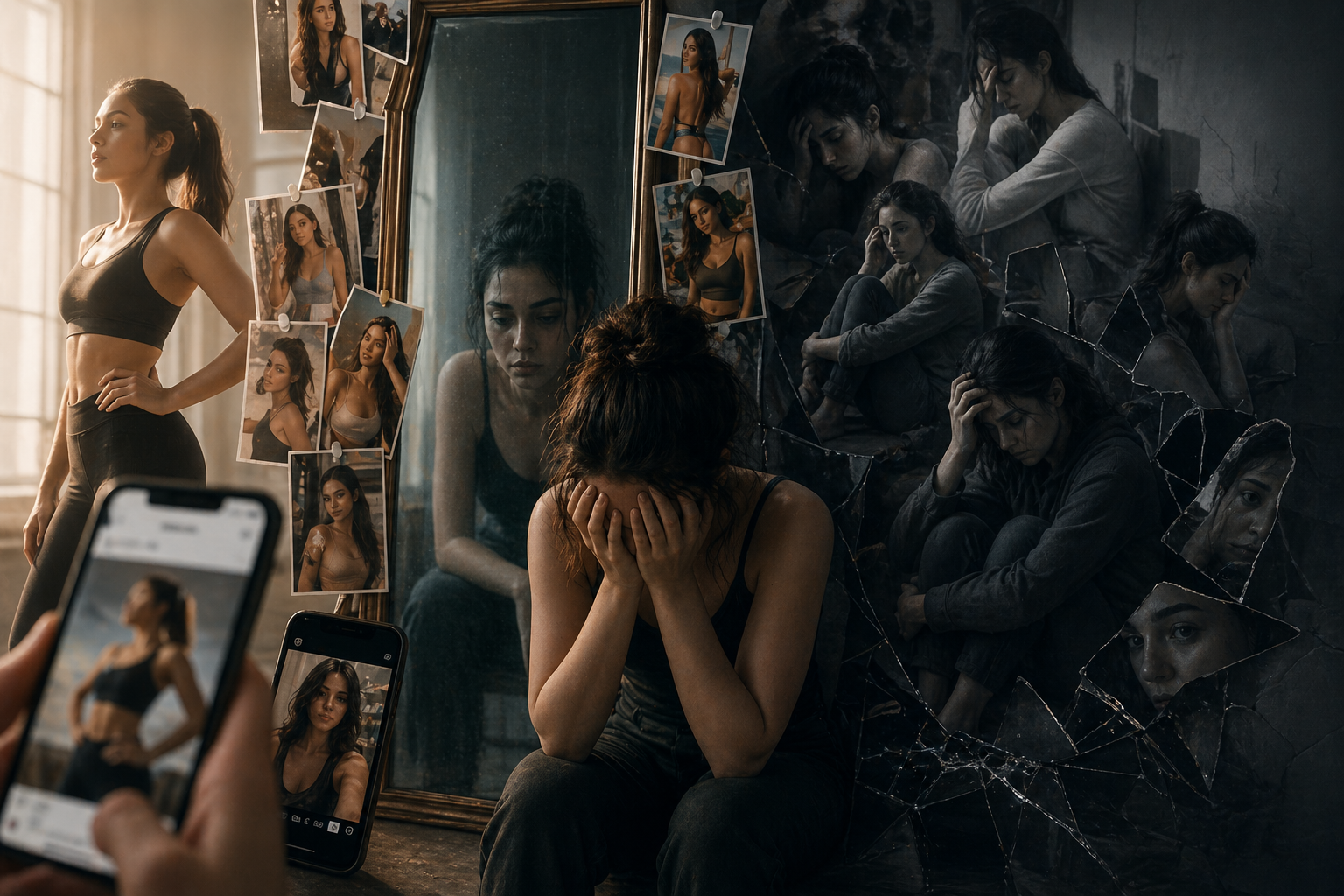
The relentless pursuit of unrealistic beauty standards often culminates in chronic perfectionism and burnout, severely impacting mental health. Individuals striving for an unattainable physical appearance expend enormous emotional and and psychological energy, leading to a pervasive negative body image and profound body dissatisfaction.
This constant pressure to conform to beauty ideals can significantly affect mental health, fostering a cycle of anxiety and exhaustion. The effects of beauty standards in promoting such intense self-scrutiny contribute to mental health problems, making it nearly impossible to achieve mental well-being when driven by a need for flawless physical appearance.
Identity Crisis and Loss of Authentic Self
Chasing an idealized physical appearance can precipitate an identity crisis and lead to a profound loss of the authentic self, deeply affecting mental health. When individuals constantly strive to meet unrealistic beauty standards, they often suppress their true body type and natural features, leading to a negative body image.
This relentless pursuit of beauty ideals can result in body dissatisfaction, as one’s sense of self becomes inextricably linked to external validation and societal standards. Such mental health issues highlight how beauty standards affect mental health by eroding self-esteem and hindering the development of a positive body image, fostering mental health problems and social isolation.
Fear of Aging and Appearance Anxiety
The pervasive influence of unrealistic beauty standards fuels a profound fear of aging and heightened appearance anxiety, significantly affecting mental health. Society’s emphasis on youthful physical appearance and specific beauty ideals creates immense pressure to resist the natural process of aging, leading to a negative body image.
This constant struggle to maintain a youthful facade can cause deep body dissatisfaction and contribute to various mental health problems. The effects of beauty standards, amplified by social media platforms, make it challenging to develop a positive body image and secure mental well-being, trapping individuals in a cycle of appearance anxiety and mental health conditions.
Breaking Free From the Beauty Lie
Building a Healthy Self-Image and Self-Acceptance
Breaking free from the beauty lie requires a concerted effort to build a healthy self-image and cultivate self-acceptance, which is foundational for positive mental health. This involves actively challenging the unrealistic beauty standards that perpetuate a negative body image and embracing one’s unique physical appearance and body type.
By focusing on intrinsic worth rather than external beauty ideals, individuals can overcome body dissatisfaction and foster genuine mental well-being. Promoting a positive body image is crucial, as it directly counters the pervasive mental health issues stemming from societal beauty standards and allows for a healthier relationship with oneself.
Rewiring Negative Thought Patterns
Rewiring negative thought patterns is a vital step in mitigating the impact of unrealistic beauty standards on mental health. Identifying and challenging self-critical thoughts about one’s physical appearance and body type is essential to combat a negative body image and reduce body dissatisfaction.
By consciously replacing these detrimental thoughts with affirmations of self-worth and acceptance, individuals can gradually cultivate a more positive body image. This cognitive restructuring is a powerful tool against the mental health problems caused by beauty ideals, promoting healthier psychological health and protecting overall mental well-being from harmful societal standards.
The Power of Mindfulness and Self-Compassion
Harnessing the power of mindfulness and self-compassion is transformative for protecting mental health from the insidious grip of unrealistic beauty standards. Mindfulness allows individuals to observe thoughts about their physical appearance and body type without judgment, reducing the intensity of a negative body image and body dissatisfaction.
Self-compassion encourages treating oneself with kindness and understanding, especially when confronted with beauty ideals that fuel mental health issues. These practices are crucial for building a positive body image and fostering mental well-being, directly countering the mental health problems perpetuated by unattainable societal beauty standards.
Practical Strategies to Protect Your Mental Health
Curating a Positive Social Media Environment
A practical strategy to protect mental health from the adverse effects of unrealistic beauty standards is to actively curate a positive social media environment. This involves unfollowing accounts that promote unattainable beauty ideals or trigger a negative body image and instead seeking out content that celebrates diverse body types and physical appearance.
By consciously selecting empowering and body-positive accounts, individuals can reduce exposure to content that causes body dissatisfaction and mental health problems. This deliberate approach to social media platforms helps foster a healthier relationship with beauty standards and promotes a positive body image, supporting overall mental well-being.
Setting Boundaries With Beauty Content
Setting firm boundaries with beauty content is an essential practical strategy for safeguarding mental health against the pervasive influence of unrealistic beauty standards. This involves limiting exposure to advertisements, magazines, and social media posts that perpetuate unattainable beauty ideals and foster a negative body image.
By consciously choosing when and how to engage with content related to physical appearance and body type, individuals can reduce feelings of body dissatisfaction and prevent mental health problems. Such boundaries help maintain a positive body image and protect mental well-being from the constant pressure to conform to societal beauty standards.
Seeking Professional Help and Support Systems
When the impact of unrealistic beauty standards on mental health becomes overwhelming, seeking professional help and engaging with strong support systems is a critical practical strategy. Therapists, counselors, and support groups can provide invaluable tools to address a negative body image, body dissatisfaction, and mental health issues like eating disorders.
These resources help individuals unpack the pervasive beauty ideals and societal standards that affect mental health, guiding them toward a positive body image and mental well-being. Professional intervention is crucial for those struggling with severe mental health problems related to body image and physical appearance, offering a path to healing and self-acceptance.
The Role of Education and Awareness
Teaching Media Literacy and Critical Thinking
A fundamental role of education and awareness in combating the beauty lie involves teaching media literacy and critical thinking skills. Empowering individuals to critically analyze the unrealistic beauty standards and manipulated physical appearance presented on social media platforms is crucial for dismantling a negative body image.
Understanding how beauty ideals are constructed and perpetuated can significantly reduce body dissatisfaction and protect mental health from mental health problems. By fostering critical thinking, education helps individuals discern between authentic representation and unattainable beauty, promoting a more realistic and positive body image and overall mental well-being.
Encouraging Body Positivity and Neutrality
Encouraging body positivity and body neutrality plays a vital role in education and awareness, fostering resilience against unrealistic beauty standards and promoting mental health. Body positivity advocates for celebrating all body types and physical appearance, directly challenging the notion of a single ideal, which helps combat a negative body image and body dissatisfaction.
Body neutrality, on the other hand, focuses on appreciating the body for its functions rather than its looks, further alleviating the pressure from beauty ideals that cause mental health problems. These approaches are crucial for developing a positive body image and promoting mental well-being, countering the pervasive effects of beauty standards on psychological health.
Future Trends: Are Beauty Standards Changing?
As discussions around mental health and the impact of unrealistic beauty standards gain traction, there is growing hope that beauty ideals may be evolving. The increasing demand for authenticity, diversity, and inclusivity on social media platforms suggests a potential shift towards celebrating various body types and physical appearance, rather than a singular, unattainable standard of beauty.
While challenges remain, particularly in combating ingrained negative body image and body dissatisfaction, these emerging trends offer a glimpse into a future where beauty standards are more aligned with mental well-being and a positive body image. The ongoing conversation about how beauty standards affect mental health is a critical step towards redefining what it means to be beautiful.
Conclusion: Redefining Beauty on Your Own Terms
Ultimately, redefining beauty on your own terms is the most powerful conclusion to the pervasive beauty lie and its detrimental effects on mental health. By rejecting unrealistic beauty standards and embracing your unique physical appearance and body type, you reclaim control over your self-worth and cultivate a genuine positive body image.
This journey involves actively challenging societal beauty ideals, confronting a negative body image, and seeking mental well-being beyond external validation. True freedom comes from understanding that beauty standards affect mental health profoundly, and choosing to define beauty for yourself is the ultimate act of self-care against mental health problems and body dissatisfaction.