
In the modern era, technology has deeply interwoven itself into the fabric of our existence, fundamentally reshaping how we connect, interact, and form bonds.
This article explores the profound impact of digital transformation on human connection in the digital age.
The Digital Transformation of Human Connection

How Technology Has Become Integral to Communication
New communication technologies have revolutionized human communication, providing unprecedented access and speed in exchanging information, transforming human relationships and fostering both connection and disconnection in today’s society. This is crucial to understand.
Why Understanding Its Impact on Relationships Matters
Understanding the impact on relationships is paramount as the use of technology continues to evolve, deeply affecting our social lives and altering the very nature of human interaction and connection.
The Rise of Instant Communication and Hyper-Connectivity

Messaging Apps, Social Media, and Video Calls
Messaging apps, social media, and video calls have ushered in an era of hyper-connectivity, enabling instant communication across geographical boundaries and reshaping human relationships through new forms of digital communication.
Pros: Maintaining Long-Distance and Global Connections
Using technology offers unparalleled opportunities for maintaining long-distance and global connections, allowing individuals to foster relationships and stay connected with loved ones regardless of physical location.
Cons: Superficial Interactions and Constant Distractions
The negative impact of constant connectivity includes superficial interactions and distractions, potentially diminishing the depth and quality of face-to-face conversations and negatively affecting human relationships.
Social Media’s Influence on Perception and Expectations

Curated Lives and Relationship Comparison
Social media’s curated lives and relationship comparison create unrealistic expectations and influence perception, potentially leading to feelings of inadequacy and dissatisfaction in one’s own social network and romantic relationships in digital domain.
Impact on Self-Esteem and Emotional Intimacy
The pervasive influence of social media can have a negative impact on self-esteem and emotional intimacy, as individuals constantly compare themselves to others and seek validation through online interactions and communication technologies.
The Pressure to Present “Perfect” Relationships Online
The pressure to present “perfect” relationships online can distort reality and hinder authentic human interaction, as individuals prioritize appearances over genuine connection.
Online Dating and the Transformation of Romantic Relationships

Access to More Options and Compatibility Matching
Online dating platforms provide access to more options and compatibility matching, transforming romantic relationships by expanding the pool of potential partners and offering new avenues for finding meaningful connections using technology to communicate.
Challenges: Choice Overload, Ghosting, and Superficial Judgments
However, the digital dating landscape presents challenges such as choice overload, ghosting, and superficial judgments based on profiles.
How Digital Dating Changes Commitment and Trust Dynamics
Digital dating can alter commitment and trust dynamics, as the ease of access to multiple potential partners may lead to a disposable mindset and a reluctance to invest in long-term relationships.
Family Dynamics in a Tech-Driven World
The integration of technology into family life has introduced new dynamics, affecting parent-child interactions, communication patterns, and the balance between digital engagement and quality time spent in-person.

In today’s tech-driven world, screen time significantly impacts parent-child interaction, often creating digital divides and potential conflicts over technology use. Balancing screen time with meaningful face-to-face communication becomes crucial to foster strong family relationships.
Balancing digital learning and quality time is essential in modern families, requiring parents to find creative ways to integrate technology and human connection. It ensures children develop vital social skills alongside their digital literacy, fostering healthy behavior.
Technology can either be a tool or a barrier in family relationships, depending on how it’s managed. Using technology mindfully can enhance communication and learning, while overuse can lead to social isolation and weakened bonds within family relationships.
Workplace Relationships in the Digital Age
The digital age has brought significant changes to workplace dynamics, with remote work and collaboration tools becoming increasingly prevalent, transforming human interaction and requiring new strategies for maintaining strong professional relationships.

Remote work offers benefits such as flexibility and cross-cultural connections, allowing teams to collaborate across geographical boundaries and fostering diverse perspectives. New communication technologies can enhance team cohesion and creativity in these settings.
However, drawbacks like reduced informal bonding and Zoom fatigue can negatively impact team morale and productivity. The lack of in-person interactions can hinder the development of strong social capital and relationships.
Emotional Intelligence and Digital Communication
Emotional intelligence plays a critical role in digital communication, yet the limitations of emojis, GIFs, and text-based cues can lead to misunderstandings and misinterpretations.
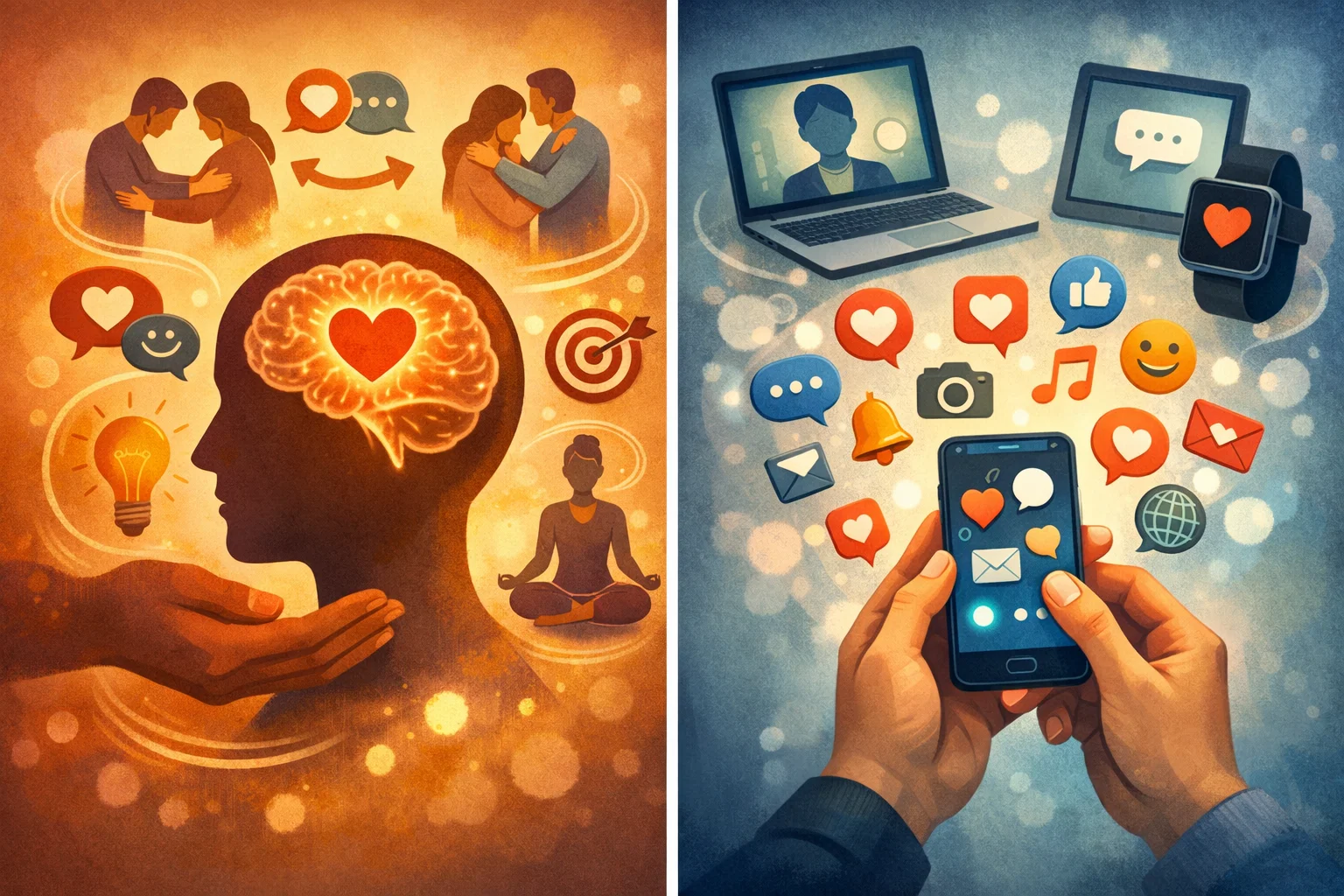
Online interactions often lack the nuances of face-to-face communication, reducing empathy and increasing the likelihood of conflict. This can erode trust and hinder the development of deep, meaningful connection using technology.
Strategies to preserve emotional depth in digital interaction include being mindful of tone, seeking clarification when needed, and prioritizing empathy in all communications. Encouraging video calls and thoughtful responses can help foster stronger relationships.
Community Building and Global Connection
Technology facilitates community building and global connection by enabling niche communities and interest-based groups to form online. Individuals can find like-minded people from around the world, fostering a sense of belonging that transcends geographical boundaries.

Support networks and social activism online provide platforms for individuals to connect, share experiences, and advocate for social change. These digital spaces can empower marginalized communities and amplify their voices using technology to communicate.
Technology expands a sense of belonging beyond geography by connecting people who share common interests or experiences, regardless of their physical location. This can combat loneliness and social isolation, strengthening connection and social network.
Mental Health Implications of Technology on Relationships
The pervasive use of technology can have significant mental health implications on human relationships, contributing to loneliness, anxiety, and social comparison. Constant exposure to curated online personas can negatively impact self-esteem and mental well-being.

Overstimulation and digital burnout in social interactions can lead to feelings of exhaustion and detachment. The constant barrage of information and notifications can overwhelm individuals, reducing their capacity for meaningful face-to-face interactions and communication.
Strategies to protect relationships and emotional well-being include setting boundaries for screen time, practicing mindful technology use, and prioritizing in-person connections. Seeking support from mental health professionals can also help mitigate the negative impact of technology use on mental health; use ai.
Redefining Intimacy and Presence in a Digital World
Redefining intimacy in the digital age requires a careful balance between virtual interactions and physical presence. The ease of connecting online should not diminish the value of in-person connections, which foster deeper relationships and emotional intimacy.

Virtual Interactions vs. Physical Presence
Virtual interactions and physical presence offer different qualities to human connection. While digital communication facilitates convenient contact, face-to-face interactions provide essential non-verbal cues and physical touch, strengthening relationships and overall social interaction.
Maintaining Connection Across Hybrid Interaction Modes
Maintaining connection across hybrid interaction modes, combining online and in-person engagements, is key to modern relationships. Strategically integrating both forms of communication can help sustain intimacy and understanding when technology and interaction meet.
Long-Term Implications for Touch, Trust, and Emotional Bonds
The long-term implications for touch, trust, and emotional bonds necessitate considering how diminished physical contact affects human relationships. Prioritizing shared experiences and presence can help preserve these vital aspects of human connection.
The Role of Emerging Technologies: AI and Virtual Companions
Emerging digital technologies, particularly ai becomes more sophisticated, are starting to play a significant role in companionship. This shift calls for a deeper understanding of the ethical and psychological considerations of using technology in these new ways.

Emotional Support and Companionship Through AI
Emotional support and companionship through ai interactions are becoming increasingly available, offering a sense of connection to those experiencing loneliness and social isolation. These ai applications can provide personalized support but also raise questions about authenticity in human relationships.
Ethical and Psychological Considerations
Ethical and psychological considerations surrounding ai companionship are crucial to address. Understanding the potential impact on emotional development, dependency, and the perception of real human relationships is essential as use of technology advances.
Could AI Change the Way Humans Connect With Each Other?
How ai could ultimately change the way humans connect with each other is a significant question for social science. While ai can offer new avenues for connection, it’s vital to understand how technology use impacts traditional human communication and social interaction.
Practical Tips for Healthy Technology Use in Relationships
Adopting practical tips for healthy technology use can help ensure that digital tools enhance, rather than detract from, human relationships. Setting boundaries and practicing mindful communication are key steps.
Setting Boundaries for Screen Time
Setting boundaries for screen time is crucial for nurturing face-to-face interactions. This helps to minimize distractions and create space for more meaningful social lives, strengthening social capital and deeper connection.
Mindful Digital Communication Practices
Mindful digital communication practices involve being intentional and considerate in online interactions. Paying attention to tone, timing, and content can help prevent misunderstandings and foster empathy using new communication technologies.
Using Technology to Strengthen Rather Than Replace Bonds
Using technology to strengthen rather than replace bonds means leveraging digital tools to enhance existing relationships. Sharing experiences, staying connected during travel, and scheduling virtual check-ins can foster deeper connection and community.
The Future of Human Relationships in a Tech-Driven Society
The future of human relationships in a tech-driven society will likely involve more hybrid interaction and digital intimacy. Balancing online and offline connections is essential for maintaining emotional well-being in this evolving landscape and reshaping relationship.
Trends in Hybrid Interaction and Digital Intimacy
Trends in hybrid interaction and digital intimacy suggest a blending of virtual and physical worlds. Exploring how to cultivate deep emotional connections through both mediums will be crucial for social lives and fostering robust social network.
Balancing Online and Offline Connections for Emotional Health
Balancing online and offline connections for emotional health requires a conscious effort to prioritize both digital and in-person interactions. Recognizing the value of face-to-face time can prevent loneliness and social isolation from becoming pervasive.
Preparing for the Next Wave of Technological Disruption in Relationships
Preparing for the next wave of technological disruption in relationships involves staying informed about emerging technologies and their potential impacts. This proactive approach allows individuals and communities to adapt and mitigate negative impact on human relationships.
Conclusion: Navigating Love, Friendship, and Family in the Digital Age
In conclusion, navigating love, friendship, and family in the digital age requires a thoughtful and balanced approach. By understanding the potential benefits and pitfalls of technology, we can harness its power to enhance rather than diminish our most cherished human relationships and overall communication.