


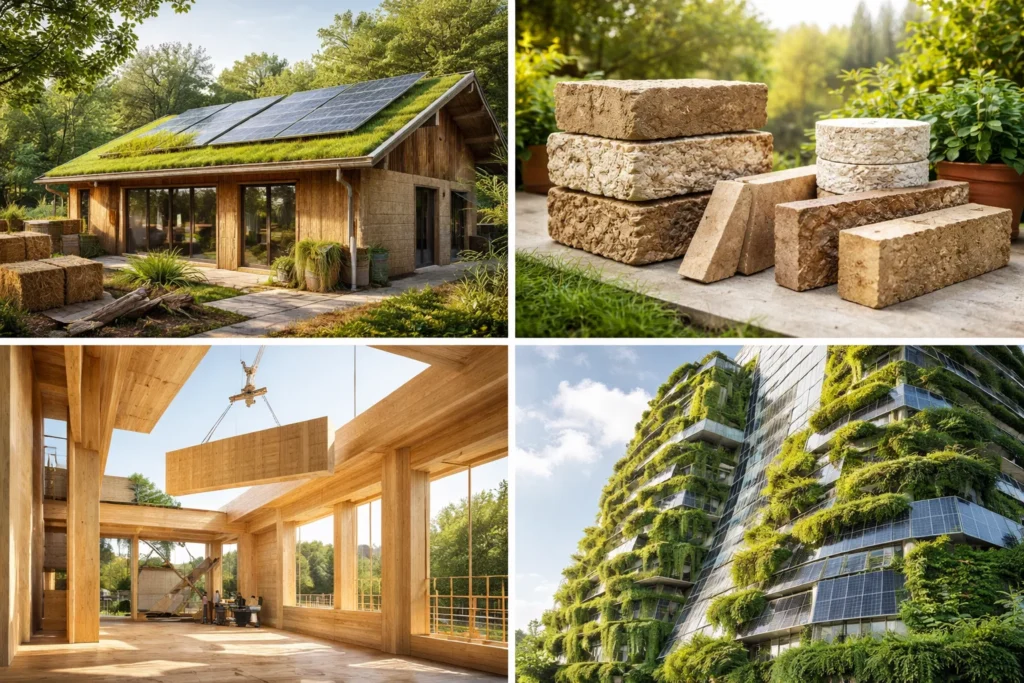
The construction industry is on the cusp of a revolution. As environmental concerns escalate, the demand for sustainable building practices and eco-friendly solutions has never been higher. This article explores the future of construction, spotlighting innovative materials and construction methods that promise a greener and more sustainable future for all.
Why Sustainable Building Materials Matter More Than Ever

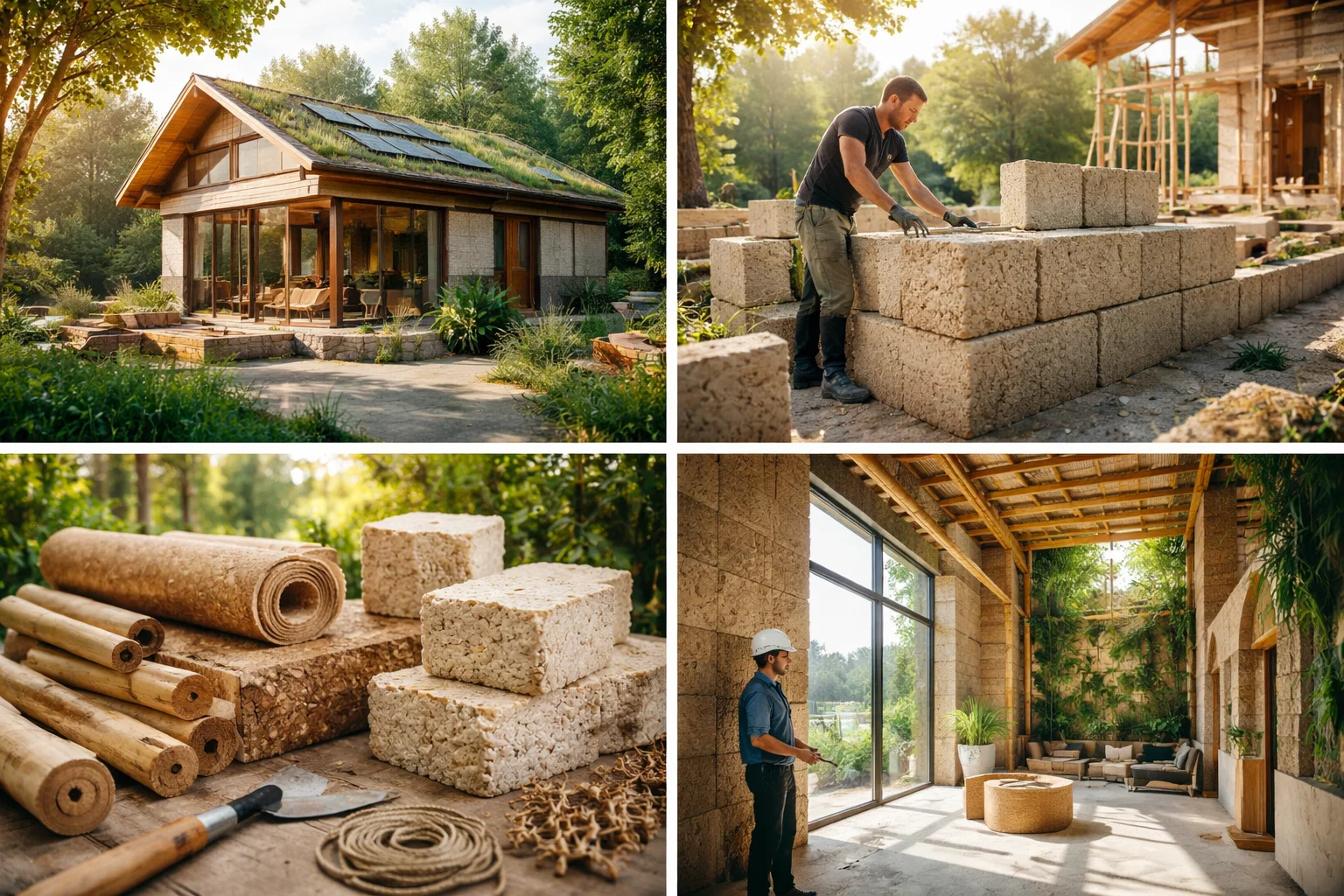
The Environmental Impact of Traditional Construction Materials
Traditional construction materials have a significant impact on the environment. The extraction, processing, and transportation of materials like concrete, steel, and timber contribute to greenhouse gas emissions, deforestation, and resource depletion. Embracing sustainable building materials is crucial for reducing the construction sector’s carbon footprint and promoting sustainable practices.
Growing Demand for Green and Energy-Efficient Buildings
The demand for green building is on the rise. Homeowners and businesses alike are increasingly seeking energy-efficient and environmentally friendly structures. This growing demand is driving the adoption of sustainable building practices and the development of innovative materials. The sustainable future depends on sustainable building and sustainable building practices.
What Are Eco-Friendly Building Materials?
Definition and Key Characteristics
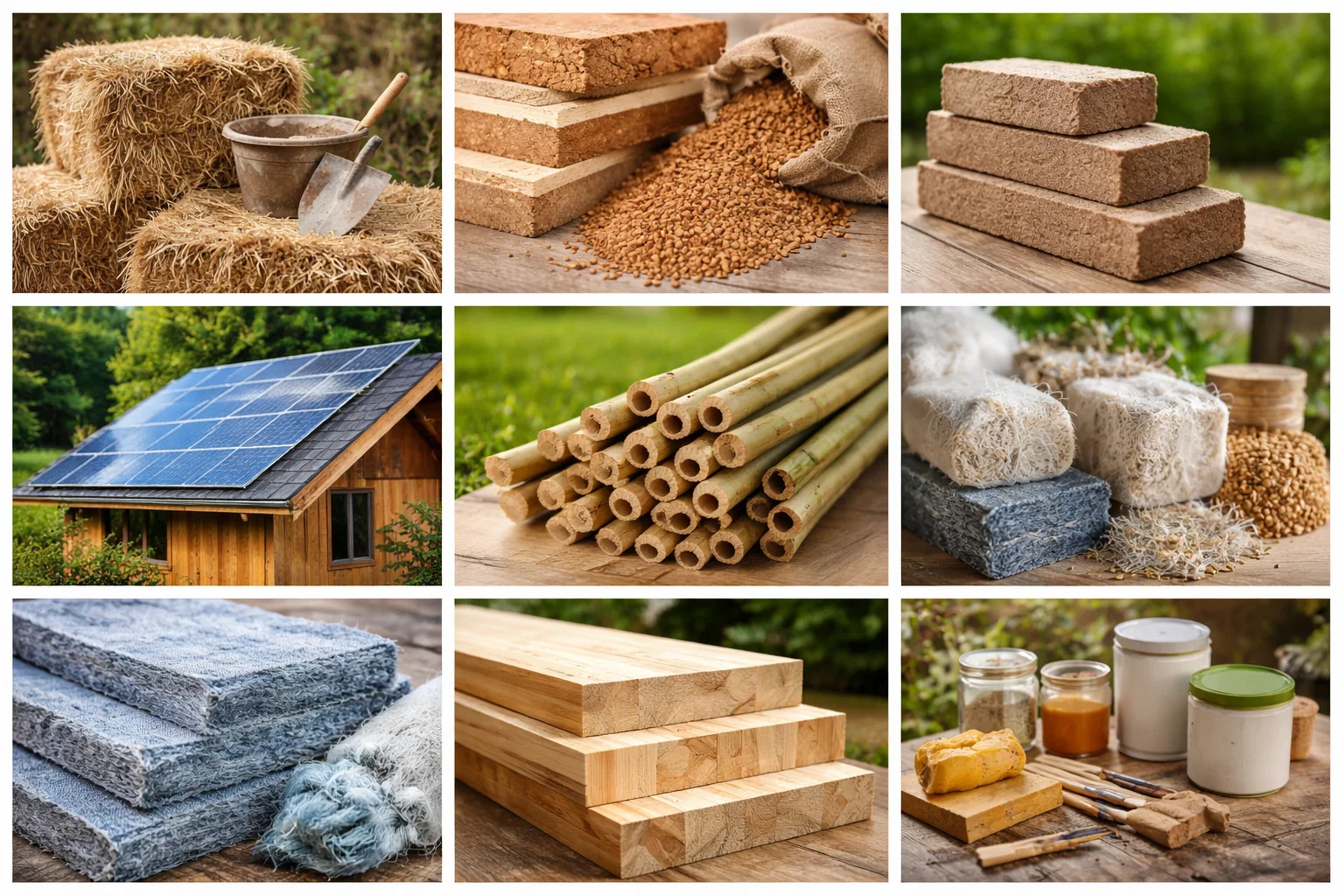
Eco-friendly building material refers to materials with a reduced impact on the environment throughout their lifecycle. Several key characteristics define these materials, including:
- Renewability
- Recyclability
- Low embodied energy
- Non-toxicity
The use of sustainable materials is vital for reducing the impact on the environment and creating a sustainable future.
Examples of Sustainable Materials Used Today
Numerous sustainable building material options are available today. These materials include a range of choices, such as:
- Recycled steel
- Bamboo
- Hempcrete
- Reclaimed wood
- Bio-based materials
These materials offer sustainable alternatives to traditional construction materials and contribute to more eco-friendly building. The use of sustainable materials shapes the future of construction.
Top Eco-Friendly Building Materials to Watch in 2026
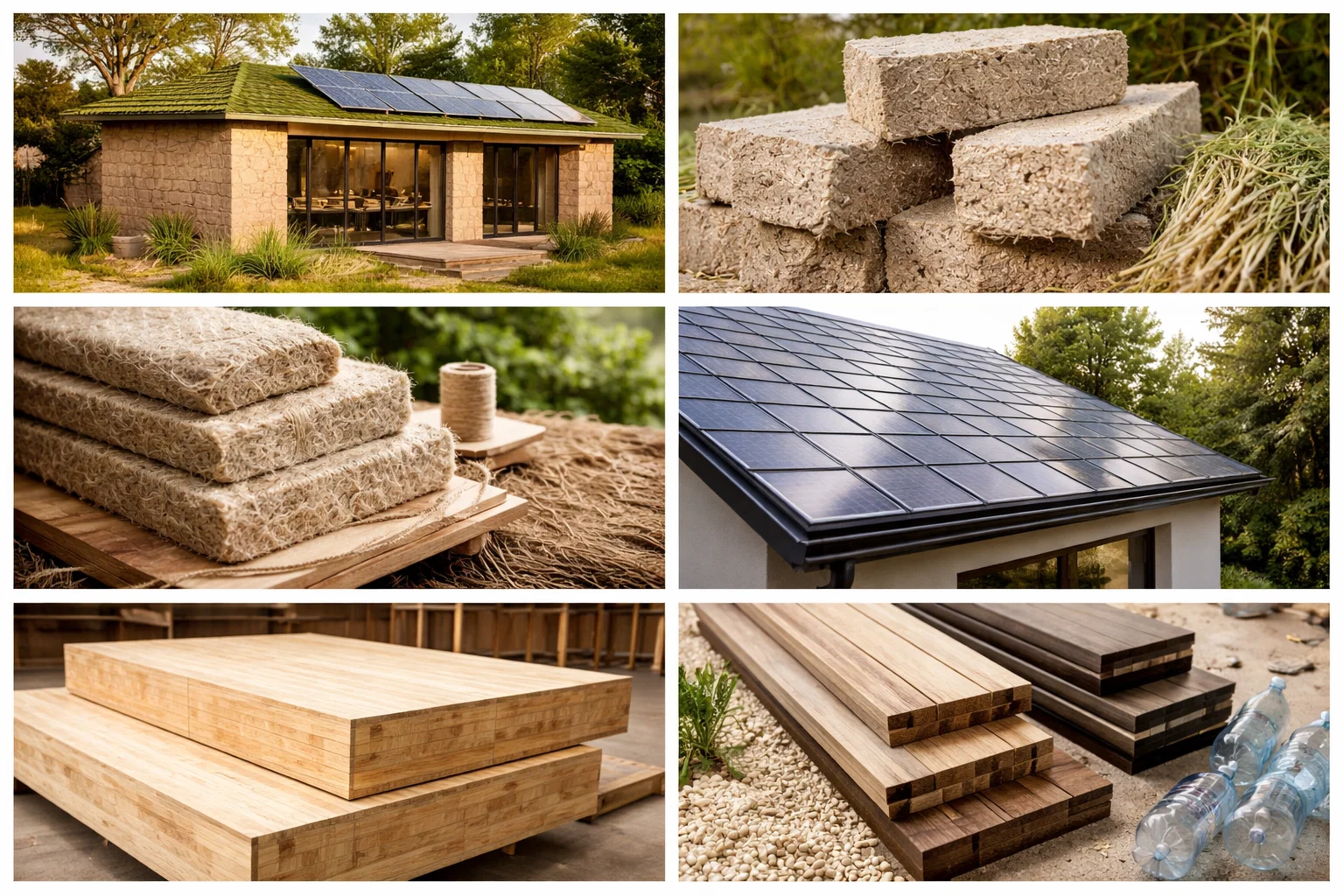
Bamboo: Fast-Growing and Strong Alternative
Bamboo is a fast-growing, renewable resource that makes an excellent sustainable alternative to traditional timber. Its high strength-to-weight ratio makes it suitable for various structural applications. Using sustainable materials like bamboo is crucial for sustainable construction.
Hempcrete: Carbon-Sequestering Insulation and Walls
Hempcrete, a mixture of hemp fibers, lime, and water, offers excellent insulation and carbon-sequestering properties. It can be used for walls and other building components, promoting eco-friendly building. The adoption of sustainable building with hempcrete contributes to a greener future of construction.
Recycled Steel and Aluminum: Durable and Low-Maintenance
Recycled steel and aluminum are durable and low-maintenance building products that reduce the need for new resource extraction. Their use in construction projects lowers the environmental impact of the construction sector. Embracing sustainable building with recycled materials is vital.
Green Concrete: Reducing CO₂ Through Innovation
Green concrete utilizes alternative cementitious materials to reduce CO₂ emissions associated with traditional concrete production. Innovative construction methods like this lessen the construction industry’s impact on the environment. Green concrete and innovative construction methods are shaping the future.
Bioplastics and Mycelium-Based Materials: Biodegradable Options
Bioplastics and mycelium-based materials offer biodegradable options for various construction applications. These innovative materials provide sustainable alternatives to traditional plastics and contribute to a circular economy. Using sustainable materials drives the adoption of sustainable building.
Reclaimed Wood & Timber: Sustainable and Stylish
Reclaimed wood and timber add character and style to building projects while reducing deforestation. Sourcing reclaimed materials prevents waste and promotes sustainable practices. Their sustainable nature is used in construction sites for a traditional building approach that’s more eco-friendly.
Emerging Trends in Sustainable Construction
Smart Materials: Self-Healing Concrete and Phase-Change Technologies
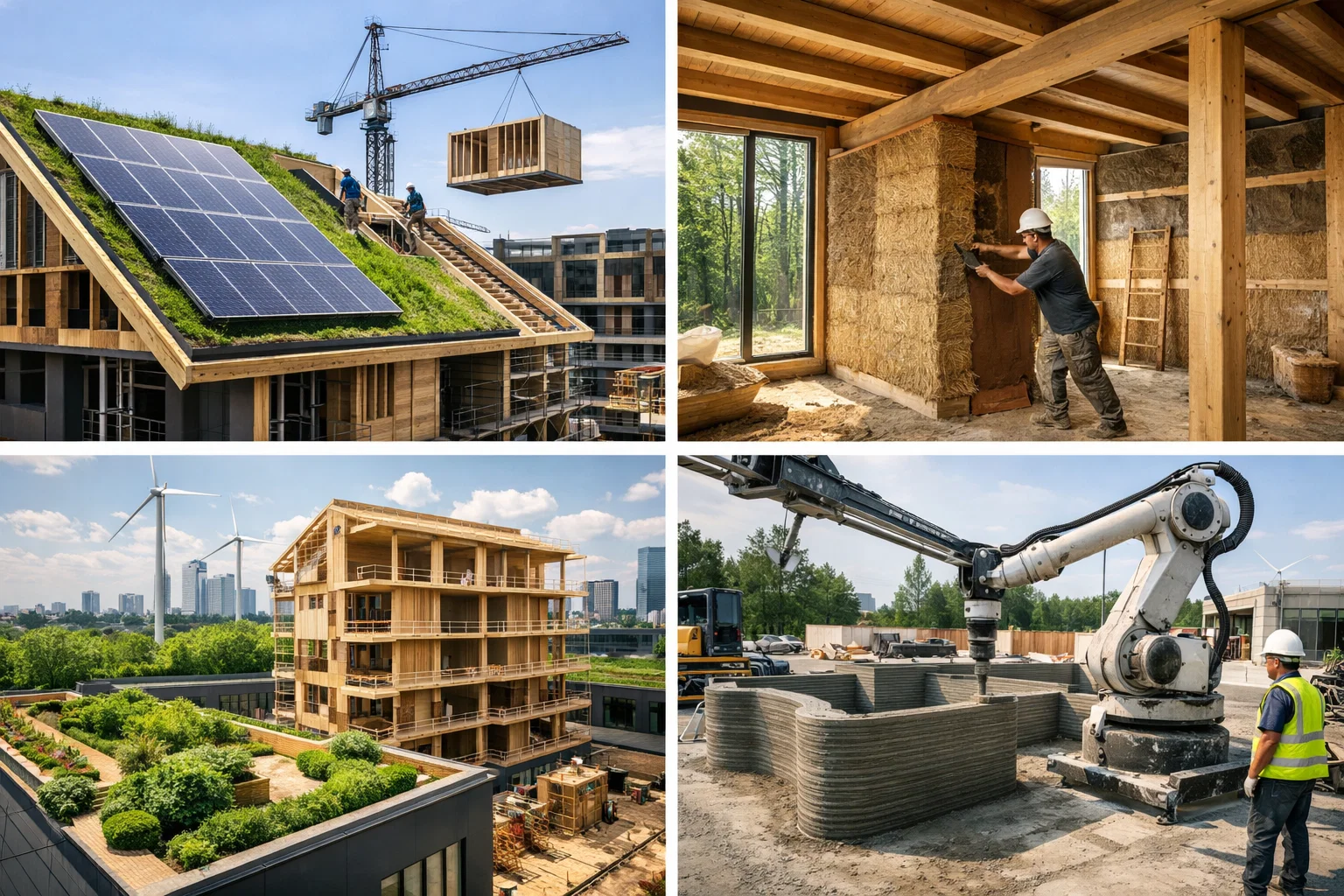
The construction industry is seeing a rise in smart materials like self-healing concrete and phase-change technologies, which are set to revolutionize sustainable construction. Self-healing concrete repairs cracks autonomously, extending the lifespan of structures and reducing maintenance. Phase-change materials enhance energy efficiency by regulating indoor temperatures, marking a significant step towards using sustainable materials.
3D Printing with Eco-Friendly Materials
3D printing, coupled with eco-friendly construction material, is transforming the future of construction. This innovative construction method allows for the precise and efficient creation of building components.
By using sustainable construction materials in 3D printing, such as bio-based materials and recycled plastics, the construction industry reduces waste and promotes sustainable practices, leading to innovative construction.
Carbon-Negative Materials and Energy-Absorbing Designs
The development and adoption of carbon-negative materials are gaining traction in the sustainable building arena.
These materials, derived from resources that absorb more carbon dioxide than they emit during production, offer a significant step towards mitigating the environmental impact of the construction sector. Energy-absorbing designs further enhance the sustainability profile of new construction.
Modular and Prefabricated Green Construction Techniques
Modular and prefabricated green construction techniques are gaining prominence for their efficiency and sustainability benefits.
These methods reduce construction time, minimize waste, and allow for better control over material usage. By using sustainable building materials in modular construction, projects can achieve higher levels of energy efficiency and reduce their overall impact on the environment.
Integration with Renewable Energy: Solar Panels, Living Walls, and More
Integrating renewable energy systems, such as solar panels and living walls, is an emerging trend in sustainable construction. These systems reduce reliance on fossil fuels, lowering the carbon footprint of buildings. Living walls also improve air quality and biodiversity, enhancing the environmental performance of building projects. The sustainable future depends on new construction using sustainable materials.
Benefits of Using Eco-Friendly Materials
Reduced Carbon Footprint and Energy Costs
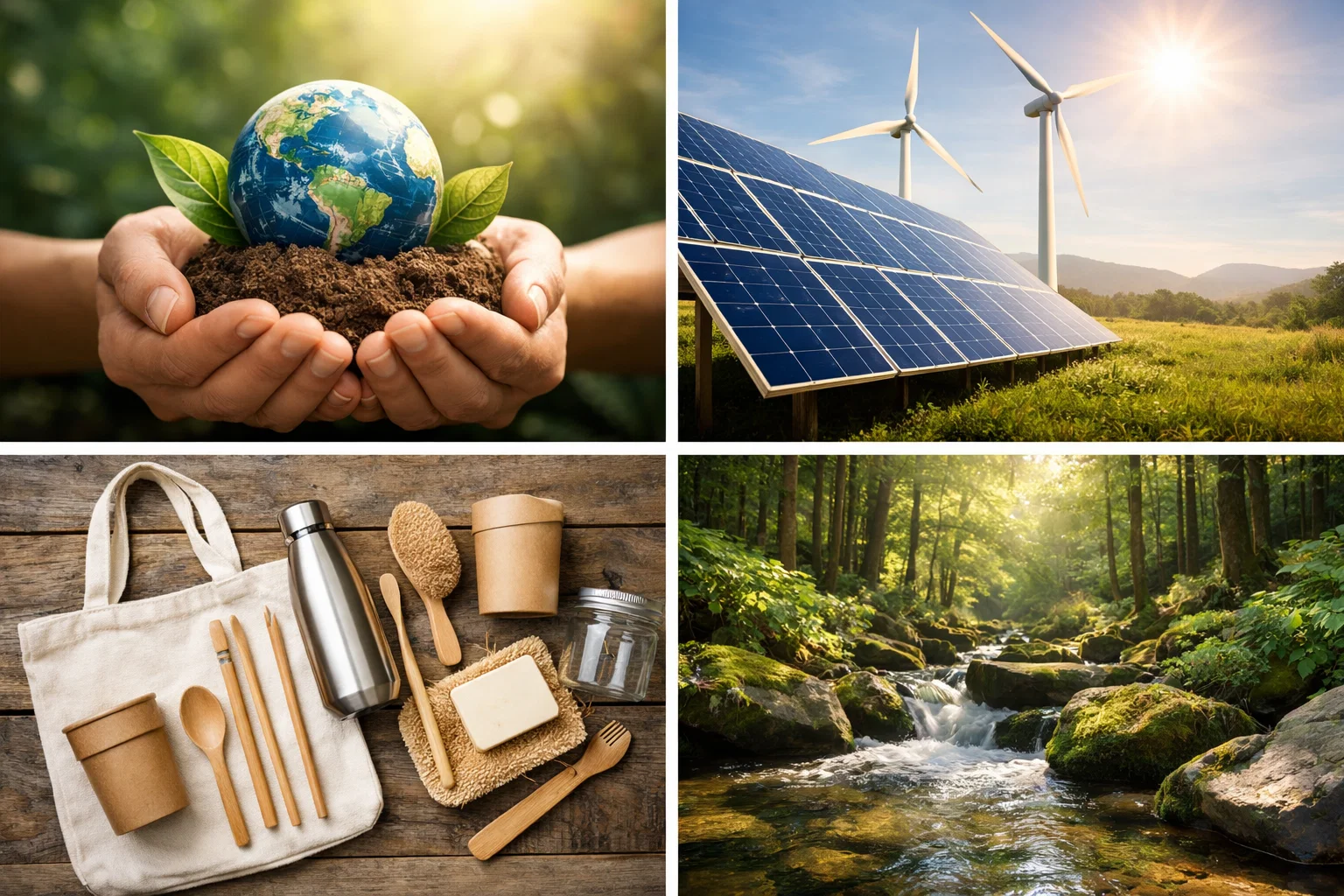
One of the primary benefits of using sustainable construction material is the reduced carbon footprint of building projects. Eco-friendly building materials typically have lower embodied energy and produce fewer greenhouse gas emissions. The adoption of sustainable building practices and innovative materials can significantly reduce energy costs over the lifespan of a structure, creating a more sustainable future.
Healthier Indoor Environment with Low-VOC Materials
Choosing sustainable building practices with low-VOC (volatile organic compound) material contributes to healthier indoor environments. Traditional construction materials often emit harmful chemicals that can negatively affect air quality and human health. Sustainable construction materials helps in creating a more comfortable and safer living or working space for building projects.
Increased Property Value and Market Appeal
Properties built with sustainable construction material and using sustainable building practices often command higher property values and have increased market appeal. As awareness of environmental issues grows, there is a rising demand for green building and sustainable homes. Embracing sustainable building makes new construction more attractive to environmentally conscious buyers and renters.
Compliance with Green Building Certifications (LEED, BREEAM, WELL)
Using sustainable construction materials helps projects achieve compliance with green building certifications such as LEED (Leadership in Energy and Environmental Design), BREEAM (Building Research Establishment Environmental Assessment Method), and WELL.
These certifications validate the environmental performance of a building and demonstrate a commitment to sustainable practices within the construction sector and sustainable building.
Challenges and Considerations
Higher Upfront Costs and ROI Analysis
While the long-term benefits of sustainable construction and using sustainable construction materials are clear, higher upfront costs can deter some builders and homeowners. A comprehensive ROI analysis is crucial to demonstrate the long-term savings and increased property value. The initial investment in eco-friendly building materials must be weighed against reduced energy consumption and enhanced durability, making sustainable alternatives appealing.
Availability and Regional Limitations
The availability of sustainable construction materials can vary significantly by region, posing a challenge for some construction projects. Transportation costs can also impact the overall cost-effectiveness of using sustainable construction materials. Overcoming these limitations requires local sourcing and the development of regional supply chains. This will give the sustainable future a boost in terms of being accessible to all for new construction.
Skill Requirements for Green Construction Practices
Implementing green construction practices requires specialized skills and knowledge. Builders and contractors need to be trained in the proper handling, installation, and maintenance of sustainable construction materials. Investing in workforce development and education is essential to ensure that sustainable construction projects are executed effectively and with skilled expertise, especially when traditional construction practices are being abandoned.
How Builders and Homeowners Can Prepare for 2026
Choosing the Right Materials for Your Project
Selecting the appropriate sustainable building material for a construction project requires careful consideration of factors such as climate, budget, and performance requirements. Builders and homeowners should research the environmental impact, durability, and lifecycle costs of different eco-friendly building material options. By comparing sustainable alternatives, informed choices can be made for new construction.
Staying Updated with Emerging Technologies and Trends
The field of sustainable construction is constantly evolving, with new technologies and construction methods emerging regularly. Builders and homeowners should stay informed about the latest advancements in sustainable building materials and construction practices through industry publications, conferences, and workshops. This will enable them to make informed decisions and adopt innovative materials into their projects, using sustainable materials.
Working with Experts in Sustainable Construction
Collaborating with experts in sustainable construction is crucial for ensuring the success of green building projects. Architects, engineers, and contractors with experience in sustainable building practices can provide valuable insights and guidance. Their expertise can help optimize building design, material selection, and construction techniques to minimize environmental impact and maximize energy efficiency of building projects.
Conclusion: The Path to a Greener, Smarter Future in Construction
The future of construction hinges on the widespread adoption of sustainable construction materials and practices. As environmental awareness grows and regulations tighten, the demand for green building will continue to rise. By embracing sustainable alternatives and innovative materials, the construction industry can contribute to a greener, healthier, and more sustainable future for all. This includes using sustainable materials in commercial building projects.