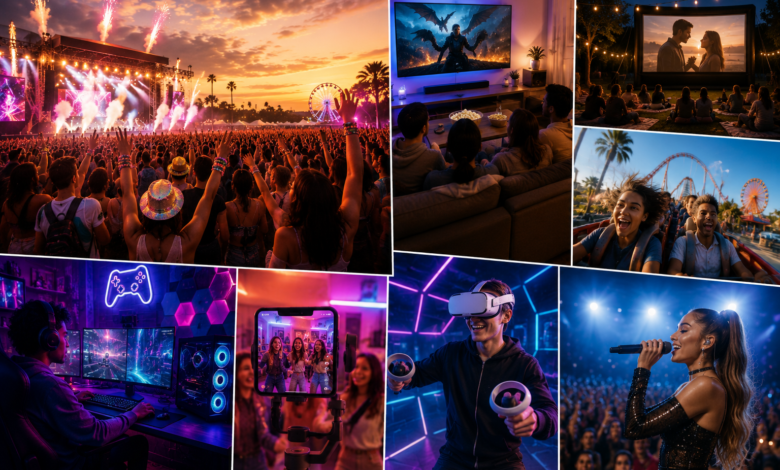
Summer 2026 is proving to be a monumental period for the entertainment industry, marking a significant pivot in how content is created, consumed, and experienced globally.
Why Summer 2026 Is a Turning Point for Global Entertainment
The entertainment landscape in 2026 is undergoing a profound transformation, driven by an intricate interplay of technological advancements, evolving cultural norms, and shifts in audience behavior.

How technology, culture, and audience behavior are reshaping entertainment
In 2026, technology has become an indispensable force, dictating the new frontiers of entertainment. The entertainment slate for 2026 is more diverse and dynamic than ever before, moving far beyond traditional viewing habits to embrace new forms of engagement. The hotly anticipated movies of 2026 reflect this, with studios constantly adapting to fluid preferences.
| Factor | Impact |
|---|---|
| Cultural Shifts (amplified by global interconnectedness) | Influence narrative choices and representation |
| Audience Behavior (geared towards on-demand and personalized content) | Reshaping production and distribution models |
The shift from passive viewing to immersive, interactive experiences
The passive viewing experiences of previous years, like those from 2024 or 2025, are steadily being supplanted by a demand for immersive and interactive entertainment. Audiences in 2026 are no longer content with merely observing stories; they crave participation, whether through intricate open-world gaming, virtual reality environments, or interactive narrative experiences that allow them to influence outcomes.
This shift emphasizes engagement over mere consumption, pushing creators to innovate in ways that were previously unimaginable, ensuring that every installment feels fresh and groundbreaking.
1. AI-Powered Entertainment Revolution
Artificial intelligence is no longer a futuristic concept but a tangible force actively revolutionizing the entertainment industry in 2026, from content creation to audience interaction.
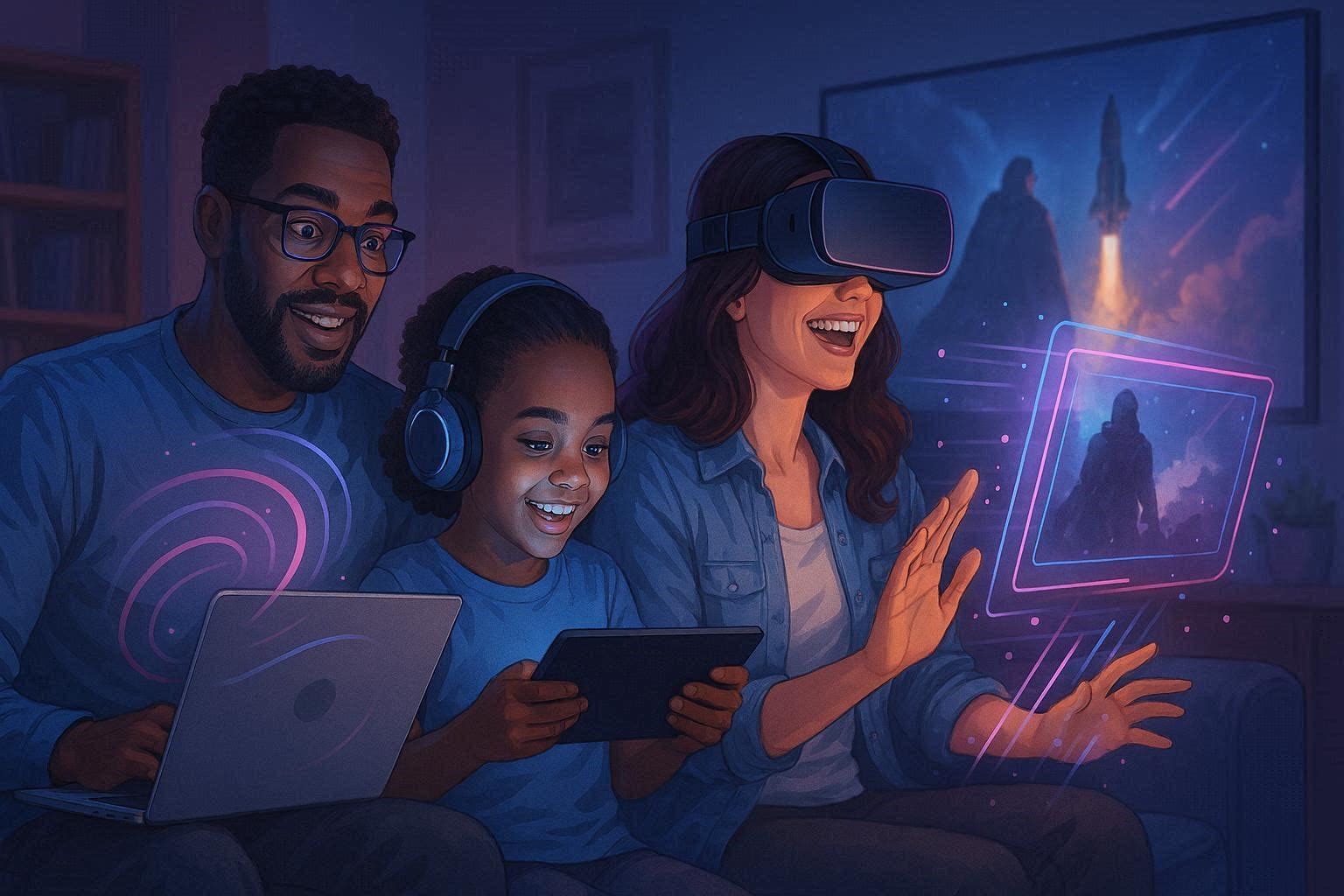
How AI is transforming movies, music, and streaming production
In 2026, AI is profoundly transforming production pipelines across various creative industries. AI tools are streamlining processes, reducing costs, and enabling previously out-of-reach creative possibilities.
Here’s how AI is impacting different aspects of content creation:
| Area | AI Impact |
|---|---|
| Movies | From script development and visual effects rendering to post-production, AI tools are enhancing overall quality, including AI-assisted character animation and environmental design for intricate and realistic worlds in anticipated movies. |
| Music | AI is transforming musical composition and post-production processes. |
| Streaming Content | AI tools are streamlining production pipelines for major series, from script development to post-production. |
Generative storytelling and AI-created characters in mainstream media
Generative storytelling, powered by advanced AI algorithms, is making its way into mainstream media in 2026, offering novel narrative structures and even contributing to the development of AI-created characters.
These characters, ranging from supporting roles to central figures, are beginning to appear in films and and series, providing unique perspectives and challenging traditional notions of authorship. This technological leap allows for unprecedented experimentation in plot development and character arcs, leading to truly innovative stories.
Personalized entertainment experiences powered by algorithms
The summer 2026 entertainment landscape is increasingly defined by hyper-personalized experiences, with powerful algorithms tailoring content recommendations to individual viewer preferences.
Streaming platforms, for example, leverage vast amounts of user data to curate bespoke content feeds, suggest specific films and music, and even influence the kind of trailers users see, ensuring a highly relevant and engaging experience for each subscriber. This level of personalization extends to all forms of digital entertainment, making every interaction feel unique.
2. The Rise of Mega Franchise Universes
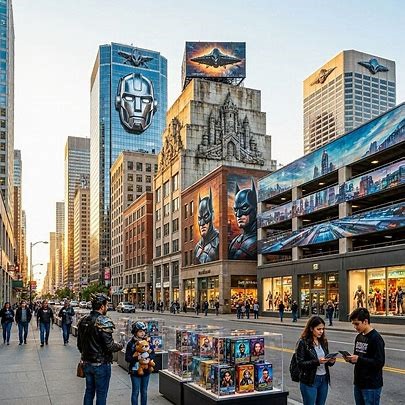
Mega franchise universes continue their dominance in 2026, evolving into expansive, interconnected narratives that span various media, captivating global audiences.
Why studios are relying on blockbuster cinematic universes more than ever
In 2026, studios are increasingly relying on blockbuster cinematic universes as a strategic imperative, driven by the immense financial returns and established fan bases these franchises command.
The success of interconnected narratives, which allow for multiple installments and spin-offs, mitigates the risks associated with new intellectual property, providing a stable revenue stream in an increasingly competitive market. Major studios are keenly aware that a single hit film within a universe can fuel an entire slate of projects for years to come, making them the cornerstone of release date schedules.
Franchise fatigue vs. innovation: how creators are adapting
While the threat of franchise fatigue looms, creators in 2026 are proactively combating it with innovative storytelling techniques and fresh perspectives. Instead of merely rehashing old plots, new installments introduce unexpected genre blends, explore unexplored corners of established lore, or even reboot beloved series with a contemporary sensibility.
This commitment to innovation ensures that even long-running franchises, featuring A-list talent such as Charlize Theron or Matt Damon, remain exciting and relevant for audiences, preventing stagnation and maintaining engagement.
Cross-media storytelling (films, games, series, comics integration)
Cross-media storytelling is reaching new heights in 2026, with major franchises seamlessly integrating narratives across films, video games, streaming series, and comic books. This holistic approach allows fans to experience their favorite universes in multifaceted ways, deepening their connection to the characters and overarching lore.
For example, a major film release might be accompanied by a canonical video game that expands on a character’s backstory, or a streaming series that explores events parallel to the main cinematic timeline, fostering a rich, interconnected experience that goes beyond the traditional theater release date.
3. Streaming Platforms Becoming Global Studios
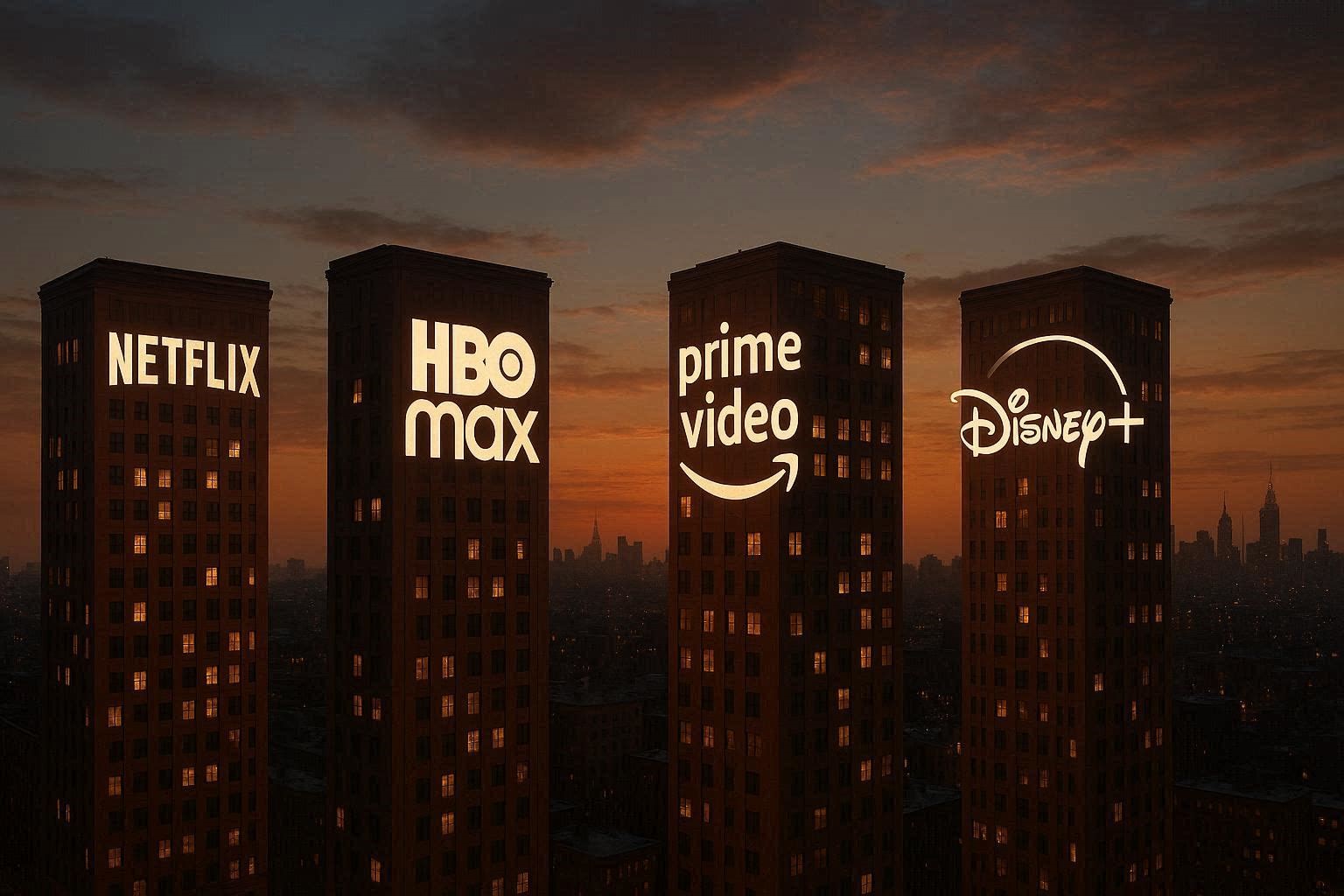
Streaming platforms in 2026 have transcended their role as mere distributors, evolving into powerful global studios that rival traditional Hollywood giants in production and influence.
How Netflix-style platforms are competing with Hollywood
In 2026, Netflix-style platforms are not just competing with Hollywood; they are fundamentally reshaping the industry by operating as full-fledged global studios, investing billions in original content. They attract top-tier talent, including A-list stars like Anne Hathaway and Robert Pattinson, and produce a diverse slate of films and series that challenge traditional studio output.
Their direct-to-consumer model allows for greater creative freedom and faster production cycles, positioning them as formidable contenders in the race for global entertainment dominance, often outmaneuvering older studios for prime release date slots.
Simultaneous streaming and theatrical releases
The concept of simultaneous streaming and theatrical releases has become a defining characteristic of the 2026 entertainment landscape. This hybrid distribution model, often seen with major films, offers audiences flexibility in how and where they consume content, whether in a traditional theater setting or from the comfort of their homes.
While some studios are still navigating the optimal balance, many recognize the dual benefits of reaching a wider audience while maintaining event-level cinematic experiences for hotly anticipated movies of 2026, like a new sci-fi thriller from Ridley Scott.
Subscription wars and content exclusivity strategies
The “subscription wars” are intensifying in 2026, with streaming platforms employing aggressive content exclusivity strategies to attract and retain subscribers. This involves acquiring exclusive rights to major franchises, producing highly anticipated original series featuring stars such as Zendaya or Jeremy Allen White, and securing highly sought-after films upon their release date, making their platforms indispensable.
The battle for unique and desirable content is driving innovation in production and acquisition, as each platform strives to offer an unparalleled catalog that cannot be found elsewhere, often involving a massive slate of new projects.
4. Gaming Becomes the Center of Entertainment Culture
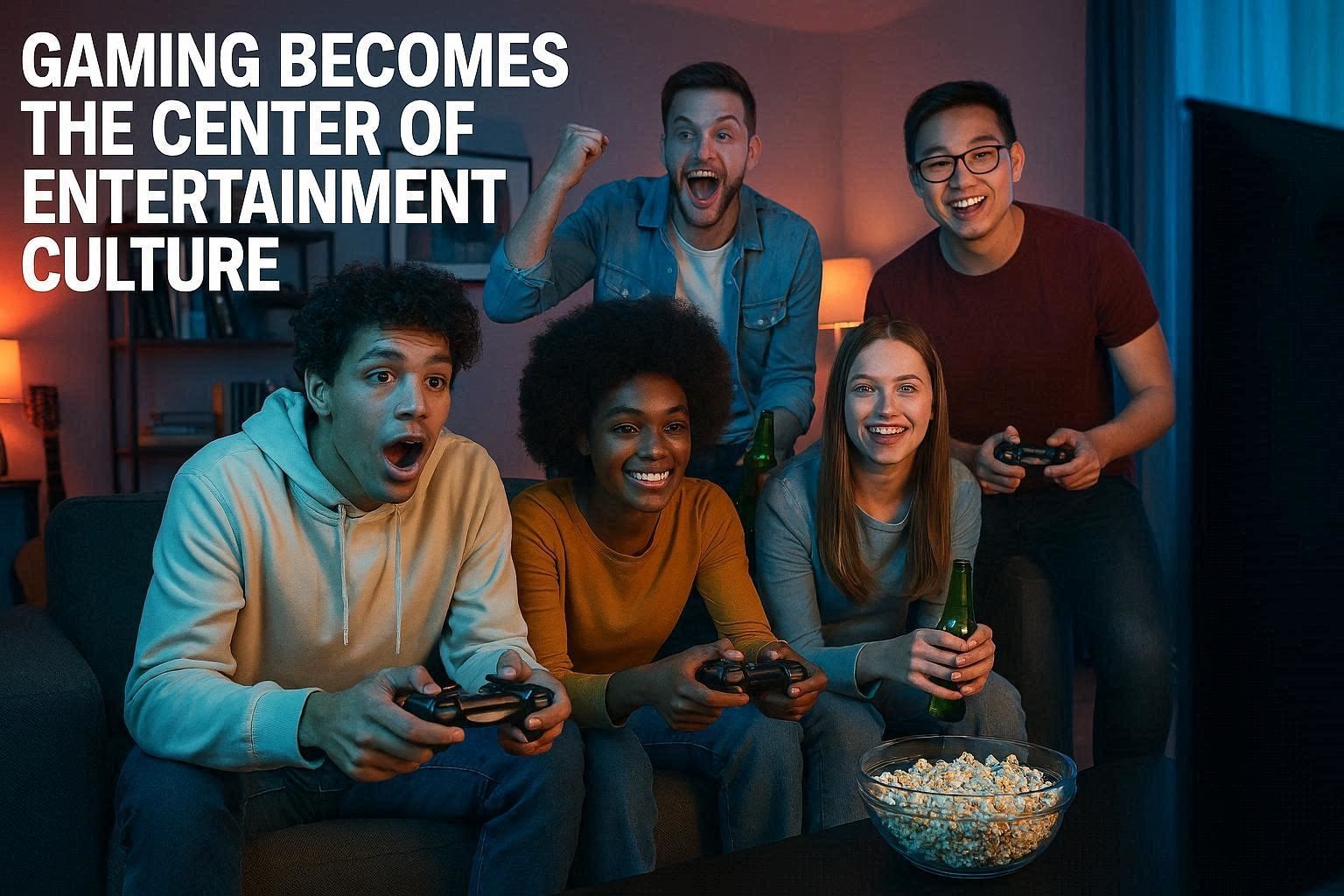
Gaming has definitively transcended its niche status in 2026, becoming a central pillar of global entertainment and influencing various other media forms.
Open-world gaming and cinematic storytelling expansion
The expansion of open-world gaming, often featuring a massive slate of content, combined with increasingly sophisticated cinematic storytelling, is a hallmark of 2026 entertainment. Games like the hotly anticipated new installments or reboots are blurring the lines between interactive play and traditional narrative, offering expansive universes where players can explore detailed worlds and engage with complex, character-driven plots.
This evolution has led to games becoming as compelling as any major film or series, attracting A-list talent for voice acting and motion capture, making them highly anticipated events on the entertainment release date calendar.
Esports turning into global stadium-level events
Esports has solidified its position in 2026 as a mainstream spectacle, transforming into global stadium-level events that rival traditional sports in viewership and production value. Massive arenas worldwide host professional gaming tournaments, drawing huge live audiences and millions more through streaming platforms, further expanding the reach of this dynamic sector.
The competitive thrill and high stakes involved in these professional gaming circuits make them an unmissable part of the entertainment landscape, with prize pools attracting global talent and sponsorships akin to major sporting leagues.
Game-to-film adaptations dominating mainstream media
In 2026, game-to-film adaptations are no longer a rarity but a dominant force in mainstream media, frequently topping box office charts and streaming viewership. The success of these live-action adaptations, often featuring beloved characters like Raiden and Johnny Cage or starring actors like Josh Brolin and Ewan McGregor, demonstrates the cultural impact and narrative richness of modern video games.
Studios are increasingly tapping into popular gaming franchises, with a robust slate of projects under development, to deliver highly anticipated movies of 2026 that resonate deeply with pre-existing fan bases and new audiences alike, ensuring a powerful theater presence for many.
5. Social Media Dictates Entertainment Success
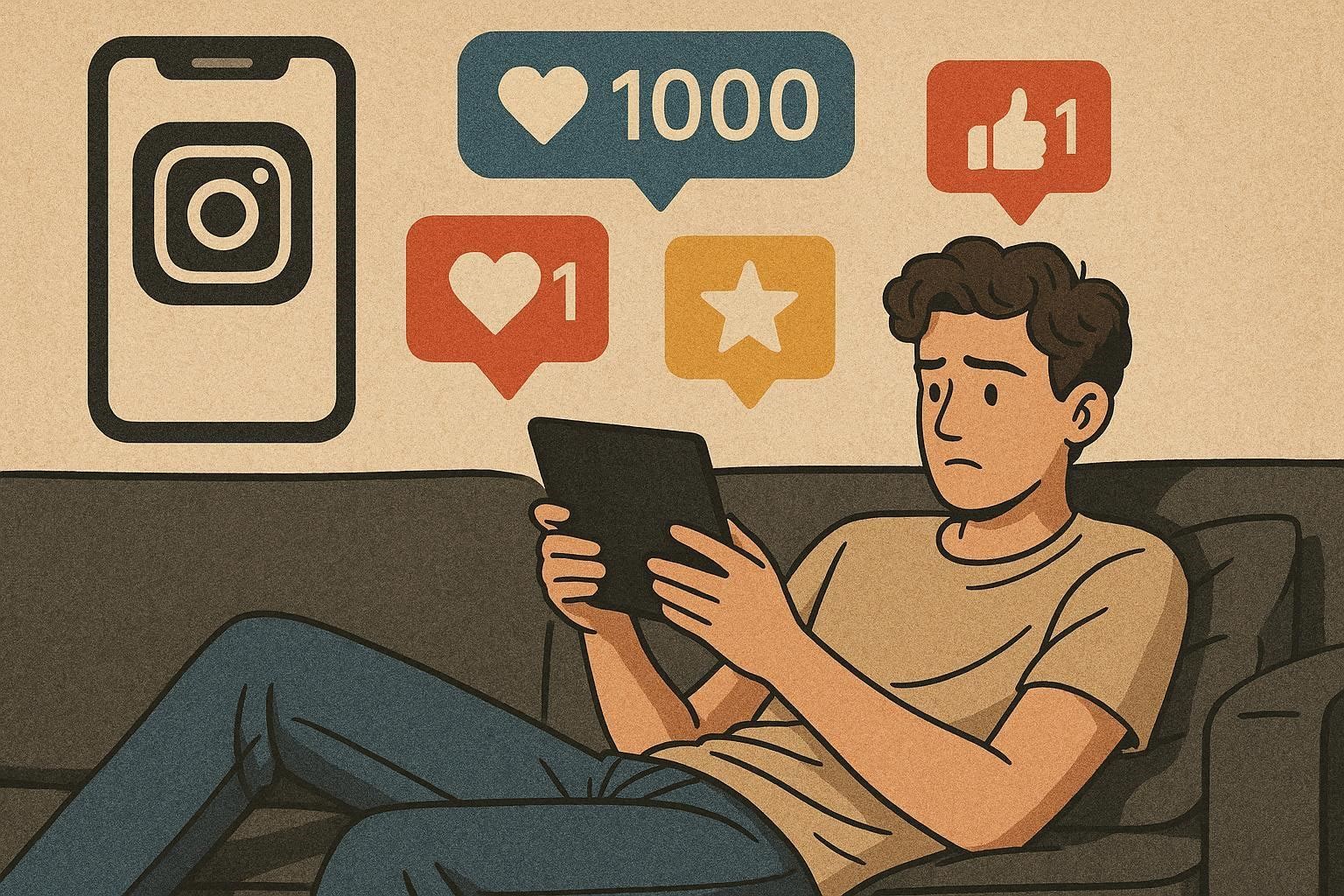
Social media platforms wield unprecedented power in 2026, acting as critical arbiters of success for entertainment content across all genres.
TikTok and short-form virality shaping box office performance
TikTok and the broader landscape of short-form virality are profoundly shaping box office performance and general entertainment trends in 2026. A catchy soundbite, a viral dance, or a trending meme can instantly elevate a film, song, or series into global consciousness, directly impacting its success in the theater or on streaming platforms.
This dynamic forces creators and marketers to think innovatively about digital engagement, understanding that a single, well-placed piece of content can generate immense organic buzz and drive audiences to experience the full installment.
Meme culture as a marketing engine for films and music
Meme culture has evolved into a powerful and often spontaneous marketing engine for films and music in 2026, proving to be an invaluable tool for creators. A film’s memorable scene, a song’s iconic lyric, or a celebrity’s reaction, especially from an A-list star like Pedro Pascal or Zendaya, can swiftly transform into viral content, generating widespread discussion and anticipation.
This organic, audience-driven promotion is particularly effective because it feels authentic and resonates deeply within online communities, creating a buzz that traditional advertising campaigns struggle to replicate for hotly anticipated movies of 2026.
Influencer-driven entertainment launches and fan communities
Influencer-driven entertainment launches are becoming standard practice in 2026, with major studios and artists collaborating with digital creators to promote new films, albums, and series. These collaborations leverage the immense reach and trust influencers have cultivated within their dedicated fan communities, fostering genuine excitement and driving engagement around a new release date.
This strategy not only provides a direct line to target demographics but also cultivates vibrant, interactive fan communities that actively participate in the promotion and discussion of entertainment content, from anticipated movies of 2026 to new music releases.
6. Immersive & Experience-Based Entertainment Boom
The entertainment industry in 2026 is witnessing an unprecedented boom in immersive and experience-based formats, pushing the boundaries of audience engagement.
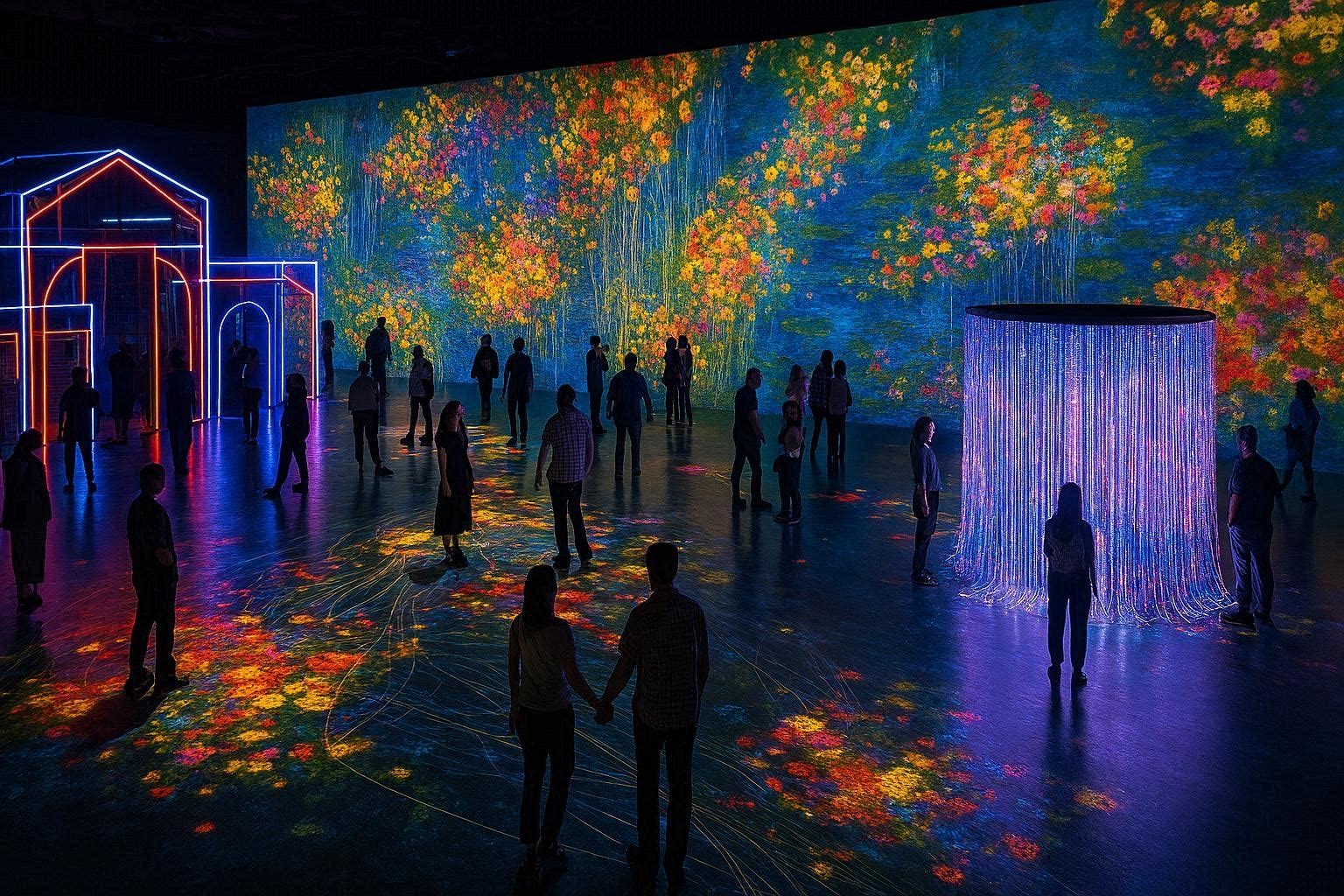
Rise of VR, AR, and mixed-reality entertainment spaces
The rise of VR, AR, and mixed-reality entertainment spaces is transforming how audiences interact with content in 2026. These cutting-edge technologies offer deeply immersive experiences, allowing users to step directly into digital worlds, whether it’s exploring a live-action sci-fi universe or participating in an interactive narrative.
From dedicated VR arcades to AR-enhanced live events, these platforms provide a level of engagement far beyond traditional viewing, making every interaction a unique and memorable adventure that transcends the typical theater experience.
Interactive theaters and live storytelling events
Interactive theaters and live storytelling events are gaining significant traction in 2026, offering audiences a dynamic alternative to passive consumption. These experiences often break the fourth wall, inviting attendees to influence plotlines, interact with performers, or explore narrative environments.
This trend reflects a broader desire for more participatory entertainment, where the audience becomes an integral part of the story, transforming a simple outing into a unique, unrepeatable event that redefines the communal aspect of entertainment beyond the traditional film release date.
Theme parks evolving into digital entertainment ecosystems
Theme parks in 2026 are evolving beyond traditional rides and attractions, transforming into sophisticated digital entertainment ecosystems that integrate physical and virtual experiences. Leveraging AR and mixed reality, these parks offer personalized adventures, interactive quests, and dynamic environments that respond to individual guests.
This seamless blend of the physical and digital enhances immersion, allowing visitors to become active participants in expansive, evolving narratives, often linked to major franchises, creating a truly next-generation entertainment destination far more advanced than those seen in 2025.
7. Globalization of Entertainment Content
Globalization is a dominant force in 2026 entertainment, with content easily crossing borders and captivating diverse audiences worldwide.
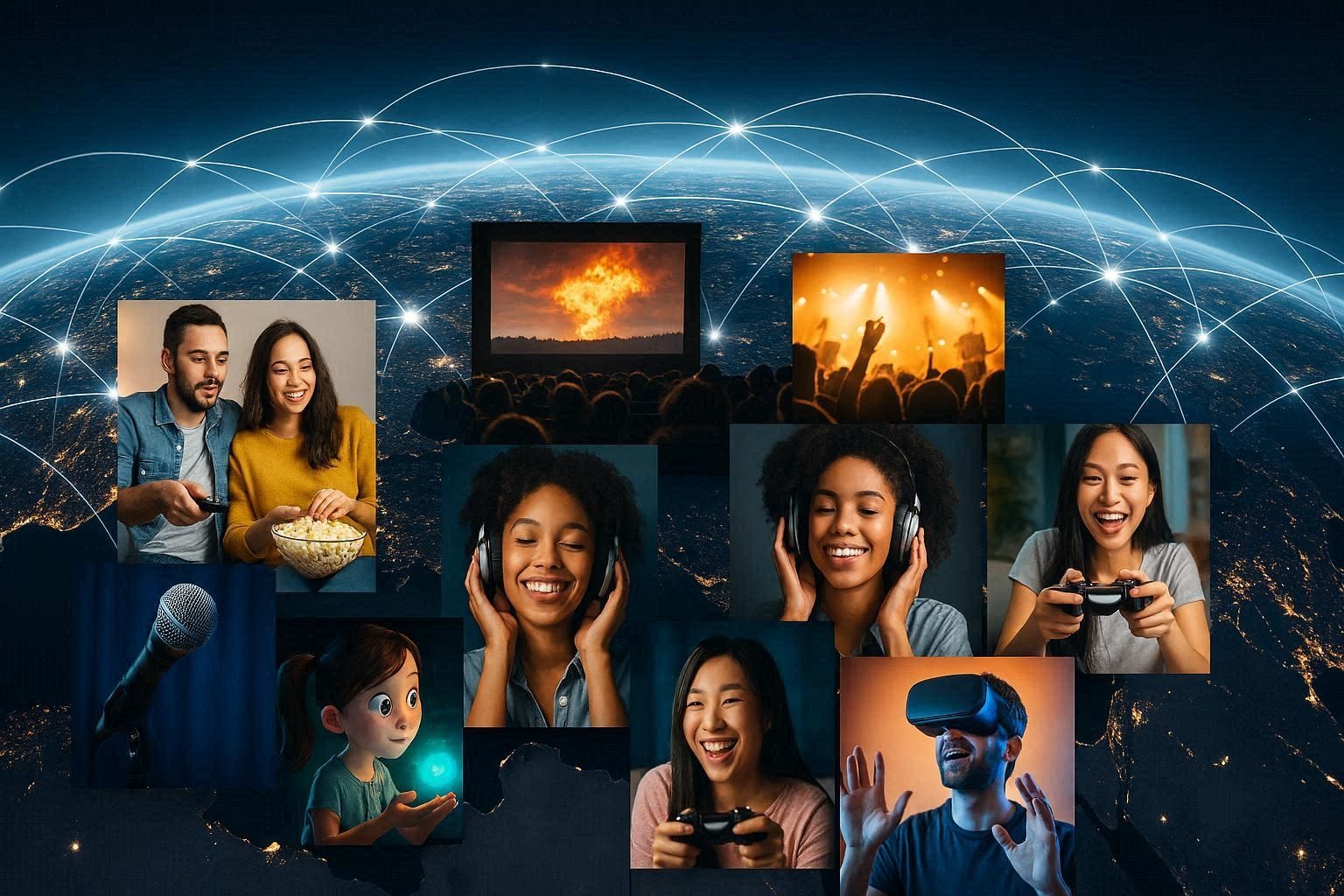
Non-English films and series dominating global streaming charts
In 2026, non-English films and series are regularly dominating global streaming charts, proving that compelling storytelling transcends language barriers.
Platforms like Prime Video, with a massive slate of international originals, have democratized access to content from every corner of the world, allowing audiences to discover critically acclaimed dramas from Korea, thrilling action films from India, or poignant narratives from Europe.
This trend signifies a shift in audience preferences, where quality and originality are prioritized over the language of origin, making a true global release date a reality for diverse content.
Cross-cultural collaborations between Hollywood, Asia, and Europe
Cross-cultural collaborations between Hollywood, Asia, and Europe are flourishing in 2026, producing innovative and globally appealing entertainment. These partnerships combine diverse creative perspectives, talent pools, and production resources to craft stories that resonate with a worldwide audience. These collaborations are defining the future of international cinema and television, creating a global slate of truly unique projects.
| Collaboration Type | Example |
|---|---|
| American and Japanese studios | Sci-fi thrillers featuring stars like Hiroyuki Sanada |
| European sensibilities with Hollywood production values | Romantic dramas |
Regional storytelling becoming mainstream worldwide
Regional storytelling, once confined to local markets, is increasingly becoming mainstream worldwide in 2026, thanks to the vast reach of global streaming platforms. Authentically told stories rooted in specific cultures and local experiences are finding appreciative audiences across continents, demonstrating a universal appetite for diverse narratives.
This trend not only enriches the global entertainment landscape but also provides platforms for underrepresented voices and perspectives, showcasing the unique charm and universal appeal of local tales, making them hotly anticipated additions to any platform’s content library.
8. Music Industry Reinvented Through Visual Entertainment
The music industry in 2026 is experiencing a profound transformation, moving beyond auditory consumption to embrace a visually-driven, immersive entertainment experience.
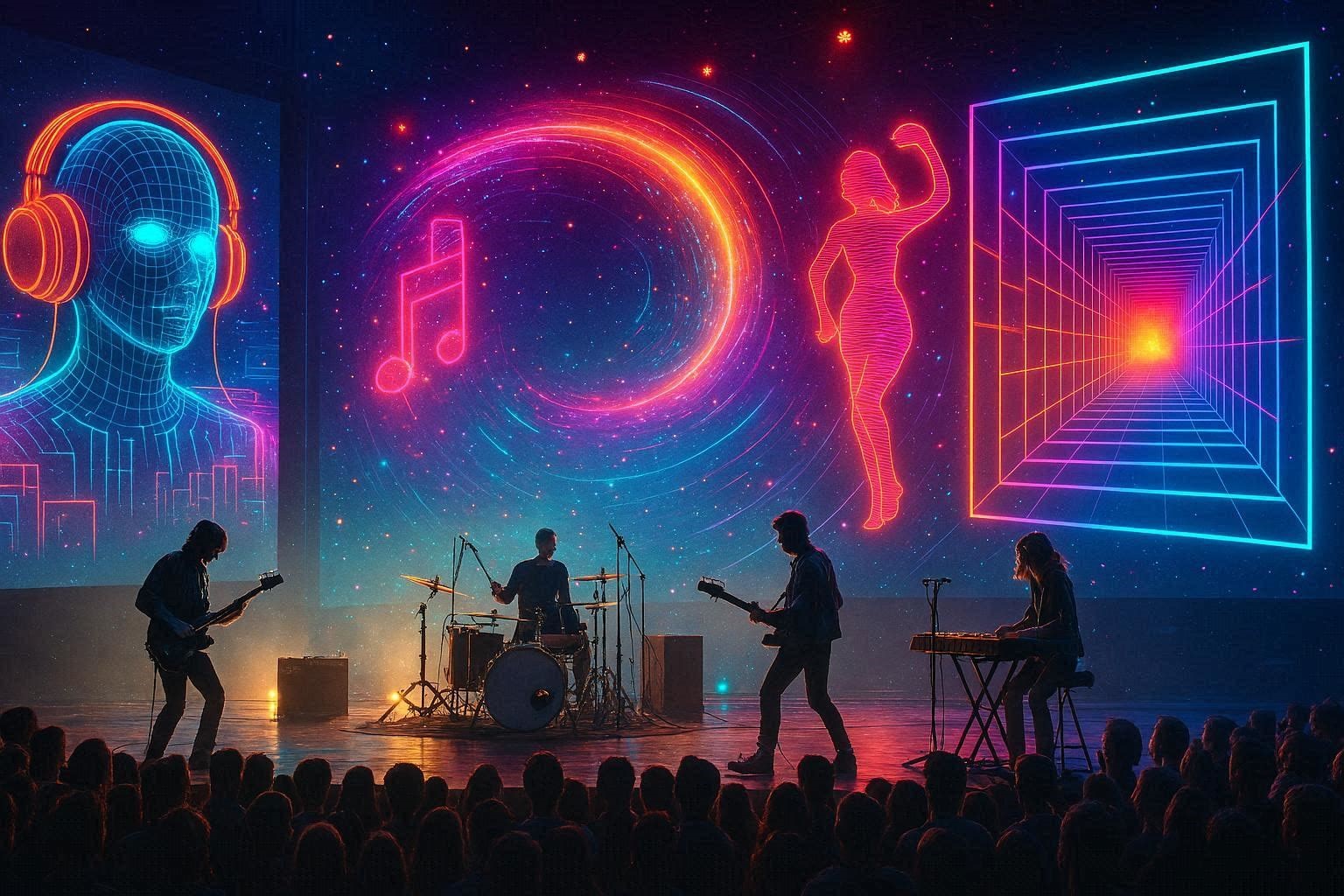
Concert films and cinematic music experiences
Concert films and cinematic music experiences are experiencing a resurgence in 2026, offering fans more than just a recording of a live performance. These productions, often featuring A-list artists, are meticulously crafted to deliver a visually stunning narrative, blending concert footage with artistic storytelling and cutting-edge visual effects.
This allows artists to extend the life of their tours and albums, providing a unique installment of their artistry that can be enjoyed repeatedly, blurring the lines between a traditional film and a musical event. Many of these are released on platforms like Prime Video, gaining a wide audience.
Music + film collaborations and hybrid storytelling formats
Music and film collaborations are becoming increasingly common in 2026, leading to innovative hybrid storytelling formats that intertwine sonic and visual narratives. Artists and filmmakers are co-creating projects where music isn’t just a soundtrack but an integral part of the plot, or where a film acts as an extended music video, enriching the emotional depth of both mediums.
This synergistic approach creates unique and hotly anticipated entertainment experiences, redefining how audiences consume both music and cinematic content, often resulting in a massive slate of interdisciplinary projects.
Viral music trends driven by social platforms
Viral music trends, overwhelmingly driven by social platforms, continue to dictate the success of songs and artists in 2026. A snippet of a song gaining traction on TikTok can catapult an unknown artist to global fame overnight, leading to massive streaming numbers and influencing mainstream radio play.
This phenomenon has fundamentally altered marketing strategies within the music industry, with artists and labels actively seeking to create shareable, meme-worthy content that resonates with online communities, ensuring that new releases quickly capture public attention and become a part of the daily entertainment cycle.
9. Genre Blending and Narrative Experimentation
The entertainment landscape of 2026 is characterized by a bold embrace of genre blending and narrative experimentation, pushing creative boundaries.
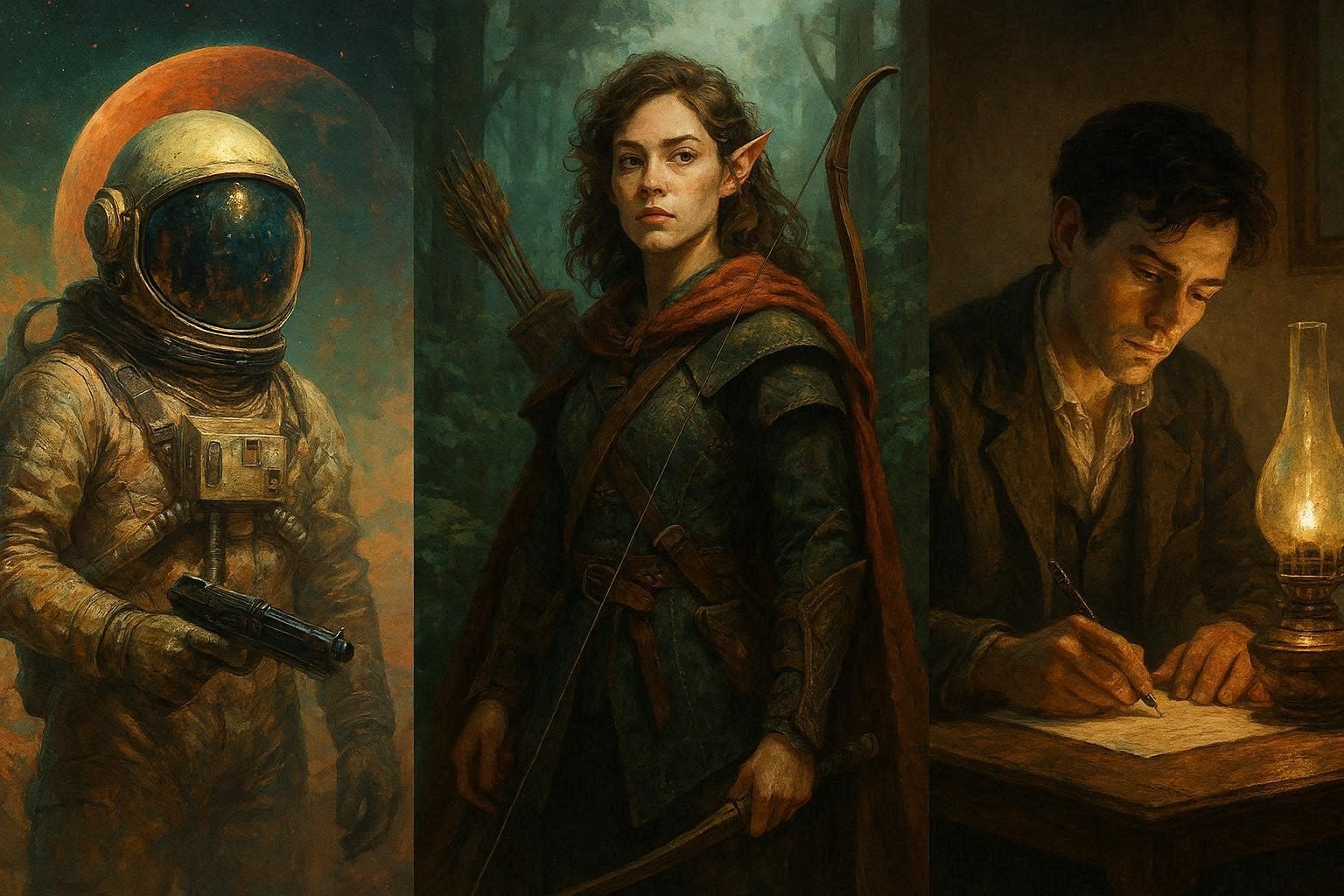
Why traditional genres are disappearing in 2026 entertainment
Traditional genre classifications are increasingly dissolving in 2026 entertainment, as creators prioritize unique storytelling over adherence to rigid categories. Audiences are seeking narratives that defy easy categorization, leading to a breakdown of conventional boundaries between comedy, drama, sci-fi, and horror.
This evolution allows for greater creative freedom, enabling filmmakers and writers to explore complex themes and character arcs without the constraints of genre expectations, resulting in a more fluid and exciting viewing experience across the massive slate of new projects, from anticipated movies of 2026 to streaming series.
Hybrid genres (sci-fi romance, horror-comedy, action-drama fusion)
Hybrid genres such as sci-fi romance, horror-comedy, and action-drama fusions are thriving in 2026, reflecting a sophisticated audience palate for complex and multifaceted stories. These blended genres offer fresh perspectives and unexpected narrative turns, revitalizing familiar tropes by injecting elements from disparate categories.
For instance, a romantic plot set against a futuristic backdrop or a horror film laced with dark humor provides a novel installment of storytelling that captures attention and offers a richer, more nuanced experience than standalone genres, often attracting A-list talent like Emily Blunt or Jacob Elordi for these innovative roles.
Audience demand for unpredictable storytelling
The audience demand for unpredictable storytelling is a major driver of innovation in 2026, pushing creators to craft narratives that consistently defy expectations. Viewers are weary of formulaic plots and crave stories with genuine twists, ambiguous endings, and morally complex characters.
This desire for the unexpected encourages writers and directors to experiment with non-linear structures, unreliable narrators, and daring thematic explorations, ensuring that each new installment, whether in the theater or on streaming platforms, remains engaging and thought-provoking, making anticipated movies of 2026 particularly bold in their narrative choices.
10. The Rise of Digital-First Celebrities and Creator Studios
Digital-first celebrities and creator studios are redefining the landscape of entertainment production and consumption in 2026.
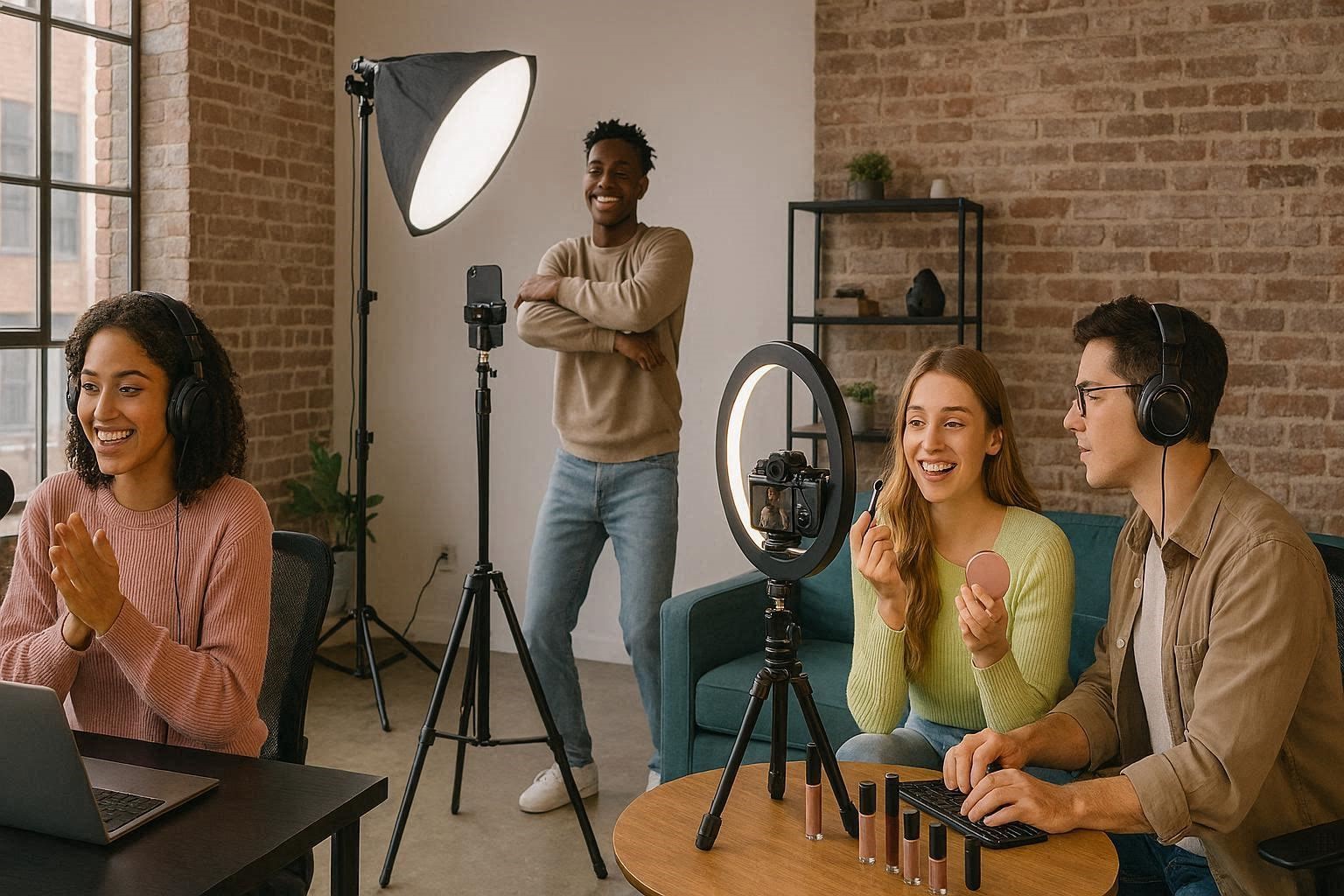
Influencers becoming mainstream entertainment producers
In 2026, influencers have fully transitioned from mere content creators to mainstream entertainment producers, rivaling traditional studios in reach and impact. Leveraging their established fan bases, these digital celebrities are developing and starring in their own series, films, and live events, often bypassing traditional gatekeepers entirely.
This shift empowers a new generation of talent, like Zach King or Emma Chamberlain, to control their narratives and production, creating content that resonates directly with their highly engaged audiences and challenging established entertainment models, offering a fresh slate of options.
Creator-owned production studios and independent content boom
The rise of creator-owned production studios is fueling an independent content boom in 2026, providing an alternative to the major Hollywood system. Digital-first personalities, often collaborating with platforms like Prime Video, are establishing their own production houses, allowing for complete creative control over their projects.
This model fosters innovation and diversity in storytelling, as creators are free to pursue niche interests and experimental formats without external interference, leading to a massive slate of unique and often groundbreaking entertainment, unburdened by the typical theater release date pressures.
Direct-to-audience monetization models (subscriptions, fan platforms)
Direct-to-audience monetization models, including subscriptions and fan platforms, are empowering digital-first celebrities and creator studios in 2026. These models allow creators to directly connect with and derive revenue from their most dedicated fans, fostering a sustainable ecosystem outside of traditional advertising or studio deals.
This approach not only provides financial stability but also strengthens the bond between creators and their communities, enabling the production of high-quality content tailored specifically to their audience’s desires, ensuring consistent support for each new installment or project.
11. Data-Driven Entertainment and Hyper-Personalization
Data-driven entertainment and hyper-personalization are at the forefront of the 2026 industry, revolutionizing how content is recommended and consumed.
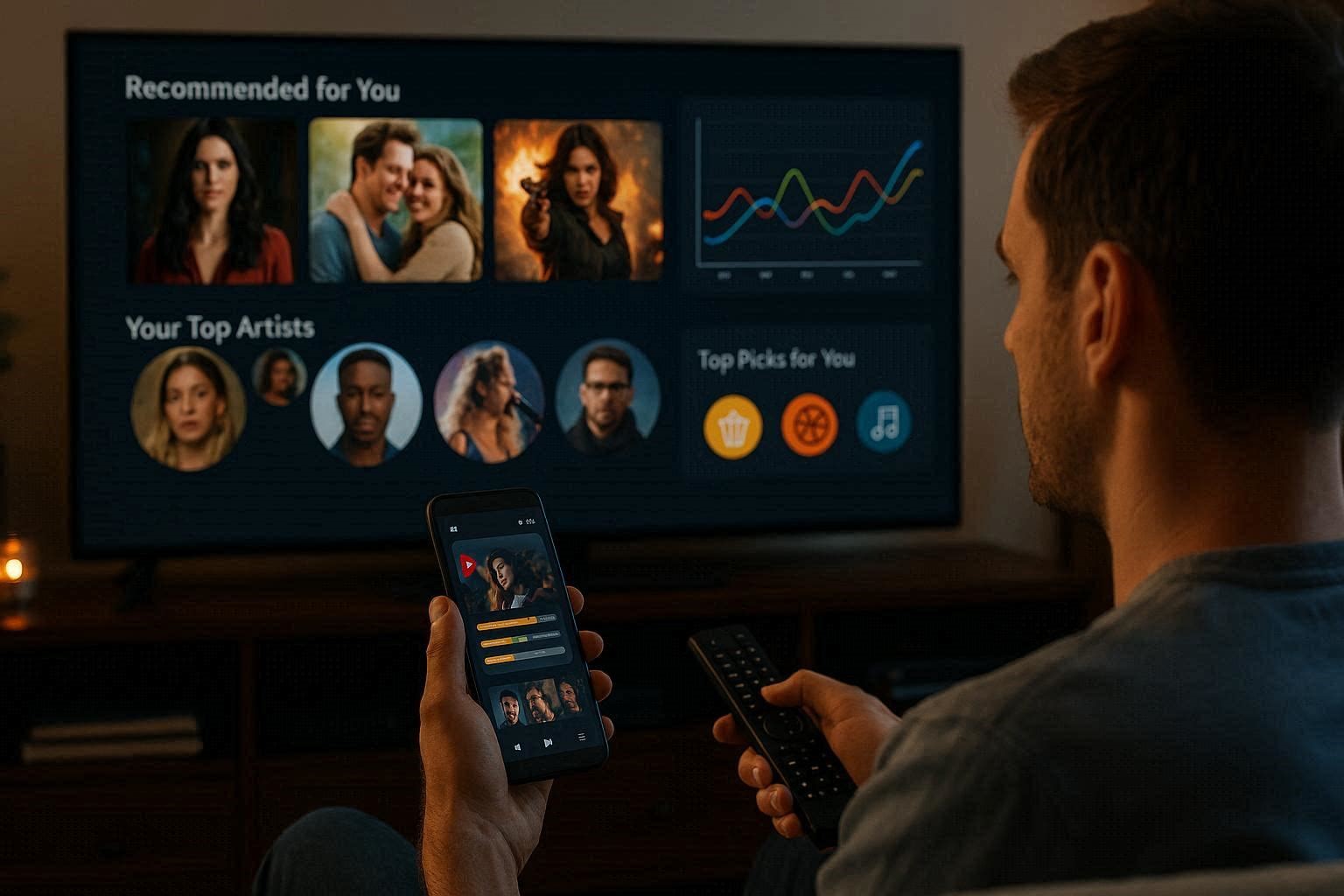
How algorithms predict what audiences want before they search
In 2026, advanced algorithms have become incredibly adept at predicting what audiences want even before they explicitly search for it. Utilizing vast datasets of viewing habits, preferences, and interactions across platforms, these AI systems can anticipate trends and recommend highly relevant content, from a specific sci-fi thriller to a niche documentary.
This predictive power ensures that streaming services and entertainment platforms can continuously offer a tailor-made experience, keeping users engaged with a personalized slate of suggestions that feel almost prescient.
Personalized trailers, recommendations, and content feeds
Hyper-personalization extends to every aspect of the entertainment experience in 2026, manifesting in personalized trailers, recommendations, and content feeds. Streaming platforms dynamically generate trailers optimized for individual users based on their viewing history, highlighting elements most likely to appeal to them.
Similarly, entire content feeds are curated, presenting a bespoke selection of films, series, and music, ensuring that each user’s interface is unique and constantly evolving to match their preferences, making every installment feel like it was made just for them.
Ethical concerns around data-driven entertainment manipulation
Despite the benefits, ethical concerns around data-driven entertainment manipulation are growing in 2026. Questions are being raised about the extent to which algorithms might create echo chambers, reinforce biases, or subtly influence consumer choices without full transparency.
As personalization becomes more sophisticated, discussions about user privacy, algorithmic transparency, and the potential for content monopolies are becoming increasingly critical, requiring careful consideration from platforms and policymakers to ensure a fair and diverse entertainment landscape that safeguards user autonomy.
The Future of Summer Entertainment: What Comes Next?
Looking beyond 2026, the future of summer entertainment promises an even more integrated and dynamic experience, continually shaped by evolving technologies and audience desires.
The blending of physical and digital entertainment worlds
The blending of physical and digital entertainment worlds is set to intensify beyond 2026, creating seamless, mixed-reality experiences that blur the lines between virtual and tangible realities. Imagine attending a live concert where AR enhancements transform the venue into a fantastical landscape, or visiting a theme park where your favorite movie characters, like those from a highly anticipated new installment, interact with you via mixed reality. This convergence will redefine immersive entertainment, making 2027 an even more exciting year for groundbreaking innovations.
Predictions for Summer 2027 entertainment evolution
Predictions for Summer 2027 entertainment evolution point towards an even greater emphasis on interactive narratives, AI-generated content personalized to an unprecedented degree, and a further erosion of traditional media boundaries.
We can anticipate more collaborative fan experiences, where audiences directly influence storylines or character development, and a continued rise of independent creators challenging established studios. The slate of anticipated movies of 2027 will likely feature more hybrid releases, with a focus on global appeal and diverse storytelling, continually pushing the boundaries set in 2026, with a strong presence on Prime Video and in the theater.
Final insights: how audiences are shaping the industry future
Ultimately, audiences are the most powerful force shaping the entertainment industry’s future. Their evolving preferences for personalized, interactive, and diverse content are driving innovation, forcing creators and platforms to constantly adapt.
As we look towards 2027 and beyond, the ongoing dialogue between creators and consumers will continue to foster a dynamic, responsive entertainment landscape, where every new release date is an opportunity to deliver fresh, engaging experiences that resonate deeply with a global audience, making the trends of 2026 just the beginning of a vibrant new era. © 2026