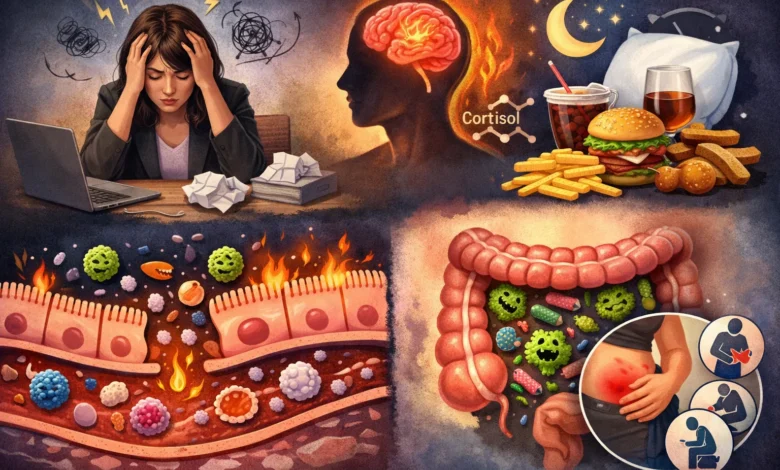
Stress is a common part of modern life, but its effects extend far beyond just feeling frazzled. Unbeknownst to many, stress can significantly impact your gut health, leading to a variety of digestive issues. Understanding the connection between stress and your gut is the first step towards protecting your overall well-being.
The Mind-Gut Connection: Why Stress Affects Digestion
The link between the brain and the digestive system, often referred to as the gut-brain connection, is a complex and bidirectional relationship. When you experience stress, your brain sends signals to your gut, which can disrupt normal digestion. This interaction highlights how closely mental and physical health are intertwined.

Understanding the Gut-Brain Axis
The gut-brain axis involves constant communication between the brain and the gut. The vagus nerve plays a crucial role in this communication, transmitting signals that impact stress on digestive processes and overall gut health. Understanding this axis is key to reducing stress and improving digestive health.
Enteric Nervous System: Your Gut’s “Second Brain”
The enteric nervous system, often called the gut’s “second brain,” is a network of neurons lining your digestive tract. This system can operate independently of the brain but is also influenced by it. Stress affects the enteric nervous system, leading to various digestive symptoms.
How Chronic Stress Sends Signals That Disrupt Digestion
Chronic stress triggers the release of stress hormones that can disrupt digestion. These hormones interfere with gut motility, nutrient absorption, and the balance of gut bacteria. Over time, this can lead to a range of digestive issues and negatively impact gut health.
The Direct Effects of Stress on Your Gut
Stress can directly affect your gut in several ways, leading to noticeable digestive discomfort. These effects range from changes in digestion speed to imbalances in your gut microbiome. Recognizing these direct impacts is crucial for managing stress and protecting your gut health.
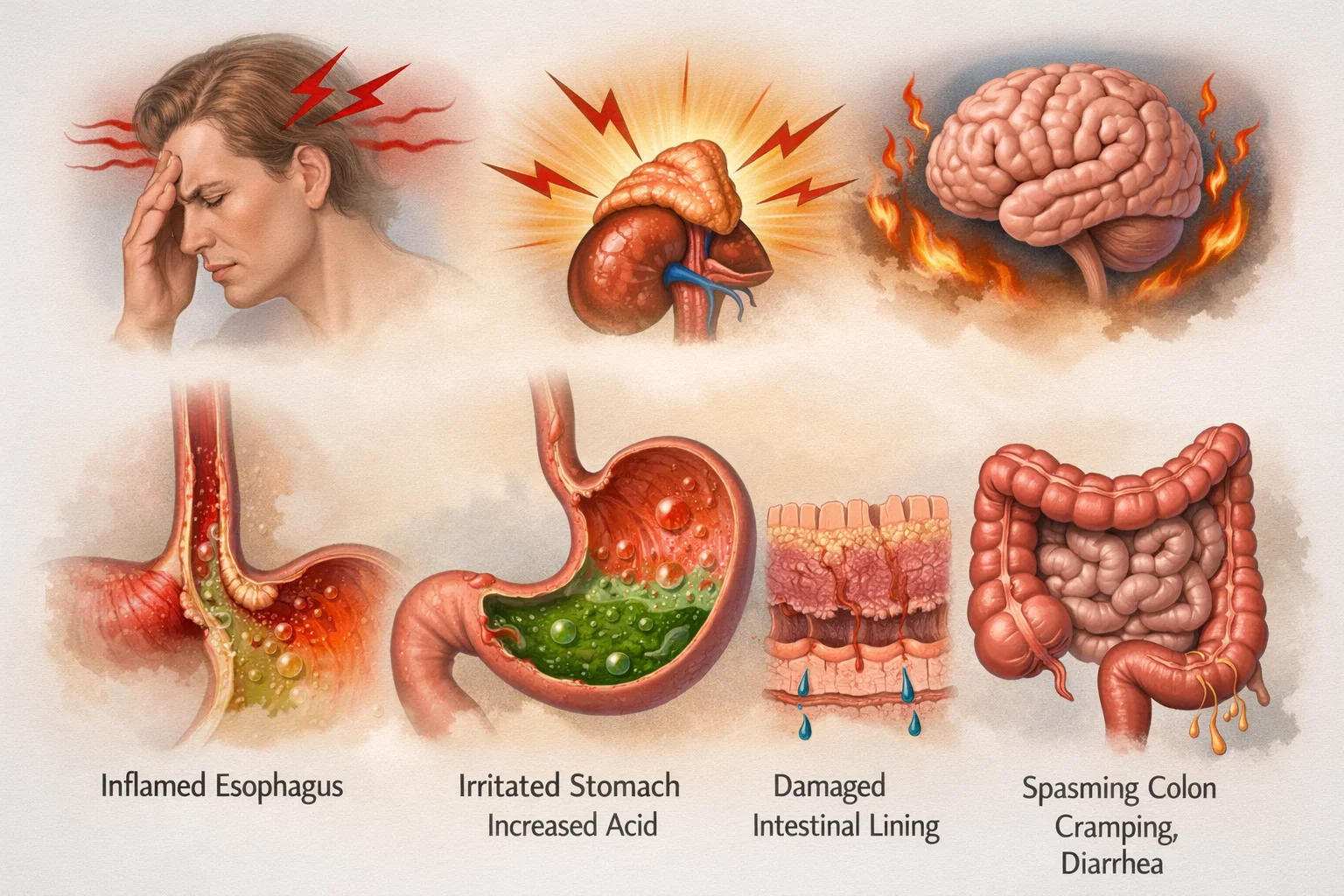
Changes in Digestion Speed: Diarrhea, Constipation, and Bloating
Here’s how stress can directly impact your digestion, leading to a variety of uncomfortable symptoms. These can include:
- Diarrhea
- Constipation
- Bloat
These symptoms indicate that stress can affect gut motility and digestive processes.
Gut Microbiome Imbalance: How Stress Shifts Your Bacteria
Stress can affect the delicate balance of your gut microbiome, leading to an imbalance known as dysbiosis. When stress affects the gut microbiota, harmful gut bacteria can thrive, while beneficial ones decrease. This imbalance contributes to various digestive and overall health problems.
Leaky Gut: Increased Intestinal Permeability Under Stress
Stress impacts intestinal permeability, leading to a condition known as “leaky gut.” In this state, the lining of the digestive tract becomes more permeable, allowing substances to leak into the bloodstream. This increased permeability can trigger inflammation and other health issues.
Inflammation in the Gut: Cortisol and Immune Response
When you experience stress, your body releases stress hormones like cortisol, which can trigger an immune response and cause inflammation in the gut. This chronic inflammation can damage the digestive tract and exacerbate existing GI conditions, such as IBS.
Reduced Nutrient Absorption: Stress Impacts Vitamins and Minerals
Stress can also disrupt the absorption of essential vitamins and minerals in the digestive tract. When digestion is compromised, your body may not be able to extract and utilize nutrients effectively. This can lead to deficiencies and further compromise your mental and physical health.
The Indirect Ways Stress Hurts Gut Health
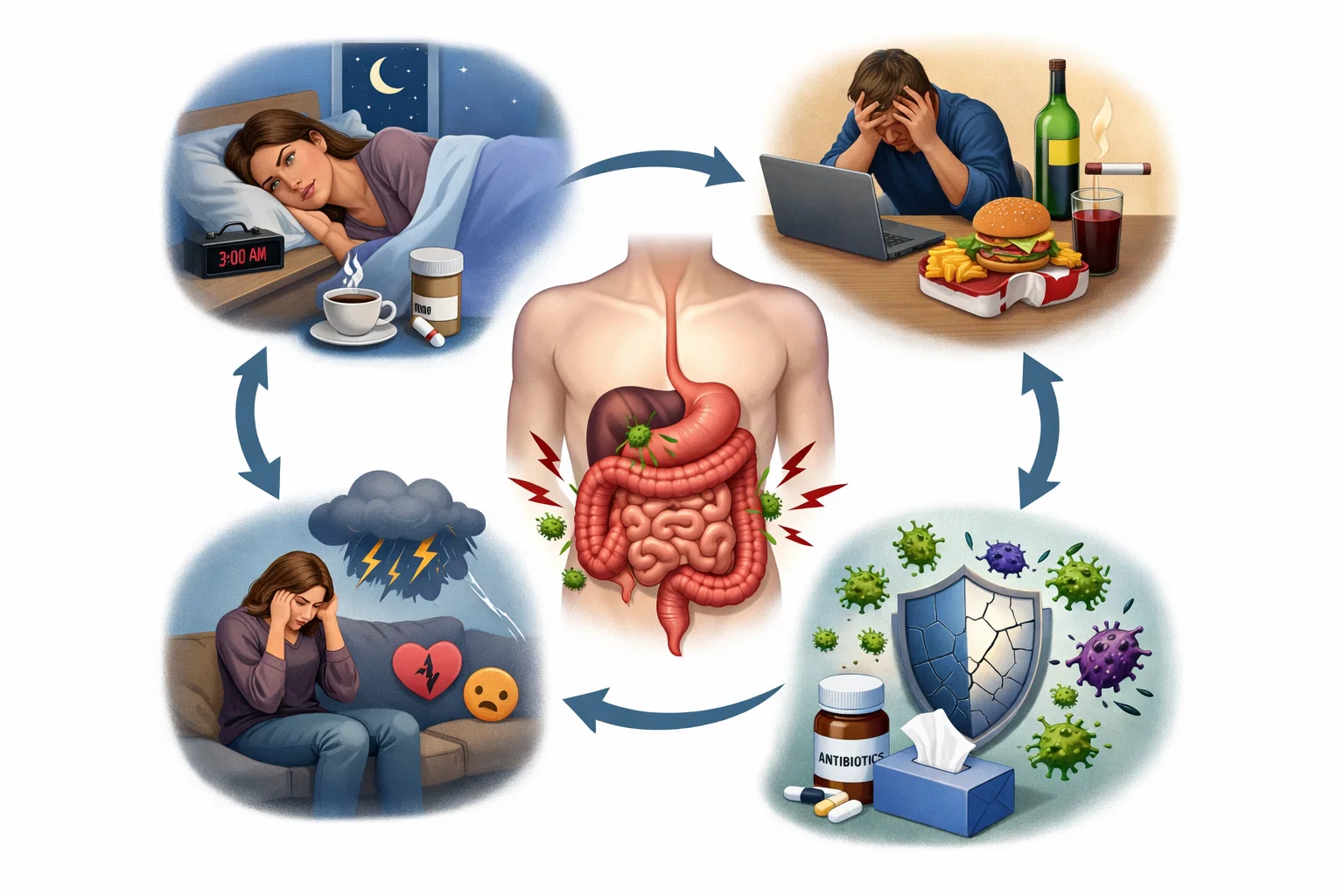
Poor Eating Habits Triggered by Stress
Stress can affect your dietary choices, often leading to poor eating habits that negatively impact gut health. Many people turn to comfort foods high in sugar and unhealthy fats during times of stress, which can disrupt the balance of gut bacteria and worsen GI conditions.
Sleep Disruption and Its Impact on the Microbiome
A lack of sleep due to stress can significantly disrupt the gut microbiome. Sleep deprivation affects the diversity and function of gut bacteria, leading to digestive problems and reduced overall gut health. Prioritizing sleep is crucial for managing stress and supporting a healthy gut.
Immune System Dysregulation and Gut Vulnerability
Chronic stress can lead to immune system dysregulation, making the gut more vulnerable to infections and inflammation. When the immune system is compromised, it can negatively impact the delicate balance of the gut microbiota, increasing the risk of digestive issues and other health problems.
Conditions That Can Worsen Due to Stress
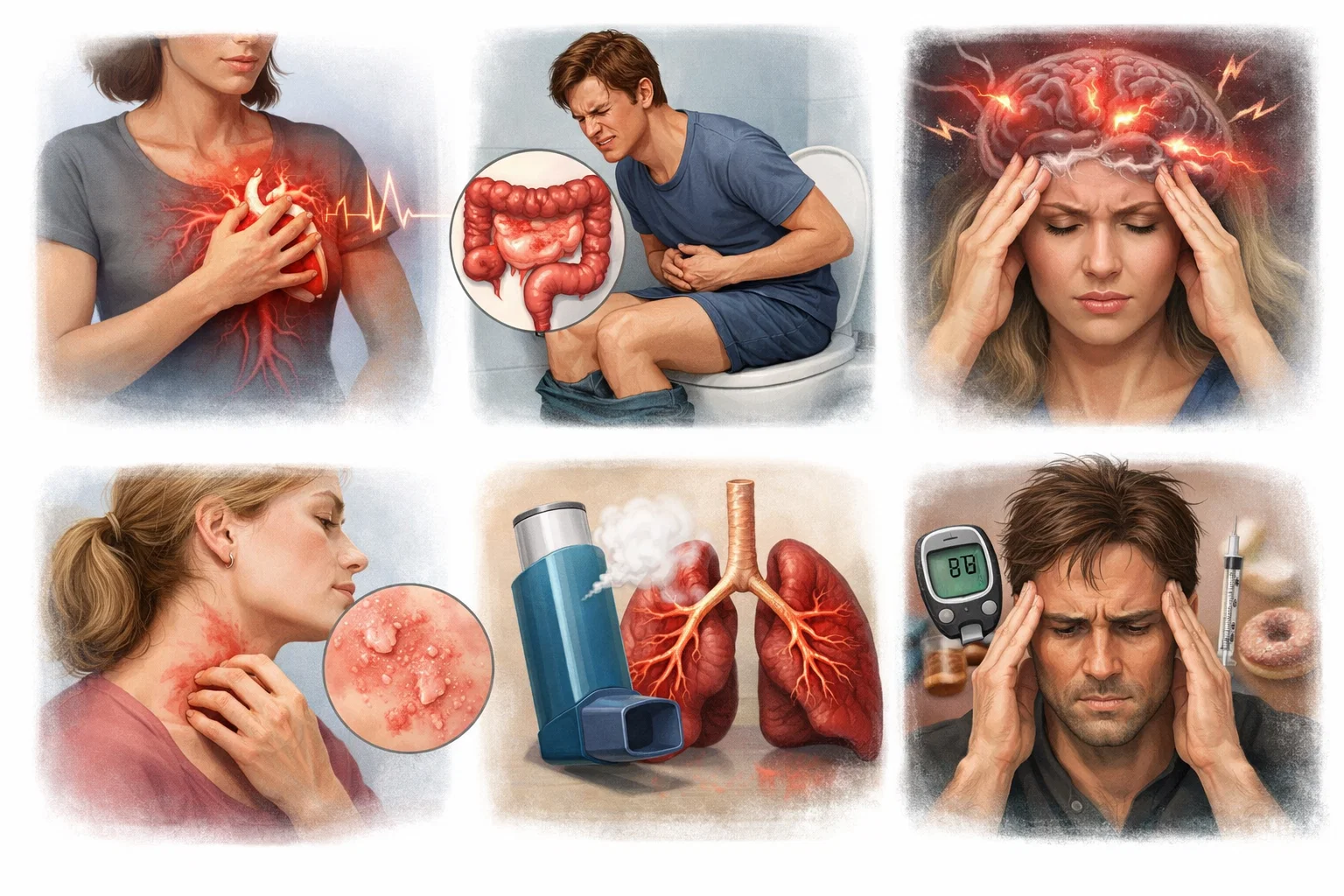
Irritable Bowel Syndrome (IBS)
Irritable bowel syndrome (IBS) is a GI condition that can be significantly worsened by stress. In fact, stress can cause flare-ups of IBS symptoms:
- Abdominal pain
- Bloating
- Constipation
- Diarrhea
Managing stress is crucial for individuals with IBS to reduce the frequency and severity of their digestive symptoms.
Inflammatory Bowel Diseases (IBD): Crohn’s and Ulcerative Colitis
Stress affects inflammatory bowel disease (IBD), such as Crohn’s disease and ulcerative colitis, by exacerbating inflammation in the gut. Chronic stress can trigger immune responses that worsen the GI condition, leading to increased digestive discomfort and a higher risk of complications. Reducing stress is important for managing IBD.
Food Sensitivities and Allergies
Stress can disrupt the digestive system and increase the likelihood of developing food sensitivities and allergies. Stress affects the gut lining, making it more permeable and allowing undigested food particles to enter the bloodstream, triggering immune responses and leading to sensitivities or allergic reactions.
Signs That Stress Is Affecting Your Gut
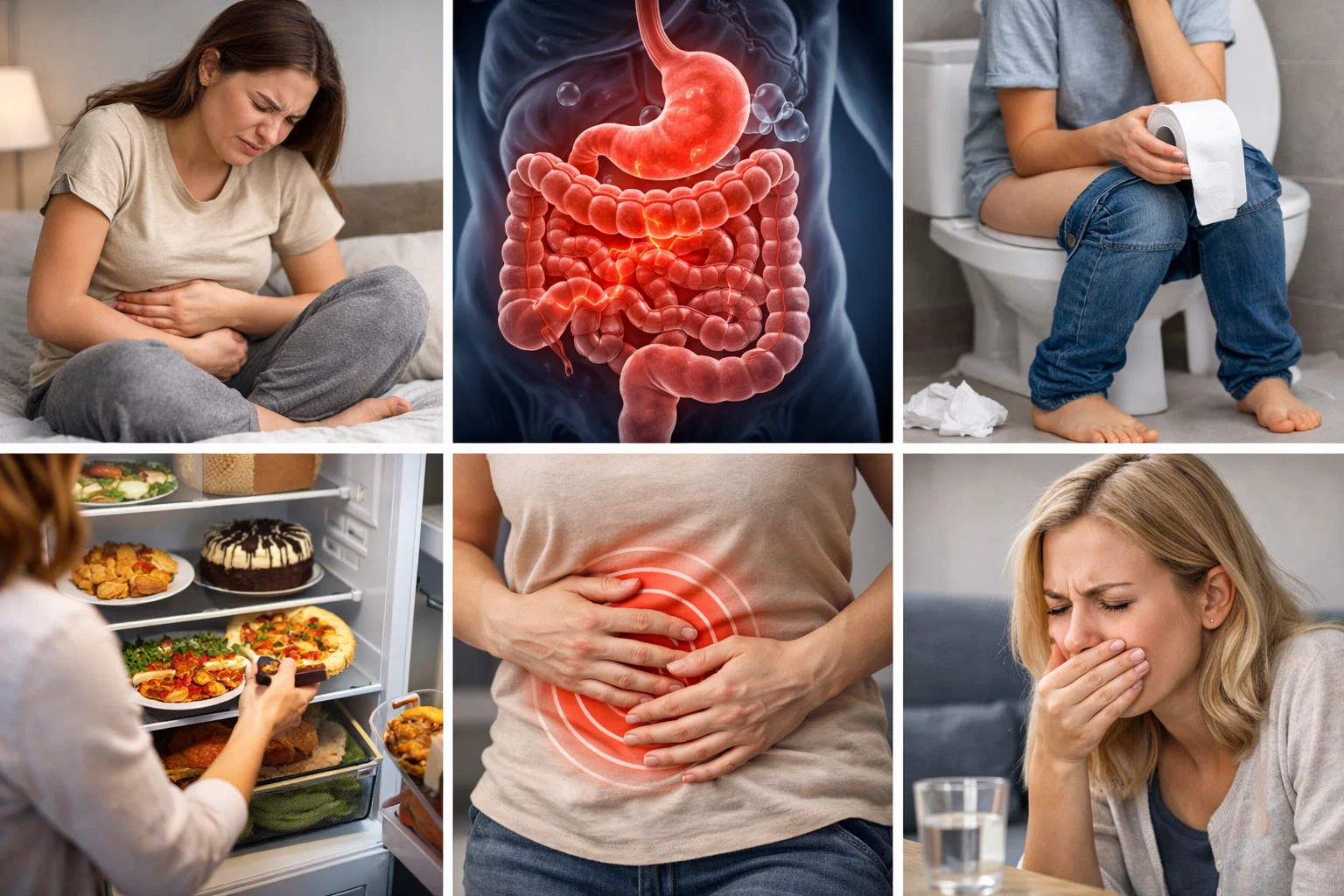
Digestive Symptoms: Gas, Bloating, and Irregular Bowel Movements
Common digestive symptoms such as gas, bloating, and irregular bowel movements can indicate that stress is affecting your gut health. These digestive issues often arise when stress disrupts normal digestion and gut motility, leading to discomfort and changes in bowel habits.
Mood and Cognitive Changes Linked to Gut Health
Changes in mood and cognitive function can be linked to your gut health, particularly when stress is a contributing factor. The brain-gut connection means that imbalances in the gut microbiome due to stress can affect neurotransmitter production, influencing mood, anxiety, and cognitive abilities.
Recurring Digestive Problems Despite a Healthy Diet
If you experience recurring digestive problems despite maintaining a healthy gut diet, stress can affect your gut health. Chronic stress can override the benefits of a good diet by disrupting digestion, altering the gut microbiota, and causing inflammation in the gut.
Science-Backed Strategies to Protect Your Gut from Stress

Mindfulness, Meditation, and Breathing Techniques
Incorporating mindfulness, meditation, and deep breathing exercises into your daily routine can significantly improve digestion and reduce stress levels. These practices help to activate the parasympathetic nervous system, which promotes relaxation and supports healthy gut function by reducing stress.
Regular Exercise to Support Gut Motility and Microbiome Diversity
Regular physical activity can enhance gut motility and promote a diverse gut microbiome. Exercise helps to stimulate digestion and reduce stress, which in turn supports the growth of beneficial gut bacteria. Aim for at least 30 minutes of moderate exercise most days of the week to maintain digestive health.
Sleep Hygiene: Restoring Circadian Rhythms and Gut Health
Practicing good sleep hygiene is essential for restoring circadian rhythms and promoting gut health. Adequate sleep helps to regulate stress hormones and supports a balanced gut microbiome. Aim for 7-9 hours of quality sleep each night to improve digestion and overall well-being by reducing stress.
Prebiotics, Probiotics, and Fiber-Rich Foods
Consuming prebiotics, probiotics, and fiber-rich foods can nourish your gut bacteria and support digestive health. These elements contribute to a healthy gut in different ways, such as:
- Probiotics introduce beneficial bacteria to your gut.
- Prebiotics and fiber provide fuel for these bacteria to thrive.
Consider including foods like yogurt, kefir, and leafy greens in your diet.
Stress Management Through Journaling, Therapy, or Relaxation Practices
Effective stress management techniques, such as journaling, therapy, or relaxation practices, can help mitigate the impact of stress on your gut. These methods can help you process emotions, reduce stress levels, and promote a healthier brain and gut connection, leading to better digestive health.
Building a Gut-Friendly Lifestyle Amid Stress
Planning Balanced Meals That Feed Healthy Gut Bacteria
Planning balanced meals that include a variety of nutrients is crucial for feeding healthy gut bacteria. A diet rich in fiber, fruits, vegetables, and lean proteins supports a diverse gut microbiome and promotes optimal digestion. Avoid processed foods and excessive sugar, which can disrupt the gut balance.
Creating a Daily Routine That Supports Digestion
Establishing a daily routine that supports digestion can help reduce stress and improve gut health. Regular meal times, mindful eating practices, and incorporating gentle movement throughout the day can all contribute to better digestion and a more balanced gut microbiome for reducing stress.
Combining Mental and Physical Health for Lasting Gut Wellness
Achieving lasting gut wellness requires a holistic approach that combines mental and physical health. Addressing stress levels through mindfulness, exercise, and a balanced diet can create a positive feedback loop that supports both your mind and your gut. Remember, reducing stress leads to better digestive health.
Conclusion: Take Control of Your Gut Health Despite Stress
Despite the challenges that stress presents to your gut health, you have the power to take control. By understanding the brain-gut connection and implementing science-backed strategies, you can create a gut-friendly lifestyle that promotes digestive wellness and overall well-being. Start today and nourish your gut and brain!