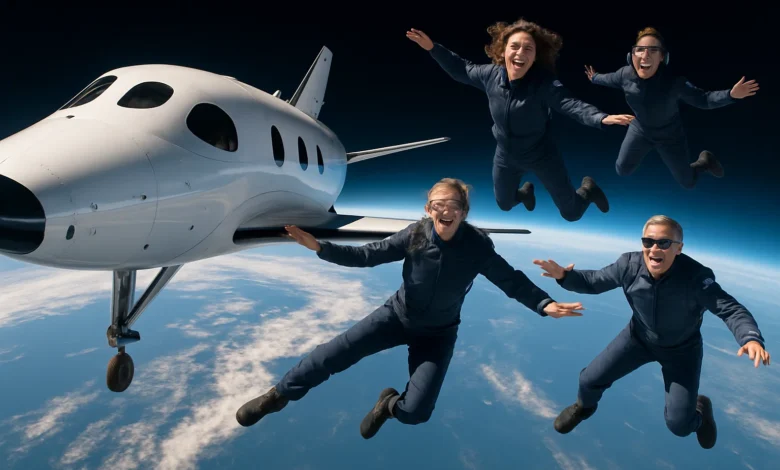
The idea of space travel has long captured human imagination, once relegated to science fiction novels, blockbuster movies, and distant dreams. Today, it’s stepping into the realm of reality—and luxury. Space tourism, particularly suborbital flights, is no longer a futuristic fantasy. By 2026, these experiences are emerging as a symbol of elite status, offering unprecedented access to the cosmos for those willing to pay the price.
How space tourism evolved from sci-fi to reality
Space travel was historically limited to government astronauts and specialized professionals. Iconic missions, from the Apollo moon landings to the International Space Station, captured the world’s attention but remained inaccessible to the general public.
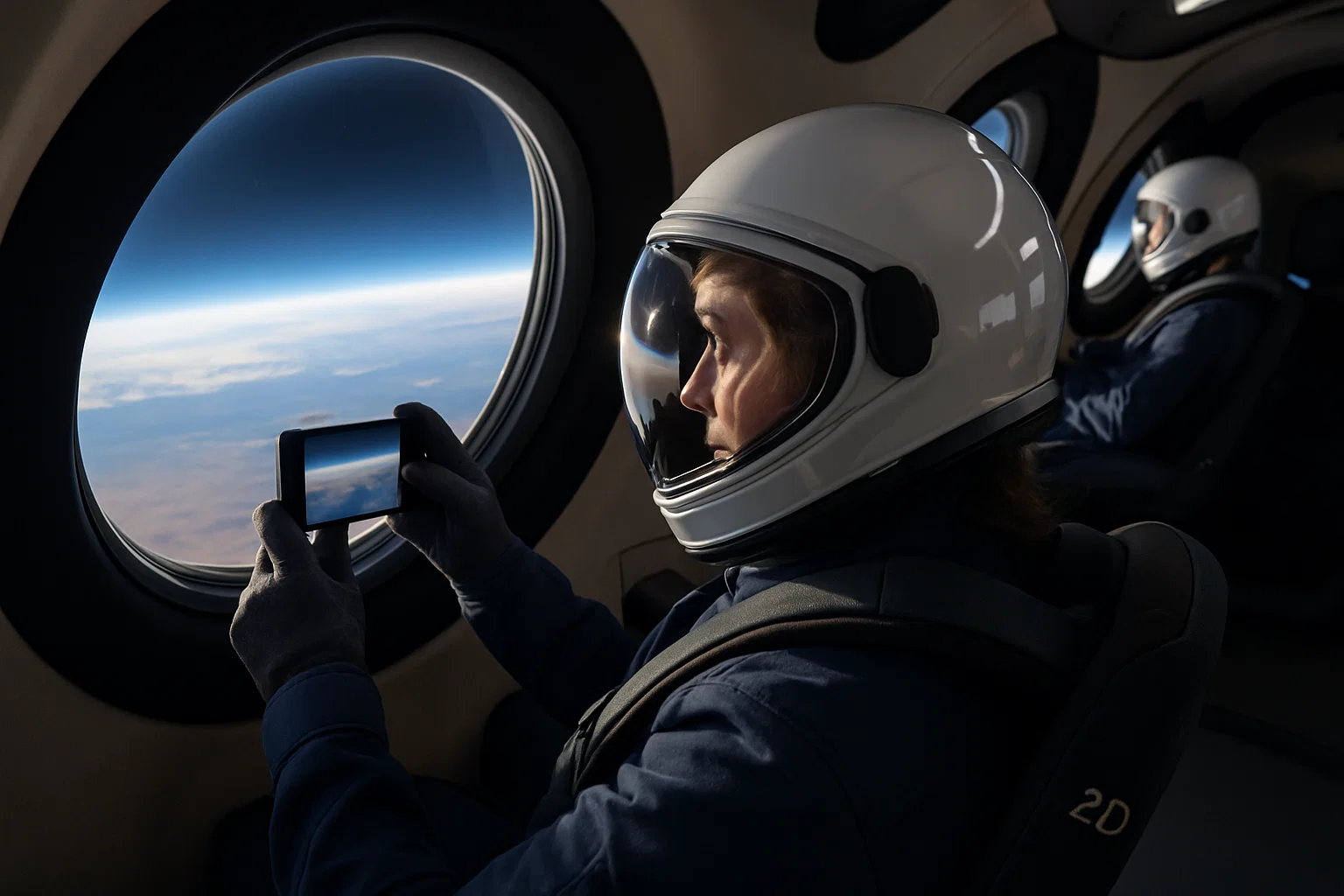
With private aerospace companies entering the market, space tourism is transforming from imagination into a tangible experience. Pioneers like Richard Branson, Jeff Bezos, and Elon Musk are not only launching rockets—they are redefining what luxury travel can mean in the 21st century.
Why suborbital flights are redefining luxury travel
Suborbital flights, which briefly take passengers beyond the Kármán line (approximately 62 miles above Earth), offer a “taste of space” without the extensive requirements of orbital missions. They combine adventure, exclusivity, and cutting-edge technology.
For the ultra-wealthy, suborbital trips are about more than just the view—they are an emblem of prestige, innovation, and first-mover advantage in a market that promises both thrill and bragging rights.
Overview of the 2026 market and emerging trends
By 2026, space tourism has matured into a multi-billion-dollar industry. Early adopters are not only seeking the experience of weightlessness and breathtaking views but also luxury services, tailored experiences, and personal recognition.
Trends include bespoke pre-flight training, post-flight celebrations, and integration with luxury brands, signaling that space tourism has become a new frontier for lifestyle status.
Understanding Suborbital Flights: The New Frontier
Before we explore the luxury aspect, it’s essential to understand what suborbital flights entail. Unlike orbital flights that circle the Earth, suborbital flights reach the edge of space and return, offering a concentrated experience of weightlessness and cosmic vistas.
Difference between suborbital and orbital flights
Suborbital flights briefly cross the Kármán line and then return to Earth without completing a full orbit. Orbital flights, in contrast, require higher speeds and extended exposure to microgravity, often lasting days or weeks. Suborbital trips are shorter, more accessible, and considerably less demanding physically, making them the ideal entry point for luxury space tourism.
Duration, experience, and what passengers can expect
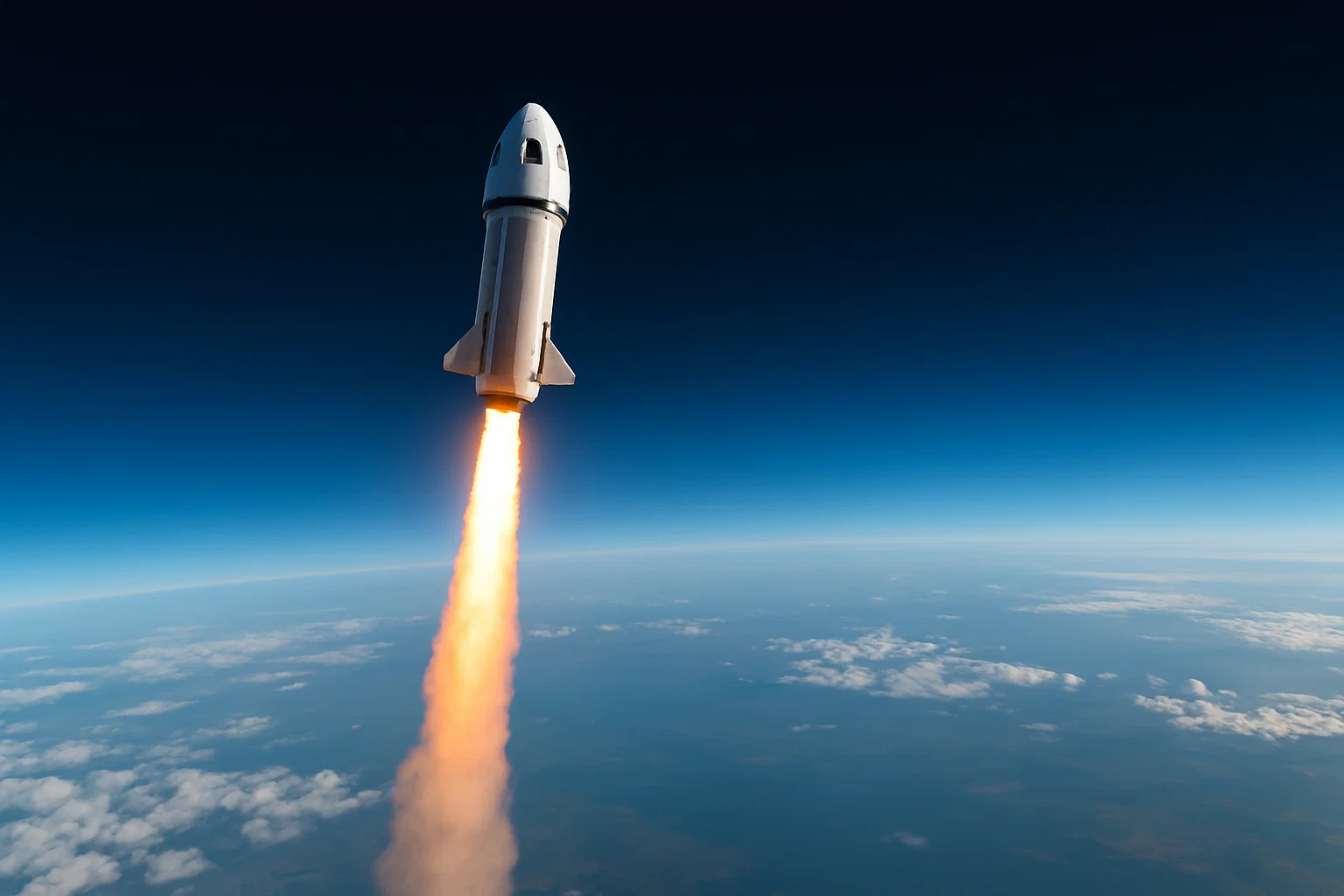
Typically, suborbital flights last 90 minutes to two hours. Passengers experience a few minutes of weightlessness, stunning Earth panoramas, and the iconic “overview effect,” a cognitive shift that inspires awe and reflection. High-end operators enhance this journey with professional photography, guided reflections, and post-flight celebrations to ensure an unforgettable experience.
Safety protocols and training required for passengers
Though thrilling, space travel involves rigorous preparation. Passengers undergo medical screenings, safety briefings, and short training sessions to simulate flight conditions. Operators use advanced monitoring systems and trained staff to ensure that even those with minimal experience can enjoy the journey safely.
Why Suborbital Flights Are the Ultimate Luxury Experience
Luxury space travel is about exclusivity, experience, and status. Suborbital flights offer a combination of technological marvel and personal indulgence unlike any other travel experience.
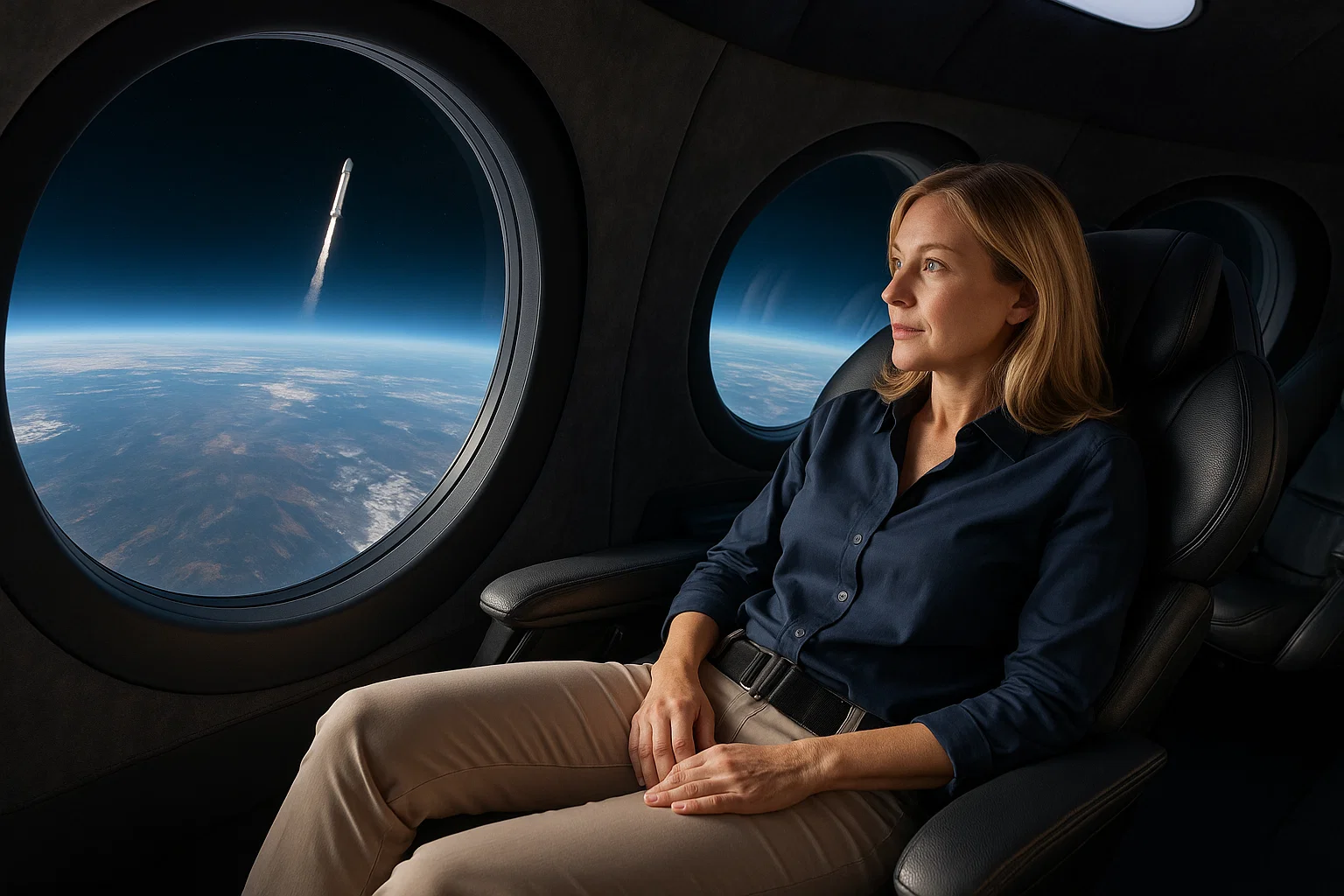
Exclusivity and pricing: $250,000–$600,000 per seat
Suborbital flights are priced well beyond conventional travel options, with seats ranging from $250,000 to $600,000. These high costs ensure that only a select few can participate, creating a naturally exclusive club.
The “overview effect” and unique experiences above Earth
One of the most coveted aspects of space travel is the “overview effect,” a profound sense of awe when viewing Earth from space. Passengers often describe a shift in perspective, gaining a deeper understanding of life, fragility, and interconnectedness. This psychological experience is priceless, and luxury operators emphasize it as a core feature of their offerings.
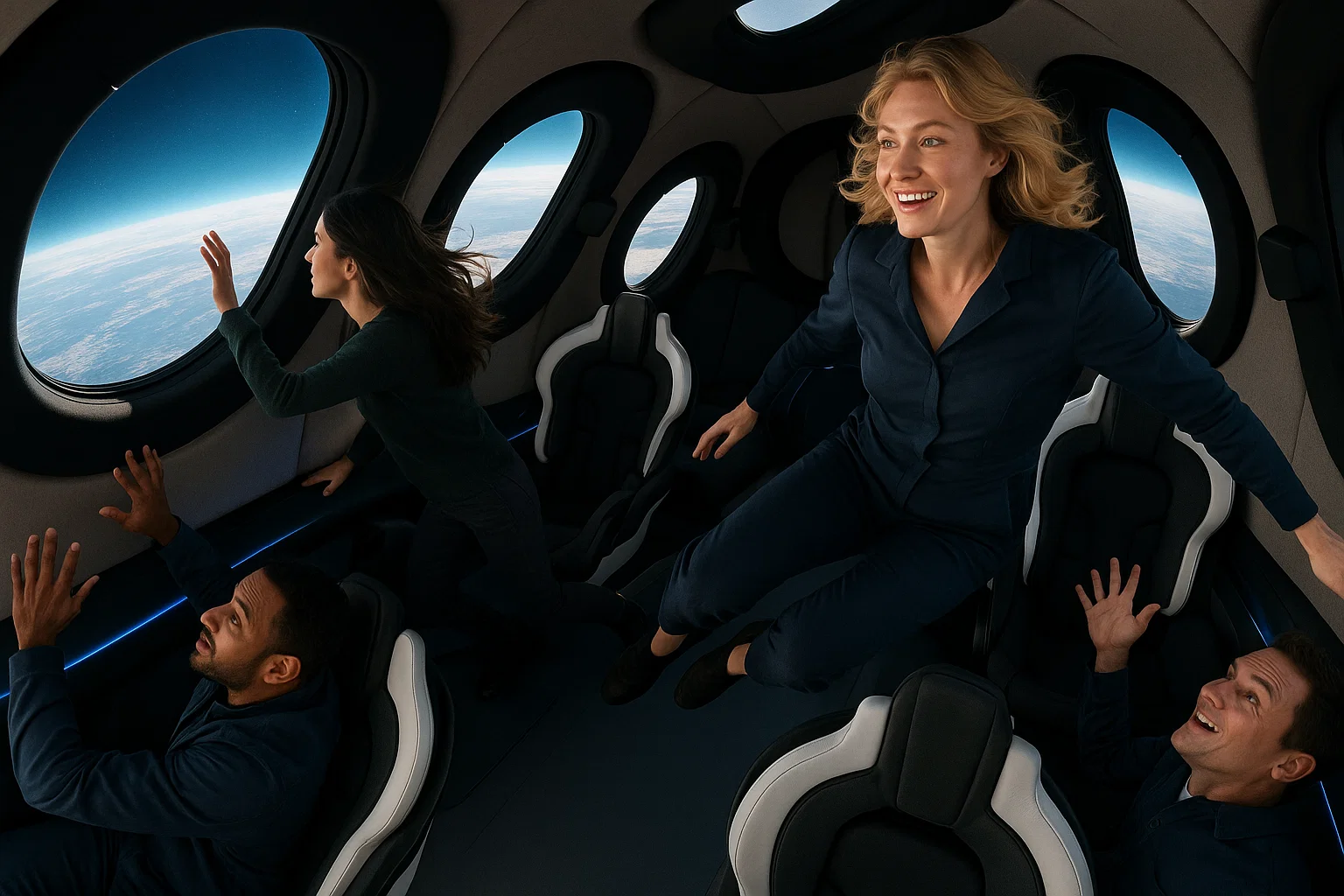
Luxury amenities, bespoke services, and premium pre/post-flight treatment
Luxury is not limited to the rocket ride itself. Operators provide tailored pre-flight accommodations, gourmet meals, high-end training facilities, and personalized post-flight ceremonies. From chauffeur services to custom souvenirs, every detail is designed to amplify the prestige and satisfaction of the experience.
Branding and status: why the wealthy are embracing space travel
Owning a ticket to space is a new kind of social capital. For billionaires and high-net-worth individuals, it signifies innovation, courage, and elite status. The media buzz and peer recognition reinforce space tourism as the ultimate luxury statement in 2026.
The Space Tourism Market: Growth, Players, and Forecasts
The space tourism market is evolving rapidly, with major players, startups, and investors shaping its trajectory.
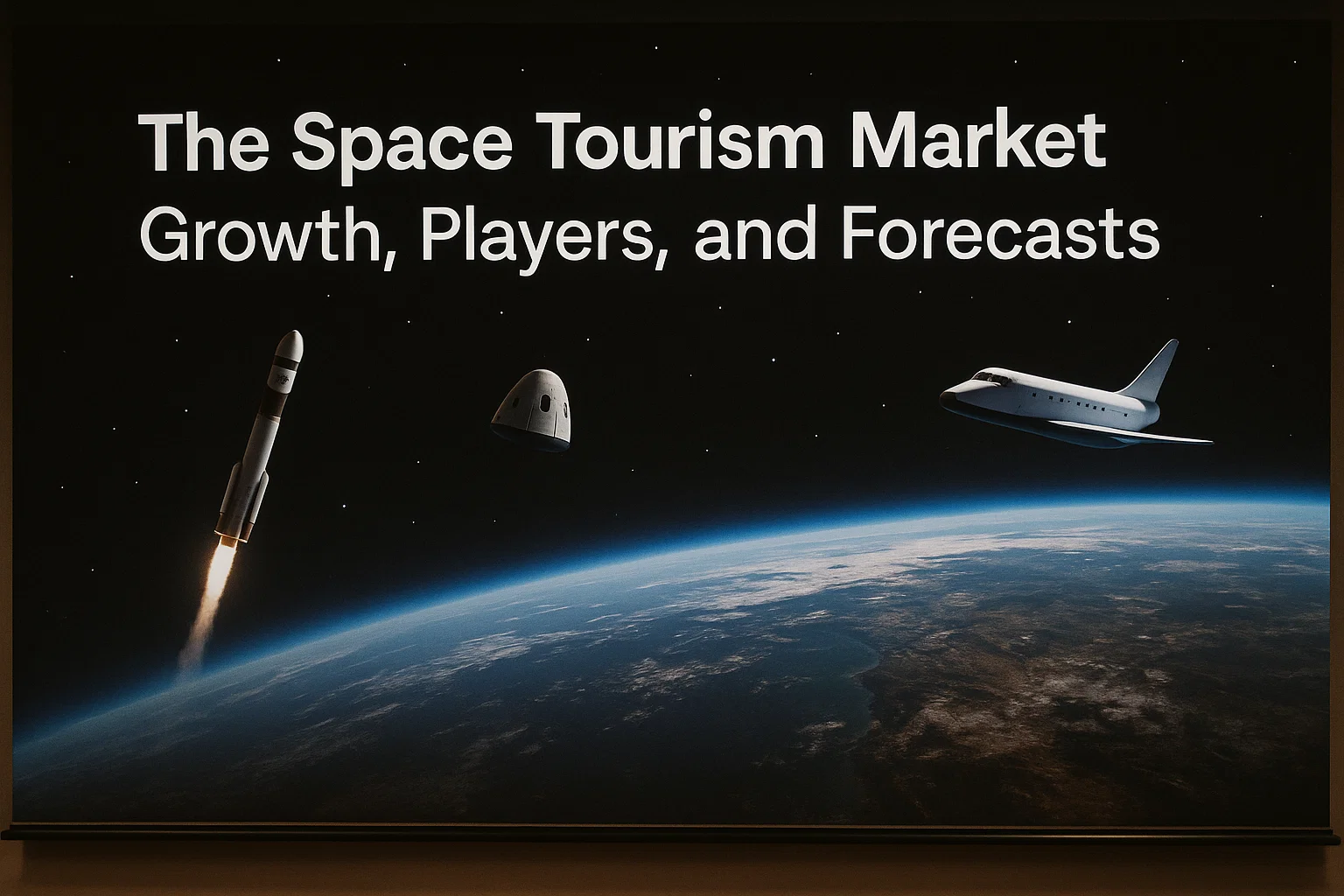
Major companies: Virgin Galactic, Blue Origin, SpaceX, and emerging startups
Virgin Galactic pioneered commercial suborbital tourism with successful human flights. Blue Origin offers similar experiences, emphasizing safety and passenger comfort. SpaceX, while primarily focused on orbital missions, has plans to integrate luxury space travel for high-profile clients. Emerging startups are experimenting with boutique experiences, targeting niche ultra-luxury markets.
Market size, growth projections, and investment trends
By 2026, space tourism is projected to become a multi-billion-dollar industry. Analysts predict significant growth, driven by early adoption, technological advances, and increasing demand for unique luxury experiences. Investment from private equity and venture capital is fueling rapid expansion and innovation.
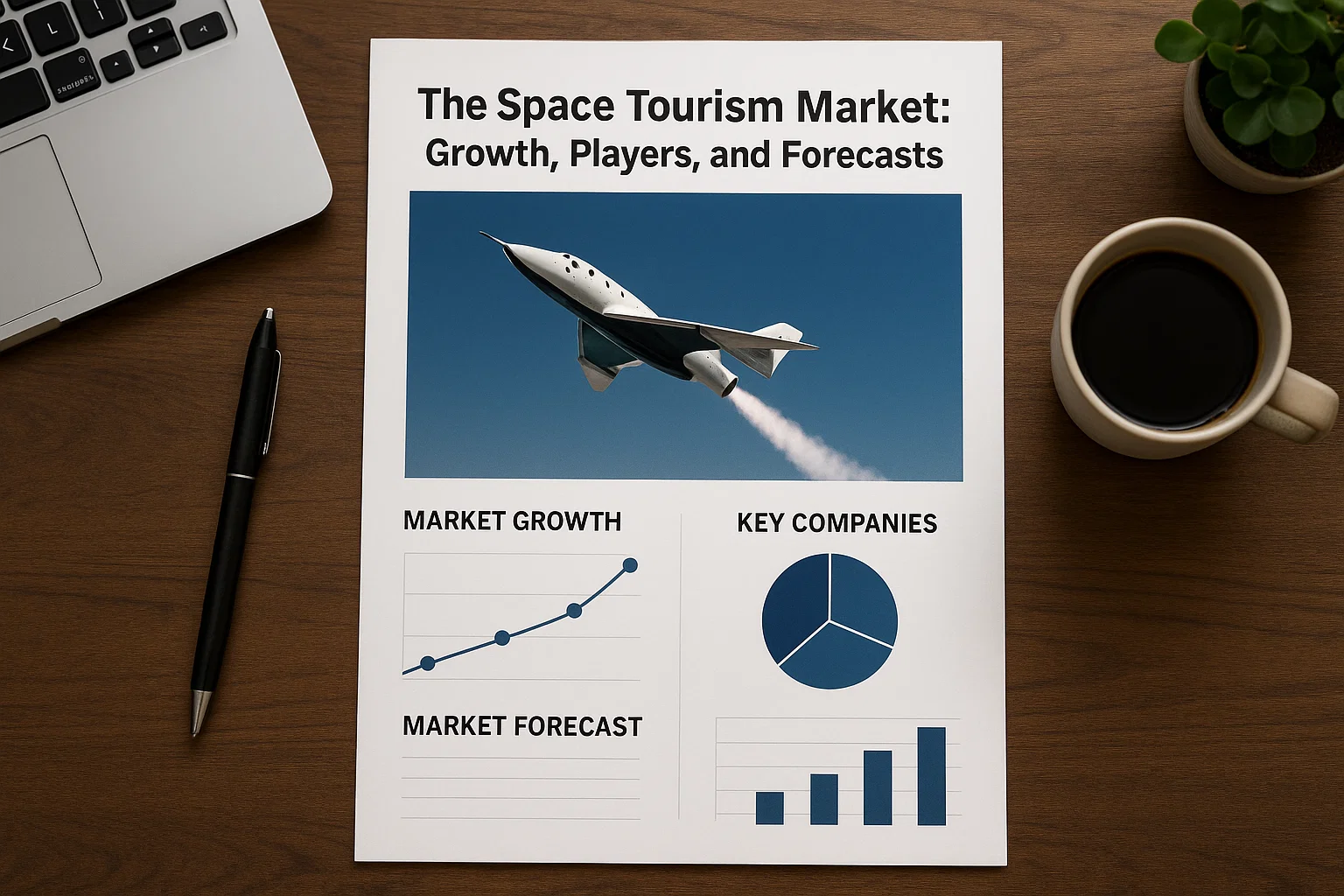
Ticket pricing trends and anticipated accessibility
While high costs currently limit accessibility, gradual economies of scale may lower prices over time. However, suborbital flights will likely remain a status-driven, premium product, ensuring exclusivity while expanding the customer base slightly beyond billionaires.
Geographic demand: US, Europe, Middle East, and emerging markets
Most demand originates in the US and Europe, home to early adopters and aerospace infrastructure. The Middle East, with its affinity for luxury experiences, is emerging as a promising market, while Asian billionaires increasingly participate, highlighting global appetite for space tourism.
Cultural Shift: Luxury Redefined by Space Travel
Luxury is evolving. From yachts and private jets to space itself, the definition of elite experiences is changing dramatically.
From yachts and jets to space: the evolution of elite experiences
Traditional luxury focused on earthly indulgences—private islands, yachts, and jets. Space travel elevates luxury to a literal new dimension, offering experiences that are rare, physically demanding, and psychologically transformative.
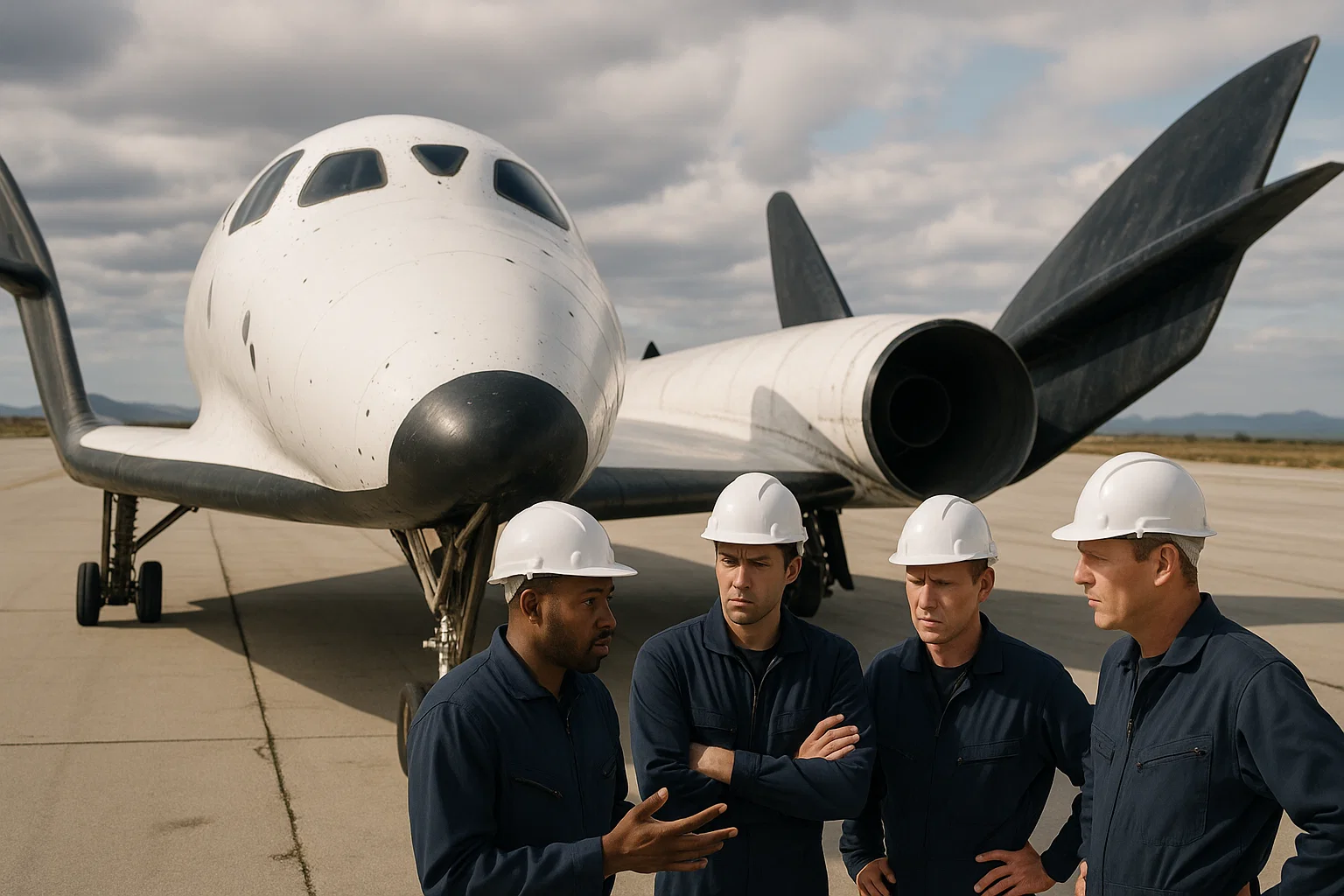
The social signaling of being “among the first in space”
Being among the first to experience space confers social prestige. Invitations to exclusive events, media recognition, and inclusion in elite circles reinforce the desirability of space tourism as a status symbol.
Influencer and media impact on desirability
Social media and influencer endorsements amplify the appeal of space tourism. When high-profile individuals share their journeys, it sparks curiosity and aspirational desire among the wealthy, fueling demand for these experiences.
️ Challenges Facing Luxury Space Tourism
Despite the excitement, luxury space tourism faces significant hurdles.
High costs and limited accessibility
The price of suborbital flights restricts access to a select few. While exclusivity fuels status, it also limits market growth and broader adoption.
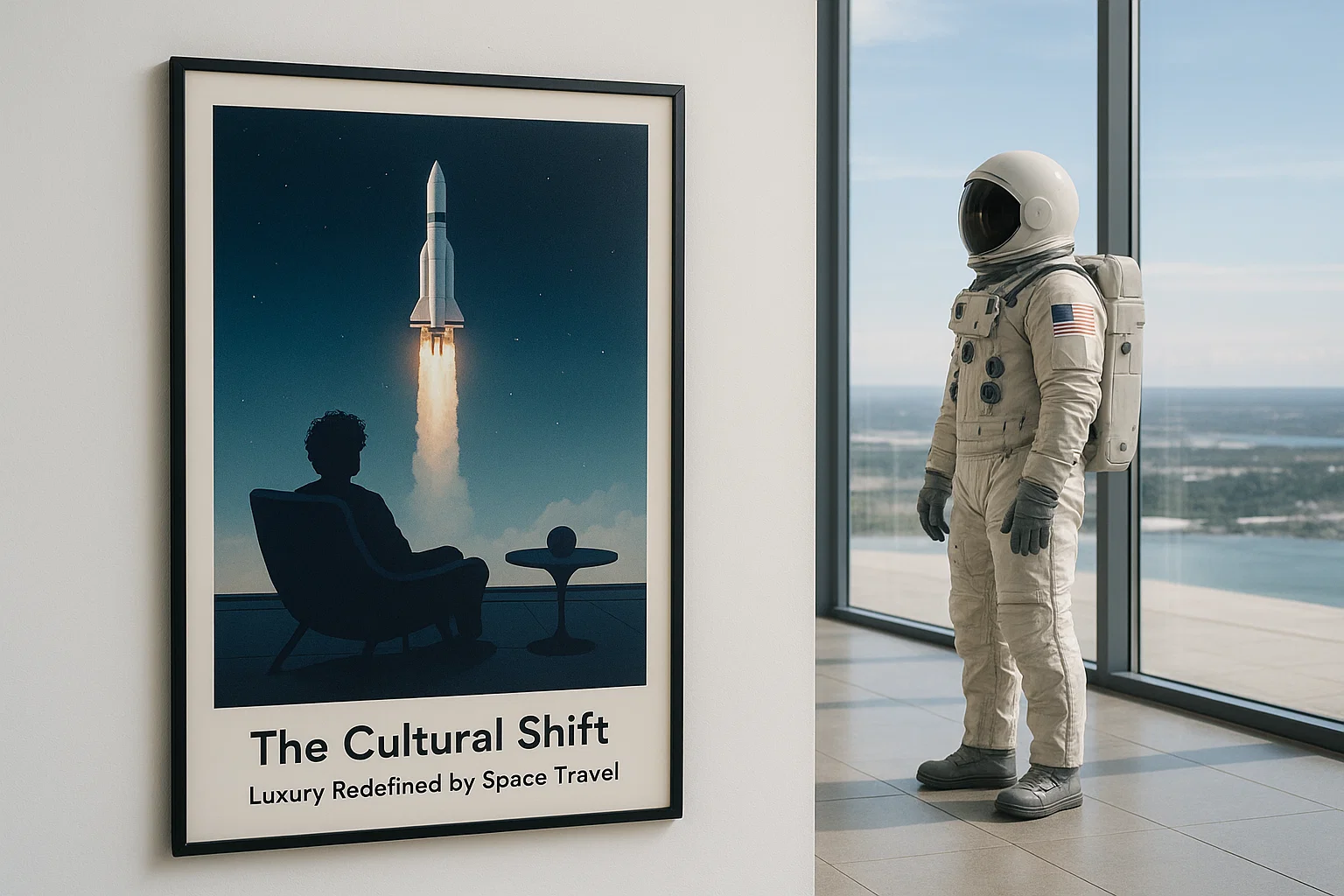
Safety concerns and regulatory hurdles
Aviation authorities and space agencies maintain strict safety protocols. Accidents, though rare, could damage public perception and slow the industry’s growth.
Environmental impact and sustainability considerations
Rocket launches have significant environmental footprints. Companies are exploring sustainable fuel alternatives and reusable rockets to mitigate ecological concerns while maintaining luxury appeal.
Managing exclusivity vs. market growth
Balancing exclusivity with scaling the market is tricky. Too much access could dilute prestige, while too little limits revenue potential. Companies must carefully navigate this tension.
Technology Behind the Thrill: How Suborbital Flights Work
Suborbital flights are made possible by groundbreaking technology, from propulsion systems to AI-powered safety monitoring.
Rocket propulsion and capsule design
Advanced propulsion systems allow rockets to briefly reach the edge of space. Capsules are designed for safety, comfort, and optimal viewing, with panoramic windows and ergonomic seating.
Reusable vehicles and cost optimization
Reusability reduces operational costs and environmental impact. Rockets designed for multiple flights are crucial for making luxury space tourism economically viable.
AI and monitoring systems for safety and passenger comfort
AI systems monitor flight parameters in real-time, ensuring safety and enhancing the passenger experience. Automated adjustments maintain cabin pressure, temperature, and stability for optimal comfort.
The Future of Luxury Space Tourism
The next decade promises exciting expansions and innovations in luxury space tourism.
Predicted trends: more frequent flights, luxury packages, and accessibility
As technology advances, flights may become more frequent, with enhanced luxury packages including extended experiences, premium accommodations, and personalized itineraries.
Expansion into orbital and lunar experiences
Beyond suborbital flights, companies are planning orbital trips and even lunar flybys, offering longer-duration experiences that redefine adventure and exclusivity.
Integration with ultra-luxury lifestyle brands
Collaborations with luxury brands may include designer spacesuits, curated pre-flight experiences, and post-flight celebrations, blending lifestyle and space exploration seamlessly.
How suborbital flights may redefine prestige and social status in 2030
By 2030, having traveled to space may rival traditional symbols of wealth like private yachts and mega-mansions, creating a new echelon of social recognition.
✨ Conclusion: Why Space Travel Is the New Ultimate Status Symbol
Space tourism is no longer just a fantasy—it’s a luxury frontier. Suborbital flights offer exclusivity, awe-inspiring experiences, and a new benchmark for status in the ultra-wealthy world. From the “overview effect” to bespoke amenities, every element of these journeys reinforces prestige and sophistication. As 2026 progresses, space tourism is poised to redefine luxury, offering the ultimate experience for those ready to pay for a ticket to the stars.
For the adventurous and affluent, space is no longer the final frontier—it’s the ultimate playground.