


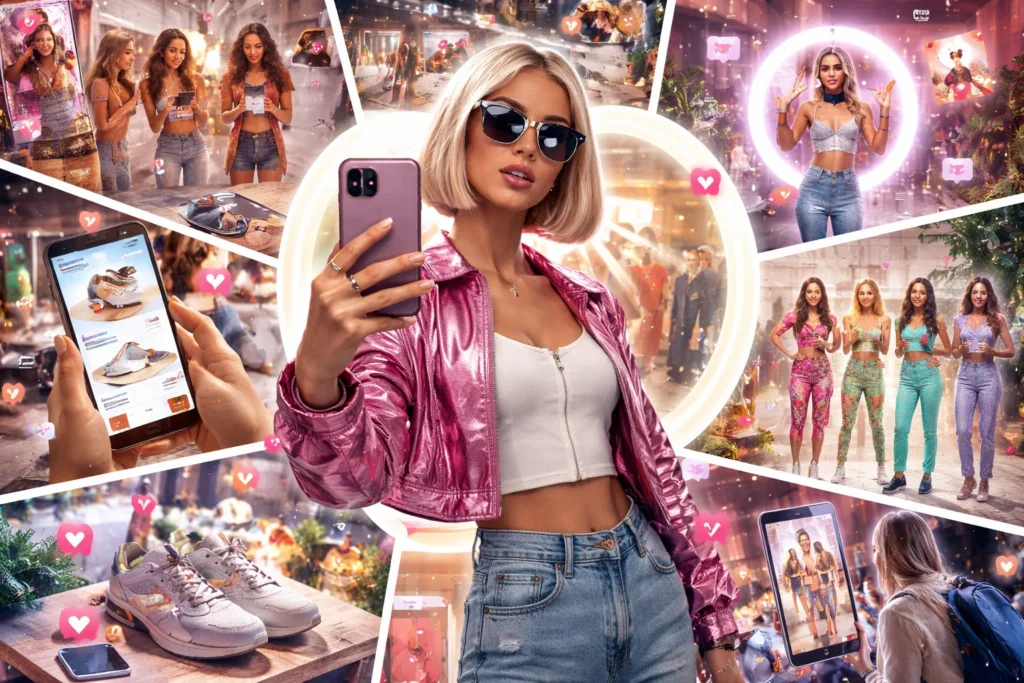
The fusion of social media and fashion has reshaped the industry. This article explores how social media platforms like Instagram and TikTok are accelerating trends, democratizing fashion, and influencing consumer behavior, ultimately changing the fashion landscape.
The Power of Social Media in Modern Fashion

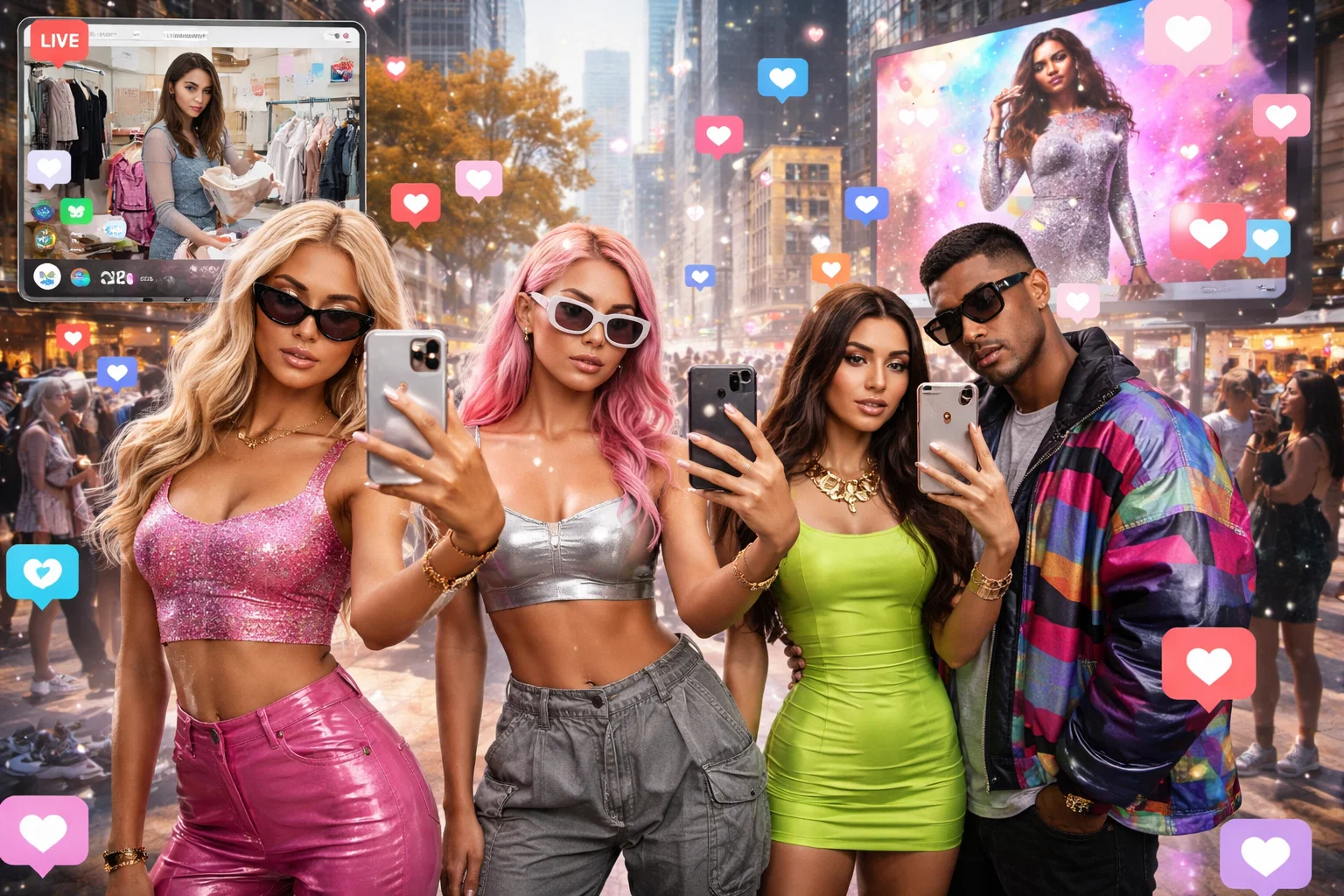
How Social Media Has Transformed the Fashion Industry
Social media has changed the fashion industry dramatically. The impact of social media on fashion can be seen in how fashion brands market their products and how consumers discover the latest trends. Traditional fashion houses now must embrace digital strategies.
The Rise of Viral Trends and Influencer-Led Style
Social media influencers have immense power in influencing fashion trends. The rise of social media influencers has led to the creation of viral trends that quickly gain popularity. Their content dictates what’s fashionable and often guides fast fashion.
Accelerated Trend Cycles: Fashion Moves Faster Than Ever
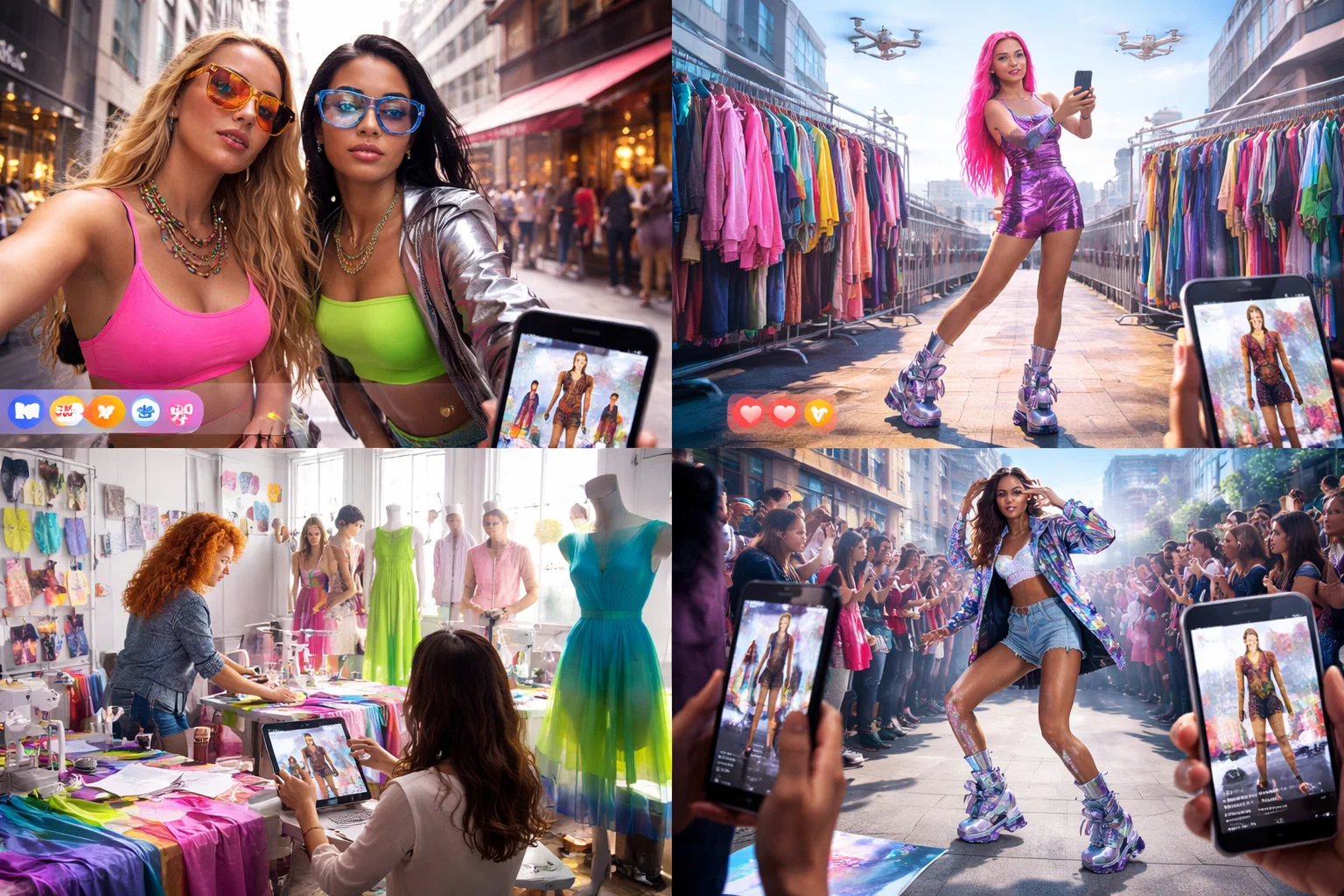
How Viral Content Speeds Up Trend Adoption
Viral content on platforms like Instagram significantly speeds up trend adoption. When an influencer showcases a new style, it can go viral almost instantly, driving immediate consumer demand. The relationship between social media and fast fashion is clear.
Examples of Trends That Went Global Overnight
Certain trends, such as the “cottagecore” aesthetic or specific clothing items, have gone global overnight due to social media exposure. These trends originate from a specific subculture and then rapidly spread across various platforms, becoming a global phenomenon.
Implications for Brands and Consumers in 2026
By 2026, fashion brands need to use social media effectively to stay relevant. Consumers must navigate faster trend cycles. This requires brands to be agile and adapt marketing strategies and the consumer to be discerning about their choices.
Democratization of Fashion: Everyone Can Influence Trends
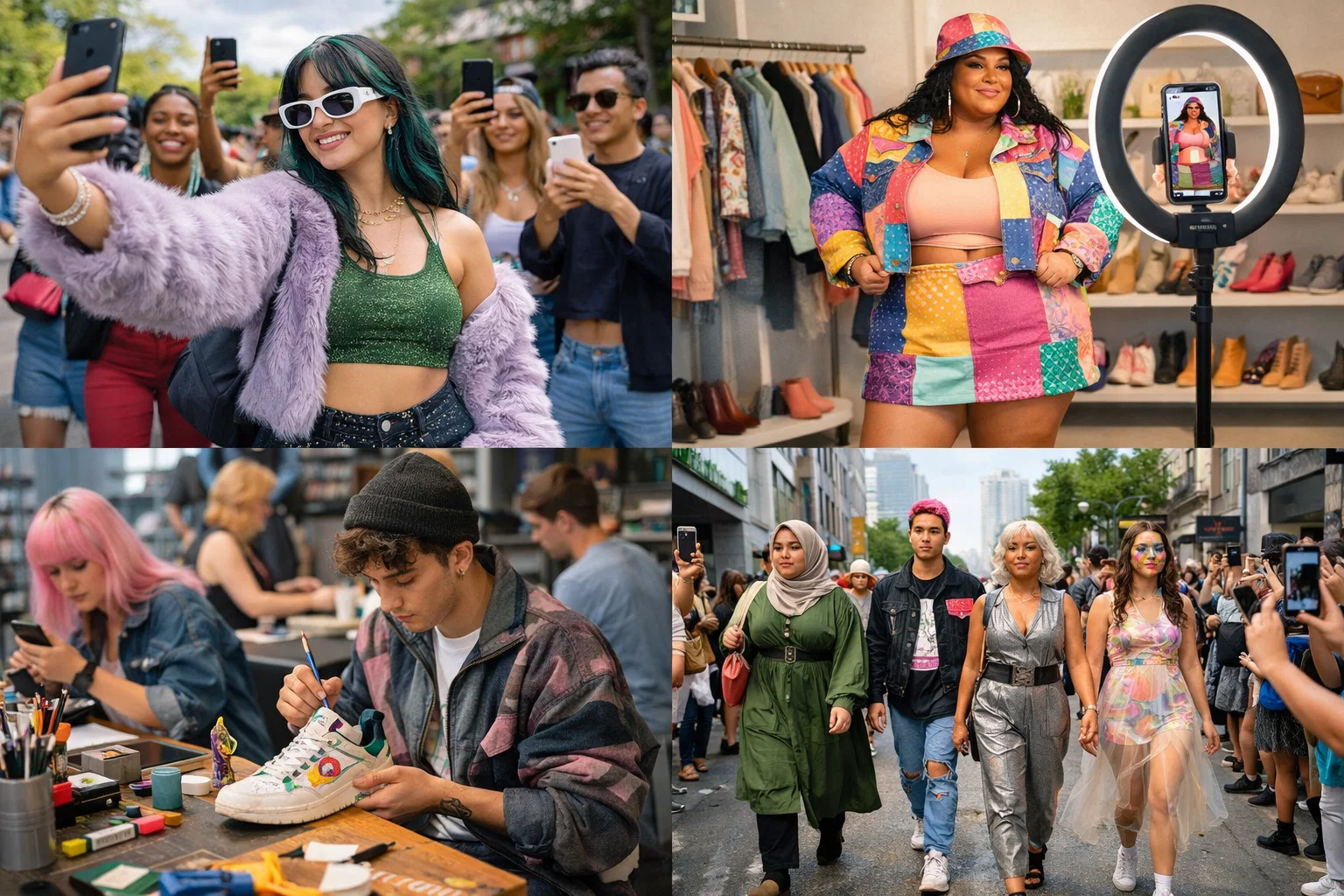
Micro-Influencers and User-Generated Content Shaping Style
Micro-influencers and user-generated content play a significant role in shaping style. These individuals often have niche audiences and foster authentic engagement, allowing for the emergence of diverse fashion inspiration. It’s about real people influencing fashion.
How Social Media Levels the Playing Field for Emerging Designers
Social media has democratized fashion by leveling the playing field for emerging designers. They can directly showcase their collections to a global audience, bypassing traditional gatekeepers such as fashion week events. This can influence fashion in a big way.
Street Style and Local Trends Going Global
Social media amplifies street style and local trends, turning them into global phenomena. What starts as a unique expression of style in one city can quickly spread across the world. Social media on fashion has a big effect.
Real-Time Consumer Feedback and Market Responsiveness
How Likes, Shares, and Comments Drive Design Decisions
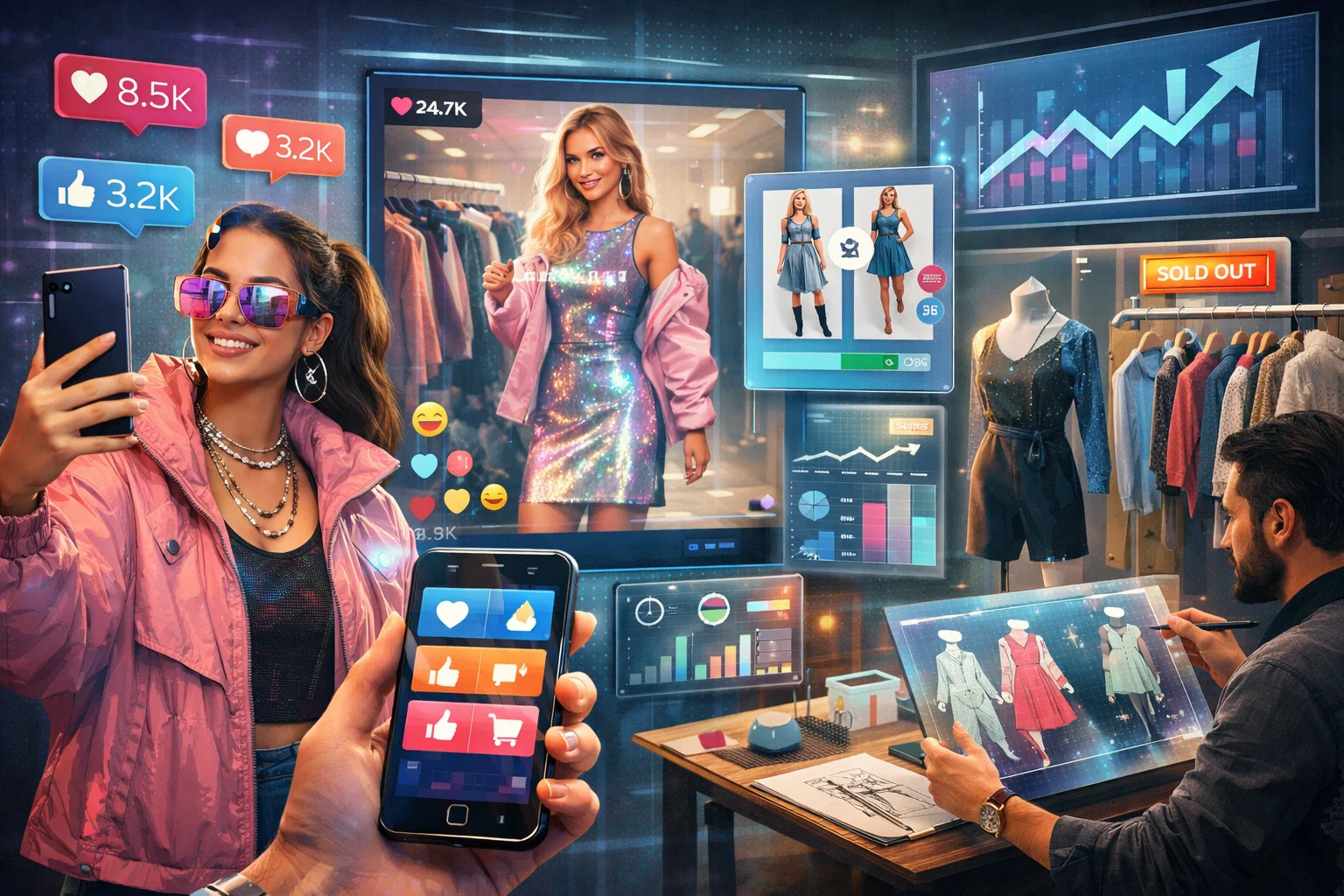
The fashion industry now relies heavily on real-time feedback from social media platforms. Likes, shares, and comments on platforms like Instagram directly influence fashion design decisions. Fashion brands monitor these metrics to gauge consumer sentiment and adapt their offerings accordingly.
Brands Using Social Listening to Predict Trends
Fashion brands increasingly employ “social listening” to anticipate emerging fashion trends. By analyzing conversations and hashtags related to fashion and social media, luxury fashion brands can identify what consumers are interested in. This helps them stay ahead of the curve in the world of fast fashion.
Viral Microtrends and Their Psychological Appeal
Understanding Why Microtrends Go Viral
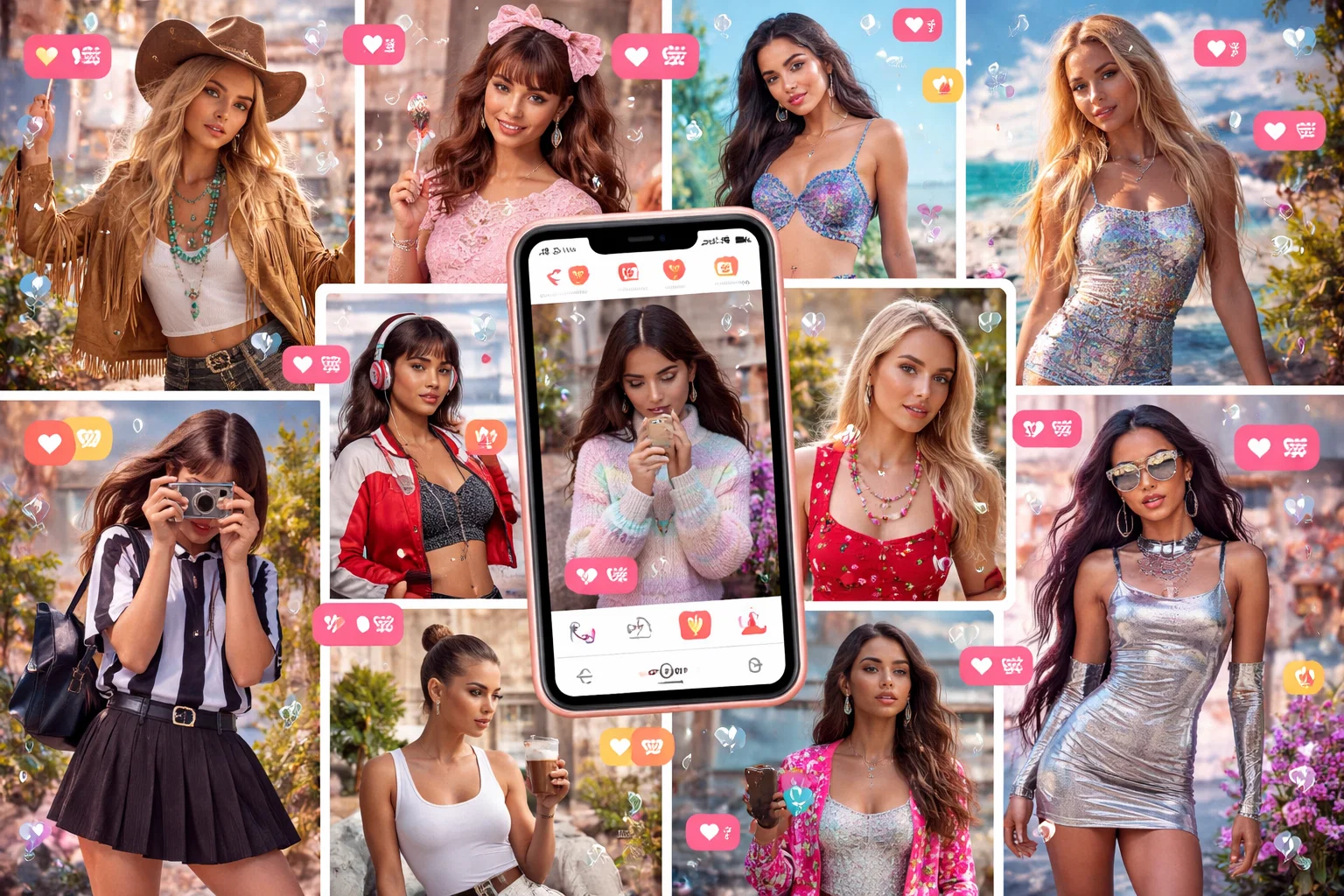
Microtrends go viral due to a combination of factors, including novelty, relatability, and the fear of missing out (FOMO). When a microtrend aligns with current cultural values or offers a unique form of self-expression, it gains traction on social media platforms, especially on platforms like TikTok.
Examples of 2026 Microtrends Across Platforms
In 2026, microtrends are evolving rapidly across various social media platforms. Examples include modular clothing, personalized digital fashion, and hyper-local styles gaining global recognition. The influence on fashion is becoming more diverse and fragmented, driven by niche communities.
How Consumers Navigate Fast-Moving Trend Cycles
Consumers navigate the fast-moving trend cycles by curating their feeds and following influencers. They are becoming more selective about adopting trends, prioritizing personal style and sustainability. The impact of social media on their choices is significant, as they seek validation and inspiration.
The Role of Influencers and Celebrities
From Runway to Feed: Influencer Power in 2026
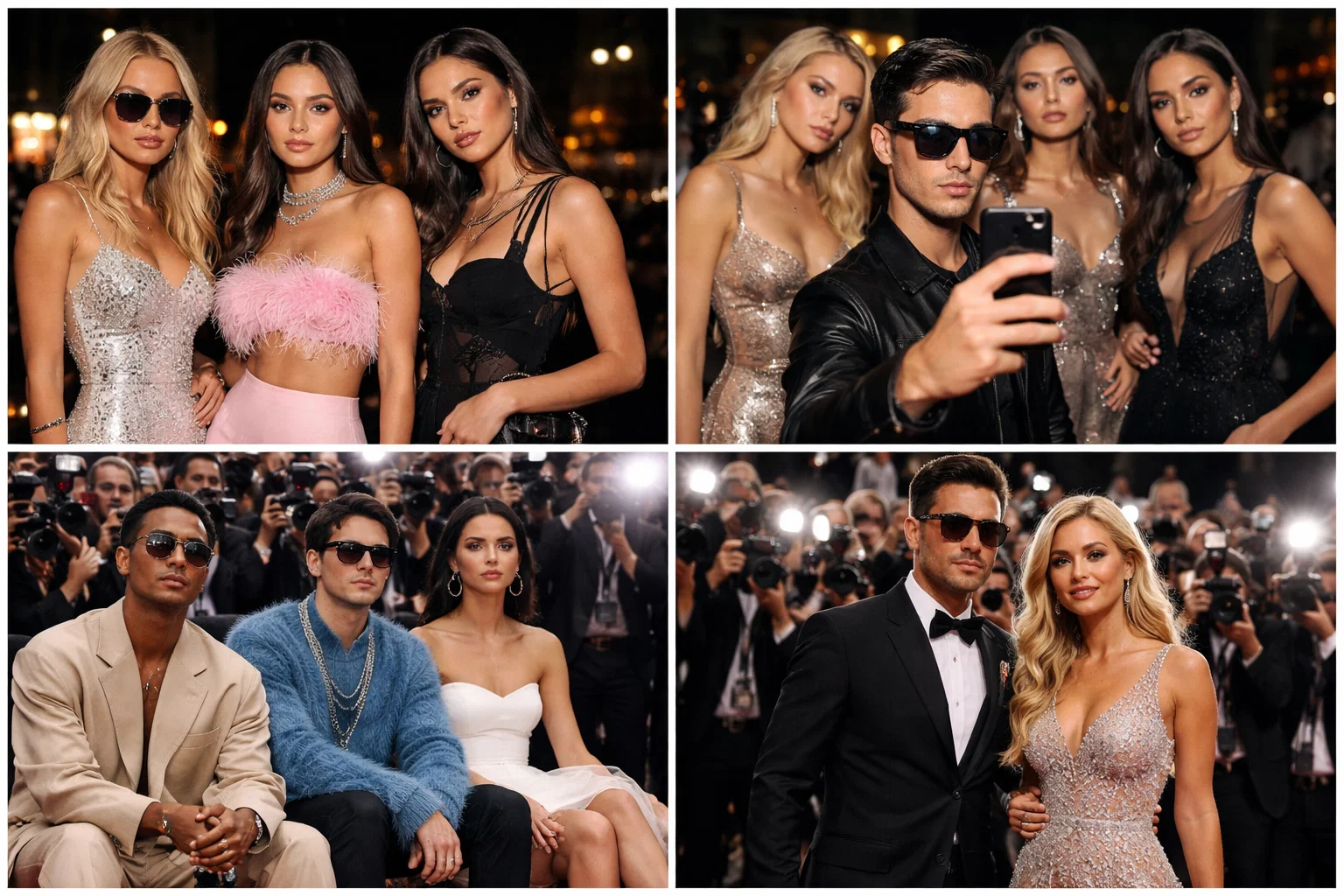
Influencers in 2026 wield significant power, translating runway looks into everyday styles. Fashion and social media are now synonymous, with what influencers wear and promote on their feeds directly impacting consumer choices. This influence on fashion trends is undeniable.
Case Studies: Fashion Items That Sold Out Due to Social Media Exposure
Numerous case studies highlight the power of social media marketing. A specific dress featured by a popular social media influencer sold out within hours. These examples demonstrate the immediate and powerful impact on fashion sales driven by strategic social media promotion.
Balancing Authenticity and Sponsored Content
Influencers are walking a tightrope between maintaining authenticity and fulfilling sponsored content obligations. Consumers are increasingly discerning, favoring influencers who genuinely connect with their audience and disclose their partnerships. Transparency is key for long-term credibility and success using social media strategies.
Sustainability and Ethical Fashion in the Social Media Era
How Social Media Promotes Conscious Fashion Choices
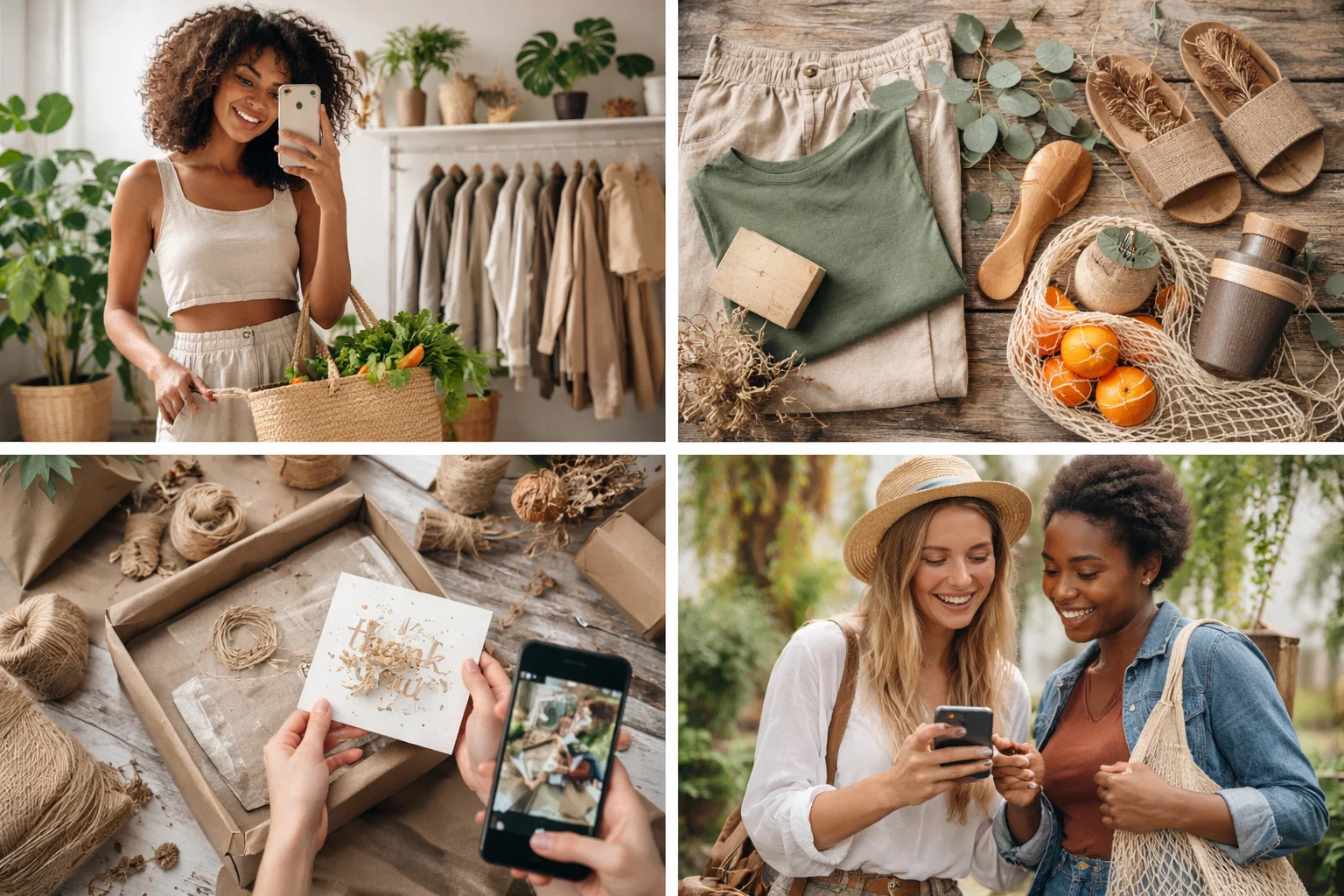
Social media platforms are playing a vital role in promoting conscious fashion choices. Campaigns and hashtags advocating for sustainable practices, ethical sourcing, and eco-friendly materials have gained momentum. The impact of social media is driving increased awareness of fast fashion‘s environmental cost.
Thrifted, Upcycled, and Slow Fashion Trends Gaining Traction
Thrifted, upcycled, and slow fashion trends are gaining significant traction, fueled by social media platforms. Influencers and content creators showcase the creativity and style possible through sustainable choices. Consumers embrace these alternatives to fast fashion, seeking unique and environmentally responsible options.
The Pressure on Brands to Be Transparent and Ethical
The fashion industry faces increasing pressure to be transparent and ethical in its practices. Social media platforms allow consumers to voice their concerns and hold fashion brands accountable. Brands that prioritize ethical sourcing, fair labor practices, and sustainability gain consumer trust and loyalty. The future of fashion is more transparent.
Personalized and Algorithm-Driven Fashion Trends
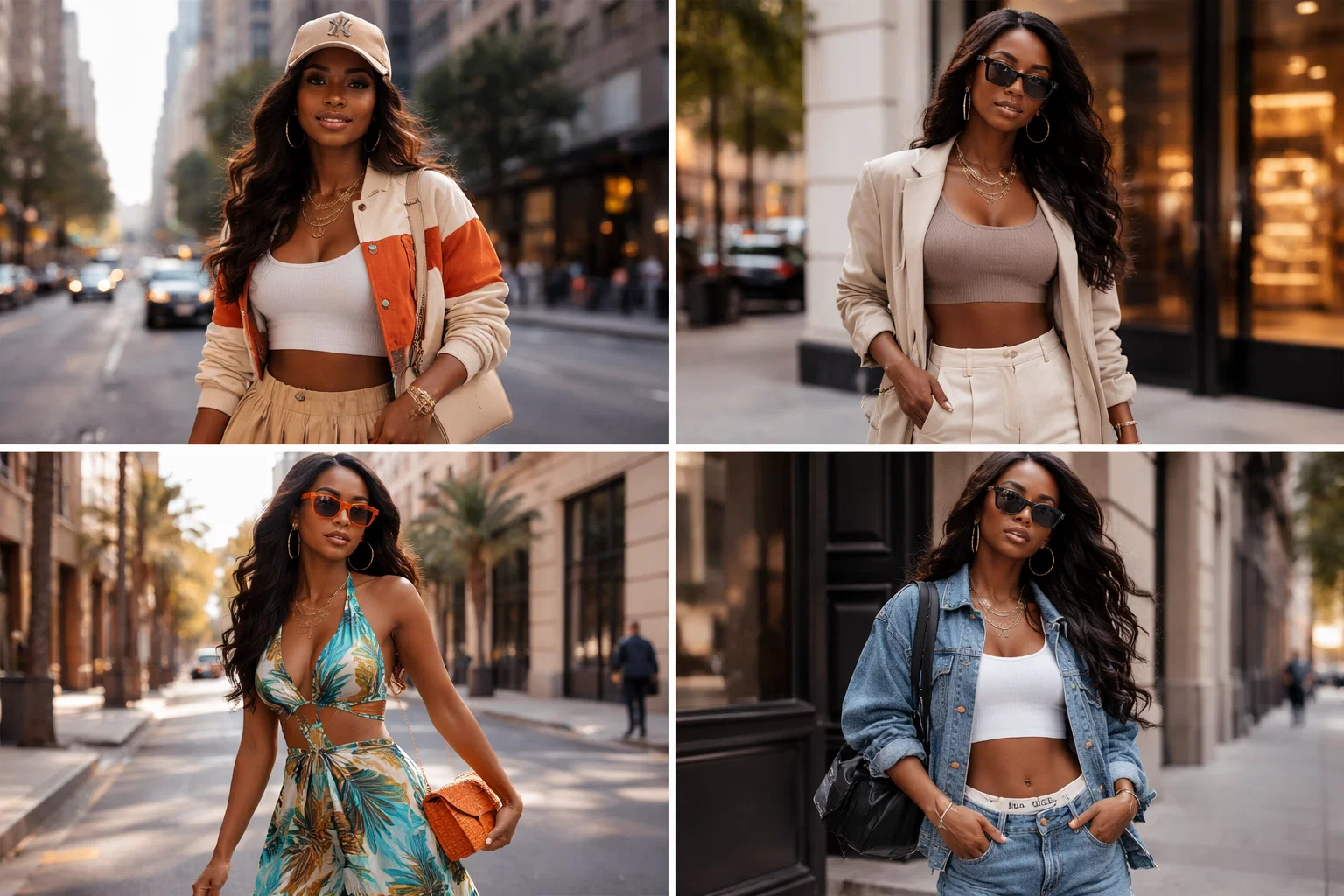
How Algorithms Create Hyper-Personalized Style Recommendations
Algorithms on social media platforms now curate hyper-personalized style recommendations. Analyzing user data and preferences helps algorithms understand individual tastes, tailoring fashion inspiration. These advanced systems contribute to a more customized fashion landscape that helps promote fashion trends.
Niche Communities Driving Global Fashion Movements
Niche communities on social media platforms are becoming powerful drivers of global fashion movements. These groups, often centered around specific aesthetics or subcultures, amplify unique styles and challenge mainstream fashion trends. This shows how social media on fashion has a big effect.
Implications for Consumer Choice and Brand Strategy
The rise of personalized recommendations and niche communities impacts consumer choice. Fashion brands must adapt marketing strategies to cater to diverse tastes and engage with these communities authentically. This shift requires a more nuanced understanding of the fashion industry and customer segmentation.
Cross-Cultural Influence and Global Trend Fusion
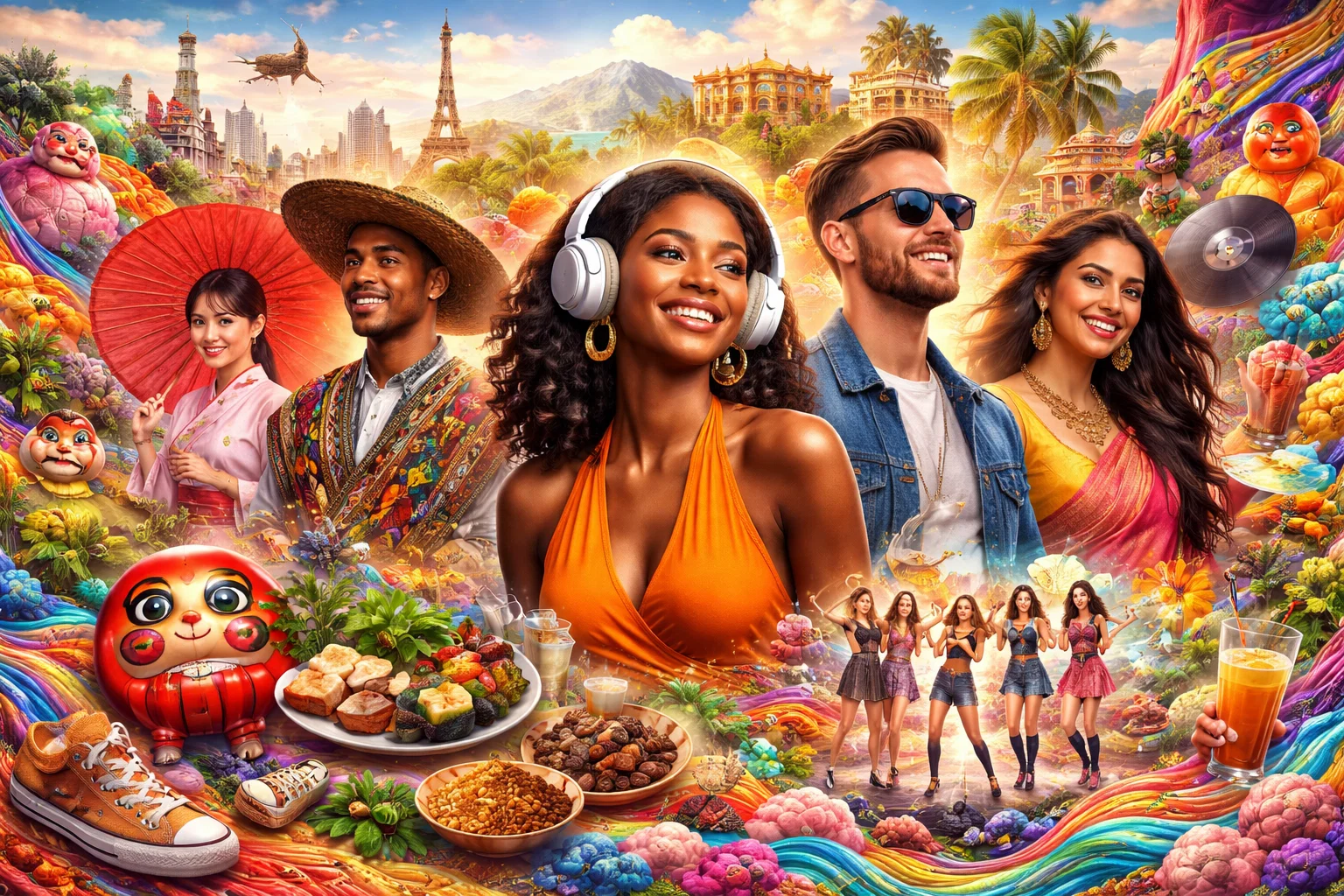
How Regional Styles Spread Worldwide Through Social Media
Social media platforms facilitate the rapid spread of regional styles worldwide. What starts as a local trend in one region can quickly gain global recognition through platforms like TikTok and Instagram. This phenomenon is transforming the fashion landscape into a fusion of diverse cultural influences.
Examples of Cultural Fusion in 2026 Fashion Trends
In 2026, cultural fusion is evident in various fashion trends. Examples include the incorporation of traditional African prints into contemporary Western designs and the blending of Asian streetwear with European haute couture. Social media platforms encourage cross-cultural dialogue and creative collaboration in the fashion industry.
Social Media’s Role in Redefining Fashion Accessibility
How Platforms Make Fashion Knowledge More Inclusive
Social media platforms are democratizing fashion knowledge by making it more inclusive. Tutorials, DIY guides, and styling tips are readily available, empowering individuals to experiment with their personal style. Social media has democratized fashion for millions of users around the world.
Tools for DIY Styling, Virtual Try-Ons, and Fashion Education
Tools for DIY styling, virtual try-ons, and fashion education are becoming increasingly sophisticated on social media platforms. Augmented reality (AR) technology enables users to virtually try on clothes and accessories. These innovations enhance the accessibility and interactivity of the fashion experience.
Conclusion: The Future of Fashion in a Social Media-Driven World
In conclusion, social media has changed the fashion industry in profound ways, accelerating fashion trends and democratizing access to style and influence. As social media platforms continue to evolve, the future of fashion will be shaped by personalized experiences, cultural fusion, and a greater emphasis on sustainability and ethical practices.