


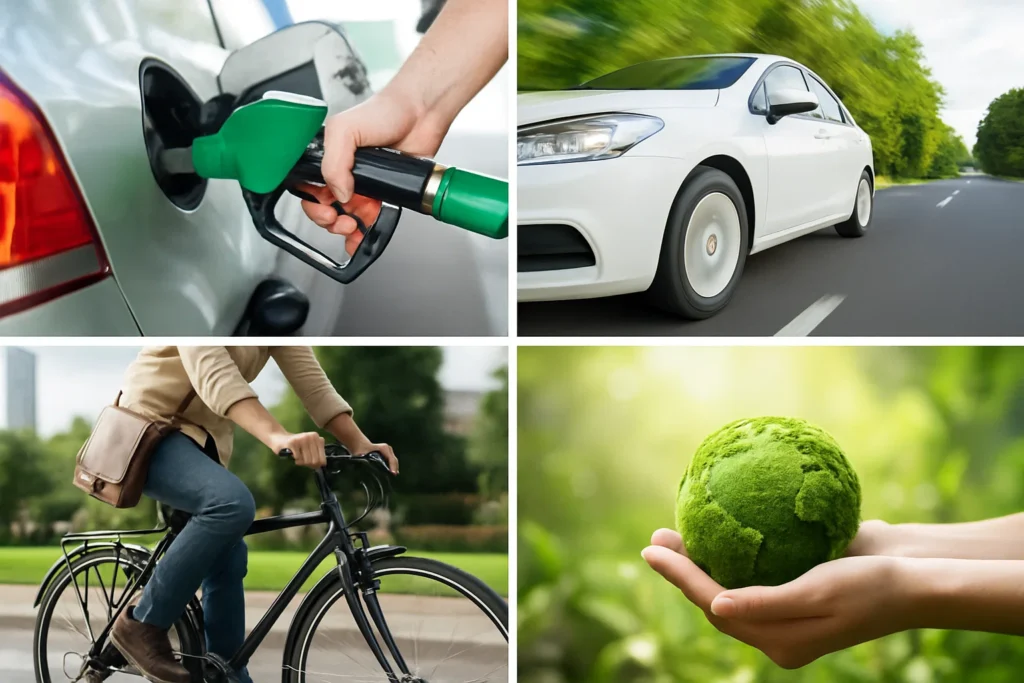
In a world grappling with the escalating effects of climate change, understanding and implementing effective ways to reduce fuel use has never been more critical. From individual actions to broader systemic changes, adopting smarter habits can collectively lead to significant reductions in greenhouse gas emissions, contributing to a healthier planet for future generations.
Why Reducing Fuel Use Matters More Than Ever
The Connection Between Fuel Consumption and Climate Change
The burning of fossil fuels is a primary driver of climate change, releasing vast amounts of carbon dioxide and other greenhouse gas emissions into the atmosphere. These emissions trap heat in the atmosphere, leading to global warming, rising sea levels, and increasingly extreme weather events. Reducing our reliance on fossil fuels is essential to mitigate these harmful effects.


How Small Driving Habits Lead to Big Environmental Impacts
Even seemingly small driving habits, such as aggressive acceleration, speeding, and idling, can significantly increase fuel consumption and carbon emissions. Over time, these habits contribute substantially to your annual carbon footprint and exacerbate pollution. Making simple changes can collectively lead to better results for the environment.
1. Drive Smarter, Not Harder
Avoid Speeding, Idling, and Aggressive Driving
Aggressive driving, characterized by rapid acceleration, frequent braking, and speeding, dramatically increases fuel consumption. Similarly, excessive idling wastes fuel and emits pollutants into the air. By adopting smoother driving habits, you can conserve energy and reduce your carbon footprint, contributing to the collective effort to reduce greenhouse gas emissions.

Use Cruise Control and Eco-Mode Where Available
Utilizing cruise control on highways helps maintain a constant speed, minimizing unnecessary acceleration and braking, thus improving fuel efficiency. Many modern vehicles also come equipped with Eco-Mode, which optimizes engine performance and transmission settings to prioritize fuel economy. These features will help reduce your carbon footprint.
The Real Impact of Smoother Driving on Fuel Efficiency
Smoother driving not only reduces fuel consumption but also minimizes wear and tear on your vehicle, extending its lifespan and reducing maintenance costs. This approach demonstrates that adopting better habits for the environment offers both environmental and economic benefits, encouraging a more sustainable lifestyle.
2. Keep Your Vehicle in Top Shape
Regular Maintenance and Oil Changes Matter
Regular maintenance, including timely oil changes, is crucial for optimal fuel efficiency and engine performance. Dirty or old oil can increase friction within the engine, leading to higher fuel consumption. Keeping your vehicle properly maintained ensures it operates efficiently and emits less pollution.
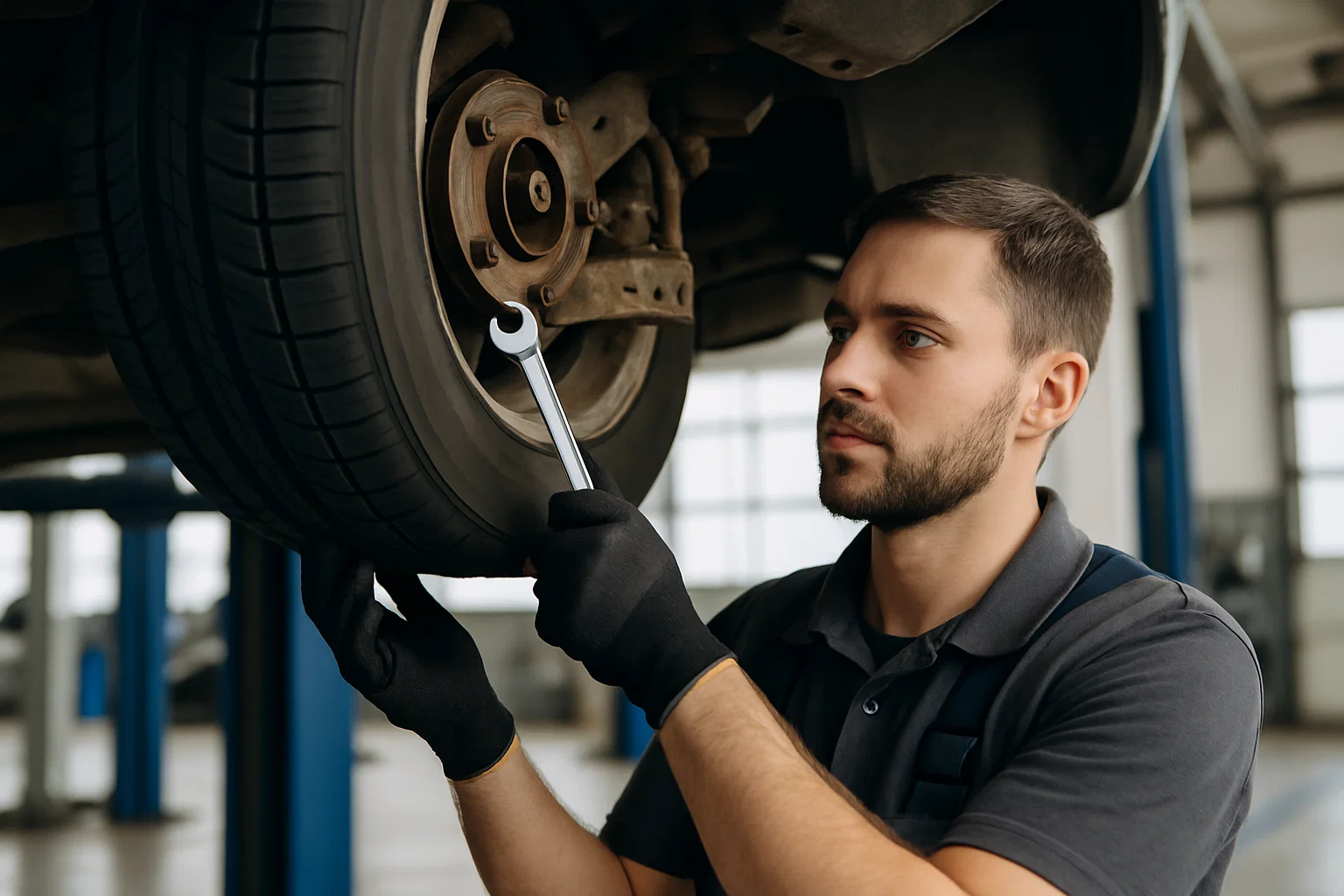
Tire Pressure and Alignment: Why They Affect Fuel Use
Underinflated tires increase rolling resistance, forcing the engine to work harder and consume more fuel. Similarly, misaligned wheels can cause drag, further reducing fuel economy. Maintaining proper tire pressure and ensuring correct alignment are simple yet effective ways to conserve energy and reduce carbon emissions.
The Benefits of Using the Right Fuel and Motor Oil
Using the fuel grade recommended by your vehicle manufacturer and selecting the appropriate motor oil can significantly improve fuel efficiency. Higher-quality fuels often contain additives that clean engine components and optimize combustion, while the right motor oil reduces friction and improves engine performance, helping reduce your carbon footprint.
3. Combine Trips and Plan Routes Wisely
How Trip Planning Reduces Fuel Waste
Careful trip planning is one of the important ways to reduce your carbon footprint and minimize fuel waste. By consolidating errands into a single trip, you can reduce overall mileage and fuel consumption. Thinking ahead and mapping out your route will also allow you to avoid unnecessary detours and backtracking.
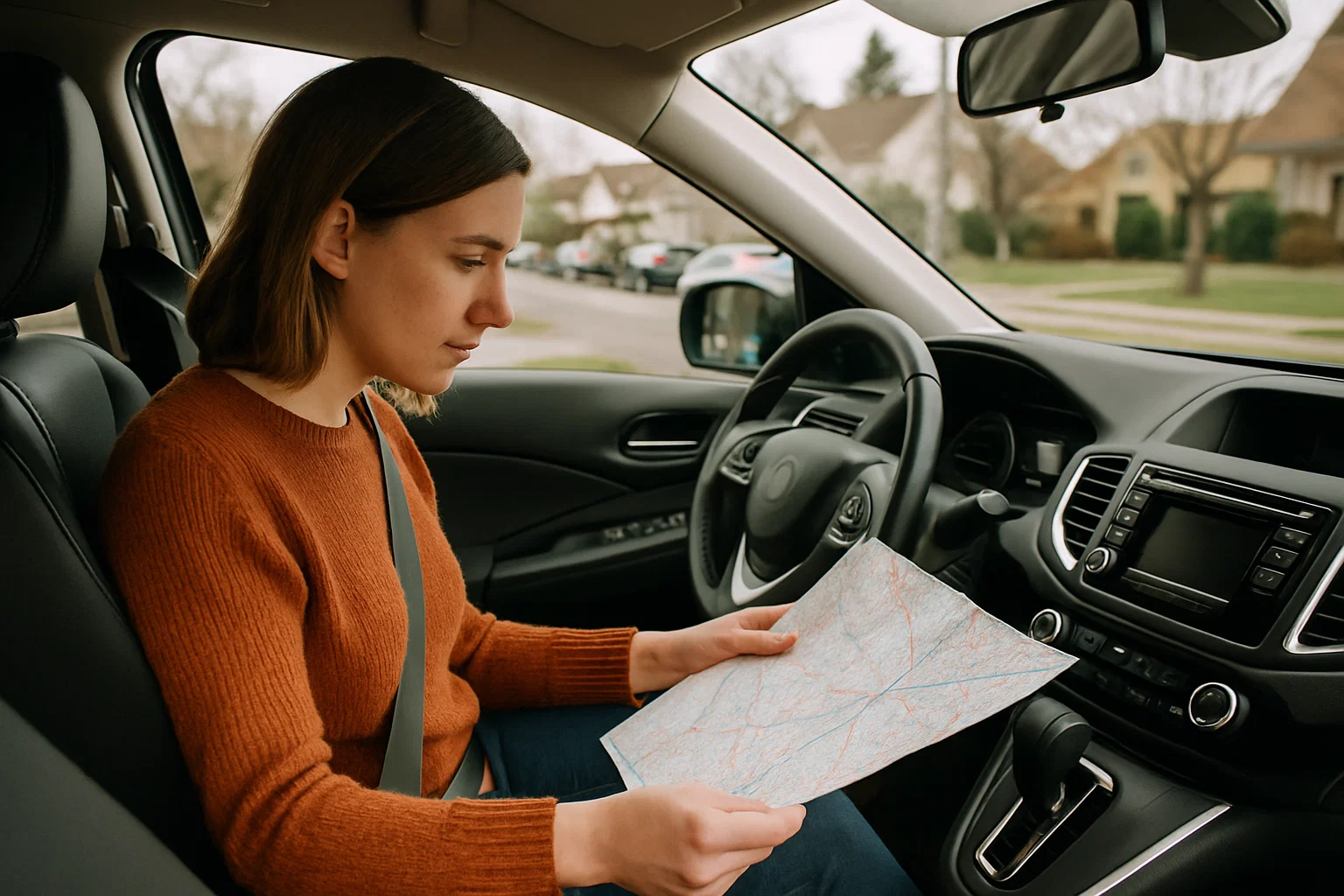
Use Navigation Apps to Avoid Traffic and Save Time
Modern navigation apps provide real-time traffic updates and suggest the most efficient routes, helping you avoid congestion and save time. By avoiding traffic jams, you can minimize idling and reduce fuel consumption. These apps can also alert you to accidents or road closures, allowing you to adjust your route accordingly.
Smart Scheduling: Grouping Errands Efficiently
Strategically scheduling your errands can significantly reduce fuel consumption. Grouping tasks by location and time of day can minimize travel distances and avoid peak traffic hours. This approach requires some planning but can lead to substantial savings in fuel and time, and is better for the environment. Consider the best order to complete your errands.
4. Lighten Your Load and Reduce Drag
What’s in Your Trunk? How Excess Weight Burns More Fuel
Excess weight in your vehicle requires more energy to accelerate and maintain speed, leading to increased fuel consumption. Regularly remove unnecessary items from your trunk to reduce your car’s overall weight. The less weight your vehicle carries, the less fuel it will consume.

The Effect of Roof Racks, Spoilers, and Open Windows
Roof racks, spoilers, and open windows increase aerodynamic drag, forcing the engine to work harder and burn more fuel. Remove roof racks when not in use, and consider closing windows at higher speeds to improve fuel efficiency. These simple changes can make a noticeable difference in your vehicle’s fuel economy, helping reduce greenhouse gas emissions.
Aerodynamics and Fuel Economy: Explained Simply
Aerodynamics refers to how air flows around your vehicle. A more aerodynamic design reduces drag, allowing the vehicle to move more efficiently through the air, thus consuming less fuel. Understanding these principles can inform decisions about vehicle modifications and driving habits, leading to better fuel economy and fewer carbon emissions.
5. Choose Greener Transportation Options
Walking, Biking, and Public Transport: When and Why to Switch
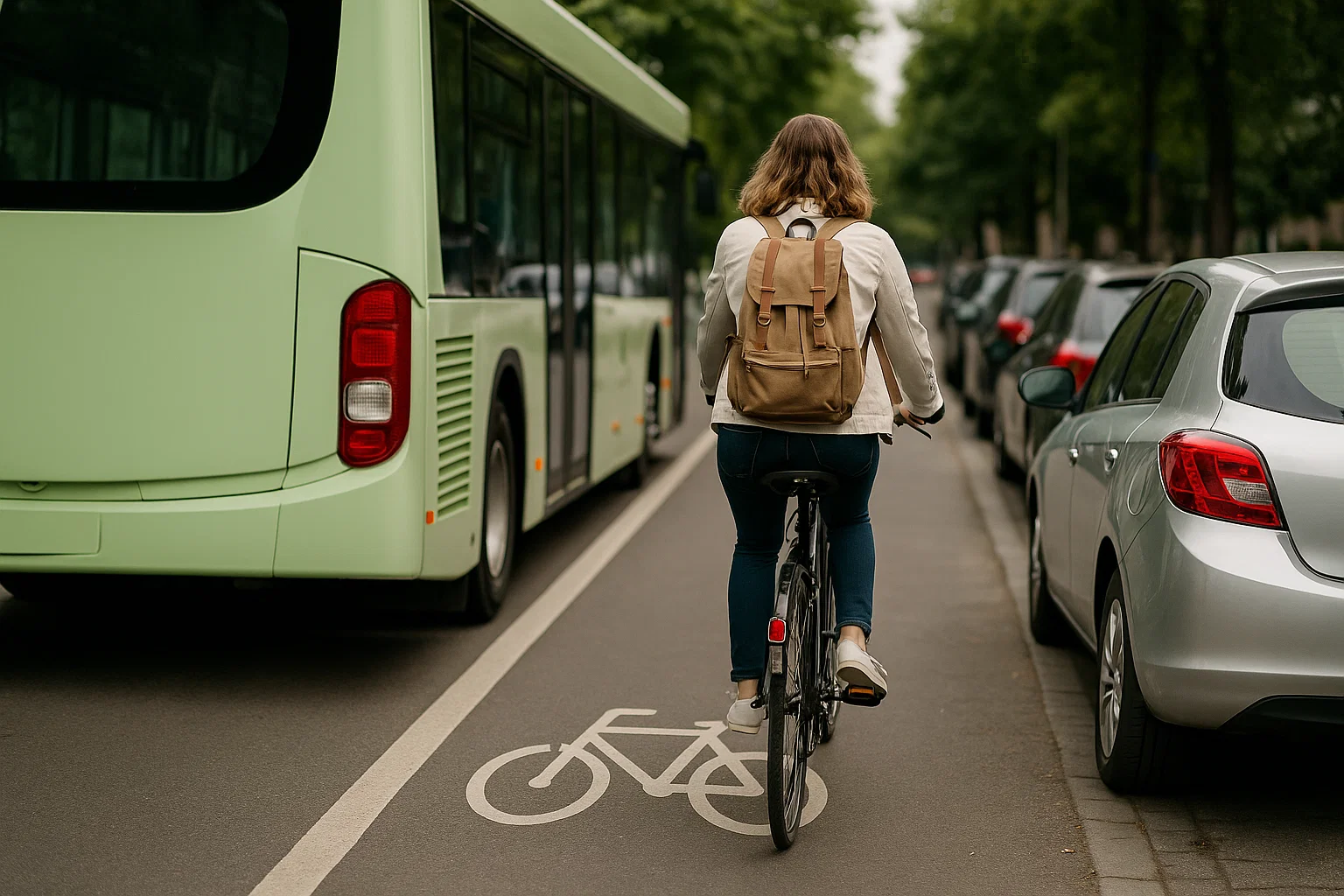
Opting for walking, biking, or public transportation instead of driving can significantly reduce your carbon footprint, especially for short trips. These alternative modes of transportation are not only better for the environment but also promote physical activity and reduce traffic congestion and reliance on fossil fuels. Making the switch when feasible can help reduce your carbon footprint.
Carpooling and Ridesharing: Reducing Fuel Use as a Group
Carpooling and ridesharing are effective ways to reduce fuel consumption and carbon emissions by sharing the ride with others. By reducing the number of vehicles on the road, these practices minimize traffic congestion and overall fuel use, and help reduce greenhouse gas emissions. This can be especially effective for commuting to work or school.
When Electric Scooters or E-Bikes Make Sense
Electric scooters and e-bikes are excellent alternatives for short commutes and errands, offering a convenient and environmentally friendly mode of transportation. These electric vehicles produce zero emissions and use less energy than traditional cars, contributing to cleaner air and reduced fuel consumption. They are a good way to reduce your carbon footprint.
6. Consider Hybrid or Electric Vehicles (EVs)
How EVs and Hybrids Significantly Reduce Fossil Fuel Use
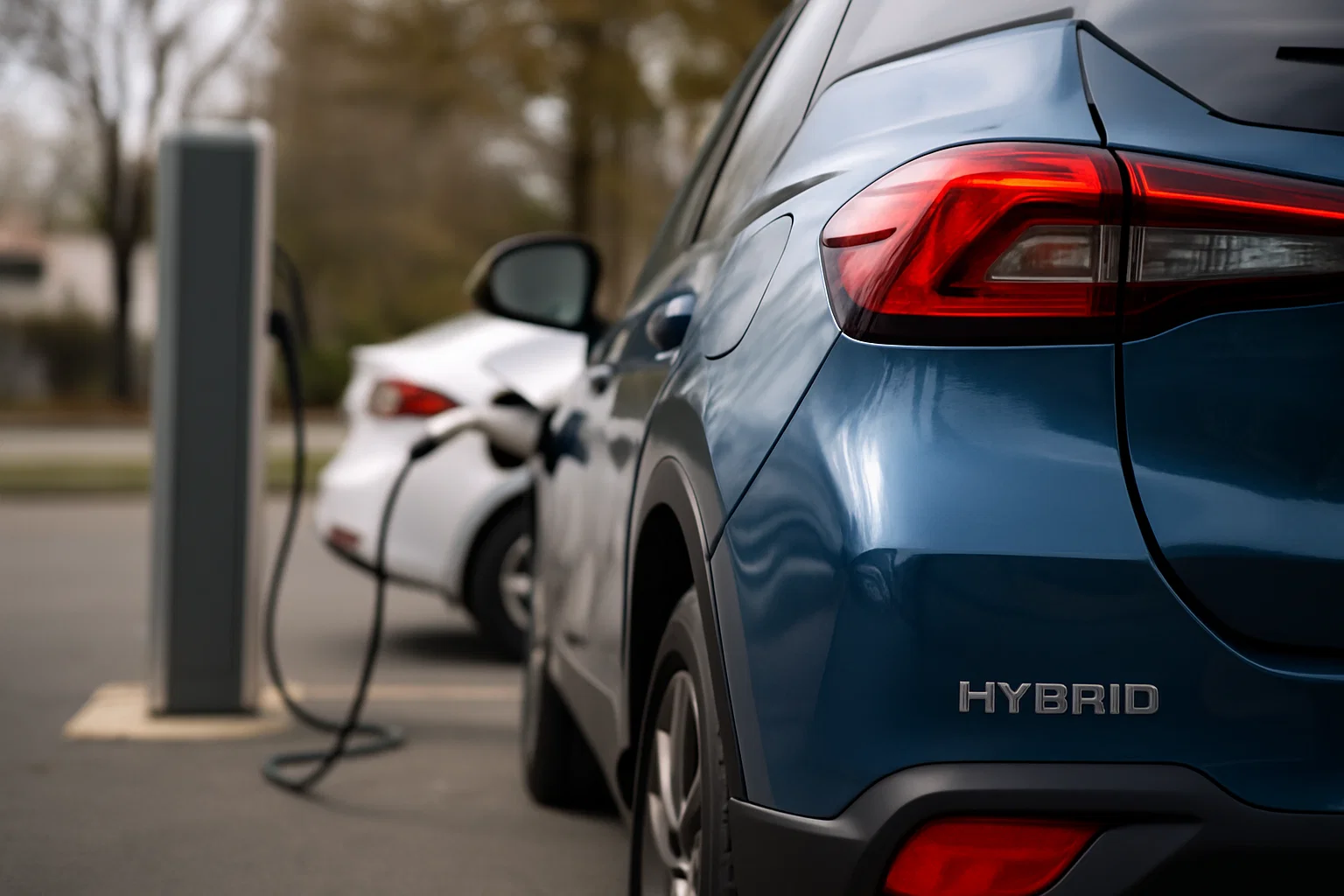
Electric vehicles (EVs) and hybrids offer a substantial opportunity to diminish our dependence on the burning of fossil fuels, leading to a significant reduction in greenhouse gas emissions. By transitioning from gasoline-powered cars to those that run on electricity or a combination of electricity and gasoline, we can greatly reduce our carbon footprint and combat climate change. This shift is crucial in mitigating the effects of fossil fuel combustion on the environment.
Government Incentives and Long-Term Cost Savings
Many governments provide incentives such as tax credits, rebates, and subsidies to encourage the adoption of electric vehicles. These incentives can significantly lower the initial cost of purchasing an EV or hybrid. Furthermore, electric vehicles often have lower operating costs due to less energy needed for maintenance and fuel consumption, leading to long-term cost savings. These savings can help reduce your carbon footprint.
Debunking Common Myths About EV Range and Charging
One common concern about EVs is their limited range and the availability of charging stations. However, EV technology has advanced rapidly, with many models now offering ranges exceeding 200 miles on a single charge. The charging infrastructure is also expanding, with more public charging stations becoming available. Addressing these concerns can help reduce your carbon footprint and promote the adoption of EVs as a viable option.
7. Use Technology to Monitor and Improve Fuel Efficiency
Fuel Tracking Apps: Track, Analyze, and Improve Habits
Fuel tracking apps are a great way to reduce energy use. These apps allow you to monitor your fuel consumption, track your mileage, and analyze your driving habits. By identifying areas where you can improve your energy efficiency, you can make informed decisions to drive less wastefully. Over time, the changes you make can significantly reduce your carbon footprint.

Real-Time Feedback from Smart Dash Devices
Smart dash devices provide real-time feedback on your fuel consumption and driving behavior. These devices can alert you to inefficient habits such as hard acceleration, excessive speed, and prolonged idling, and thus help reduce your carbon footprint. By providing immediate feedback, these devices enable you to adjust your driving in real-time, promoting energy efficiency and reducing carbon emissions.
Gamify Your Fuel Use: Compete, Save, and Reduce CO₂
Gamifying your fuel use can add an element of fun and motivation to your efforts to conserve energy. Some apps and devices allow you to compete with friends or other drivers to see who can achieve the best fuel efficiency. By turning fuel conservation into a game, you can incentivize energy-efficient driving habits and reduce carbon dioxide emissions.
Bonus Tip: Support Green Policies and Local Sustainability Efforts
Advocate for Better Public Transit and Bike Lanes
Support initiatives that promote public transportation and cycling infrastructure. By advocating for better public transportation options and more bike lanes, you can make it easier for people to choose energy-efficient modes of transport. This will help reduce traffic congestion, fuel consumption, and carbon emissions, contributing to a more sustainable community and reducing your annual carbon footprint.
Join or Organize Local “Car-Free” Campaigns
Participate in local “car-free” campaigns to raise awareness about the benefits of reducing reliance on fossil fuels. These campaigns encourage people to leave their cars at home for a day or longer, promoting the use of alternative modes of transport such as walking, biking, and public transportation. By joining or organizing such events, you can inspire others to adopt more energy-efficient habits, and help reduce greenhouse gas emissions.
Vote for Sustainable Energy and Clean Transportation Policies
Support political candidates and policies that promote sustainable energy and clean energy transport. By voting for leaders who prioritize renewable energy investments, energy efficiency standards, and incentives for electric vehicles, you can contribute to systemic changes that accelerate the transition to a low-carbon future and help reduce greenhouse gas emissions.
Conclusion: Every Gallon Saved Helps the Planet Breathe
Reducing fuel use is not just a matter of personal responsibility; it’s a collective effort that requires action at all levels. By implementing these strategies, we can significantly reduce greenhouse gas emissions, mitigate climate change, and create a healthier, more sustainable planet for future generations. Every gallon saved brings us one step closer to a world where both the economy and the environment can thrive, and can help reduce your carbon footprint.