


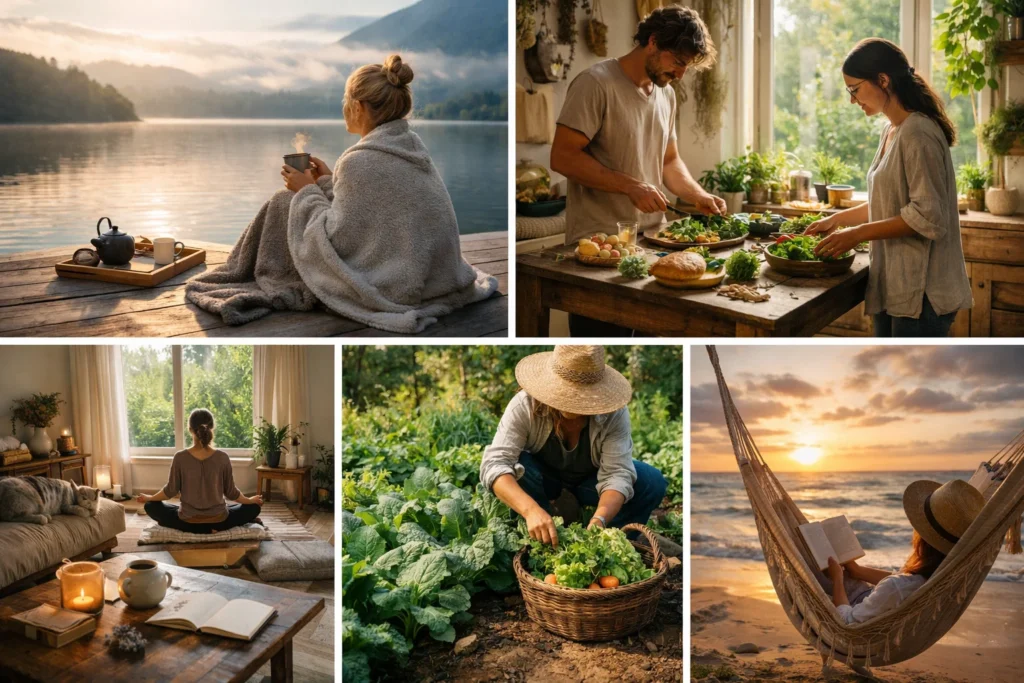
In a world dominated by constant connectivity and relentless pursuit of achievement, a counter-movement is gaining momentum.
Slow Living 2.0 offers a refreshing alternative to the pervasive hustle culture, promising a more balanced, mindful, and fulfilling way of life. As we look towards 2026, this shift represents a fundamental change in how we approach work, relationships, and personal well-being.
Understanding Slow Living 2.0

What Slow Living 2.0 Really Means
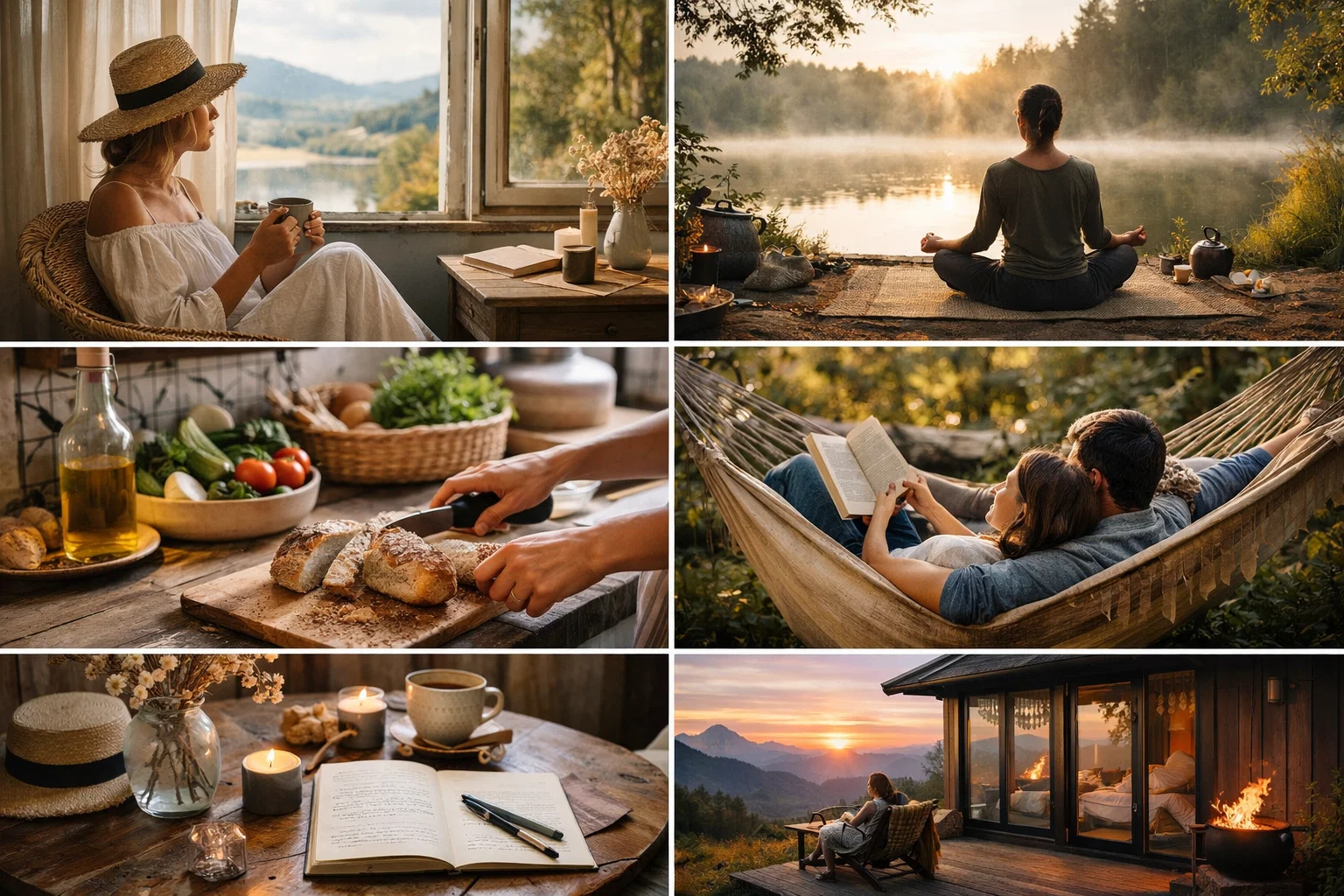
Slow living means intentionally prioritizing experiences and values that enhance well-being over relentless productivity and material accumulation. It is about embracing a slower pace in all areas of life, from work and relationships to consumption and self-care. This doesn’t mean living is about being unproductive or lazy, but rather about making conscious choices to align daily actions with long-term values and goals.
How It Differs from Traditional Slow Living
While the concept of slow living has been around for some time, Slow Living 2.0 builds upon its foundations by integrating modern tools and technologies mindfully. It acknowledges the realities of the 21st-century workplace while advocating for a healthier work-life balance. Unlike traditional slow living, it doesn’t reject technology outright but rather seeks to use it intentionally to support a more balanced lifestyle.
Why 2026 Is the Year of the Shift Away from Hustle Culture
Several factors converge to make 2026 the tipping point for the decline of hustle culture. Increased awareness of burnout and its detrimental effects on mental and physical health, coupled with a growing desire for more meaningful experiences, is driving individuals to seek alternatives. As more people experience the benefits of a slower pace, the shift towards slow living will only accelerate.
The Drivers Behind Slow Living 2.0
Burnout Awareness and Mental Health Prioritization
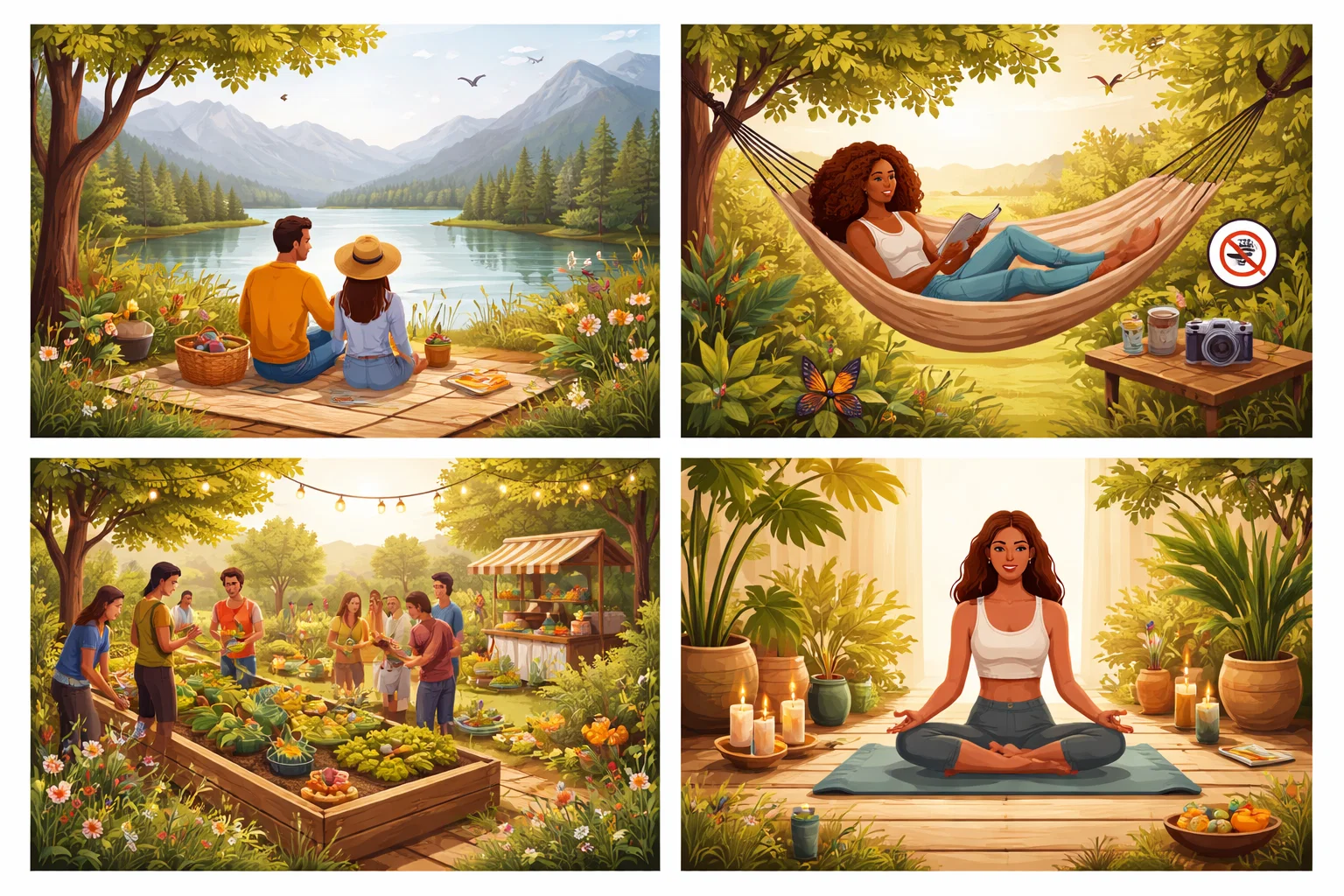
One of the primary drivers behind the rise of slow living is the growing recognition of burnout as a serious issue. As individuals increasingly prioritize mental health and self-care, they are actively seeking ways to reduce stress and overwork.
Embracing slow living is seen as a powerful antidote to the pressures of a fast-paced life, allowing for greater mindfulness and presence.
Digital Overload and the Rise of Mindful Tech Use
In today’s hyper-connected world, digital overload is a significant contributor to stress and anxiety. Slow Living 2.0 encourages mindful tech use, promoting intentional boundaries and digital minimalism. By consciously limiting screen time and prioritizing real-world interactions, individuals can reclaim their attention and energy, fostering a greater sense of calm and focus.
Changing Values: Experiences, Wellness, and Sustainability
A fundamental shift in values is also driving the adoption of slow living. Increasingly, people are prioritizing experiences, wellness, and sustainability over material possessions and career advancement.
This reflects a desire for a more meaningful and fulfilling life, one that is aligned with personal values and contributes to the well-being of both individuals and the planet. This leads to redefining success away from the hustle culture mindset.
Integration With Longevity and Wellness Trends
Slow Living 2.0 seamlessly integrates with broader longevity and wellness trends. As people seek to live longer, healthier lives, they are recognizing the importance of stress management, mindful nutrition, and regular physical activity. Slow living provides a framework for incorporating these practices into daily life, fostering a holistic approach to well-being that supports both physical and mental health.
Core Principles of Slow Living 2.0

Mindfulness and Presence in Daily Life
At the heart of slow living lies mindfulness, a state of active, open attention to the present moment. Cultivating mindfulness means being fully present in whatever you are doing, whether it’s working, eating, or spending time with loved ones. This practice is an antidote to the distractions of a fast-paced life, allowing you to savor experiences and reduce stress.
Intentional Time Management Over Busywork
Slow living isn’t about being unproductive, but about prioritizing tasks that align with your values and goals. It means consciously choosing to focus on what truly matters, rather than getting caught up in the trap of busyness. This involves saying no to commitments that drain your energy and intentionally scheduling time for rest, reflection, and self-care.
Quality Over Quantity: People, Experiences, and Possessions
A key tenet of slow living is prioritizing quality over quantity in all areas of life. This means investing in fewer, higher-quality possessions, cultivating deeper relationships, and seeking out meaningful experiences. Rather than accumulating more stuff, the focus shifts to creating a rich and fulfilling life centered around what truly brings joy and satisfaction.
Sustainable and Conscious Consumption
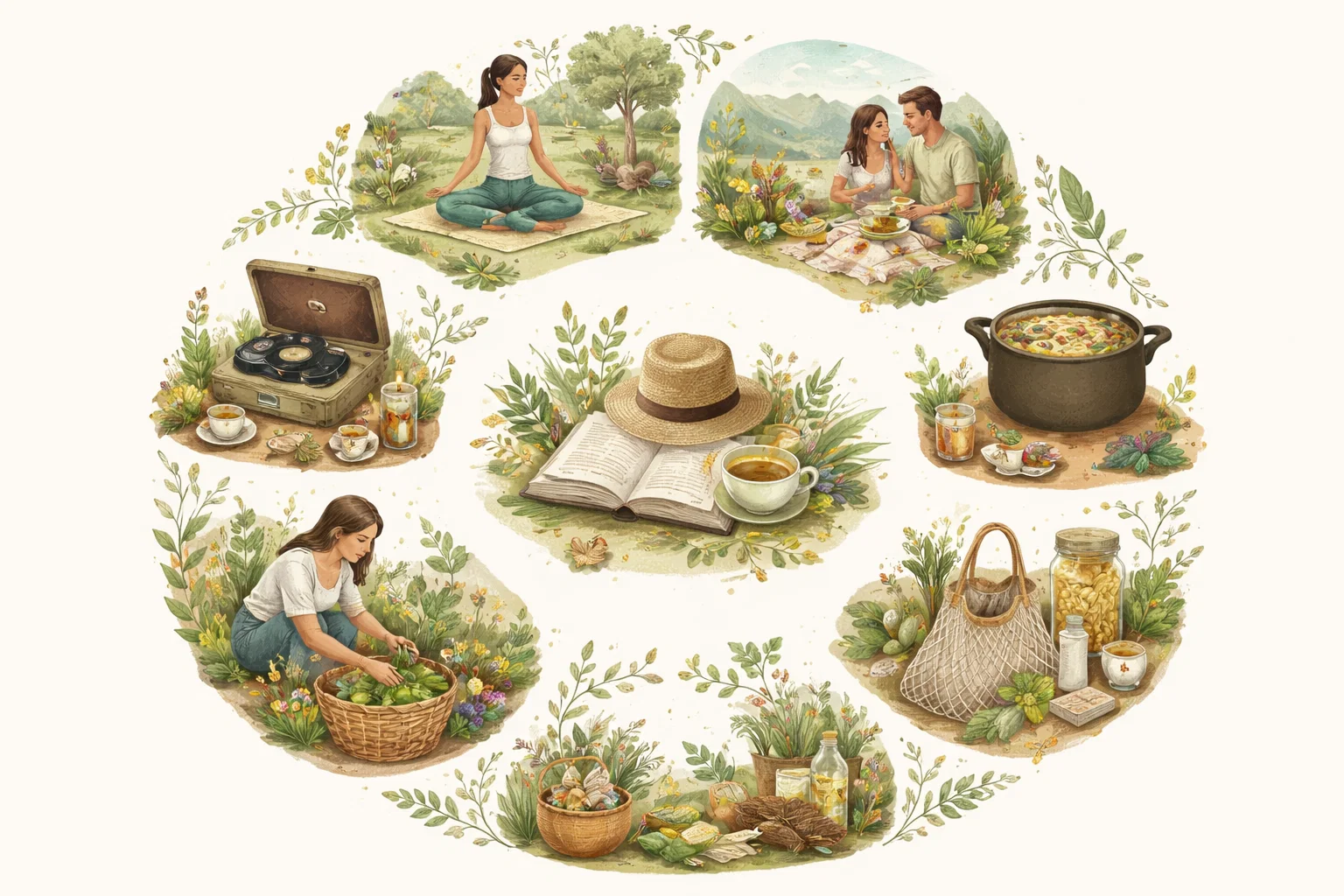
Slow living extends beyond personal well-being to encompass environmental responsibility. It encourages conscious consumption, which means being mindful of the impact your purchasing decisions have on the planet. By choosing sustainable products, supporting local businesses, and reducing waste, you can align your lifestyle with your values and contribute to a more sustainable future. Embracing slow living means making responsible decisions.
Digital Minimalism and Healthy Tech Boundaries
In today’s digital age, it’s easy to get caught up in constant connectivity. Slow living promotes digital minimalism and healthy tech boundaries, encouraging you to disconnect from screens and reconnect with the present moment. This involves setting limits on screen time, being mindful of social media consumption, and prioritizing real-world interactions over virtual ones, reducing stress.
Community, Connection, and Human-Centered Living
Slow living emphasizes the importance of community, connection, and human-centered living. It encourages you to cultivate meaningful relationships, support local businesses, and participate in community events. By fostering a sense of belonging and connection, you can create a more fulfilling and supportive social environment, while reducing the negative aspects of the hustle culture mindset.
Practical Slow Living 2.0 Practices

Morning and Evening Routines Focused on Mindfulness
Start and end your day with intention by establishing mindful morning and evening routines. This might involve practices such as meditation, journaling, or gentle stretching to set a calm and focused tone for the day. In the evening, disconnect from screens and engage in relaxing activities to prepare for a restful night’s sleep, helping to reduce stress. Taking time for slow living practices contributes positively.
Work-Life Balance: Focused Sprints, Breaks, and Boundaries
Achieve a healthy work-life balance by incorporating focused sprints, regular breaks, and clear boundaries into your workday. Work in short, concentrated bursts, followed by short breaks to rest and recharge. Set boundaries between work and personal life by establishing specific work hours and avoiding checking emails or taking calls outside of those hours, avoiding the hustle culture mindset.
Mindful Eating, Cooking, and Nutrition Choices
Practice mindful eating by paying attention to the flavors, textures, and aromas of your food. Slow down and savor each bite, avoiding distractions such as screens or work. Choose whole, unprocessed foods and prepare meals from scratch whenever possible. Make conscious nutrition choices that support your overall health and well-being when embracing slow living.
Nature and Outdoor Activities for Mental Reset
Spending time in nature is a powerful way to reset your mind and reduce stress. Make a conscious effort to incorporate outdoor activities into your daily or weekly routine, such as hiking, gardening, or simply taking a walk in the park. The natural world provides a calming and restorative environment that can help you reconnect with yourself and the present moment.
Intentional Hobbies and Creative Outlets
Engage in hobbies and creative outlets that bring you joy and allow you to express yourself. Whether it’s painting, playing music, writing, or crafting, dedicate time to activities that stimulate your mind and nourish your soul. These activities provide a welcome break from the pressures of work and daily life, fostering creativity and reducing stress.
Benefits of Adopting Slow Living 2.0
Reduced Stress and Burnout
One of the most significant benefits of adopting slow living is the reduction of stress and burnout. The hustle culture glorifies overwork and constant productivity, which can lead to exhaustion and a decline in mental and physical health. By embracing a slower pace and prioritizing self-care, individuals can effectively manage stress and prevent burnout, leading to a more sustainable and fulfilling way of living.
Enhanced Mental Clarity and Creativity
Mindfulness, a core principle of slow living, promotes enhanced mental clarity and creativity. By being present in the moment and reducing distractions, you can free up mental space for innovative thinking and problem-solving. The concept of slow living provides an antidote to the mental clutter that often accompanies a fast-paced life, allowing your mind to focus and generate new ideas.

Improved Physical Health Through Mindful Lifestyle Choices
Slow living encourages mindful lifestyle choices that contribute to improved physical health. This includes practices such as mindful eating, regular exercise, and prioritizing sleep. By making conscious decisions about your nutrition and activity levels, you can support your overall well-being and reduce your risk of chronic diseases. Embracing slow living means taking care of your body as well as your mind.
Stronger Relationships and Social Connection
The slow life emphasizes the importance of quality time spent with loved ones. By slowing down and being more present in your interactions, you can cultivate deeper, more meaningful relationships. Taking time to connect with family and friends reduces feelings of isolation and promotes a sense of belonging. Prioritize people over productivity to enhance your social connections.
Overall Life Satisfaction and Happiness
Ultimately, the goal of slow living is to increase overall life satisfaction and happiness. By aligning your actions with your values and prioritizing experiences over material possessions, you can create a life that is more fulfilling and meaningful. Embracing slow living can lead to a greater sense of contentment and well-being, as you shift away from the pressures of the “hustle culture”.
Challenges of Slow Living 2.0

Conflicts With High-Demand Jobs or Hustle Environments
One of the main challenges of slow living is navigating conflicts with high-demand jobs or hustle environments. In workplaces that equate long hours with productivity, it can be difficult to prioritize work-life balance and maintain healthy boundaries. It requires courage to push back against these expectations and advocate for a more sustainable approach to work, despite the deadline pressure.
Social Pressure and the “Busy = Important” Mindset
There can be social pressure to conform to the “busy = important” mindset. In a culture that glorifies overwork, choosing to slow down and prioritize self-care can be seen as lazy or unproductive. It’s important to remember that your worth is not defined by your busyness, and to prioritize your well-being over external expectations while battling the hustle culture mindset.
Lifestyle Restructuring: Discipline and Consistency Required
Transitioning to slow living requires lifestyle restructuring, which demands discipline and consistency. It takes time and effort to break old habits and establish new routines that support a slower, more mindful way of living. Be patient with yourself and celebrate small victories along the way, as you gradually create a life that aligns with your values, despite the fast-paced life we are used to.
How to Transition From Hustle Culture to Slow Living 2.0
Assessing Priorities and Setting Boundaries
Transitioning from the hustle culture mindset to slow living requires a thorough assessment of your priorities. Identify what truly matters to you in various areas of life, such as relationships, health, and personal growth.
Setting clear boundaries is crucial to protect your time and energy. Learn to say no to commitments that don’t align with your values and prioritize self-care and activities that bring you joy. Slow living means knowing what you want from life.
Gradual Implementation of Mindful Habits
Implementing mindful habits gradually is key to a successful transition to slow living. Start with small changes, such as incorporating a few minutes of meditation into your daily routine or practicing mindful eating during one meal a day.
Over time, these small habits will accumulate, creating a more significant shift towards a slower, more intentional way of living. Remember, slow living is a journey, not a destination.
Leveraging Technology to Support a Balanced Lifestyle
While slow living emphasizes disconnecting from technology, it also recognizes its potential to support a balanced lifestyle. Use technology mindfully to streamline tasks, connect with loved ones, and access resources that enhance your well-being.
Employ apps for meditation, time management, or fitness tracking, ensuring technology serves as a tool for enhancing your life, not consuming it. The concept of slow living benefits from the right technology.
Community and Support: Finding Like-Minded People
Surrounding yourself with a supportive community is essential when embracing slow living. Connect with like-minded individuals who share your values and can provide encouragement and inspiration.
Join local groups, attend workshops, or participate in online forums to find a sense of belonging and reinforce your commitment to a slower, more intentional way of living and leave the fast-paced life behind. Taking time to find your community is worth the effort.
The Future of Work and Life With Slow Living 2.0
Predicting Trends for 2026 and Beyond
Looking ahead to 2026 and beyond, slow living is poised to become increasingly mainstream. As more people experience the benefits of a balanced lifestyle, the demand for flexible work arrangements, mindful technologies, and sustainable products will continue to grow.
We can expect to see a further blurring of the lines between work and personal life, with greater emphasis on well-being, and a shift away from the hustle culture.
How Slow Living 2.0 Will Influence Corporate Culture
The principles of slow living will gradually influence corporate culture, as businesses recognize the importance of employee well-being for long-term success.
Companies may start offering more flexible work arrangements, such as remote work options, shorter workweeks, and generous vacation policies. There will also be a greater emphasis on creating a supportive and inclusive work environment that values creativity, collaboration, and mindfulness.
Redefining Productivity and Success in the Post-Hustle Era
In the post-hustle era, productivity and success will be redefined to prioritize quality over quantity. Instead of equating long hours with achievement, there will be a greater emphasis on efficiency, creativity, and impact.
Success will be measured not only by financial metrics but also by factors such as employee well-being, social responsibility, and environmental sustainability. Redefining success will mean a happier, healthier, more productive workplace.
Conclusion: Embracing Slow Living 2.0 in 2026
As we approach 2026, embracing slow living represents a fundamental shift towards a more balanced, fulfilling, and sustainable way of living. By prioritizing mindfulness, connection, and purpose, we can create a life that is both meaningful and enjoyable. Let us collectively move away from the hustle culture mindset and towards a future where well-being and sustainability are at the forefront of our decisions and actions. Embrace slow living and unlock your full potential!