
In today’s fast-paced world, where productivity is often prized above all else, sleep has become the ultimate luxury.
Once considered a basic necessity, sleep is now seen as a premium commodity, something to be carefully cultivated and protected amidst the demands of modern life.
The Modern Sleep Crisis: Why Quality Rest Is Harder Than Ever

How Technology and Screen Time Disrupt Sleep
Here’s how technology impacts our sleep: the blue light emitted from devices has several negative effects, including:
- Interfering with our circadian rhythm.
- Suppressing melatonin production.
These effects make it harder to fall asleep, ultimately leading to sleep deprivation.
Work-Life Blur: Long Hours, Remote Work, and Irregular Schedules
The traditional boundaries between work and life have become increasingly blurred. Several factors contribute to this blurring, including:
- The rise of remote work
- The expectation of constant availability
These factors often lead to individuals working longer hours and adhering to irregular schedules, which in turn disrupts sleep patterns and contributes to poor sleep.
Stress and Anxiety as Sleep Thieves
Stress and anxiety play a major role in today’s sleep problems. These issues often manifest due to:
- The persistent pressure to achieve goals.
- The unpredictable nature of contemporary living.
These factors can trigger a restless mind and make it hard to relax before bed, ultimately affecting how well you sleep.
Urban Lifestyle Challenges: Noise, Light, and Environmental Factors
Living in urban environments presents unique challenges to achieving restorative sleep. Noise pollution, artificial light, and other environmental factors can disrupt our circadian rhythm and make it difficult to create a conducive sleep environment for high-quality sleep.
The True Value of Sleep: Beyond Rest

Physical Health: Immune Support, Heart Health, and Cellular Repair
Sleep is not merely a period of inactivity; it is a vital process for physical health. During sleep, the body repairs cells, strengthens the immune system, and supports cardiovascular function. Sleep deprivation can compromise these essential processes.
Mental Clarity: Memory, Focus, and Creativity Benefits
Quality sleep is crucial for cognitive function and mental clarity. It enhances memory consolidation, improves focus and concentration, and fosters creativity. A well-rested mind is better equipped to tackle challenges and generate innovative ideas.
Emotional Wellbeing: Mood Regulation and Stress Reduction
Adequate sleep plays a significant role in emotional resilience and mood regulation. Sleep deprivation can lead to irritability, increased stress levels, and a higher risk of mood disorders, highlighting the importance of prioritizing sleep for emotional wellbeing.
Longevity: How Sleep Impacts Aging and Disease Prevention
Research suggests that sleep has a profound impact on longevity and disease prevention. Consistent, high-quality sleep is associated with a reduced risk of chronic diseases, such as diabetes and heart disease, and may even slow down the aging process.
Why Sleep Feels Like a Luxury in Modern Society

Scarcity and the “Always-On” Culture
In our globally connected society, the “always-on” culture has made sleep feel like a distant dream. The pressure to be constantly available and productive means that sleep is often sacrificed, leading to sleep deprivation. People begin to prioritize work and social commitments over restorative sleep, impacting overall wellness and sleep quality. The perception that sleep is no longer essential but a luxury has emerged.
Social Media and Entertainment Keeping Us Awake
Social media and entertainment platforms are designed to keep us engaged, often at the expense of sleep. The blue light emitted from screens interferes with our circadian rhythm, making it harder to fall asleep. Binge-watching shows and endlessly scrolling through feeds keep us awake, leading to poor sleep and further normalizing the idea that sleep is a luxury to be sacrificed for entertainment.
Prioritization of Productivity Over Rest
The modern emphasis on productivity has led many to view sleep as an optional activity rather than a fundamental necessity. This prioritization of work over rest contributes to sleep deprivation and a decline in overall wellness. Shifting this mindset to recognize sleep is the new luxury and incorporating a sleep routine is essential to maintain a healthy circadian rhythm and improve sleep quality.
The Hidden Costs of Sleep Deprivation

Cognitive Impairment and Reduced Productivity
Sleep deprivation can significantly impair cognitive function, leading to reduced productivity and mental clarity. Lack of quality sleep affects memory consolidation, attention span, and decision-making abilities. Attempting to prioritize work without adequate rest can backfire, as cognitive impairment diminishes the ability to focus and perform effectively. The effects of deprivation are detrimental for your health.
Weight Gain, Metabolic Disruption, and Hormonal Imbalance
Chronic sleep deprivation can disrupt the body’s metabolic processes and hormonal balance, contributing to weight gain and related health issues. Insufficient sleep affects the hormones that regulate appetite, leading to increased cravings and overeating. Establishing a consistent sleep routine can help regulate these processes and promote overall wellness for a better sleep.
Emotional Instability and Mental Health Risks
Poor sleep is closely linked to emotional instability and an increased risk of mental health disorders. Sleep deprivation can exacerbate feelings of stress, anxiety, and depression, making it difficult to regulate emotions effectively. Prioritizing sleep and incorporating relaxation techniques into a sleep routine is crucial for emotional resilience and mental wellbeing, which can elevate your mood and reduce related risks.
Increased Risk of Chronic Diseases
Consistent sleep deprivation can elevate the risk of developing various chronic diseases, including cardiovascular disease, diabetes, and certain types of cancer. Lack of sleep disrupts essential bodily functions and weakens the immune system, making individuals more vulnerable to illness. To mitigate these risks and prioritize their health, prioritizing restorative sleep becomes essential.
Science-Backed Strategies to Reclaim Sleep
Digital Detox: Minimizing Blue Light Exposure Before Bed
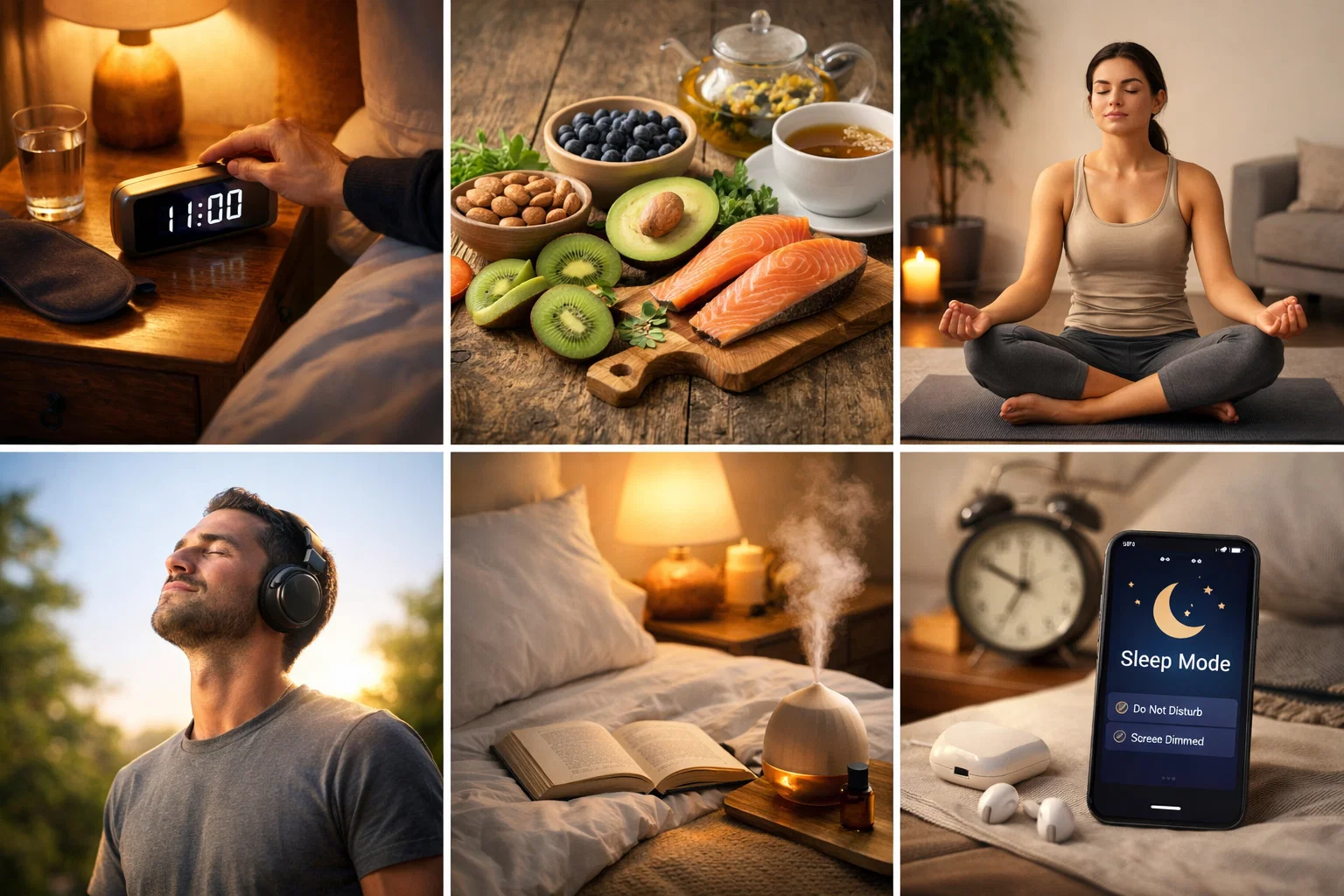
To sleep better and combat sleep deprivation, start with a digital detox by minimizing blue light exposure before bed. Turn off electronic devices at least an hour before bedtime to allow your circadian rhythm to naturally prepare for restorative sleep. This simple change can improve sleep quality and support the natural production of melatonin.
Consistent Sleep Routine: The Power of Routine
Establishing a consistent sleep routine is a powerful strategy for improving sleep quality. Go to bed and wake up at the same time every day, even on weekends, to regulate your circadian rhythm. This routine helps your body anticipate sleep, making it easier to fall asleep and wake up feeling well-rested.
Optimizing Sleep Environment: Darkness, Coolness, and Silence
Creating an optimal sleep environment is crucial for quality sleep. Ensure your bedroom is dark, quiet, and cool. Use blackout curtains to block out external light, and consider using earplugs or a white noise machine to minimize noise. A cooler room temperature can also promote better sleep and enhance the sleep experience.
Relaxation Techniques: Meditation, Journaling, and Breathing Exercises
Incorporate relaxation techniques into your evening routine to ease your mind and body before bed. Practices like meditation, journaling, and deep breathing exercises can reduce stress levels and promote a sense of calm. These techniques help to quiet racing thoughts and prepare you for high-quality sleep, contributing to overall wellness.
Limiting Stimulants and Evening Habits That Disrupt Sleep
Limiting stimulants and avoiding disruptive evening habits can significantly improve your sleep quality. Reduce your consumption of caffeine and alcohol, especially in the evening, as they can interfere with your ability to fall asleep and stay asleep. Avoid heavy meals close to bedtime and establish a relaxing evening routine to signal your body that it’s time to sleep.
Making Sleep a Lifestyle Prioritize

Shifting Mindset: From Optional to Non-Negotiable
Shifting your mindset to view sleep as non-negotiable is crucial for prioritizing wellness. Instead of seeing sleep as a luxury or an optional activity, recognize it as a fundamental necessity for physical and mental clarity. Embrace the idea that sleep is the new luxury and make it a central part of your self-care routine.
Incorporating Sleep Routines into Daily Life
Integrating sleep routines into your daily life can transform your sleep experience. Establish consistent bedtime and wake-up times, create a relaxing pre-sleep ritual, and optimize your sleep environment. By making sleep a structured and intentional part of your day, you can elevate your overall sleep quality and wellness.
Aligning Work, Social Life, and Rest for Sustainable Wellness
Achieving sustainable wellness requires aligning your work, social life, and rest. Strive for a harmonious balance that allows you to pursue your goals without sacrificing your sleep. Setting boundaries, managing your time effectively, and prioritizing restorative sleep can prevent burnout and promote long-term health and well-being. Remember, sleep is the ultimate form of self-care.
Conclusion: Sleep as the Ultimate Luxury and Essential Resource
In conclusion, sleep has become the ultimate luxury in modern life, more valuable than ever amidst the constant demands and pressures of the globally connected world. Recognizing the true value of high-quality sleep, understanding the hidden costs of sleep deprivation, and implementing science-backed strategies to sleep better are essential steps toward reclaiming this precious resource. By shifting our mindset to prioritize rest, we can unlock the profound benefits of sleep for our physical, mental, and emotional wellbeing, ensuring a healthier and more fulfilling life. Sleep is the new luxury and an essential investment in our overall health and wellness.