


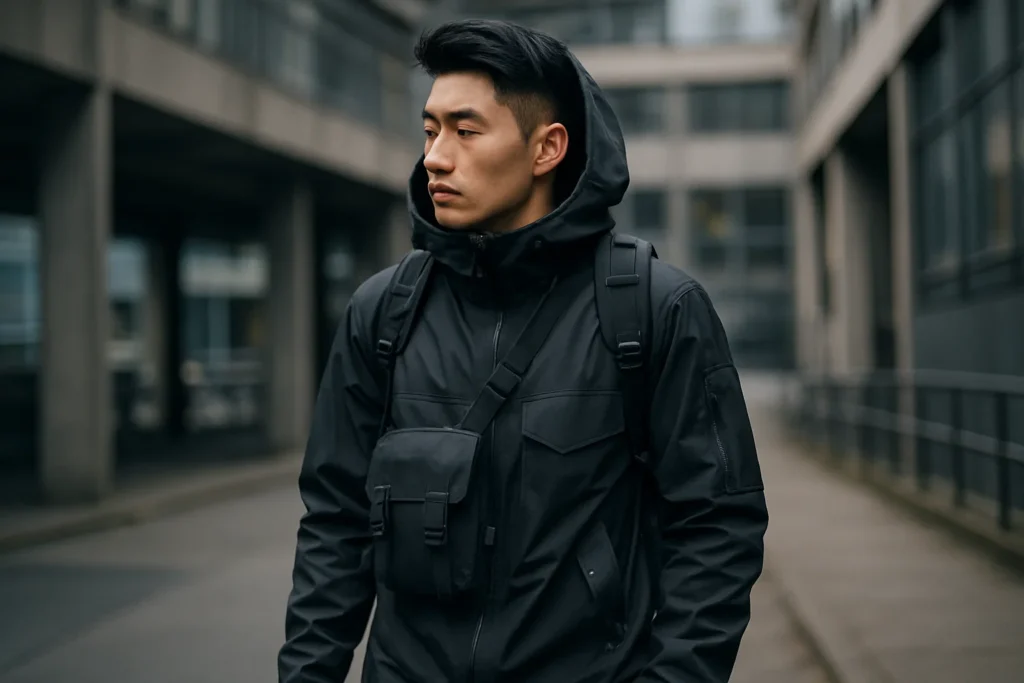
Fashion has always been a reflection of society’s evolution, and in recent years, the rise of urban lifestyles, technological integration, and functionality-driven design has given birth to a new frontier: techwear. Combining performance, innovation, and style, techwear has emerged as more than just a fashion trend—it’s a lifestyle choice for the modern, connected urbanite.
Defining techwear: fashion meets function
At its core, techwear is about marrying fashion with utility. Unlike traditional streetwear or high-fashion garments, techwear emphasizes garments that not only look good but also perform under demanding conditions.
Think waterproof jackets, breathable yet insulating layers, and outfits that adapt to weather, temperature, and physical activity—all while maintaining a sleek, futuristic aesthetic.

Why techwear is gaining popularity in urban fashion
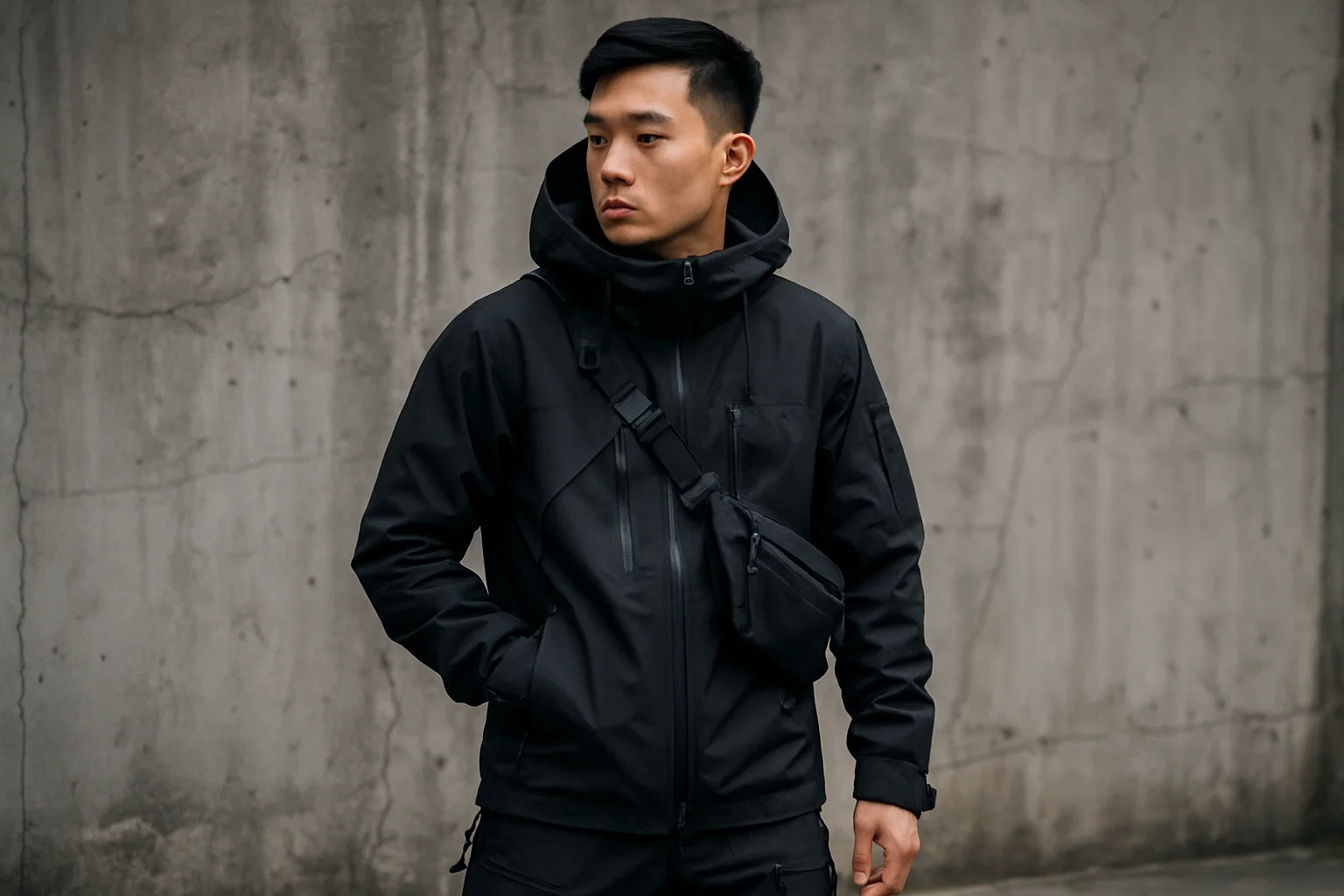
Urban living demands adaptability. Commuters, cyclists, and city dwellers require clothing that keeps pace with their fast-moving lifestyles.
Techwear fits seamlessly into this ecosystem, offering garments that are lightweight, weather-resistant, and multi-functional. Its futuristic look also resonates with young consumers, particularly those influenced by cyberpunk aesthetics, streetwear, and digital culture.
Role of smart fabrics and modular design in modern wardrobes
Techwear isn’t just about the look; it’s about innovation. Smart fabrics allow for temperature regulation, moisture control, and even adaptive insulation.
Modular design principles—detachable layers, adjustable straps, and versatile pockets—ensure that a single outfit can serve multiple functions. This adaptability makes techwear an essential investment for urban living in 2026 and beyond.
Core Features of Techwear
Understanding techwear requires a deep dive into its technical and aesthetic foundations. The appeal lies in its meticulous balance between utility, comfort, and style.
Technical fabrics: waterproof, windproof, breathable, and stretchable
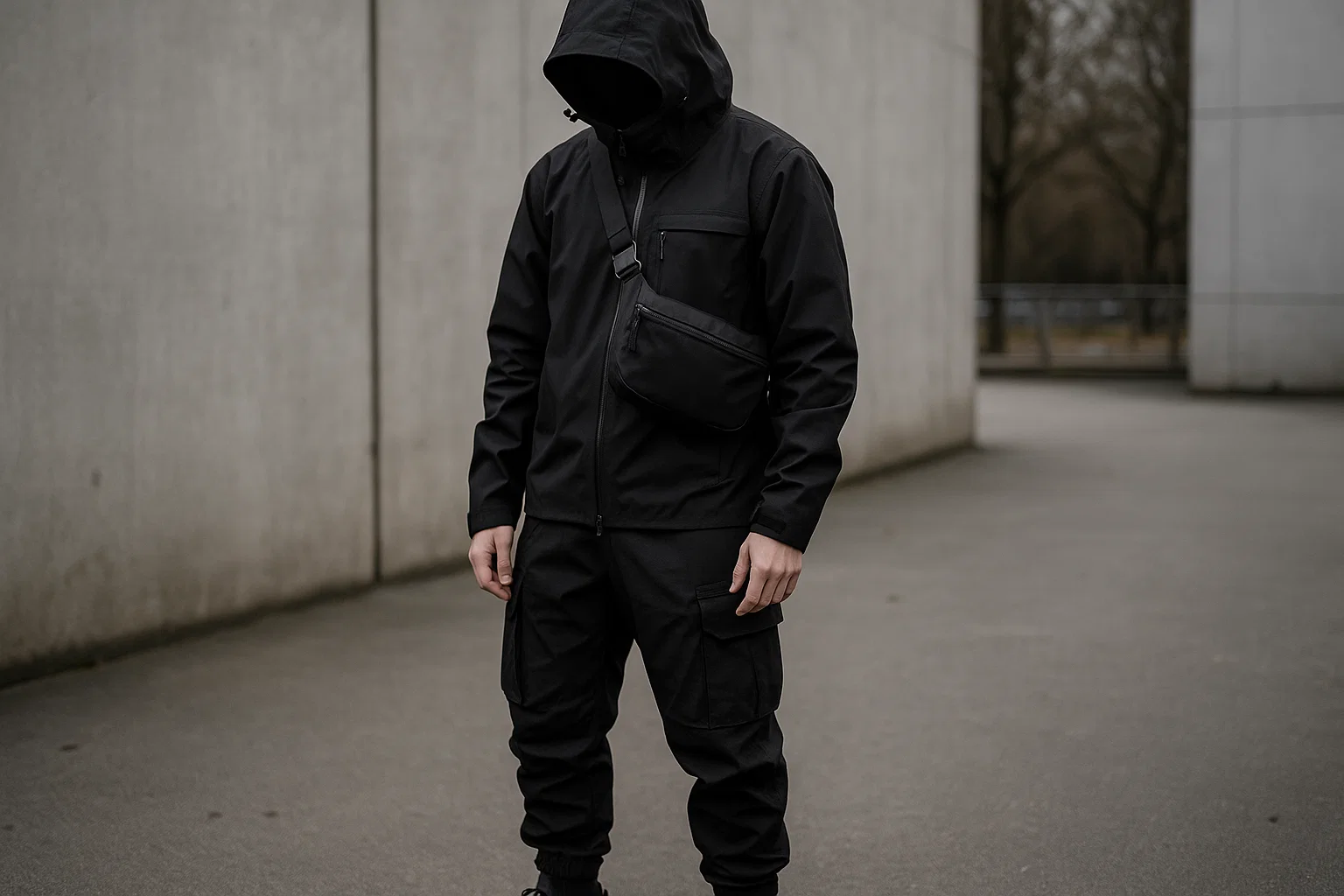
Techwear relies heavily on high-performance fabrics. Waterproof membranes, breathable synthetics, and windproof coatings ensure comfort in all weather conditions.
Stretchable textiles allow for unrestricted movement, essential for commuting, outdoor activities, or even dynamic urban life. These fabrics not only serve practical purposes but also define the futuristic, sleek appearance that sets techwear apart.
Utility-driven design: pockets, modular layers, zippers, and straps
Functionality is woven into every seam. Multiple pockets, adjustable straps, modular layers, and strategic zippers provide convenience and versatility. A jacket might double as a backpack, while pants could accommodate hidden compartments for gadgets. These features reflect the practical, survivalist roots of techwear, now reimagined for city life.
Minimalist aesthetics and futuristic color palettes
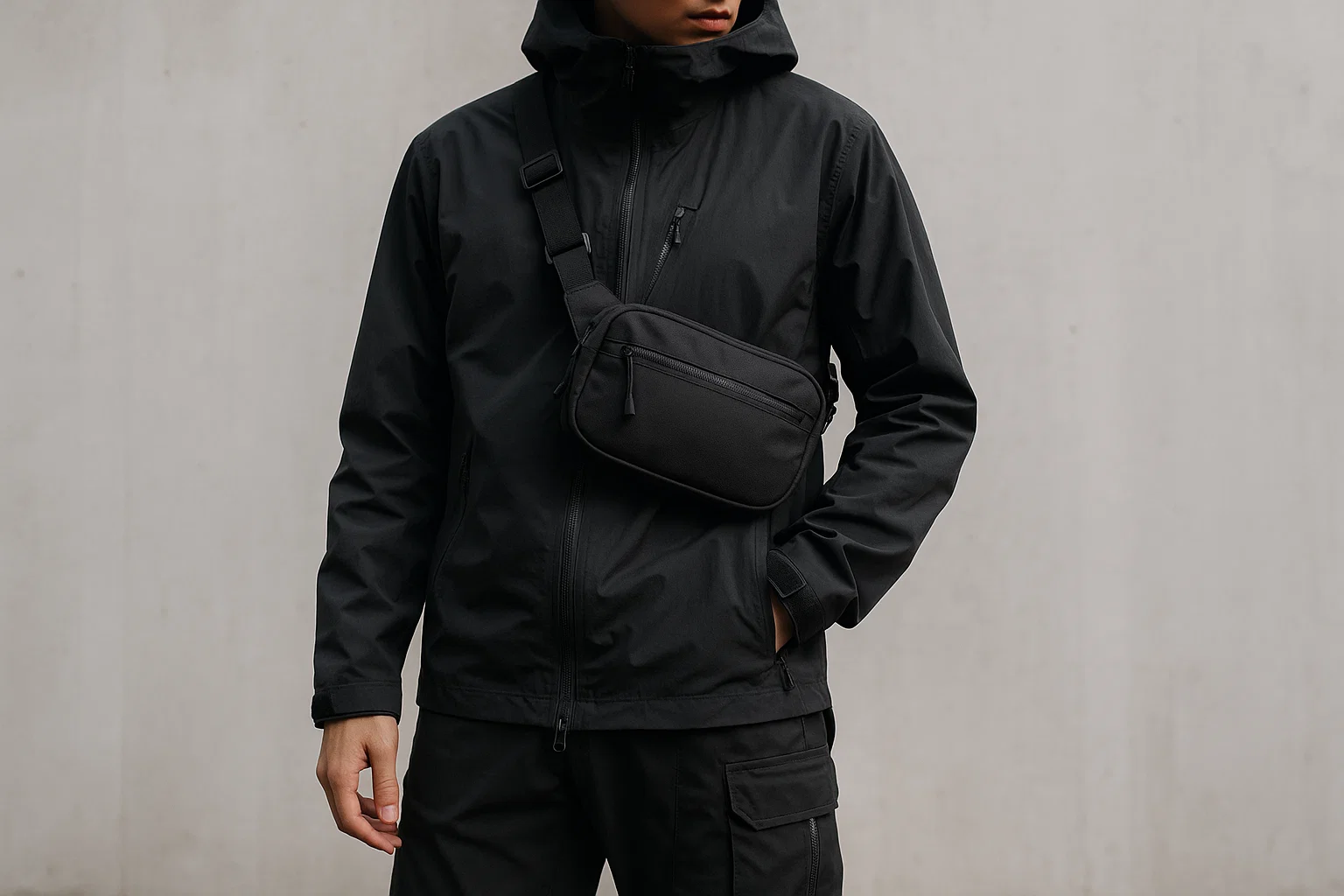
Visually, techwear is defined by minimalism. Monochrome palettes, muted tones, and subtle contrasts dominate collections. This minimalist approach underscores the futuristic and practical ethos of techwear, allowing form and function to merge seamlessly.
Smart textiles: temperature regulation, sensors, and adaptive materials
The cutting edge of techwear lies in smart textiles. Some garments now feature built-in heating elements, sweat sensors, or adaptive fabrics that react to temperature and humidity. These innovations transform clothing into dynamic tools, blurring the lines between fashion and wearable technology.
The Evolution of Techwear: From Tactical to Trend
Techwear’s rise is rooted in a rich history of tactical, military, and outdoor apparel. Its transition from functional gear to urban style reflects a broader shift in fashion sensibilities.
Origins in military, outdoor, and tactical gear
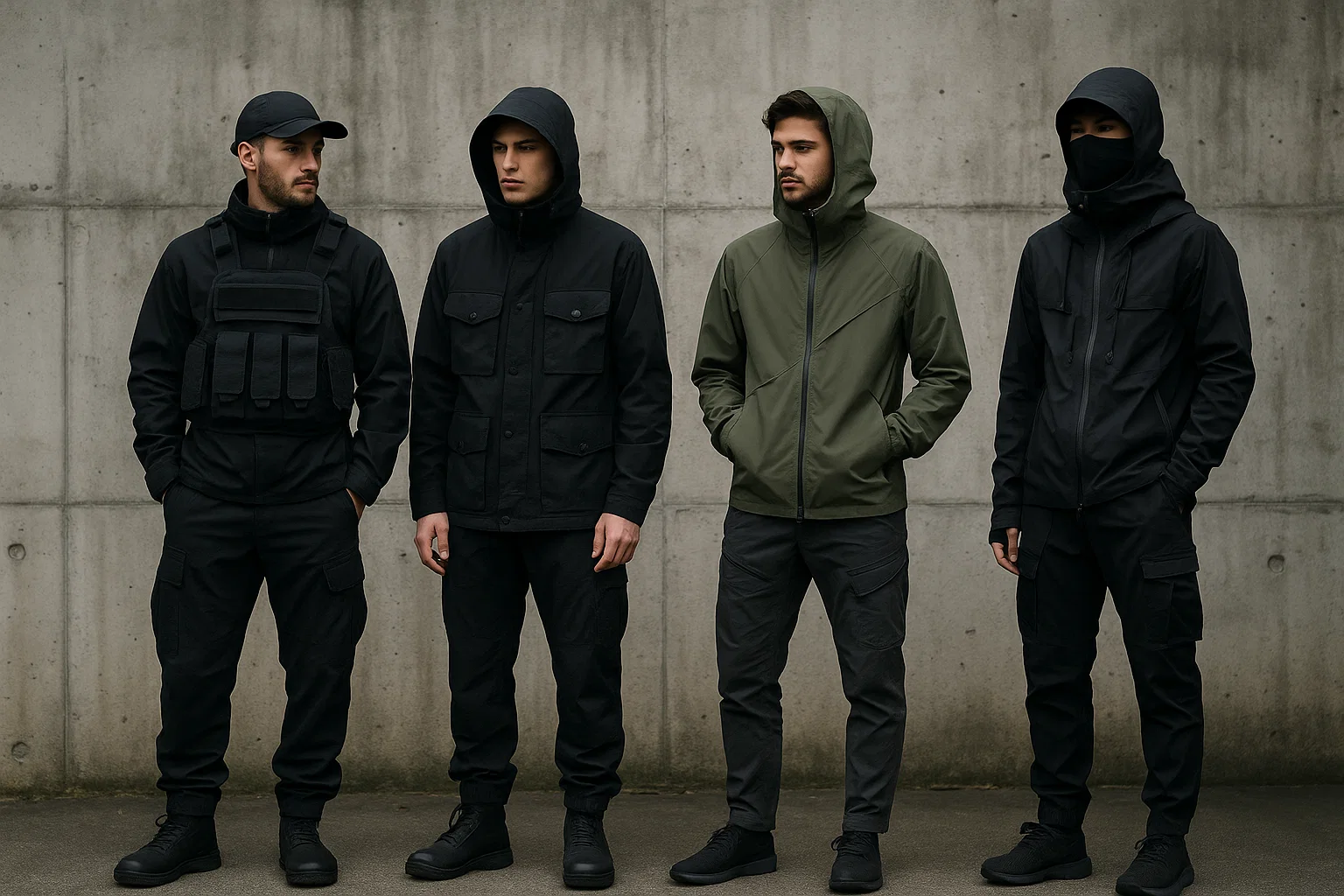
Techwear draws inspiration from military and tactical clothing designed for extreme environments. Features like modular layers, cargo pockets, reinforced seams, and durable materials were initially intended for soldiers, explorers, and outdoor enthusiasts.
Integration into streetwear and high-fashion collections
The 2010s saw techwear infiltrate streetwear culture. Brands like Acronym and Guerrilla-Group pioneered the urbanization of tactical aesthetics, while luxury houses began experimenting with high-performance fabrics and futuristic silhouettes. Today, techwear sits comfortably at the intersection of streetwear, sportswear, and high fashion.
Influence of urban lifestyle and “cyberpunk” culture
Techwear owes much of its popularity to cyberpunk and sci-fi influences. The blend of futuristic minimalism, neon accents, and dystopian aesthetics resonates with consumers who see clothing as a medium for self-expression in the digital age. Its edgy, utilitarian look appeals to those who value both style and function.
Why Techwear Appeals to Modern Consumers
Techwear’s rise is not accidental. It taps into fundamental consumer needs—functionality, identity, and sustainability.
Functionality for urban commuting and daily life
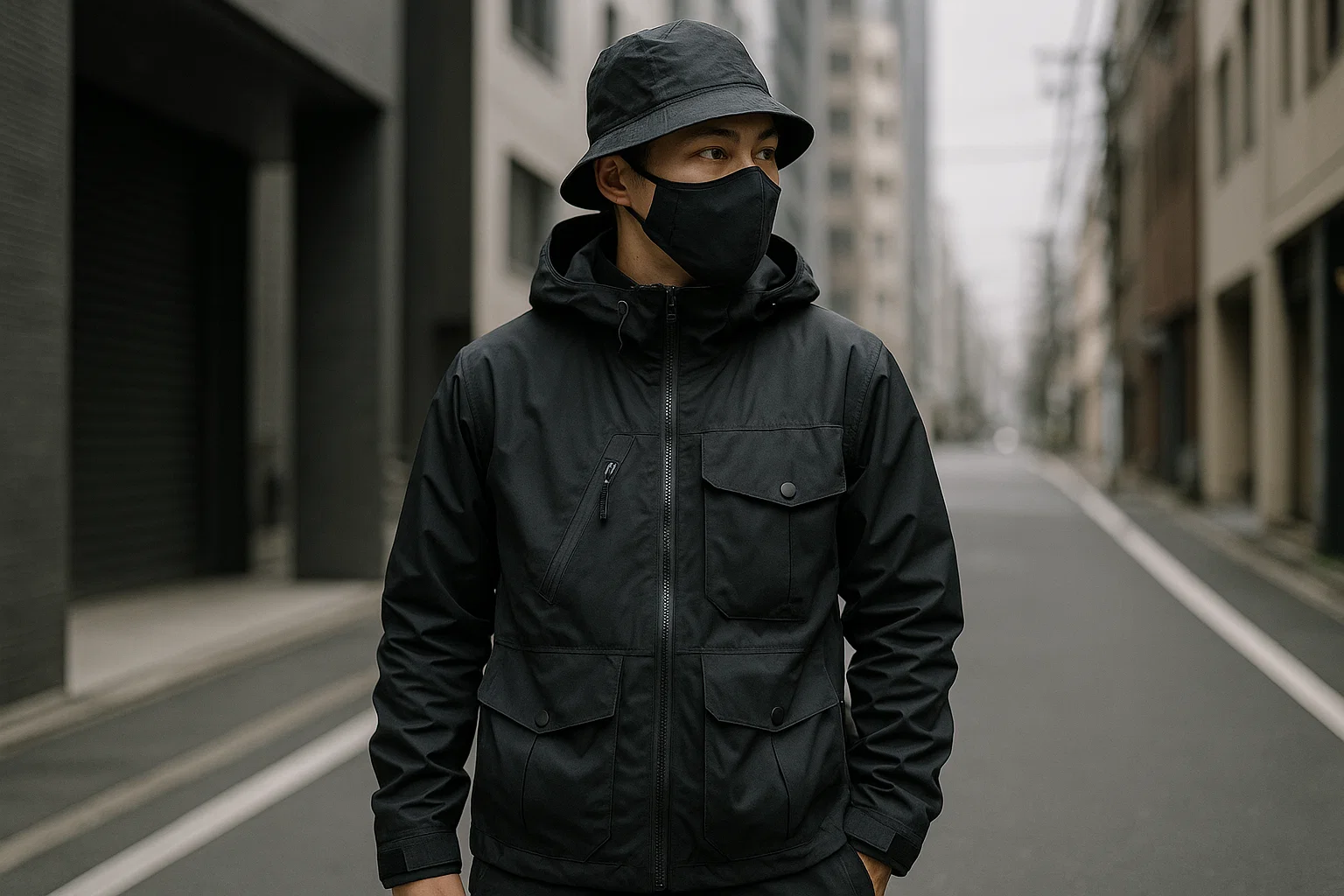
City life requires clothing that adapts to unpredictable weather, long commutes, and variable activities. Techwear delivers. Waterproof jackets, breathable layers, and multi-pocket designs ensure comfort and convenience while maintaining a polished look.
Blend of style, identity, and innovation
For many, techwear represents a lifestyle choice. It signals modernity, sophistication, and a futuristic mindset. The integration of innovation into clothing allows individuals to express their identity while embracing technology as part of their daily wardrobe.
Sustainability: durability and eco-conscious technical fabrics
High-quality techwear garments are built to last, reducing the need for frequent replacements. Many brands are incorporating eco-friendly textiles and sustainable production practices, aligning with the growing demand for conscious consumerism in fashion.
Top Techwear Trends in 2026
As techwear evolves, certain trends define its direction, particularly in urban fashion hubs and high-fashion collections.
Modular layering and convertible clothing
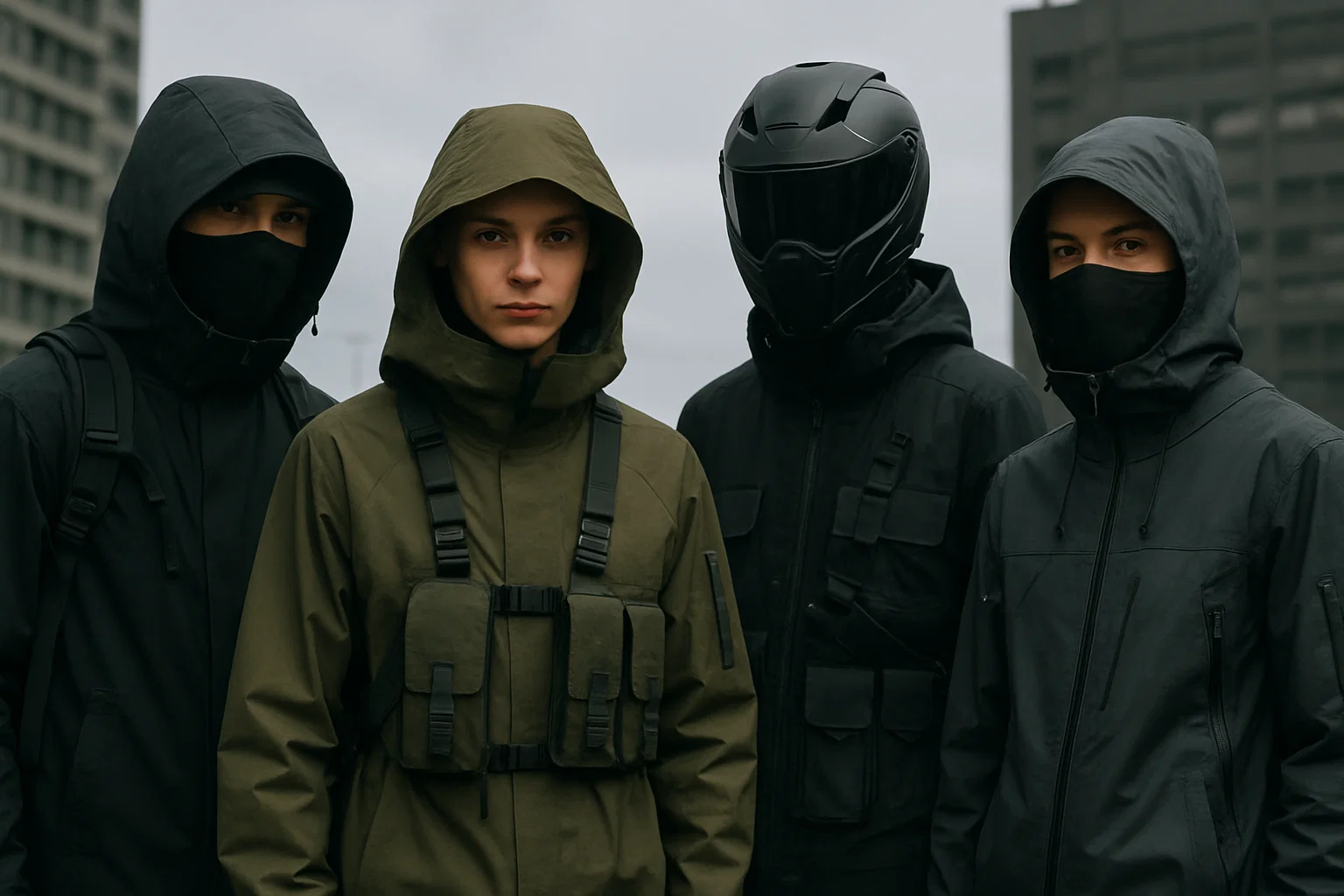
2026 emphasizes adaptability. Jackets with detachable sleeves, pants with removable panels, and convertible backpacks-jackets are redefining functional fashion. This modular approach maximizes utility and encourages minimalist wardrobes.
Smart fabrics integrated with wearable tech
The fusion of techwear and wearable devices is growing. Fabrics embedded with sensors, heated textiles, and fabrics responsive to light or temperature allow garments to interact with the wearer, delivering a highly personalized experience.
Collaboration with streetwear brands and high-fashion labels
Techwear’s integration into mainstream fashion is fueled by collaborations. Streetwear labels team up with high-fashion houses to produce limited-edition pieces, merging performance functionality with aspirational aesthetics.
Monochrome and futuristic aesthetics dominating collections
Designers continue to favor monochrome color schemes—black, grey, and muted tones—enhancing the utilitarian look. Subtle reflective elements, asymmetrical cuts, and futuristic silhouettes define the visual language of 2026 techwear.
️ Leading Techwear Brands and Designers
Techwear’s evolution is shaped by visionary brands and designers who bridge function and fashion.
Acronym, Guerrilla-Group, Nike ACG: innovation leaders
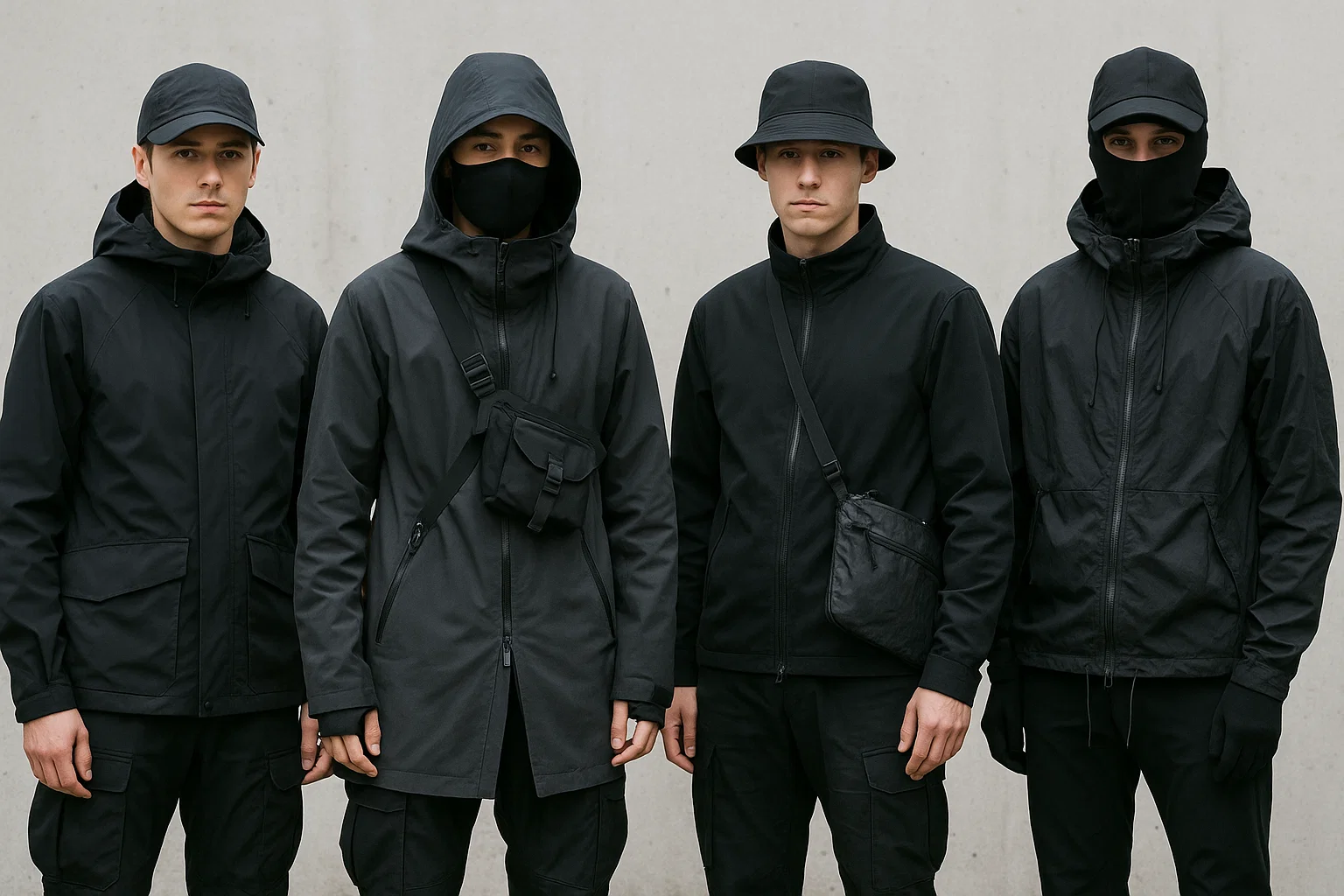
Acronym remains synonymous with urban-techwear, offering modular designs, advanced fabrics, and cyberpunk aesthetics. Guerrilla-Group emphasizes utility and street style, while Nike ACG combines outdoor performance with sleek urban silhouettes.
Emerging brands offering affordable urban techwear
Affordable techwear has become increasingly accessible through emerging brands. These companies focus on core techwear elements like utility pockets, modularity, and performance fabrics, making high-tech fashion attainable for a broader audience.
Collaborations bridging techwear and mainstream fashion
Collaborative projects between techwear specialists and mainstream brands have introduced innovative garments to wider markets. Limited-edition drops, fashion shows, and influencer campaigns have positioned techwear as both a trendsetter and a lifestyle choice.
How to Style Techwear for Every Occasion
Techwear’s versatility allows it to be styled for urban commutes, casual outings, or even semi-formal occasions.
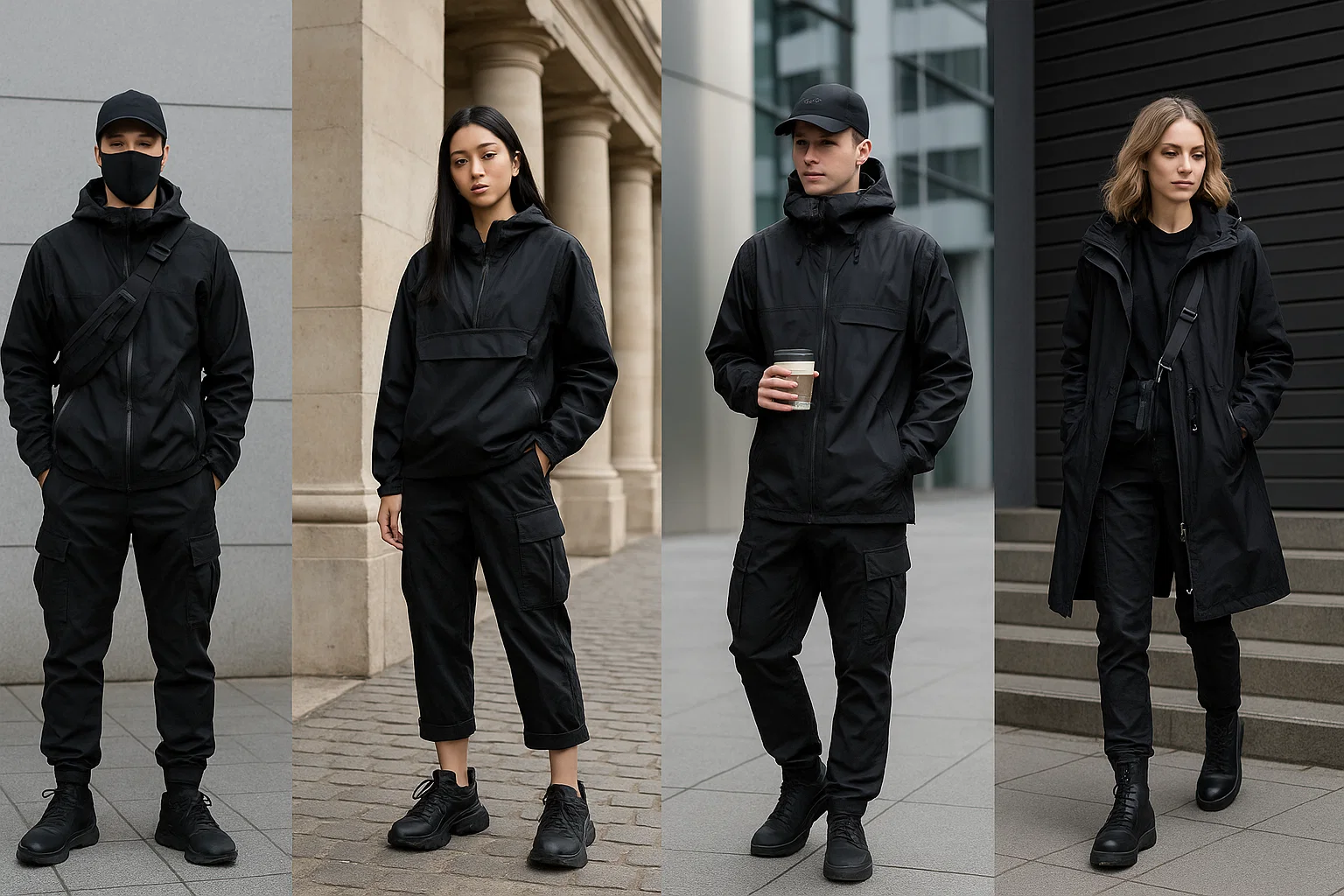
Casual urban outfits with functionality
Pairing a waterproof tech jacket with modular pants and sleek sneakers creates a comfortable, weather-ready urban look. Accessories like crossbody utility bags and reflective details add both style and function.
Layering techniques for weather adaptability
Layering is central to techwear. A base layer for temperature regulation, a mid-layer for insulation, and an outer shell for waterproofing or wind resistance ensures comfort across varying conditions. This modular approach allows customization without sacrificing style.
Mixing techwear with streetwear and minimalistic fashion
Techwear blends well with streetwear staples like hoodies, sneakers, and caps. Minimalist outfits with monochrome palettes and subtle techwear accents deliver a balanced, futuristic look suitable for city streets or casual work environments.
⚠️ Challenges and Considerations
Despite its appeal, techwear presents challenges for both consumers and designers.
Balancing style vs functionality
Some garments prioritize aesthetics over performance, while others focus heavily on technical aspects. Consumers must carefully select pieces that provide both visual appeal and practical utility.
Price barriers due to high-performance materials
Techwear’s advanced fabrics and modular designs often come at a premium. While durable, these garments can be costly, presenting a barrier for entry-level enthusiasts.
Proper care for smart fabrics and technical garments
High-tech textiles require special care to maintain performance. Water-repellent coatings, heat-sensitive materials, and sensor-embedded fabrics may need gentle washing, air-drying, and occasional re-treatment to remain effective.
The Future of Techwear
Techwear continues to evolve, driven by innovation, sustainability, and cultural adoption.
Innovations in smart fabrics and wearable integration
Expect further integration of AI and wearable technology, such as garments that monitor health, adapt to weather conditions, or integrate with smart city systems. These innovations will redefine what clothing can do.
Expansion in mainstream fashion and global markets
Techwear is becoming increasingly mainstream, with brands targeting global urban centers. From Tokyo to New York, London to Shanghai, techwear’s appeal lies in its versatility, making it a staple in international fashion markets.
Sustainability and longevity as core trends
Durable, eco-conscious fabrics and sustainable production practices are central to techwear’s future. Long-lasting garments reduce waste, aligning with consumer demand for ethical and environmentally responsible fashion.
✨ Conclusion: Why Techwear is Here to Stay
Techwear represents the perfect fusion of fashion, function, and innovation. Its rise reflects the modern urban lifestyle, where consumers seek adaptability, sustainability, and self-expression. By combining advanced fabrics, modular designs, and sleek aesthetics, techwear offers a wardrobe solution that is both practical and aspirational.
As cities grow, lifestyles accelerate, and technology integrates into daily life, techwear will continue to evolve, setting the standard for functional fashion in 2026 and beyond. Sleek, smart, and ready for anything, techwear isn’t just a trend—it’s the future of clothing.