


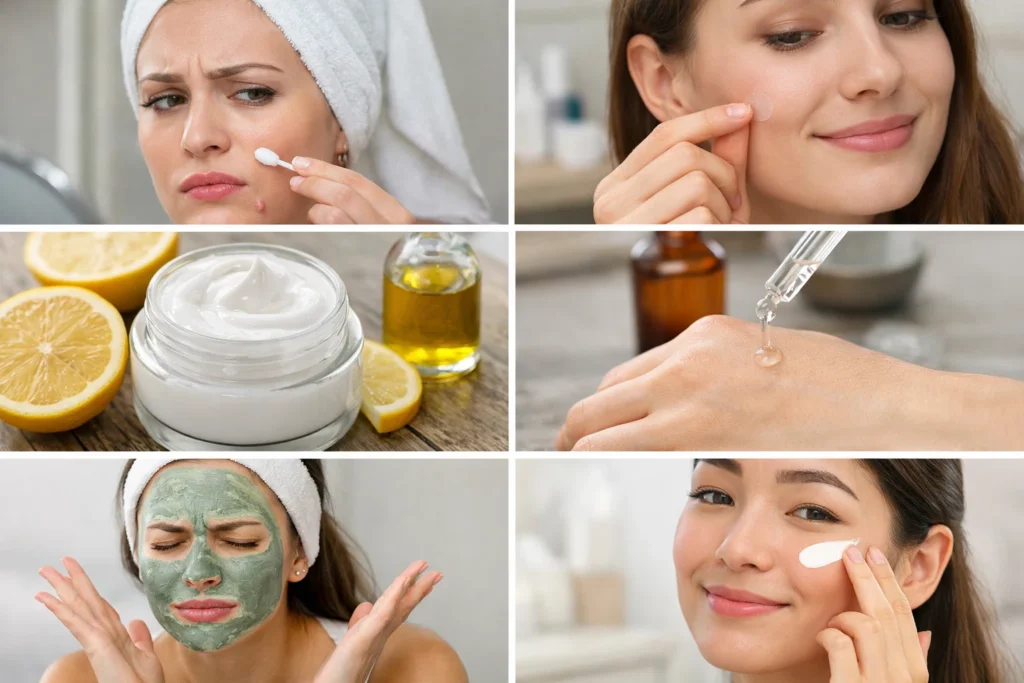
In the ever-evolving world of skin care, separating fact from fiction is crucial. Countless skincare myths persist, often fueled by misinformation and outdated beliefs. In this article, we’ll debunk some of the most common skincare myths you need to stop believing in 2026 and guide you toward evidence-based practices that truly work to keep your skin healthy.
Why Skincare Myths Are Holding You Back

The Rise of Misinformation in Skincare
The internet is awash with skincare tips and advice, but not all of it is reliable. Influencers and viral trends often promote skincare myths that can lead to irritation, breakouts, and other skin concerns. It’s essential to discern credible sources and understand that everyone’s unique skin reacts differently.
How Debunking Myths Improves Skin Health
When you debunk skincare myths, you make informed decisions about your skincare routine. Understanding what truly works allows you to address specific skin needs effectively, whether it’s acne-prone skin, dry skin, or sensitive skin. This knowledge helps you achieve a healthier, more radiant complexion.
Myth 1: More Actives = Better Results
Why Overloading Your Skin Can Damage the Barrier
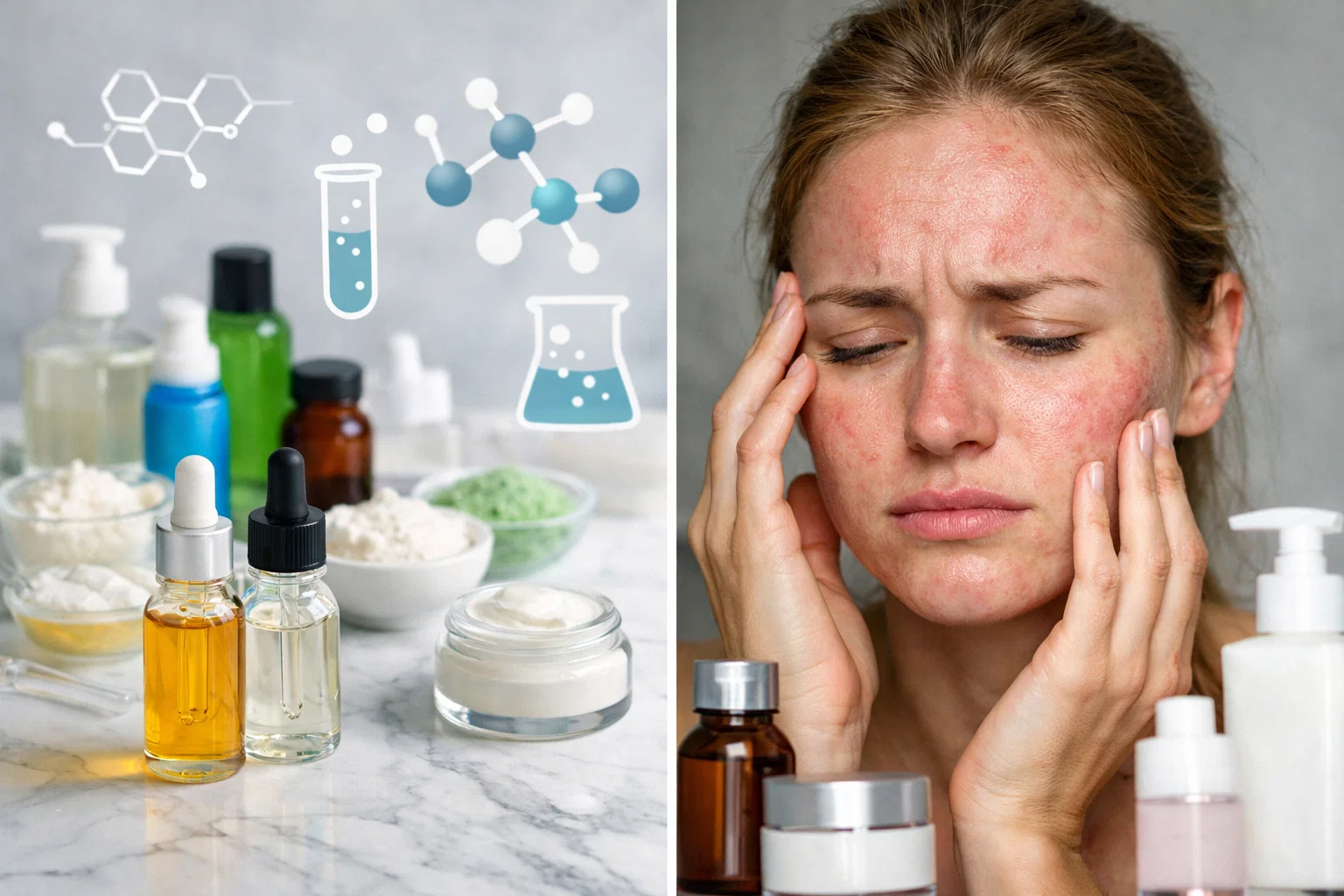
Many believe that using multiple active ingredients simultaneously will accelerate results. However, overloading your skin with potent actives like retinoids or salicylic acid can damage the skin barrier, leading to redness, dryness, and increased sensitivity. This often causes irritation and can worsen existing skin conditions.
What Actually Works: Balanced, Barrier-Friendly Routines
A balanced skincare routine that focuses on hydration and barrier support is far more effective than an aggressive one. Prioritize gentle cleansers, hydrating serums like hyaluronic acid, and a moisturizer that suits your skin type. This approach ensures healthy skin without compromising the skin barrier.
Myth 2: Only Sensitive Skin Needs Barrier Repair
Why Everyone’s Skin Can Benefit From Barrier Care
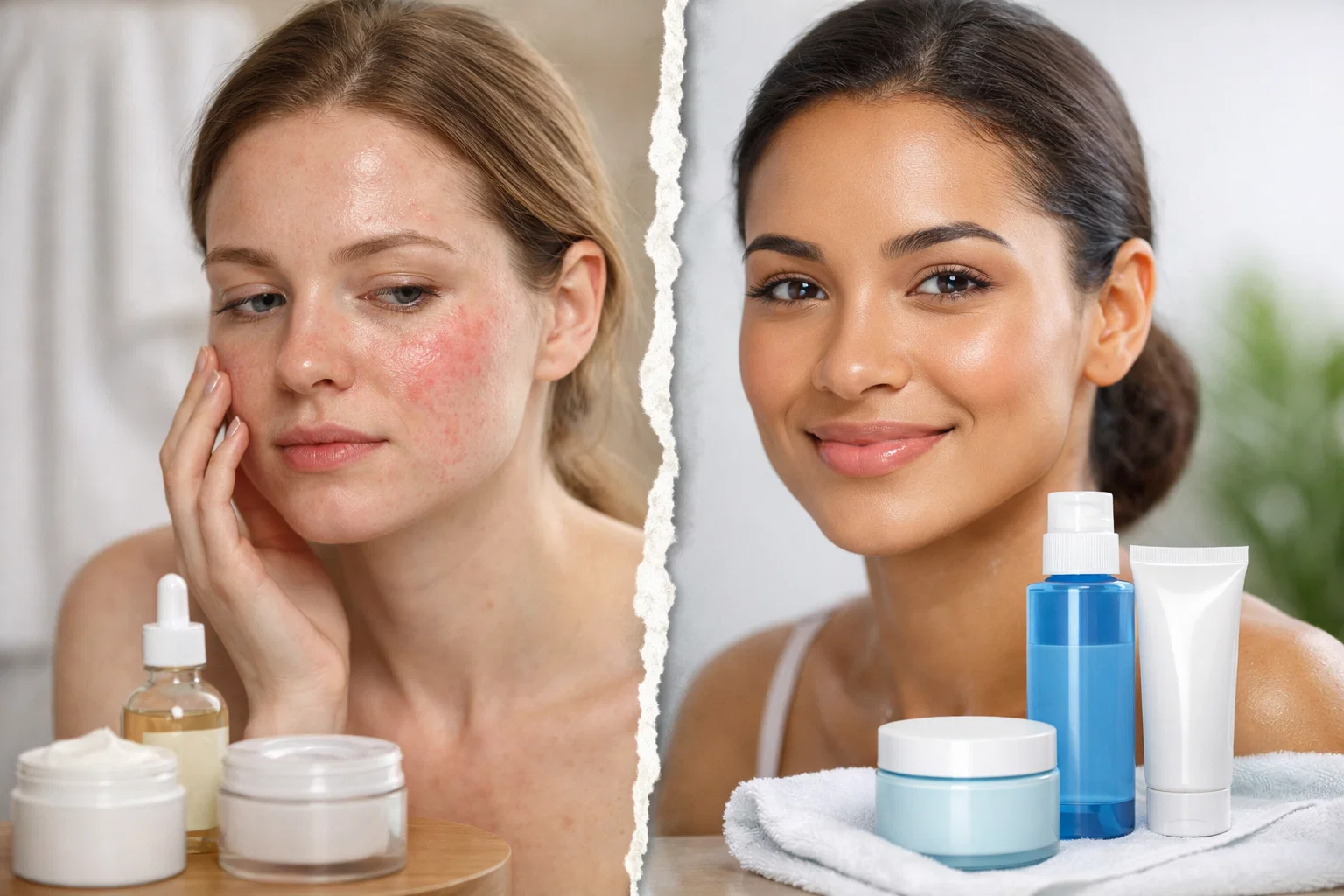
While sensitive skin undeniably benefits from barrier repair, every skin type can experience barrier compromise due to environmental factors, harsh products, or over-exfoliation. A healthy skin barrier is essential for maintaining hydration, protecting against irritants, and preventing premature aging.
Tips to Strengthen Your Skin Barrier Daily
Incorporating barrier-supporting ingredients into your daily skincare routine is key. When choosing products, prioritize those with ingredients such as:
- Ceramides
- Niacinamide
- Fatty acids
Avoid over-exfoliating and always follow up with a nourishing moisturizer to keep your skin hydrated and resilient.
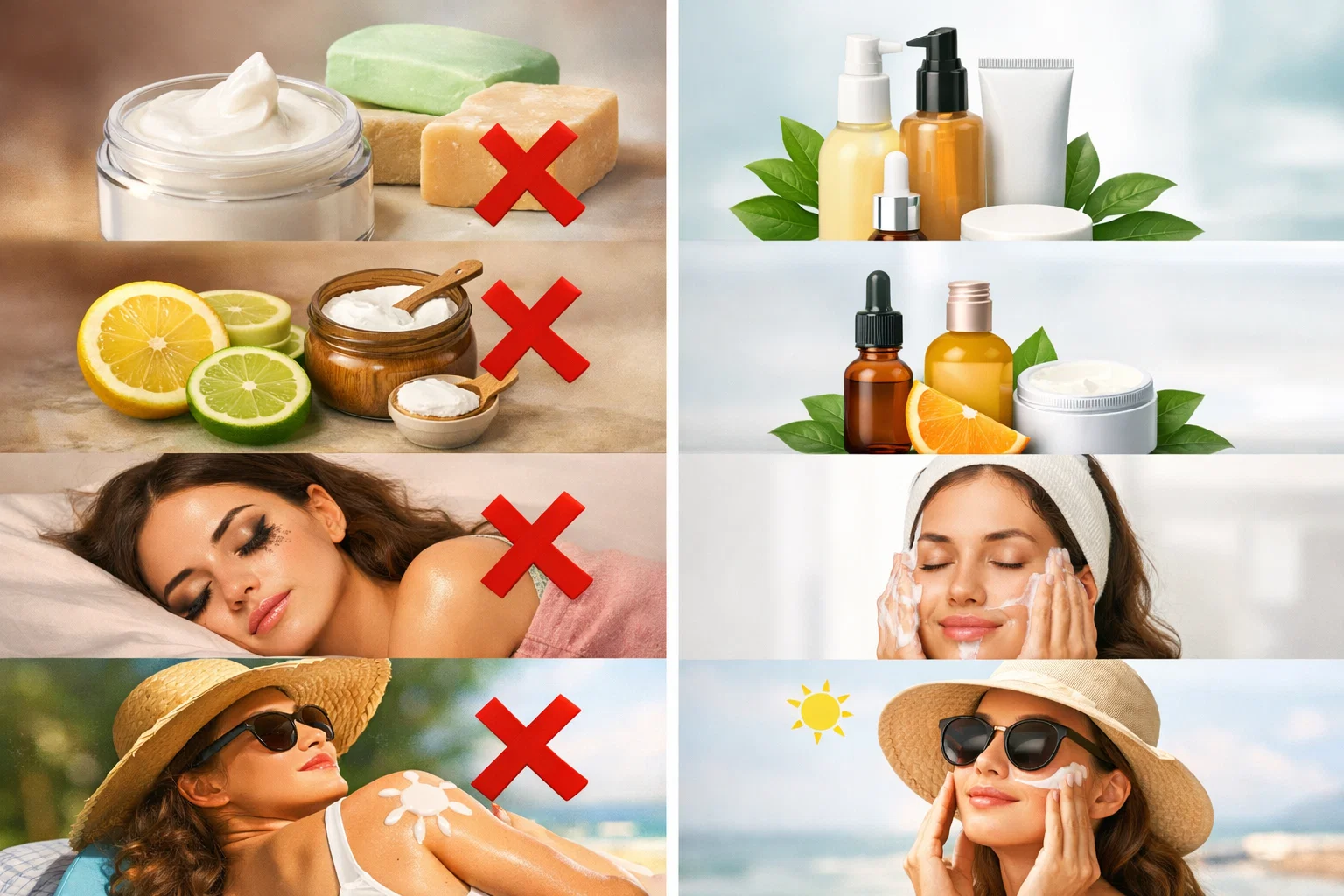
Myth 3: Natural Ingredients Are Always Safe

Understanding Potential Irritants in “Natural” Products
One common skincare myth is that natural ingredients are inherently safe, but this isn’t always the case. Many natural substances can cause irritation or allergic reactions in sensitive individuals. Essential oils, for instance, are often touted as beneficial, but some can cause significant skin concerns and are potential acne triggers.
How to Choose Effective and Safe Ingredients
When it comes to skincare, it’s important to do your research and understand the potential risks of both natural and synthetic ingredients. Always patch-test new products, and consult with a dermatologist if you have sensitive skin or are prone to allergies. Look for products with transparent ingredient lists.
Myth 4: Sunscreen Is Optional on Cloudy Days or Indoors

The Hidden Damage From UVA/UVB Exposure
Many people believe that sunscreen is only necessary on sunny days, but this is a dangerous skincare myth. UVA/UVB rays can penetrate clouds and windows, causing damage to skin cells even when it doesn’t feel sunny. This exposure contributes to premature aging, hyperpigmentation, and increases the risk of skin cancer.
How to Incorporate Daily Sun Protection Effectively
Sun protection should be a non-negotiable step in your daily skincare routine, regardless of the weather. Use a broad-spectrum sunscreen with an SPF 30 or higher every day. Apply it generously to all exposed skin and reapply every two hours, especially if you are outdoors. This will keep your skin healthy.
Myth 5: Oily Skin Doesn’t Need Moisturizer
How Skipping Moisturizer Can Worsen Skin Imbalance
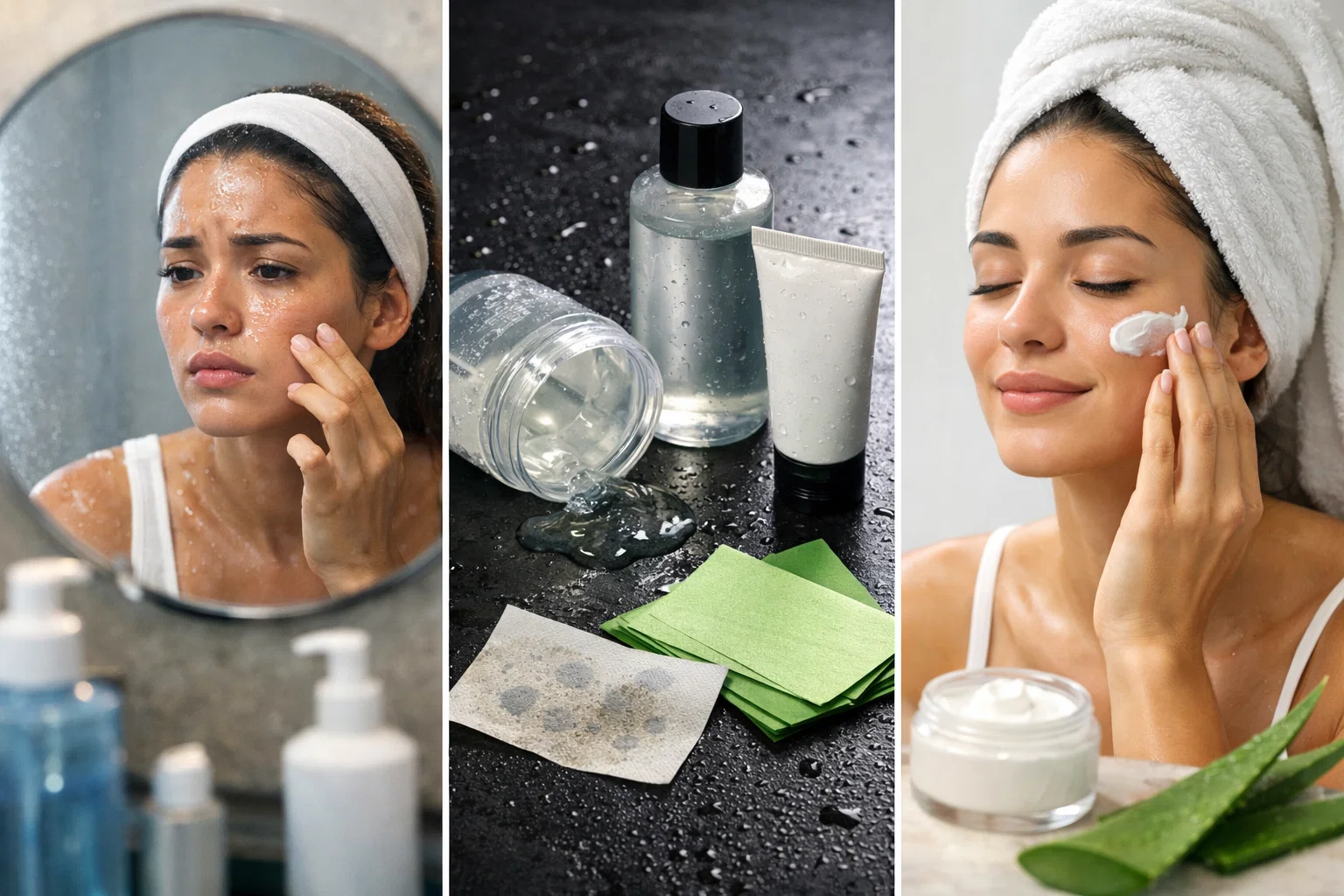
A big skincare myth is that oily skin doesn’t need moisturizer. However, skipping moisturizer can actually worsen sebum production and lead to breakouts. When skin is dehydrated, it overcompensates by producing more oil, leading to clogged pores and acne-prone skin. There’s no need to deprive oily skin of hydration.
Lightweight, Barrier-Repair Moisturizers for Oily Skin
Choose lightweight, oil-free moisturizers that contain barrier-repairing ingredients like ceramides and hyaluronic acid. These formulations provide hydration without clogging pores or making your skin feel greasy. A well-hydrated skin barrier is essential for maintaining a healthy balance and preventing acne breakouts.
Myth 6: Pores Can Be Permanently Shrunk
Understanding Pore Size and Its Limitations
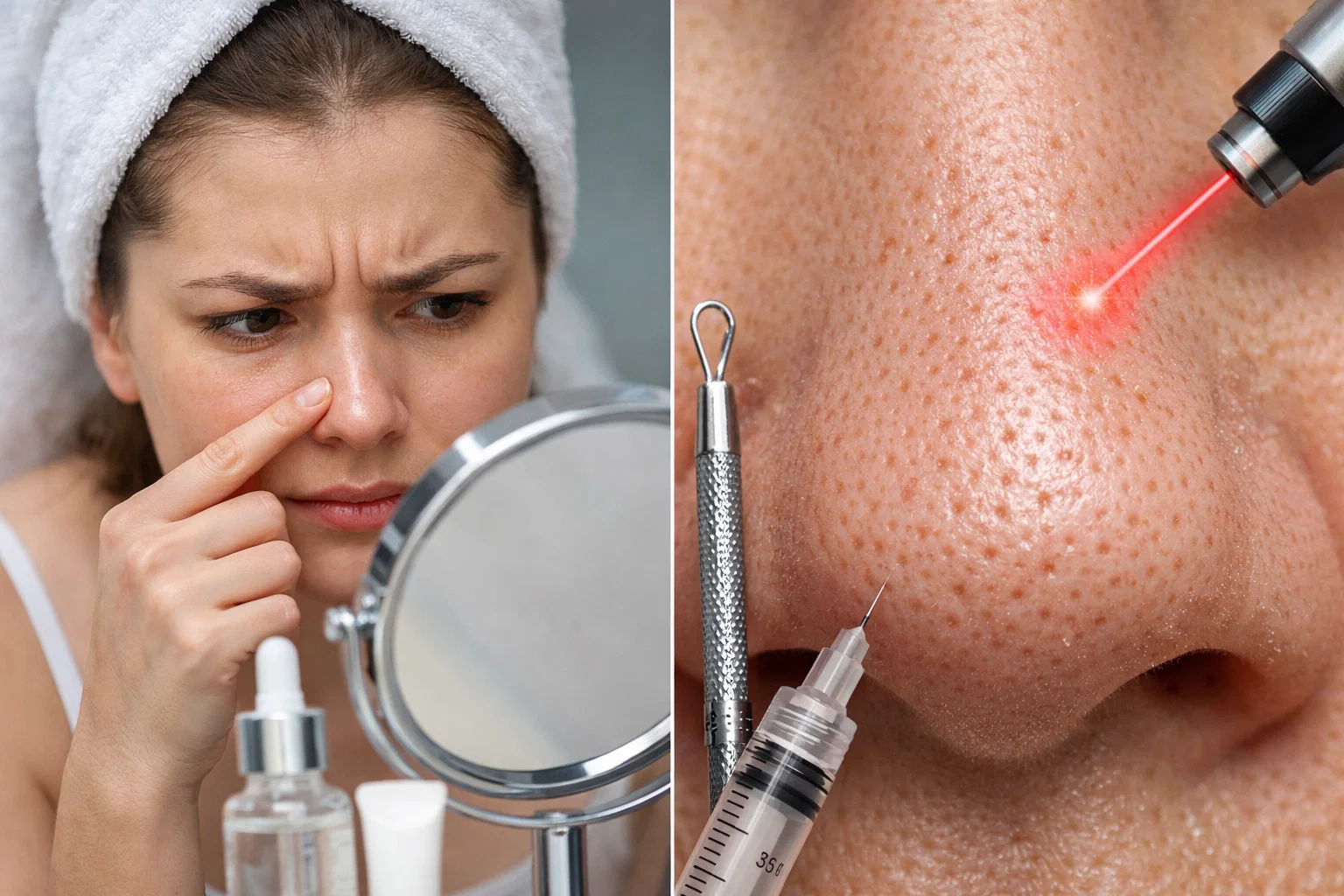
One of the most persistent skincare myths you need to stop believing is that pores can be permanently shrunk. Pore size is largely determined by genetics and cannot be drastically altered. However, their appearance can be improved through proper skincare routines by addressing build-up.
How Skincare Can Improve the Appearance of Pores
While you can’t permanently shrink pores, you can minimize their appearance. Regular exfoliation with salicylic acid helps remove dead skin cells and sebum that can clog pores and make them look larger. Additionally, using a toner and cleanser can keep pores clean and refined.
Myth 7: Expensive Products Work Better
Why Price Doesn’t Equal Performance
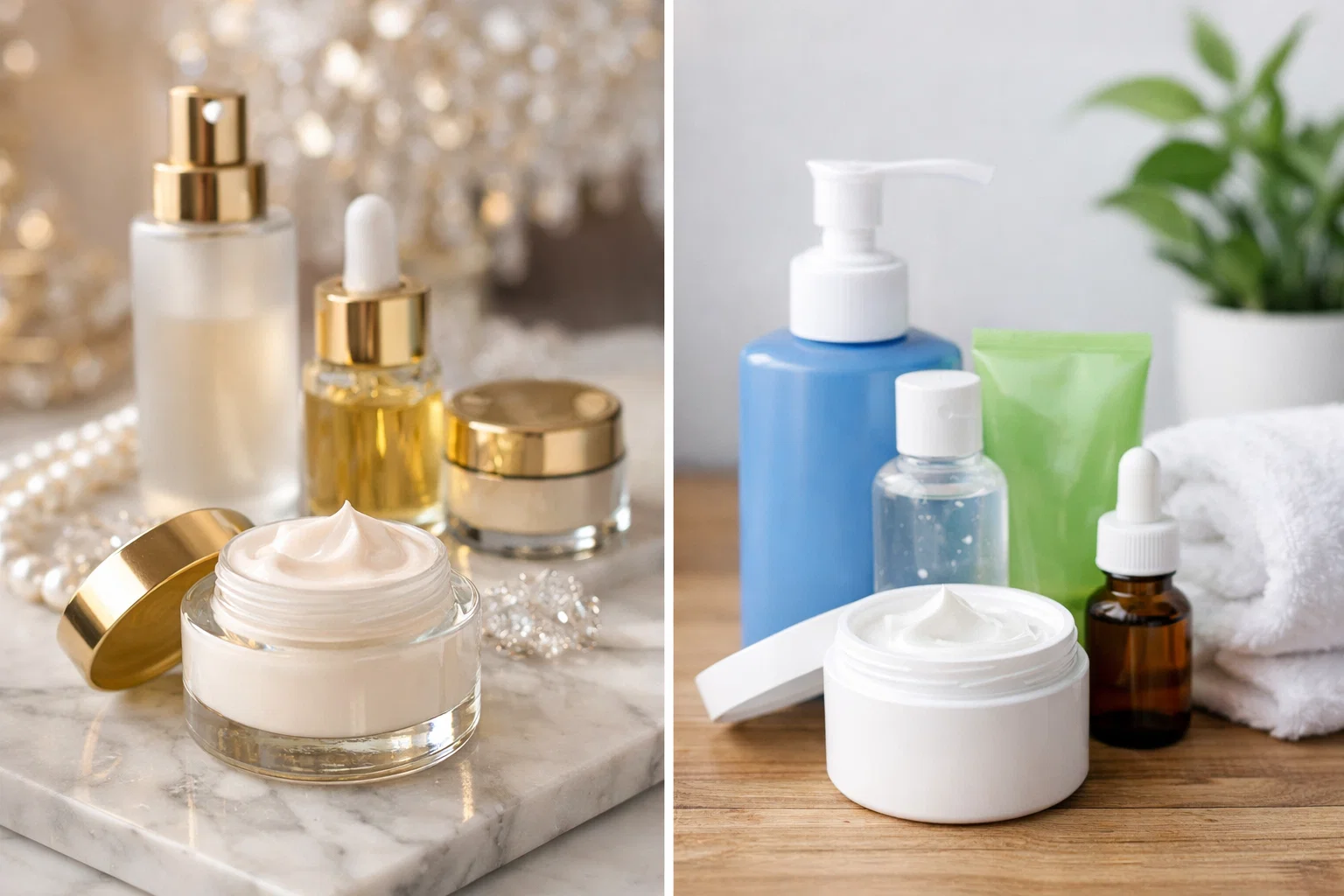
One of the most pervasive skincare myths you need to stop believing is that expensive skincare products are inherently more effective. Price often reflects marketing, packaging, and brand prestige rather than superior ingredients or formulation. In reality, many affordable skincare products contain the same active ingredients and can deliver comparable results to their pricier counterparts. It’s essential to debunk this myth.
How to Spot High-Performance Ingredients Without Overpaying
To find effective skincare products without overpaying, focus on the ingredient list. Look for clinically proven ingredients like retinoids, salicylic acid, hyaluronic acid, and vitamin C. Research the optimal concentration for each ingredient and compare products based on their formulations. Reading reviews and consulting with a dermatologist can also help you make informed choices and stop believing the hype.
The Science of What Actually Works in 2026

Key Ingredients for Barrier Repair and Healthy Skin
Here’s what to look for in your skincare in 2026: barrier repair and maintenance are key. To achieve this, focus on ingredients that fortify your skin. These include:
- Ceramides
- Niacinamide
- Fatty acids
These ingredients help strengthen the skin barrier, retain moisture, and protect against environmental stressors. Incorporating these ingredients into your skincare routine can lead to healthier, more resilient skin and help prevent skin conditions.
Simple, Evidence-Based Skincare Routines That Deliver Results
Effective skincare doesn’t need to be complicated. A simple, evidence-based skincare routine typically includes the following:
- A gentle cleanser
- A hydrating serum
- A moisturizer
- Daily sun protection with an SPF 30 or higher
Tailor your routine to your specific skin type and concerns, focusing on consistent use of well-formulated products.
Common Mistakes to Avoid While Following Skincare Trends
Over-Exfoliating and Overloading Actives
One common mistake is over-exfoliating the skin or overloading it with active ingredients. While ingredients like salicylic acid and retinoids can improve skin texture and tone, overuse can damage the skin barrier and cause irritation. It’s crucial to introduce active ingredients gradually and monitor your skin’s response.
Ignoring Hydration and Sun Protection
Ignoring hydration and sun protection are significant skincare mistakes. Dehydrated skin is more prone to irritation, breakouts, and premature aging. Similarly, skipping sunscreen can lead to sunburn, hyperpigmentation, and an increased risk of skin cancer. Prioritize moisturizing and daily sun protection as non-negotiable steps in your skincare routine.
Conclusion: Focus on Facts, Not Fads
In the world of skin care, separating fact from fiction is crucial for achieving healthy, radiant skin. By debunking common skincare myths and focusing on evidence-based practices, you can make informed decisions about your skincare routine. Prioritize hydration, sun protection, and gentle, effective ingredients to keep your skin healthy. Don’t let skincare myths derail your progress.