Navigating the vast world of skincare can feel overwhelming, especially with an abundance of information and products circulating online. It’s time to separate fact from fiction and uncover the skincare myths that might be sabotaging your journey to healthy skin.
Why Skincare Misinformation Is More Dangerous Than Ever
In today’s digital age, skincare misinformation spreads rapidly, making it crucial to understand why bad advice can be detrimental to your skin health and overall well-being.

The Rise of Viral Skincare Hacks and Misinformation
The internet, particularly social media platforms, has fueled the rise of viral skincare hacks and an alarming amount of misinformation. Influencers and unverified sources often promote trendy routines or products without understanding the underlying science, leading many to adopt practices that are not suitable for their unique skin and can even cause irritation or damage.
How Bad Advice Can Damage Your Skin Barrier
Following bad skincare advice can severely compromise your skin barrier, which is essential for healthy skin. When your skin barrier is damaged, it becomes more susceptible to a variety of issues:
| Issue | Potential Result |
| Environmental aggressors | Increased sensitivity |
| Moisture loss | Dryness |
| Chronic skin conditions | Breakouts |
Understanding Your Skin: The Foundation Most People Ignore
A truly effective skincare routine begins with understanding your own skin, a foundational step that is often overlooked in the pursuit of quick fixes.

Skin Types vs. Skin Conditions (Why It Matters)
Distinguishing between your permanent skin type and temporary skin conditions is crucial for selecting appropriate skincare products and treatments. Understanding these differences ensures you address the root causes of your skin concerns rather than just masking symptoms, leading to more targeted and effective skincare.
| Skin Aspect | Examples |
|---|---|
| Permanent Skin Type | Oily, Dry, Normal, Combination |
| Temporary Skin Conditions | Acne, Sensitivity, Dehydration |
The Role of the Skin Barrier in Healthy Skin
The skin barrier serves as your body’s first line of defense, protecting against external aggressors and preventing transepidermal water loss, which is vital for maintaining hydration. A robust skin barrier is synonymous with healthy skin, making its preservation a top priority in any effective skincare routine.
A healthy skin barrier prevents the following issues:
| Flakiness | Redness |
| Increased sensitivity |
Why “One Routine Fits All” Is a Myth
The notion that “one routine fits all” is a pervasive myth in skincare because every individual’s skin is unique, with distinct needs, sensitivities, and concerns. A personalized approach, tailored to your specific skin type and conditions, is paramount for achieving optimal results and avoiding unnecessary irritation or ineffective treatments.
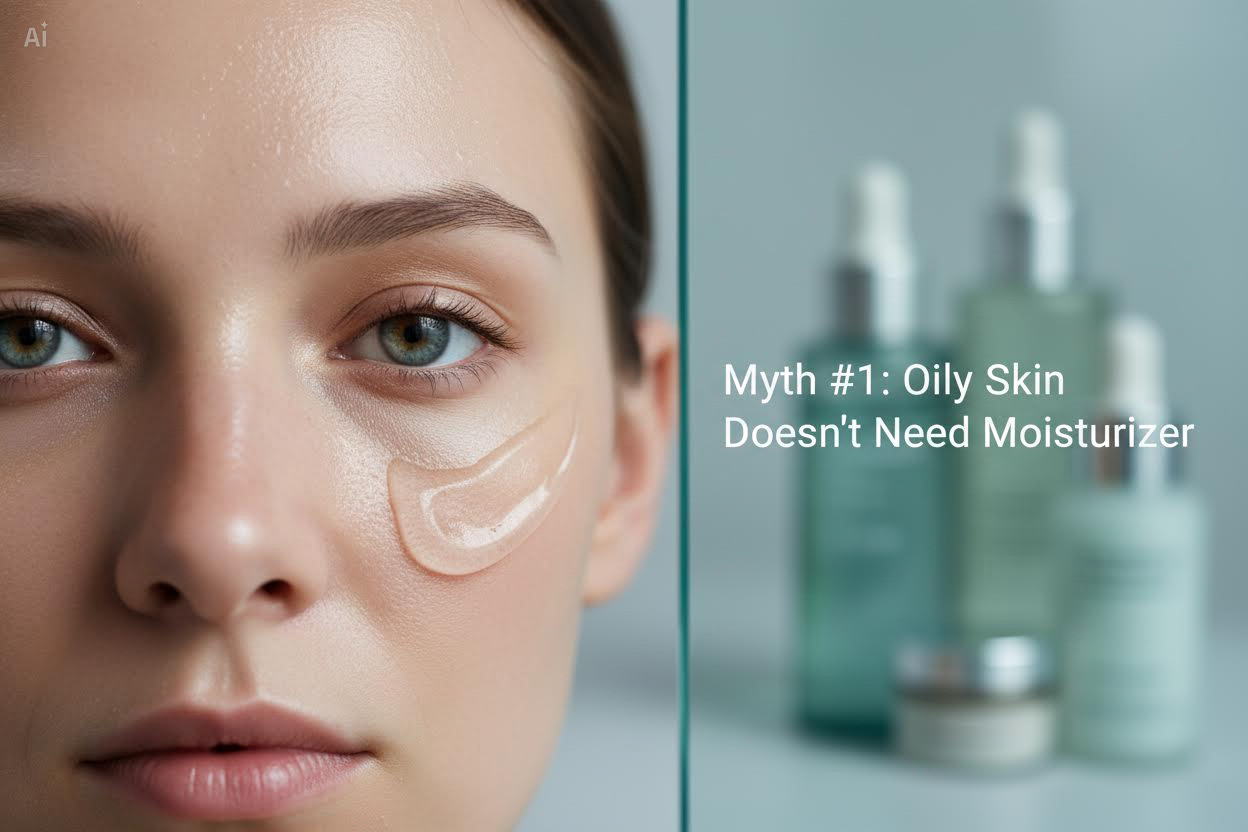
Myth #1: Oily Skin Doesn’t Need Moisturizer
Many people with oily skin mistakenly believe that skipping moisturizer will reduce oil production, when in fact, the opposite is often true, leading to further imbalance.
Why Skipping Moisturizer Increases Oil Production
Skipping moisturizer can paradoxically increase oil production in oily skin because when the skin feels dehydrated, it compensates by producing more oil (sebum) to restore its natural moisture balance. This often leads to a vicious cycle of excessive oiliness and breakouts, highlighting the importance of proper hydration for all skin types.
Best Ingredients for Hydrating Oily Skin
For hydrating oily skin without clogging pores, look for non-comedogenic ingredients like hyaluronic acid, glycerin, and niacinamide, which provide essential moisture and strengthen the skin barrier. Lightweight gel or fluid moisturizers are typically best, offering hydration without feeling heavy or greasy on the skin.
Myth #2: You Only Need Sunscreen on Sunny Days
Believing you only need sunscreen on sunny days is a dangerous myth that exposes your skin to constant damage, regardless of the weather or indoor environment.

The Truth About UV Exposure Indoors and in Winter
UV exposure is a year-round concern, even indoors and during winter, as UVA rays can penetrate windows and clouds, contributing to premature aging and skin damage. Consistent daily use of a broad-spectrum sunscreen with adequate SPF is essential to protect your skin from these pervasive and often overlooked threats.
Long-Term Damage: Aging, Dark Spots, and Skin Cancer
Consistent, unprotected UV exposure leads to significant long-term damage, including premature aging, characterized by fine lines and wrinkles, as well as the development of stubborn dark spots and hyperpigmentation. Most critically, it dramatically increases your risk of developing various forms of skin cancer, making daily SPF application a non-negotiable step for skin health.
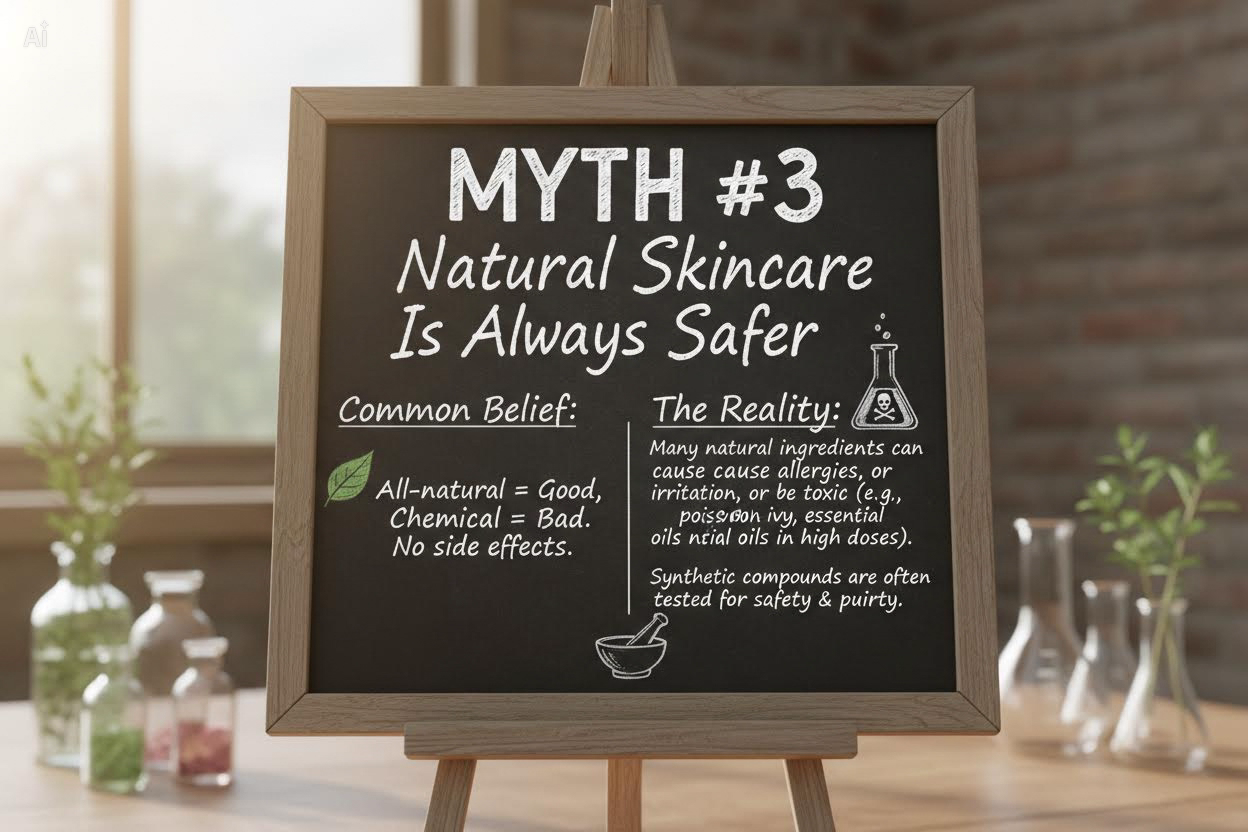
Myth #3: Natural Skincare Is Always Safer
The belief that “natural” skincare is inherently safer or better is a widespread myth, often leading consumers to overlook potential irritants or less effective formulations.
Why “Natural” Doesn’t Mean Non-Irritating
The term “natural” often creates a false sense of security, but many natural ingredients, such as essential oils or certain plant extracts, can cause irritation, allergic reactions, or breakouts, especially for sensitive skin. It’s crucial to remember that a substance’s origin does not dictate its safety or suitability for your skin.
The Science Behind Synthetic vs. Natural Ingredients
The science behind skincare emphasizes that both synthetic and natural ingredients can be effective or irritating, depending on their concentration, formulation, and how they interact with your skin. Synthetic ingredients are often developed to be highly stable and pure, sometimes even mimicking beneficial natural compounds, while providing consistent results and minimizing the risk of impurities found in natural extracts.
Myth #4: Washing Your Face More Clears Acne
Many believe that frequently washing their face will eliminate acne, but this common skincare myth often leads to increased irritation and can worsen breakouts.
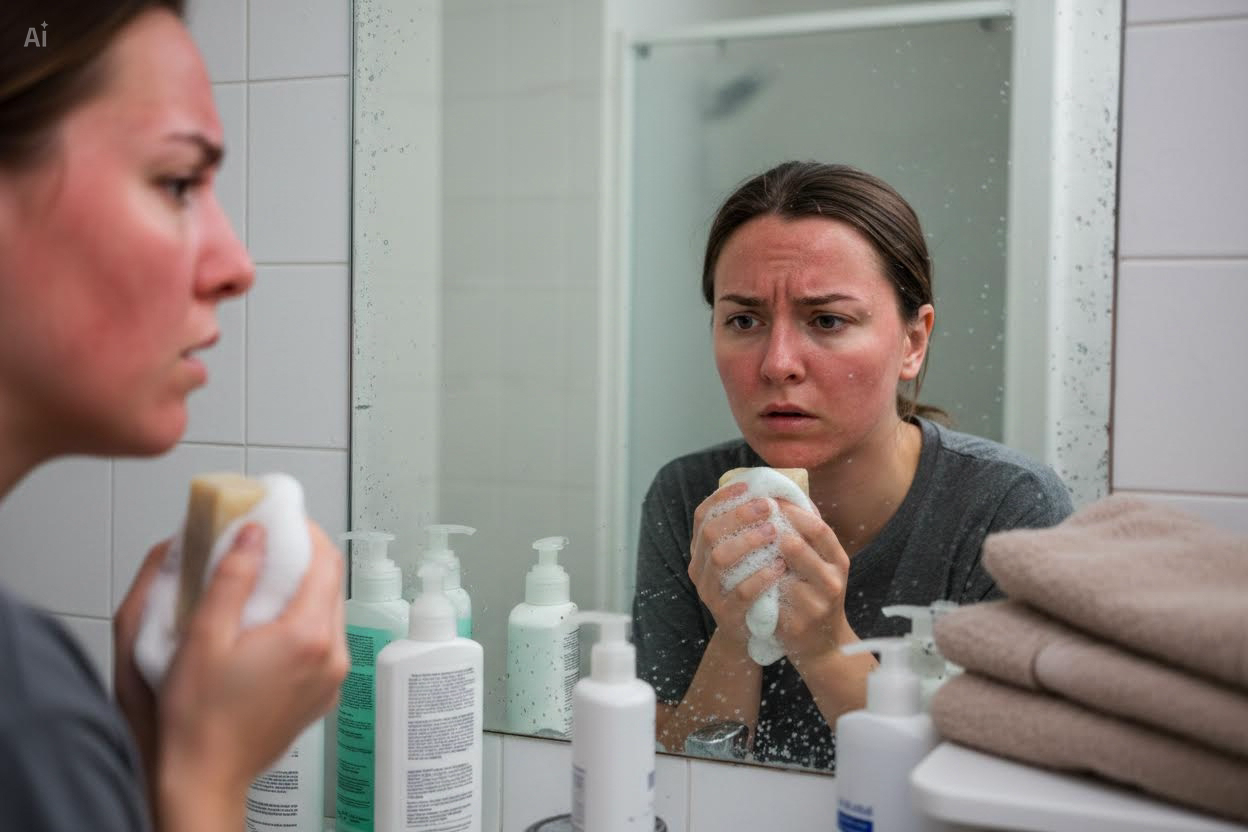
How Over-Cleansing Damages the Skin Barrier
Over-cleansing strips your skin of its natural oils, leading to a compromised skin barrier and increased transepidermal water loss, which can paradoxically signal your skin to produce more oil (sebum), aggravating acne and causing further irritation and sensitivity. This aggressive approach hinders the path to healthy skin.
The Right Cleansing Routine for Balanced Skin
The right cleansing routine involves using a gentle cleanser twice daily, avoiding harsh scrubbing, and opting for lukewarm water to maintain a balanced skin barrier and prevent stripping your skin. This approach supports healthy skin without causing irritation, minimizing breakouts, and promoting overall skin health.
Myth #5: Expensive Products Are More Effective
It’s a common skincare myth that a high price tag automatically guarantees superior results, but effectiveness doesn’t always correlate with cost.
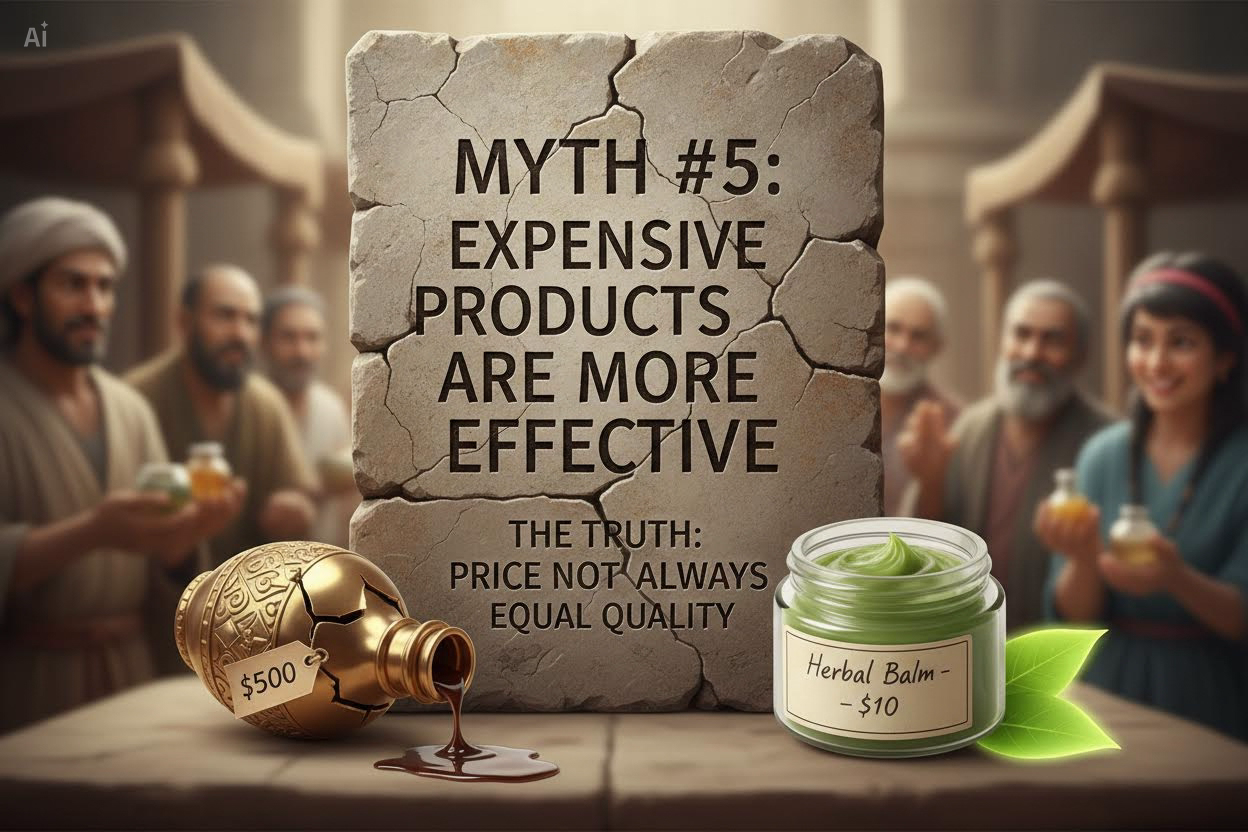
The Truth About Pricing, Branding, and Formulation
The truth is that expensive products often reflect marketing, branding, and packaging costs rather than a fundamentally superior formulation or active ingredient concentration. While some high-end items do contain innovative ingredients, many affordable skincare products utilize the same effective ingredients, challenging the myth that price dictates efficacy and debunking this pervasive skincare myth.
Affordable Ingredients That Actually Work
Numerous affordable ingredients are scientifically proven to deliver exceptional results for various skin concerns, proving you don’t need to splurge to achieve healthy skin. Ingredients like hyaluronic acid for hydration, salicylic acid for acne, niacinamide for barrier support, and vitamin C for brightening are readily available in budget-friendly formulations that truly work for your skin.
Myth #6: You Can Shrink Your Pores
Many people believe they can permanently shrink their pores, but this is one of the most persistent skincare myths that needs to die, as pore size is largely genetic.
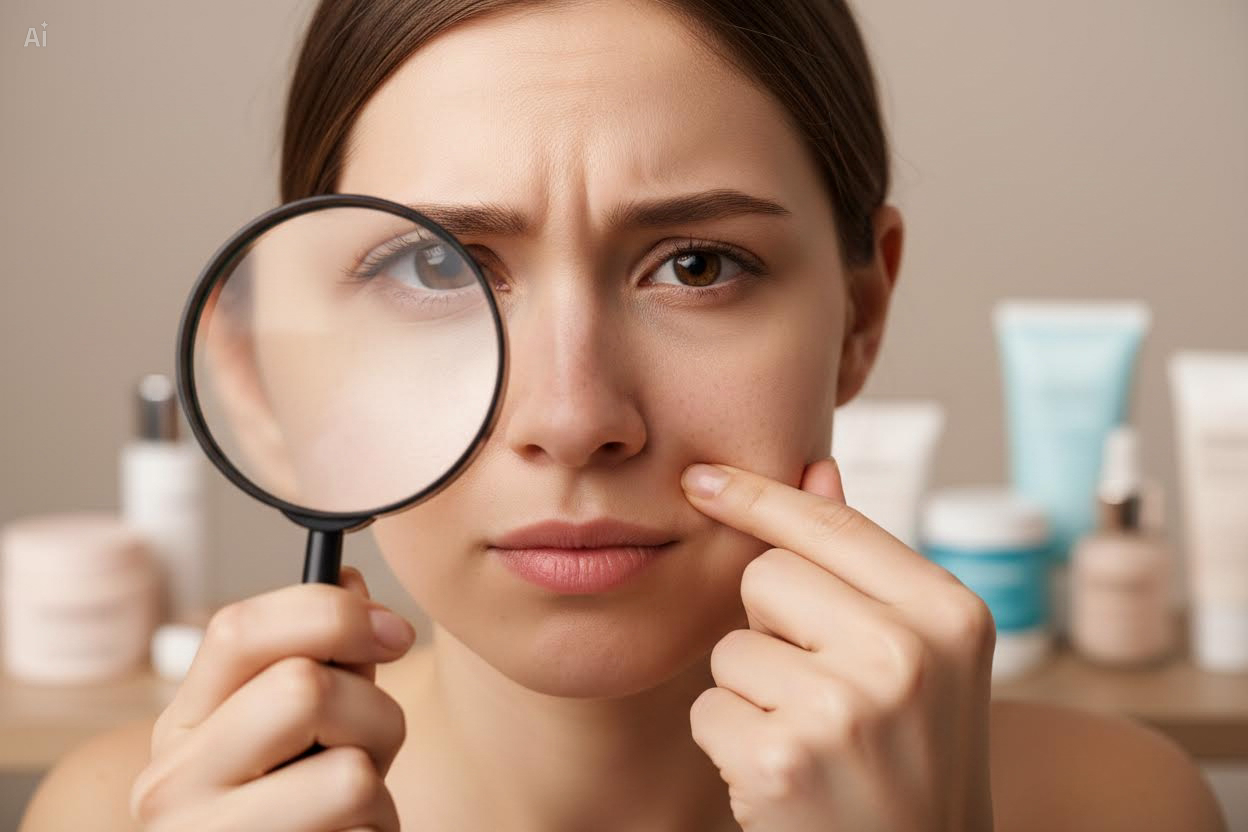
Genetics vs. Skincare: What You Can and Can’t Change
Pore size is primarily determined by genetics and factors like age and cumulative sun exposure, meaning skincare products cannot permanently shrink them; you can only minimize their appearance. Understanding this helps separate fact from fiction, allowing you to manage expectations and focus on what truly works for your skin rather than chasing an impossible goal.
How to Minimize the Appearance of Pores
While you can’t shrink pores, you can effectively minimize their appearance by keeping them clear of dead skin cells, excess sebum, and debris through regular, gentle exfoliation with ingredients like BHAs and using non-comedogenic skincare products. Consistent hydration and proper sun protection also contribute to smoother, healthier-looking skin and less noticeable pores.
Myth #7: Acne Is Only a Teenage Problem
It’s a widespread skincare myth that acne is exclusive to teenagers, yet adult acne is a significant concern for many, debunking the idea that you outgrow breakouts.
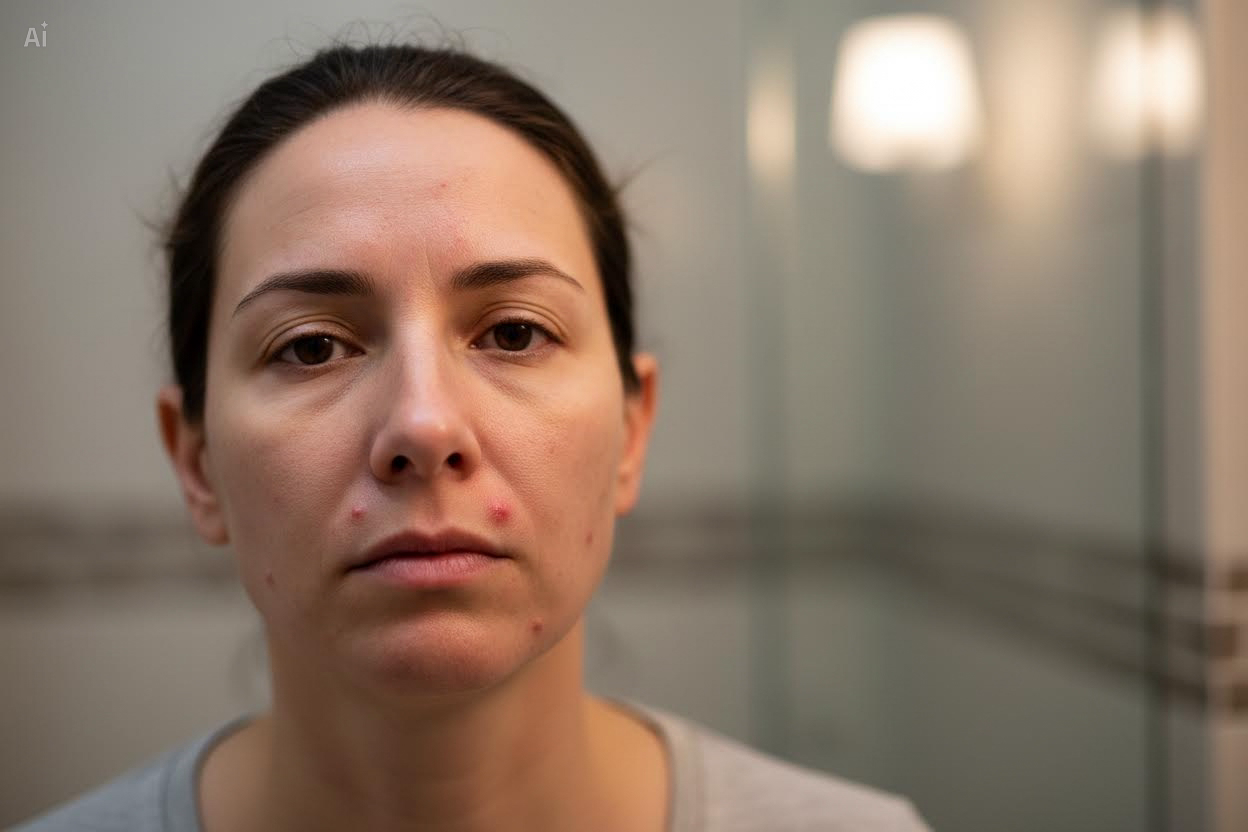
Adult Acne Causes: Hormones, Stress, and Lifestyle
Adult acne is commonly triggered by a complex interplay of hormonal fluctuations, chronic stress, and various lifestyle factors, including diet and certain skincare products that cause irritation or clog pores. It’s crucial to understand these diverse causes to effectively manage and treat persistent breakouts in adult skin.
When Acne Becomes a Medical Condition
Acne transcends typical breakouts and becomes a medical condition when it is persistent, severe, painful, or significantly impacts your quality of life, often requiring professional intervention beyond over-the-counter skincare products. In such cases, consulting a dermatologist is essential to develop a targeted treatment plan and ensure proper skin health, which sometimes includes prescriptions.
Myth #8: More Products = Better Results
The notion that more products lead to better results is a pervasive skincare myth, often causing more harm than good by overwhelming your skin.

The Danger of Overloading Your Skin With Actives
Overloading your skin with too many active ingredients, especially potent serums or exfoliants, can damage your skin barrier, leading to irritation, redness, increased sensitivity, and even paradoxical breakouts. This aggressive approach strips your skin and prevents it from functioning optimally, hindering progress toward healthy skin and contradicting the goal of effective skincare.
Why Simplicity Wins in Skincare Routines
Simplicity often wins in skincare routines because a streamlined approach with fewer, high-quality products tailored to your specific skin type and concerns reduces the risk of irritation and allows active ingredients to truly work for your skin. Focusing on essential steps like cleansing, moisturizing, and sun protection, paired with a targeted serum, can yield better results and promote lasting skin health.
Hidden Skincare Mistakes Most People Overlook
Mixing Active Ingredients Incorrectly
Mixing active ingredients incorrectly is a common yet overlooked skincare mistake that can severely damage your skin barrier and cause irritation, especially if you have sensitive skin. Combining potent actives like retinoids with alpha hydroxy acids (AHAs) or vitamin C without proper understanding can lead to dryness, redness, and compromise your skin’s integrity, undermining your efforts for healthy skin and potentially worsening existing skin concerns.
Ignoring Patch Testing and Skin Reactions
Ignoring patch testing and immediate skin reactions is a critical oversight when introducing new skincare products, which can lead to widespread irritation, breakouts, or allergic responses on your face. A small patch test on an inconspicuous area, such as behind the ear or on the inner arm, allows you to gauge how your unique skin reacts to a product’s active ingredient before applying it generously, thereby preventing significant damage to your skin barrier.
Using Trending Products Without Research
Using trending products without proper research is a significant skincare mistake, as what works for one person’s skin type on social media may cause irritation or be completely ineffective for your unique skin. Blindly following popular fads without understanding the ingredients, their purpose, or how they interact with your skin concerns can lead to wasted money, skin damage, and ultimately hinder your journey to healthy skin, perpetuating harmful skincare myths.
The Role of Social Media in Spreading Skincare Lies
Influencer Marketing vs. Dermatologist Advice
The stark contrast between influencer marketing and dermatologist advice highlights a major source of skincare misinformation, often leading people to believe common skincare myths. While influencers may promote products based on aesthetics or sponsorships, board-certified dermatologists provide science-backed advice tailored to various skin types and skin concerns, prioritizing skin health over trends and helping you separate fact from fiction when it comes to skincare products.
How Algorithms Push Unrealistic Skin Expectations
Social media algorithms often push unrealistic skin expectations by constantly showcasing filtered images and promoting viral skincare hacks that promise instant, flawless results, contributing to widespread skincare myths.
This relentless exposure can lead individuals to believe that their natural skin should be poreless and perfectly smooth, fostering self-consciousness and encouraging the use of aggressive skincare products that cause irritation or damage the skin barrier, creating a vicious cycle of dissatisfaction and further skin concerns.
Building a Science-Backed Skincare Routine
Essential Steps: Cleanse, Treat, Moisturize, Protect
A science-backed skincare routine hinges on four essential steps: cleanse, treat, moisturize, and protect, forming the foundation for healthy skin and addressing various skin concerns effectively. Cleansing prepares your skin, treating targets specific issues with active ingredients like a serum, moisturizing provides crucial hydration to maintain a healthy skin barrier, and daily sun protection with a high SPF shields against UV rays, preventing premature aging and skin cancer.
Choosing Ingredients Based on Your Skin Needs
Choosing ingredients based on your specific skin needs is paramount for an effective skincare routine, moving beyond generic advice to truly personalize your regimen. For instance, oily skin may benefit from salicylic acid for breakouts, while sensitive skin requires gentle, hydrating ingredients like hyaluronic acid to prevent irritation, ensuring that each active ingredient works for your skin rather than causing issues, thereby maintaining a robust skin barrier and promoting overall skin health.
How to Introduce New Products Safely
Introducing new products safely is crucial to avoid irritation and adverse reactions, particularly when dealing with potent active ingredients, and it effectively debunks the common skincare myths that more is always better. Start by incorporating one new product at a time, patch test it on a small area of your skin, and wait several days before adding another, allowing your skin to adjust and enabling you to identify any specific ingredient that might cause irritation or a breakout without overwhelming your skin barrier.
Ingredients That Actually Work (Backed by Science)
When seeking truly effective skincare, prioritizing ingredients backed by rigorous scientific research is crucial for achieving healthy skin and avoiding common skincare myths.
Look for proven components such as retinoids for anti-aging and acne, vitamin C for brightening and antioxidant protection, hyaluronic acid for superior hydration, niacinamide for barrier support and soothing, and broad-spectrum sunscreen with a sufficient SPF for daily protection against damaging UV rays; these ingredients are consistently shown to work for your skin and deliver tangible results, addressing various skin concerns effectively.
When to See a Dermatologist
Signs Your Skin Needs Professional Help
Recognizing the signs your skin needs professional help from a dermatologist is crucial, especially when persistent skin concerns cannot be resolved by over-the-counter skincare products.
These signs include chronic, severe acne that causes painful cysts or scarring, unexplained rashes or irritation that doesn’t improve, rapidly changing moles, or any persistent skin conditions that significantly impact your quality of life, indicating a need for expert diagnosis and a tailored treatment plan to restore healthy skin and address underlying issues beyond simple skincare myths.
Treatments You Can’t Replace With OTC Products
There are several advanced treatments for various skin concerns that you simply can’t replace with over-the-counter skincare products, highlighting the invaluable role of professional dermatological care. These include prescription-strength retinoids for severe acne or anti-aging, targeted laser therapies for hyperpigmentation or rosacea, medical-grade chemical peels for deep exfoliation, and biopsies for suspicious skin lesions, all of which require specialized medical expertise and equipment to ensure efficacy and safety, going far beyond addressing common skincare myths.
Future of Skincare: Smarter, Simpler, More Personalized
The future of skincare is undeniably moving towards smarter, simpler, and more personalized approaches, moving away from generic solutions and the perpetuation of skincare myths.
This evolution emphasizes understanding individual skin types and conditions through advanced diagnostics, creating bespoke skincare routines with fewer, highly effective ingredients tailored to unique needs, and leveraging technology to monitor skin health, ensuring every product works for your skin and promotes lasting healthy skin by delivering targeted hydration and protection.
Conclusion: Stop Believing the Lies, Start Healing Your Skin
In conclusion, it’s time to stop believing the pervasive skincare myths that often lead to irritation, damaged skin barriers, and ineffective skincare routines, and instead, start healing your skin by embracing evidence-based practices. By understanding your unique skin, prioritizing essential steps like daily sunscreen application, choosing ingredients that truly work for your skin, and seeking professional advice when necessary, you can achieve genuine skin health and maintain a radiant complexion free from the cycle of misinformation and disappointment.