In 2026, the focus of beauty has shifted dramatically. The emphasis is now on nurturing and maintaining a strong, healthy skin barrier, moving away from harsh treatments that offer only temporary results.
This change reflects a more profound understanding of skincare science and the importance of long-term skin health.
Understanding the Skin Barrier: Your Skin’s First Line of Defense
What the Skin Barrier Is and Why It Matters
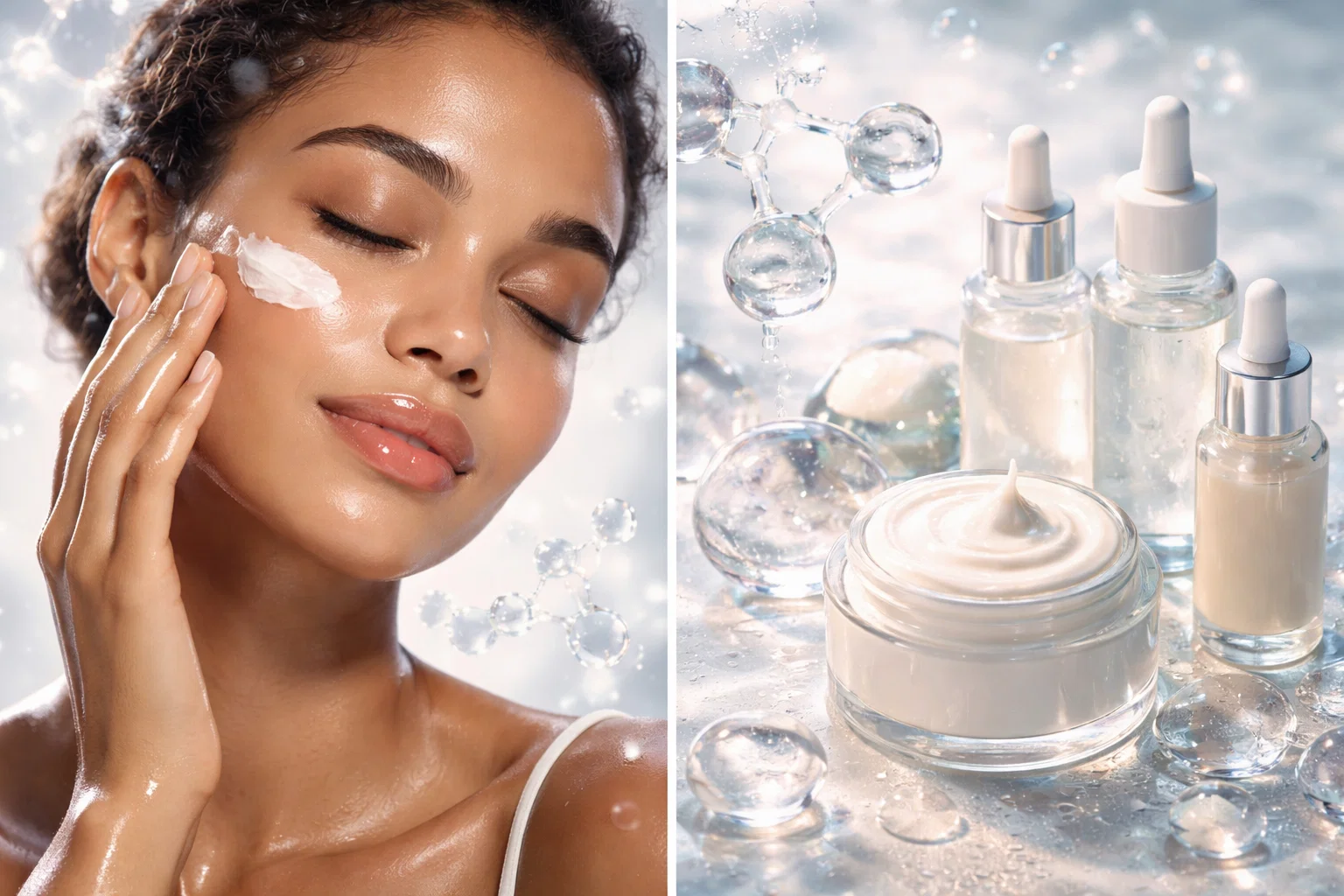
The skin barrier, also known as the epidermal barrier, is the outermost layer of your skin and serves as the body’s first line of defense against environmental aggressors and moisture loss. A healthy barrier is essential for maintaining overall skin health, preventing irritation, and supporting optimal skin function. Its primary role is to protect skin cells.
Common Causes of Skin Barrier Damage
Several factors can compromise the skin barrier. These include certain skincare practices and environmental elements, specifically:
- Over-exfoliation and harsh skincare routines.
- Overuse of active ingredients like retinoids and strong acids.
- Environmental stressors, such as UV exposure and pollution.
These factors disrupt the skin’s natural barrier function, leading to increased sensitivity and vulnerability.
Signs Your Skin Barrier Is Compromised
A compromised skin barrier often manifests in several noticeable ways. These include:
- Redness
- Irritation
- Increased sensitivity
Other signs include dryness, flakiness, breakouts, and a general feeling of discomfort. When the skin barrier is damaged, it struggles to retain hydration, making the skin more susceptible to external irritants and environmental damage.
The Shift in Beauty Priorities: From Quick Fixes to Long-Term Health

Why Harsh Skincare Routines Are Losing Popularity
The trend of 2026 indicates a significant decline in the popularity of harsh skincare routines that promise quick fixes. Consumers are realizing that these aggressive treatments often lead to long-term skin damage and compromise the skin’s natural barrier. The focus is shifting towards a gentler, barrier-first skincare approach.
Rise of Minimalist Skincare and “Skinimalism”
“Skinimalism” is on the rise, advocating for simplified skincare routines with fewer products and a focus on essential ingredients. This minimalist approach aims to support the skin’s natural barrier function rather than overloading it with actives. It’s about achieving healthy skin through a more sustainable and gentle approach.
Consumer Awareness and Education Driving the Trend
Increased consumer awareness and education are significant drivers behind the shift towards barrier repair and healthy skin. Consumers are now more informed about the importance of skincare science and understanding ingredient functions, leading them to prioritize products that strengthen the barrier and support long-term skin health. They also consult dermatologists.
Key Ingredients Driving the Skin Barrier Repair Trend

Ceramides, Fatty Acids, and Cholesterol: Rebuilding the Barrier
Ceramides, fatty acids, and cholesterol are essential lipids that naturally occur in the skin and are crucial for maintaining the skin’s barrier. Skincare products formulated with these ingredients help rebuild and reinforce the barrier, improving hydration and resilience. These components are the real fix for damaged skin.
Niacinamide: Anti-Inflammatory and Barrier Strengthening
Niacinamide is a powerhouse ingredient known for its anti-inflammatory properties and ability to strengthen the skin barrier. It helps reduce inflammation, improve skin tone, and enhance the skin’s natural defense mechanisms. Niacinamide is a key component in modern skincare for promoting overall skin health.
Prebiotics, Postbiotics, and Microbiome-Friendly Skincare
Prebiotics and postbiotics are gaining recognition for their role in supporting a healthy skin microbiome. These ingredients help balance the skin’s natural flora, promoting a stronger, more resilient barrier. Microbiome-friendly skincare is becoming increasingly popular as consumers seek to nourish and protect their skin’s natural ecosystem.
Innovative Biotech Ingredients: Peptides, Exosomes, and More
The skincare industry is embracing innovative biotech ingredients like peptides and exosomes, which offer advanced regenerative and barrier support benefits. Peptides, for example, stimulate collagen production, promoting skin elasticity and firmness. These cutting-edge ingredients represent the future of personalized skincare and skin longevity.
Benefits of Prioritizing Skin Barrier Repair

Improved Hydration and Skin Elasticity
Prioritizing skin barrier repair in skincare routines significantly enhances hydration and skin elasticity, which are essential for healthy skin. When the skin barrier is intact and functioning correctly, it effectively retains moisture, preventing dryness and promoting a supple, youthful complexion. Incorporating hydrating serums and barrier-strengthening ingredients becomes a crucial part of a 2026 routine.
Reduced Sensitivity and Inflammation
A well-maintained skin barrier is less prone to irritation and inflammation. Skin barrier repair helps to calm compromised skin, reduce redness, and alleviate discomfort associated with sensitivity. Niacinamide, known for its anti-inflammatory properties, plays a crucial role in soothing the skin and strengthening its defenses against external aggressors, promoting overall skin barrier health. Dermatologist consultations are helpful for personalized skincare.
Better Tolerance for Active Ingredients
Strengthening the skin barrier improves skin’s tolerance for active ingredients like retinoids and certain acids. With a robust barrier, the skin is better equipped to handle these actives without experiencing excessive irritation. This enables individuals to incorporate potent ingredients into their skincare routines for enhanced anti-aging and skin quality benefits, without compromising barrier function.
Long-Term Skin Health and Anti-Aging Benefits
Investing in skin barrier repair yields long-term skin health and anti-aging benefits. By maintaining a healthy barrier, the skin is better protected against environmental damage and premature aging. Ingredients like peptides and ceramides support collagen production and skin resilience, contributing to a youthful, radiant complexion for years to come. The trend of 2026 is focused on long-term skin health.
How to Build an Effective Skin Barrier Repair Routine
Step 1: Gentle Cleansing Without Stripping
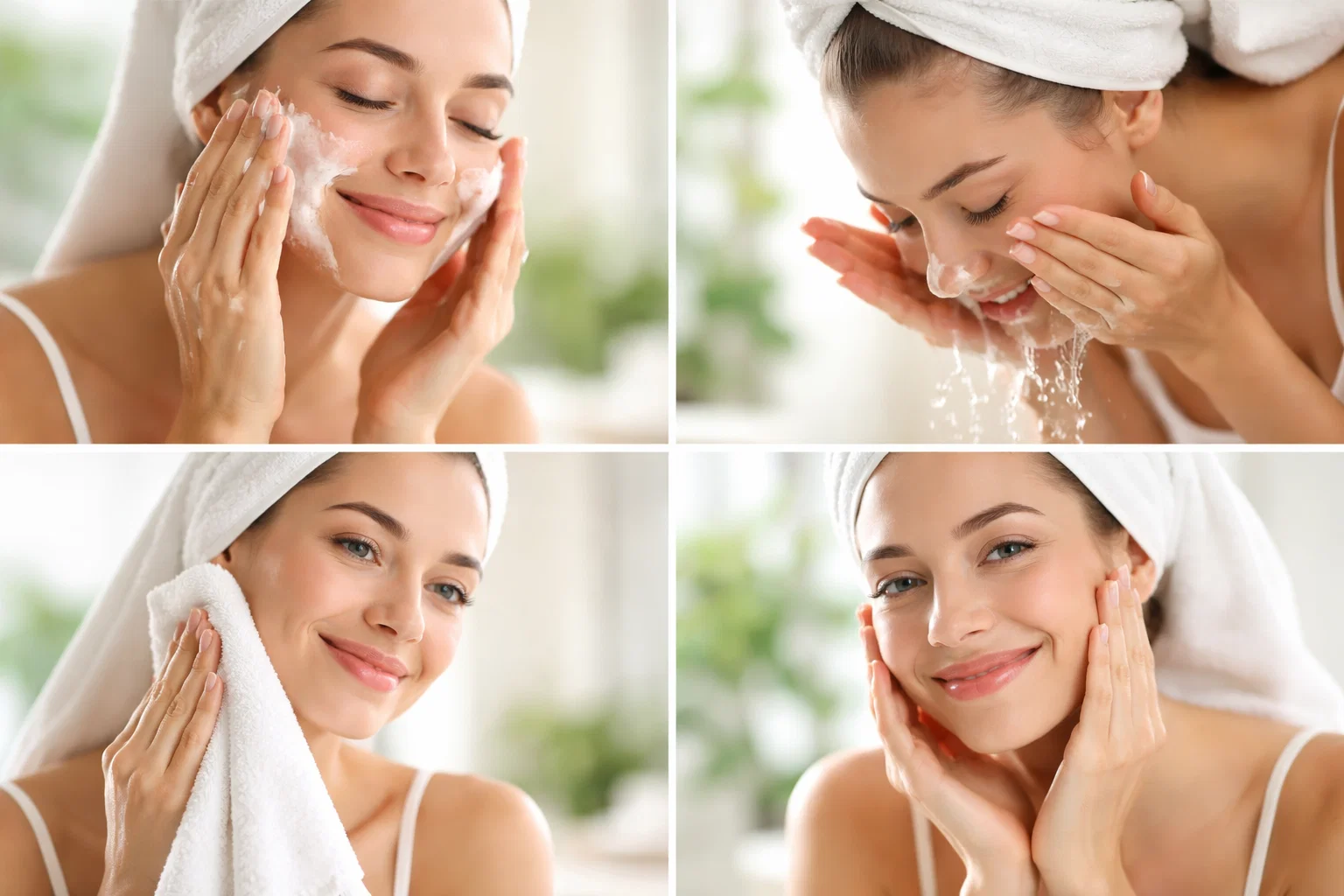
The first step in any effective skin barrier repair routine is gentle cleansing. Avoid harsh cleansers that strip the skin of its natural oils, leading to further barrier damage. Opt for mild, pH-balanced formulas that cleanse without disrupting the skin’s protective layer. This ensures that the skin remains hydrated and prepared for subsequent skincare steps for optimal barrier-first skin repair.
Step 2: Hydration With Barrier-Strengthening Ingredients
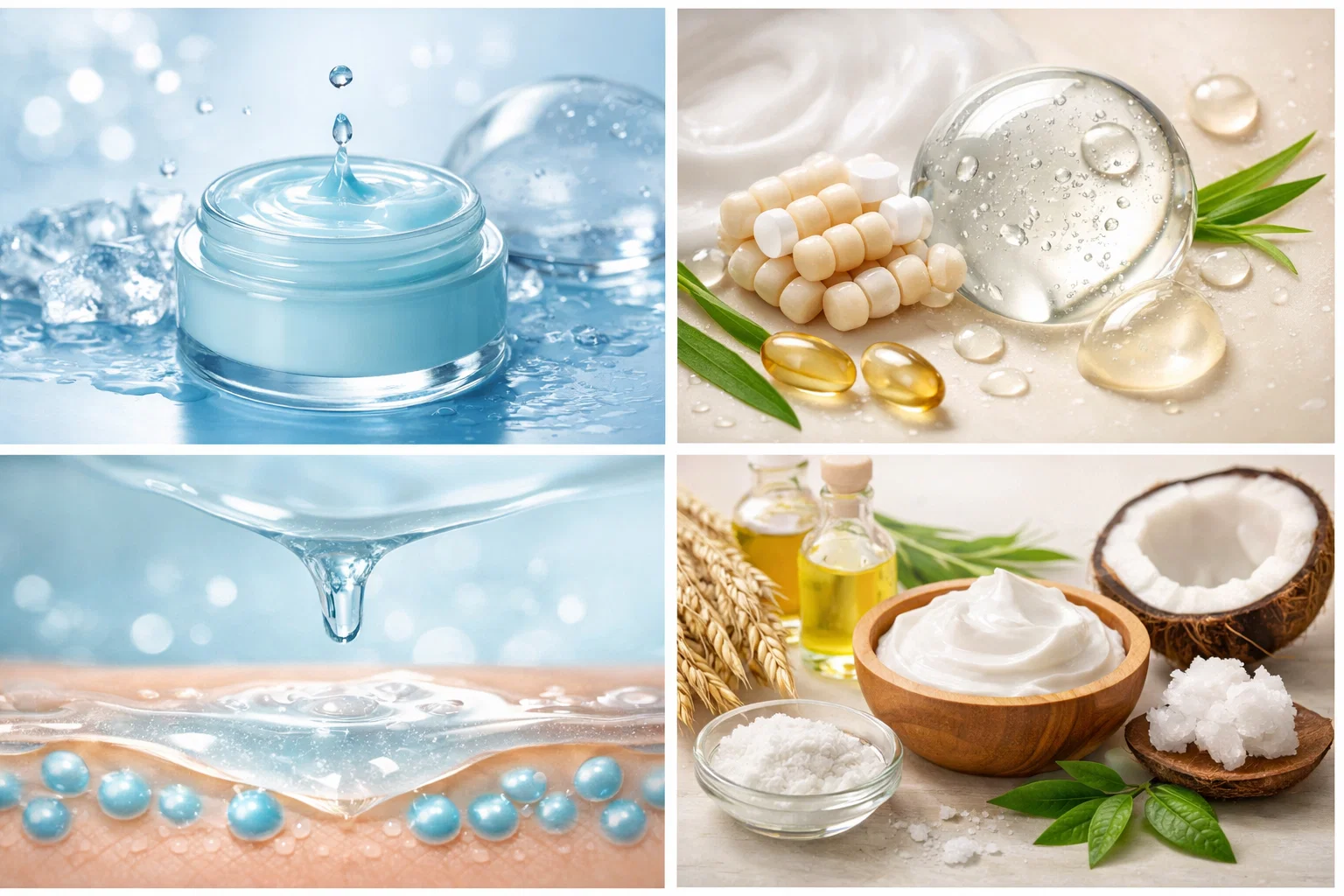
Following cleansing, hydration is crucial. Use serums and creams that are rich in barrier-strengthening ingredients like ceramides, fatty acids, and hyaluronic acid. These components help to replenish the skin’s natural lipids and reinforce the barrier, improving hydration and resilience. Regular use promotes a healthier, more robust skin barrier, a key aspect of skincare trends of 2026.
Step 3: Protecting With SPF and Antioxidants
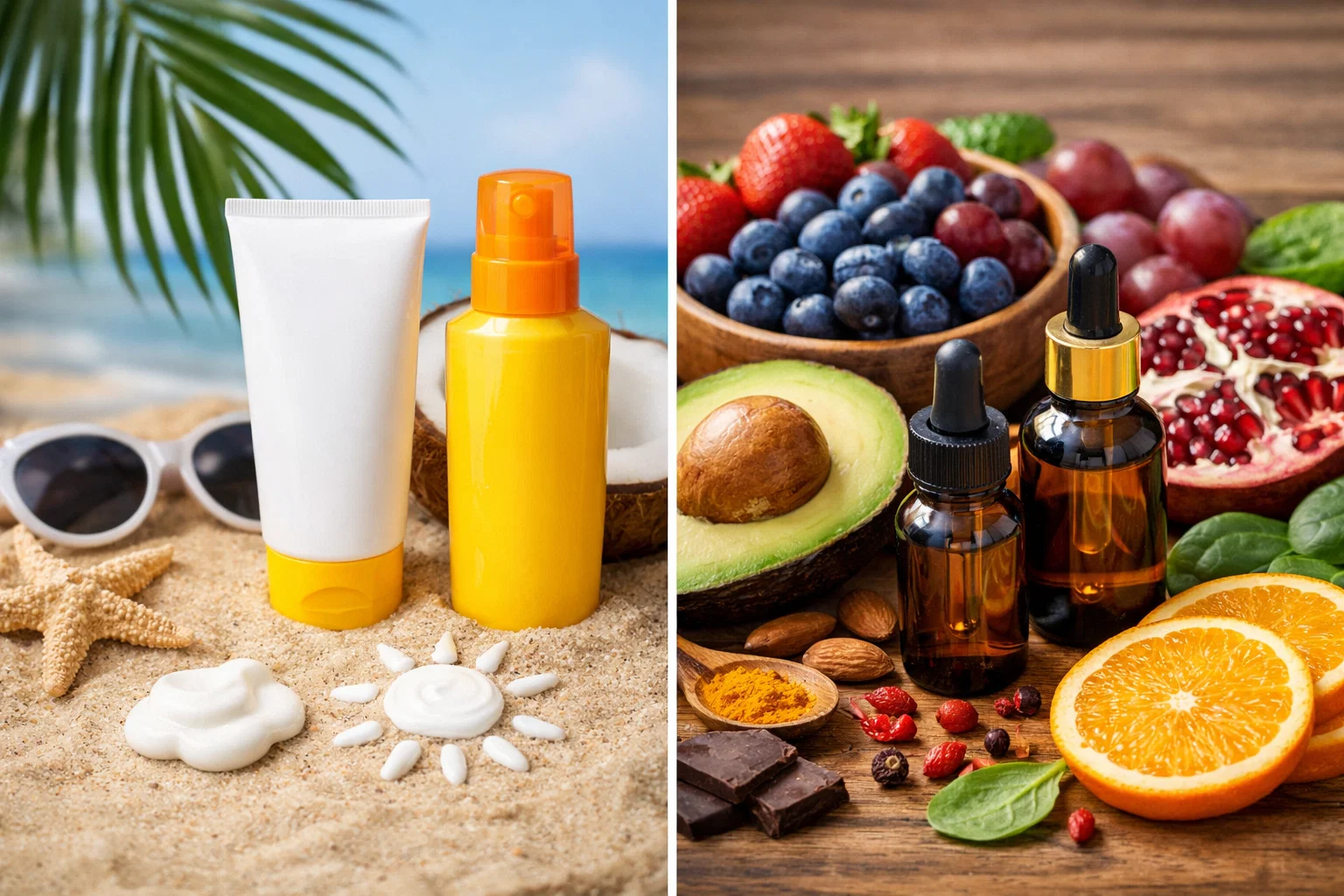
Protecting the skin from environmental damage is paramount for maintaining a healthy barrier. Apply a broad-spectrum SPF daily to shield the skin from harmful UV rays, which can compromise the skin barrier and accelerate aging. Additionally, incorporate antioxidants like vitamin C to neutralize free radicals and further protect the skin from environmental aggressors in your skin barrier repair routine.
Step 4: Smart Use of Actives Without Overloading Skin
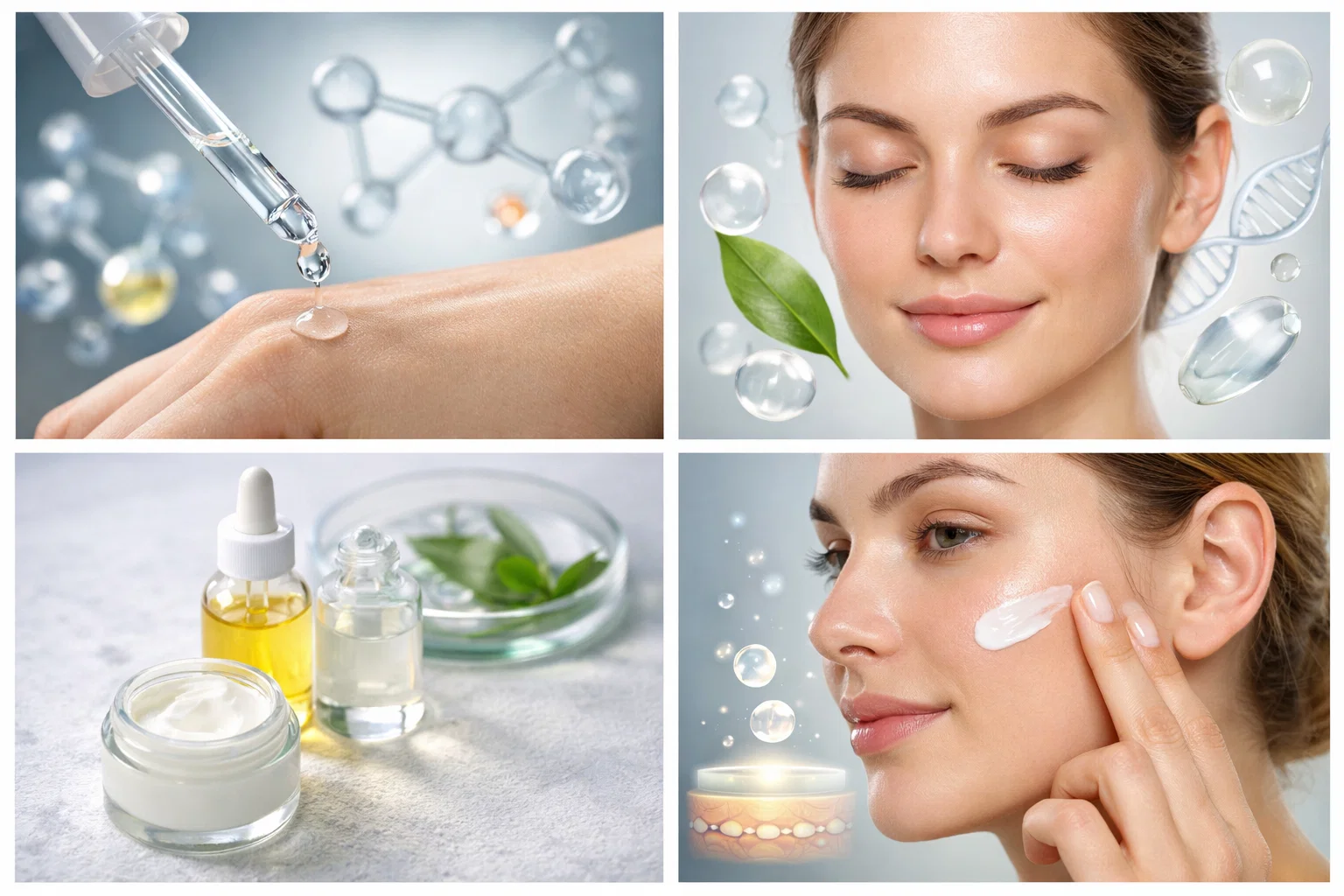
Use active ingredients strategically and avoid overloading the skin. Start with low concentrations and gradually increase as tolerated. Monitor your skin’s response closely and adjust your routine accordingly to prevent irritation. Smart use of actives ensures that you reap the benefits without compromising your skin barrier, which can lead to compromised skin and breakouts.
Recommended Product Types and Ingredients to Look For
When selecting skincare products for barrier repair, prioritize formulas that contain ceramides, niacinamide, peptides, and hyaluronic acid. Look for gentle, fragrance-free options designed to support barrier function and reduce inflammation. Incorporate serums, moisturizers, and SPF products that are specifically formulated for sensitive or compromised skin to fix damaged skin for a healthier, stronger barrier.
The Future of Skincare: Why Barrier Repair Will Stay Beyond 2026
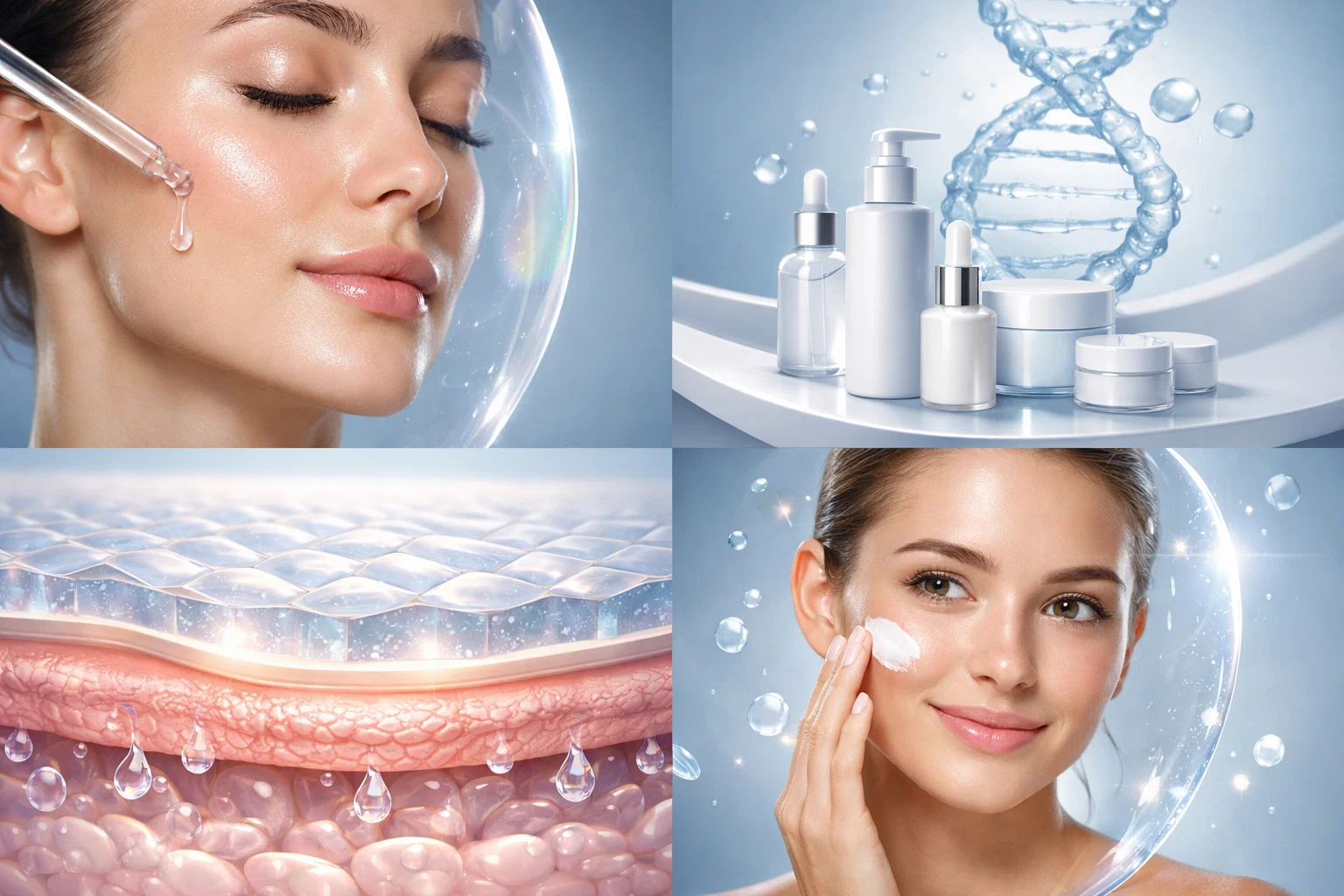
Integration Into Mainstream Skincare Brands and Routines
In 2026, barrier repair has become fully integrated into mainstream skincare brands and routines. You can find serums, moisturizers, and cleansers with barrier-strengthening formulas widely available, catering to various skin types. Major skincare industry players now prioritize barrier health in their product development. This shift ensures that consumers can easily incorporate barrier repair into their daily skincare routines for long-term skin health. This is the trend of 2026.
Scientific Research Supporting Long-Term Benefits
Ongoing scientific research continues to highlight the long-term benefits of barrier repair. Studies support that maintaining a healthy barrier improves hydration, reduces inflammation, and enhances overall skin function. These findings further validate the importance of incorporating barrier-first skincare practices for optimal skin quality and resilience. The skincare science is now well-established, and dermatologists support barrier repair.
Consumer Trends Indicating Sustained Popularity
Consumer trends in 2026 indicate that the popularity of barrier repair is here to stay. With increased awareness and education, consumers are actively seeking out skincare products that support barrier function. The focus on long-term skin health, combined with the desire for gentle yet effective skincare routines, ensures that barrier repair remains a key priority. This is the smart move for skincare.
Common Myths About Skin Barrier Repair
Myth 1: More Actives Equals Better Results
One common myth is that using more active ingredients leads to better results. In reality, overloading the skin with actives can compromise the skin barrier, leading to irritation and sensitivity. Barrier repair emphasizes the importance of balance and smart use of actives to achieve healthy skin without causing damage. High-strength retinoids are not always the answer to great skin.
Myth 2: Only Sensitive Skin Needs Barrier Repair
Another myth is that only sensitive skin needs barrier repair. While those with sensitive skin benefit greatly, everyone can benefit from strengthening their skin barrier. Environmental aggressors, harsh cleansers, and other factors can compromise barrier function regardless of skin type. Incorporating barrier-supporting products is essential for maintaining skin health for all.
Myth 3: Barrier Repair Is Slow and Ineffective
Some believe that barrier repair is slow and ineffective. While it may take time to see significant results, consistent use of barrier-strengthening skincare products can lead to noticeable improvements in hydration, reduction of inflammation, and overall skin health. Patience and consistency are key when fixing compromised skin and achieving long-term benefits.
Conclusion: Investing in Your Skin’s Foundation Is the Smartest Beauty Move in 2026
In conclusion, investing in your skin’s foundation through barrier repair is the smartest beauty move in 2026. Prioritizing a healthy barrier ensures long-term skin health, resilience, and a radiant complexion. By understanding the importance of barrier function and incorporating barrier-supporting practices into your skincare routine, you can achieve the ultimate goal of healthy, glowing skin that lasts. Invest in skincare and barrier care.