


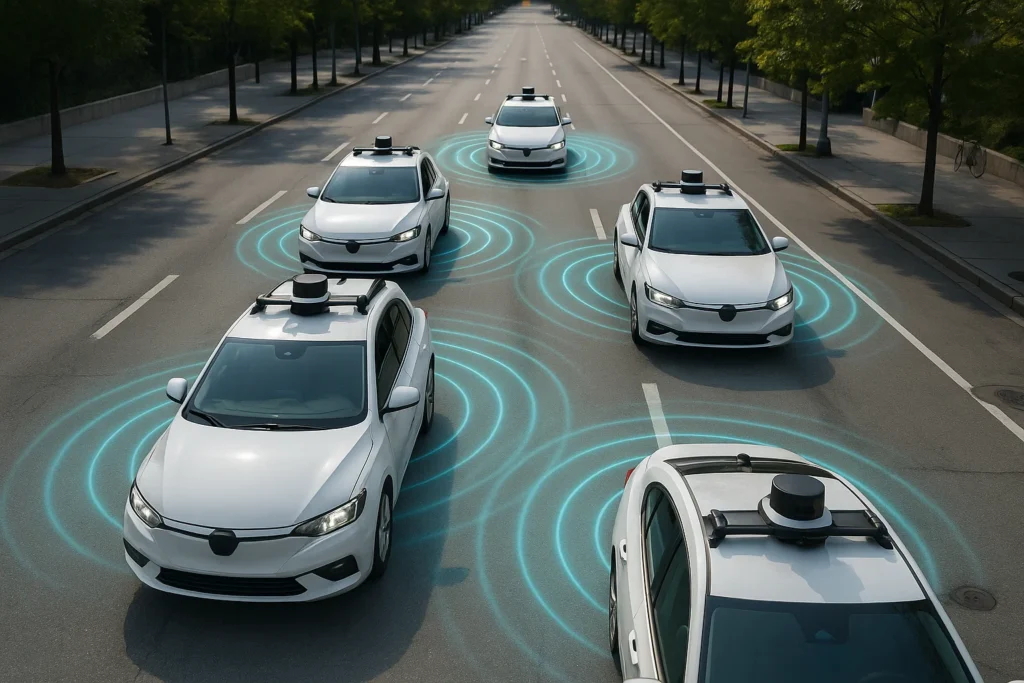
The automotive industry is undergoing a monumental shift with the rise of self-driving cars. These autonomous vehicles promise to revolutionize how we commute, conduct business, and interact with our environment. The potential impacts are far-reaching, extending from individual lifestyles to the very fabric of urban areas and transportation networks.
The Rise of Autonomous Vehicles
What are Self-Driving Cars and How Do They Work?
Self-driving cars, also known as autonomous vehicles, are designed to automate driving tasks, reducing or eliminating the need for a human driver. Self-driving cars rely on a complex interplay of sensors, artificial intelligence, and sophisticated computer programs. These self-driving vehicles could fundamentally change transportation as we know it.

Levels of Autonomy Explained (From Level 0 to Level 5)
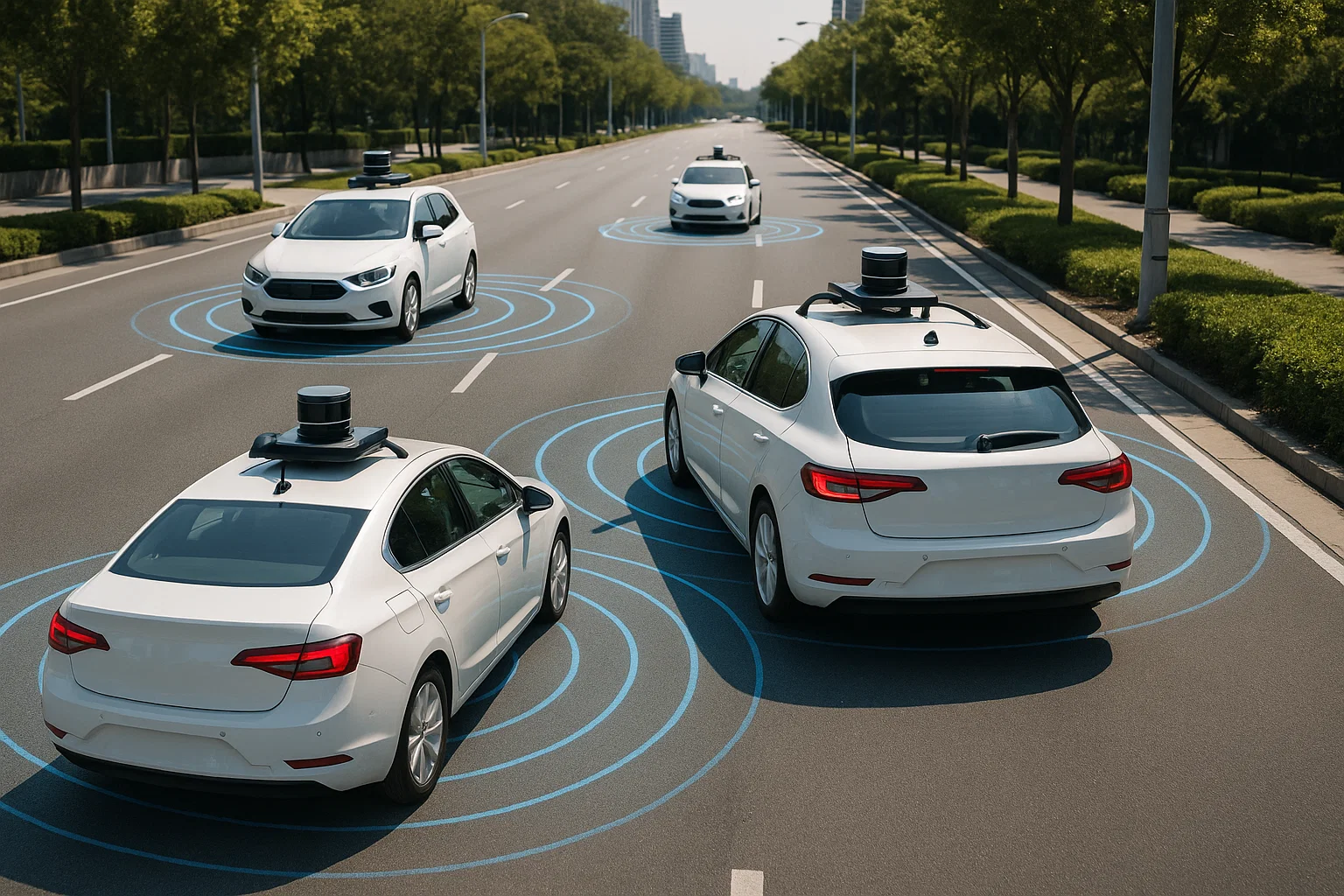
Autonomy in self-driving cars is classified into levels, from 0 to 5. At Level 0, the human driver controls everything, while Level 5 represents fully self-driving capability, where the vehicle can handle all driving tasks in all conditions without human intervention. The rise of self-driving technology relies on achieving these higher levels of autonomy.
The Promise of Safer Roads
How Human Error Contributes to Most Accidents
Human error is a leading cause of collisions and fatalities on the road. Factors like distracted driving, impaired driving, and simple misjudgments contribute significantly to the high accident rate. Self-driving cars may reduce these accidents and change transportation to the safer kind. Autonomous vehicles will affect the number of accidents.
How AI, Sensors, and Data Improve Safety
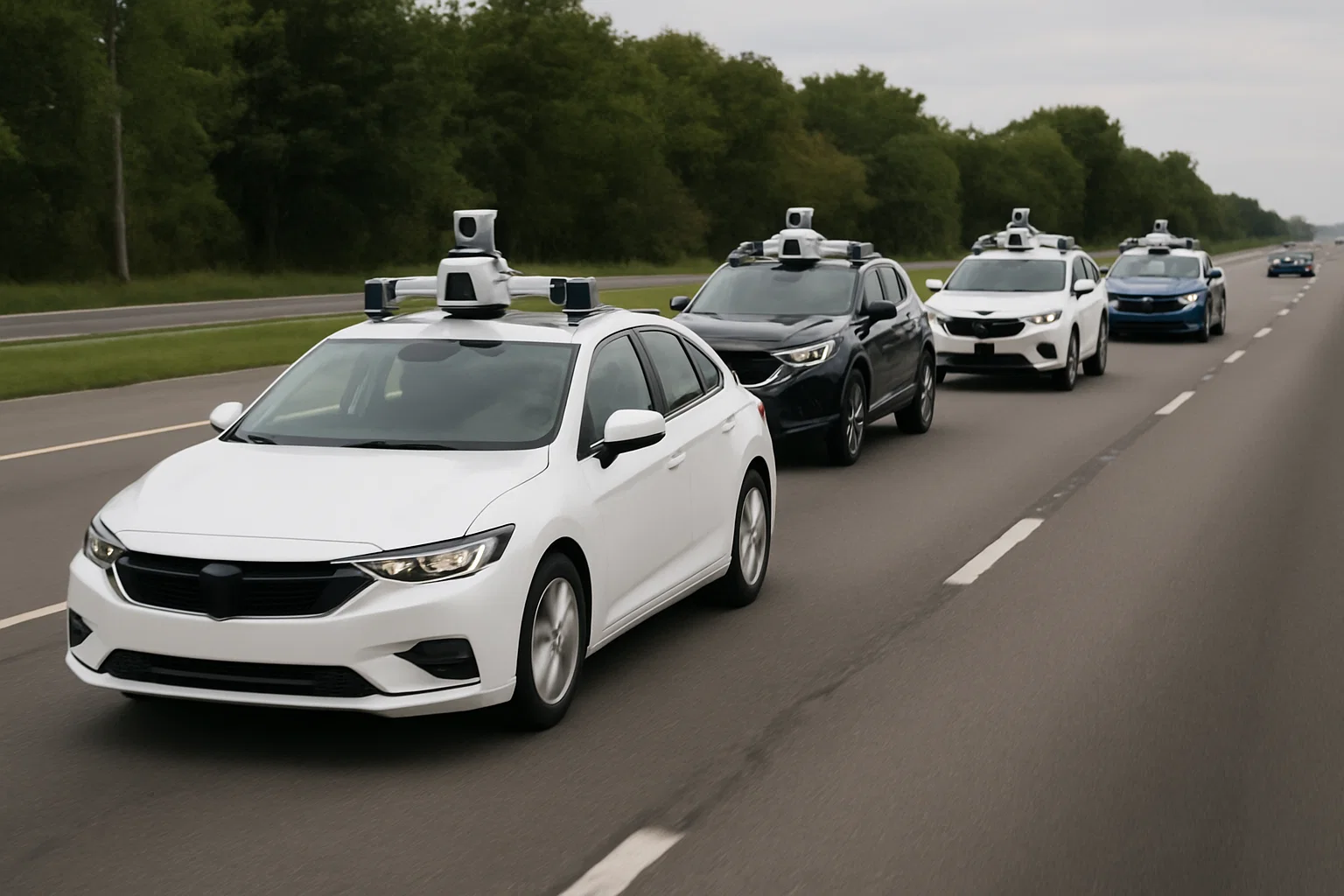
AI, sensors like lidar, and data processing enhance safety by providing autonomous cars with a 360-degree awareness of their surroundings. These technologies enable vehicles to react faster and more consistently than a human driver, potentially preventing crashes and reducing accidents, helping cars on the road drive safely.
Real-World Case Studies of Accident Reduction
Real-world case studies and pilot programmes are beginning to demonstrate the potential of self-driving technology to reduce accidents. By analyzing data from autonomous vehicles in operation, researchers can quantify the improvements in safety and identify areas for further refinement in the program and autonomous driving.
Transforming Daily Travel Experience
From Driving to Relaxing: What You Can Do in an AV
One of the most appealing aspects of autonomous vehicles is the potential to transform travel time into productive or leisure time. Instead of focusing on driving, passengers could work, read, or relax, making the commute more enjoyable and efficient. It will change transportation and people’s lives drastically.
Impact on Commuters and Professionals
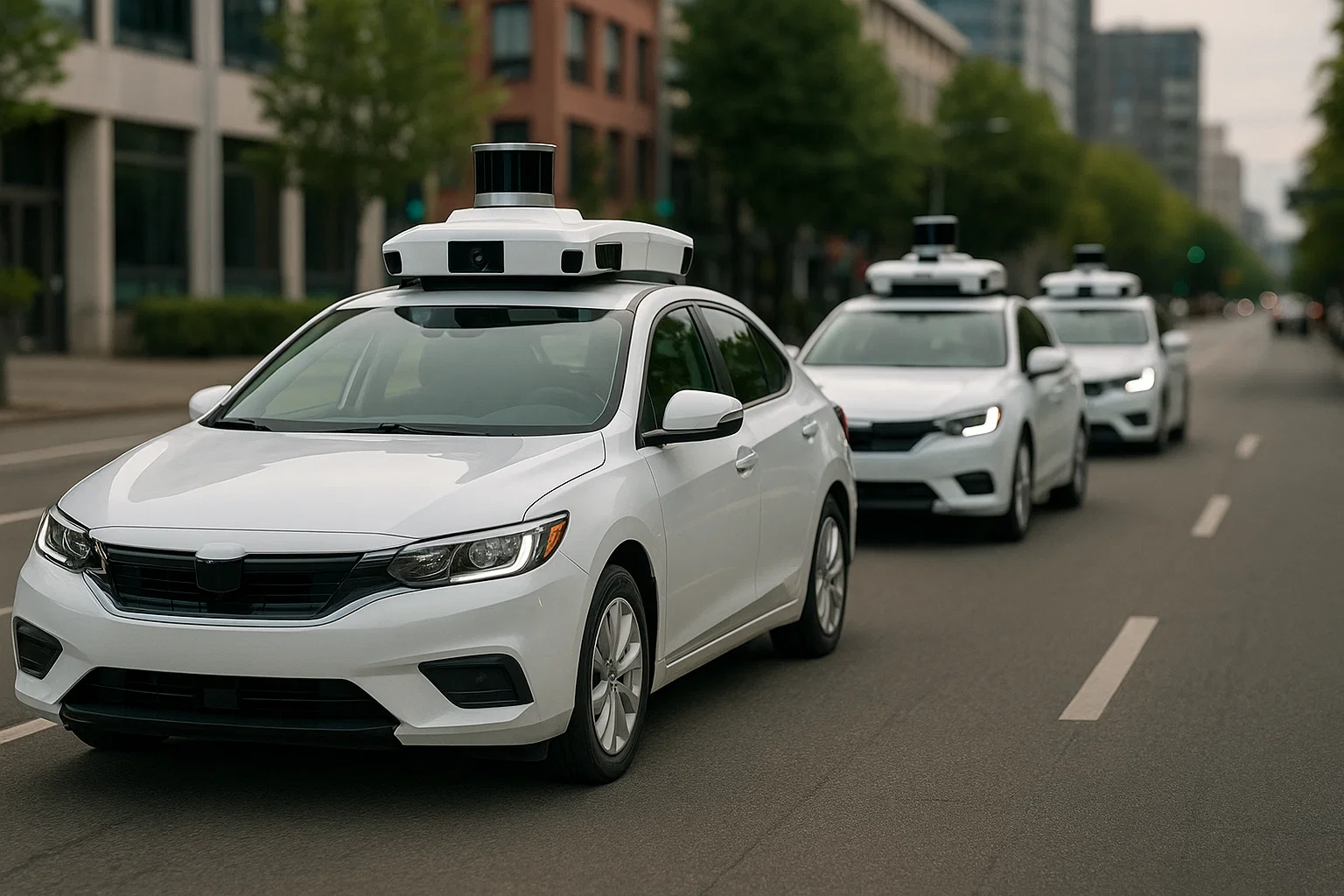
The impact on commuters and professionals could be substantial. Imagine reclaiming hours spent behind the wheel each week, allowing for increased productivity or more personal time. Autonomous vehicles could reshape how people commute and work, especially for those in urban areas facing long travel time.
Self-Driving Cars in Ride-Sharing & Public Transport
Self-driving cars could revolutionize ride-sharing and public transport systems. Fleets of autonomous vehicles could provide on-demand transportation, reducing the need for individual car ownership. Autonomous delivery will be cheaper than normal. Self-driving vehicles will affect parking lots.
Smarter Cities and Road Infrastructure
How AVs Will Reduce Traffic Jams and Congestion
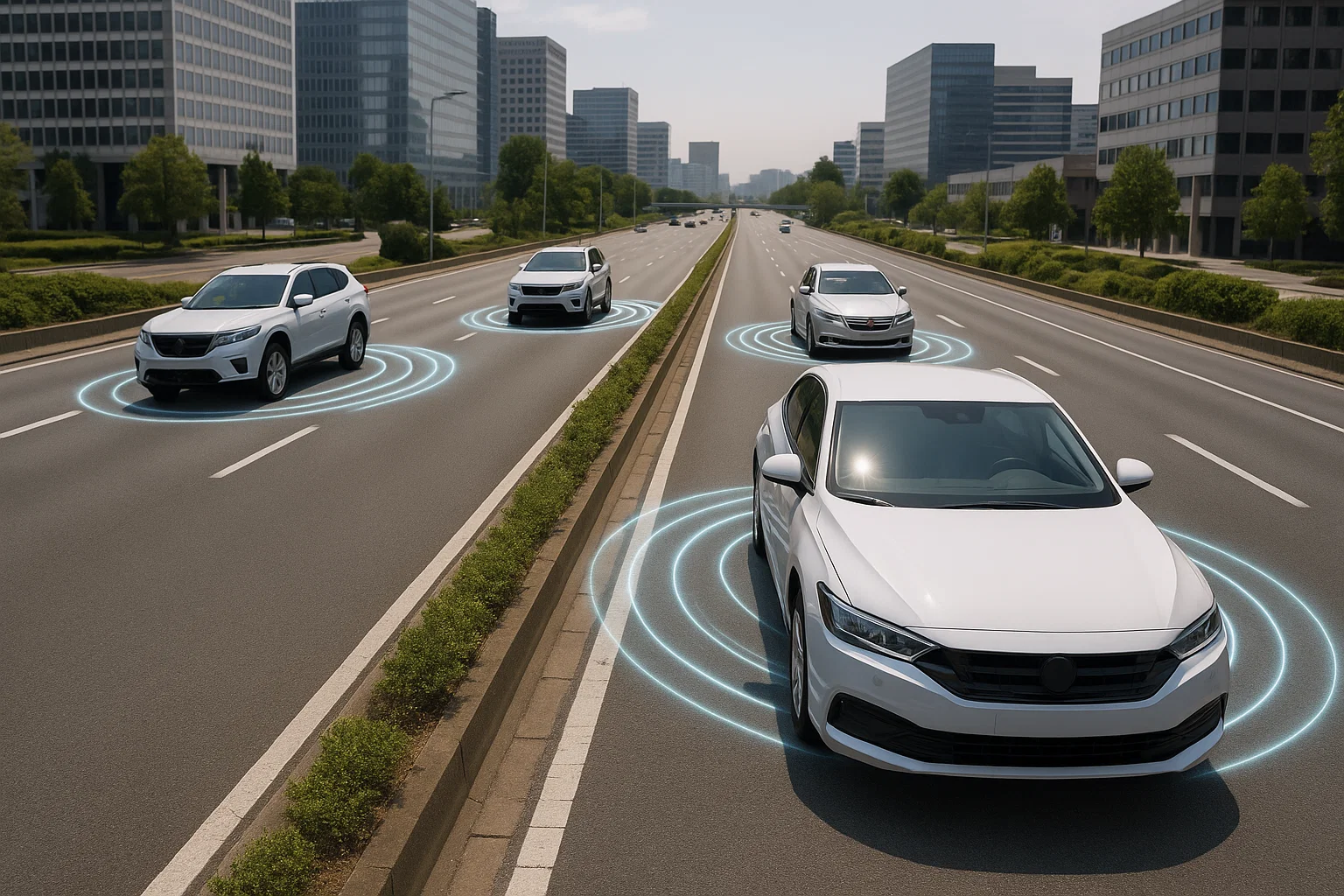
One of the most promising benefits of self-driving cars is their potential to alleviate traffic congestion in urban areas. By optimizing routes, maintaining consistent speeds, and reducing human error, automated vehicle systems can significantly improve traffic flow and reduce congestion. This automation could change transportation and reduce the number of cars needed.
Changes in City Design and Parking Needs
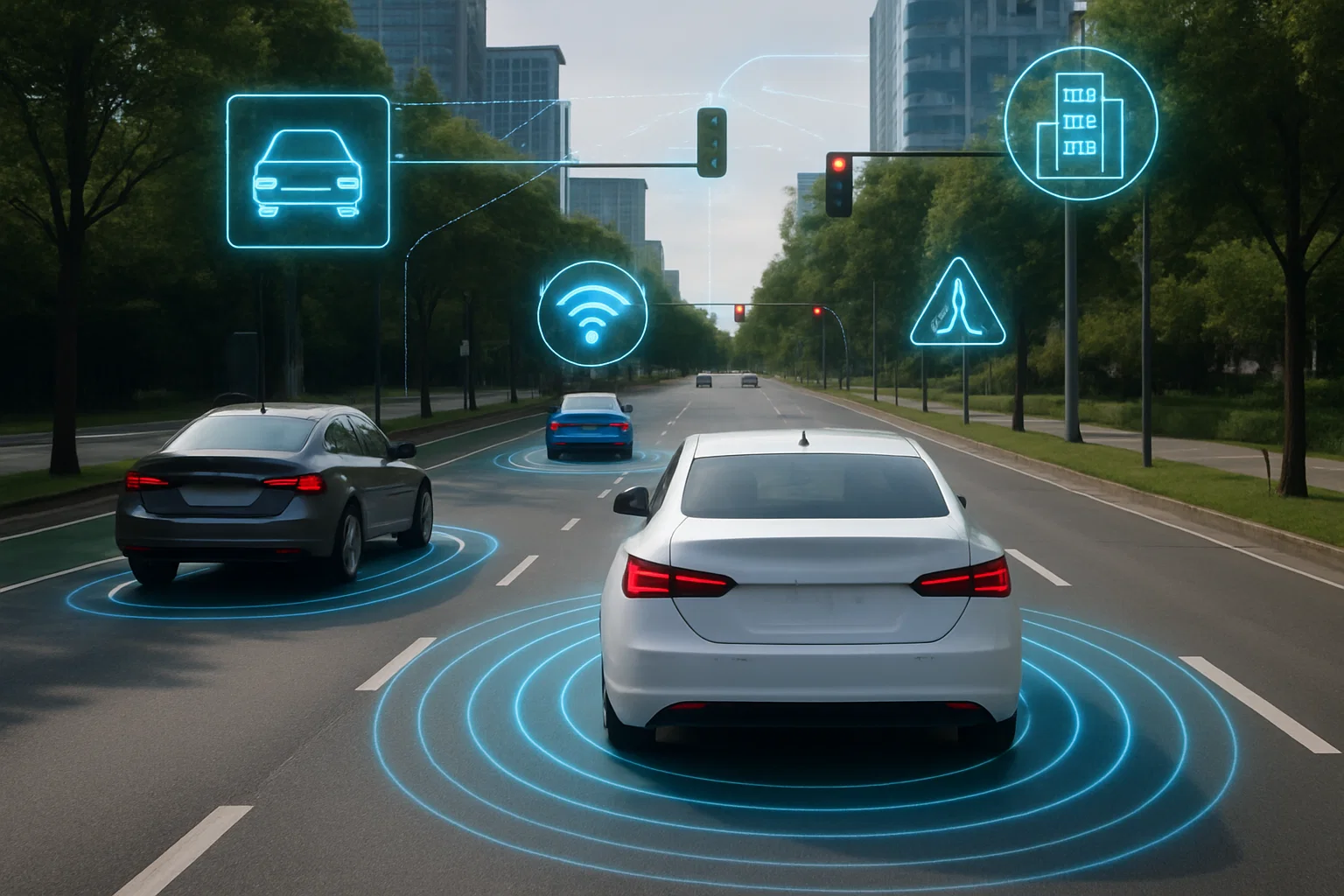
The widespread adoption of autonomous vehicles could drastically reshape city design and parking needs. With fewer personally-owned vehicles and increased use of ride-sharing services, the demand for parking lots could decrease. This allows for repurposing land for green spaces or other urban development, changing the use of parking lots and urban areas.
Smart Traffic Systems and Vehicle-to-Vehicle Communication
Smart traffic systems and vehicle-to-vehicle (V2V) communication are crucial for the effective integration of autonomous vehicles. These systems enable self-driving cars to communicate with each other and with the infrastructure, optimizing traffic flow, and preventing collisions. This will change transportation and reduce congestion.
Economic Impact of Autonomous Vehicles
Job Market Shifts: Truckers, Taxi Drivers & Delivery Services
The rise of self-driving technology will undoubtedly lead to shifts in the job market, particularly for professions like truckers, taxi drivers, and delivery services. As autonomous vehicles become more prevalent, the demand for human drivers in these roles could decrease, necessitating retraining and adaptation. Self-driving vehicles will affect many professions.
Cost Savings for Individuals and Businesses
Beyond job market shifts, autonomous vehicles offer the potential for significant cost savings for both individuals and businesses. Reduced fuel consumption, lower insurance premiums, and decreased accident rates can translate into substantial financial benefits. This change transportation in terms of its costs and making it affordable.
Growth Opportunities in Tech, AI, and Mobility Services
While some jobs may be displaced, the autonomous vehicle revolution will also create numerous growth opportunities in tech, AI, and mobility services. Developing, maintaining, and managing fleets of self-driving cars will require a skilled workforce. Autonomous delivery will also affect other businesses.
Environmental Benefits and Sustainability
Why Most Self-Driving Cars Will Be Electric
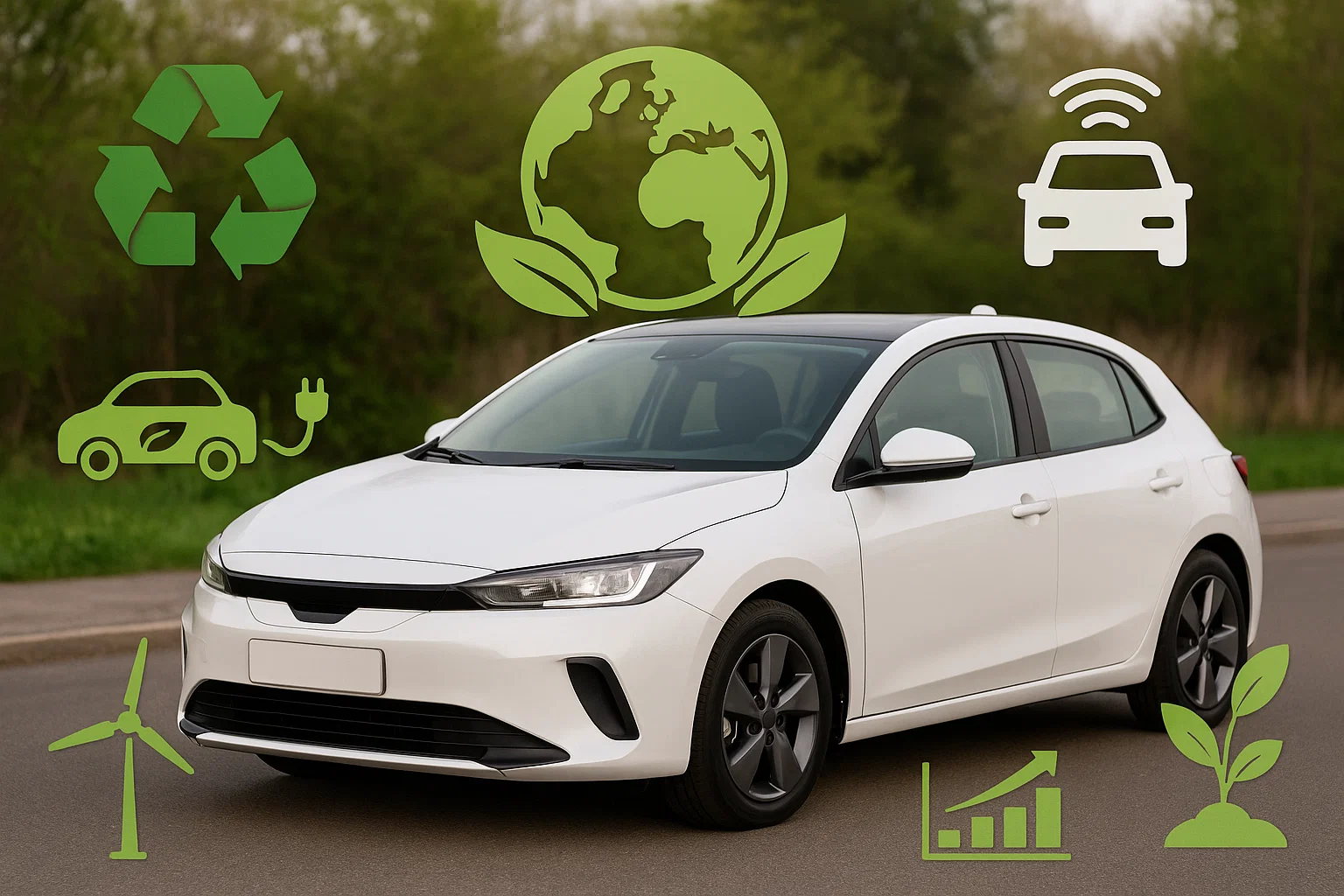
Most projections suggest that self-driving cars will primarily be electric vehicles. The combination of autonomous driving and electric propulsion offers a synergistic approach to sustainability. Electric self-driving cars will help with a wide array of environmental issues.
Reduced Emissions Through Efficient Driving
Autonomous vehicles can optimize driving behavior to minimize fuel consumption and reduce emissions. Through precise control of acceleration, braking, and speed, self-driving cars can achieve greater efficiency than human drivers, decreasing their environmental impact and reducing their overall emissions.
Cleaner Cities and Health Benefits
The widespread adoption of electric, self-driving cars promises cleaner cities and improved public health. Reduced emissions translate to cleaner air and a lower incidence of respiratory illnesses. Autonomous delivery will help the environment.
Accessibility and Inclusivity on the Roads
Mobility for the Elderly and Disabled
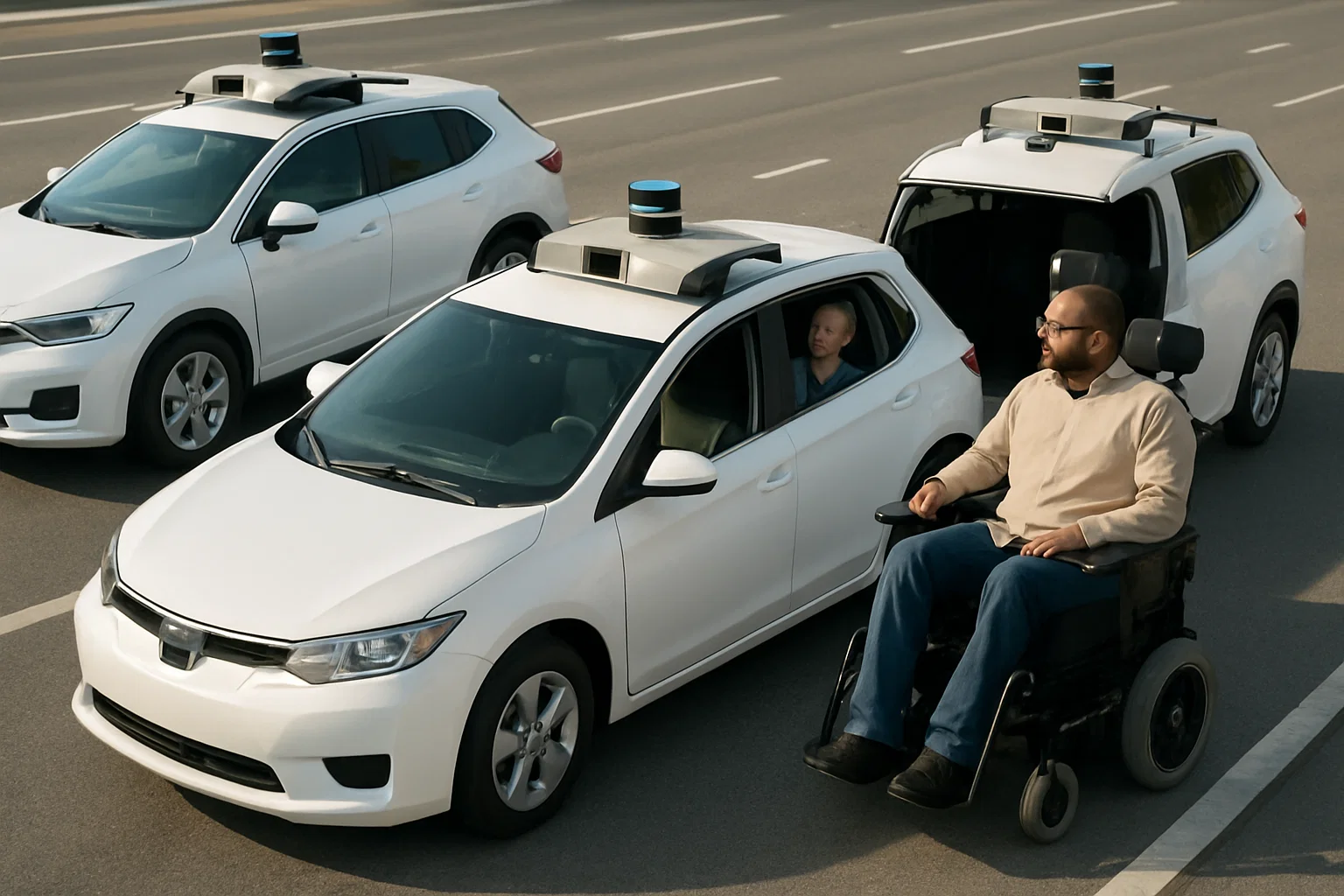
Self-driving cars could offer unprecedented mobility for the elderly and disabled. These autonomous vehicles could automate the commute and eliminate the need for a human driver, allowing those who cannot drive to travel independently. The rise of self-driving technology is necessary to make this possible. Self-driving cars may prove to be life changing.
Affordable Travel for Non-Drivers
Affordable travel options for non-drivers can be achieved using autonomous vehicles. By reducing the cost of transportation through efficient fleet management and ride-sharing programs, driverless cars will change transportation to be more accessible to low-income individuals. Autonomous delivery can also make goods cheaper and more accessible for those without personal transport.
Reducing Transportation Inequality
Reducing transportation inequality becomes more feasible with the deployment of self-driving vehicles. Areas underserved by public transport can gain access to efficient and affordable mobility solutions using automated vehicle fleets. The availability of these autonomous cars can empower underserved communities. Self-driving cars may impact many lives.
Challenges and Concerns We Must Address
Cybersecurity and Hacking Risks
Cybersecurity and hacking risks pose significant challenges to the widespread adoption of self-driving cars. The safety and security of these autonomous vehicles depend on protecting them from malicious attacks that could compromise their systems. Fully self-driving vehicles must be protected from cyber attacks that cause collisions.
Ethical Dilemmas in Crash Scenarios
Ethical dilemmas arise in crash scenarios involving autonomous vehicles. Programmers must decide how self-driving vehicles should react in unavoidable accident situations. How should the car prioritize the safety of its occupants versus pedestrians or other vehicles on the road? Autonomous driving and the protection of others must be prioritized.
Legal, Insurance, and Liability Issues
Legal, insurance, and liability issues surrounding self-driving cars are complex and evolving. Determining who is responsible in the event of an accident involving an autonomous vehicle is a significant challenge. The rise of self-driving cars depends on establishing clear legal frameworks and insurance policies. Autonomous delivery may also raise new problems.
The Future of Autonomous Vehicles
Timeline: When Will Self-Driving Cars Become Mainstream?
Predicting the exact timeline for when self-driving cars will become mainstream is difficult. The rise of self-driving technology needs to happen before self-driving cars will be mass-produced. The pace of technological development, regulatory approvals, and public acceptance will all influence the adoption of self-driving vehicles by commuters.
Integration with Planes, Trains, and Smart Mobility Systems
The integration of autonomous vehicles with planes, trains, and smart mobility systems is crucial for creating seamless transportation networks. Imagine a future where self-driving cars seamlessly connect commuters to airports and train stations. These driverless cars will change transportation as people know it.
Long-Term Vision: Fully Automated Transportation Networks
The long-term vision is fully automated transportation networks, where autonomous vehicles operate in a coordinated and optimized manner. This system would be safer, more efficient, and more sustainable than today’s transportation systems. This will change transportation in an amazing way. Autonomous delivery can happen without any need for humans.
Conclusion: A New Era of Safer, Smarter, and Greener Roads
Self-driving cars hold the promise of a new era of safer, smarter, and greener roads. While challenges remain, the potential benefits of autonomous vehicles are immense. As technology continues to advance, self-driving cars will play an increasingly important role in reshaping our world and improving lives. Autonomous delivery will improve business too.