


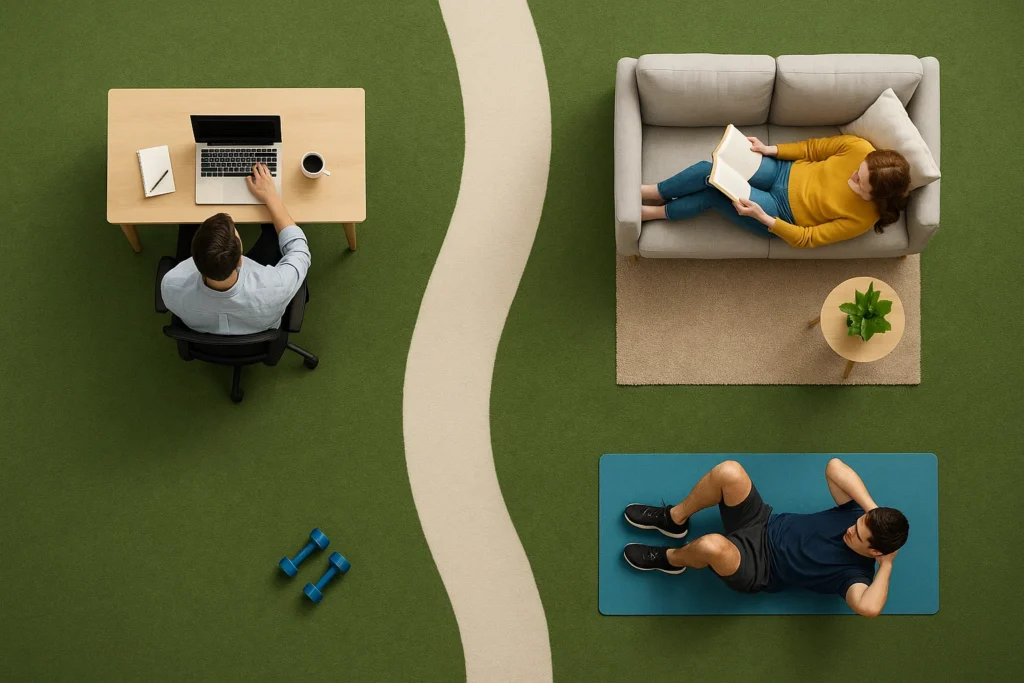
In today’s fast-paced world, achieving a true work-life balance seems like an elusive dream. The pressures of modern life often leave us feeling stretched thin, constantly juggling professional demands and personal responsibilities. But there’s a concept that can help: the third space.
Why Work-Life Balance Feels Harder Than Ever
The blurring of home and work in the modern world
The lines between home and work have become increasingly blurred, especially with the rise of remote work. This can make it difficult to fully disconnect, leading to burnout and decreased well-being as our home and workplace merge.


Why traditional balance strategies often fail
Traditional strategies for achieving work-life balance often fall short because they don’t address the fundamental need for a mental and physical separation. They lack the capacity to offer a full reset from both work and home life.
Enter the “Third Space” — your missing link to harmony
The “third space” is your missing link to harmony, offering a much-needed mental and physical space distinct from the demands of work and home. This provides a sanctuary to unwind, recharge, and improve mental health.
What Is a Third Space? Understanding the Concept
The origin of the “third space” idea — from sociology to self-care
The origin of the “third space” idea traces back to sociologist Ray Oldenburg, who emphasized the importance of spaces for community interaction. This concept has since evolved into a vital aspect of self-care and wellness.
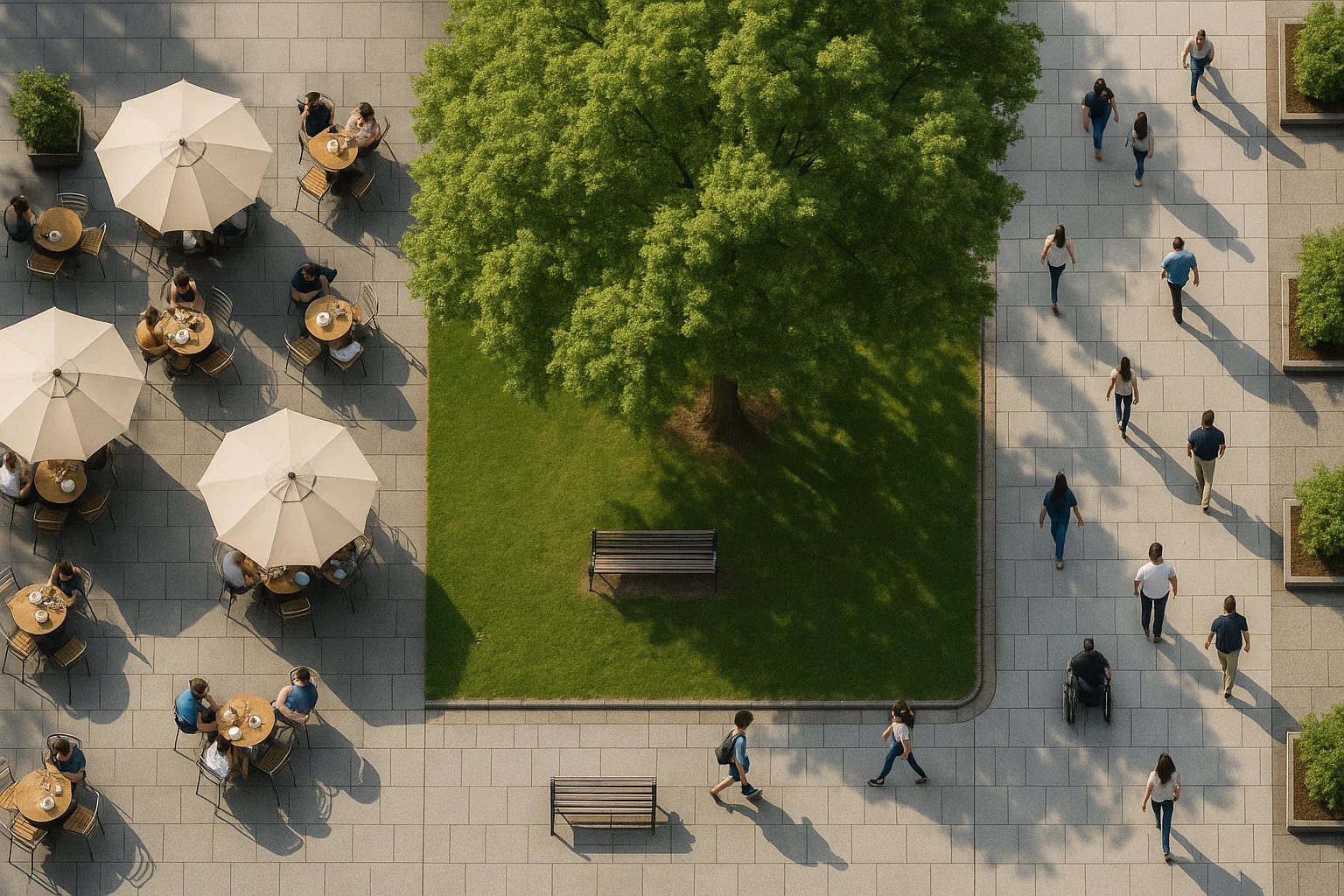
Defining your third space: not home, not work, but your “you zone”
Defining your third space is simple: it’s not home, not work, but your “you zone” – a place where you can relax, pursue your interests, and simply be yourself. Find a place to get things done.
Why humans need a mental and physical boundary space
Humans need a mental and physical boundary space because it provides a necessary buffer between different roles and responsibilities, helping us to maintain a healthy mindset and prevent burnout.
The Science Behind Third Spaces and Well-Being
Psychological benefits: separation, restoration, and identity renewal
The psychological benefits of a third space include separation from daily stresses, restoration of mental energy, and identity renewal by allowing you to explore interests outside of work or home, greatly enhancing well-being.
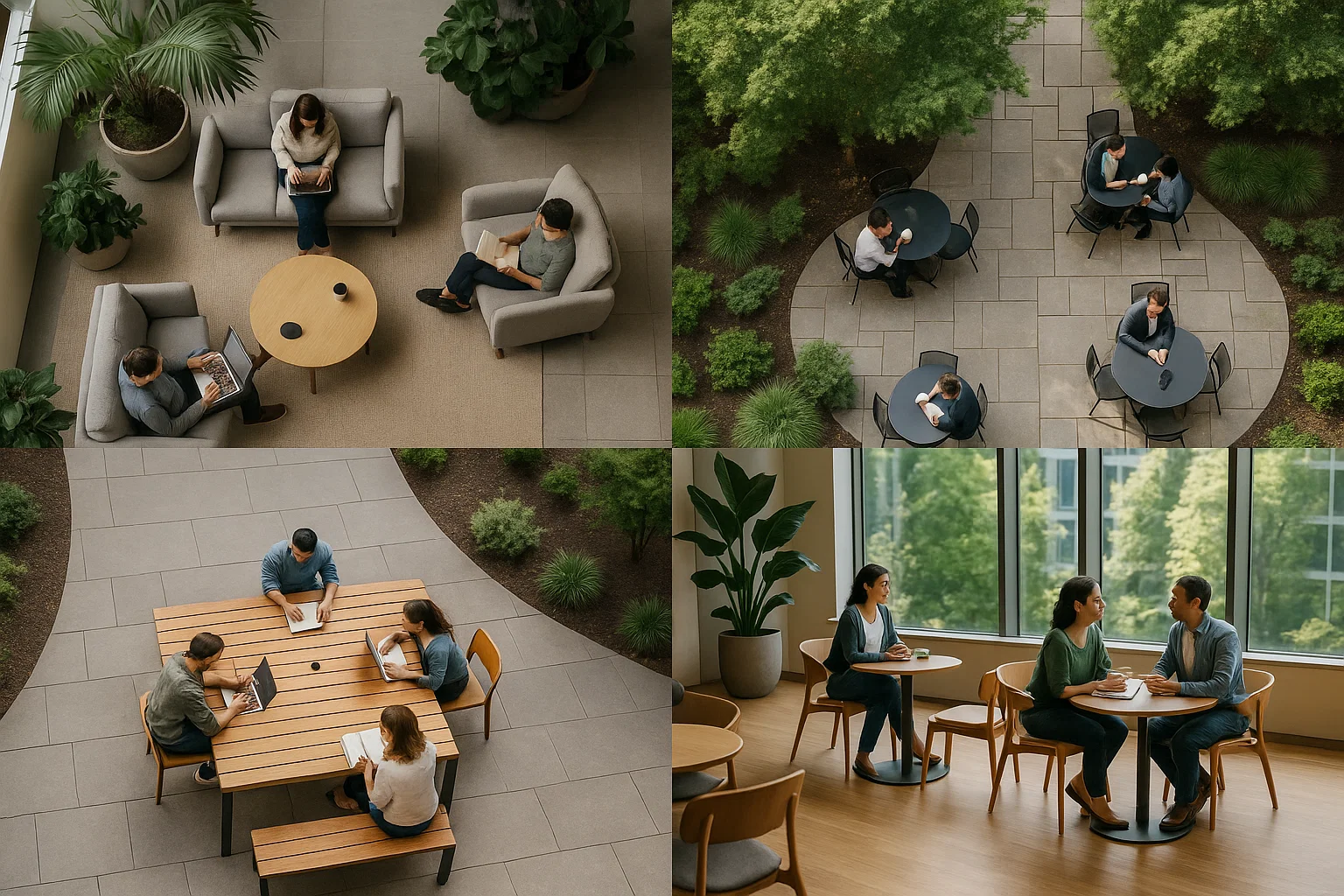
The role of environment on creativity and focus
The role of environment on creativity and focus is substantial; a well-designed third space can stimulate new ideas and improve concentration. This is perfect for remote workers needing to reset.
Social well-being: community, connection, and belonging
Third spaces promote social well-being by fostering community, connection, and belonging, which are essential for mental health and a sense of purpose. The presence of others can reduce isolation.
Signs You Need a Third Space in Your Life
You’re always “on” — no real downtime between tasks
If you’re always “on,” with no real downtime between tasks, it’s a clear sign you need a third space to disconnect and recharge. Remote work often leads to this state of constant alertness.
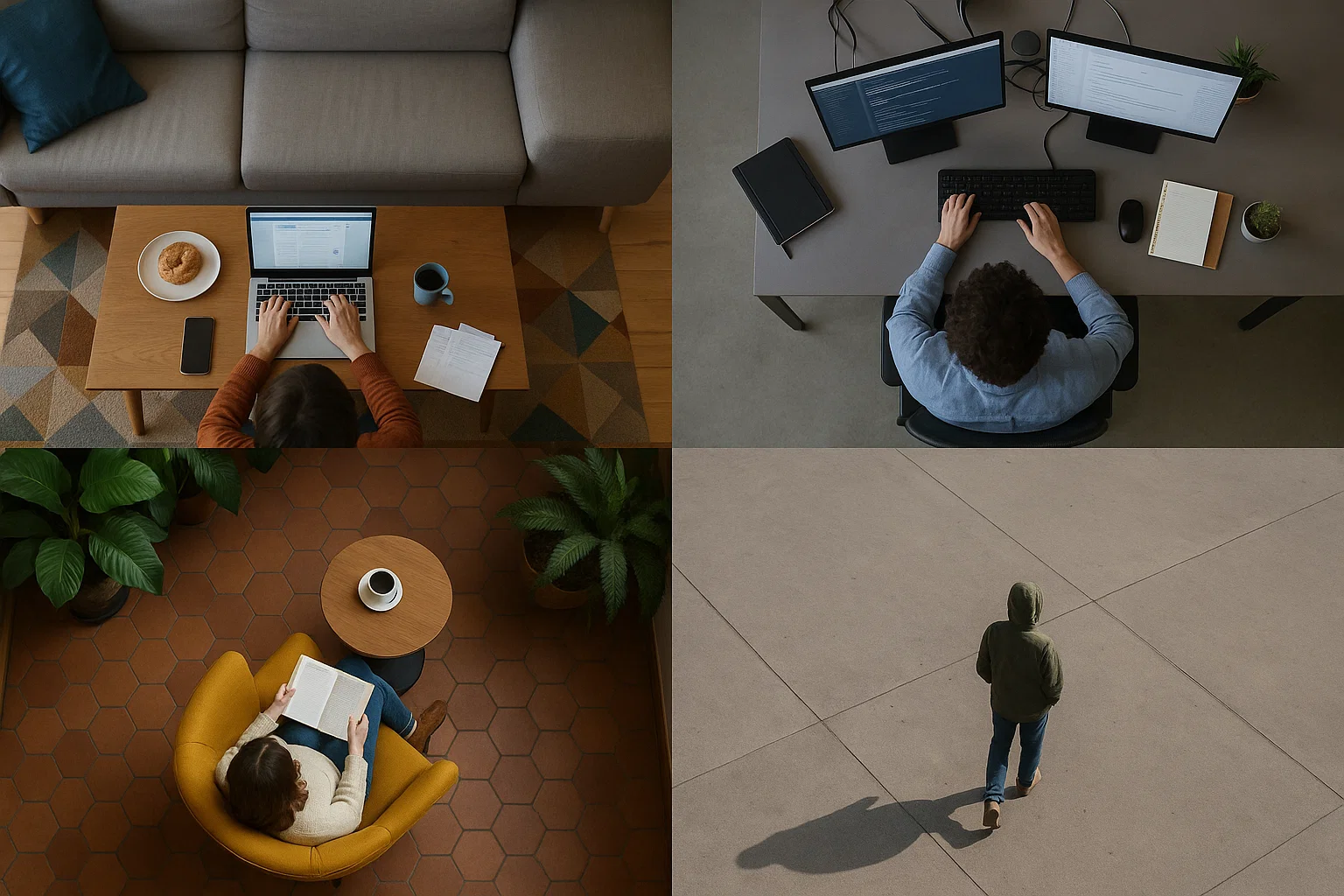
Your home no longer feels restful
If your home no longer feels restful, it’s a sign that you need a third space. This is a place to find rest and reset. Establishing a separate area dedicated to relaxation can make all the difference.
You crave creativity, but your environment feels draining
If you crave creativity, but your environment feels draining, then finding a third place to find inspiration is essential. A new environment can stimulate your mind and reignite your passion.
How to Build Your Perfect Third Space
Step 1: Define your purpose — relaxation, inspiration, or connection
Begin by defining the purpose of your third space: relaxation, inspiration, or connection. Understanding your intention will guide your design and use of the space. This is vital for improving work-life balance and well-being.
Step 2: Choose the right location — from cafés to parks to studios
Select a location that aligns with your purpose. Options range from cafés and parks to studios and libraries. The right environment is crucial for maximizing the benefits of your third space as you seek rest and reset.

Step 3: Personalize your space — make it feel like “you”
Personalize your third space to reflect your personality and interests. Add elements that make you feel comfortable and inspired. Decor that resonates with you can enhance the benefits of having a third space for mental health.
Step 4: Establish a ritual — consistency turns space into sanctuary
Establish a ritual or habit associated with your third space. Whether it’s reading, meditating, or socializing, consistency transforms the space into a sanctuary, promoting relaxation and a positive mindset for work-life balance.

Step 5: Use tech wisely — enhance creativity, avoid distractions
Use technology wisely in your third space. Employ tools that enhance creativity and productivity, but avoid distractions that undermine your purpose. Turn off notifications to get things done while working remotely and benefit your well-being.
Inspiring Third Space Ideas for Different Lifestyles
For remote workers: local coworking lounges or quiet cafés
For remote workers, local coworking spaces or quiet cafés offer a change of scenery, fostering collaboration and preventing isolation. The ability to socialize and reset is crucial for maintaining work-life balance.
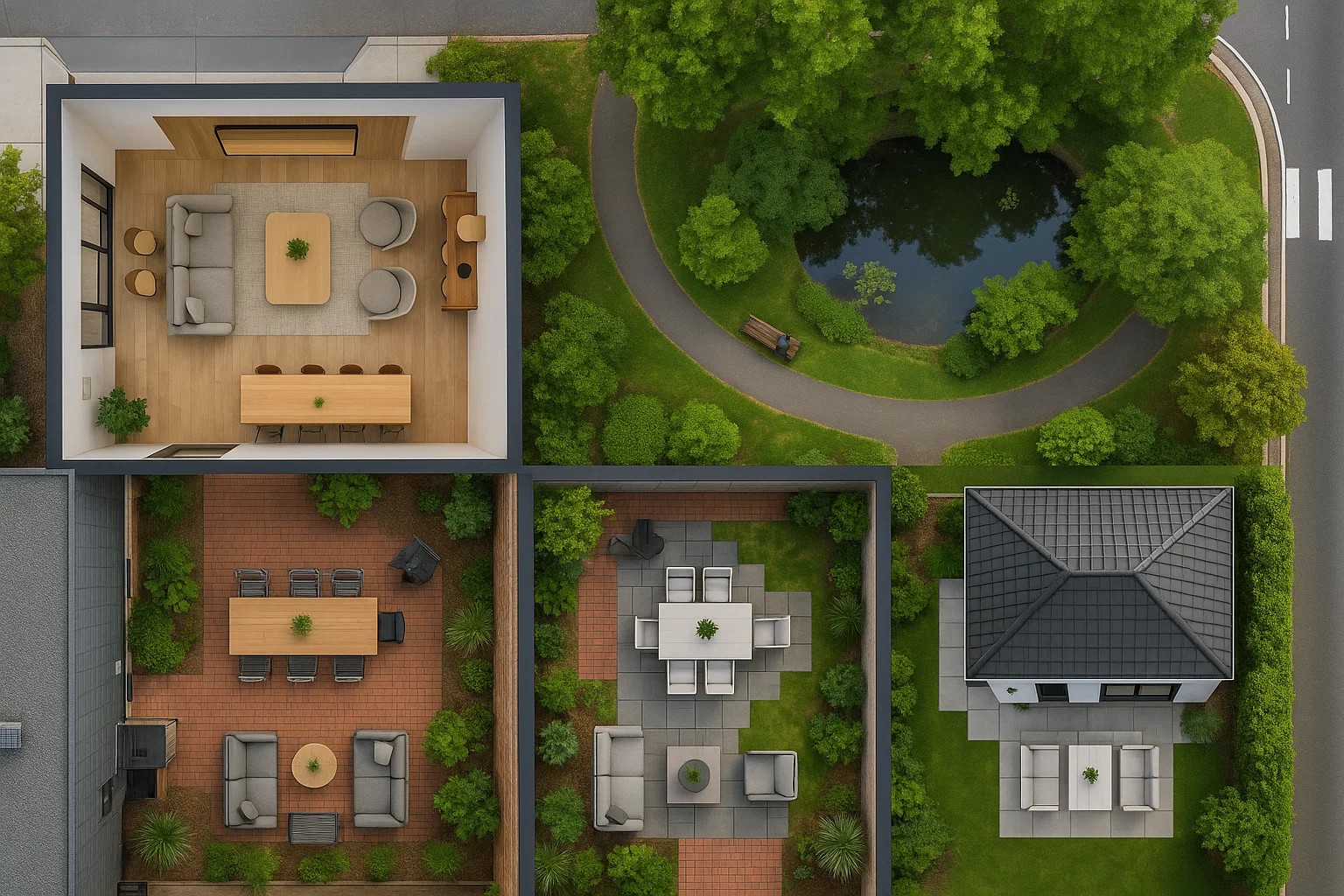
For creatives: art galleries, design studios, or botanical gardens
For creatives, art galleries, design studios, or botanical gardens provide a wealth of inspiration and a stimulating environment. Finding a third space that nurtures creativity is essential for well-being and productivity.
For introverts: library nooks or balcony reading corners
For introverts, library nooks or balcony reading corners offer a peaceful retreat to unwind and recharge. These spaces provide a sense of calm and promote mental health as part of a positive work-life balance.
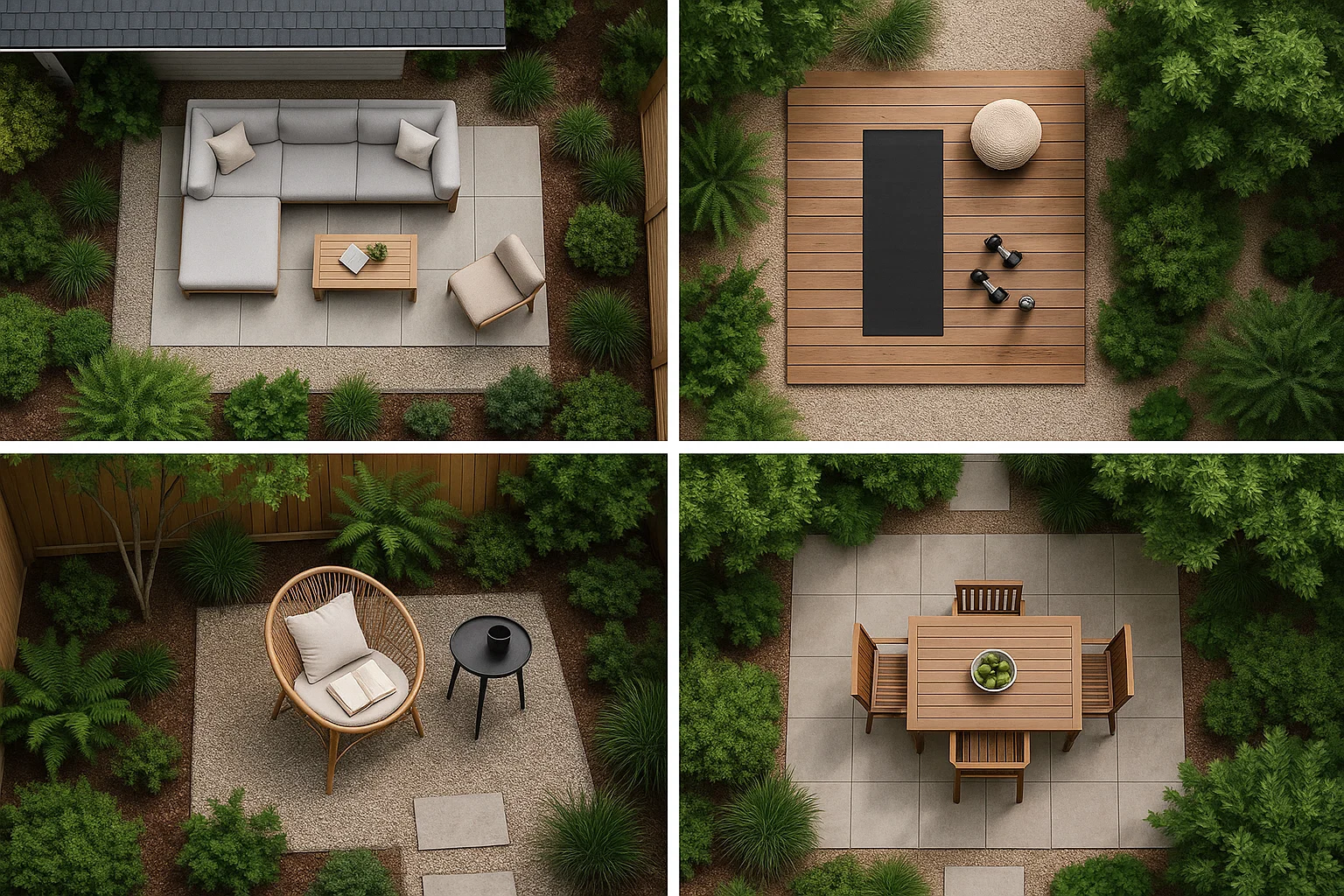
For nature lovers: parks, beaches, or hiking spots
For nature lovers, parks, beaches, or hiking spots provide an opportunity to connect with the outdoors and find rest and reset from the demands of home and work. This offers a change of pace from working from home.
For community seekers: yoga studios, workshops, or makerspaces
For community seekers, yoga studios, workshops, or makerspaces provide opportunities to socialize, learn new skills, and belong. Participating in community events fosters a sense of connection and enhances mental well-being.
How to Create a “Micro Third Space” at Home
Transforming corners, balconies, or attics into mental escapes
Transforming corners, balconies, or attics into mental escapes can create a personal sanctuary within your home. This allows you to find rest and reset without leaving your property, improving work-life balance and mental health.
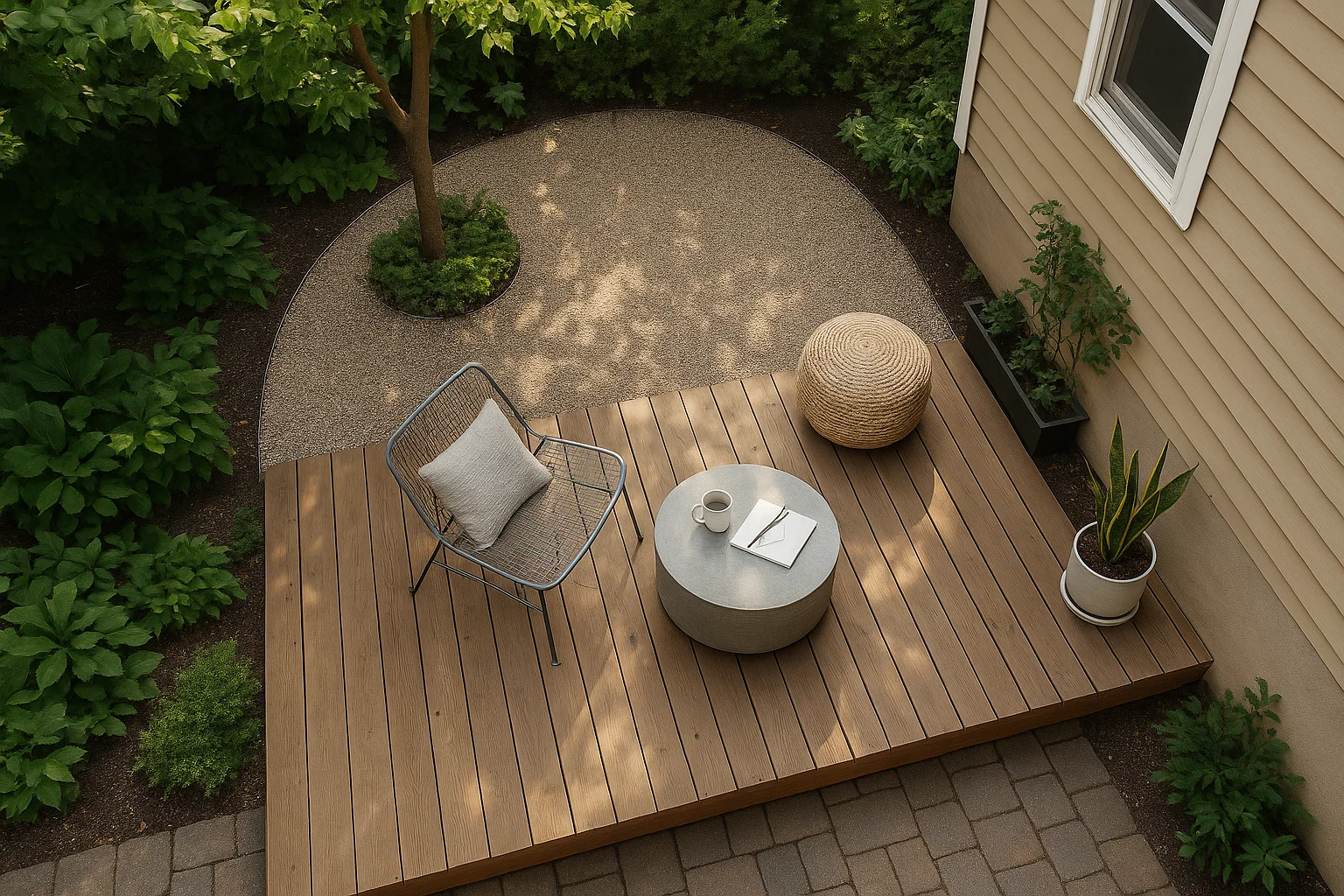
Decor elements that promote peace and focus (plants, light, scent)
Incorporate decor elements that promote peace and focus, such as plants, soft lighting, and calming scents. These sensory cues help create a relaxing environment. This can improve the benefits of having that space.
Setting digital boundaries to protect the space’s purpose
Setting digital boundaries is essential to protect the space’s purpose. Avoid checking emails or engaging in work-related tasks within your micro third space. Instead, use the time to unwind, find rest, and reset.
How to Make Time for Your Third Space in a Busy Schedule
Integrating your third space into a busy schedule requires planning. Time-blocking is a great start. Plan your day to allow for your third space. This will ensure that you prioritize your well-being and make time to relax for work-life balance.
Use time-blocking and intentional breaks
Use time-blocking and intentional breaks to carve out dedicated time for your third space, even amidst a demanding schedule. This is essential for finding a third place and will lead to improved productivity, better mental health, and overall well-being. These spaces are more crucial than ever for remote workers.
Schedule micro-visits — even 20 minutes count
Even micro-visits to your third space count. Schedule these short breaks to find rest and reset. This can allow one to unwind during the day. Regular mental health breaks will boost work life.
Combine third-space time with habits you already enjoy
Maximize your third space experience by combining it with habits you already enjoy: listen to music, reading, or a brief meditation. These small joys boost the benefits of having a third place and improve your overall mindset during work and home life.
The Hidden Benefits You’ll Notice Over Time
As you consistently use your third space, you’ll unlock a range of hidden benefits that positively impact your work life and overall wellness. You’ll find the ability to socialize, a place to find rest and reset, and that you can get things done.
Improved focus and productivity at work
Spending time in your third space can lead to improved focus and productivity at work, as you return feeling refreshed and mentally prepared to tackle tasks after finding a third place. Regular visits support sustained concentration.
Deeper relaxation and better mental clarity
One of the key benefits of a third space is the deeper relaxation and better mental clarity it provides. This allows you to unwind from the stresses of daily life. The benefits of a third place will improve your overall mental health.
Stronger personal identity and self-awareness
A third space encourages self-reflection and exploration of personal interests, contributing to a stronger personal identity and self-awareness. The idea is finding a third place to foster creativity during work from home. Having a space helps you to find rest and reset.
Reignited creativity and motivation
Exposure to new environments and activities in your third space can reignite creativity and motivation, helping you approach challenges with renewed enthusiasm. Having that space can make all the difference for remote workers.
Common Mistakes to Avoid When Creating a Third Space
Creating an effective third space requires intention and awareness. Avoiding common mistakes will ensure that you maximize its benefits for work-life balance and personal well-being. Prioritizing your mental health will improve your work life.
Treating it like another workspace
Avoid treating your third space like another workspace. The goal is to disconnect and recharge, so refrain from doing work-related tasks while there. The benefits of a third place are only unlocked if it is a space to unwind.
Overloading it with distractions or clutter
Overloading your third space with distractions or clutter can defeat its purpose. Maintain a clean and organized environment to promote relaxation and focus, enhancing its restorative qualities for finding a third place.
Ignoring the emotional “why” behind your space
Ignoring the emotional “why” behind your space can diminish its effectiveness. Reflect on your intentions and ensure the space aligns with your needs for relaxation, inspiration, or connection for maintaining work-life balance and finding a third place.
Third Space Trends for 2025 and Beyond
The concept of the third space continues to evolve, with emerging trends shaping how we approach relaxation, productivity, and well-being in the coming years. This space will continue to be used to find rest and reset.
Tech-integrated relaxation zones (AI lighting, sound therapy)
Look for tech-integrated relaxation zones, featuring AI lighting and sound therapy, designed to enhance mindfulness and reduce stress levels, promoting deeper rest and reset. This is especially useful for people who work from home.
Hybrid coworking + wellness environments
Hybrid coworking and wellness environments are on the rise, offering a blend of collaborative spaces and amenities focused on mental and physical health. The benefits of a third place are often boosted by community events and a coffee shop.
Nature-first design and outdoor mental health hubs
Embrace nature-first design and outdoor mental health hubs, which integrate natural elements into urban environments to promote well-being and stress reduction. A simple walk in nature can have a positive affect.
Conclusion: Reclaim Your Time, Reconnect with Yourself
Incorporating a third space into your life is an investment in your well-being, your work life, and your overall quality of life. Embrace the concept, personalize your space, and reclaim your time to reconnect with yourself and thrive. Finding a third place can be a space to find rest and reset.