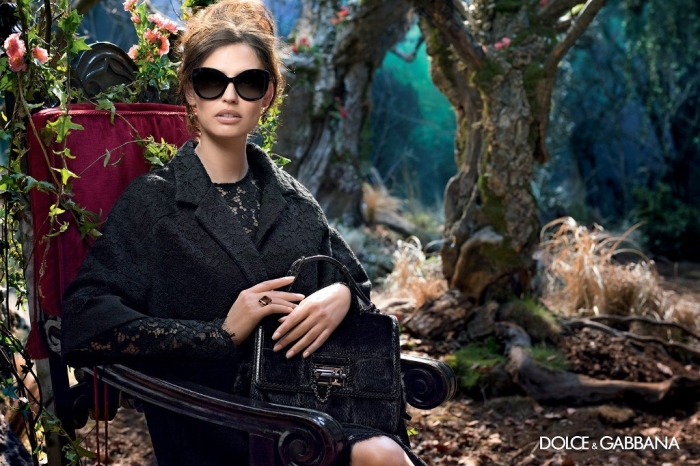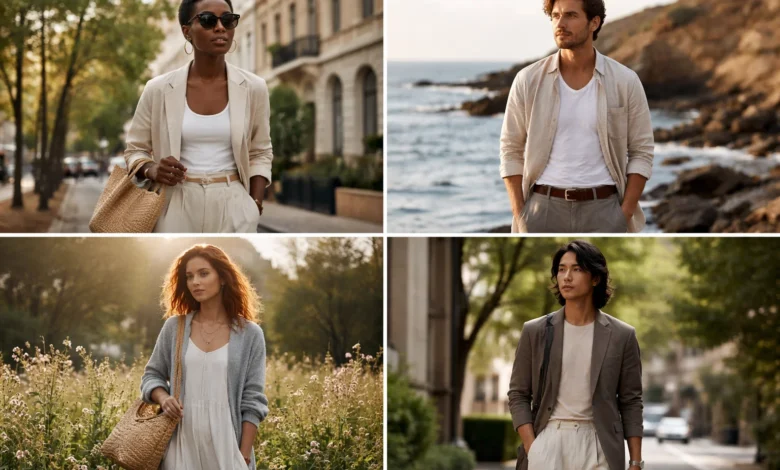
In an era defined by rapid change, the fashion industry is undergoing a significant transformation. This article explores the rise of seasonless fashion in 2026, examining why traditional fashion seasons are becoming less relevant and how consumers are embracing timeless style over fleeting trends.
What Is Seasonless Fashion and Why It Matters in 2026
Defining Seasonless Fashion: Beyond Spring/Summer and Fall/Winter
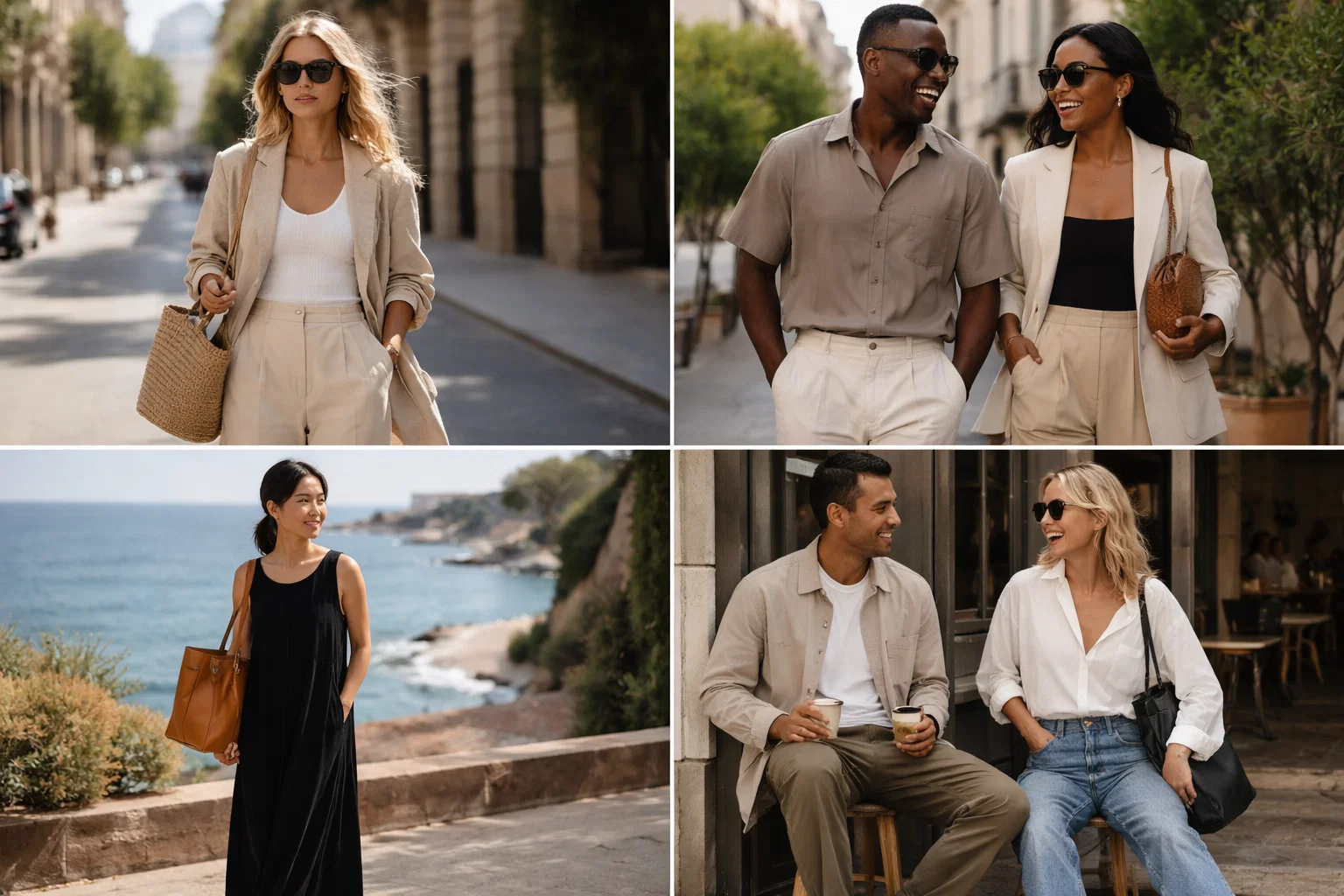
Seasonless fashion represents a departure from traditional fashion seasons like Spring/Summer and Fall/Winter. Instead of focusing on seasonal collections, seasonless fashion emphasizes timeless designs and year-round appeal, offering apparel that transcends the constraints of the seasonal calendar. This approach prioritizes versatility and longevity in garment choices.
The Shift from Fast Fashion to Timeless Wardrobes
The fashion industry is witnessing a significant shift away from fast fashion towards timeless wardrobes. Consumers are increasingly rejecting the cycle of overproduction and disposable clothing associated with fast fashion, opting instead for high-quality, timeless pieces that can be worn regardless of the prevailing fashion trends.
Why Consumers Are Moving Away from Seasonal Trends
Consumers are moving away from seasonal trends for several reasons, including concerns about sustainability and the environmental impact of wasteful fashion practices, which are driving demand for more sustainable fashion choices. Additionally, the desire for versatility and value is prompting consumers to invest in timeless fashion rather than fleeting new trends.
The Drivers Behind Slowing Fashion Trends
Sustainability and the Slow Fashion Movement
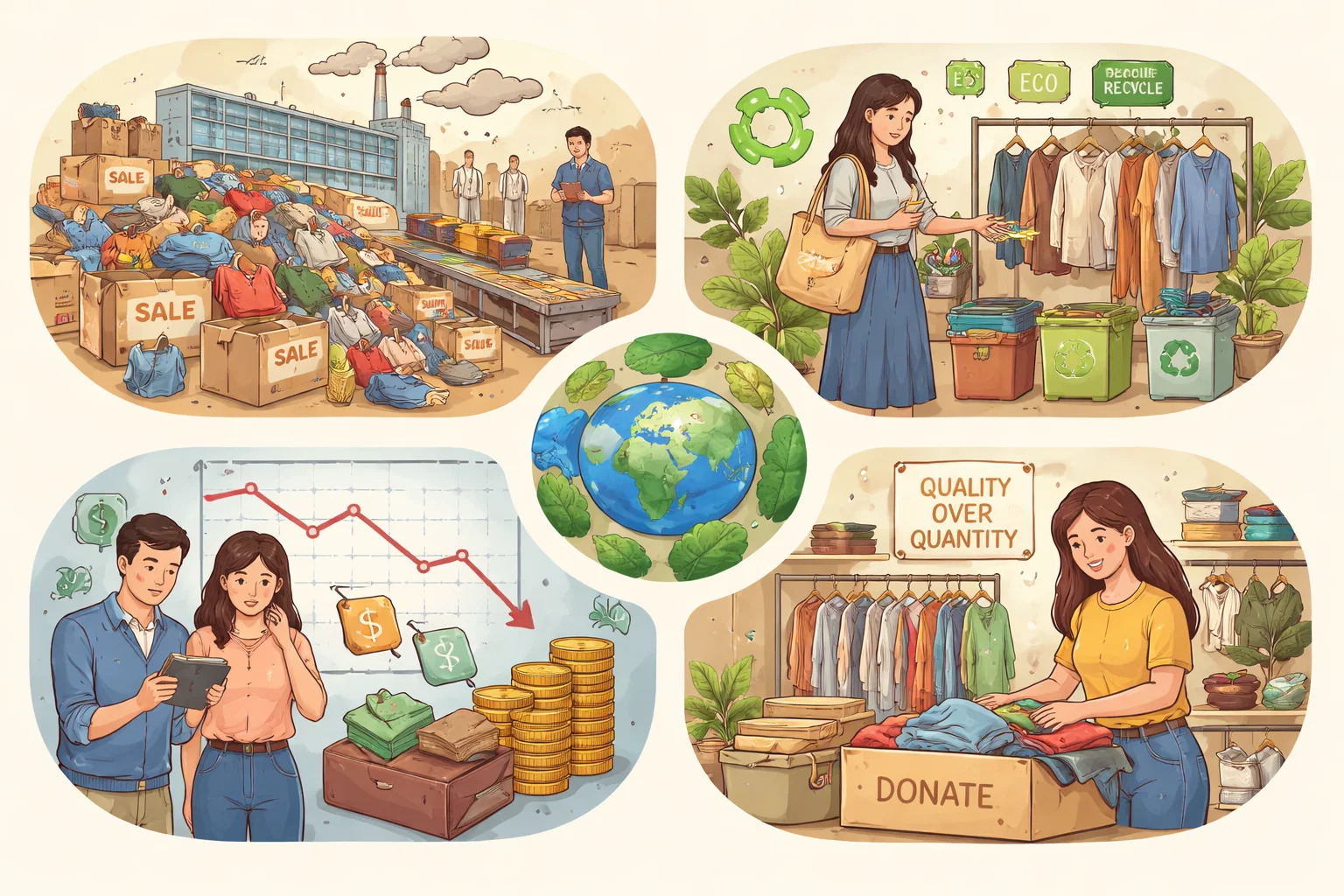
Sustainability is a major driver behind the slowing of fashion trends. The slow fashion movement advocates for responsible production cycles, ethical supply chains, and a reduction in overstock, encouraging both fashion brands and consumers to prioritize environmental impact and choose seasonless clothing.
Changing Consumer Behavior: Versatility Over Hype
Changing consumer behavior is significantly impacting the fashion market. Consumers now seek versatility over hype, prioritizing adaptable garments that can be styled in multiple ways across different seasons. This shift reflects a growing desire for functional and timeless pieces rather than succumbing to impulse purchases of new styles.
Economic and Global Factors Influencing Fashion Choices
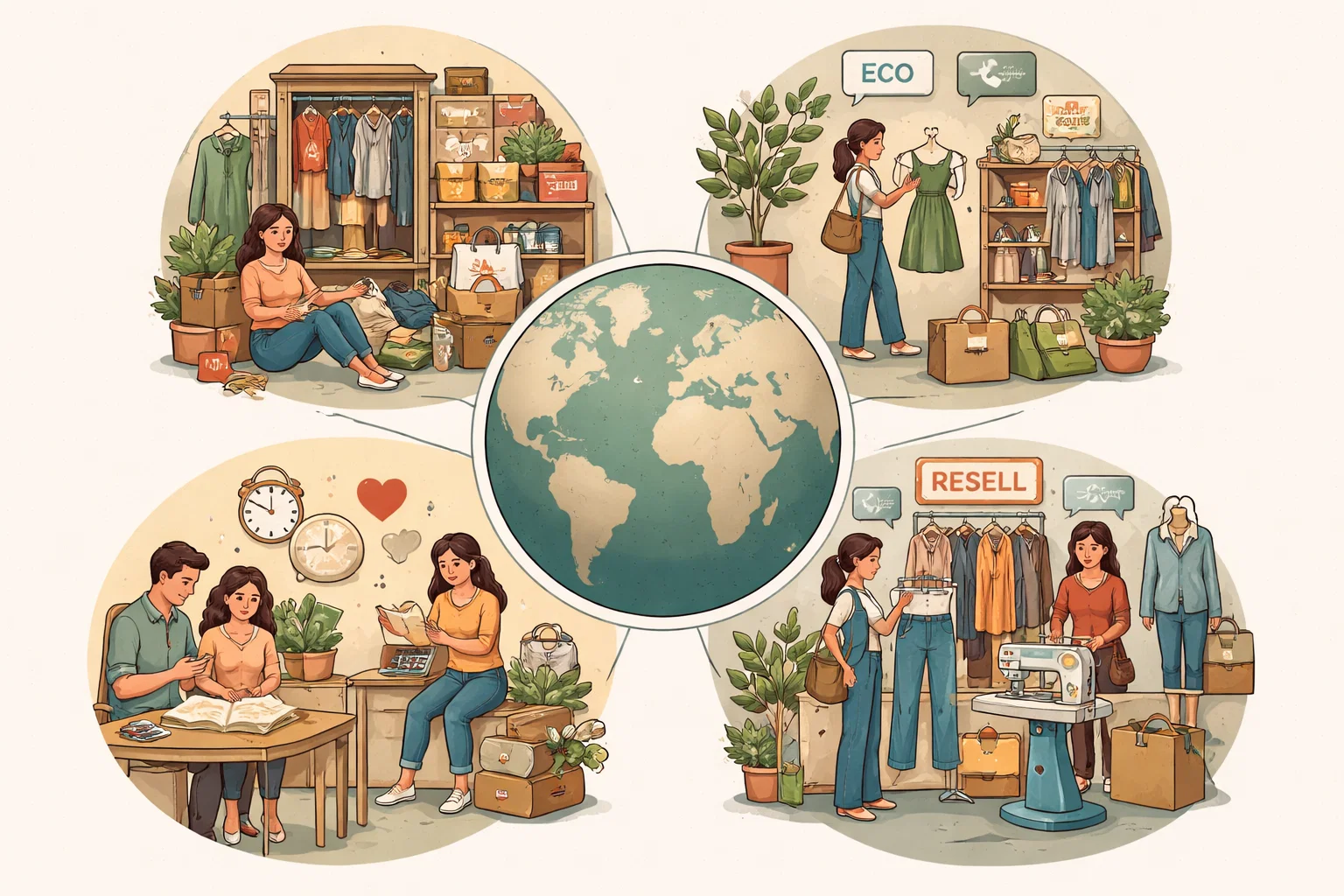
Economic and global factors also play a crucial role in shaping fashion choices. Economic uncertainty and a heightened awareness of global issues encourage consumers to make more considered purchases. They are now favoring lasting value and a seasonless approach over chasing the latest, often expensive, fashion trends pushed by luxury brands.
Digital-First Fashion: How Technology Flattens Trend Cycles
Technology plays a pivotal role in flattening trend cycles within the fashion industry. Digital platforms enable faster dissemination of fashion trends, but also contribute to a saturation point where consumers become less receptive to constant newness. This environment supports the rise of seasonless fashion and timeless design.
Key Characteristics of Seasonless Fashion
Neutral Colors and Minimalist Silhouettes
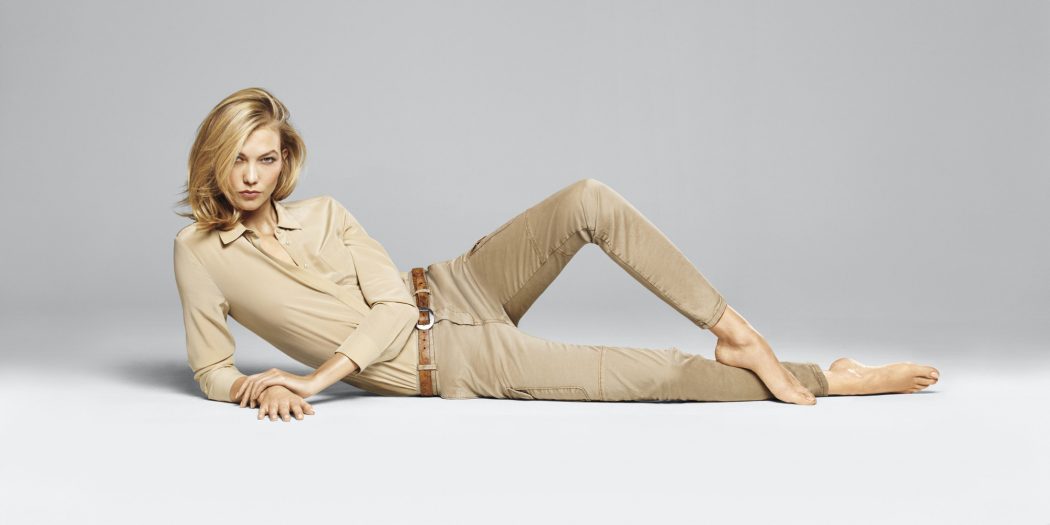
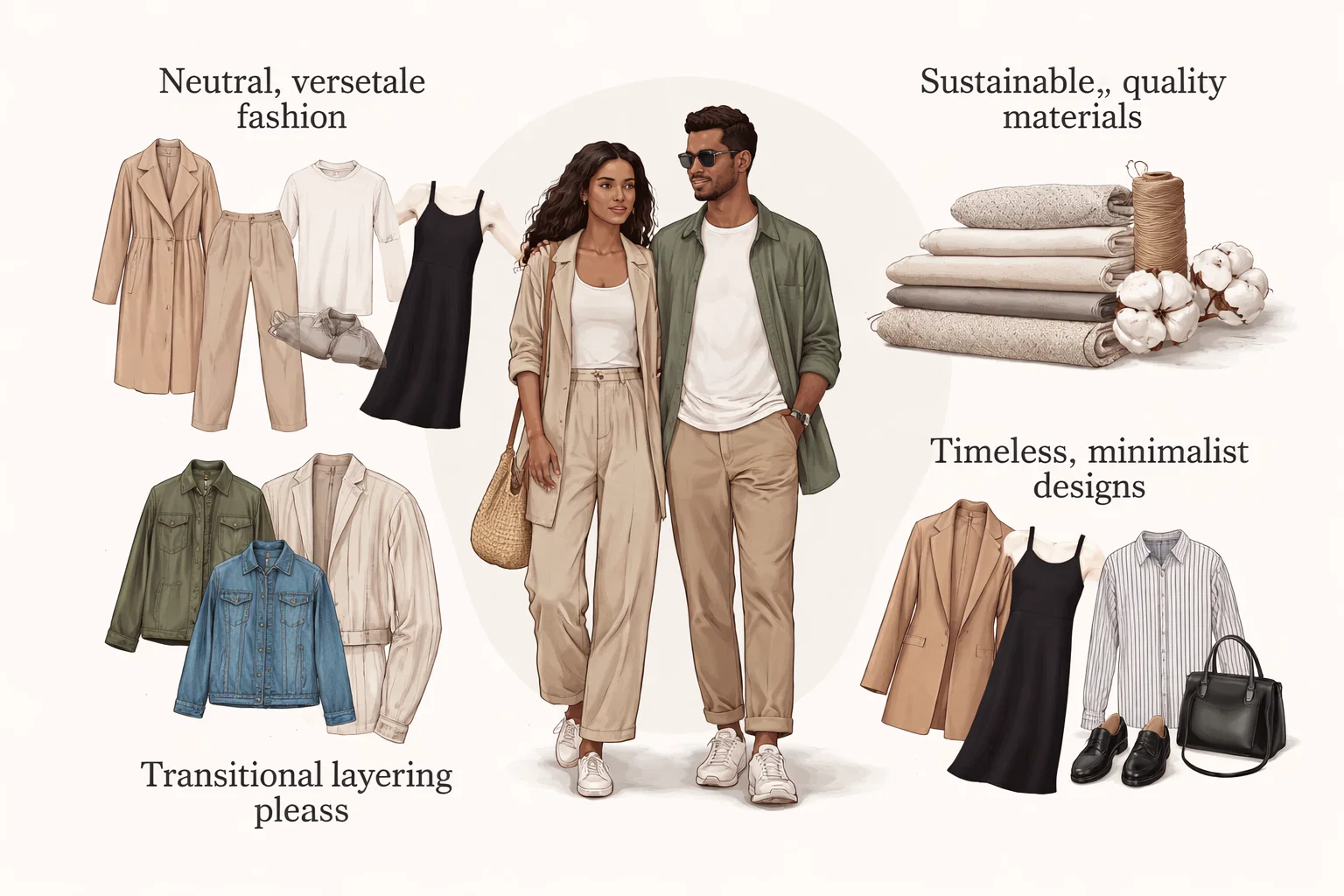
A defining trait of seasonless fashion is the emphasis on neutral colors and minimalist silhouettes. These elements ensure that garments remain relevant and stylish across different fashion seasons, avoiding the fleeting nature of seasonal trends. Fashion brands adopting this approach often favor black, white, gray, and beige palettes.
Layerable and Adaptable Pieces for Any Climate
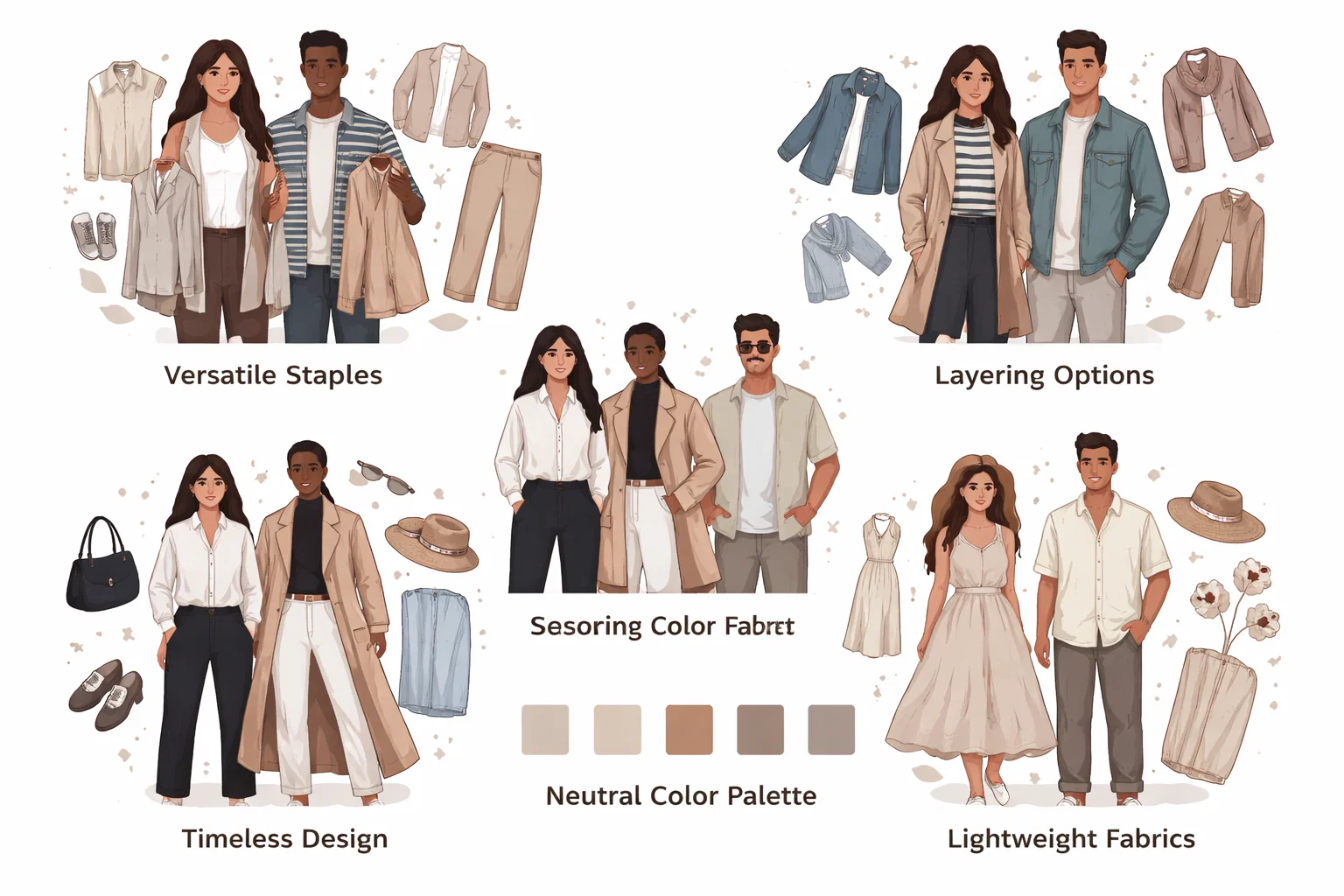
Seasonless fashion prioritizes layerable and adaptable pieces suitable for any climate. These garment choices allow consumers to adjust their outfits based on the weather, making them versatile for year-round wear. The adaptability also reduces the need for separate seasonal collections, supporting sustainability in the fashion industry.
Unisex and Modular Designs for Versatility
Versatility is enhanced in seasonless fashion through unisex and modular designs. Unisex clothing transcends traditional gender norms, while modular designs offer interchangeable components. These approaches not only broaden the appeal of the apparel but also promote creativity and personalization in styling, moving away from rigid fashion trends.
Quality and Durability Over Quantity
A cornerstone of seasonless fashion is the focus on quality and durability over quantity. Investing in high-quality materials and construction ensures that garments last longer, reducing the need for frequent replacements. This ethos contrasts with the disposability of fast fashion, promoting a more sustainable and economically sound approach to clothing.
Benefits of Seasonless Fashion
Environmental Impact: Less Waste, More Conscious Consumption
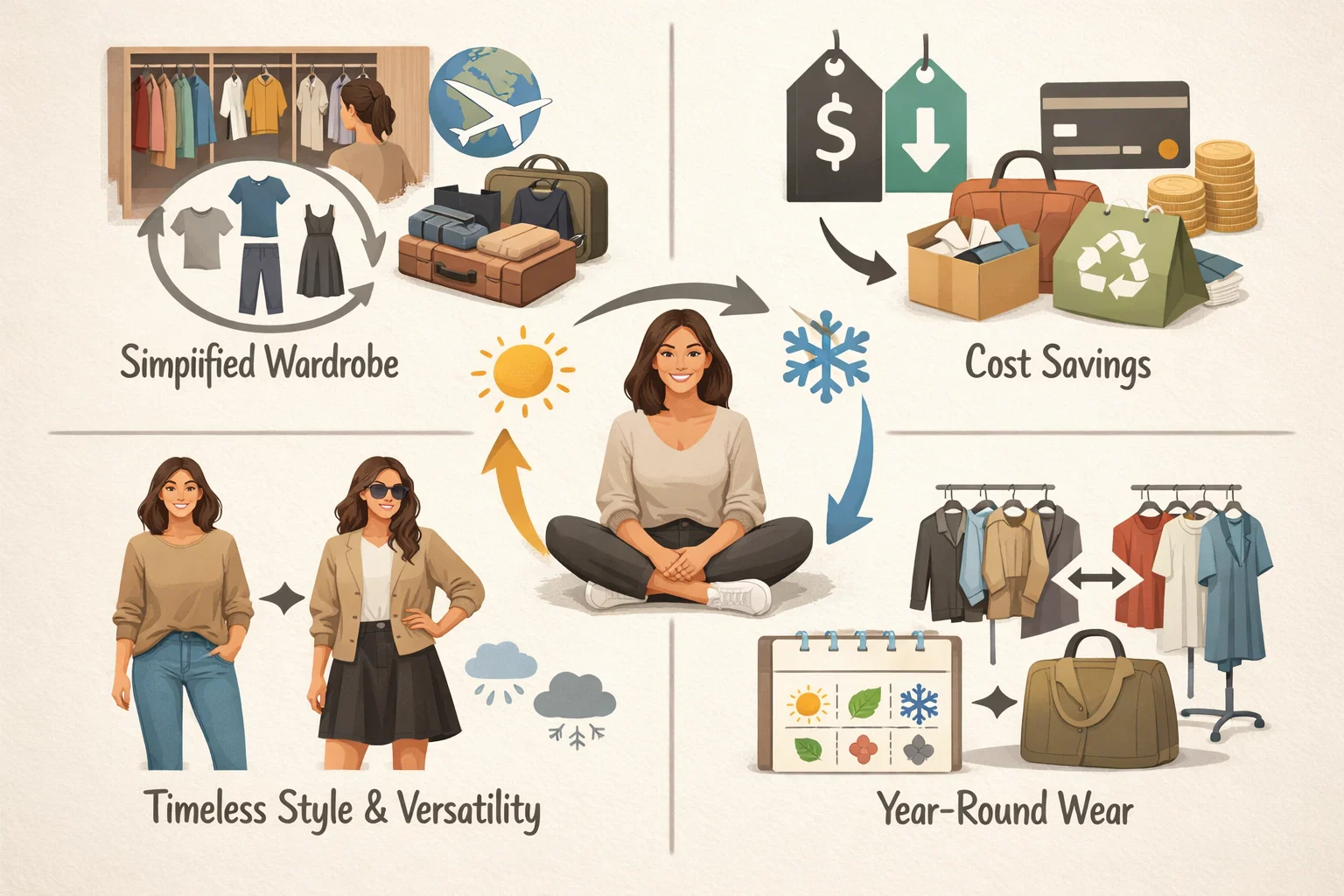
The environmental impact of seasonless fashion is significant due to its emphasis on less waste and more conscious consumption. By reducing the demand for fast fashion and seasonal collections, seasonless clothing minimizes overproduction, overstock, and textile waste, promoting a more sustainable fashion movement.
Timeless Style: Investing in Pieces That Last
Seasonless fashion promotes timeless style, encouraging consumers to invest in timeless pieces that transcend fleeting fashion trends. This approach ensures that wardrobes remain relevant and stylish year-round, offering lasting value and reducing the need for constant updates driven by the latest, often unsustainable, fashion cycles.
Consumer Empowerment: Personal Style Over Trends
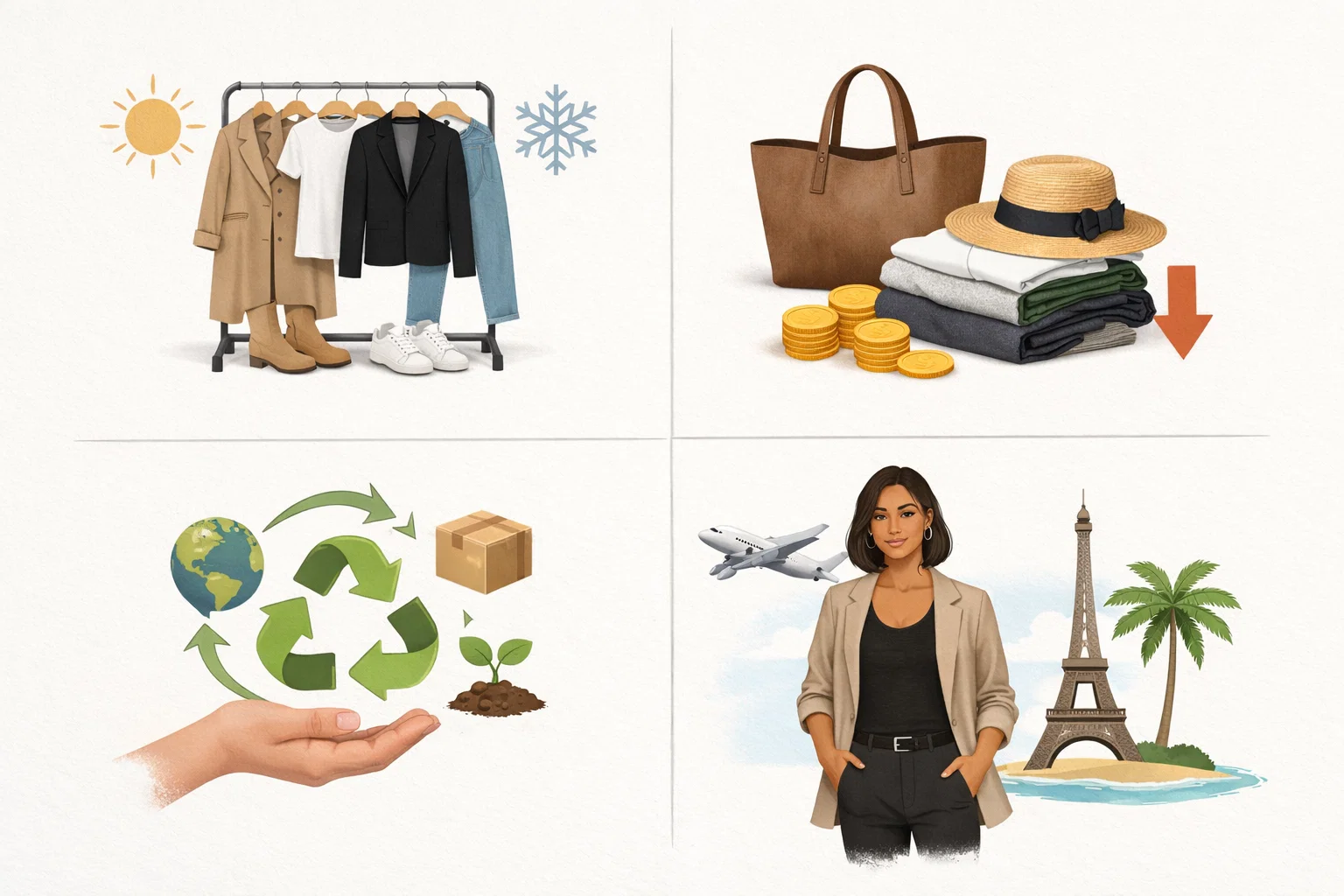
Seasonless fashion empowers consumers to prioritize personal style over fashion trends. By focusing on versatile and timeless design, individuals can curate wardrobes that reflect their unique tastes and preferences, rather than conforming to the dictates of seasonal trends promoted by fashion brands and fast fashion companies.
Cost-Effectiveness: Fewer, Smarter Purchases
The cost-effectiveness of seasonless fashion is evident in its focus on fewer, smarter purchases. By investing in high-quality, timeless pieces, consumers reduce the need for frequent replacements driven by new trends. This approach results in long-term savings and a more sustainable consumption pattern, contrasting with the impulse purchases associated with fast fashion.
Challenges and Criticisms of Seasonless Fashion
Creativity vs. Stagnation: Maintaining Innovation Without Seasonal Hype
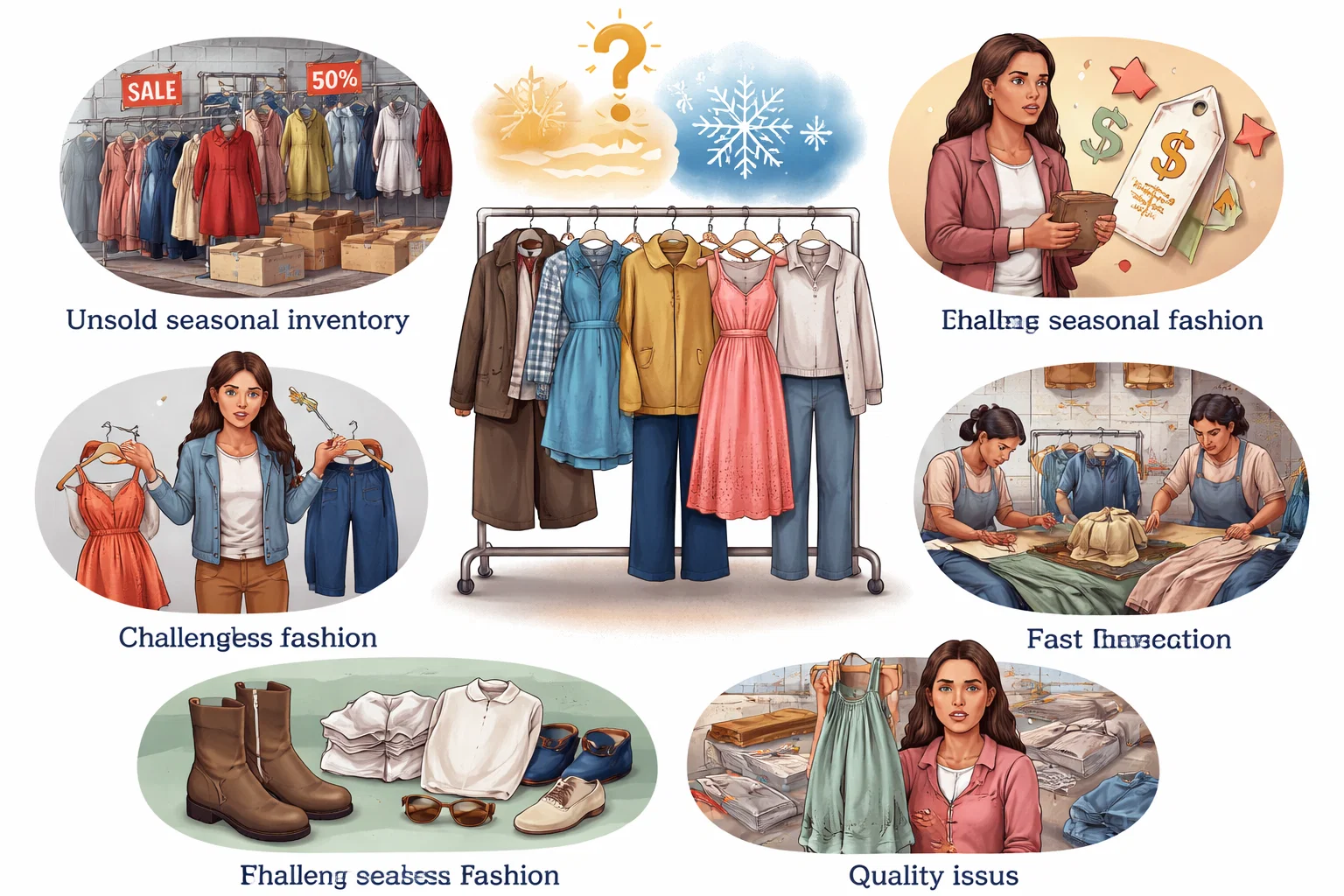
One challenge of seasonless fashion is maintaining innovation without the hype of seasonal trends. Fashion brands must find creative ways to introduce new designs and updates while still adhering to the principles of timeless style and sustainability, avoiding the trap of simply replicating traditional fashion seasons.
The Emotional Factor: Missing the Excitement of Seasonal Releases
The emotional factor of missing the excitement of seasonal releases can be a criticism of seasonless fashion. Some consumers enjoy the anticipation and novelty of new collections and new designs each season. Replicating this excitement within a seasonless model requires innovative merchandising and engagement strategies.
Accessibility: Price and Availability of High-Quality Pieces
Accessibility remains a challenge in seasonless fashion, particularly concerning the price and availability of high-quality pieces. Sustainable and timeless fashion often comes at a higher price point, potentially limiting its appeal to a broader consumer base. Ensuring affordability and availability is crucial for wider adoption of the seasonless approach.
How Global Brands Are Adopting Seasonless Fashion
Case Studies: Uniqlo, COS, and Everlane
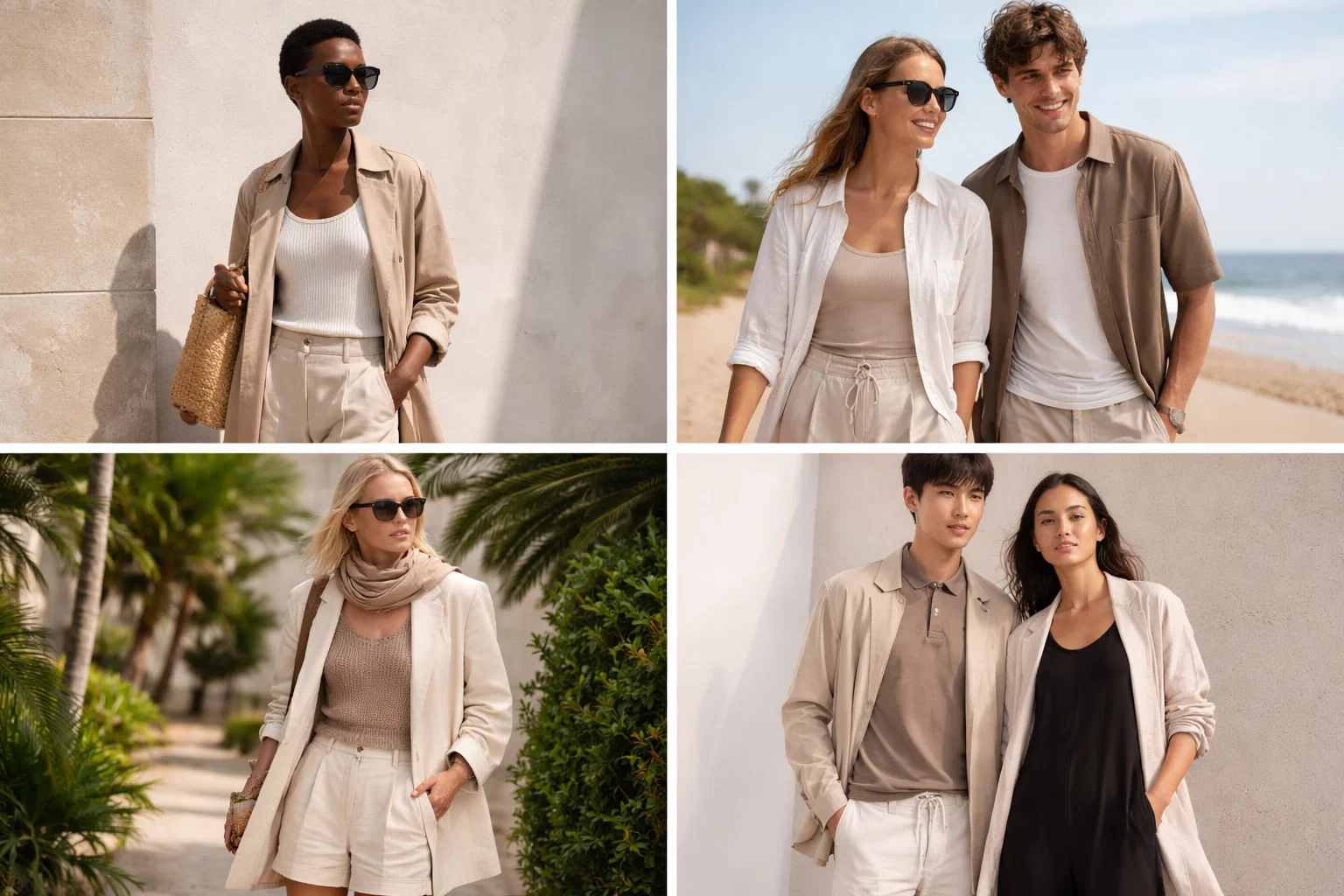
Here are a few examples of fashion brands that have effectively adopted the seasonless fashion approach. Their strategies include:
- Uniqlo’s focus on high-quality, basic garments available year-round.
- COS’s emphasis on timeless design and minimalist aesthetics.
- Everlane’s commitment to radical transparency and ethical supply chains, offering classic, timeless pieces.
High Fashion: Luxury Brands Embracing Timeless Collections
Even luxury brands are recognizing the value of seasonless fashion. Many are creating timeless collections of classic pieces that transcend seasonal trends, appealing to consumers who value enduring style over fleeting new trends. These fashion companies are betting on quality and craftsmanship as a response to the fast fashion model.
E-Commerce and Direct-to-Consumer Models Supporting Year-Round Style
E-commerce and direct-to-consumer business models are playing a crucial role in promoting seasonless fashion. These platforms allow fashion brands to maintain a consistent offering of timeless pieces throughout the year, bypassing the constraints of traditional seasonal retailer cycles. This approach fosters a more sustainable fashion industry.
How Consumers Can Build a Seasonless Wardrobe
Key Pieces Every Year-Round Wardrobe Needs
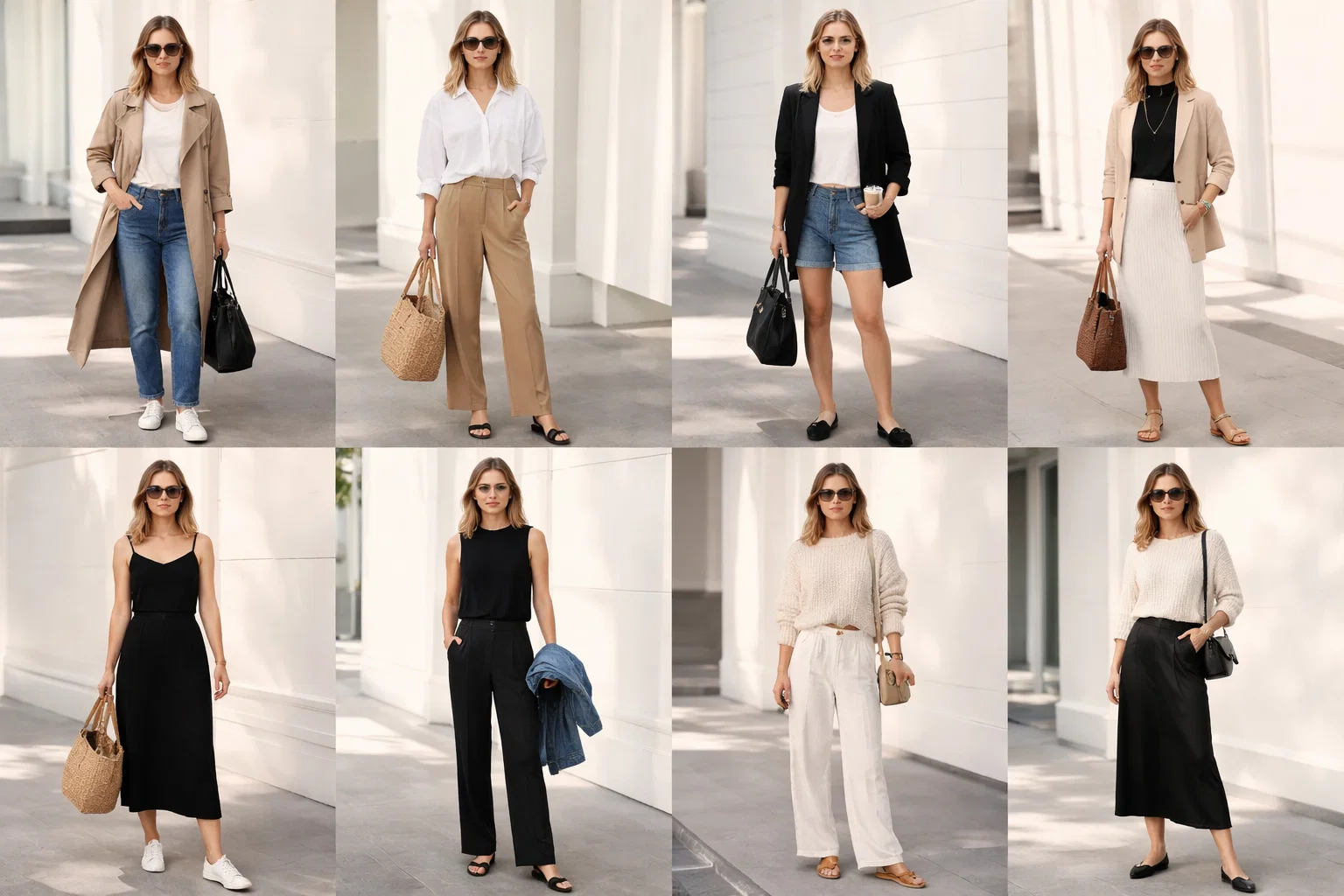
Building a seasonless wardrobe starts with identifying key, versatile pieces. Some essential garments to consider are:
- A well-fitted blazer
- A classic white shirt
- Neutral-colored trousers
- A versatile dress
- Comfortable shoes
These timeless pieces can be mixed and matched to create various outfits for different occasions, suitable for year-round wear.
Mixing Versatility with Personal Expression
While seasonless fashion emphasizes timeless design, it doesn’t mean sacrificing personal expression. Consumers can incorporate their unique style through accessories, pops of color, and creative layering. Mixing versatile timeless pieces with personal touches allows for individuality while maintaining a sustainable fashion wardrobe.
Tips for Smart, Sustainable Shopping in 2026
Smart, sustainable shopping in 2026 involves prioritizing quality over quantity and making informed purchasing decisions. Look for high-quality materials, ethical production cycles, and certifications that indicate environmental responsibility. Consider the long-term value of each garment and its potential to integrate into a seasonless wardrobe, thus avoiding impulse purchases.
The Future of Fashion: Is Seasonless the New Standard?
Predictions for 2026 and Beyond
Looking ahead to 2026 and beyond, seasonless fashion is poised to become a dominant force in the fashion industry. Consumers’ growing awareness of sustainability and desire for lasting value will likely drive further adoption of timeless styles and responsible production cycles. Traditional fashion seasons may become increasingly irrelevant.
Balancing Timeless Pieces With Occasional Trend Innovation
The future of fashion likely involves a balance between timeless pieces and occasional trend innovation. While seasonless fashion provides a foundation of timeless style, there’s still room for incorporating carefully selected new styles that align with personal taste and values. This balanced approach allows for both sustainability and self-expression.
How Seasonless Fashion Redefines Style and Consumer Expectations
Seasonless fashion redefines style by shifting the focus from fleeting fashion trends to enduring elegance and personal expression. It also alters consumer expectations, encouraging a more mindful and deliberate approach to shopping. By prioritizing quality, versatility, and sustainability, seasonless clothing reshapes the fashion market.
Conclusion: Embracing Timeless Style in a Fast-Changing World
In a world characterized by rapid change and constant newness, embracing timeless style through seasonless fashion offers a refreshing and sustainable alternative. By prioritizing quality, versatility, and personal expression over fleeting fashion trends, consumers can create wardrobes that not only reflect their unique identities but also contribute to a more responsible and enduring fashion industry.