
Ever wondered why the same diet that once worked wonders now yields different results?
This article delves into the multifaceted reasons behind this phenomenon, exploring how factors like metabolism, hormones, gut health, lifestyle, and even psychological influences play a crucial role in your body’s changing response to dietary interventions.
Why Identical Diets Don’t Always Work

The Myth of “One-Size-Fits-All” Diets
The concept of a “one-size-fits-all” approach to nutrition advice is increasingly being challenged by new research. What works for one person may not work for another, because everyone reacts differently to food. Individual diet plans are becoming more popular thanks to this evidence.
How Your Body Adapts Over Time
Your body is incredibly adaptable. Over time, it adjusts to dietary changes. A new study showed the body becomes more efficient at utilizing calories, potentially leading to a plateau in weight loss or other metabolic health goals. Our bodies respond differently over time.
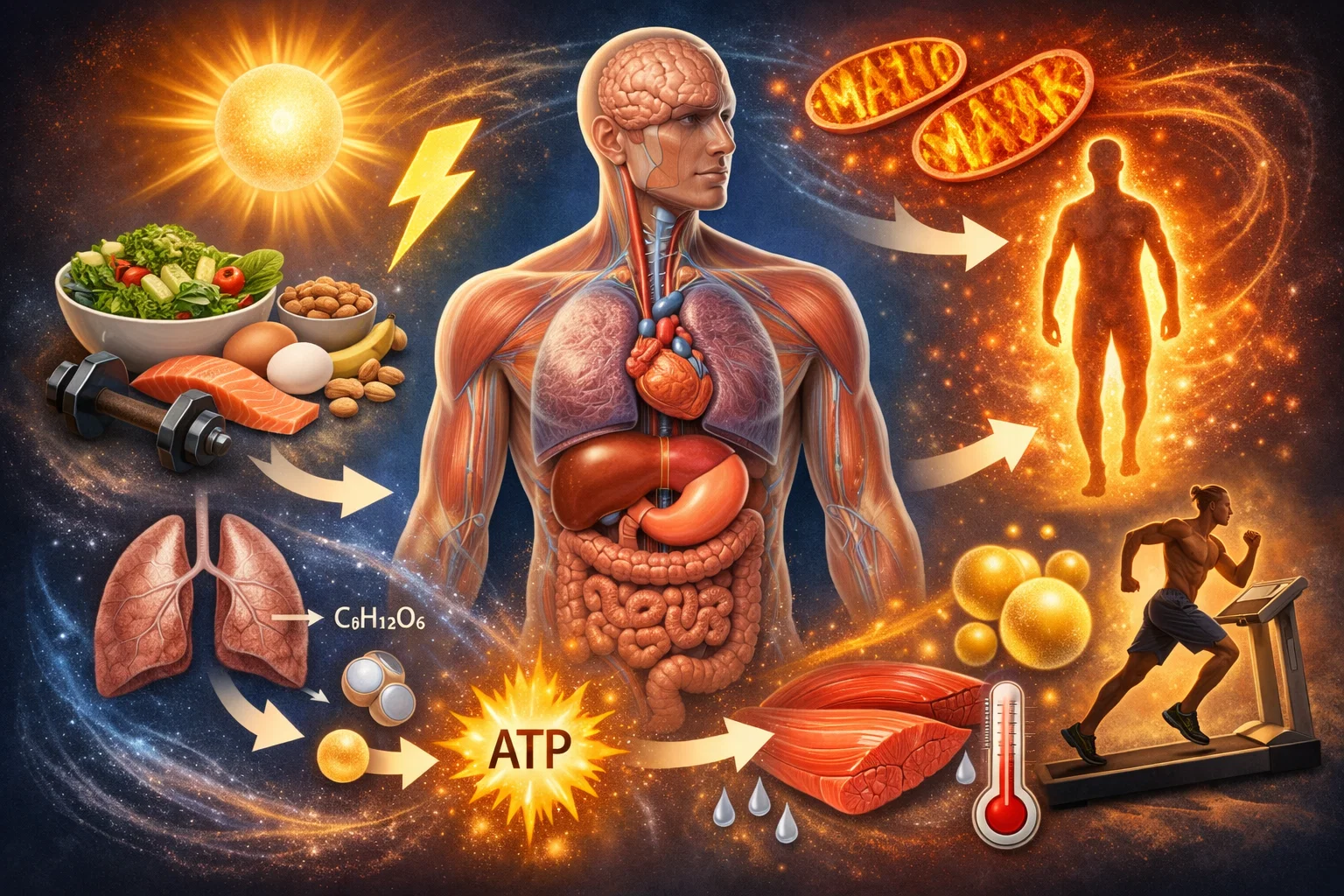
Metabolism: Your Body’s Energy Engine
What Is Basal Metabolic Rate (BMR) and Why It Changes
Basal Metabolic Rate (BMR) is the amount of energy your body expends at rest. It is not a constant and changes with age, weight, and muscle mass. These factors influence how your body processes dietary intake and impact blood sugar levels.
Adaptive Thermogenesis: How Your Body Fights Weight Loss
Adaptive thermogenesis refers to the body’s ability to reduce energy expenditure in response to decreased calorie intake. This survival mechanism can hinder weight loss efforts as the body aims to conserve energy, and affects the blood glucose response.
How Age, Hormones, and Lifestyle Affect Metabolism
Age-related hormonal shifts, like the decline in estrogen and testosterone, can significantly affect metabolism. Lifestyle factors, such as activity level and sleep patterns, also play a crucial role. The combination impacts blood glucose levels and gut health.
Gut Health: The Hidden Player in Diet Success
How Your Microbiome Influences Calorie Absorption
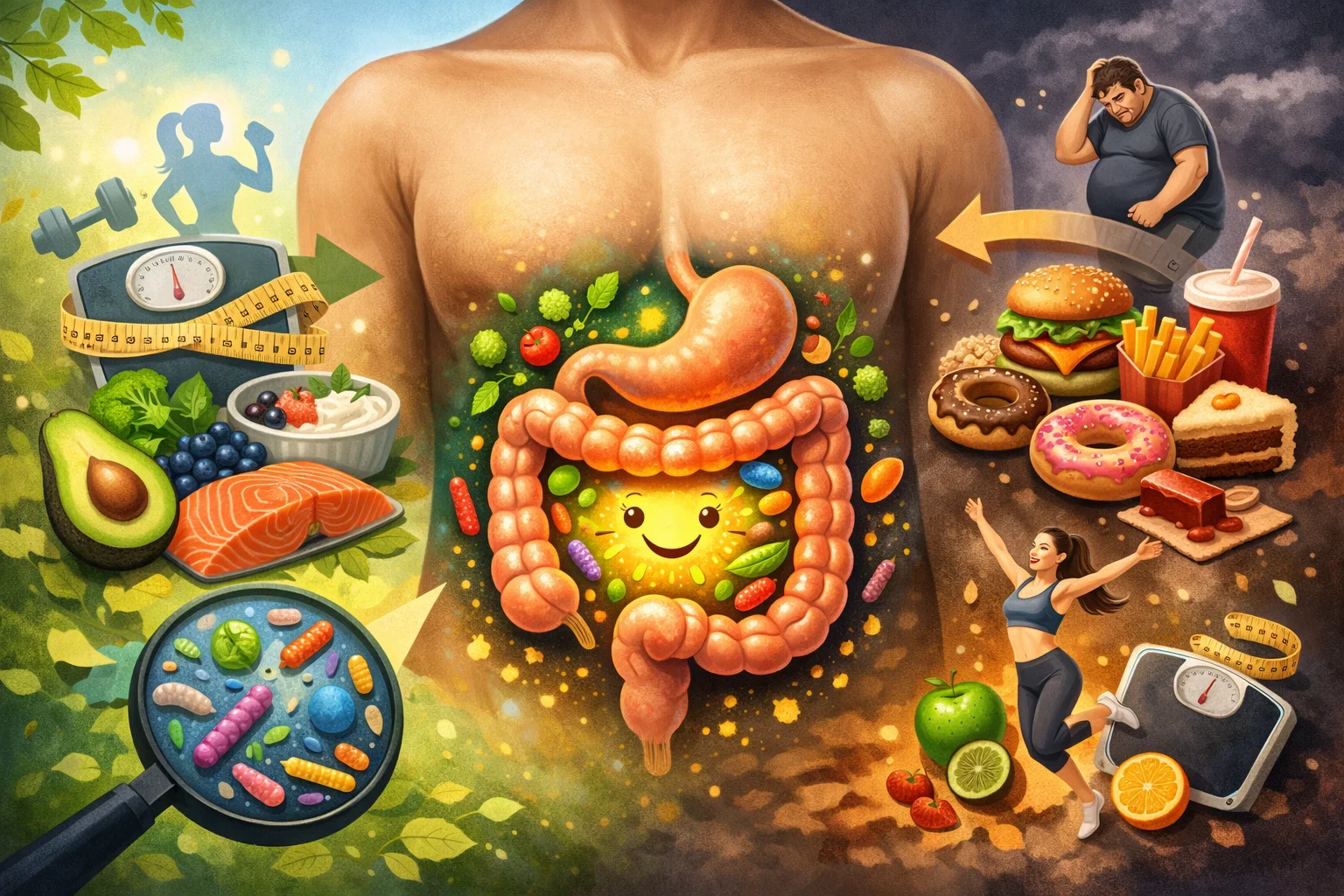
Your gut microbiome, the collection of microbes in your digestive tract, plays a significant role in calorie absorption. Certain gut bacteria are more efficient at extracting energy from food, leading to variations in how people ate and how they impact blood sugar.
Changes in Gut Bacteria With Repetitive Dieting
Repetitive dieting can lead to changes in gut bacteria composition. These changes can impact digestion and nutrient absorption. This can affect your body’s response to food. Stool samples can give us insight into the gut health of individuals.
Foods That Support a Healthy Gut for Consistent Results
Consuming foods rich in fiber and probiotics can promote a healthy gut. This may support more consistent dietary results. A balanced gut microbiome, populated with diverse microbes, is crucial for optimal digestion and overall gut health.
Hormonal Shifts That Alter Diet Results
Leptin and Ghrelin: The Hunger and Fullness Hormones
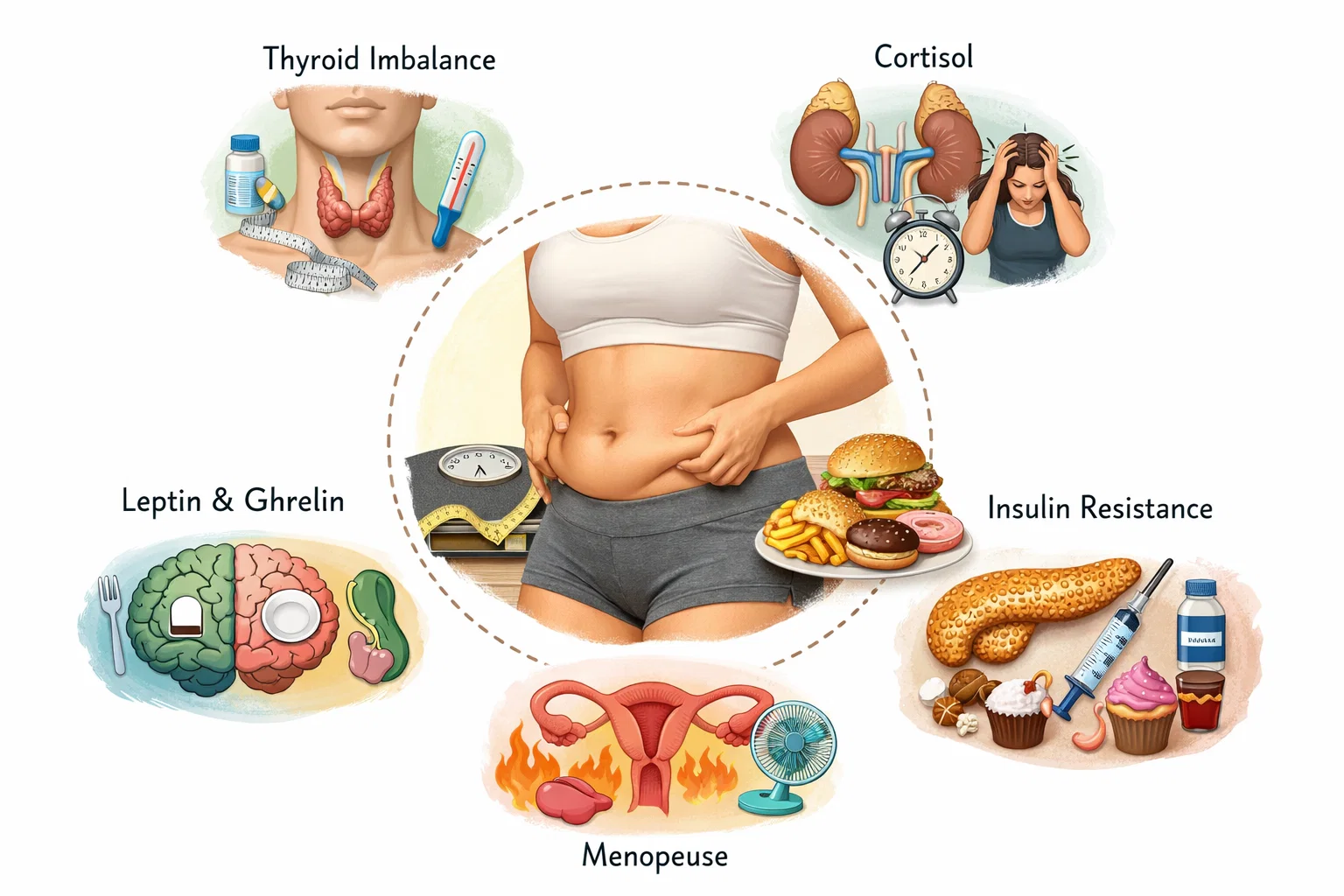
Leptin and ghrelin are key hormones that regulate hunger and satiety. Leptin signals fullness to the brain, while ghrelin stimulates appetite. Fluctuations in these hormones can influence how you feel after eating the same meals, leading to a different response to your dietary efforts and changing your blood sugar.
Insulin Sensitivity and Fat Storage Changes Over Time
Insulin sensitivity plays a crucial role in how your body processes glucose and stores fat. Over time, insulin sensitivity can decrease. This leads to increased fat storage and higher blood sugar levels. Maintaining or improving insulin sensitivity is vital for managing weight and metabolic health. Our body responds differently over time.
Stress Hormones and Their Impact on Appetite and Weight
Chronic stress elevates cortisol levels, which can increase appetite, particularly for high-calorie foods. Stress hormones can also interfere with weight management. They promote fat storage. Managing stress is essential for preventing emotional eating and supporting a healthier response to your diet.
Lifestyle Factors That Affect Your Diet’s Effectiveness

Physical Activity and Daily Movement Variations
Variations in physical activity significantly impact your body’s energy needs. A new study showed that increased movement burns more calories. It also influences how your body responds to dietary changes. Consistent physical activity supports weight management and overall health. People respond differently to the same diet.
Sleep Quality and Its Impact on Weight Management
Poor sleep quality can disrupt hormone levels and metabolism. It leads to increased cravings for unhealthy foods. Inadequate sleep can also impair insulin sensitivity, contributing to weight gain. Prioritizing sleep is crucial for effective weight management and better blood sugar control. It also impacts your gut health.
Stress, Mental Health, and Emotional Eating
Stress and mental health issues can significantly influence eating habits. Emotional eating, driven by stress or negative emotions, can derail dietary efforts. Addressing underlying emotional issues is crucial for developing healthier eating patterns and achieving sustainable results. It will impact your blood glucose response.
Body Composition Changes Over Time
Muscle vs. Fat: Why Your Energy Needs Shift
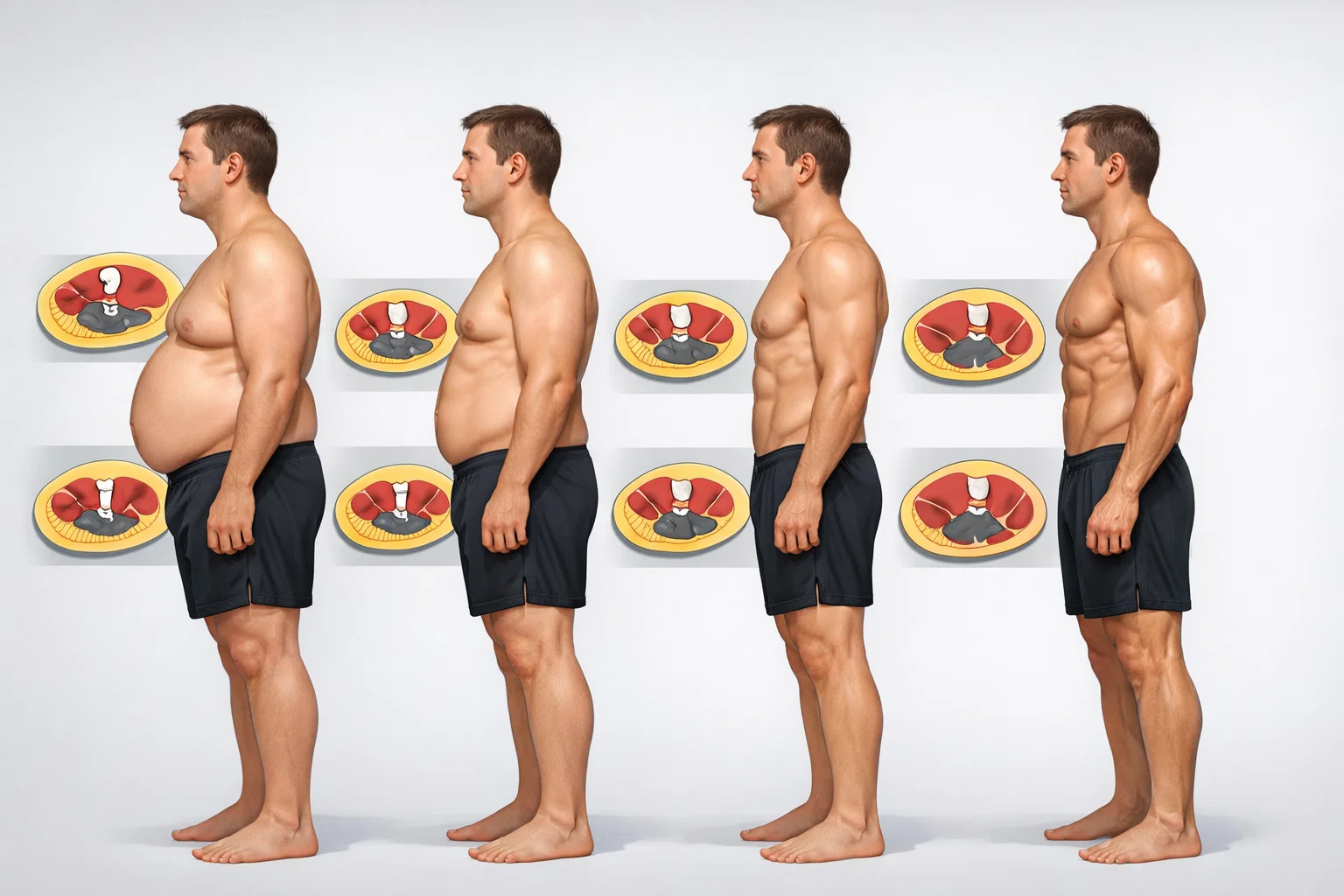
Muscle mass is more metabolically active than fat tissue. This means it burns more calories at rest. As your body composition changes, so do your energy needs. Building and maintaining muscle mass can help boost metabolism and support more consistent dietary results and blood sugar.
How Weight Loss or Gain Alters Diet Outcomes
Weight loss can decrease your BMR, making it harder to lose more weight. Conversely, weight gain can increase your BMR. This affects how your body processes calories. Adjusting your dietary intake based on these changes is essential for continued progress. People ate differently in the past.
Maintaining Muscle for Consistent Results
Maintaining muscle mass is crucial for sustaining a healthy metabolism and achieving consistent dietary outcomes. Resistance training and adequate protein intake are essential for preserving muscle mass during weight loss or maintenance. This impacts your blood glucose levels after eating the same meals with the same gut microbiome.
Psychological and Behavioral Influences

Food Fatigue and Its Role in Cravings
Food fatigue, or boredom with your diet, can trigger cravings for foods outside your dietary plan. This can be a significant challenge when trying to maintain consistency and impacting blood sugar levels. Introducing variety while staying within your nutritional guidelines can help combat food fatigue and its impact on gut health.
Social and Environmental Triggers
Social and environmental cues often dictate what and how much people ate. Gatherings, stress at work, and even the layout of your kitchen can trigger unwanted eating behaviors. Recognizing these triggers can empower you to make conscious choices that align with your dietary goals. A new study showed that the gut microbiome is altered by these triggers.
Mindful Eating Strategies to Stay on Track
Mindful eating involves paying attention to the present moment without judgment. This new research suggests it helps individuals to be aware of hunger and fullness cues, reducing overeating and improving digestion. This practice allows people to savor their food and make intentional choices that support their diet and glucose response, as well as maintaining gut health.
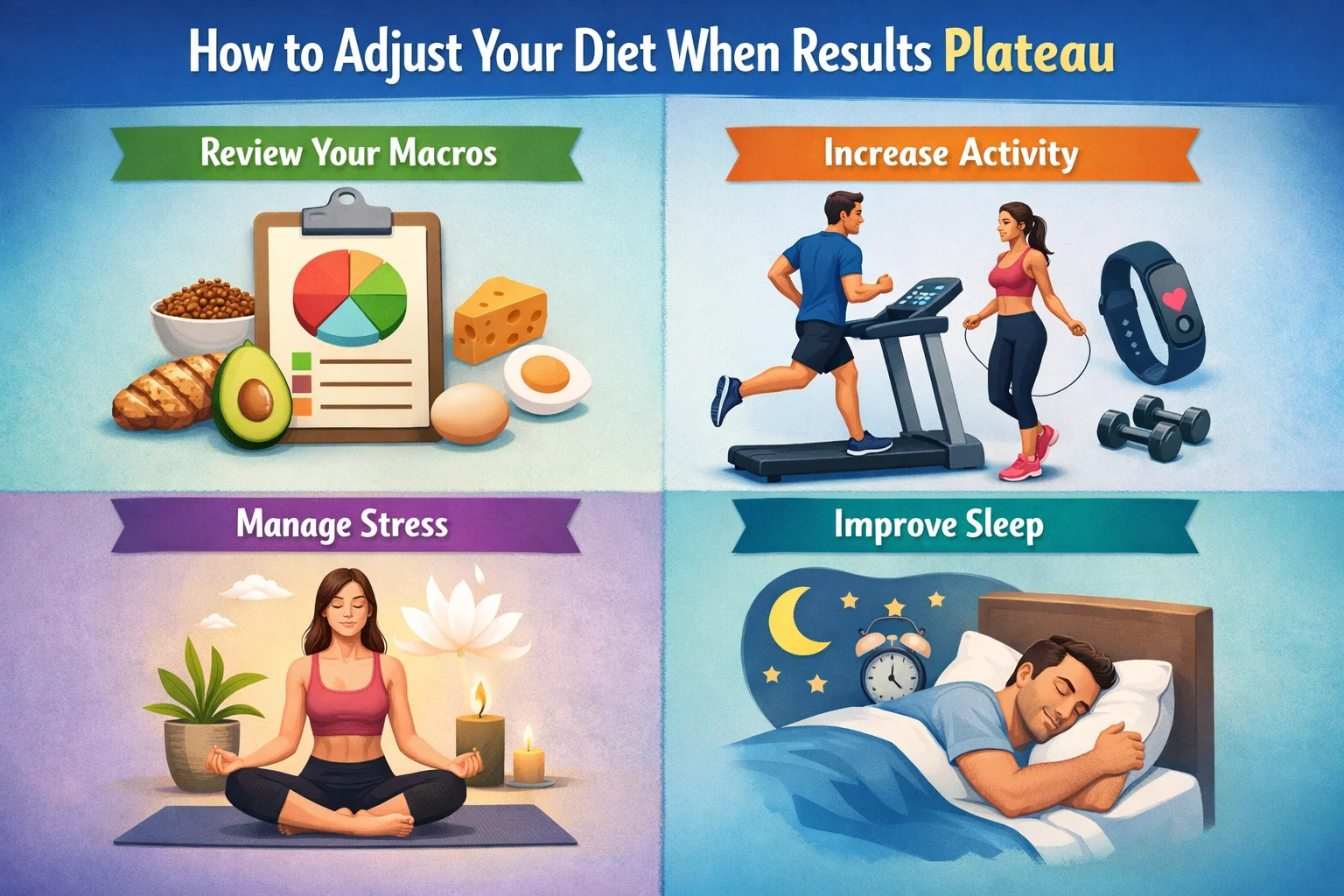
How to Adjust Your Diet When Results Plateau
Tracking Progress and Identifying Patterns
Tracking your progress through glucose monitors and journaling helps to identify patterns. Recognize when your body starts to respond differently to food and make necessary adjustments. Analyzing these patterns can provide insights into what’s working and what isn’t, leading to more effective dietary strategies and understanding glucose levels.
Tweaking Calories, Macros, and Meal Timing
When you hit a plateau, tweaking your calorie intake, macronutrient ratios (protein, carbs, fat), and meal timing may be necessary. Small adjustments can re-stimulate weight loss or improve energy levels and people react differently. Experimenting with these factors allows you to fine-tune your diet for optimal results while being mindful of your glucose response.
Incorporating Flexibility Without Sabotaging Goals
Rigid dieting can be unsustainable. Incorporating flexibility into your dietary plan allows you to enjoy occasional treats or meals without derailing your overall progress. Finding a balance that allows you to adhere to your diet long-term is key for success and to have a healthy glucose level. A healthy gut will support this flexibility.
Preventing Future Plateaus
Regular Diet Reviews and Adjustments
Regularly reviewing and adjusting your diet is crucial for preventing future plateaus. This involves reassessing your goals, tracking your progress, and making adjustments to your calorie intake, macronutrient ratios, or meal timing as needed. Being proactive ensures that your diet remains effective over time, impacting blood sugar and the microbiome.
Strategic Refeeds and Cheat Meals
Strategic refeeds, or planned increases in calorie intake, can help boost metabolism and prevent adaptive thermogenesis. Cheat meals, when approached mindfully, can provide psychological relief without significantly impacting progress. Both strategies can help you stay on track long-term while enjoying the occasional treat. The diet can be maintained.
Sustainable, Long-Term Lifestyle Changes
The most effective way to prevent plateaus is to focus on sustainable, long-term lifestyle changes rather than quick fixes. This involves adopting healthy eating habits, incorporating regular physical activity, managing stress, and prioritizing sleep. These changes support overall health and well-being, leading to consistent results and gut health.
Conclusion: Understanding and Working With Your Body
Understanding that your body is dynamic and reacts differently to food over time is vital for long-term success. Embrace adjustments to your diet as needed. Always listen to your body’s signals, and focus on sustainable lifestyle changes that support overall health and well-being to ensure a better glucose response.