


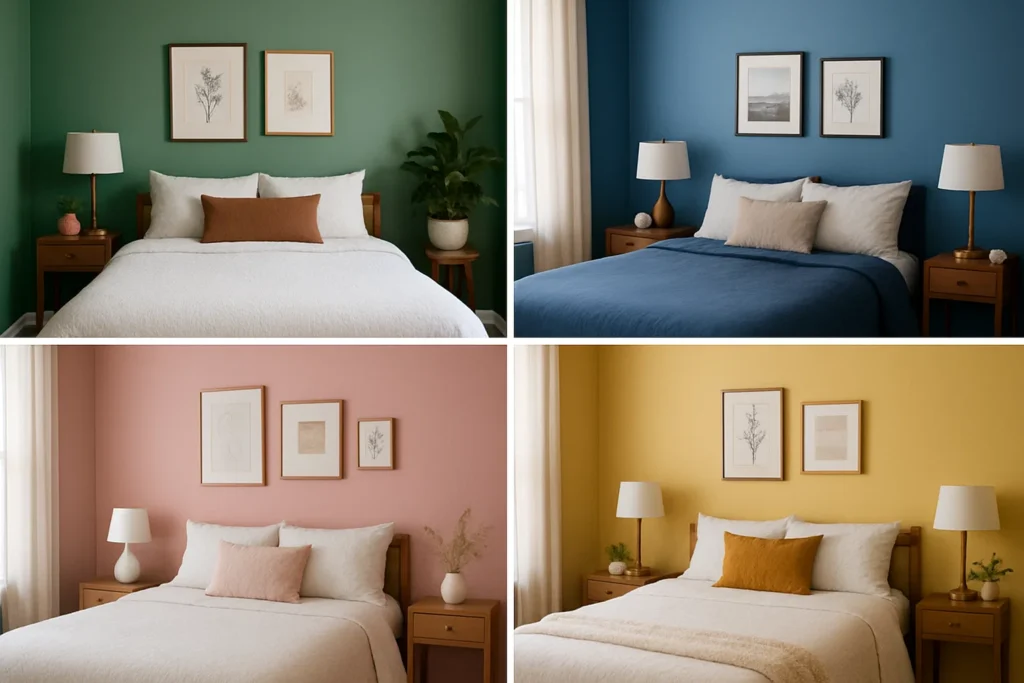
Have you ever wondered why certain rooms make you feel a certain way? It’s not just the furniture or the layout; the room color plays a huge role in shaping your emotions and perceptions. This article delves into the fascinating world of color psychology, exploring how different colors can evoke specific feelings and influence your overall well-being.
More Than Just Paint—Your Room Reflects You
More than just aesthetics, your choice of paint color is a statement about yourself. It influences your daily life. Understanding the psychology of color can help you transform your living space into a sanctuary that supports your goals and reflects your true self.

Why Color Psychology Matters in Interior Spaces
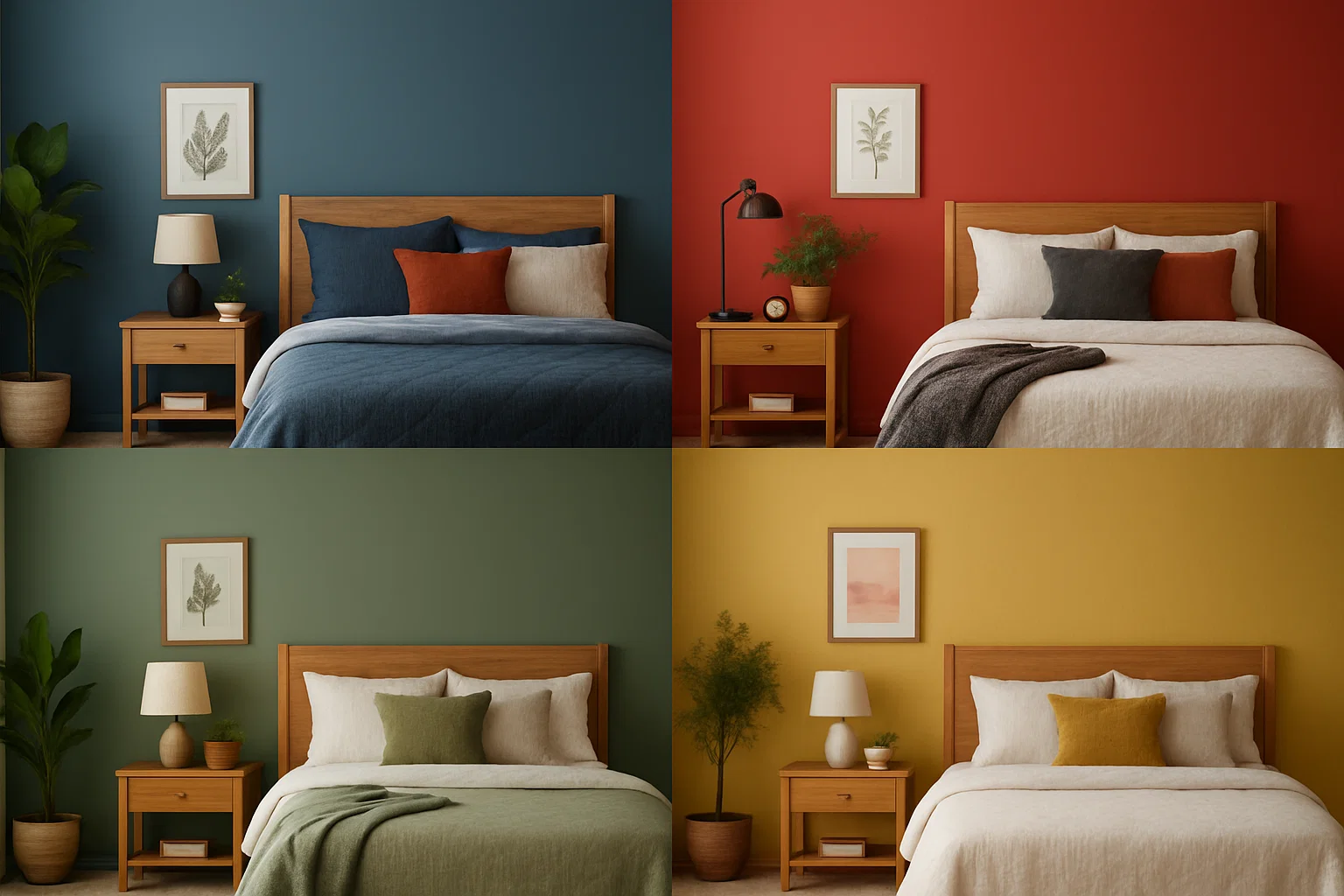
Color psychology is crucial in interior design because colors mean something. They affect your mood, influence behavior, and impact the overall room feel. Therefore, applying color theory in interior spaces can create an environment that promotes well-being and productivity. The room color psychology affects every room in the house.
How Room Colors Influence Mood, Energy, and Personality
Room colors have the power to energize, soothe, or even agitate us. Choosing the right color scheme allows you to tailor your living space to match your desired energy levels and personality traits.
| Color | Association |
|---|---|
| Warm colors like yellow | Cheerfulness |
| Shades of blue | Calm and serenity |
The Psychology Behind Colors: What Science and Experts Say
Experts and studies back the idea that color psychology impacts our daily lives. It goes beyond personal preference and enters the realm of the subconscious, influencing our perception and affecting our mood and behavior. Science provides us with the tools to harness the power of color choice in meaningful ways.
What Is Color Psychology?
Color psychology is the study of how colors affect the brain and emotions. It explores the psychological effects of different colors on human behavior and perception. This field examines how color choice can influence mood, productivity, and even decision-making, making it a valuable tool in design and marketing.
How Colors Affect the Brain and Emotions
The psychology of color shows us that colors evoke specific emotional and physical responses. This is because they trigger different areas of the brain. For example, warmth is often associated with warm colors. Different colors can either stimulate or soothe the nervous system, leading to changes in mood, energy, and even physiological functions like heart rate and blood pressure.
The Role of Color in Personal Expression and Identity
The color scheme you choose for your living spaces reflects your personality and identity. It can communicate your values, aspirations, and even your current emotional state. Whether you prefer bold primary colors or neutral tones, your color choices can add depth to your personal brand. The choices you make are a form of non-verbal communication that tells the world who you are.

What Each Room Color Says About You
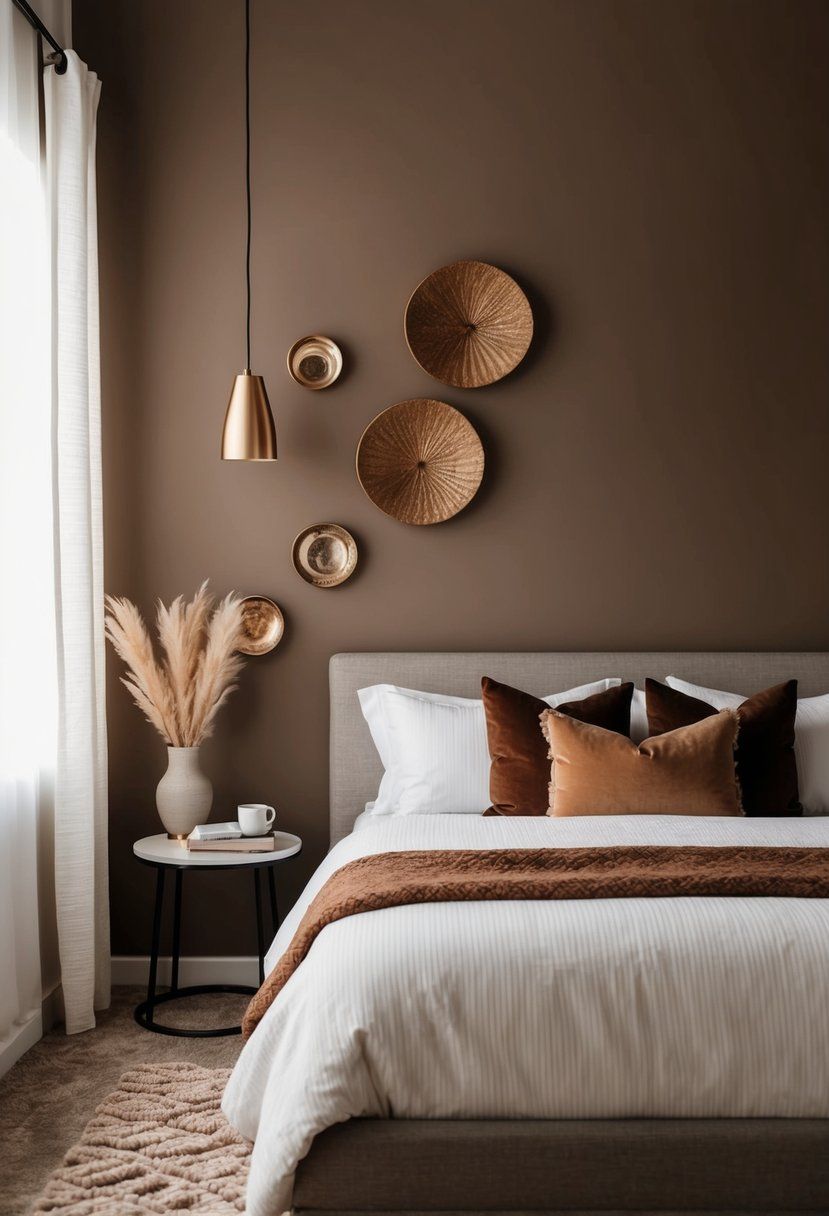
Let’s explore the room color psychology of different colors. We will be looking into what it says about your personality and how it influences the room feel of your living spaces. From the boldness of red to the serenity of blue, each hue has a story to tell.
Red Room: Bold, Passionate, Driven
A red room color often signifies someone who is bold, passionate, and driven. Red is an energetic color that can stimulate action and confidence. Best used as an accent color to make a room feel vibrant and alive, those who choose red are not afraid to express themselves and embrace life with enthusiasm.


Orange Room: Creative, Energetic, Fun-Loving
An orange room color reflects a creative, energetic, and fun-loving personality. Orange is known to energize and inspire. People who choose orange often have a zest for life and enjoy being surrounded by cheerfulness and positivity. Orange also symbolizes warmth and optimism.


Yellow Room: Cheerful, Optimistic, Intelligent
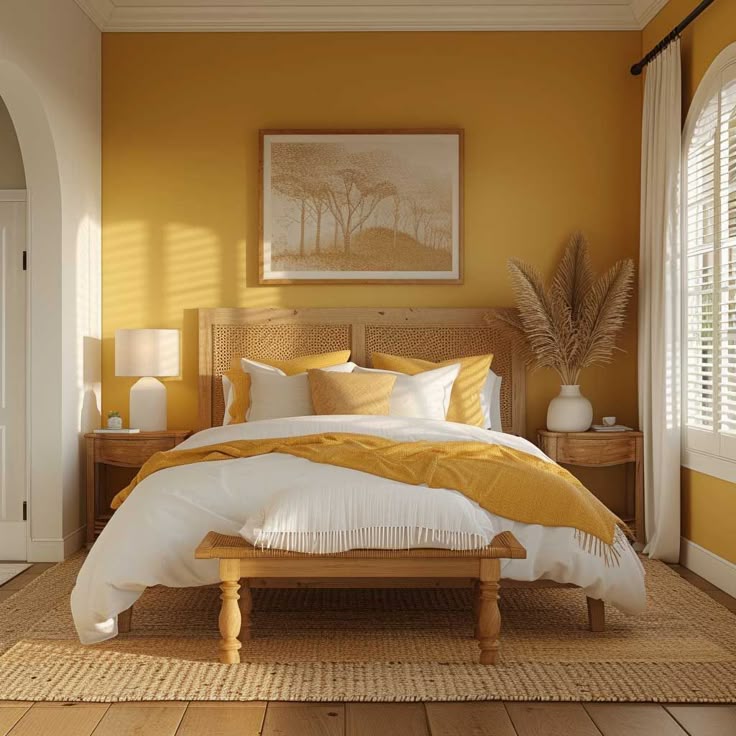
A yellow room color typically indicates someone cheerful, optimistic, and intelligent. Yellow can promote feelings of happiness and stimulate creativity. Best used in areas where you want to create a bright and inviting atmosphere, those who embrace yellow often have a positive outlook on life and a curious mind.

What Each Room Color Says About You
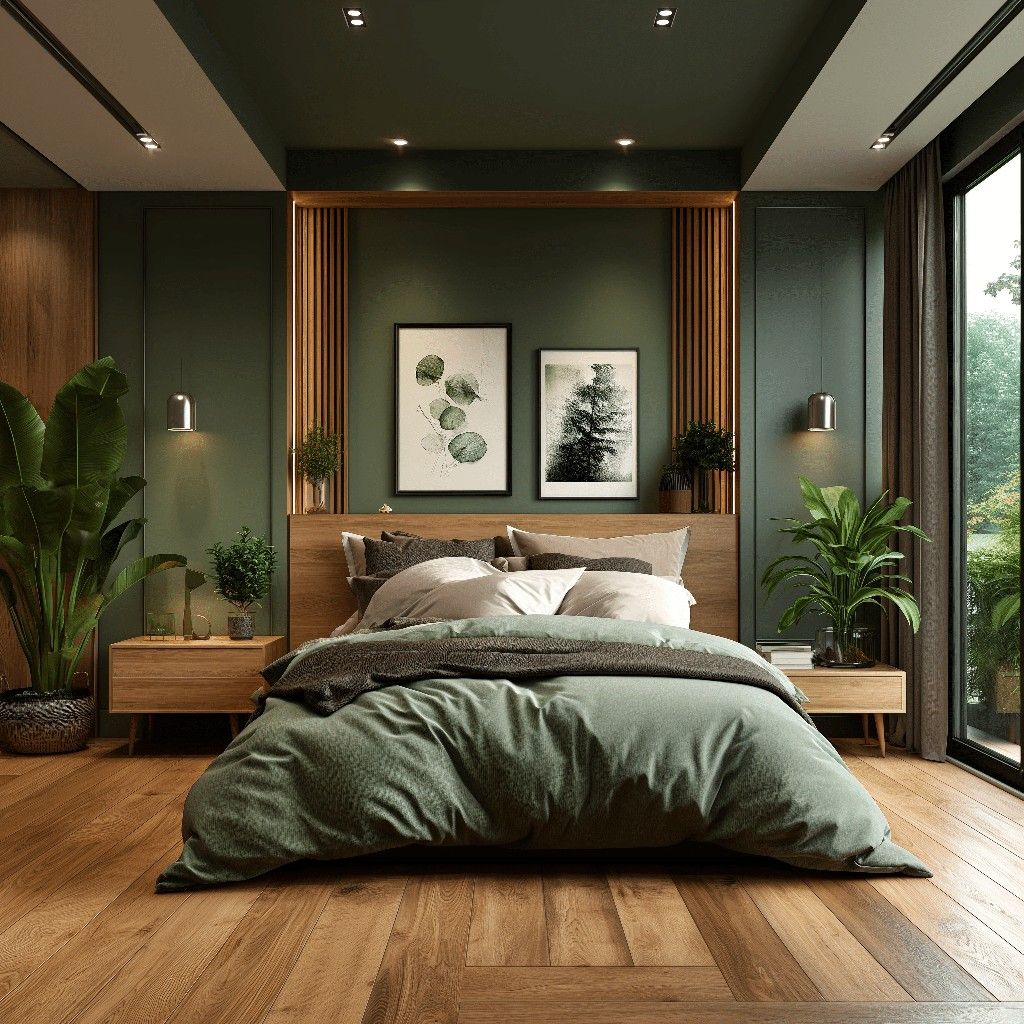
Green Room: Balanced, Grounded, Nature-Lover
A green room color suggests a balanced, grounded, and nature-loving personality. Green is often associated with several positive attributes, including:
- Serenity and growth
- A harmonious and restful room feel
Those who choose green typically value calm, tranquility, and a connection to the natural world, which soothes and balance strong emotions. It is a restful color to use in a bedroom.

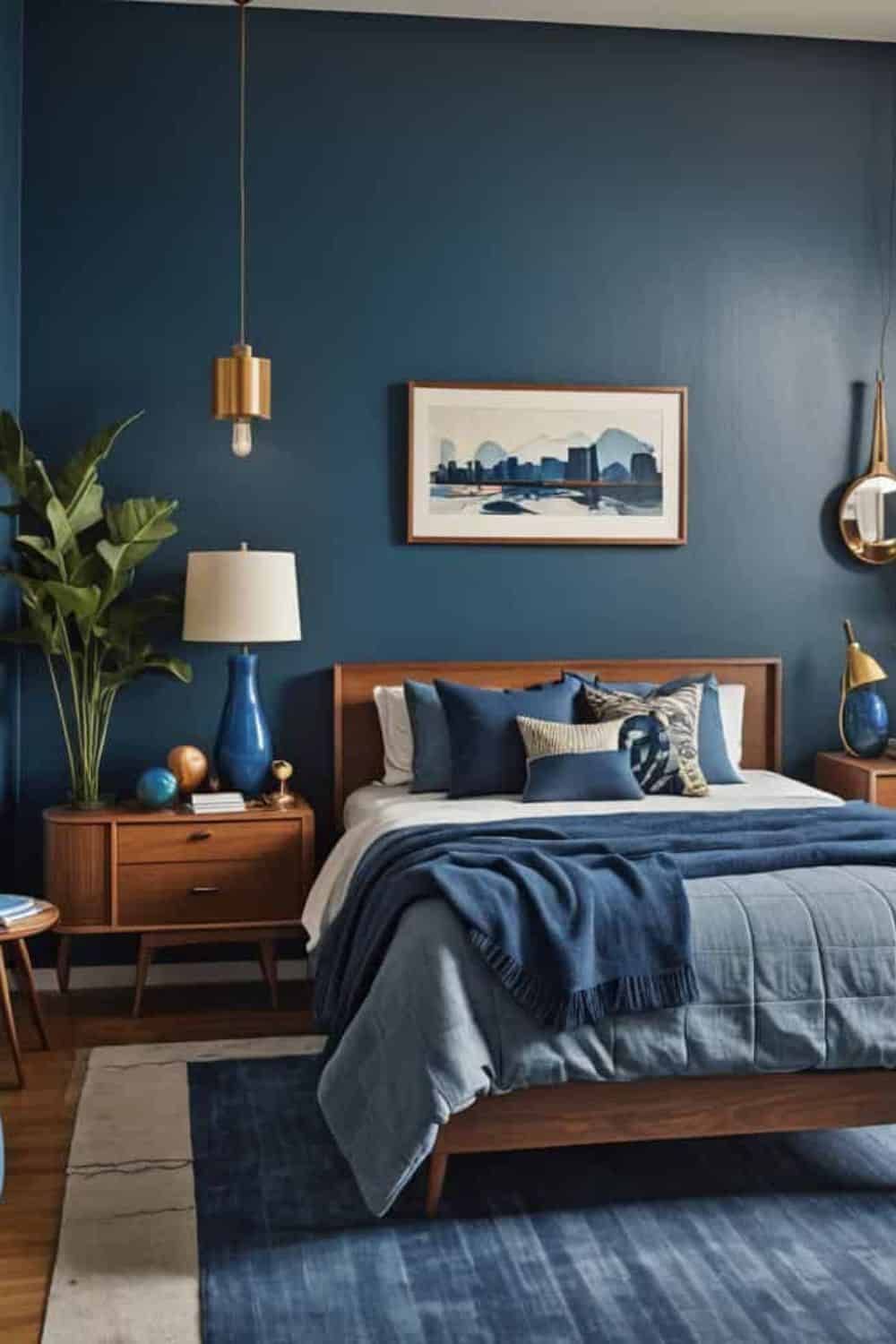
Blue Room: Calm, Reliable, Introspective
A blue room color indicates someone who is calm, reliable, and introspective. Shades of blue are often associated with qualities such as:
- Peace
- Serenity
This makes it an excellent choice for creating a bedroom environment. From light blue to deep navy, blue can evoke a sense of tranquility. Using blue can promote relaxation and mental clarity.

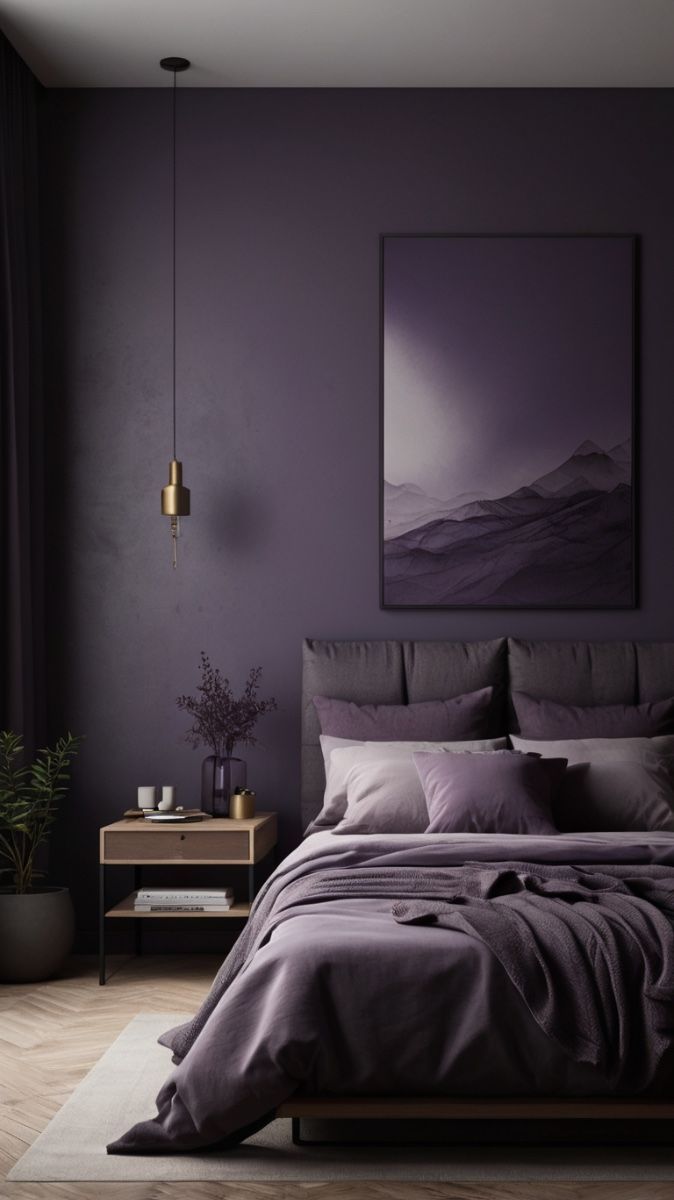
Purple Room: Mysterious, Spiritual, Artistic
A purple room color often reflects a mysterious, spiritual, and artistic personality. Purple, with its rich hues, can stimulate creativity and imagination. Those drawn to purple often have a unique perspective on life and appreciate beauty and individuality. As an accent color, purple adds sophistication and depth to any space.

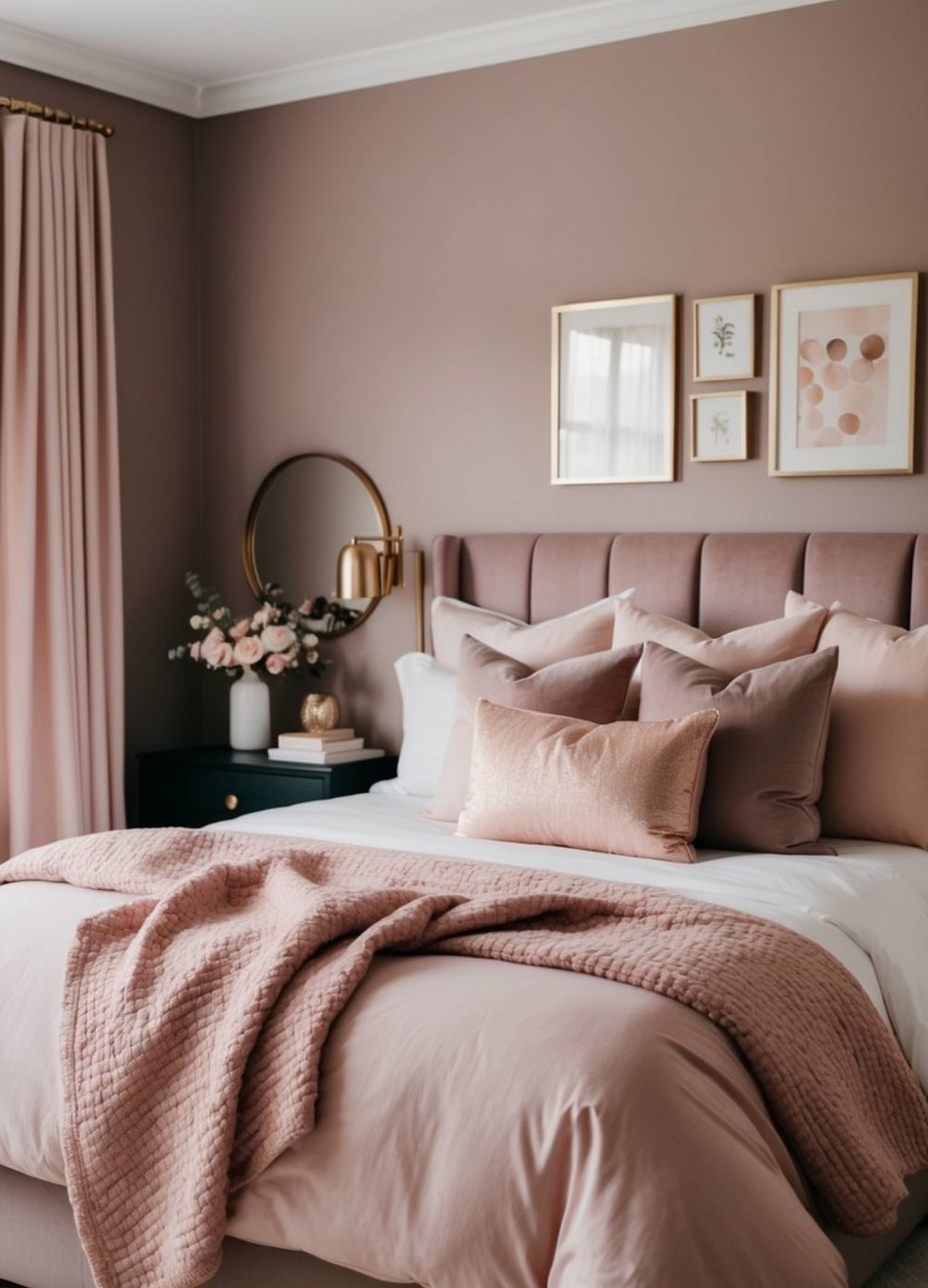
Pink Room: Gentle, Romantic, Kind-Hearted
A pink room color typically signifies someone gentle, romantic, and kind-hearted. Pink can evoke feelings of warmth and affection. Best used in spaces where you want to create a nurturing and comforting atmosphere, pink promotes cheerfulness and positivity, creating a welcoming and inviting ambiance.

Black Room Accents: Sophisticated, Private, Strong
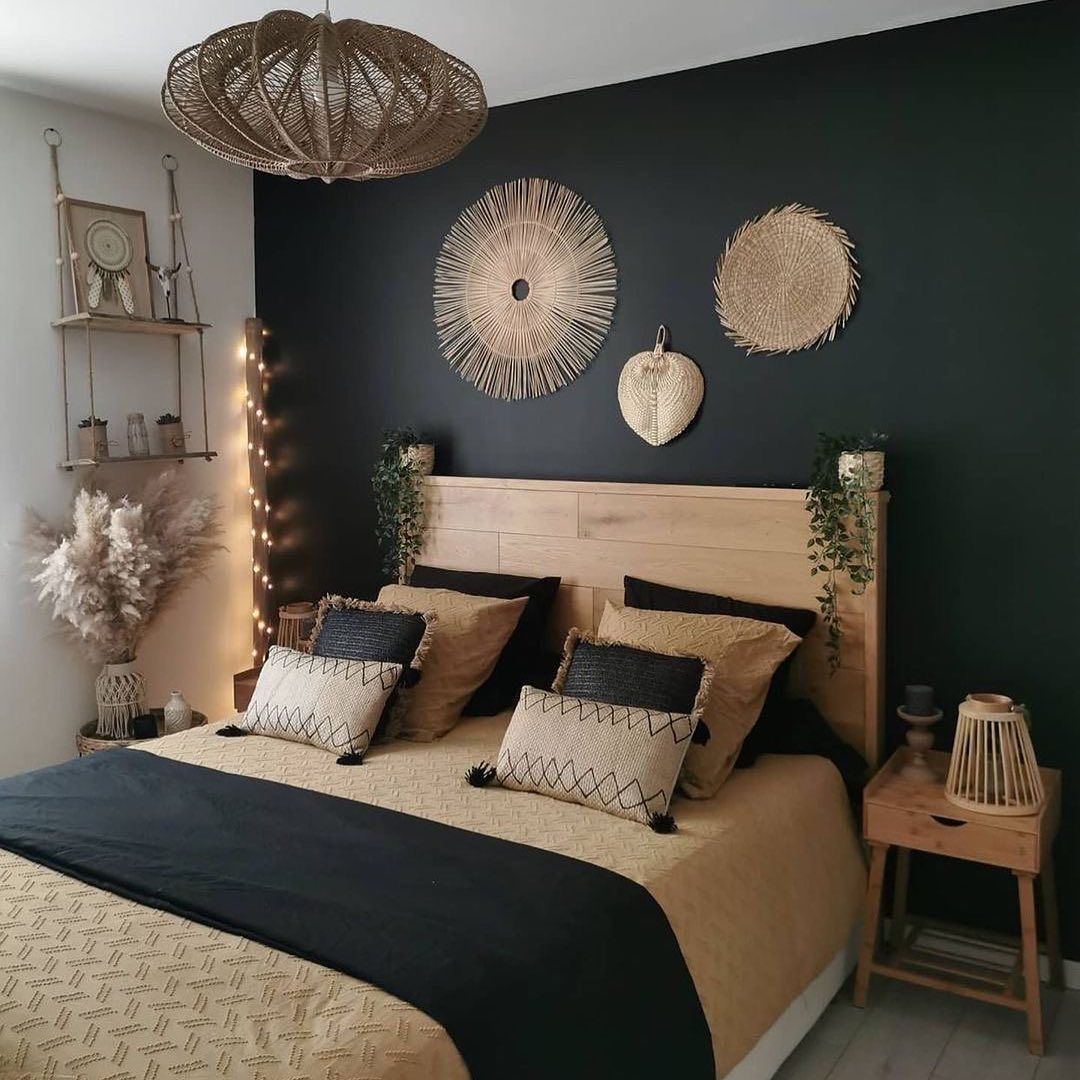
Black room accent colors suggest a sophisticated, private, and strong personality. Black can add depth and drama to a space, creating a sense of elegance. Those who choose black accents often have a refined taste and appreciate the power of simplicity. It brings out the beauty of the other different colors.

White or Beige Room: Clean, Minimalist, Peace-Seeking
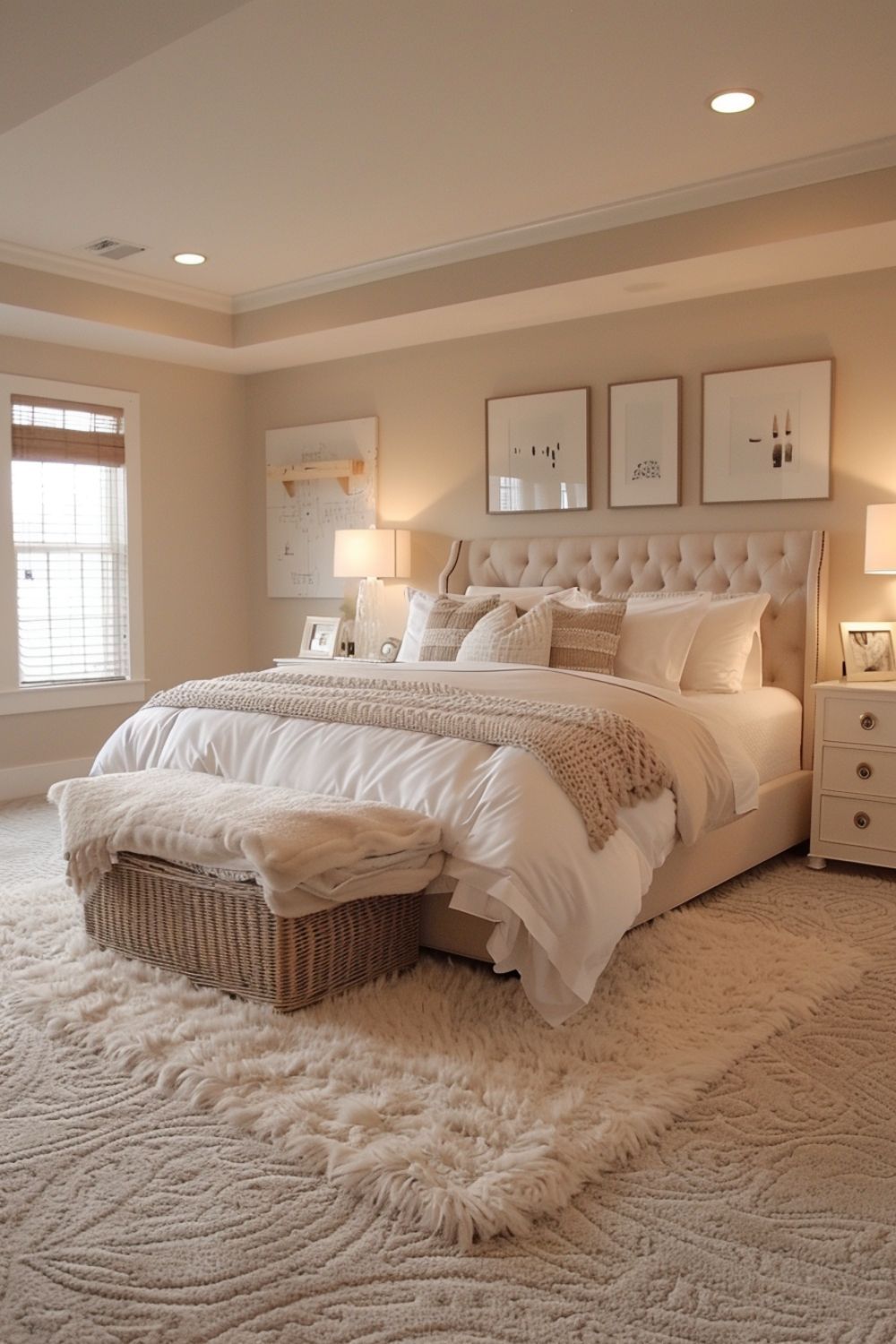
A white or beige room color scheme reflects a clean, minimalist, and peace-seeking personality. White promotes a sense of cleanliness and airiness, while beige adds warmth and elegance. People who prefer these neutral tones value simplicity, order, and a calm, uncluttered environment that soothes the mind.
Gray Room: Neutral, Thoughtful, Practical
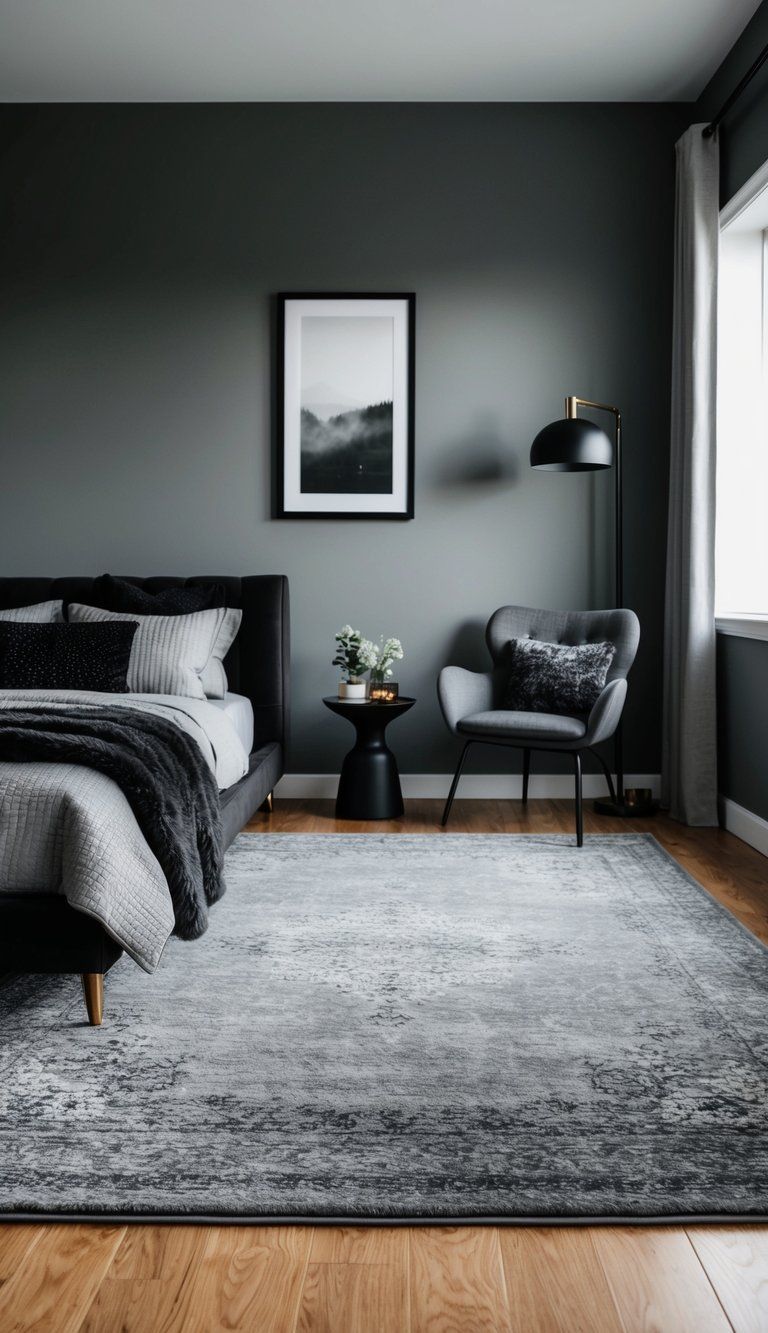
A gray room color typically indicates someone neutral, thoughtful, and practical. Gray offers a versatile backdrop that allows other different colors to shine. Those who choose gray often have a balanced perspective and appreciate simplicity and functionality. Depending on the shades and the natural light, gray can either stimulate or soothe.

Room Design Meets Personality: How to Choose the Right Color
Selecting the right room color involves more than just aesthetic appeal; it’s about aligning your living space with your personality and goals. By understanding color psychology, you can create an environment that supports your well-being and reflects your true self. The energy levels can also affect your decision.
Aligning Your Room’s Mood with Your Personal Goals
Aligning your room’s mood with your personal goals involves understanding how different colors can evoke specific emotions and behaviors. For instance, if you are designing a home office and your personal goal is to become productive, then you can use some primary colors to energize you. Choose color choices that support your aspirations and enhance your daily life.
Matching Color Psychology with Function: Bedroom vs. Office vs. Living Room
Matching color psychology with function is crucial when designing different colors for various room in the house. A bedroom, for example, benefits from calming shades of blue or green to promote relaxation, while a home office might benefit from shades of blue and yellow to enhance focus and creativity. The purpose of the room matters a lot.
How Lighting and Decor Impact Color Perception
Natural light and decor significantly impact color scheme perception in a room. Light can either enhance or mute hues, while decor elements can create contrast and depth. Understanding how these factors interact is essential for achieving your desired room feel. This way you can make a room feel the way you want it to.
Quiz & Fun Element: What Does Your Room Say About You?
Want to know more about what your room colors say about you? Take our fun quiz to uncover the hidden aspects of your personality reflected in your living space. Discover how the color psychology influences your home’s ambiance, and what that says about your inner self.
Mini Personality Quiz (Engagement Section)
Answer these questions about your color choices and preferences. Think about which different colors you are drawn to in clothing, art, and nature. Note your color choices. We will use these answers to determine what your room color says about you. This color psychology quiz will be fun.
Interpreting Your Results Based on Color Psychology
Based on your answers, we’ll interpret your results using color psychology principles. You’ll discover how your color scheme reflects your personality traits, emotional tendencies, and even your aspirations. The results will give insight into the psychological effects on your personality.
Mistakes to Avoid When Choosing Room Colors
Overlooking Natural Light and Room Size
One of the biggest mistakes when choosing a room color is overlooking natural light and room size. A dark room with limited light can feel even smaller and gloomier with dark shades. Conversely, a large, sunlit room can handle bolder hues. Always consider how light interacts with the color scheme to make a room feel balanced and inviting.
Ignoring Emotional Responses to Colors
Ignoring your emotional responses to colors can lead to dissatisfaction with your living space. While trends come and go, your personal connection to a color is what truly matters. Pay attention to the feelings that different colors evoke in you. Then, choose those colors that promote calm, cheerfulness, or serenity, aligning with your emotional well-being.
Following Trends Over Personal Comfort
Following trends over personal comfort is a common pitfall in interior design. While it’s tempting to embrace the latest color scheme, remember that your home should be a reflection of your unique personality. Prioritize color choices that resonate with you. Don’t prioritize fleeting fads over lasting emotional satisfaction. Choose the room color that will make a room feel like home.
Tips to Transform Your Room to Reflect the Real You
Easy Color Switches: Paint, Fabrics, Decor
Transforming your room doesn’t require a complete overhaul. Easy color switches: paint, fabrics, decor. Consider accent colors to add personality to neutral spaces. Remember that understanding the psychology of color means that the ambiance affects your mood. These small updates can refresh your space, add depth, and reflect your evolving tastes.
Balancing Aesthetic and Emotional Well-being
Balancing aesthetic and emotional well-being is key to creating a harmonious living space. Choose room colors that not only look good but also make you feel good. Understand the psychological effects of the color scheme in your design choices. Prioritize relaxation and happiness. Make your home truly a sanctuary that nurtures your mind and soul.
Using Accent Colors Strategically
Using accent colors strategically is a pro tip for adding depth and interest to any room. Select pops of color that complement your main color scheme. This will energize the space. Whether it’s a vibrant hue in your throw pillows or a bold accent wall, these small details can create a big impact and enhance the overall aesthetic.
Conclusion: Your Room Is a Mirror—What Is It Saying About You?
Your room is a mirror, reflecting your personality, emotions, and aspirations. By understanding color psychology, you can harness the power of paint color to create a living space that supports your well-being and reflects your authentic self. Choose wisely, embrace your preferences, and let your home tell your unique story through its color scheme.