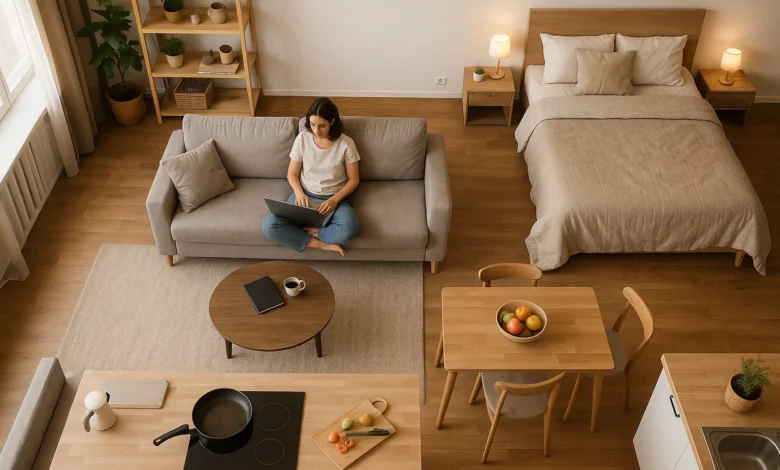
In recent decades, a significant shift has occurred in how people are choosing to live. The traditional image of family-centric households is gradually giving way to a new era dominated by single-person households. This article delves into the multifaceted phenomenon of the rise of solo living, exploring its causes, impacts, and the changing perceptions surrounding it.
A New Era of Independent Living

How Solo Living Became the Defining Lifestyle of the 2020s
The 2020s have witnessed an unprecedented rise of solo living, with more and more adults living alone, marking a significant departure from conventional norms.
This shift is driven by a confluence of factors, from economic independence to evolving social values, making the choice to live alone a defining characteristic of this era. As a result, more people are likely to demand changes in living arrangements.
Why Living Alone No Longer Means Being Lonely
Historically, solitary living was often equated with social isolation and loneliness. However, this perception is rapidly changing. Today, people who live alone are leveraging technology and embracing new forms of social interaction to combat feelings of loneliness. The distinction between solitude and loneliness is crucial, as more and more people are choosing to live alone, prioritizing self-discovery and personal growth.
The Global Shift: The Numbers Behind the Solo Living Boom

Statistics on One-Person Households Worldwide
The rise of single-person households is a global phenomenon, with nearly half of all households in many developed countries now consisting of just one individual.
Statistics show a dramatic increase in the numbers of people living alone across various regions, indicating a widespread societal shift towards independent living. Understanding these numbers is crucial to grasp the magnitude of this trend.
The Cities Leading the Solo Living Trend (Tokyo, London, New York, etc.)
Certain metropolitan hubs are at the forefront of the solo living trend. Cities like Tokyo, London, and New York exhibit high concentrations of one-person households. These urban environments often provide the economic opportunities and support networks that enable people to live alone. The high population living alone reflects the acceptance and feasibility of living solo.
How Millennials and Gen Z Are Redefining Home and Independence
Millennials and Gen Z are pivotal in reshaping the concept of home and independence. These generations are more likely to delay marriage and prioritize personal fulfillment, contributing to the rise of solo households.
Their emphasis on flexibility, autonomy, and personal growth are major drivers of the rise of living alone, influencing how people are choosing to live.
Why More People Are Choosing to Live Alone

Freedom and Autonomy: The Power to Design Your Own Life
One of the most compelling reasons behind the rise of solo living is the allure of unparalleled freedom and autonomy. When you choose to live alone, you have the power to design your life exactly as you envision it.
There are no compromises on decor, schedule, or lifestyle, offering people who live alone a sense of control and independence that is often unattainable in shared living situations, especially in recent decades.
Financial Stability and the Rise of Independent Incomes
Increasing financial stability plays a crucial role in enabling people to live alone. As independent incomes rise, more individuals find themselves in a position to afford the expenses associated with maintaining a one-person household.
The rise of single-person households directly correlates with the increasing economic empowerment of individuals, particularly among women, supporting more solitary living arrangements.
The Remote Work Revolution and Digital Nomad Lifestyles
The remote work revolution has significantly contributed to the rise of solo living. With the ability to work from anywhere, more people are choosing to live alone and embrace digital nomad lifestyles.
This flexibility allows them to prioritize personal freedom and explore new locations without being tied down by traditional office constraints. As more people are likely to live alone today, there is a growing need for co-working spaces and digital communities.
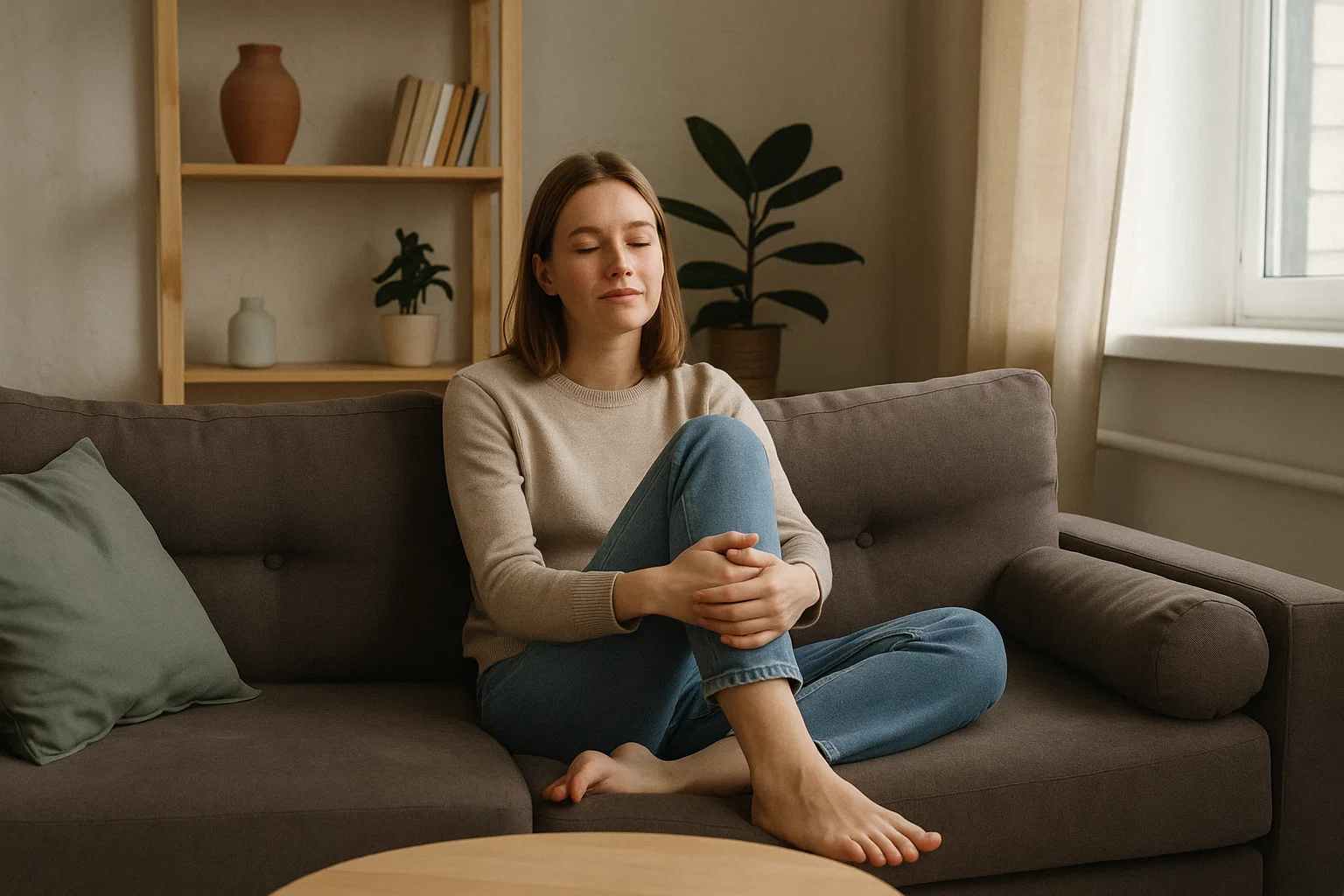
Emotional Wellness: Turning Solitude into Self-Growth
For many, solitary living is a conscious choice driven by a desire for emotional wellness and self-growth. People who live alone often find that solitude provides a space for introspection, self-discovery, and personal development.
This intentional separation from constant social interaction allows for deeper self-reflection and a greater understanding of one’s own needs and desires. People are more likely to pursue their ambitions.
Shifting Social Values: From “Settling Down” to “Self-Fulfillment”
A significant shift in social values is also fueling the rise of solo living. The traditional emphasis on “settling down” and prioritizing marriage and family is gradually giving way to a greater focus on self-fulfillment and personal happiness.
More adults who live alone are prioritizing their own goals and aspirations, viewing solitary living as a means to achieve these aims. The prevalence of solitary living has increased.
How Technology Makes Solo Living Easier and Smarter
Smart Homes: AI Assistants, Energy Control, and Safety Features
Technology plays a pivotal role in making solo living easier and more manageable. Smart homes equipped with AI assistants, energy control systems, and advanced safety features offer unparalleled convenience and peace of mind.
These technological advancements empower people who live alone to automate tasks, optimize their living environments, and enhance their security. They can help prevent people from feeling lonely and social.

Delivery Apps, Virtual Healthcare, and Online Communities
Delivery apps have revolutionized the way we access goods and services, making it easier than ever for people who live alone to manage their daily needs.
Virtual healthcare provides convenient access to medical advice and treatment from the comfort of one’s own home, while online communities offer opportunities for social interaction and support. These digital tools help combat loneliness and social isolation among single-person households.
Digital Companionship: How Tech Reduces Loneliness
While the potential for loneliness exists when people are choosing to live alone, technology offers innovative solutions for digital companionship.
From AI-powered chatbots to virtual reality experiences, there are numerous ways in which technology can help reduce loneliness and foster a sense of connection. These digital companions can provide entertainment, conversation, and even emotional support for people living alone, although a face-to-face interaction would be better.
Emerging Solo Living Trends in 2025 and Beyond

Micro-Apartments: Compact Living with Maximum Comfort
As the rise of solo living continues, micro-apartments are emerging as a popular solution, offering compact living spaces designed for maximum comfort and efficiency for people who live alone.
These smaller units prioritize functionality and smart design, ensuring that people living alone have everything they need without sacrificing quality of life. With the prevalence of solitary living, the demand for micro-apartments is expected to increase.
Flexible Housing: Co-Living with Private Space Options
Flexible housing models, such as co-living spaces with private room and bathroom options, are gaining traction as a way to combine the benefits of community with the privacy of living alone.
These arrangements cater to the rising number of one-person households by offering shared amenities and social interaction while still allowing individuals to maintain their independence. This innovative approach helps combat feelings of loneliness.

Pet Companionship and Wellness-Oriented Living Spaces
Recognizing the emotional needs of people who live alone, there’s a growing trend towards wellness-oriented living spaces that prioritize pet companionship.
Pet-friendly apartments with on-site dog parks and pet-care services are becoming increasingly common. These amenities cater to the well-being of both residents and their furry friends, reducing loneliness and promoting a sense of community for people who choose to live alone.
The Rise of Digital-First Neighborhoods and Smart Cities
The rise of digital-first neighborhoods and smart cities is transforming the way people who live alone experience their communities.
High-speed internet, smart home technology, and integrated digital services create seamless, connected living environments. These advancements enhance convenience, promote social interaction, and foster a sense of belonging for people who live alone in rich countries.
The Psychological Side: Thriving, Not Just Surviving Alone
The Difference Between Solitude and Isolation
Understanding the distinction between solitude and isolation is crucial for people choosing to live alone. Solitude is a positive state of being alone by choice, allowing for introspection and self-discovery.
Isolation, on the other hand, is an involuntary state of being cut off from social contact, leading to loneliness and feelings of disconnect. The goal is to embrace solitude while avoiding social isolation for people living alone.

How Living Alone Can Boost Creativity and Confidence
Living alone can significantly boost creativity and confidence. The absence of external distractions allows people who live alone to focus on their passions and pursue their interests without interruption.
This dedicated time for self-expression and personal growth can lead to increased self-assurance and a greater sense of personal fulfillment. This helps reduce feelings of loneliness and promote positive mental health.
Tips for Maintaining Mental Well-Being as a Solo Dweller
Maintaining mental well-being is essential for people who are choosing to live alone. Establishing a routine, engaging in regular physical activity, and practicing mindfulness can help manage stress and promote a sense of balance.
Additionally, cultivating meaningful social connections and seeking support when needed are crucial for combating loneliness and staying connected with the outside world for people living alone.
Challenges of Solo Living (and How to Overcome Them)
Managing Loneliness and Building Social Connections
One of the primary challenges of solo living is managing loneliness and preventing social isolation. Proactive steps to build and maintain social connections are essential for adults who live alone.
Joining clubs, volunteering, attending community events, and utilizing online platforms can all help foster a sense of belonging and reduce feelings of loneliness for people who live alone in recent decades.
Financial Tips for One-Income Households
Financial planning is particularly important for one-income households. Creating a budget, tracking expenses, and saving for the future are crucial steps for maintaining financial stability when you choose to live alone.
Exploring options for affordable housing, utilizing discounts and rewards programs, and seeking financial advice can also help people living alone manage their resources effectively. They are more likely to live alone.
Creating Safety and Security When You Live Alone
Ensuring safety and security is a top priority for people who live alone. Installing security systems, reinforcing doors and windows, and informing trusted neighbors of your living situation can provide peace of mind.
Additionally, practicing situational awareness, avoiding risky situations, and having an emergency plan in place are essential for protecting yourself and your home as a single-person household.
Designing Your Solo Space: Function, Comfort, and Expression
Minimalist Decor and Personalized Interiors
For people who live alone, minimalist decor can transform a space into a sanctuary of calm and order. By decluttering and focusing on essential items, people who live alone can create a serene environment that promotes relaxation and focus.
Personalized interiors ensure that the space reflects the individual’s tastes and passions, making it feel uniquely like home. The rise of solo living has influenced design trends.
The Importance of Wellness Corners and Creative Zones
Creating dedicated wellness corners and creative zones is essential for solitary living and fostering well-being. A wellness corner might include a yoga mat, meditation cushion, and plants, promoting mindfulness and relaxation.
A creative zone could feature an art desk, musical instruments, or a writing space, encouraging hobbies and self-expression. People who live alone are more likely to choose to incorporate zones.
How to Make a Small Space Feel Bigger and Cozier
Maximizing space is crucial for those in one-person households. Using vertical storage, light colors, and multi-functional furniture can make a small area feel bigger and more inviting.
Adding cozy textiles like blankets and pillows, along with personal touches such as photos and artwork, creates a warm and welcoming atmosphere for people who live alone, helping to combat loneliness. The prevalence of solitary living increases.
Solo Living Across Generations: Not Just for the Young
The Rise of Independent Seniors and “Aging Solo” Lifestyles
The rise of living alone isn’t limited to millennials and Gen Z. Independent seniors are increasingly choosing to live alone, embracing “aging solo” lifestyles that prioritize autonomy and self-determination.
These older adults often have the financial resources and social support networks to maintain their independence, challenging stereotypes about solitary living as a young person’s game. More of the older population lives alone.
How Different Age Groups Approach Solitude and Independence
Different age groups approach solitude and independence in unique ways. Younger adults choosing to live alone may prioritize career development and social exploration, while older adults may focus on maintaining their health, pursuing hobbies, and staying connected with loved ones.
Understanding these generational differences is essential for creating inclusive communities that support people who live alone at every stage of life.
Building Community Connections While Living Alone
Building community connections is vital for people who are choosing to live alone, regardless of age. Participating in local events, joining clubs, volunteering, and using social media can all help foster a sense of belonging and combat loneliness. Strong community ties provide emotional support, reduce social isolation, and enhance the overall quality of life for single-person households. All people who live alone can benefit.
Conclusion: Embracing the Freedom of Solo Living
The rise of living alone represents a significant cultural shift towards valuing independence, self-fulfillment, and personal autonomy. While there are challenges associated with choosing to live alone, the benefits of freedom, control, and self-discovery are undeniable. As technology continues to evolve and social attitudes change, solitary living is likely to become an increasingly common and accepted lifestyle choice. People who live alone can thrive today.