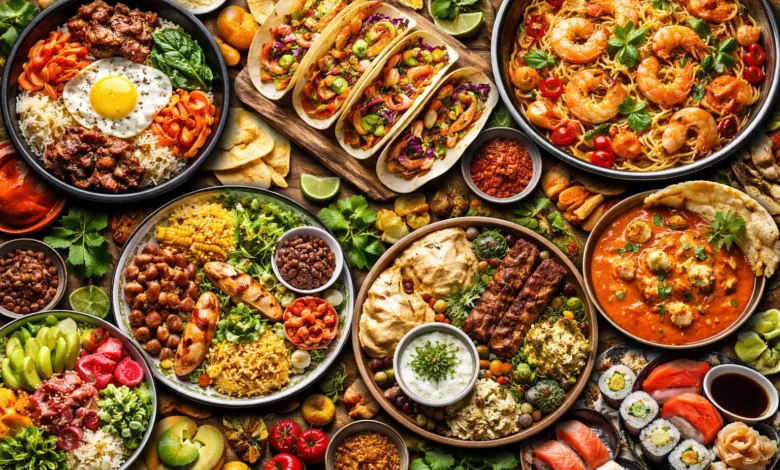
Welcome to the exciting world where culinary boundaries blur and innovation takes center stage. This article explores the phenomenon of global fusion, a dynamic food trend transforming menus worldwide. Join us as we dissect the essence of fusion cuisine, understand its surging popularity, and sample some of the most inventive fusion dishes captivating diners today.
What Is Global Fusion Cuisine?
Definition and Key Characteristics
Fusion cuisine is more than just throwing different cuisines together; it’s an artful blend of culinary traditions from around the globe. A chef creating fusion food seeks to harmonize different cultures’ food, producing unique dishes with bold flavors. The goal is to create a culinary experience where different cuisines meet, not clash, resulting in delicious food that elevates the dining experience.
How Fusion Combines Techniques, Ingredients, and Flavors
At its core, making fusion involves merging cooking techniques, ingredients, and global flavors from diverse culinary traditions. Chefs experiment with different cuisines, such as Thai blended with Korean, to unlock new flavor profiles. This creative approach allows them to craft fusion dishes that excite the palate and expand the horizons of the food and beverage experience.
Difference Between Traditional and Fusion Cuisine
Traditional cuisine focuses on preserving the authenticity of dishes, adhering strictly to cultural heritage and time-honored recipes. In contrast, fusion cuisine intentionally diverges from these norms. It borrows elements from different cultures to create dishes like never before. While respecting traditional methods, fusion food aims to innovate and offer a novel type of food, enriching global cuisine.
Why Cultural Blends Are Trending in Restaurants
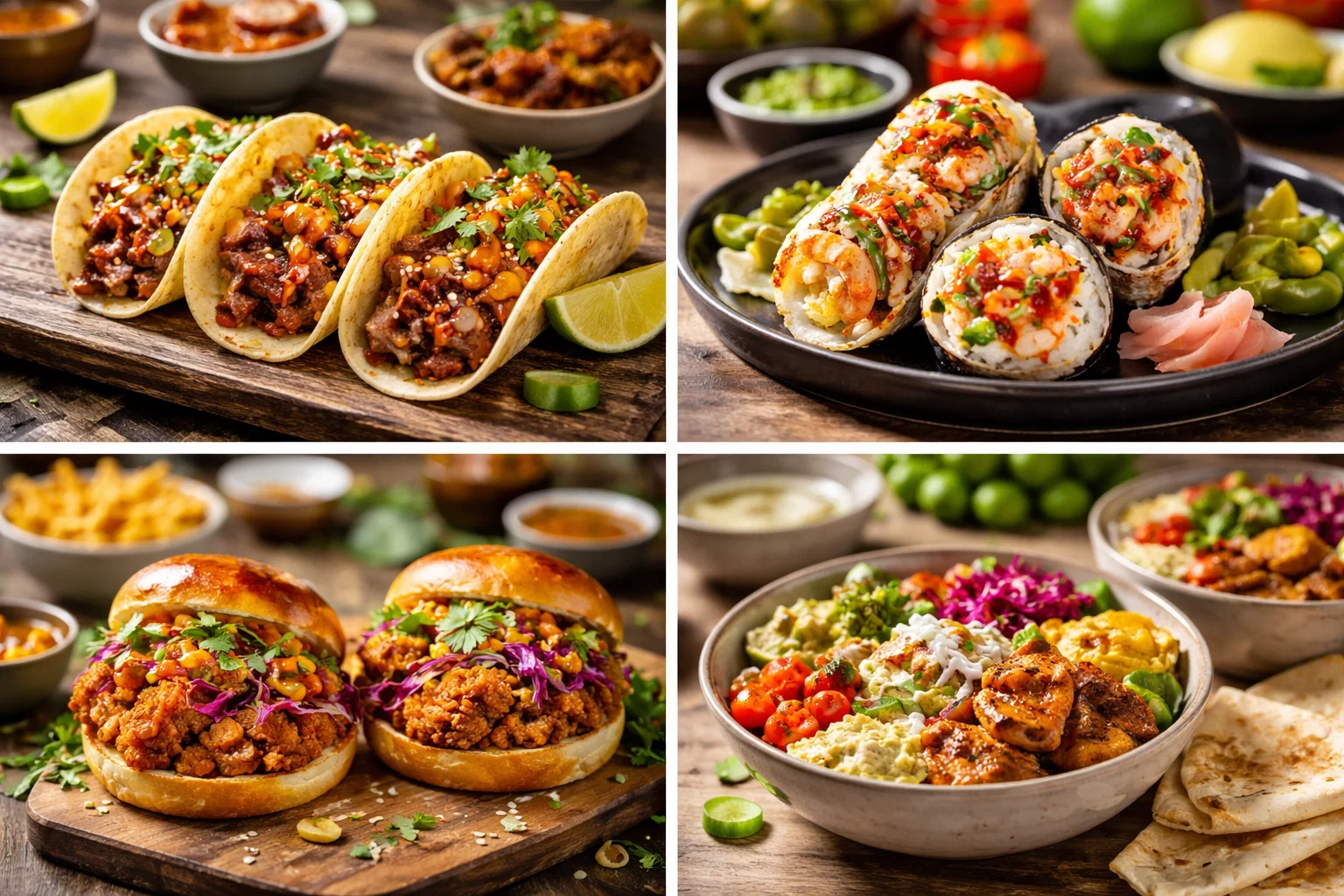
Influence of Travel and Global Exposure
Increased travel and global exposure have profoundly influenced the food industry. As people explore new countries and experience food from different cultures, they develop a taste for international cuisine. This exposure fosters a desire for diverse global food options, fueling the demand for fusion restaurants and menus that showcase these unique combinations.
Social Media and the Visual Appeal of Fusion Dishes
Social media platforms play a significant role in popularizing fusion dishes due to their visually stunning nature. The visually stunning nature of these creations, often blending vibrant colors and exotic ingredients, makes them highly shareable. This visual appeal attracts attention and piques curiosity, encouraging people to try new and exciting fusion food options, further driving the trend.
Increased Consumer Curiosity and Adventurous Palates
Today’s consumers are more curious and adventurous when it comes to food. They actively seek out new flavor experiences and are willing to experiment with different cuisines. This openness has created a fertile ground for fusion cuisine to flourish, as people embrace the opportunity to taste the world in a single meal, making fusion dishes a popular choice.
Accessibility of Global Ingredients and Local Adaptations
The accessibility of global ingredients has made it easier for chefs to experiment with fusion cuisine. Supermarkets and specialty stores now stock a wide range of products from around the world, allowing chefs to source authentic ingredients.
Moreover, local adaptations of global dishes allow chefs to incorporate fresh, seasonal ingredients, enhancing the culinary experience and promoting sustainable food practices.
Popular Examples of Global Fusion Dishes
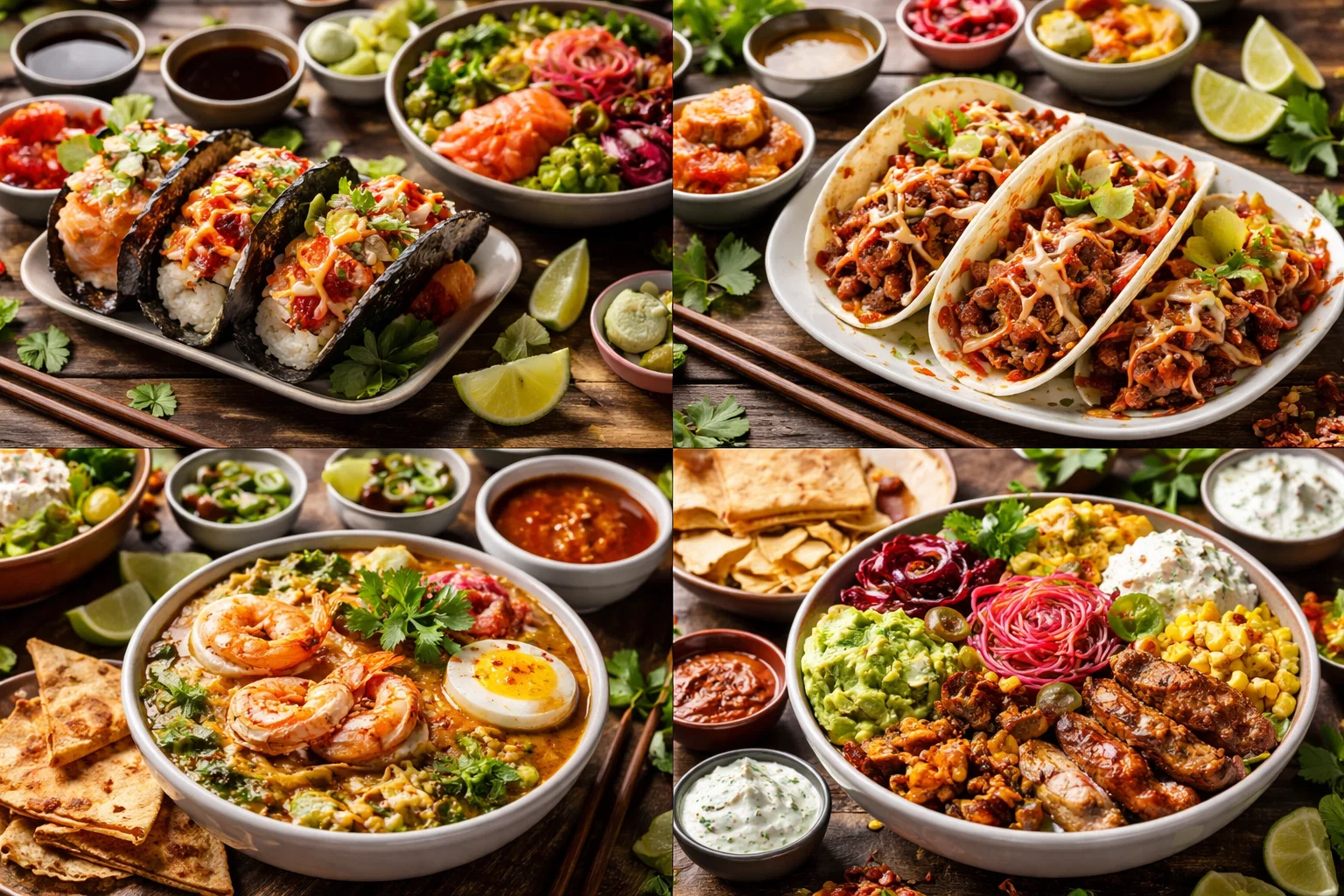
Asian-Mexican Fusion: Sushi Tacos and Kimchi Quesadillas
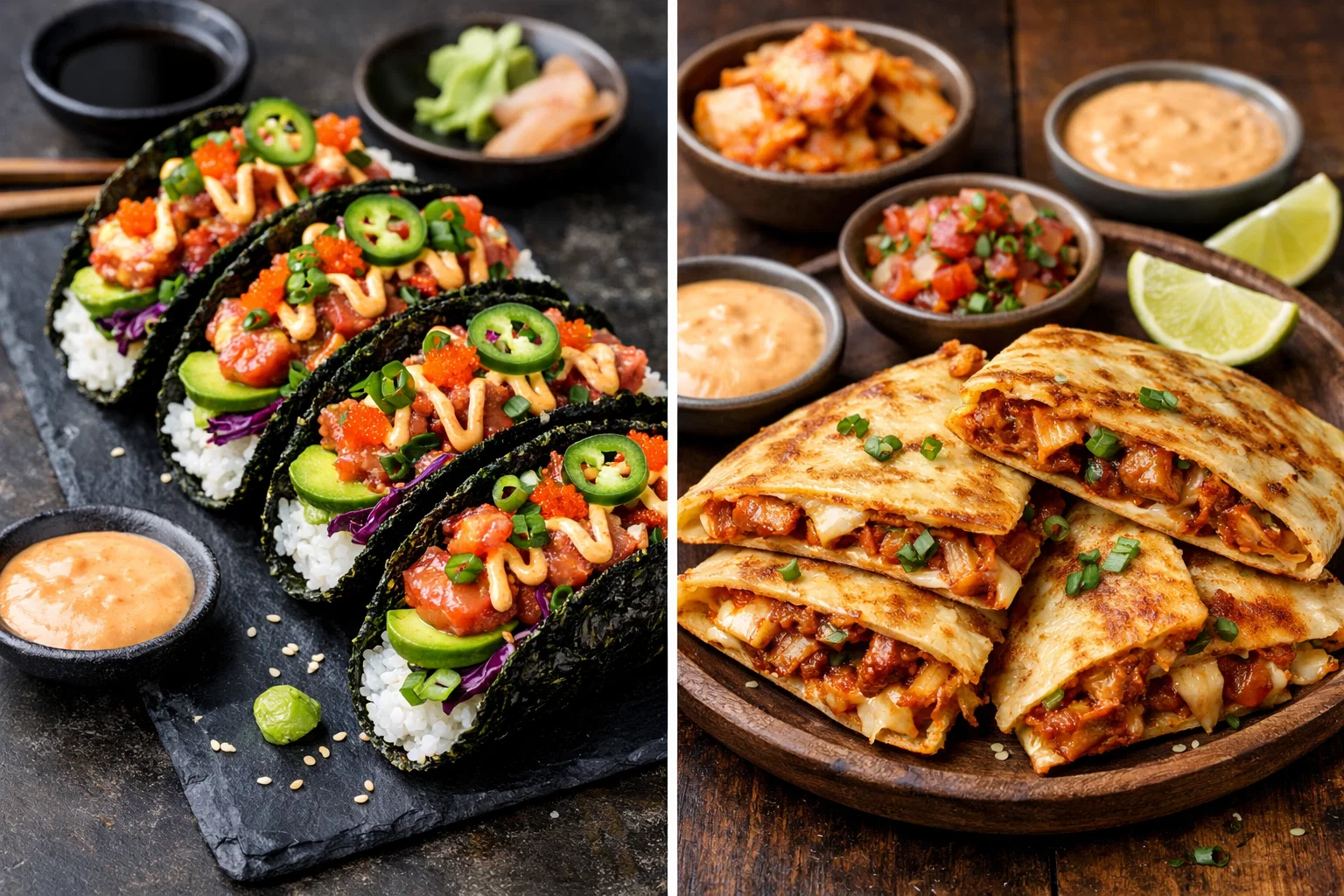
Asian-Mexican fusion is a bold example of fusion cuisine, blending the delicate art of sushi with the hearty flavors of Mexican street food.
Sushi tacos combine the freshness of raw fish with the crunch of a taco shell, while kimchi quesadillas introduce the spicy, fermented flavors of Korean kimchi to the comforting familiarity of a Mexican quesadilla, creating unique dishes that surprise and delight, showcasing how different cuisines can harmonize.
Japanese-Italian Fusion: Miso Pasta and Sushi Pizza
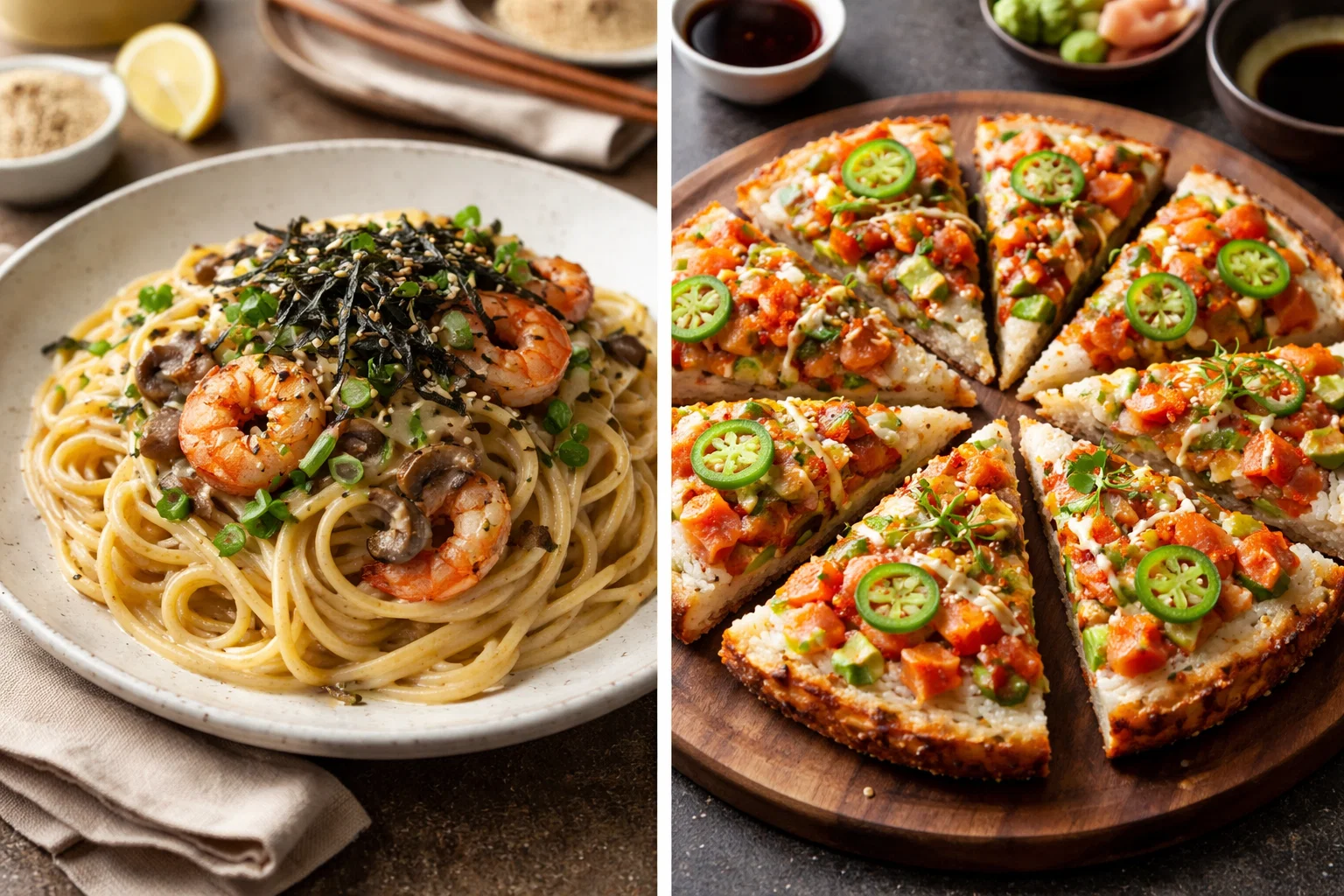
Japanese-Italian fusion showcases the versatility of global flavors. Miso pasta infuses traditional Italian pasta with the umami-rich taste of Japanese miso, creating a savory, unforgettable dish.
Sushi pizza, on the other hand, presents a playful twist by using sushi ingredients on a pizza base, merging two distinct food cultures into an exciting culinary experience. This fusion food elevates the dining experience by blending familiar and exotic tastes.
Indian-American Fusion: Curry Mac & Cheese and Tandoori Burgers
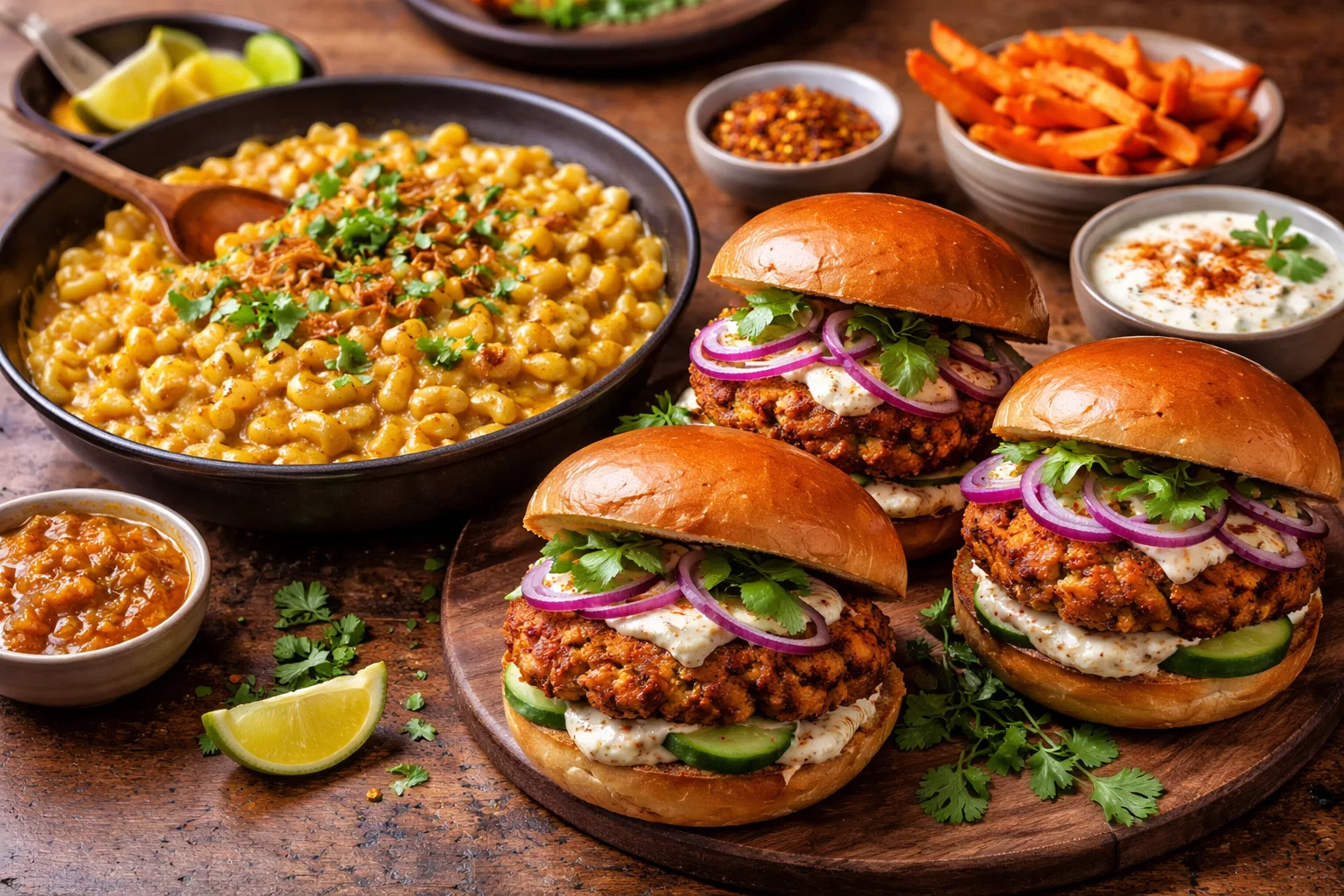
Indian-American fusion brings together the vibrant spices of Indian cuisine with classic American comfort food.
Curry mac & cheese adds a flavorful twist to a beloved dish, while tandoori burgers infuse the smoky, marinated taste of tandoori chicken into a juicy burger, showcasing how fusion combines cooking techniques. These dishes exemplify the innovative spirit of the food movement, making global food more accessible and appealing.
Middle Eastern-Asian Fusion: Falafel Sushi Rolls and Hummus Ramen Bowls
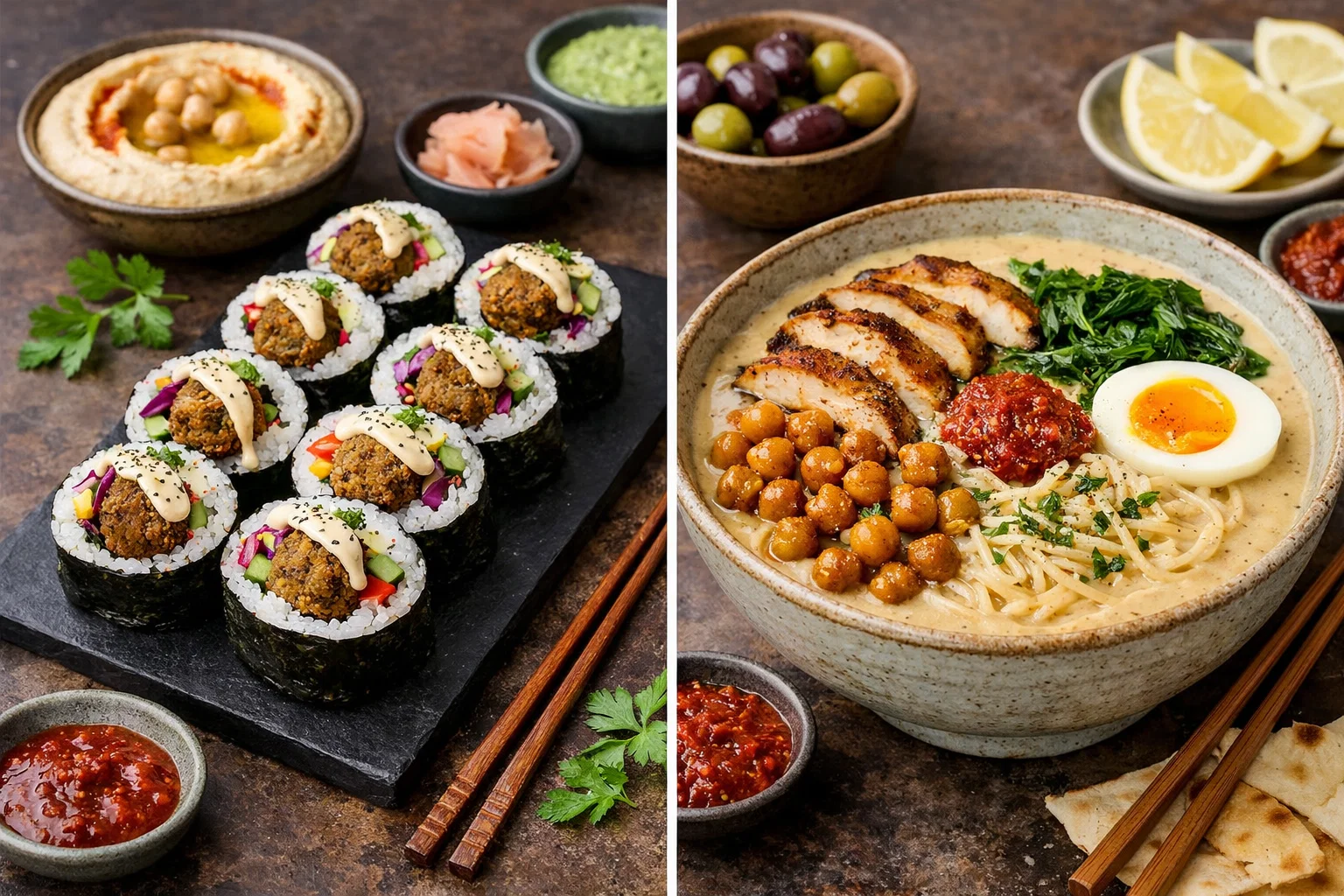
Middle Eastern-Asian fusion is where tahini meets teriyaki. Falafel sushi rolls wrap the classic Middle Eastern chickpea fritters in seaweed and rice, offering a new take on sushi.
Hummus ramen bowls blend the creamy texture of hummus with the savory broth of ramen, creating a comforting and innovative dish. These fusion dishes highlight the endless possibilities when different cultures create dishes together.
Fusion Desserts: Matcha Tiramisu, Chai Doughnuts, and Mochi Ice Cream Variants
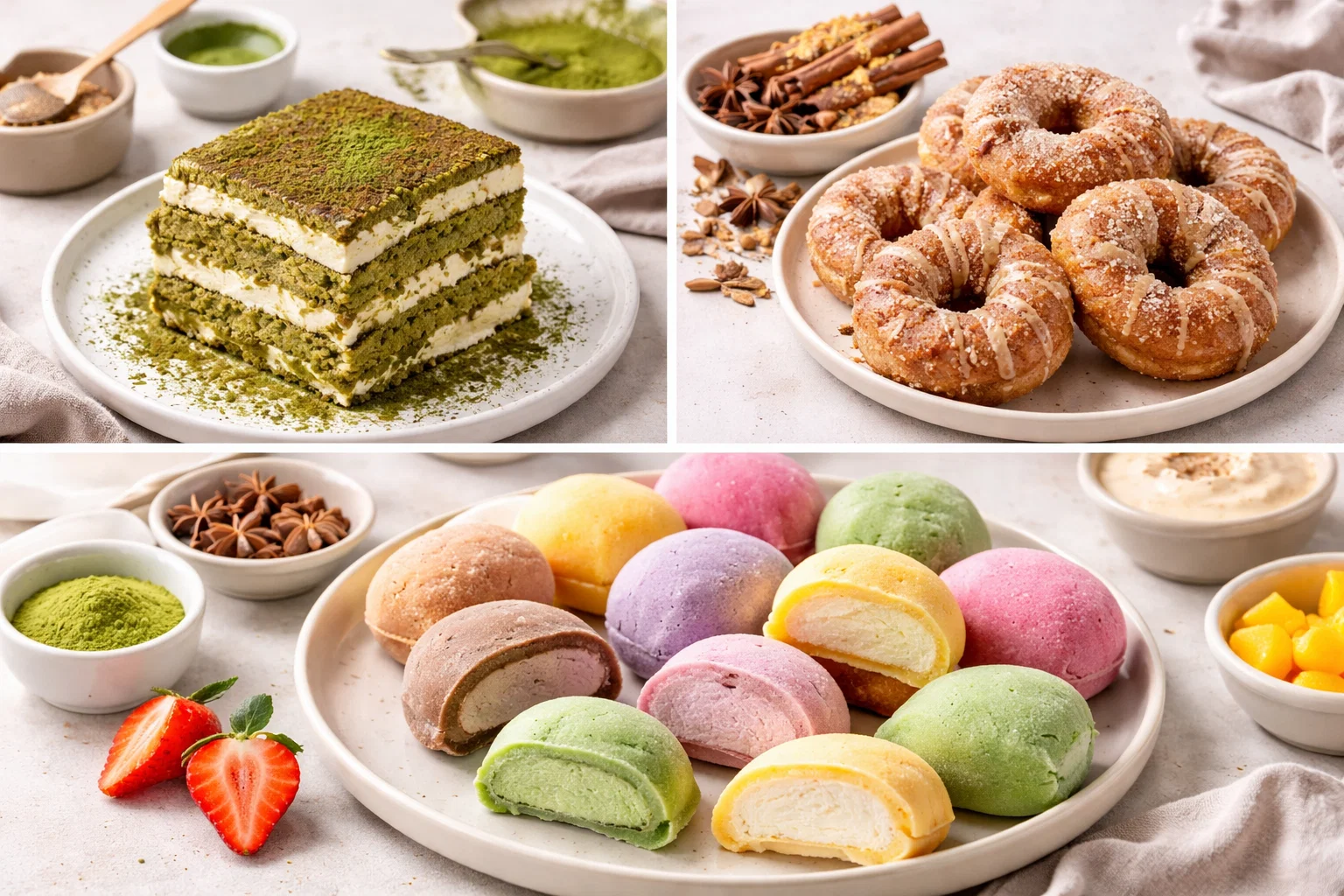
Fusion extends to the sweet side with desserts that blend cultural influences. Matcha tiramisu combines the Italian classic with the earthy notes of Japanese matcha.
Chai doughnuts infuse the warmth of Indian chai spices into a classic American treat, while mochi ice cream variants encase ice cream in soft, chewy Japanese mochi. This showcases the delicious food options and new flavors available in fusion cuisine, proving its versatility in the food industry.
Benefits of Incorporating Fusion Cuisine on Menus
Attracting a Wider Audience and Diverse Diners
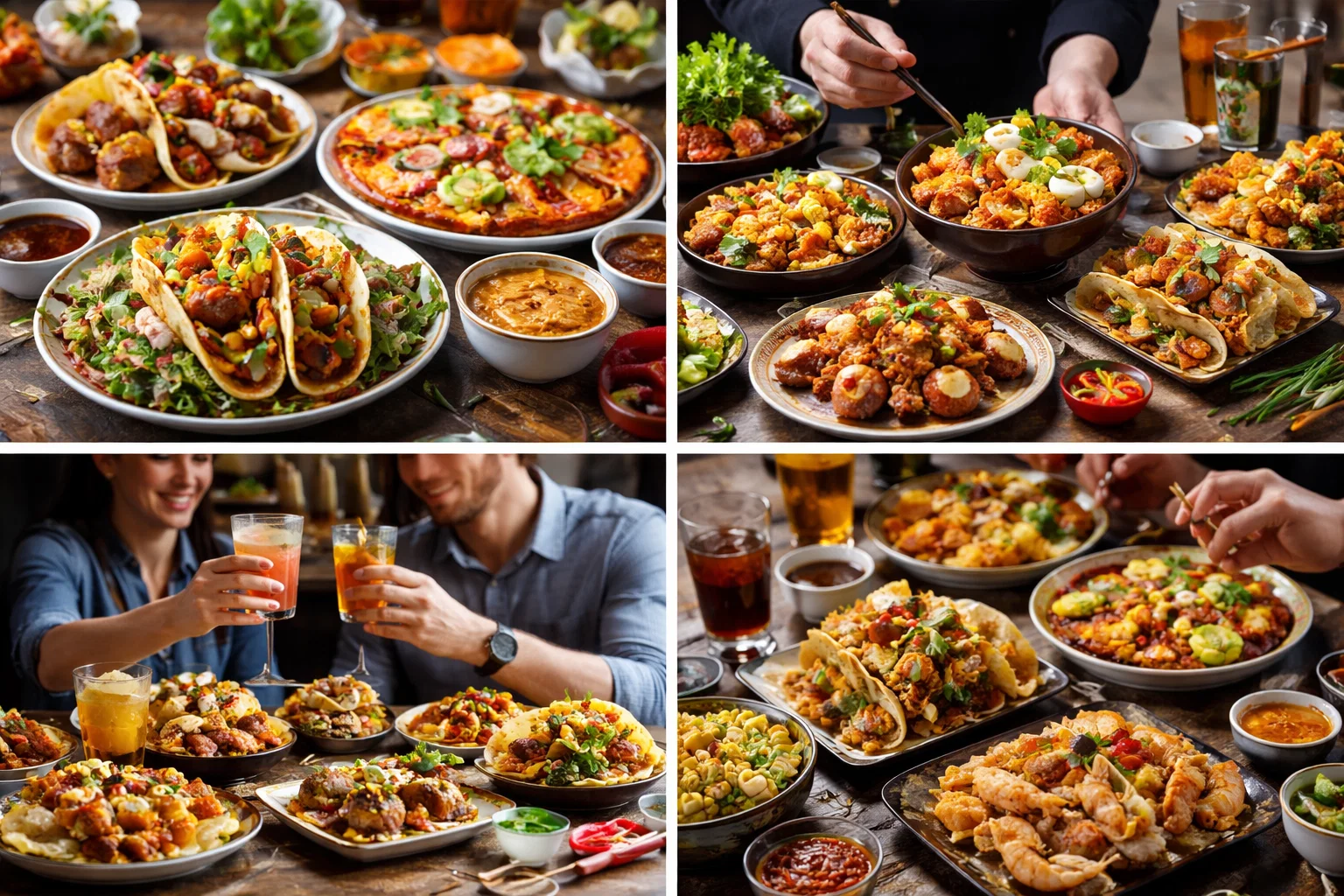
Incorporating fusion cuisine on menus is a strategic move for restaurants looking to attract a wider audience. By blending familiar dishes with global flavors, chefs can cater to diverse palates and preferences. Offering fusion dishes that combine different cuisines, such as Asian fusion or Indian fusion, can entice both adventurous eaters and those seeking familiar comfort food. This approach broadens appeal and enhances the dining experience for all.
Showcasing Culinary Creativity and Innovation
Fusion menus showcase culinary creativity and innovation. By experimenting with different cuisines and cooking techniques, chefs can create dishes that are both unique and visually appealing. Fusion cuisine encourages culinary exploration, allowing kitchens to push boundaries and offer new flavors and bold flavors that set them apart in the competitive food industry.
Promoting Cultural Exchange and Awareness
Fusion cuisine promotes cultural exchange and awareness. Each fusion dish tells a story, blending cultural heritage and global influences in a single bite. By highlighting the origins and inspiration behind their creations, restaurants can educate diners about different cultures’ food traditions. This fosters appreciation and understanding, turning a meal into an enriching cultural experience.
Encouraging Sustainable Practices Through Local Ingredients
Restaurants can leverage fusion cuisine to champion sustainability by incorporating local and seasonal ingredients. Chefs can adapt global food recipes to highlight regional produce, reducing food waste and supporting local farmers.
This approach aligns with the growing consumer demand for ethically sourced food and demonstrates a commitment to environmental responsibility. Combining global flavors with local ingredients creates a unique and sustainable dining experience.
Challenges of Global Fusion Cuisine
Maintaining Authenticity While Blending Cultures
Maintaining authenticity while blending cultures is a significant challenge. Chefs must carefully balance culinary traditions to ensure that the integrity of each cuisine is respected and not lost in translation. Achieving this requires a deep understanding of each cuisine’s flavors, techniques, and ingredients, ensuring that the fusion dishes are both innovative and true to their roots.
Balancing Flavors and Avoiding Overcomplication
Balancing flavors is crucial to avoid overwhelming the palate. Chefs must carefully consider how different cuisines interact, ensuring that no single flavor dominates the dish. Overcomplication can also detract from the dining experience, so it’s essential to maintain simplicity and focus on enhancing the natural flavors of the ingredients. The aim is to create dishes that are harmonious, not confusing.
Navigating Cultural Sensitivities and Customer Expectations
Navigating cultural sensitivities is paramount in fusion cuisine to avoid misrepresentation or offense. Chefs must be mindful of the origins and significance of ingredients and techniques, ensuring they are used respectfully.
Furthermore, understanding and managing customer expectations is vital. Diners may have preconceived notions about traditional cuisine, so restaurants must clearly communicate the fusion concept and its creative intent to avoid disappointment and enhance the overall dining experience.
How Restaurants Can Innovate with Fusion Menus
Experimenting with Hyper-Local Ingredients
To innovate, chefs can experiment with hyper-local ingredients, creating fusion cuisine that reflects the region’s cultural heritage. This approach allows restaurants to blend local food with global flavors, creating unique dishes that appeal to diners seeking authentic dining experiences. Chefs can also support local farmers, reducing food waste and promoting sustainable food practices while offering delicious food.
Integrating Technology and Molecular Gastronomy
Integrating technology and molecular gastronomy opens new frontiers for fusion cuisine. Chefs can use techniques like spherification or sous vide to transform familiar ingredients into surprising textures and presentations.
This allows for culinary creativity and new flavor combinations, creating fusion dishes that are visually stunning and gastronomically innovative, enhancing the food and beverage culture’s perception of food.
Creating Interactive or Themed Dining Experiences
Interactive or themed dining experiences can elevate fusion cuisine beyond the plate. Restaurants might offer tasting menus that guide diners through a cultural fusion journey, explaining the inspirations behind each dish.
Interactive elements, such as build-your-own taco bars with global flavors or tableside cooking demonstrations, engage diners and create memorable, shareable moments. The goal is to make each fusion food meal an adventure.
The Future of Global Fusion Cuisine
Health-Conscious and Functional Fusion Foods
The future of fusion cuisine will emphasize health-conscious and functional foods. Chefs may create dishes that not only taste good but also offer nutritional benefits, such as incorporating superfoods from different cultures or adapting recipes to meet dietary restrictions. Fusion food can be a vehicle for promoting wellness without sacrificing flavor, aligning with evolving consumer preferences and food trends.
Cross-Cultural Collaborations and Culinary Festivals
Cross-cultural collaborations and culinary festivals will continue to drive innovation in fusion cuisine. Chefs from different cultures can come together to exchange ideas, techniques, and ingredients, resulting in groundbreaking fusion dishes.
Food festivals provide a platform to showcase these creations, attracting diverse audiences and fostering a global community around fusion food and various types of restaurant brands.
Mainstream Adoption in Casual and Fine Dining
Fusion cuisine is poised for mainstream adoption in both casual and fine dining. As consumers become more adventurous and open to new flavors, restaurants will increasingly incorporate fusion dishes into their menus.
Whether it’s a casual street food stand offering kimchi fries or a high-end establishment serving miso-glazed sea bass, fusion food will continue to blur the lines between different cuisines and food culture.
Conclusion: Why Global Fusion Is Here to Stay
Global fusion cuisine is a fundamental shift in how we approach food, not just a fleeting food trend. It reflects our increasingly interconnected world, where cultural heritage and global influences intertwine to create dishes that are both familiar and exciting. As chefs continue to push boundaries and diners seek out new culinary adventures, fusion cuisine will remain a vibrant and essential part of the food industry. The ability to blend different cuisines is a testament to culture’s food creativity. The future of food depends on it.