


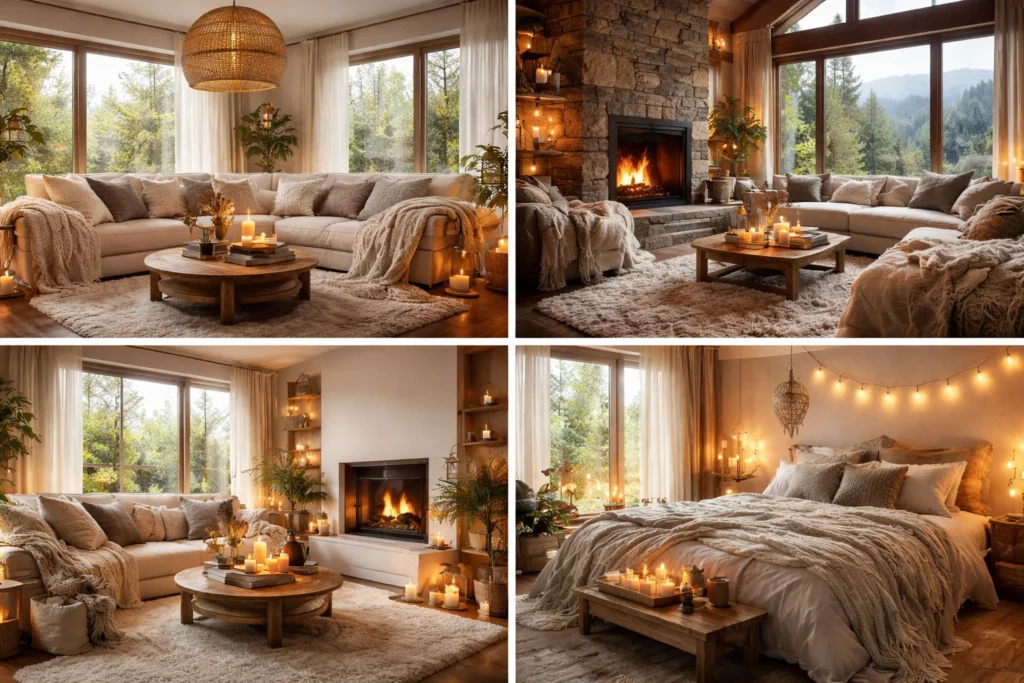
In 2026, the very definition of luxury has undergone a profound transformation. No longer is it about ostentatious displays of wealth, but rather the creation of spaces that nurture emotional well-being and provide a sanctuary from the outside world.
This shift marks the rise of cozy interiors as the paramount interior design trend.
How 2026 Redefined Luxury Through Comfort

From Status Symbols to Emotional Well-Being
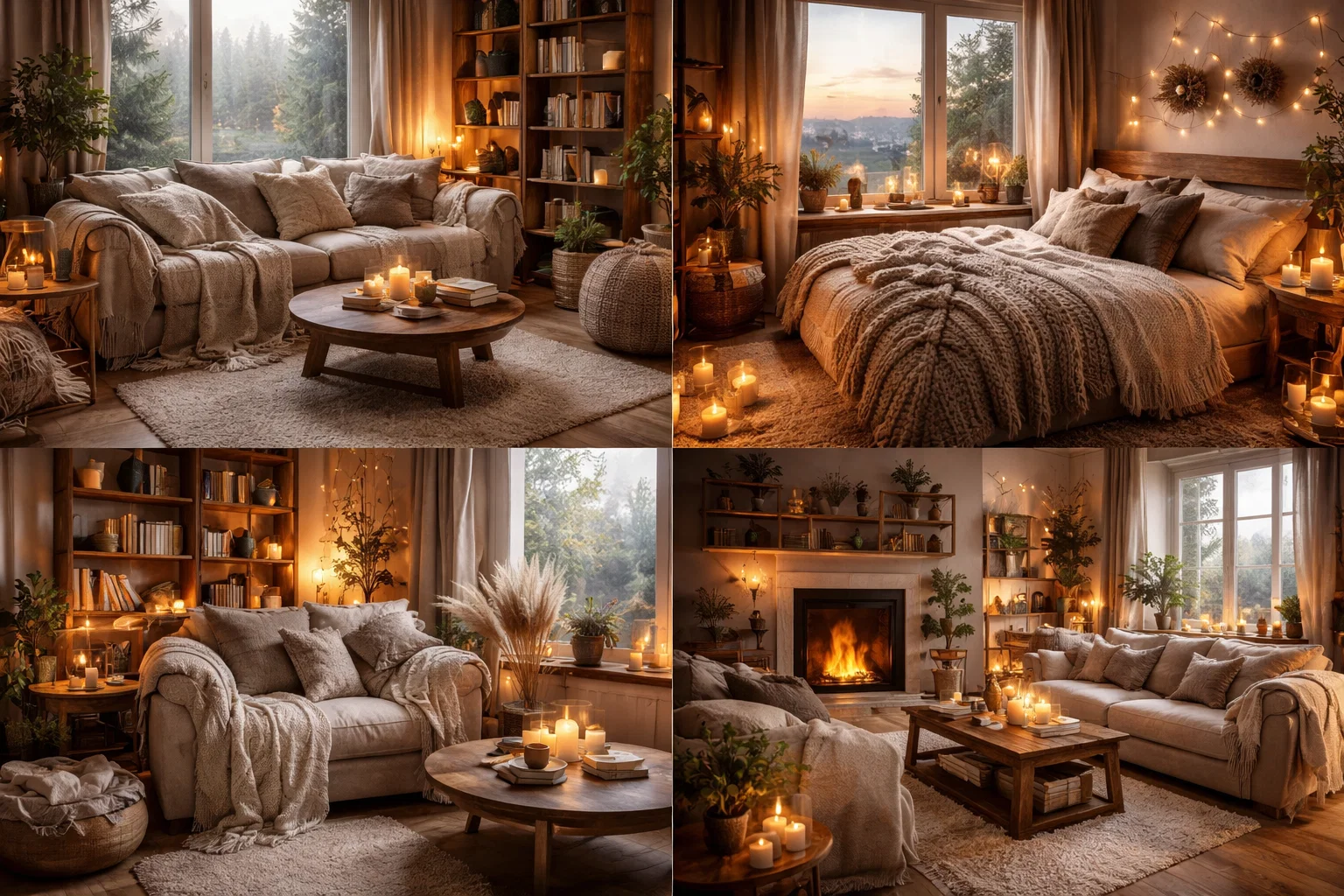
The interior design trend in 2026 indicates a shift from external validation to internal satisfaction, as homes increasingly reflect a desire for emotional well-being rather than mere status. This means that interior choices are being driven by how a space makes people feel.
Why Home Design Is Now Centered on How We Feel
Home design in 2026 prioritizes emotional response over aesthetic appeal, emphasizing comfort and relaxation to provide a refuge from the stressors of modern life. This involves understanding how spaces affect our mood and designing accordingly.
What Defines “Cozy Interiors” in 2026?
Warm Lighting, Soft Textures, and Layered Spaces
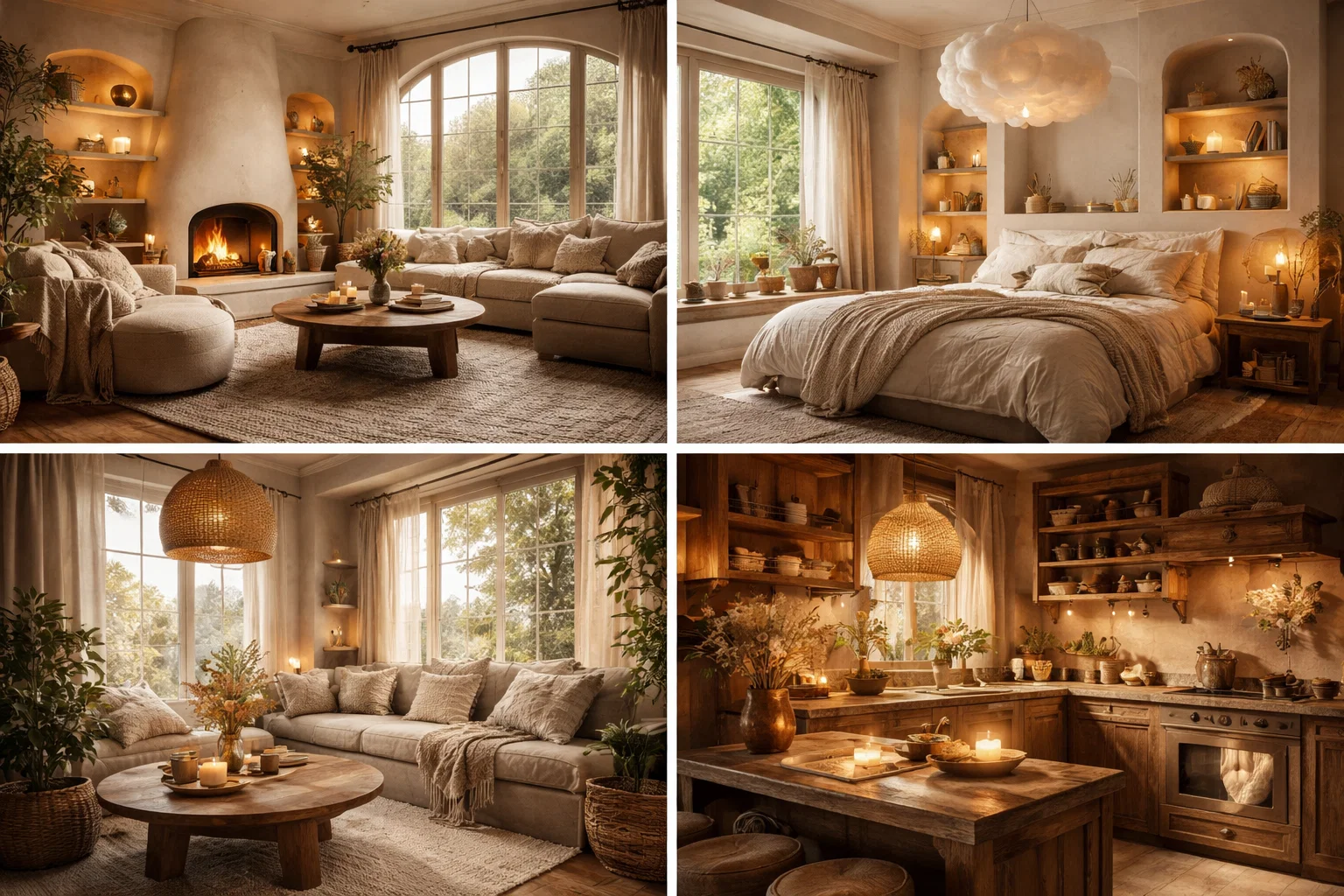
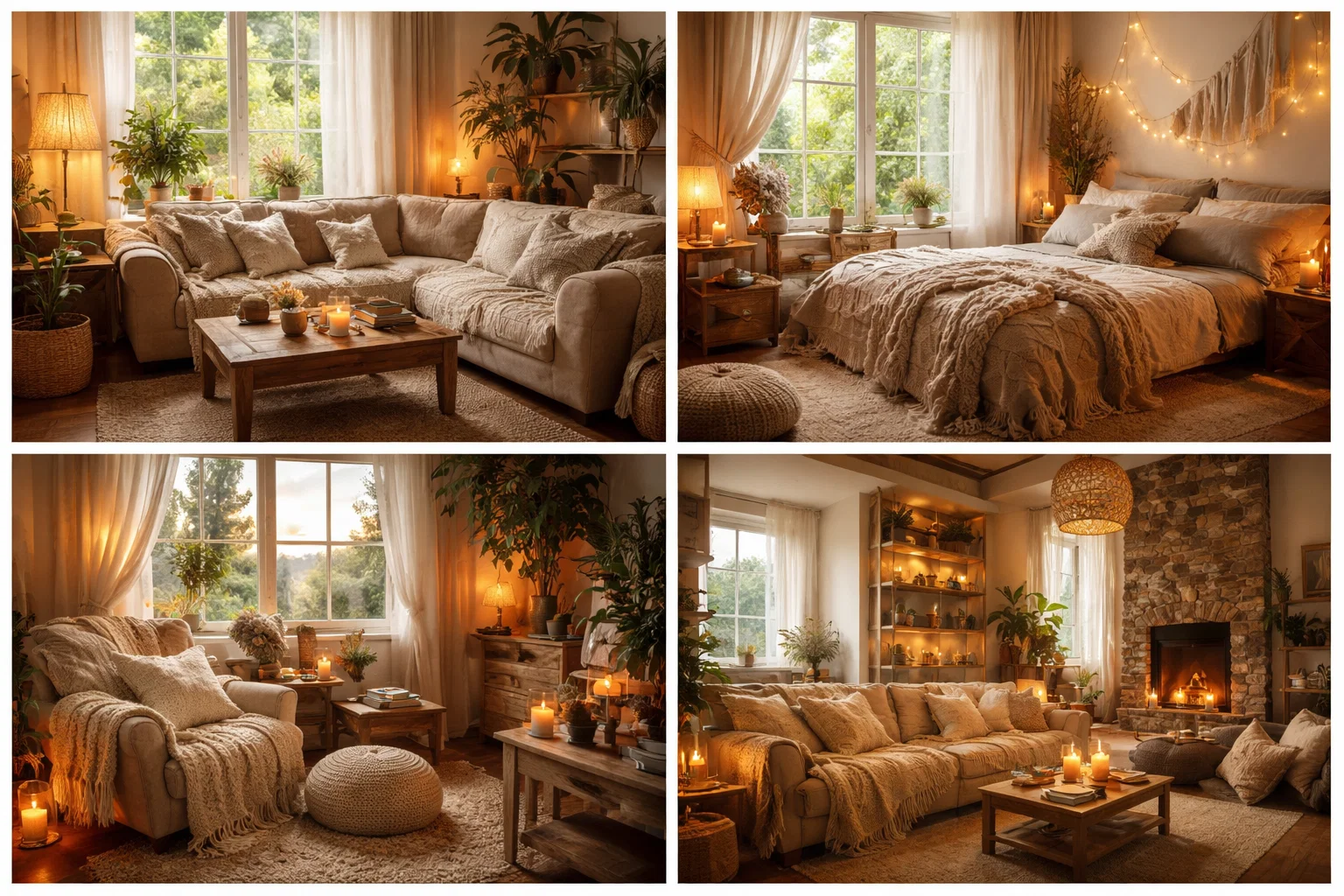
Cozy interiors in 2026 are characterized by several key features. These include:
- Warm lighting
- Soft textures
- Layered spaces that create depth and visual interest
These elements work together to evoke a sense of comfort and security.
Earthy Color Palettes and Organic Materials
Here’s what’s defining interior design trends for 2026: a move towards bringing the tranquility of the outdoors inside. This is achieved through:
- Earthy color palettes
- Organic materials
These elements foster a sense of grounding and contribute to a calming and harmonious atmosphere within interiors.
Intimate Layouts Over Open, Impersonal Spaces
Intimate layouts in interior design trends in 2026 are favored over vast, impersonal open spaces, promoting closeness and connection. These layouts ensure that every area feels like a sanctuary, fostering emotional security and warmth within the home.
The Psychology Behind the Cozy Interior Trend
How Environment Directly Affects Mood and Stress Levels
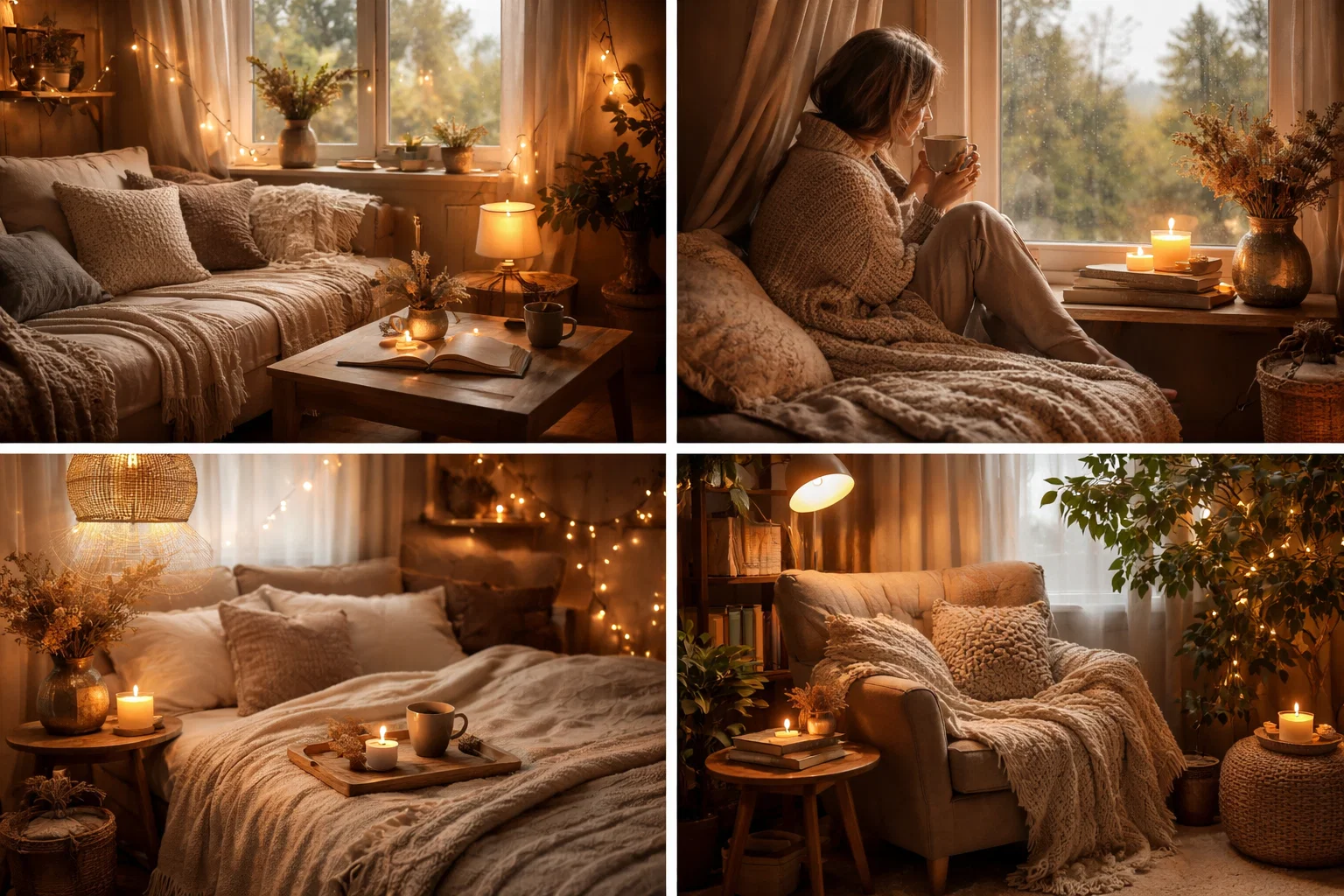
Our environment profoundly impacts mood and stress levels, as 2026 interior design trends recognize, emphasizing the creation of spaces that alleviate anxiety. Factors like lighting, color palette, and texture play pivotal roles in shaping our emotional state.
Nervous System Regulation Through Design Choices
Thoughtful design choices that consider texture, color, and acoustics can regulate the nervous system, reducing stress and promoting relaxation. Cozy interiors are intentionally designed to create a calming environment, supporting mental well-being through careful planning.
The Science of Warmth, Texture, and Emotional Safety
Warmth, texture, and emotional safety trigger feelings of comfort and security, underscoring the cozy interior trend. Utilizing soft textiles, warm color palettes, and tactile materials can create an emotionally nurturing home environment.
Post-Pandemic Lifestyle Shifts: Home as a Sanctuary
Remote Work and the Need for Multi-Functional Comfort
With the rise of remote work, multi-functional comfort has become essential, transforming homes into versatile spaces that accommodate both work and relaxation. This trend necessitates interiors that are adaptable, comfortable, and conducive to productivity and rest.
Redefining Productivity in Softer, Calmer Spaces
Productivity is being redefined within softer, calmer spaces in 2026, moving away from sterile, corporate environments to home offices that prioritize well-being. By incorporating elements like natural light, comfortable furnishings, and soothing color palettes, individuals can enhance focus and reduce stress.
Why Emotional Security at Home Matters More Than Ever
Emotional security at home matters more than ever, driving the 2026 interior design trends towards creating personal sanctuaries that offer respite from external pressures. This focus on emotional well-being shapes every aspect of interior design, from layout to material selection.
The Rebellion Against Cold Minimalism
Why Sterile Spaces No Longer Feel Aspirational
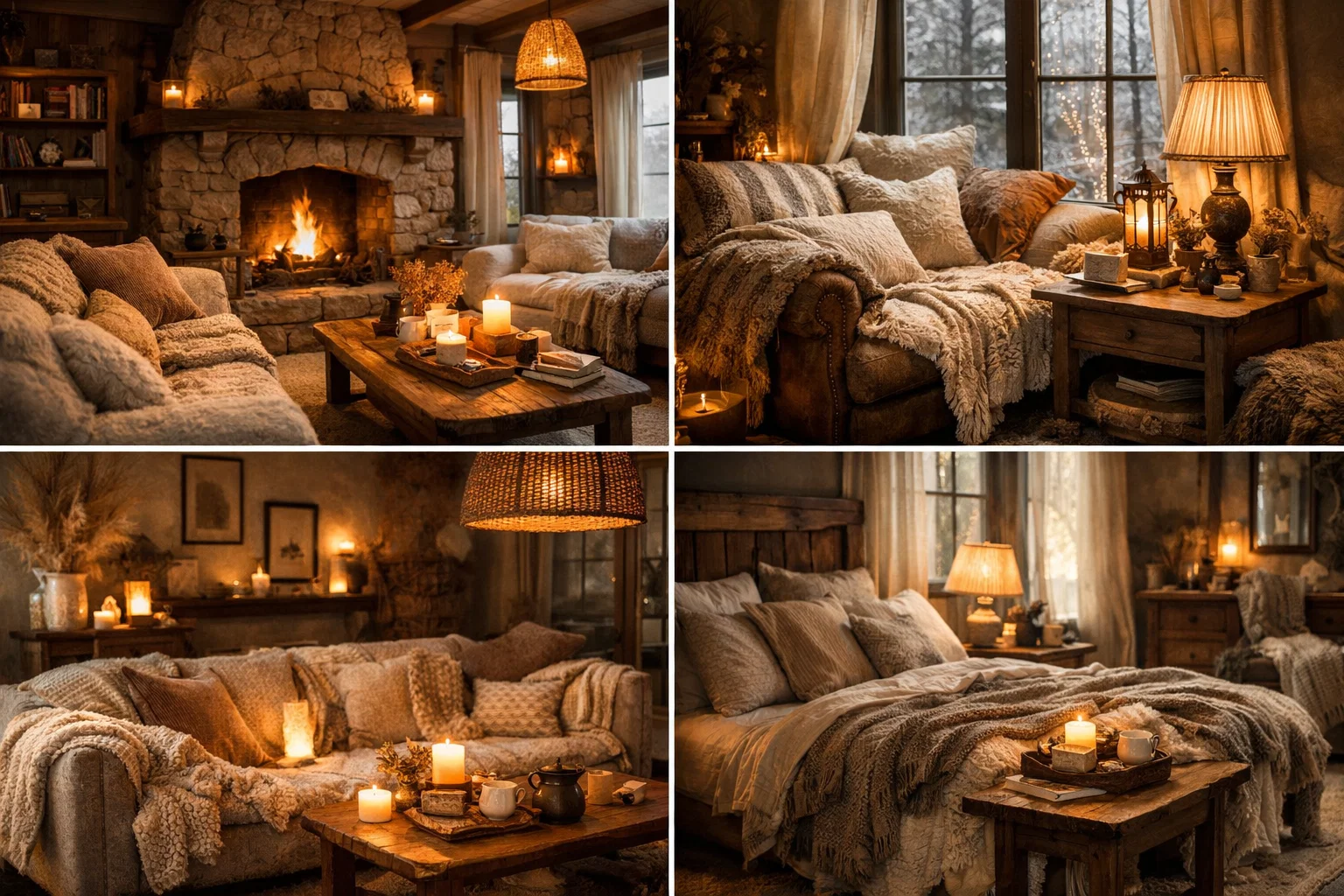
Sterile spaces, once seen as the epitome of modern elegance, no longer resonate with the desire for lived-in comfort. The shift in 2026 interior design reflects a desire for warmth and character over cold, uninviting aesthetics.
The Return of Personality, Warmth, and Layered Design
The 2026 interior design trend sees a resurgence of personality, warmth, and layered design, moving away from minimalism to embrace spaces that tell a story and reflect the individuality of their inhabitants. Texture and tactile elements are key.
Balancing Minimalism With Comfort (“Warm Minimalism”)
Warm minimalism strikes a balance between restraint and comfort, incorporating neutral color palettes and natural materials while maintaining a sense of calm and order. This approach combines the clean lines of minimalism with the inviting feel of cozy interiors in 2026.
The Influence of Soft Life Culture and Intentional Living
Comfort as a Lifestyle Statement
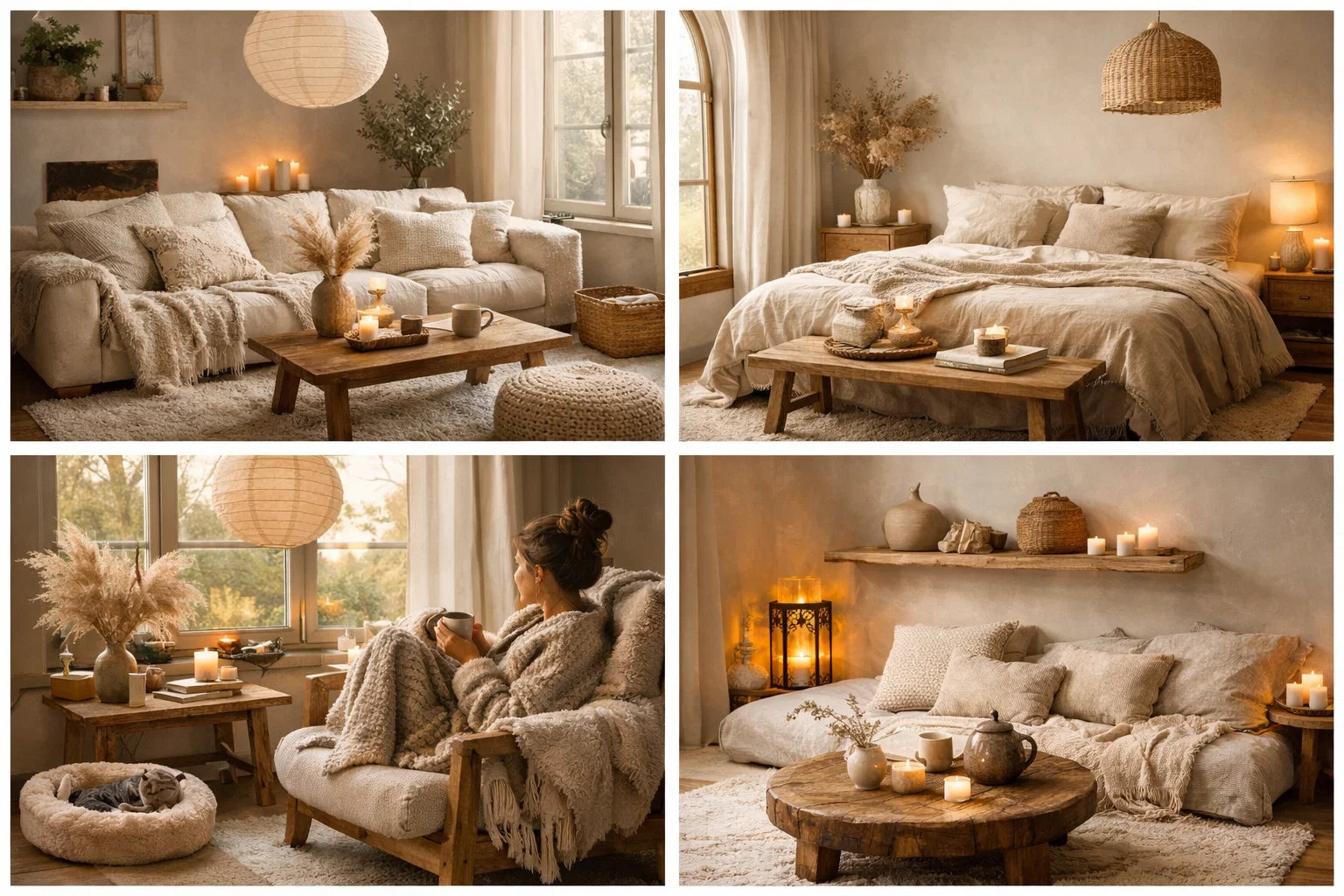
Comfort has emerged as a powerful lifestyle statement in 2026, influencing home design to prioritize relaxation and well-being over conventional displays of luxury. This shift reflects a broader cultural emphasis on self-care and mindful living.
Self-Care and Slow Living Reflected in Interior Design
Self-care and slow living philosophies are increasingly reflected in interior design trends in 2026, encouraging the creation of spaces that promote relaxation, reduce stress, and support mental and emotional health. Soft textiles and natural textures are favored.
Designing Spaces That Prioritize Peace Over Productivity
The 2026 interior design trend focuses on designing spaces that prioritize peace over productivity, incorporating elements that foster a sense of calm and tranquility. This shift encourages a more balanced and harmonious home environment in home design.
Social Media’s Role in Popularizing Cozy Aesthetics
TikTok and Pinterest as Drivers of Global Design Trends
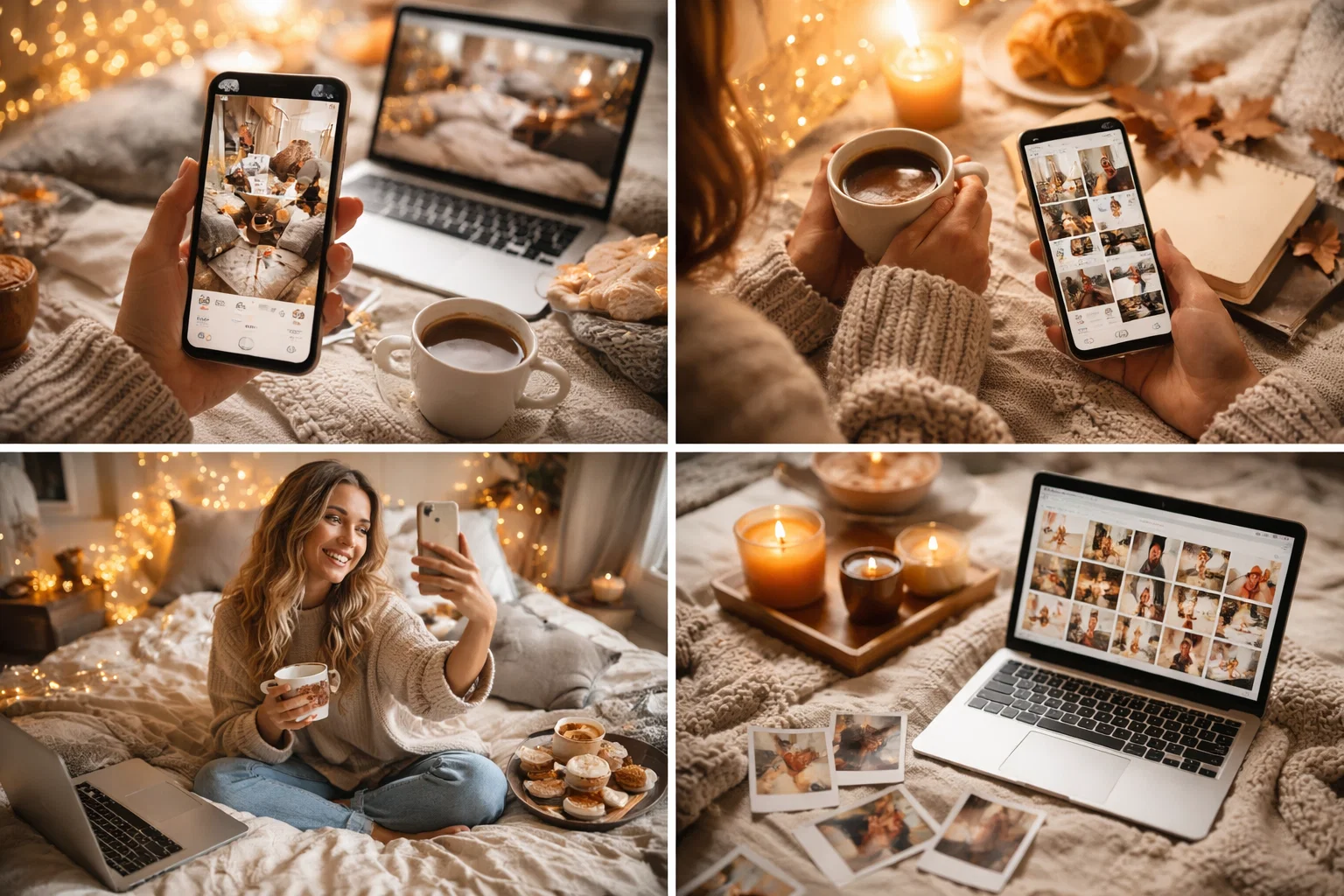
TikTok and Pinterest play a significant role as drivers of global interior design trends in 2026, showcasing cozy interiors and inspiring homeowners to create comfortable, aesthetically pleasing spaces. These platforms amplify the viral appeal of cozy designs.
The Viral Appeal of “Cozy Corners” and Hygge-Inspired Spaces
“Cozy corners” and Hygge-inspired spaces have a growing viral appeal on social media, highlighting the desire for warmth, comfort, and emotional security in home design. Interior designers leverage these trends to create inviting and comforting interiors in 2026.
The Power and Pitfalls of Aesthetic-Driven Design
Aesthetic-driven design can be powerful, but it also comes with the risk of prioritizing aesthetics over functionality and comfort. Successful interior designers balance both aspects to achieve both beauty and comfort in interiors in 2026.
Comfort as the New Definition of Luxury
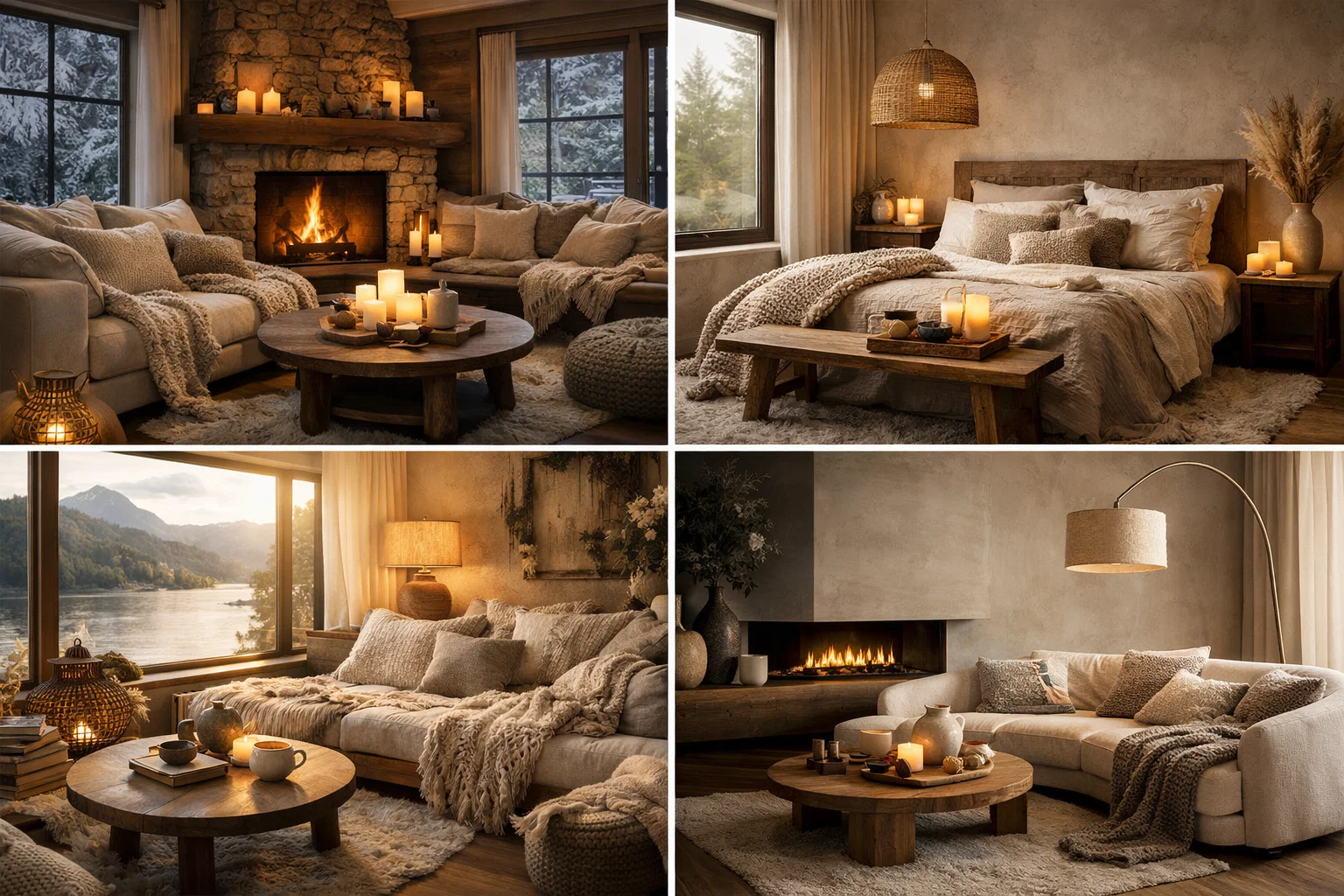
Emotional Richness vs. Material Opulence
The shift towards comfort as the new luxury emphasizes emotional richness over material opulence. The 2026 interior design trends are driven by a desire for spaces that nurture well-being and create a sense of emotional security over traditional status symbols.
High-End Brands Embracing Comfort-Centered Design
High-end brands are increasingly embracing comfort-centered design, incorporating soft textiles, warm color palettes, and ergonomic furniture into their collections. These changes reflect a growing recognition of the importance of comfort in luxury interior design trends for 2026.
Why Sensory Experience Is Replacing Visual Status
Sensory experience is replacing visual status as the primary focus of luxury interior design, with attention to texture, sound, and scent creating spaces that engage the senses and promote relaxation. These factors help to evoke a sense of calm in interiors in 2026.
Biophilic Design and Nature-Inspired Warmth
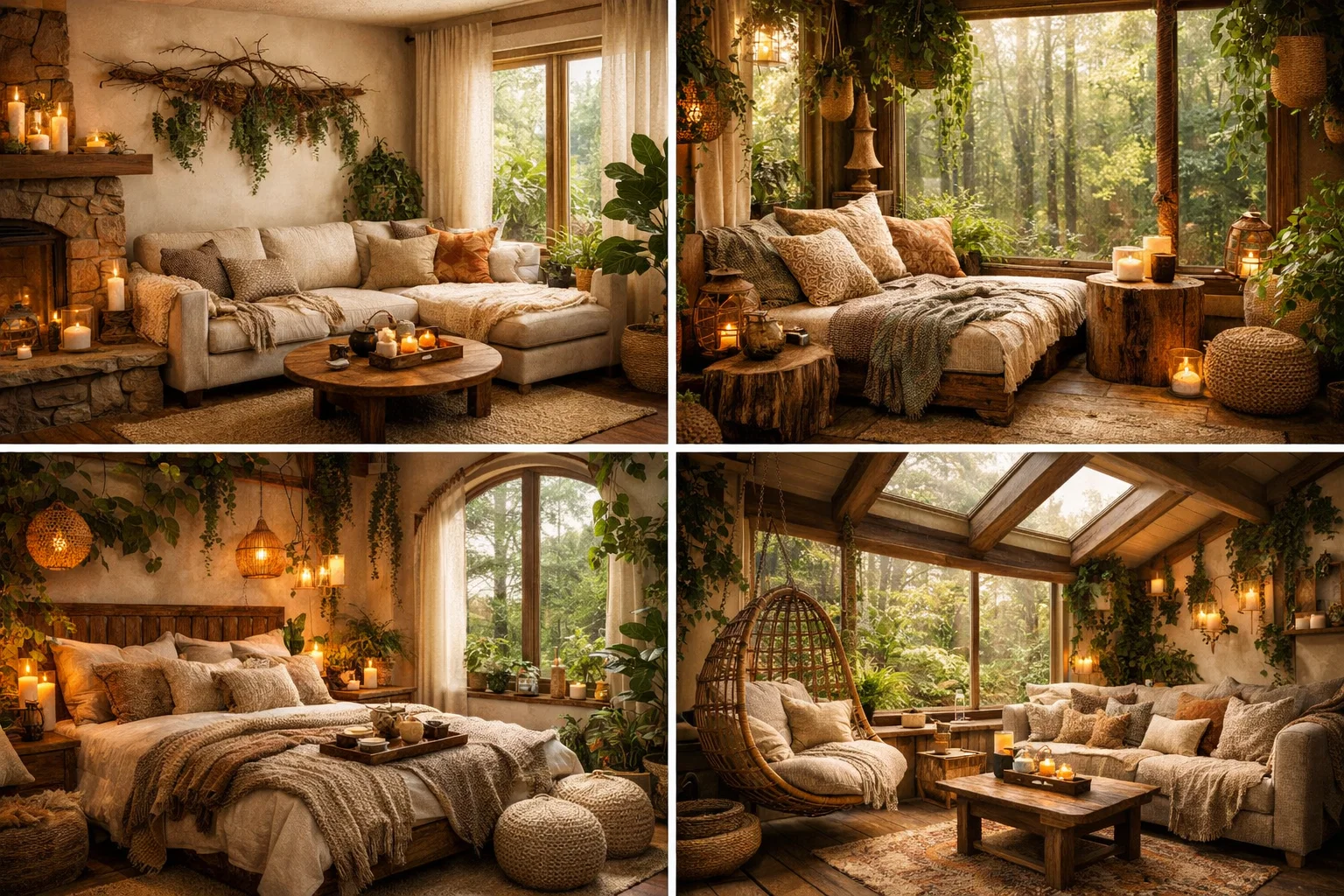
The Psychological Benefits of Natural Materials
Natural materials promote a sense of grounding and connection to nature, recognizing their psychological benefits in 2026 interior design. Interior designers often work with natural textures to make their interiors stand out.
Bringing the Outdoors Inside: Plants, Light, and Wood
Here’s how to bring the outdoors inside, a key aspect of cozy interior design in 2026. This approach enhances well-being and creates a sense of tranquility. You can achieve this feeling by incorporating elements such as:
- Plants
- Natural light
- Wood
These elements infuse interiors with a sense of calm and connection to nature.
Sustainable Comfort and Eco-Conscious Design Choices
Sustainable comfort and eco-conscious design choices are becoming increasingly important, with homeowners seeking natural materials, energy-efficient lighting, and environmentally friendly furnishings in 2026. These choices reflect a growing awareness of the importance of sustainability in interior design.
Hidden Drivers Competitors Overlook
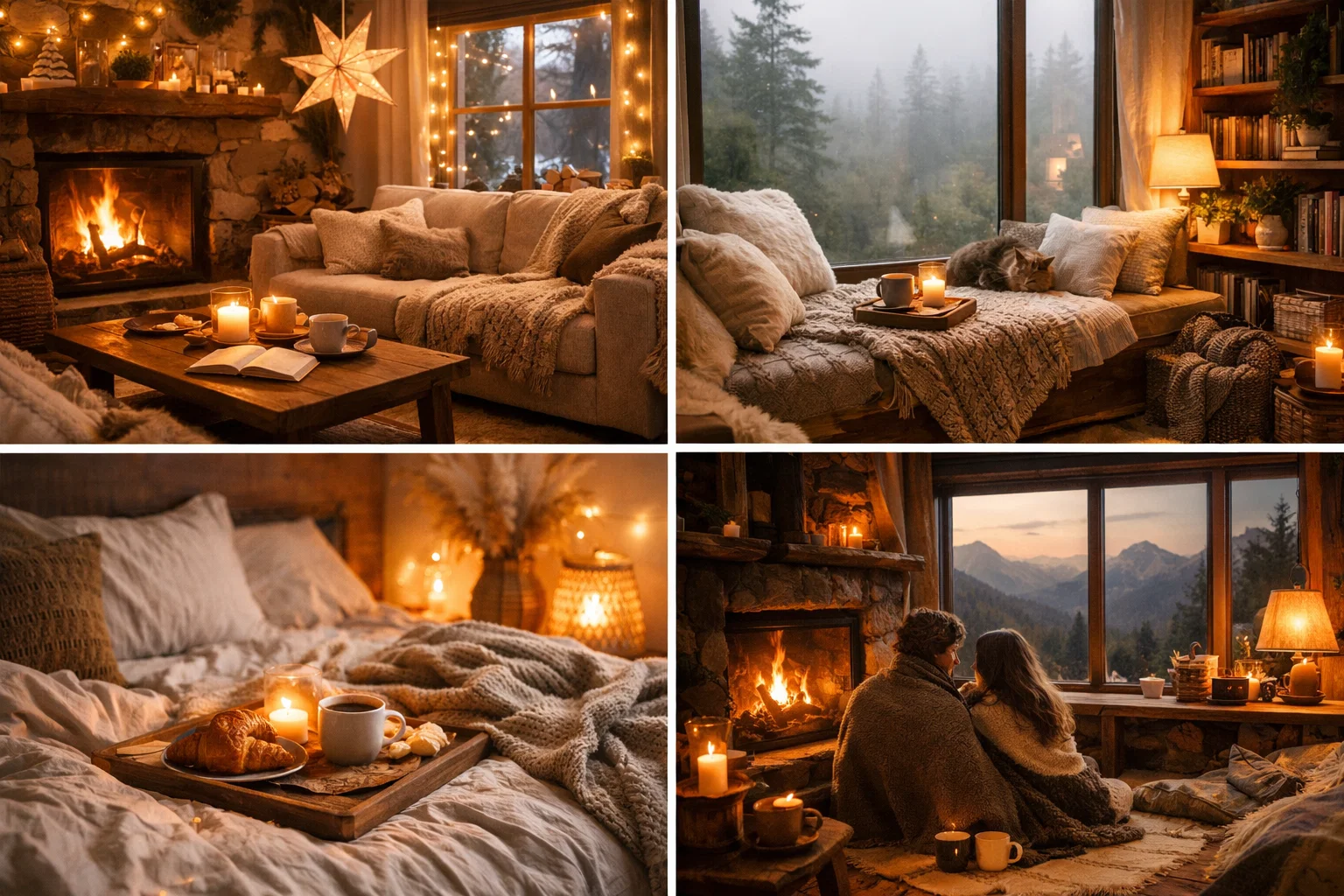
Technology Fatigue and the Need for Sensory Grounding
In 2026, technology fatigue drives the need for sensory grounding in interior spaces, prompting a turn toward tactile experiences that offer respite from digital overload. The interior design trend reflects a desire for a calmer and more grounded interior.
Air Quality, Temperature, and Invisible Comfort Factors
Air quality and temperature are becoming recognized as vital comfort factors in 2026 interior design. Along with these aspects, many homeowners are seeking homes with a consistent interior tone to facilitate a grounding living space.
Acoustic Comfort and Soundproofing in Modern Homes
Acoustic comfort and soundproofing are critical considerations in modern home design for 2026, reflecting an increased emphasis on creating peaceful and quiet interior spaces. The goal is to provide true respite in modern interiors.
Global Cultural Influences on the Cozy Movement
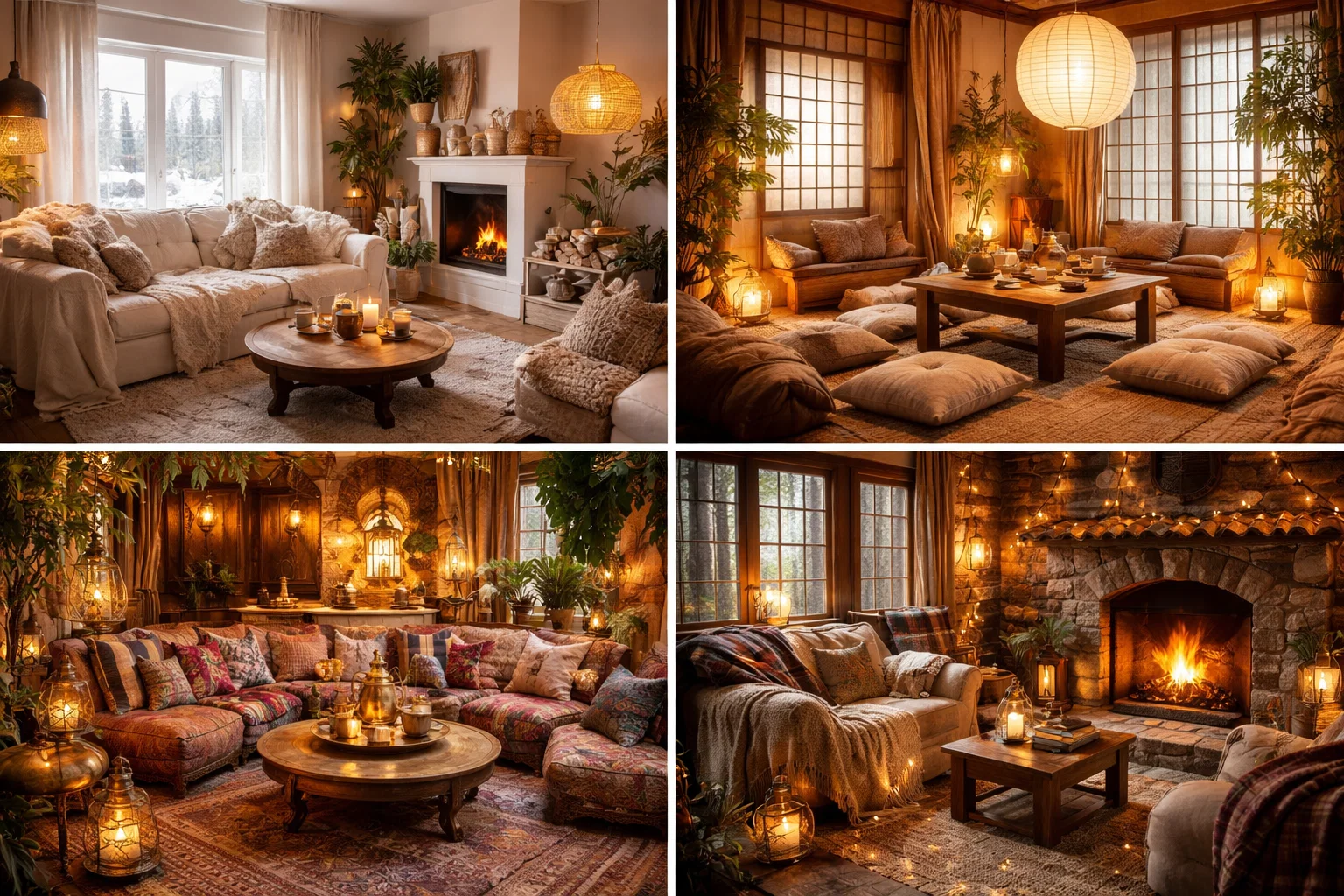
Scandinavian Hygge and Its Continued Influence
Scandinavian Hygge continues to exert a strong influence on global interior design trends in 2026, emphasizing warmth, simplicity, and a sense of well-being. This encourages natural materials, softness, and muted tones in interior design.
Japanese Wabi-Sabi and Imperfect Warmth
Japanese Wabi-Sabi principles are celebrated for their embrace of imperfect warmth, influencing 2026 interior design trends with a focus on authenticity and the beauty of natural textures. Interior designers are also starting to incorporate millwork into their interior designs.
Middle Eastern and Mediterranean Hospitality Design Trends
Middle Eastern and Mediterranean hospitality design trends inspire cozy interiors in 2026 with a focus on creating welcoming and communal spaces. This interior design trend often includes features like rich colors and tactile textiles.
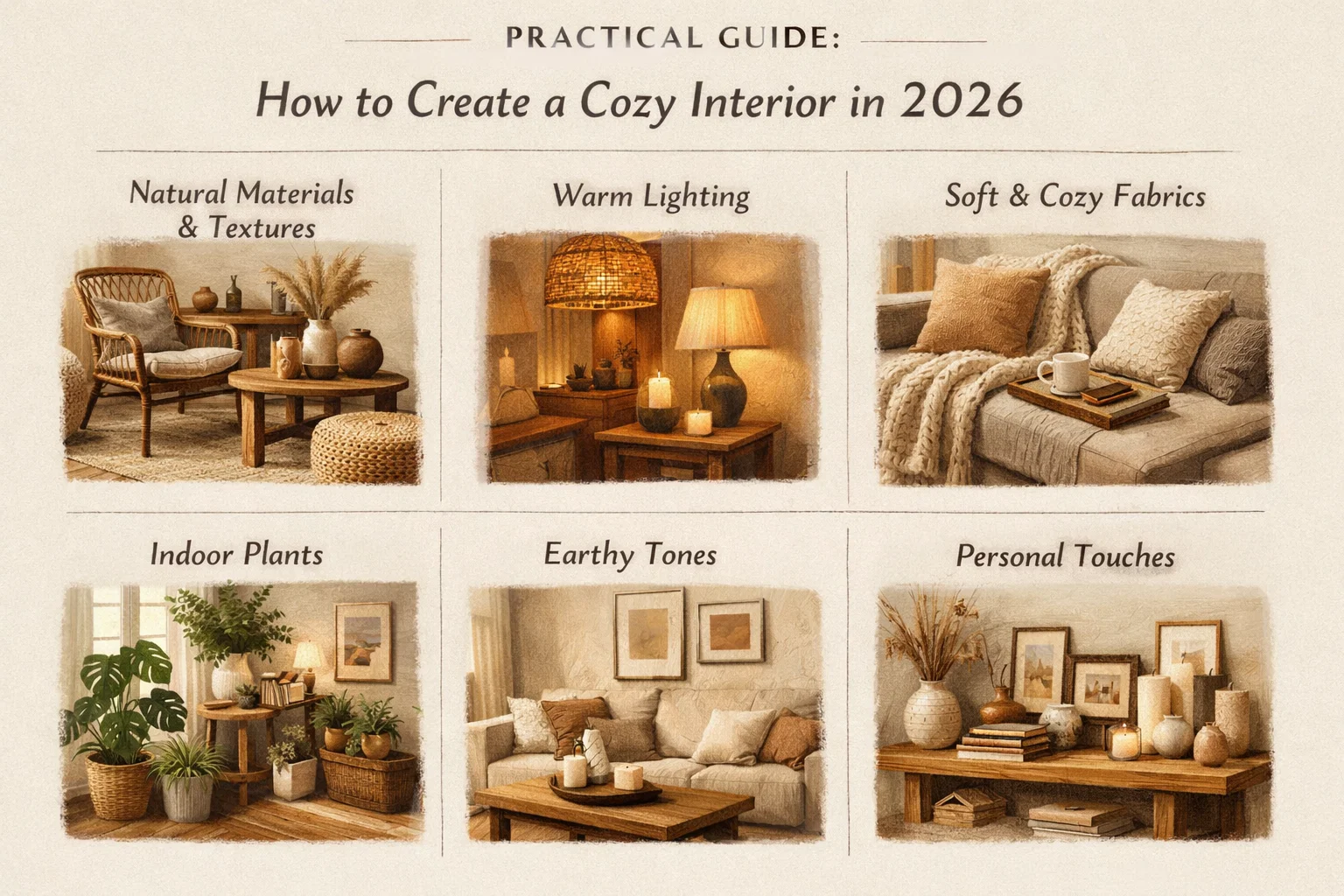
Practical Guide: How to Create a Cozy Interior in 2026
Budget-Friendly Cozy Upgrades With High Emotional Impact
Achieving a cozy interior doesn’t require breaking the bank; budget-friendly upgrades with high emotional impact include adding throw pillows, blankets, and strategic lighting. These small changes will drastically shift your interior’s tone and visual appearance in 2026.
Choosing Textiles, Lighting, and Color Strategically
Strategic selection of textiles, lighting, and color palette can transform a space into a cozy haven, with soft textures, warm hues, and layered lighting playing key roles. Interior designers use light and color palette to draw attention to focal points.
Designing Small Spaces for Maximum Comfort
When designing small spaces for maximum comfort in 2026, the interior design trend involves utilizing multi-functional furniture, maximizing natural light, and incorporating storage solutions to reduce clutter. Neutral color palettes with pops of color work best.
Avoiding Common Mistakes in Cozy Interior Design
Avoid common mistakes in cozy interior design by ensuring a balance between comfort and functionality, avoiding excessive clutter, and maintaining a cohesive color palette. Designer Danielle Balanis suggests incorporating unexpected pairings to achieve visual interest.
The Future of Interior Design: Where Cozy Is Headed Next
Smart Homes Designed for Emotional Wellness
Smart homes will prioritize emotional wellness, integrating technology to enhance comfort, regulate lighting and temperature, and promote relaxation. Such is the interior design trend in 2026 with people feeling more connected to nature.
The Rise of Wellness-Centered Architecture
Wellness-centered architecture is on the rise, with a focus on creating spaces that promote physical and mental health through biophilic design, natural materials, and optimized air quality. Natural textures are also at the forefront of wellness architecture in 2026.
How Comfort Will Continue to Shape Global Design Trends
Comfort will continue to shape global interior design trends in 2026, with an increasing emphasis on creating spaces that nurture emotional well-being and provide a sanctuary from the stresses of modern life. The principal designer for the project is more than ever needed.
Conclusion: Why Comfort Is the Ultimate Status Symbol in 2026
In conclusion, comfort has become the ultimate status symbol in 2026, reflecting a cultural shift towards prioritizing well-being and emotional security over traditional displays of wealth. Custom furniture and appreciation for craftsmanship adds a personal touch to interiors in 2026.