
The landscape of work has undergone a dramatic transformation, especially since the beginning of the COVID-19 pandemic.
What was once considered a temporary solution has now solidified into a permanent shift, reshaping industries and redefining how we approach our careers. This article explores the remote work trends for 2026 and beyond.
Why Remote Work Is No Longer a Temporary Fix
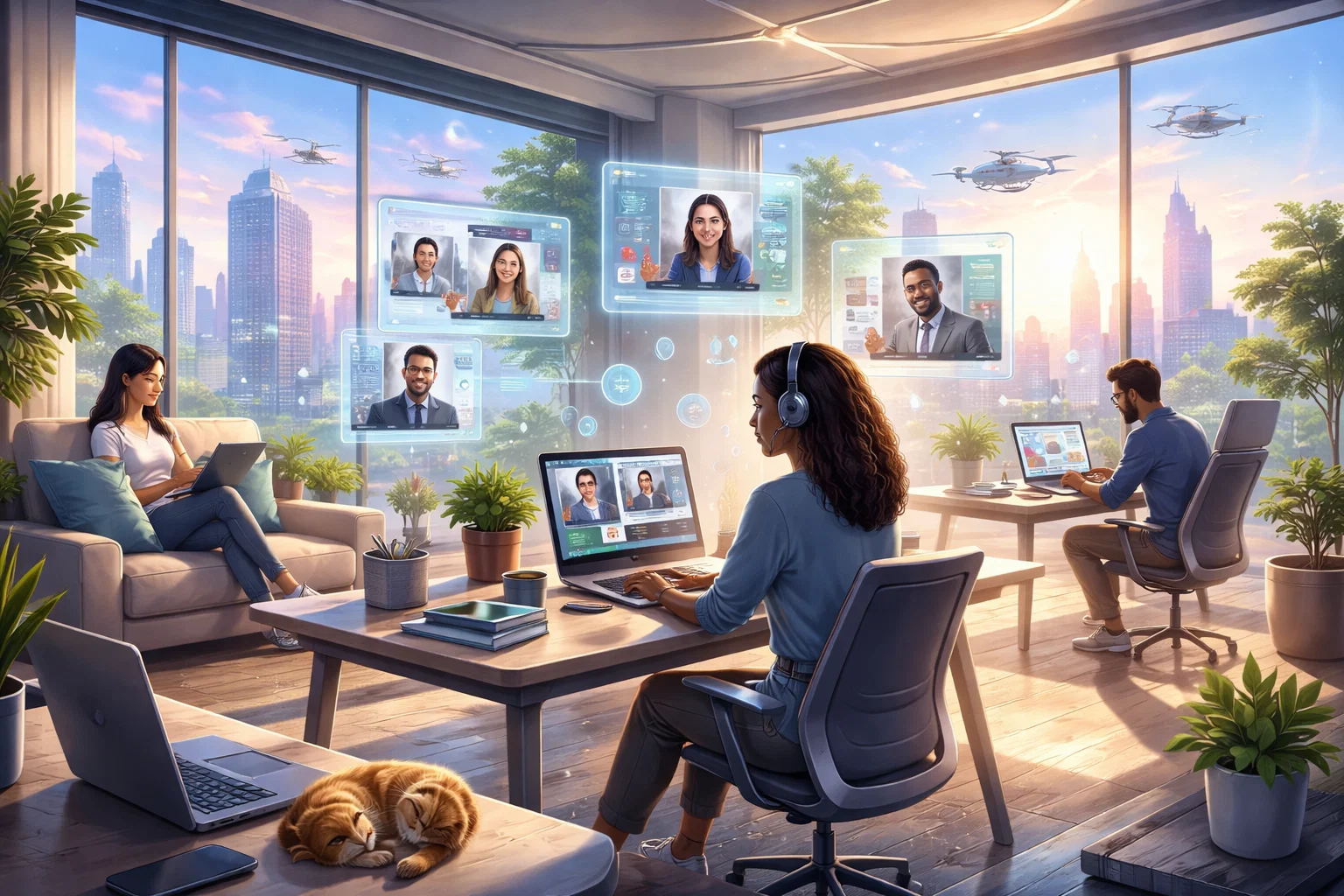
From Emergency Response to a Permanent Workplace Shift
Initially, remote work emerged as an emergency response during the COVID-19 pandemic, allowing businesses to continue operations despite lockdowns and social distancing measures.
However, the unexpected productivity gains and enhanced employee satisfaction revealed the potential of this work arrangement, paving the way for a more permanent integration of remote work into standard business remote work practices. Now, the discussion is about the future of work.
Key Statistics Showing the Growth of Remote and Hybrid Models
The remote work statistics speak volumes about the sustained growth of remote and hybrid work models. A significant portion of the workforce now works remotely at least part of the time, and job postings for remote positions have skyrocketed.
These numbers underscore the shift toward flexible work as a mainstream and increasingly desired work arrangement by remote workers.
The Driving Forces Behind Permanent Remote Work

Employee Demand for Flexibility and Work-Life Balance
One of the primary drivers behind the permanence of remote work is the strong employee demand for flexible work arrangements and improved work-life balance. Remote workers value the autonomy to manage their work hours, reduce commute times, and better integrate personal responsibilities, leading to increased job satisfaction and reduced burnout.
Cost Savings and Efficiency for Businesses
Employers are also recognizing the financial benefits of remote work, including reduced overhead costs associated with office spaces. Additionally, remote work can boost productivity as remote workers often experience fewer distractions and more control over their work environment, leading to enhanced efficiency for the company.
Advances in Collaboration Technology and Cloud Infrastructure
The feasibility and success of remote work are underpinned by advancements in collaboration tools and robust cloud infrastructure.
These technologies enable seamless communication, file sharing, and project management, irrespective of location, making it easier for remote teamsto collaborate effectively and maintain productivity across different time zones.
1. Hybrid Work Models as the Standard

How Companies Blend In-Office and Remote Schedules
Hybrid work models are emerging as the new standard, offering the best of both worlds by blending in-office presence with work from home flexibility.
Companies are experimenting with various approaches, such as designated remote work days, staggered schedules, and team-based office rotations to optimize collaboration tools and individual productivity.
Examples from Leading Organizations (Microsoft, Google, etc.)
Leading organizations like Microsoft and Google are pioneering innovative hybrid model approaches. Microsoft offers employees a range of flexible work options, including fully remote, hybrid, and traditional office-based roles. Meanwhile, Google is testing a hybrid work week that allows employees to split their time between the home office and the physical workplace.
2. Global Talent Pools & Borderless Hiring

Recruiting the Best Talent Anywhere in the World
The rise of remote work is shattering geographical barriers, allowing employers to tap into global talent pools and remote workforces. This means companies can now recruit the best talent, regardless of their physical location, fostering innovation and diversity within remote teams. The future of remote work is diverse.
Tools for Managing International Teams and Payroll
Managing international remote employees requires specialized tools for handling payroll, compliance, and communication.
Platforms like Deel and Rippling simplify international payroll, while collaboration tools such as Slack and Microsoft Teams facilitate seamless communication across different time zones for successful remote work strategies and trends for 2026.
3. Asynchronous Communication for Cross-Time-Zone Teams

Benefits of Non-Linear Workdays
Asynchronous communication is becoming essential for remote teams operating across multiple time zones. The remote workforce can benefit from non-linear workdays, allowing remote workers to complete tasks at their most productive times and enabling better work-life balance, which is one of the top remote work trends.
Best Tools for Async Collaboration (Notion, Loom, Slack)
Tools like Notion, Loom, and Slack are revolutionizing asynchronous collaboration between remote employees. Notion enables shared document creation and project management, Loom facilitates quick video updates, and Slack allows for organized communication, enhancing team productivity across time zones. The growth of remote and hybrid work is accelerating.
4. The Rise of Digital Nomadism and Work-From-Anywhere Culture

Popular Digital Nomad Visas and Countries Leading the Trend
Digital nomadism is on the rise, with an increasing number of countries offering digital nomad visas to attract remote workers.
Countries like Estonia, Portugal, and Barbados are leading the way, providing flexible work policies, favorable tax conditions, and vibrant communities for location-independent professionals.
How Employers Adapt to Location-Independent Teams
Employers are adapting to the work from home anywhere culture by implementing clear communication protocols and collaboration tools to ensure all remote employees feel connected and supported, regardless of their location.
Flexible work hours and outcome-based performance metrics are crucial for location-independent remote teams.
5. Cybersecurity & Data Privacy Become Non-Negotiable

Zero-Trust Security Models Explained
As remote work becomes more prevalent, cybersecurity and data privacy are increasingly critical. Zero-trust security models operate on the principle of “never trust, always verify,” requiring strict identity verification for every device and user, regardless of their location. This is a major remote work trend 2026.
Essential Tools: VPNs, Multi-Factor Authentication, and Endpoint Protection
Essential tools for securing remote work environments include Virtual Private Networks (VPNs), multi-factor authentication (MFA), and endpoint protection software.
VPNs encrypt internet traffic, MFA adds an extra layer of security, and endpoint protection safeguards devices from malware, which is important for employees in 2026.
6. AI & Automation in Remote Collaboration

AI Meeting Transcription, Scheduling, and Task Management
AI is transforming remote work by streamlining tasks that were once time-consuming and manual. AI -powered meeting transcription services automatically convert spoken words into text, making it easier for remote teams to review discussions and action items.
Additionally, AI algorithms can optimize scheduling, finding the best times for meetings, which can enhance productivity.
How Automation Reduces Administrative Overload
Automation is significantly reducing the administrative burden on remote teams, which is a remote work trend for 2026. Tasks such as data entry, report generation, and invoice processing can be automated, freeing up remote employees to focus on more strategic and creative work.
This not only boosts productivity but also reduces the risk of human error in 2026.
7. Mental Health & Employee Well-Being Take Center Stage

Policies Like “Right to Disconnect” and Mental Health Days
Recognizing the importance of employee well-being, companies are implementing policies like the “right to disconnect,” which ensures remote employees are not expected to respond to work-related communications outside of their work hours.
Offering remote employees mental health days is also becoming a common perk to promote work-life balance and prevent burnout.
Virtual Wellness Programs and Support Resources
Employers are investing in virtual wellness programs and support resources to cater to the unique challenges faced by remote workers.
These initiatives may include online therapy sessions, mindfulness workshops, fitness classes, and access to mental health apps. By prioritizing mental health, companies can foster a more engaged and resilient remote workforce.
8. Outcome-Based Performance Metrics Replace Hours Logged

How Companies Shift from Time Tracking to Results Tracking
The focus is shifting from tracking work hours to measuring actual results and deliverables, which will be an important remote work trend in 2026.
Companies are implementing outcome-based performance metrics to assess employee contributions, emphasizing quality and impact over the number of hours worked. This allows for greater autonomy and trust.
Key KPIs for Measuring Productivity Remotely
Key Performance Indicators (KPIs) are being redefined to align with remote work environments. Metrics such as project completion rates, customer satisfaction scores, and sales targets are used to gauge productivity and performance.
Regular feedback and check-ins are crucial to ensure remote employees are meeting expectations and staying aligned with company goals, improving employee retention.
9. Smart Home Offices & Ergonomic Upgrades

Essential Gear: Adjustable Desks, Blue-Light Protection, and Acoustic Panels
Creating a comfortable and functional home office is essential for remote workers. Essential gear includes adjustable desks that allow for both sitting and standing, blue-light protection glasses to reduce eye strain, and acoustic panels to minimize noise distractions. These upgrades contribute to enhanced productivity and overall well-being.
Tax Deductions and Employer Stipends for Home Office Setups
Many countries offer tax deductions for home office expenses, allowing remote workers to offset the costs of setting up their work environment. Some employers also provide stipends or allowances to help remote employees purchase necessary equipment and ergonomic furniture. This support encourages remote workers to invest in creating a home office setup.
10. Decentralized Company Structures & Satellite Offices
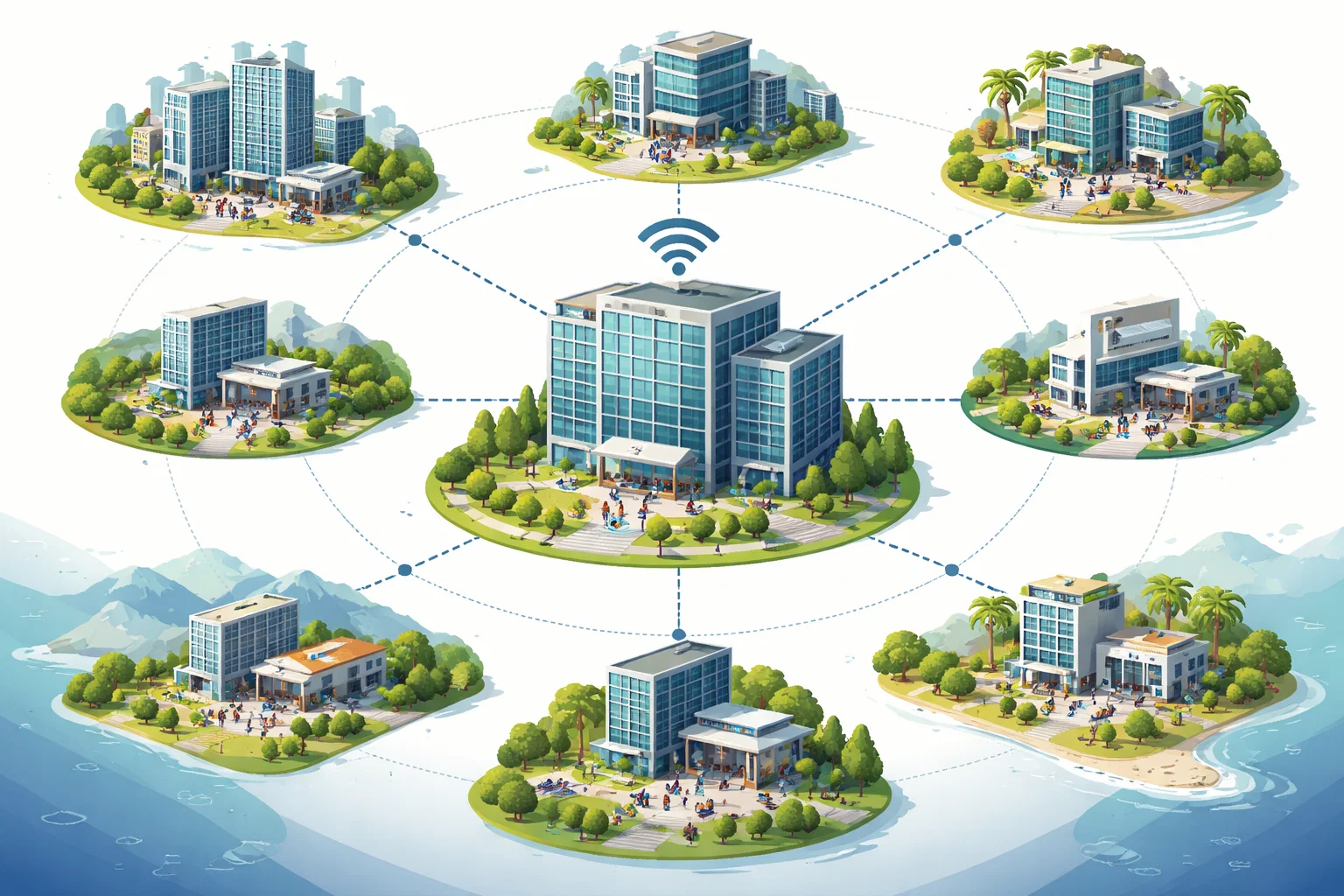
“Hub and Spoke” Office Models Explained
The “hub and spoke” office model is gaining traction, where a company maintains a central headquarters (the hub) and smaller satellite offices in various locations (the spokes).
This work arrangement allows remote employees to work from home while still having access to a physical workspace for collaboration and meetings. It’s a hybrid model designed to cater to remote workforce needs while retaining a sense of community.
Case Studies: Startups and Enterprises Leading the Way
Several startups and enterprises are successfully implementing decentralized structures. Companies like GitLab, which are fully remote, demonstrate that a completely distributed remote workforce can thrive with the right collaboration tools and communication strategies.
Larger organizations, like Siemens, are adopting satellite offices to provide flexible work options for remote employees while maintaining core in-office operations. This boosts productivity in 2026.
Challenges That Persist in a Remote-First World
Combating Isolation and Maintaining Company Culture
One of the primary challenges of remote work is combating employee isolation and maintaining a cohesive company culture. Without the spontaneous interactions of a physical office, it’s crucial to implement strategies that foster connections and build a sense of belonging among remote teams.
Virtual social events, online team-building activities, and mentorship programs can help bridge the gap and enhance the remote work trends of 2026.
Navigating Different Labor Laws Across Borders
Managing remote employees across borders introduces complexities related to different labor laws, tax regulations, and employment standards.
Employers must ensure compliance with local laws in each jurisdiction where their remote workforce is located. Consulting with legal experts and utilizing platforms that automate compliance processes are essential for navigating these challenges, including work hours to avoid burnout for remote employees.
How to Future-Proof Your Career and Business for 2026+
Skills Remote Workers Need to Stay Competitive
To stay competitive in the evolving remote work landscape, remote workers need to develop a diverse set of skills. Strong communication, self-discipline, and time management are essential for productivity. Proficiency in collaboration tools, digital literacy, and adaptability are also crucial for navigating the future of remote work, and mastering hybrid work.
Strategies for Leaders: Building Trust and Accountability
Leaders must adopt new strategies to build trust and accountability within remote teams. Emphasizing clear communication, setting measurable goals, and providing regular feedback are key to fostering a culture of trust. Implementing outcome-based performance metrics and recognizing remote employees’ contributions can enhance engagement and motivation, allowing you to boost productivity.
Conclusion: Embracing the Permanent Shift to Remote Work
The shift to remote work is not a temporary fad but a permanent transformation of the workplace. By embracing flexible work arrangements, investing in technology, and prioritizing employee well-being, organizations can unlock the full potential of remote workforces.
As we look ahead to 2026 and beyond, the remote work trends and the organizations which offer flexible models will continue to evolve, shaping the future of work for years to come. The emerging remote and hybrid jobs are the future.