
The landscape of athletic preparation has dramatically evolved, with recovery now taking center stage. This article explores the groundbreaking recovery strategies summer athletes are adopting in 2026 to optimize performance and prevent injuries, ensuring they can train harder and smarter.
Why Recovery Became the Most Important Part of Athletic Performance in 2026

The Shift From Training Harder to Recovering Smarter
In 2026, the paradigm has shifted from simply pushing the limits of physical endurance to intelligently managing the recovery process. Athletes and coaches now prioritize sophisticated athlete recovery protocols, understanding that sustained gains in athletic performance are inextricably linked to effective recovery techniques and not just relentless training. This evolution underscores a profound understanding that smarter recovery directly translates to improved performance.
How Sports Science Redefined Performance Optimization
Sports science has profoundly redefined performance optimization by unveiling the intricate mechanisms of muscle recovery and adaptation. Groundbreaking research in sports medicine continually introduces new recovery strategies, allowing athletes to truly enhance recovery and reduce injury risk. This scientific backing has cemented the importance of a structured approach to training and recovery, making it a critical component of any elite regimen.
The Impact of Summer Heat and Overtraining Risks on Athletes
The intense summer heat significantly exacerbates the challenges faced by athletes, heightening the risk of overtraining and increasing muscle soreness. During the summer months, proper hydration and strategic recovery time become even more critical to prevent heat-related issues and support recovery. Athletes must proactively prioritize recovery to mitigate these environmental stressors and maintain peak athletic performance throughout their summer training and competition schedules.
What “Modern Athletic Recovery” Really Means in 2026
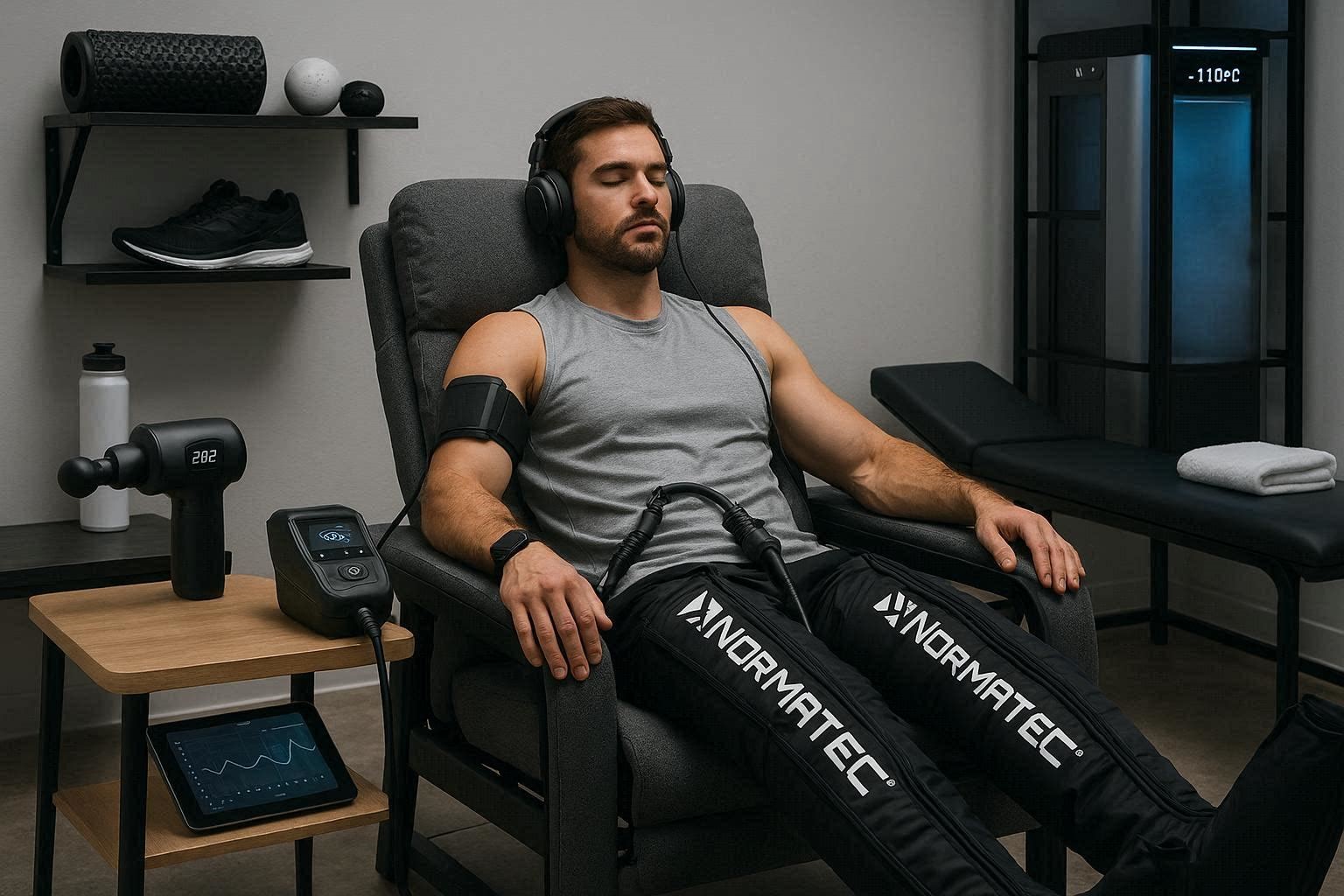
Recovery as a Daily Performance System, Not Just Rest Days
Modern athletic recovery in 2026 is no longer viewed as a passive break but rather an active, daily performance system integrated into every aspect of an athlete’s routine. This comprehensive approach means athletes actively engage in strategies designed to support recovery continuously, optimizing their bodies for the demands of ongoing training and competition, rather than merely waiting for designated rest days.
Physical, Mental, and Nervous System Recovery Explained
Modern recovery acknowledges the interdependent roles of various aspects in overall athletic performance. It encompasses:
- Physical recovery, addressing muscle soreness and fatigue
- Mental recovery, focusing on mental resilience
- Nervous system recovery, vital for regeneration
Elite athletes understand that a holistic approach to these recovery facets ensures complete restoration, preparing them for the rigors of future training and competitions.
Why Elite Athletes Treat Recovery Like Training
Elite athletes in 2026 meticulously plan their recovery process with the same dedication and strategic intent they apply to their training sessions. They understand that to improve performance and minimize injury risk, they must prioritize recovery as an integral, non-negotiable part of their athletic development. This mindset treats recovery time as an extension of their training, crucial for maximizing adaptations and sustained success.
The Top Recovery Trends Summer Athletes Are Using in 2026
Cold Plunge Therapy and Ice Bath Performance Recovery
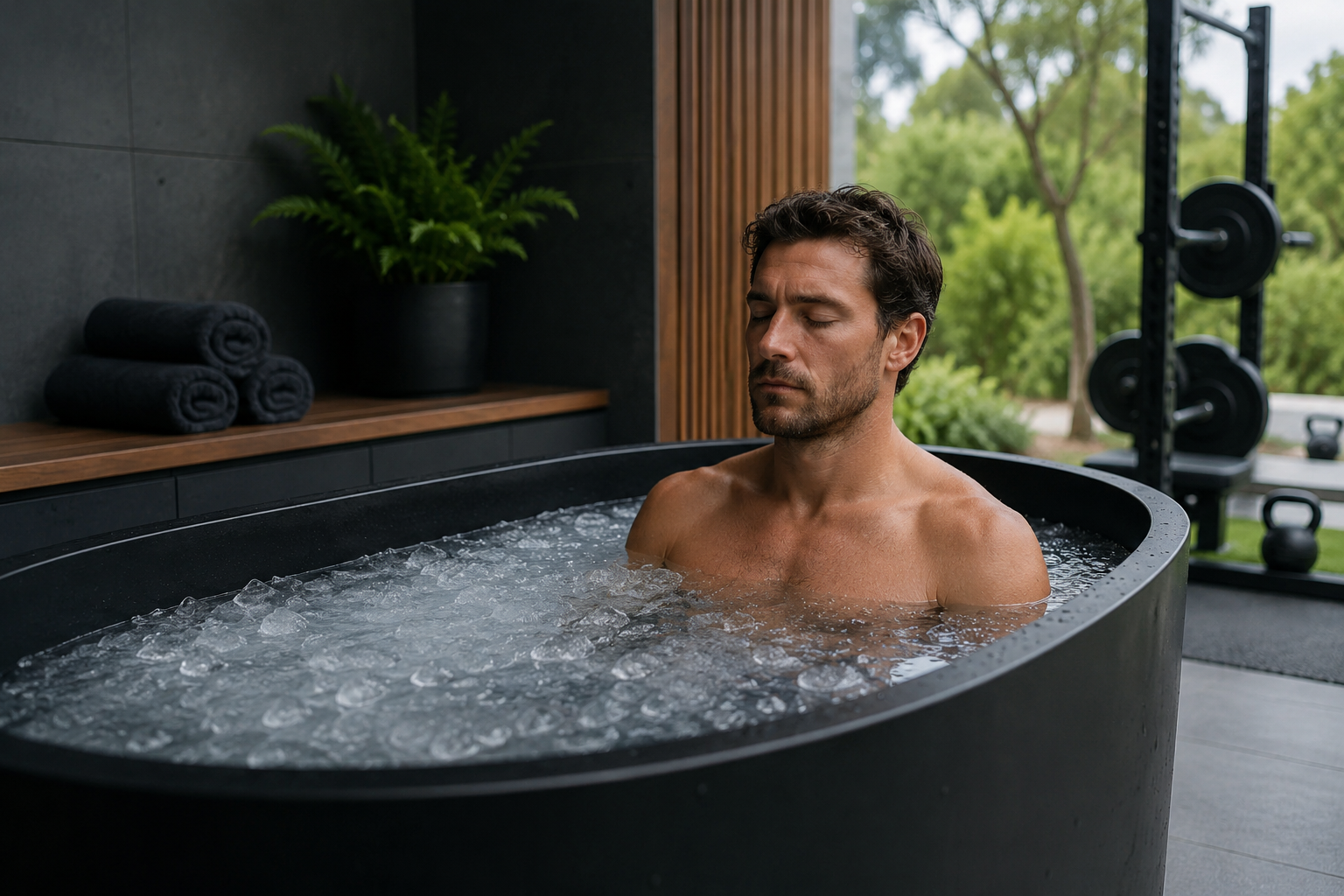
Cold plunge therapy and ice bath performance recovery remain paramount for summer athletes in 2026, offering significant benefits for reducing muscle soreness and speeding up recovery. This form of cryotherapy is highly valued for its ability to rapidly decrease inflammation and enhance overall recovery, making it a staple after intense summer training sessions and competitions, allowing athletes to stay at their best.
Compression Therapy and Circulation Enhancement Systems
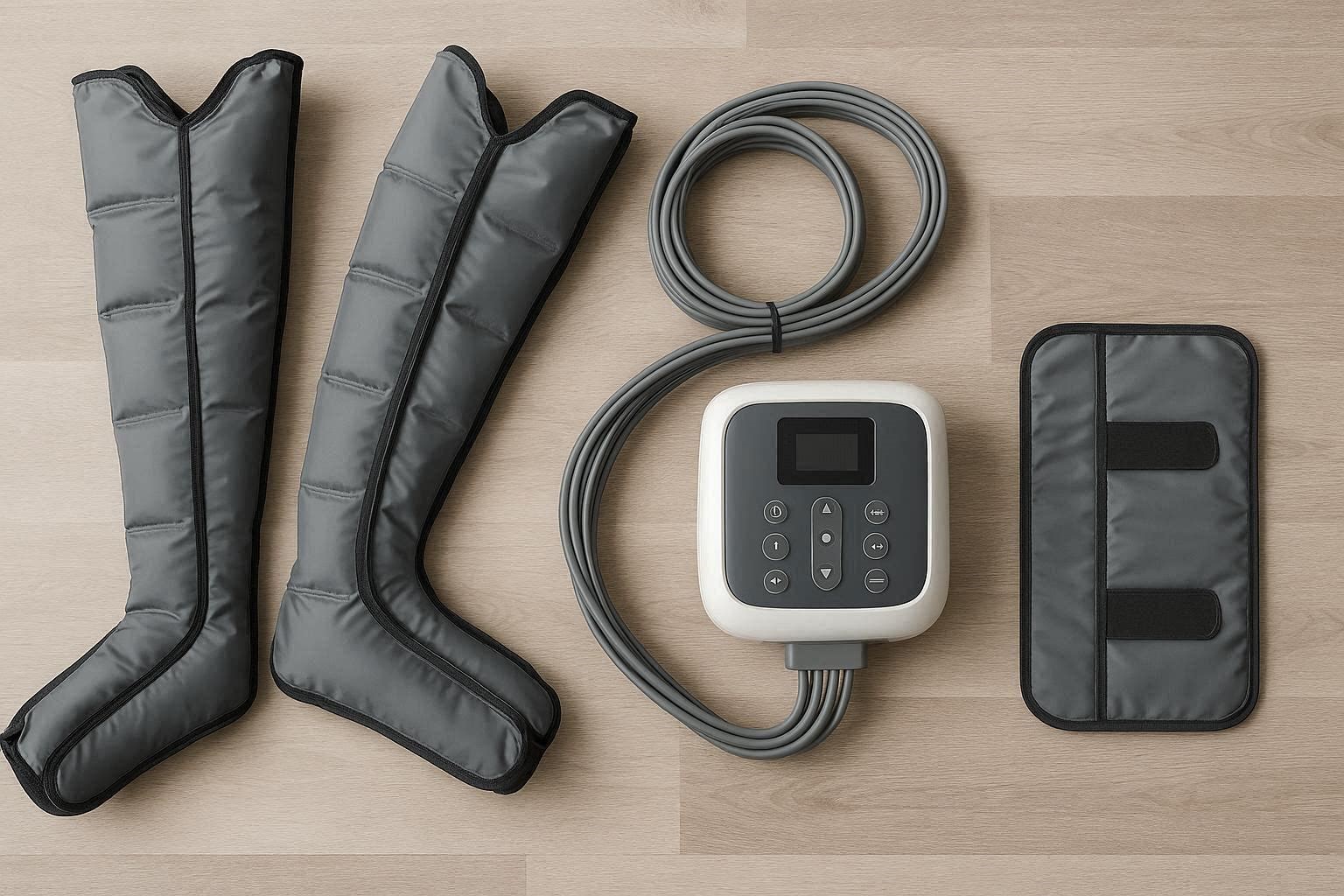
Compression therapy, utilizing advanced compression garments and circulation enhancement systems, is a key trend in 2026 for summer athletes. These recovery techniques are crucial for reducing post-exercise soreness, improving blood flow, and facilitating faster recovery. By actively aiding lymphatic drainage and reducing swelling, compression therapy helps athletes stay prepared for subsequent training and competition, minimizing downtime effectively.
Active Recovery Workouts and Low-Intensity Movement Days

Active recovery workouts and low-intensity movement days are integral to modern athlete recovery strategies in 2026, particularly for summer athletes. These carefully planned sessions, which include light cardio or mobility work, are designed to enhance recovery by promoting blood flow without adding significant stress. They help reduce muscle soreness, facilitate waste product removal, and allow athletes to stay active while their bodies mend, contributing to faster recovery and overall recovery.
Sleep Optimization and Deep Recovery Protocols

Sleep optimization and deep recovery protocols are non-negotiable for summer athletes seeking peak athletic performance in 2026. Prioritizing quality sleep is crucial for muscle recovery, hormone regulation, and nervous system regeneration, all essential for improving performance. Athletes employ advanced sleep tracking and environmental adjustments to enhance recovery, understanding that adequate rest directly impacts their ability to train and compete effectively without increasing injury risk.
Sauna Therapy and Heat Exposure Recovery Cycles

Sauna therapy and controlled heat exposure recovery cycles have gained prominence among summer athletes in 2026 for their profound benefits. These techniques are increasingly used to improve circulation, reduce muscle soreness, and support recovery through heat shock protein activation. Incorporating sauna sessions strategically into the recovery process helps enhance recovery and acclimatize athletes to the summer heat, contributing to their overall performance and recovery.
Mobility Training, Stretching, and Injury Prevention Work

Mobility training, targeted stretching, and dedicated injury prevention work are fundamental recovery strategies for summer athletes in 2026. These practices are essential for maintaining range of motion, alleviating muscle soreness, and reducing the injury risk inherent in intense athletic pursuits. By consistently engaging in these recovery techniques, athletes can improve performance and ensure their bodies remain resilient and ready for the demands of training and competition.
Sports Massage and Myofascial Release Techniques

Sports massage and myofascial release techniques remain vital components of the recovery process for summer athletes in 2026. These hands-on recovery techniques are highly effective in alleviating muscle soreness, breaking down adhesions, and improving circulation, all of which contribute to faster recovery. Athletes prioritize these sessions to enhance recovery, reduce tension, and maintain optimal physical readiness throughout their demanding summer training and competition schedules.
Nutrition-Based Recovery and Anti-Inflammatory Diets

Nutrition-based recovery and anti-inflammatory diets are cornerstones of modern athlete recovery for summer athletes in 2026. Strategic hydration, along with a diet rich in anti-inflammatory foods, plays a critical role in reducing muscle soreness, replenishing glycogen stores, and supporting overall recovery. These dietary choices are fundamental recovery strategies, helping athletes improve performance by fueling their bodies optimally for repair and regeneration.
Tech-Driven Recovery Tracking (Wearables & AI Tools)
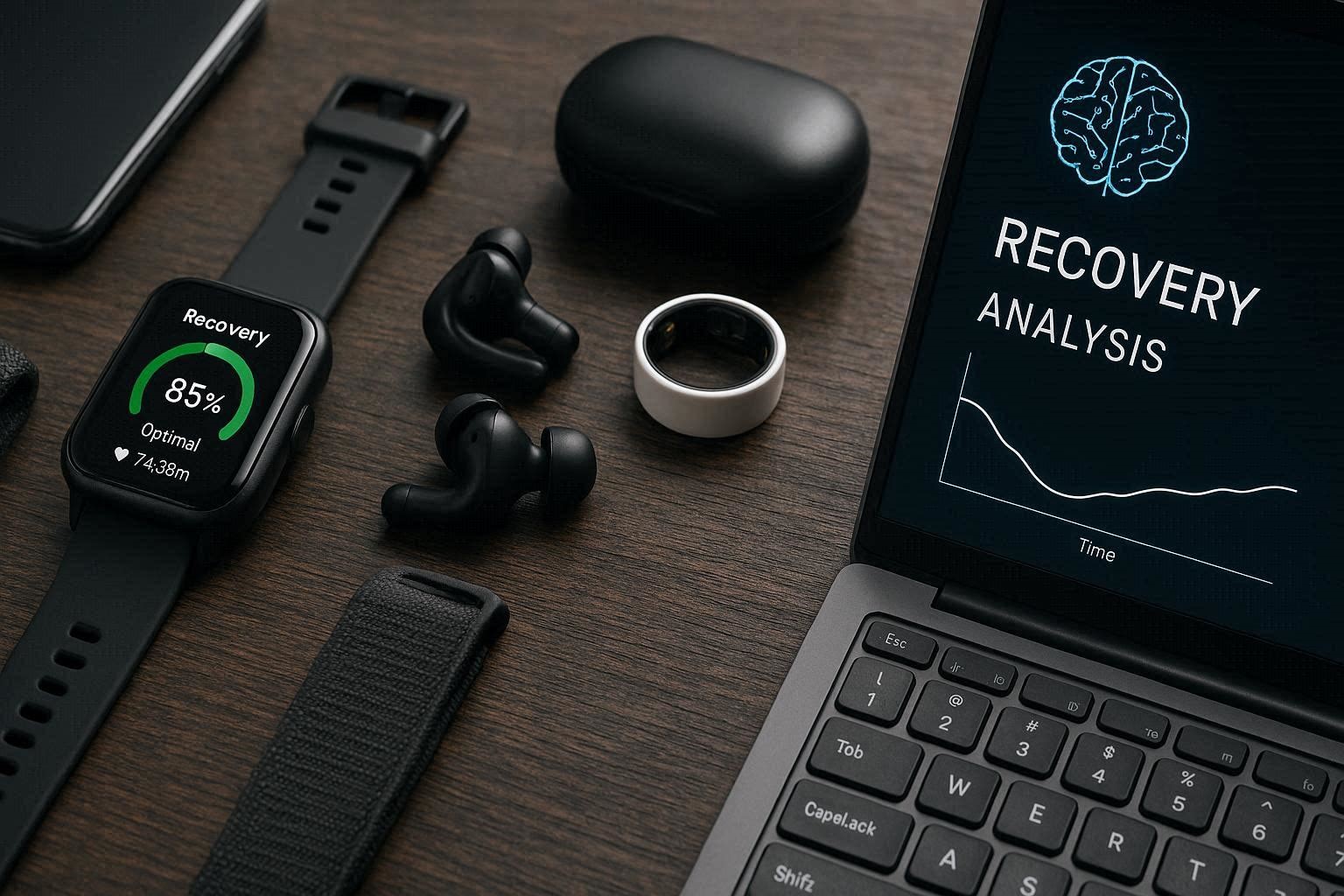
Tech-driven recovery tracking, utilizing advanced wearable technology and AI tools, is revolutionizing athlete recovery in 2026. These innovations provide invaluable data on sleep patterns, heart rate variability, and other physiological markers, allowing athletes to precisely monitor their recovery process. This data-driven approach helps athletes customize their recovery strategies, prevent overtraining, and ultimately improve performance by ensuring smarter training and recovery decisions.
Mental Recovery: Breathwork, Meditation, and Digital Detox

Mental recovery, encompassing breathwork, meditation, and digital detox, is recognized as essential for summer athletes in 2026. Beyond physical muscle recovery, these practices reduce stress, improve focus, and regenerate the nervous system, all vital for overall recovery. Athletes prioritize these techniques to manage the mental demands of training and competition, understanding that a refreshed mind is as crucial as a recovered body for sustained athletic performance.
The Science Behind Modern Athletic Recovery Methods
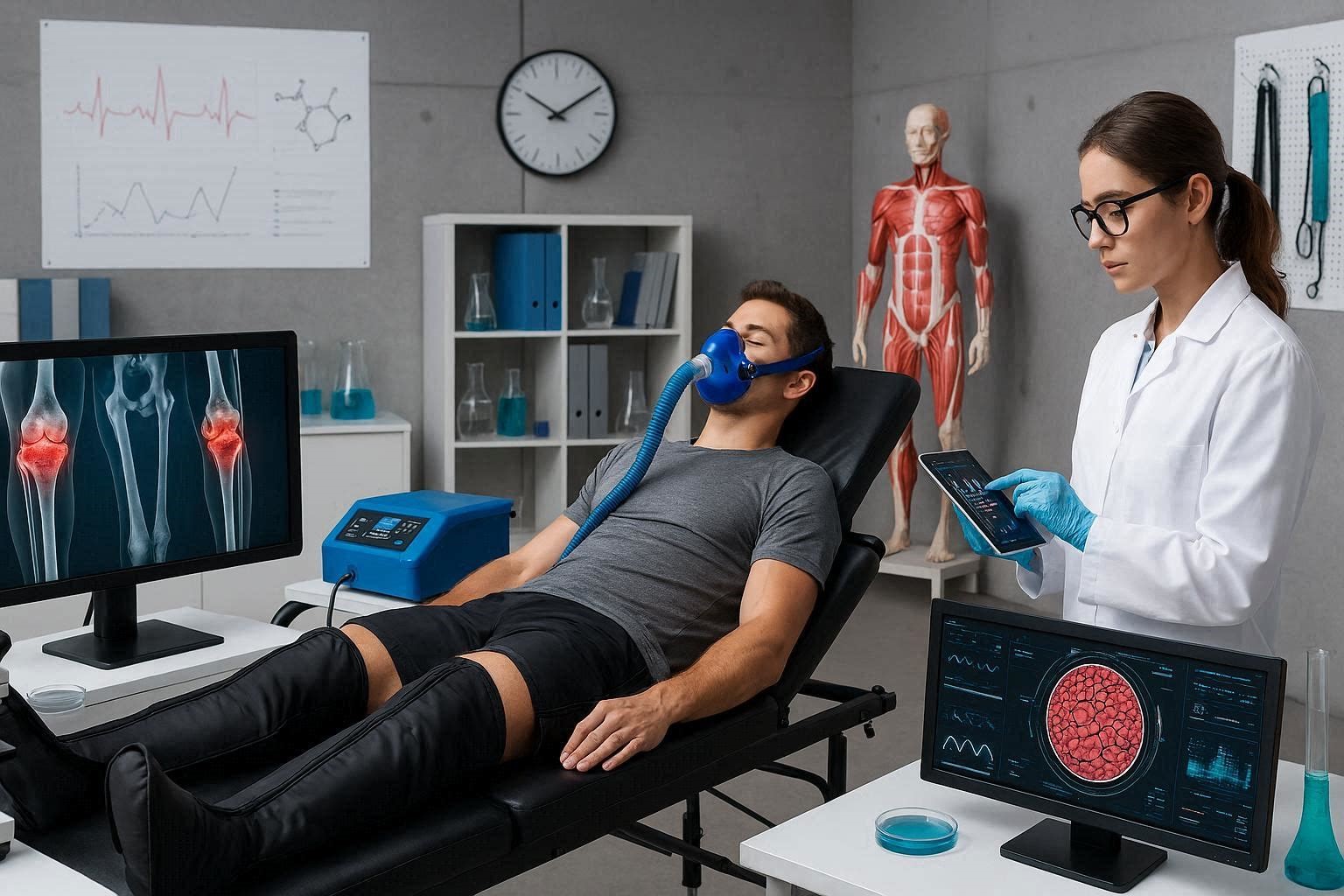
How Cold and Heat Therapy Affect Muscle Repair
Cold and heat therapy are essential for athlete recovery, each with distinct physiological effects crucial for muscle repair and reducing muscle soreness. Both therapies play a vital role in recovery and enhancing the healing process, especially post-summer training.
| Therapy Type | Key Physiological Effects |
|---|---|
| Cryotherapy (e.g., ice baths) | Reduces inflammation, constricts blood vessels, minimizes swelling. |
| Heat Therapy (e.g., saunas) | Increases blood flow, promotes nutrient delivery, aids waste removal. |
The Role of Sleep in Muscle Growth and Performance Recovery
Sleep plays an indispensable role in muscle growth and performance recovery, especially for summer athletes navigating intense training and competition. During deep sleep, the body releases growth hormone, critical for muscle repair and regeneration, directly impacting athletic performance. Prioritizing adequate, quality sleep is a non-negotiable recovery strategy that directly enhances recovery, reduces injury risk, and supports the overall training and recovery cycle.
Why Nervous System Recovery Impacts Athletic Output
Nervous system recovery profoundly impacts athletic output, a key focus for summer athletes in 2026. Overtraining without sufficient nervous system recovery can lead to fatigue, reduced coordination, and diminished power output, compromising athletic performance. Recovery strategies specifically targeting the autonomic nervous system, like meditation and breathwork, are crucial for balancing stress responses, allowing athletes to stay mentally and physically sharp and prevent injury risk.
Recovery Culture in Summer Sports Communities
Why Group Recovery Sessions Are Becoming Popular
Group recovery sessions are gaining significant popularity in summer sports communities as a way to enhance recovery and build camaraderie. These sessions, often incorporating active recovery workouts or mobility training, provide a supportive environment where athletes can share recovery techniques and motivation. This collective approach to the recovery process reinforces the importance of prioritizing well-being, fostering a holistic approach to athletic performance.
The Rise of Wellness-Based Training Camps and Retreats
The rise of wellness-based training camps and retreats signifies a major shift in athlete recovery culture during the summer months. These immersive experiences combine intense summer training with dedicated recovery strategies, including sleep optimization, nutrition, and mental recovery practices. Athletes seek these retreats to improve performance, learn new recovery techniques, and gain a competitive edge by prioritizing comprehensive well-being and reducing injury risk in a supportive environment.
Social Media’s Role in Popularizing Recovery Trends
Social media plays a powerful role in popularizing recovery trends among summer athletes, rapidly disseminating information about new recovery strategies and techniques. Platforms showcase everything from cryotherapy to wearable technology, influencing athletes to prioritize recovery as much as training. This digital visibility normalizes and encourages the adoption of diverse recovery methods, promoting a culture where enhancing recovery is celebrated and shared, inspiring others.
Common Recovery Mistakes Athletes Still Make in 2026
Overtraining Without Recovery Balance
Despite significant advancements in athlete recovery, a prevalent mistake athletes still make in 2026 is overtraining without adequate recovery balance. Pushing physical limits without prioritizing recovery drastically increases injury risk and muscle soreness. This imbalance sabotages athletic performance by hindering muscle recovery and failing to allow the body to properly adapt to the demands of summer training. It’s a critical oversight that undermines all other recovery strategies.
Ignoring Sleep and Mental Fatigue Signals
Another common pitfall is ignoring crucial sleep and mental fatigue signals, especially during intense summer training. Many athletes underestimate the profound impact of poor sleep on muscle recovery and overall recovery. Disregarding mental fatigue can lead to compromised athletic performance and increased injury risk, as the nervous system becomes overtaxed. Prioritizing recovery means actively listening to these vital internal cues for sustained well-being.
Relying on One Recovery Method Instead of a System
Many athletes mistakenly rely on a single recovery method, viewing it as a panacea rather than part of a comprehensive system. While specific recovery techniques like cryotherapy or compression garments are beneficial, a fragmented approach fails to address the multifaceted needs of athlete recovery. True performance and recovery come from integrating diverse recovery strategies, ensuring holistic care for the body and mind throughout the summer months.
How Athletes Build a Complete Recovery Routine in 2026
Pre-Training Recovery Preparation Habits
In 2026, athletes are building complete recovery routines by integrating pre-training recovery preparation habits. This involves practices like dynamic stretching, light active recovery, and proper hydration to prime the muscles and nervous system. These strategic steps reduce initial muscle soreness and significantly lower injury risk, setting a strong foundation for effective summer training. Such proactive recovery techniques are essential for optimal athletic performance.
Post-Workout Recovery Step-by-Step System
A structured post-workout recovery step-by-step system is fundamental for modern athletes to enhance recovery. Immediately after training and competition, this includes several key elements:
- Rapid rehydration and nutrient replenishment
- Targeted recovery techniques like cold plunges or compression therapy
Following a consistent recovery process ensures faster recovery, minimizes muscle soreness, and prepares the body for subsequent demands, embodying smart training and recovery principles for superior athletic performance.
Weekly Recovery Planning for Peak Performance
Weekly recovery planning is crucial for athletes aiming for peak performance, especially during demanding summer months. This involves scheduling dedicated recovery time, incorporating various recovery strategies such as massage, sauna therapy, and extended sleep optimization sessions. This systematic approach ensures that overall recovery is prioritized, preventing burnout, reducing injury risk, and allowing athletes to consistently improve performance throughout their training and competition schedule.
The Future of Athletic Recovery Beyond 2026
AI-Powered Personalized Recovery Programs
The future of athlete recovery beyond 2026 is set to be revolutionized by AI-powered personalized recovery programs. These intelligent systems will analyze individual biometric data from wearable technology, sleep patterns, and training loads to prescribe hyper-specific recovery strategies. This level of customization promises to enhance recovery dramatically, reduce injury risk even further, and optimize athletic performance with unparalleled precision, moving beyond generic recovery techniques.
Smart Wearables That Predict Fatigue and Injury Risk
Smart wearables are evolving into sophisticated tools that predict fatigue and injury risk, transforming the recovery process. Beyond merely tracking, future devices will use advanced algorithms to anticipate when an athlete is approaching overtraining or a high-risk fatigue state. This proactive warning system will empower athletes to prioritize recovery effectively, adjust training and recovery plans in real-time, and significantly improve performance by preventing setbacks.
The Shift Toward Holistic Body-Mind Performance Training
The future points to a holistic body-mind performance training approach, integrating physical, mental, and nervous system recovery seamlessly. This shift will emphasize that true athletic performance is a synergy of all these elements, where mental recovery techniques like advanced biofeedback and personalized meditation are as vital as physical muscle recovery. This comprehensive outlook will redefine how athletes train and recover, fostering complete well-being.
Final Thoughts: Why Recovery Is the Real Competitive Advantage
In conclusion, the evolution of athlete recovery has solidified its position as the real competitive advantage in 2026 and beyond. As training intensifies and competition grows fiercer, those who meticulously prioritize recovery through innovative recovery strategies and comprehensive recovery techniques will consistently outperform. This dedication to recovery is not merely about preventing injury risk; it’s about unlocking peak athletic performance, ensuring longevity, and truly mastering the art of the human body’s potential.