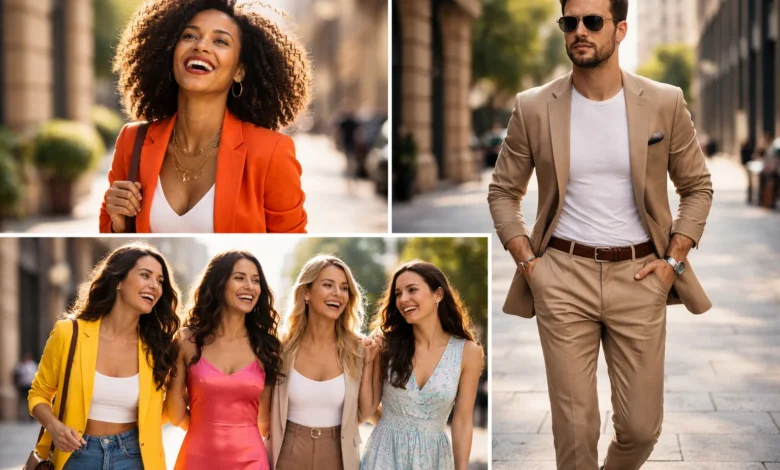
Explore the fascinating intersection of fashion and psychology, uncovering how your fashion choices significantly impact your mood, confidence, and how others perceive you. Delve into the depths of fashion psychology and discover the transformative power of clothing.
Why Fashion Is More Than Just Clothes
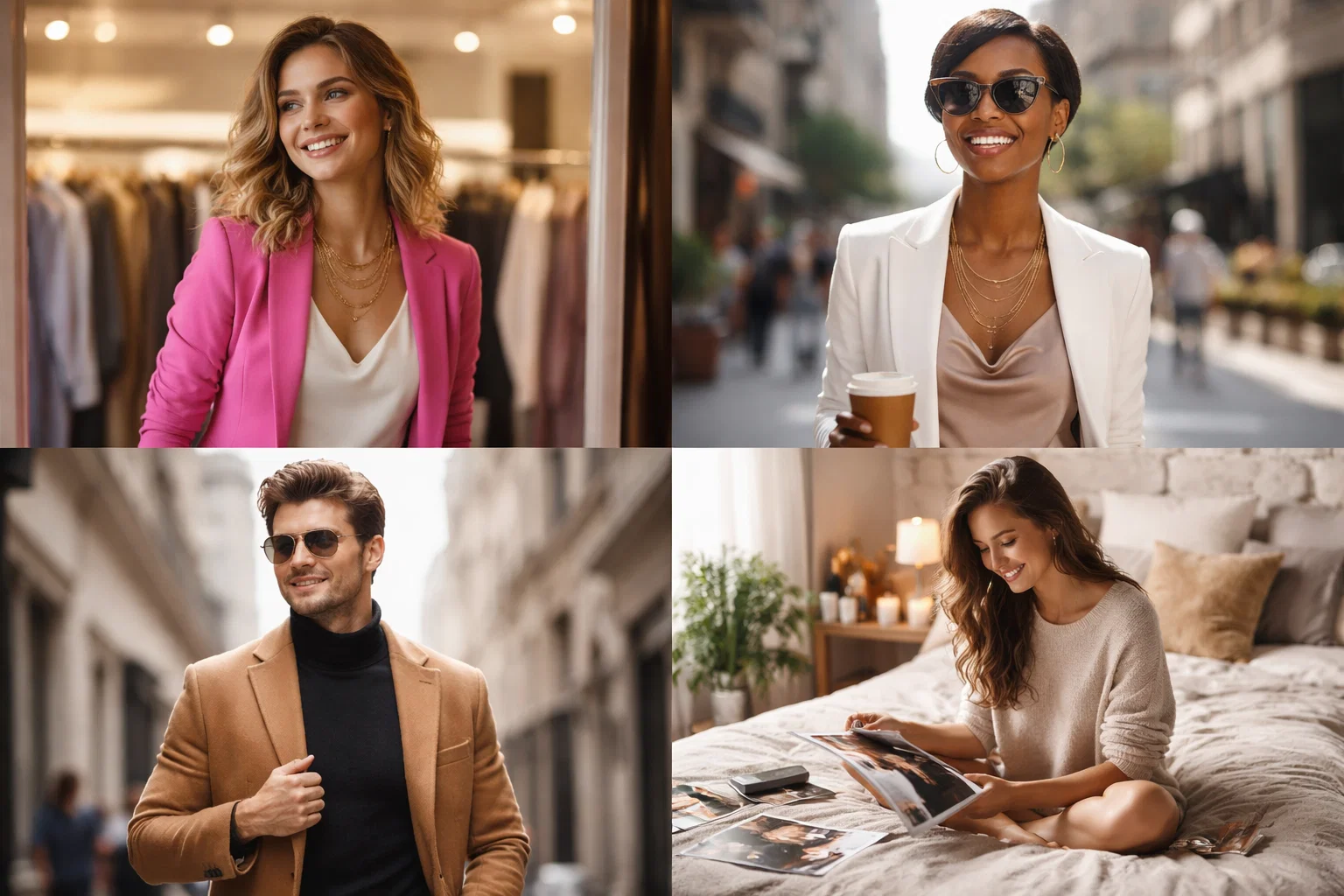
Clothing as a Form of Communication and Expression
The clothes we wear serve as a powerful form of self-expression, communicating our personality, values, and aspirations to the world. Attire becomes a visual language, allowing us to express ourselves and make a statement without saying a word, showcasing the psychology of clothing choices.
How Style Influences Behavior and Mindset
Our style choices have a profound psychological impact, influencing our behavior and mindset. When we dress well, it can boost our confidence, improve our mood, and enhance our overall sense of well-being. What we wear can affect how you feel about yourself.
Enclothed Cognition: How Clothes Affect Your Mind

The Science Behind Enclothed Cognition
Enclothed cognition is the science behind how our clothing affects mental processes. This concept explores how the psychological impact of wearing clothes can influence our thoughts, feelings, and behaviors, demonstrating the intricate connection between fashion and the mind.
Real-Life Examples: Suits, Uniforms, and Athletic Wear
Enclothed cognition is evident in many real-life scenarios. Consider how clothing can impact our mindset, for example:
- The confidence a suit inspires in professional settings.
- The sense of authority a uniform conveys.
Even athletic wear can enhance performance, further showcasing the power of clothing.
How Dressing Intentionally Can Boost Confidence and Focus
By dressing intentionally, we can harness the power of clothing to boost confidence and enhance focus. The psychology of dressing suggests that choosing clothing that aligns with our goals and values can positively impact our mindset and productivity, enhancing psychological well-being.
Color Psychology in Fashion
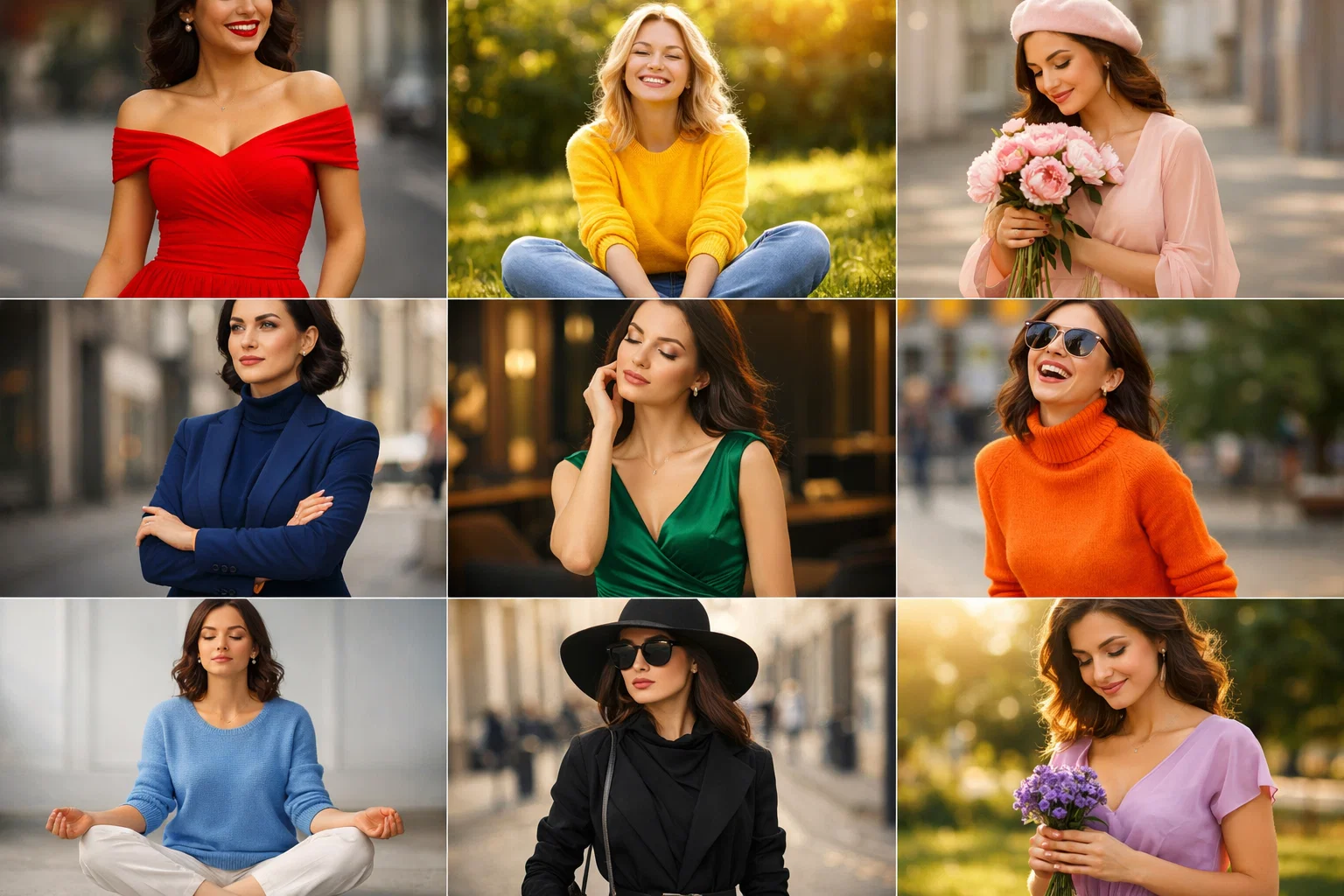
How Different Colors Affect Mood and Perception
Color psychology plays a significant role in fashion, as different colors can evoke a wide range of emotions and influence perception. Understanding how colors affect mood can help us choose clothing to enhance our desired emotional state and project the intended image.
Choosing Colors to Convey Confidence and Approachability
When making fashion choices, consider the colors that convey confidence and approachability. Opting for colors that resonate with these qualities can help you project a positive image and create a favorable first impression in both personal and professional settings.
2026 Color Trends That Influence Mood and Style
Stay ahead of the curve by exploring the 2026 color trends that are poised to influence mood and style. Keeping abreast of these trends allows you to strategically use clothing to make a statement. Understand the psychology behind what we wear to make the best clothing choice.
The Role of Fit, Proportion, and Silhouette
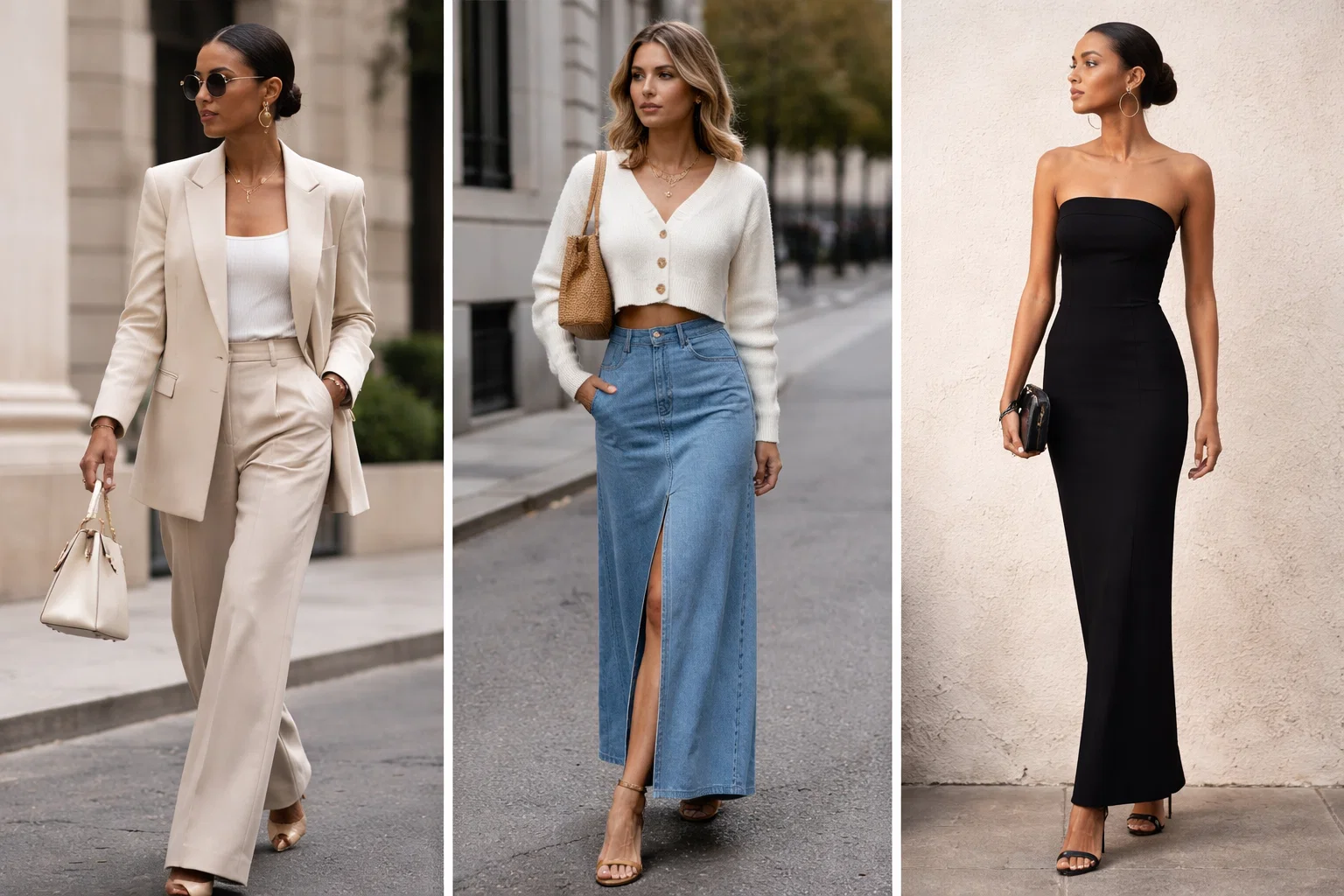
How Clothing Fit Impacts Perceived Age and Confidence
The way clothes fit significantly influences how others perceive our age and overall confidence. A well-fitted garment can create a more youthful and polished appearance, boosting self-esteem and projecting an image of competence in professional settings.
The Psychology of Proportion: Look Taller, Slimmer, and More Youthful
Understanding the psychology of proportion allows us to use clothing to create visual illusions, making us appear taller, slimmer, and more youthful. By strategically choosing clothing that balance our body’s proportions, we can enhance our overall appearance and confidence.
Tailoring and Adjustments for Maximum Impact
Tailoring and adjustments are essential for achieving a perfect fit that maximizes the psychological impact of our attire. Investing in professional tailoring ensures that our clothes look both look and feel great, enhancing our confidence and projecting a polished image.
Accessories and Visual Signals
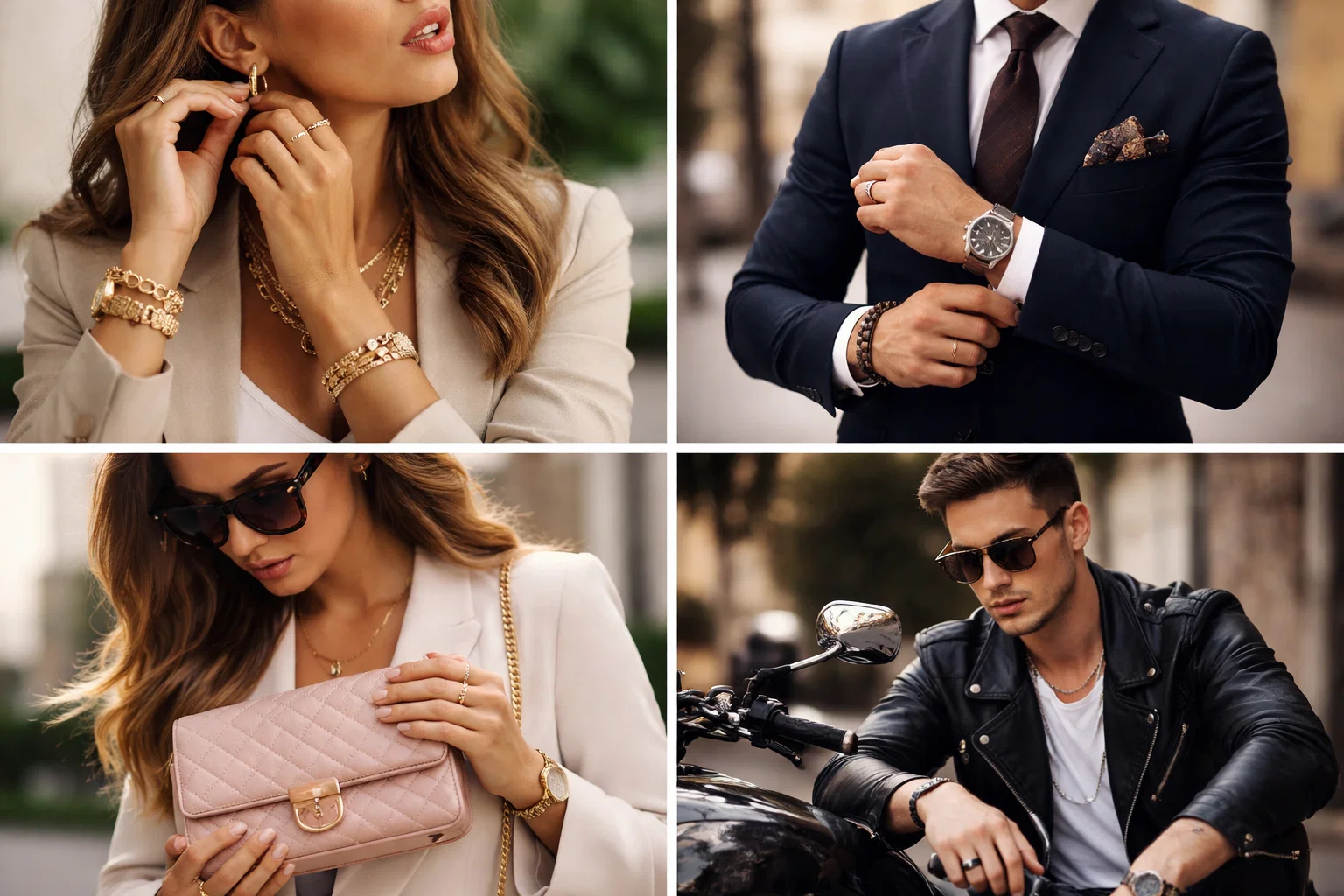
How Jewelry, Bags, and Shoes Communicate Status and Personality
Accessories such as jewelry, bags, and shoes serve as visual signals that communicate our status, personality, and personal style. The choices we make with these items can convey a sense of sophistication, creativity, or practicality, influencing how others perceive us.
Minimalism vs. Statement Pieces: Psychological Effects
Here’s how our choice of accessories can impact perceptions:
- Minimalism can convey a sense of understated elegance and confidence.
- Statement pieces can express individuality and draw attention, shaping our first impressions.
Accessory Choices That Enhance Perceived Confidence
Certain accessory choices can enhance perceived confidence by adding polish and sophistication to our overall look. Choosing well-crafted, timeless pieces that complement our attire can elevate our appearance and project an image of competence and self-assurance.
Fashion, Identity, and Self-Expression
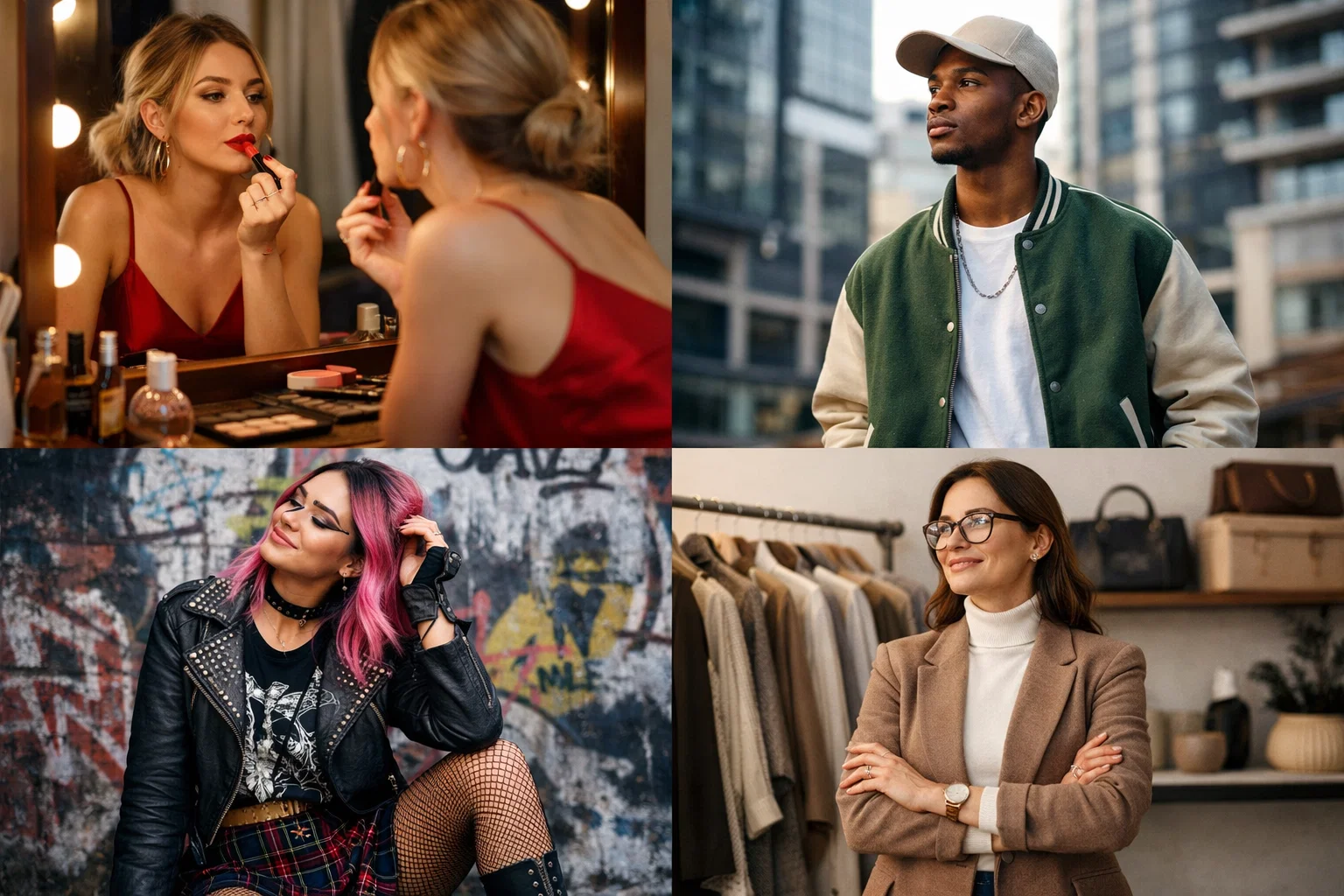
Clothing as a Reflection of Personality and Mood
Our clothing is a powerful medium for reflecting our personality and current emotional state. The clothes we wear can signal our mood to the world, expressing joy, confidence, or even a desire for comfort and security, showcasing the psychology of clothing.
How Fashion Allows Experimentation With Identity
Fashion provide a unique avenue for experimentation with identity, allowing us to explore different facets of our personality and express ourselves in creative ways. Through clothing with our evolving sense of self, we can confidently present our authentic selves to the world.
Aligning Your Wardrobe With Personal and Professional Goals
Aligning your wardrobe with personal style and professional goals involves making conscious clothing that support your aspirations. By choosing clothing with your desired image and values, you can enhance your confidence and achieve greater success.
Social Perception and First Impressions
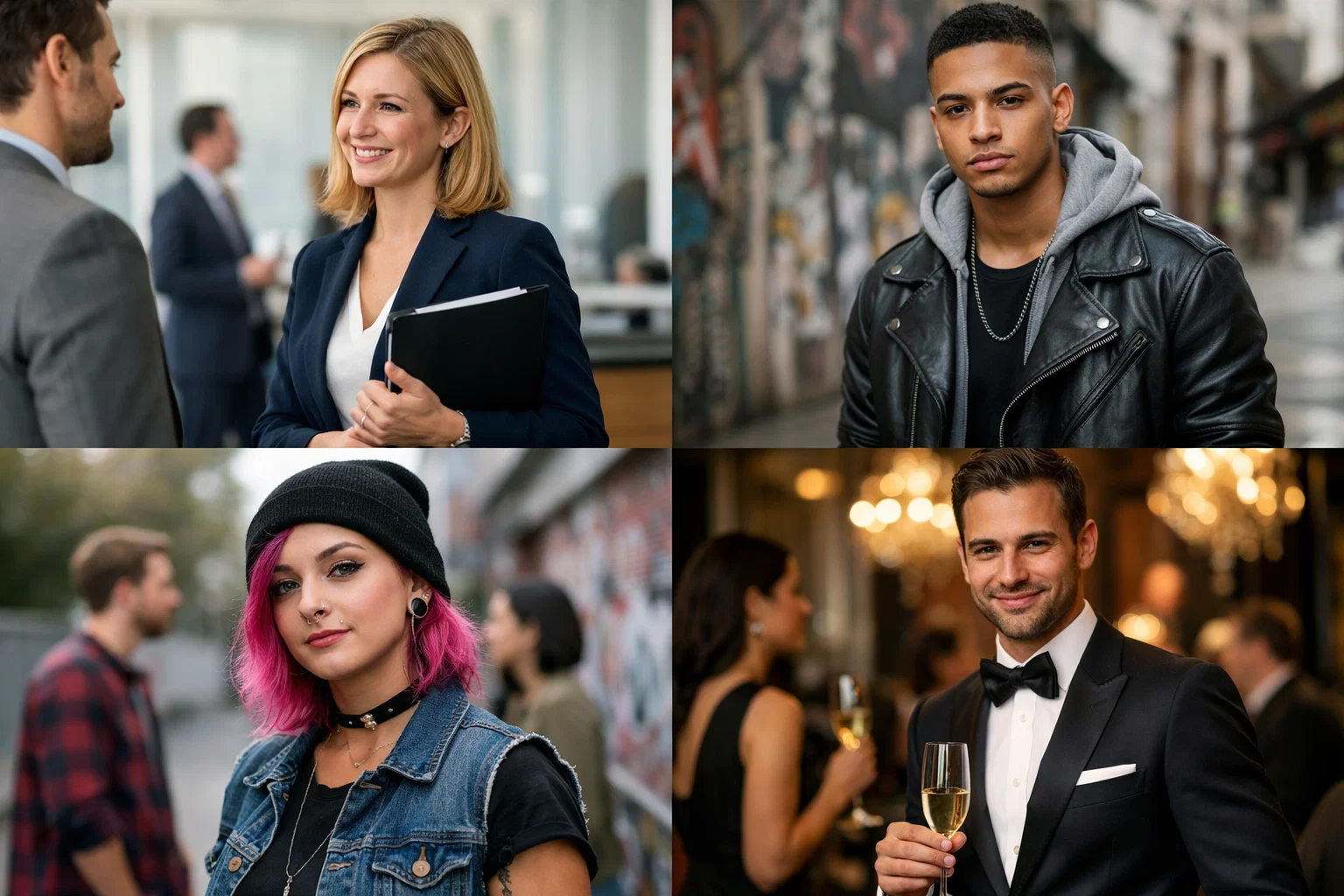
How Others Judge Competence, Approachability, and Status Through Clothing
The clothing choices we make significantly influence how others perceive our competence, approachability, and status. Fashion psychology reveals that dressing impacts perceptions in several ways, including:
- Enhancing credibility in professional settings through professional and confident attire.
- Signaling approachability with casual wear.
Using Fashion Strategically in Career and Social Settings
Strategic clothing can be a powerful tool in both career and social settings. Understanding the psychology of fashion allows us to dress in a way that aligns with our goals, projecting the image we want to convey and enhancing our chances of success.
Avoiding Common Style Mistakes That Undermine Confidence
Certain style mistakes can inadvertently undermine our confidence and credibility. Ill-fitting garments, inappropriate attire for the occasion, or neglecting grooming can all detract from our overall appearance and diminish the positive first impressions we aim to create.
Mood-Boosting and Confidence-Enhancing Fashion Strategies
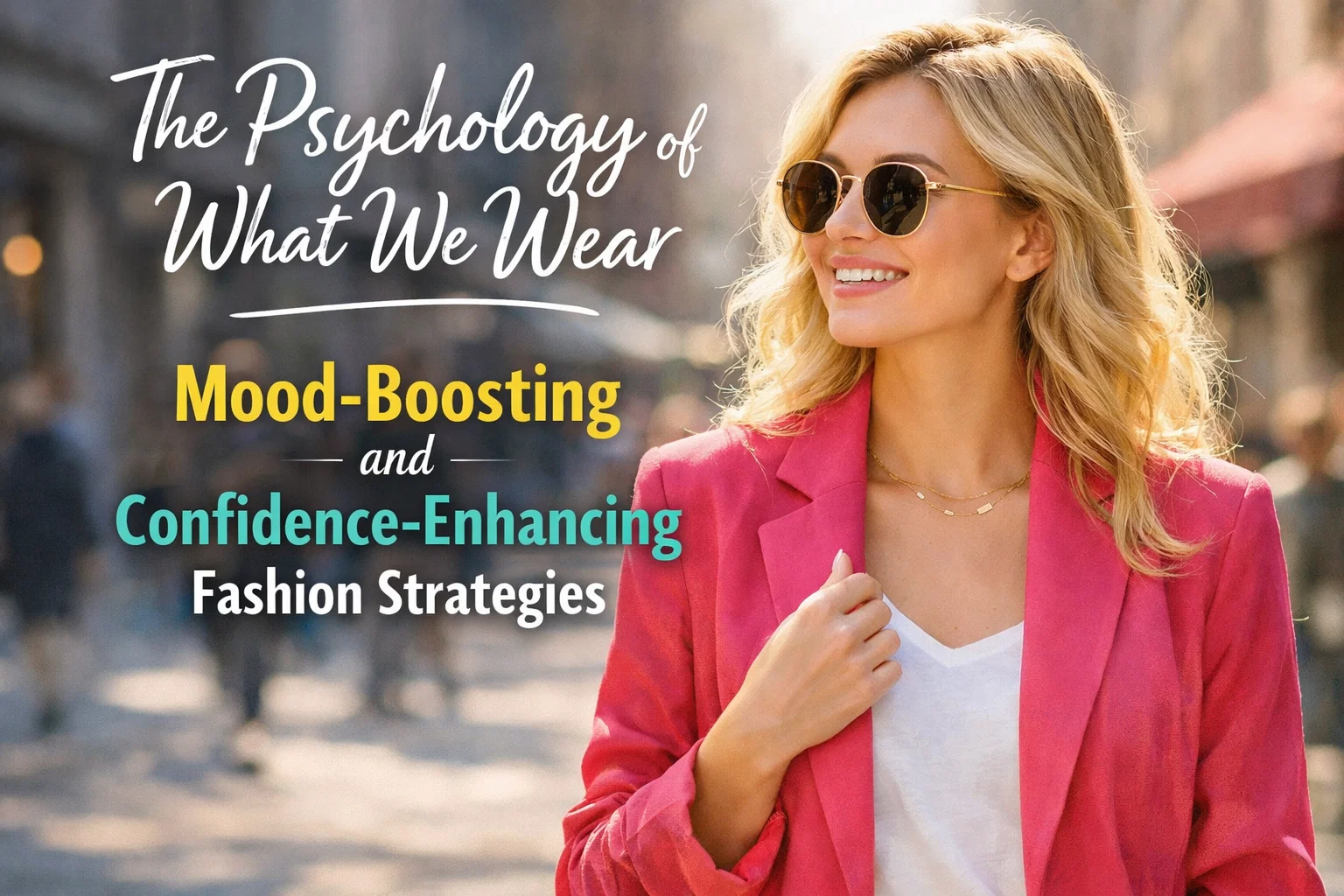
Using Clothing to Improve Daily Mood and Energy Levels
Our clothing can be leveraged to improve our daily mood and energy levels. The psychology suggests that opting for bright colors, comfortable fabrics, and attire that makes us feel good can positively influence our outlook and motivation.
Combining Comfort and Style for Psychological Benefits
Finding the right balance between comfort and style is essential for maximizing the psychological impact of our attire. By choosing clothing with both our comfort preferences and aesthetic sensibilities, we can enhance our overall well-being and confidence.
Capsule Wardrobes and Minimalist Approaches for Mental Clarity
Adopting a capsule wardrobe or minimalist approach to fashion can contribute to mental clarity and reduced stress. Streamlining our clothing not only simplifies our daily routines but also frees up mental space and promotes a sense of calm and control.
Cultural and Societal Influences on Fashion Psychology
How Trends, Media, and Social Norms Shape Clothing Choices
Our clothing are significantly influenced by trends, media, and social norms, which dictate what is considered fashionable and acceptable. Understanding these influences is crucial for navigating fashion while staying true to our personal style and values.
Navigating Pressure While Staying True to Personal Style
While societal pressure to conform to dress codes can be strong, it’s essential to navigate these expectations while staying true to our personal style. Finding a balance between adhering to norms and expressing our individuality can foster confidence and self-acceptance.
Conclusion: Dressing With Intent for Mental and Social Benefits
The psychology of what we wear demonstrates that clothing affects more than just our appearance; it significantly impacts our mood, confidence, and how others perceive us. By dressing with intent, we can harness the power of clothing to enhance our mental and social well-being, ultimately leading to a more fulfilling and authentic life.