


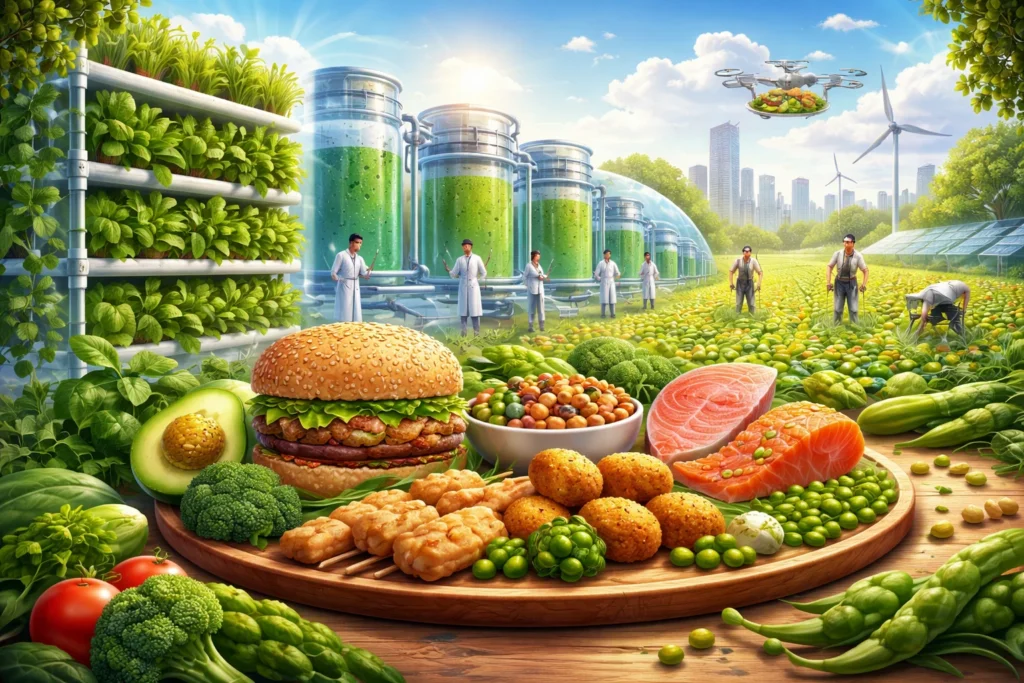
The global protein landscape is undergoing a massive transformation. This article explores the trends for 2026, highlighting how plant-based, lab-grown, and hybrid proteins are reshaping the food industry and redefining the future of protein.
The Protein Revolution in 2026

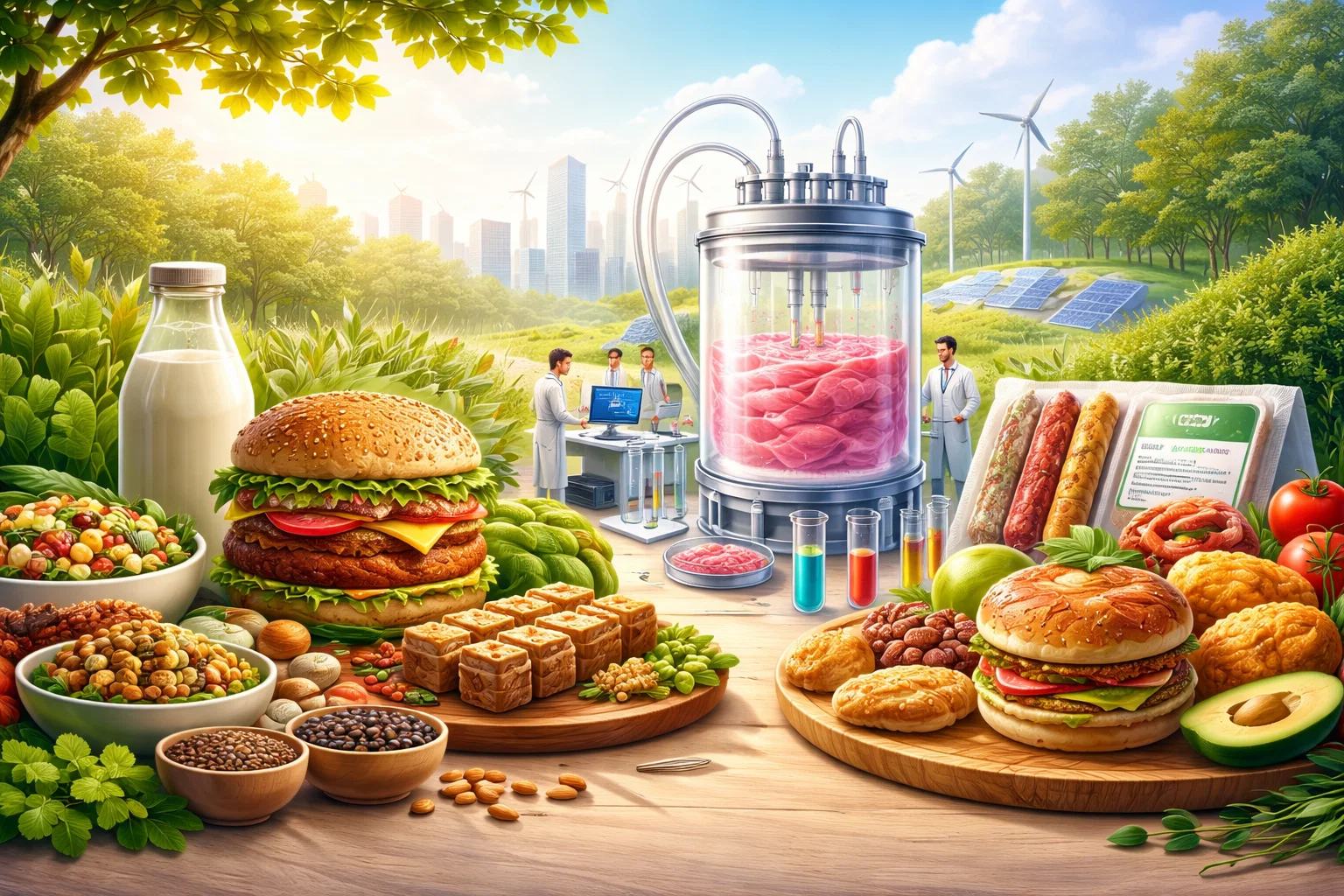
Why protein is more than just muscle-building today
In 2026, the perception of protein has evolved beyond its traditional role in muscle development. Consumers are now seeking protein for a variety of health benefits, including weight management, gut health, and overall well-being.
The convergence of health, sustainability, and innovation in protein
The dietary protein trend is fueled by the convergence of health-conscious choices, sustainability concerns, and cutting-edge innovation. This trifecta is driving the demand for alternative protein sources and influencing the protein market.
How consumer demand is reshaping the protein market
Consumer demand is significantly reshaping the protein market, pushing the food industry to innovate and offer a wider variety of plant-based options and alternative protein products. This trend reflects a shift towards healthier and more sustainable food choices.
Plant-Based Proteins: Mainstream and Beyond
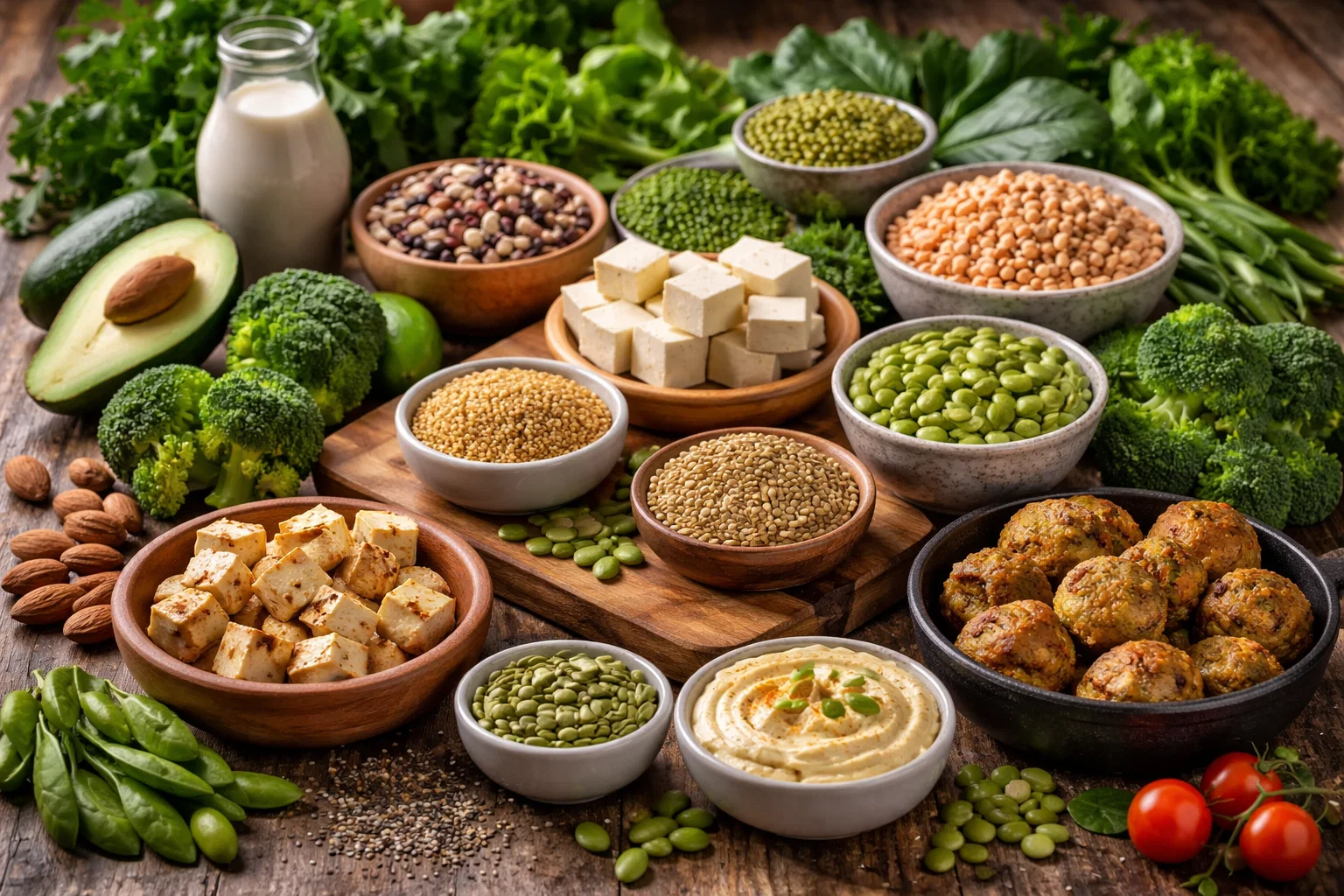
Definition and key sources: pea, soy, lentils, chickpeas, quinoa, hemp
Plant-based protein refers to protein derived from plant sources such as pea, soy, lentils, chickpea, quinoa, and hemp. These protein sources are gaining popularity as alternatives to animal meat and animal proteins in various diets.
Why plant-based proteins are dominating 2026 diets
Plant-based proteins are dominating 2026 diets due to increasing awareness of the environmental impact of animal agriculture, combined with growing health consciousness and the desire for more sustainable food. Flexitarians are also driving demand.
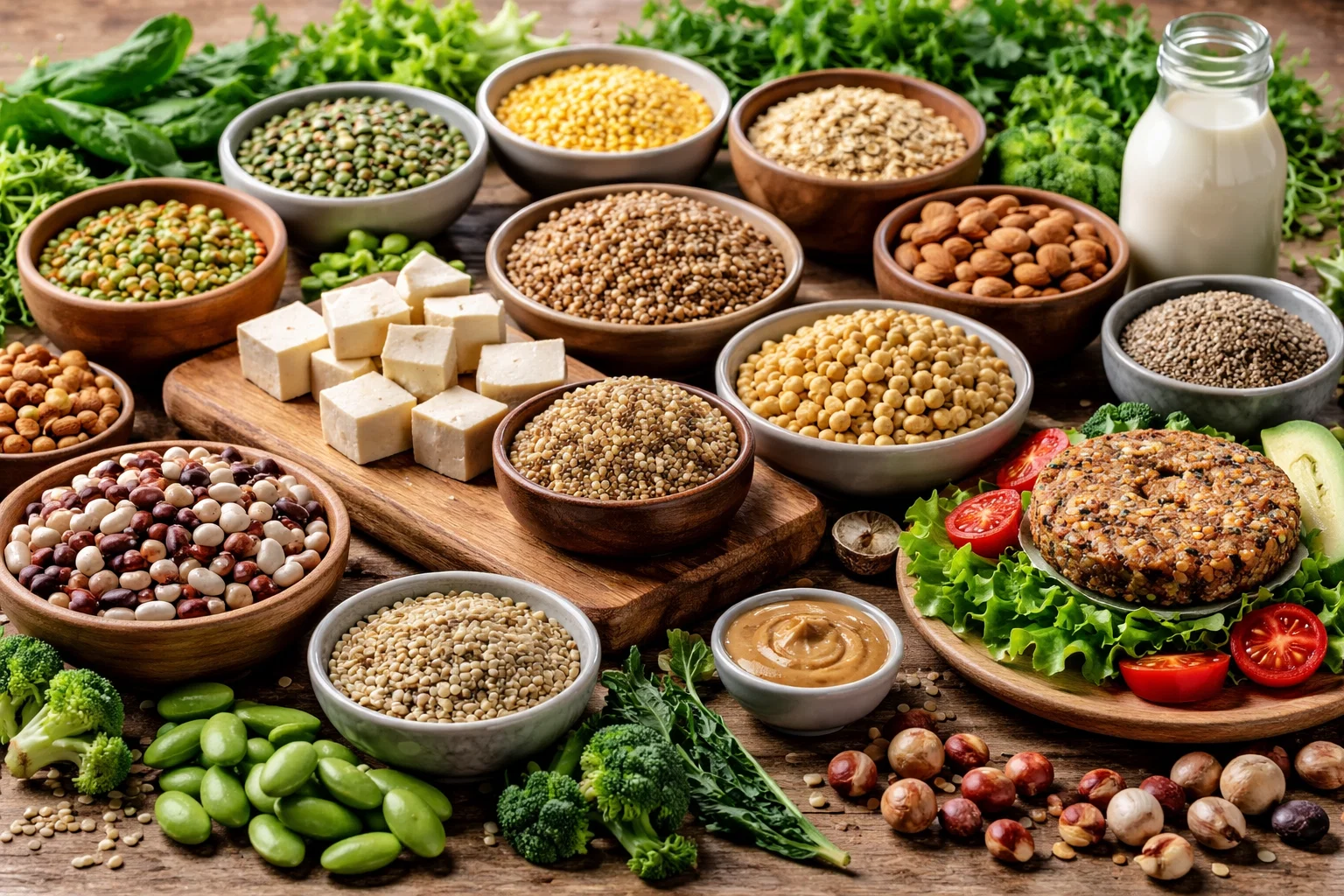
Innovations in taste, texture, and protein density
Innovations in taste and texture are making plant-based food more appealing, while advancements in protein design are increasing the protein density of plant-based products. These changes enhance the consumer experience and improve nutrient profiles.
Popular products: plant-based meat, dairy alternatives, protein snacks
Here are some popular plant-based products expected to be in demand in 2026. These include:
- Plant-based meat alternatives
- Dairy alternatives
- High-protein snacks
These products cater to the rising demand for vegan and plant-based options in convenient and tasty formats.
Lab-Grown Proteins: Real Meat Without the Livestock
What lab-grown or cultivated proteins are
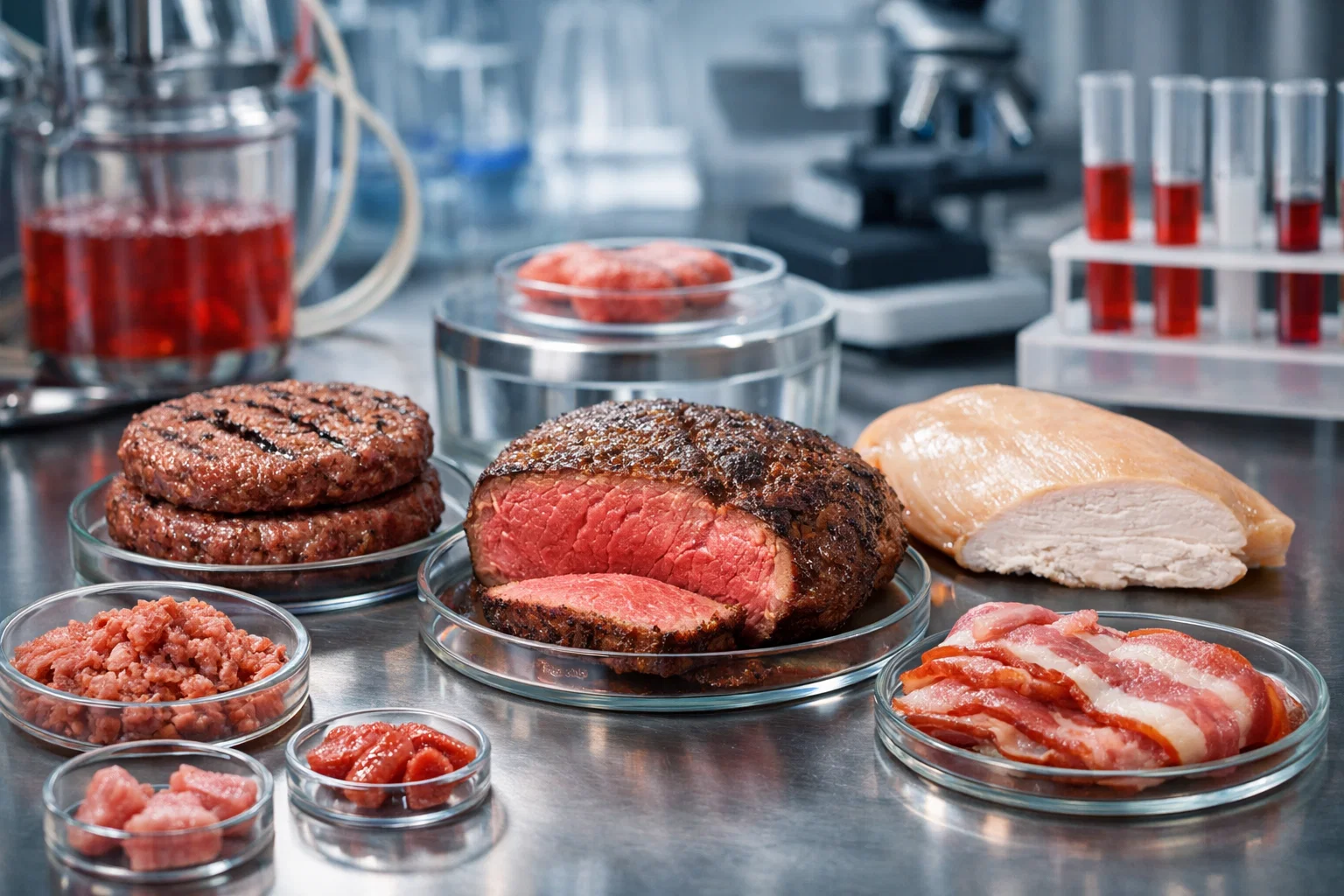
Lab-grown proteins, also known as cultivated proteins, are animal proteins produced by culturing animal cells in a laboratory setting, without the need for traditional livestock farming. It’s an alternative protein landscape development.
Environmental and ethical benefits of cultured proteins
Cultured proteins offer significant environmental and ethical benefits by reducing the carbon footprint associated with animal agriculture and eliminating animal exploitation. This resonates with consumers seeking sustainable food options for environmental concerns.

Examples: lab-grown beef, chicken, seafood, and dairy proteins
Examples of lab-grown proteins include beef, chicken, seafood, and dairy proteins, all produced through cellular agriculture. These products aim to replicate the taste and texture of animal meat without the environmental impact.
Challenges: scaling production, cost, and consumer adoption
Here are some of the hurdles the lab-grown protein industry is currently facing. These challenges include:
- Scaling production to meet market demand.
- Reducing production costs to be competitive with traditional animal meat.
- Addressing consumer adoption concerns regarding taste and safety.
Hybrid Proteins: The Best of Both Worlds
Definition and purpose of hybrid proteins
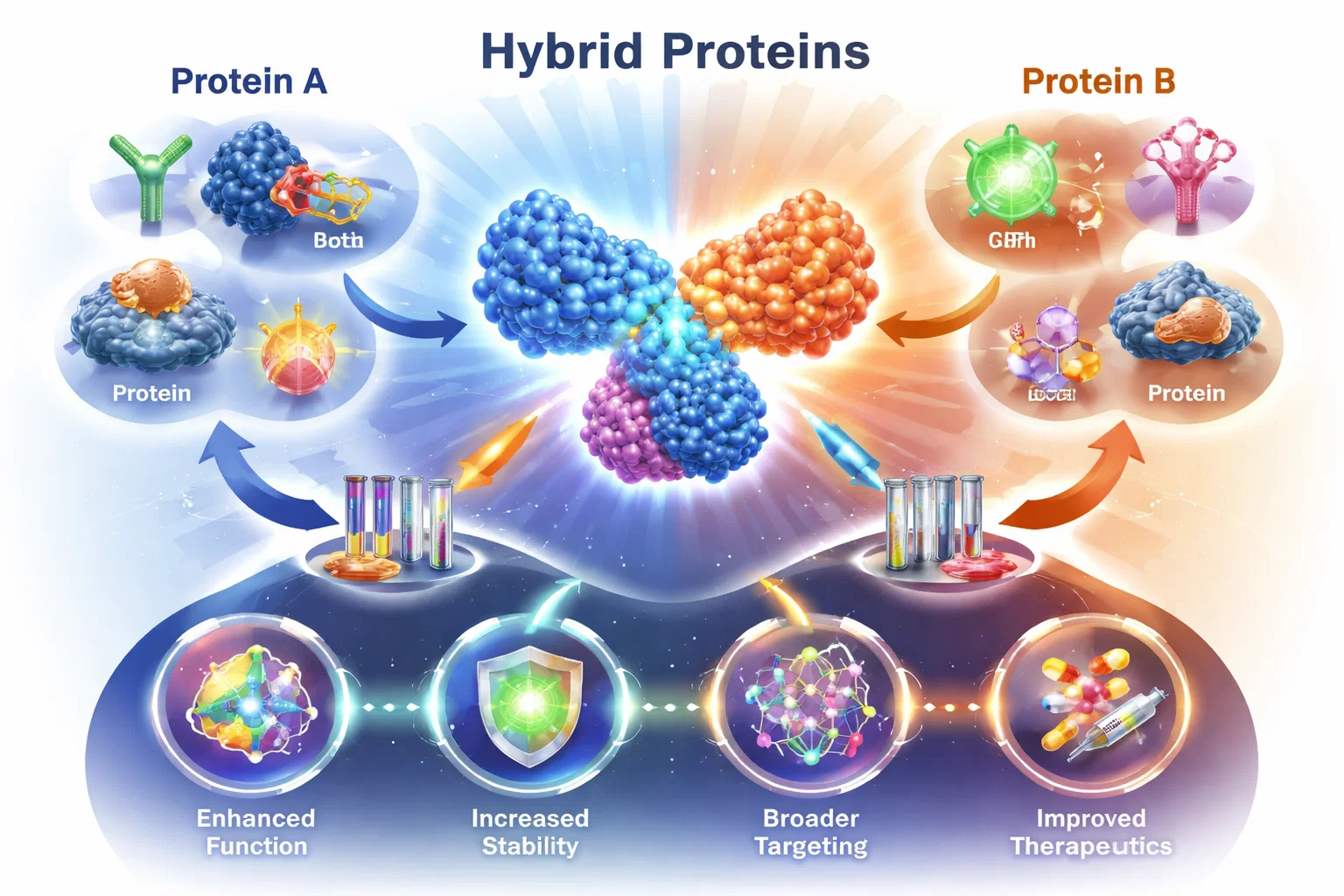
Hybrid proteins represent a fusion of plant-based protein sources and animal proteins, designed to leverage the benefits of both. These hybrid products offer a unique approach to dietary protein, combining the sustainability of plant-based food with the nutritional profile of animal proteins.
Examples: plant + whey, plant + collagen, hybrid burgers and bars
Examples of hybrid proteins include formulations that blend plant protein, such as lentil or chickpea protein, with whey or collagen. These hybrid products often manifest as hybrid burgers and bars, providing a balanced mix of nutrients and appealing taste and texture.
How hybrid proteins solve taste, texture, and nutrition challenges
Hybrid proteins address taste and texture challenges associated with purely plant-based options, while enhancing the nutritional profile. By combining plant-based protein with animal-derived components, hybrid products can deliver a more satisfying sensory experience, as they aim to appeal to flexitarians.
Functional Proteins: Beyond Muscle and Satiety

Proteins with added health benefits: collagen, immune-boosting proteins, fermented proteins
Functional proteins extend beyond basic muscle support and satiety by offering additional health benefits. Examples include collagen for skin health, immune-boosting proteins like lactoferrin, and fermented proteins for gut health. These proteins promote wellness.
Formats: beverages, powders, bars, fortified foods
Functional proteins are available in various formats to suit diverse consumer preferences and needs. You can find them in beverages, powders for shakes, protein bars, and fortified foods, making it easier to incorporate these nutrient-rich ingredients into daily diets and supplement plant-based protein.
Why functional proteins are gaining popularity in 2026
Functional proteins are gaining popularity in 2026 due to increased consumer awareness of the link between diet and health. As people seek more than just basic nutrition, they turn to functional foods, like high-protein snacks, that offer specific health benefits, driving trends for 2026.
Protein in Non-Traditional Foods and Beverages
Coffee, tea, snacks, breakfast items, and desserts with added protein
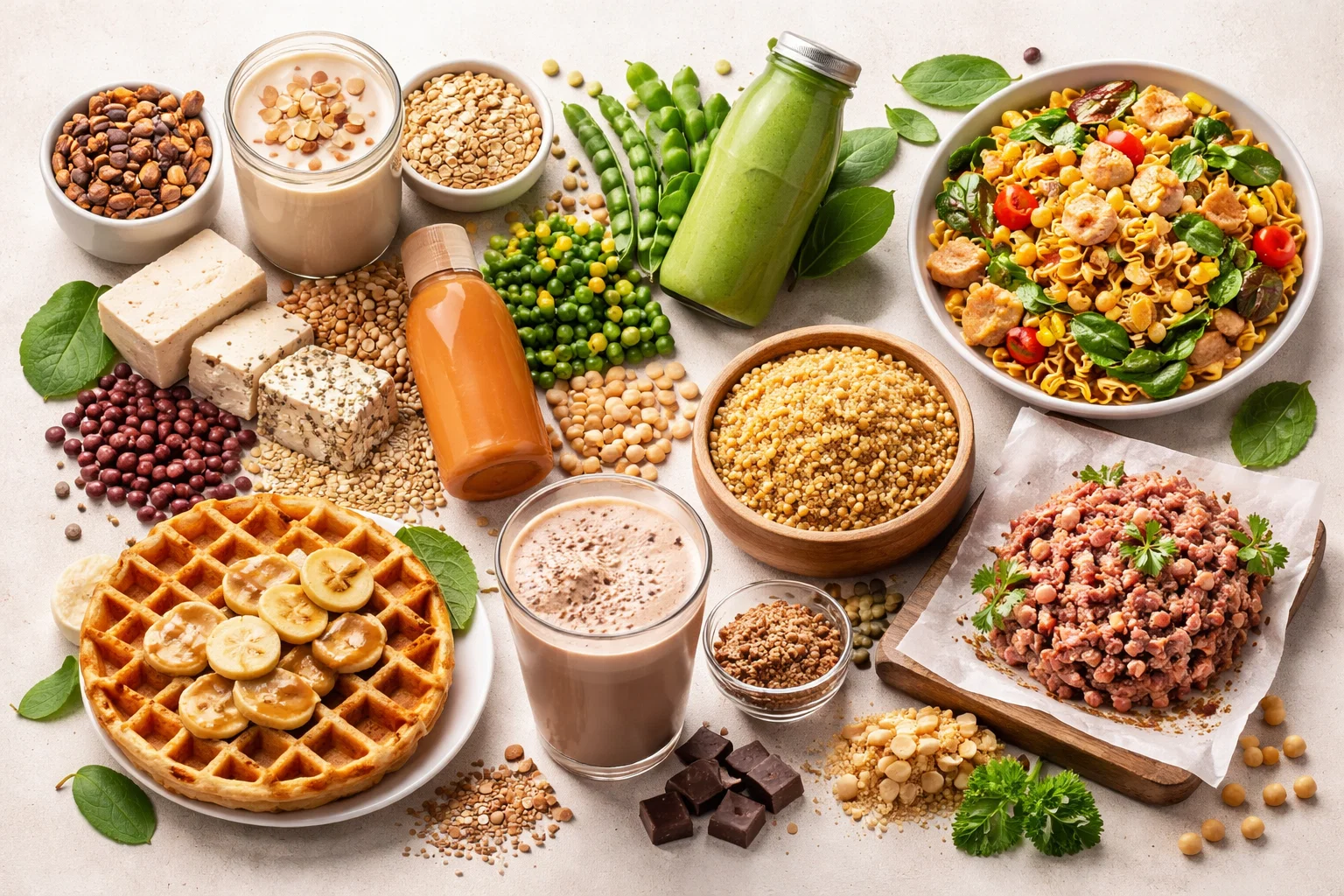
Protein is increasingly being added to non-traditional foods and beverages to enhance their nutritional value. This includes coffee, tea, protein snacks, breakfast items, and even desserts, catering to health-conscious consumers seeking convenient ways to increase their protein intake as reflected in market research.
Convenience and on-the-go nutrition for busy consumers
The inclusion of protein in convenient, on-the-go foods and beverages caters to the busy lifestyles of modern consumers. Protein-fortified products offer a quick and easy way to meet daily protein needs, supporting weight management, gut health, and overall well-being.
How brands are creating functional, tasty, and accessible protein products
Brands are innovating to create functional, tasty, and accessible protein products by focusing on both flavor and nutritional profiles. They are also leveraging technology to improve the taste and texture of plant-based options, as reflected by trends in 2025.
Sustainability and Ethical Considerations
The role of eco-conscious protein choices in 2026
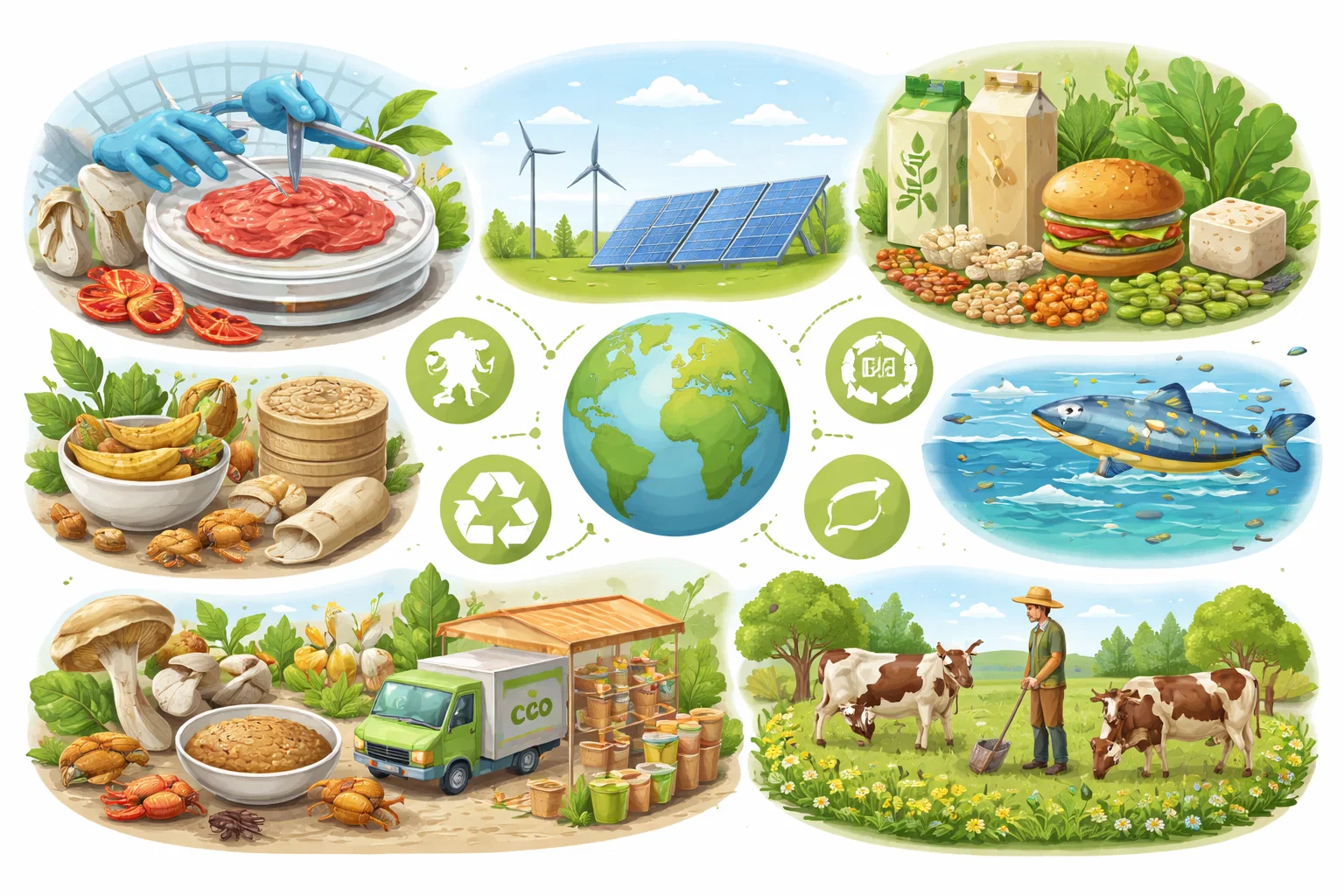
In 2026, eco-conscious protein choices play a significant role as consumers become more aware of the environmental impact of their dietary decisions. The protein landscape is shifting towards options that minimize ecological footprint, supporting a more sustainable food system.
Plant-based, lab-grown, and hybrid proteins reducing carbon footprint and animal exploitation
Plant-based protein sources, lab-grown protein, and hybrid proteins are gaining traction because of their ability to reduce the carbon footprint associated with traditional animal meat and minimize animal exploitation. These trends in 2026 reflect growing ethical and environmental concerns.
How sustainability drives purchase decisions
Sustainability is increasingly driving purchase decisions as consumers prioritize products that align with their values. Factors such as reduced carbon footprint, ethical sourcing, and minimal environmental impact influence consumer choices in the protein market in 2026.
Tech and Innovation Driving Protein Trends
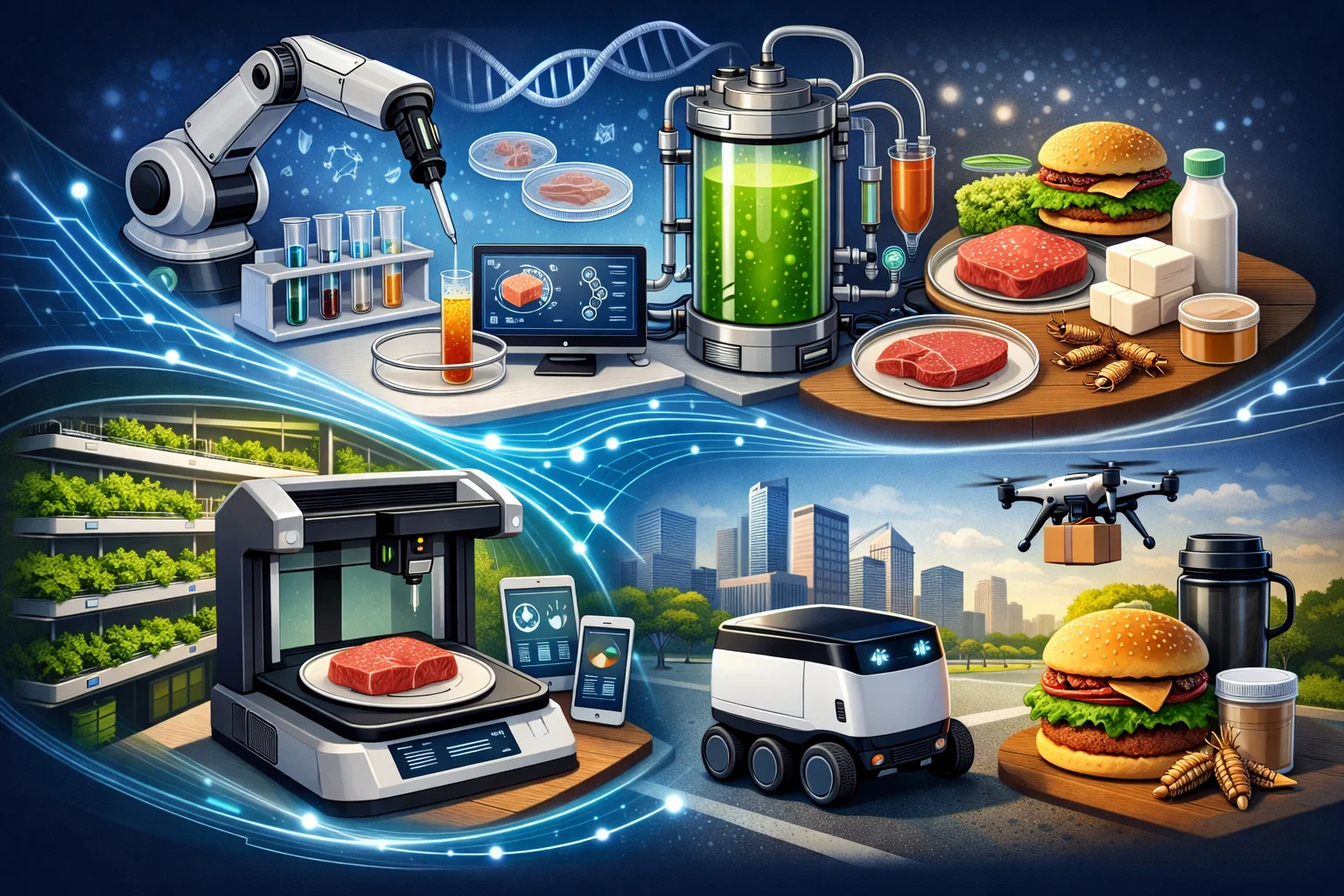
AI, biotechnology, and fermentation for better taste and digestibility
In 2026, AI, biotechnology, and fermentation are revolutionizing the protein landscape, enhancing the taste and digestibility of alternative protein sources, particularly plant-based protein and lab-grown protein. These innovations are improving the overall eating experience and encouraging broader consumer adoption of meat alternatives.
Personalized protein solutions using health and lifestyle data
Personalized protein solutions are gaining traction, utilizing health and lifestyle data to tailor dietary recommendations. This approach allows consumers to optimize their protein intake based on individual needs, whether they prefer plant-based food, animal proteins, or insect protein.
Emerging startups and innovations shaping the protein market
Emerging startups and innovations are reshaping the protein market by creating new plant-based options and alternative protein sources. These companies are developing novel ingredients and technologies to enhance the taste and texture of plant-based products, driving the food industry forward.
Global Market and Consumer Insights
Protein adoption across regions and cultures
Protein adoption varies across regions and cultures, with some areas embracing plant-based protein and meat substitutes more readily than others. International food trends and dietary habits influence the acceptance and integration of alternative protein sources into local cuisines.
Demographics leading the protein revolution: Gen Z, Millennials, wellness-focused consumers
Gen Z, Millennials, and wellness-focused consumers are leading the protein trend, driving demand for sustainable and health-conscious choices. This demographic is particularly interested in plant-based products, hybrid products, and functional food with added health benefits.
Predictions for market growth and mainstream acceptance
Predictions for the protein market indicate substantial growth and mainstream acceptance of alternative protein sources, including plant-based meat and lab-grown proteins. As the health-conscious mindset spreads, the food industry will likely see plant-based food products take up an increasing portion of the dietary landscape.
Future Outlook: What’s Next for Protein in 2026 and Beyond
Predicted trends: more hybrid proteins, functional innovations, and sustainable sources
Here are some predicted trends for 2026 and beyond, reflecting evolving consumer preferences:
- An increase in hybrid products.
- Continued functional innovations.
- A greater emphasis on sustainable protein sources.
These trends signify a growing consumer demand for high-protein, eco-friendly dietary options like analog meat that benefit gut health.
Integration with personalized nutrition and lifestyle diets
Protein is increasingly integrated into personalized nutrition plans and lifestyle diets, with tailored recommendations based on individual health goals. Whether focusing on weight management or overall wellness, optimizing protein intake, including plant-based protein, plays a crucial role in achieving personalized dietary objectives.
The evolving role of protein in everyday diets and wellness routines
The evolving role of protein in everyday diets and wellness routines reflects a shift towards holistic health. As consumers prioritize sustainable and health-conscious choices, protein, especially from plant-based sources, becomes a central component in promoting overall well-being and functional health.
Conclusion: Protein Trends Shaping Health, Sustainability, and Taste
In conclusion, the protein trend of 2026 is reshaping the future of nutrition by focusing on health, sustainability, and taste. The rise of plant-based protein, lab-grown meat, and hybrid products are satisfying consumers’ needs. The trends in 2025 and 2024 led up to trends in 2026.