


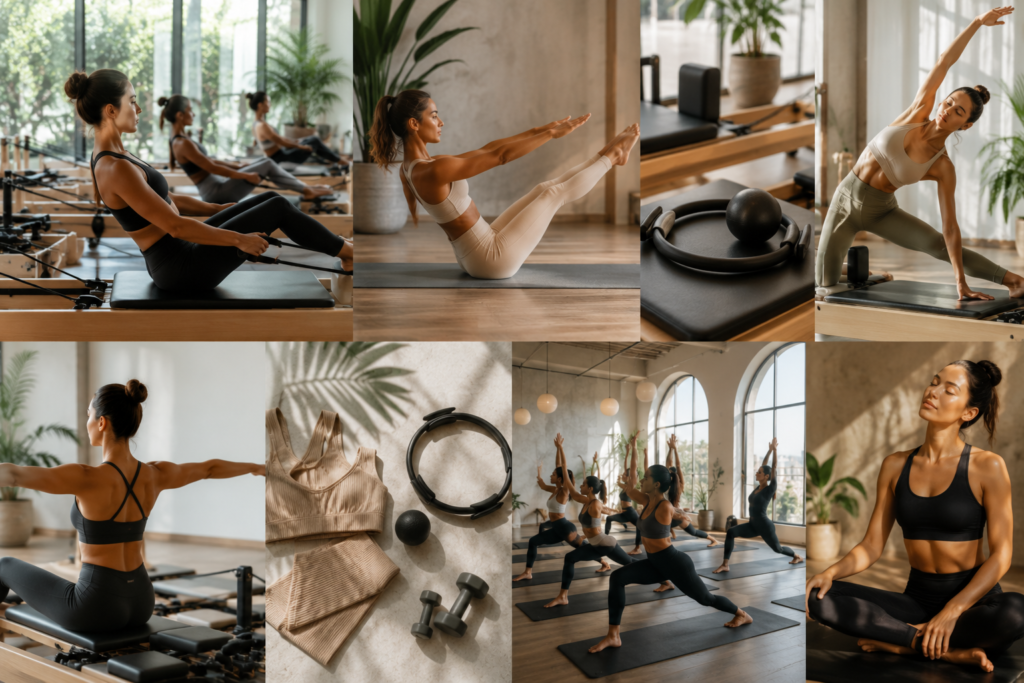
Pilates has transcended its niche origins to become a mainstream fitness phenomenon in 2026, captivating individuals from all walks of life. This comprehensive guide explores why this mindful movement practice is experiencing such an unprecedented surge in popularity and the profound benefits it offers for both physical and mental well-being.
Why Pilates Became One of the Biggest Wellness Trends of 2026
Pilates has emerged as a dominant wellness trend in 2026, reflecting a significant shift in public perception towards more holistic and sustainable fitness approaches, moving away from high-intensity workouts that once dominated the scene.

The Shift From Intense Fitness to Mindful Movement
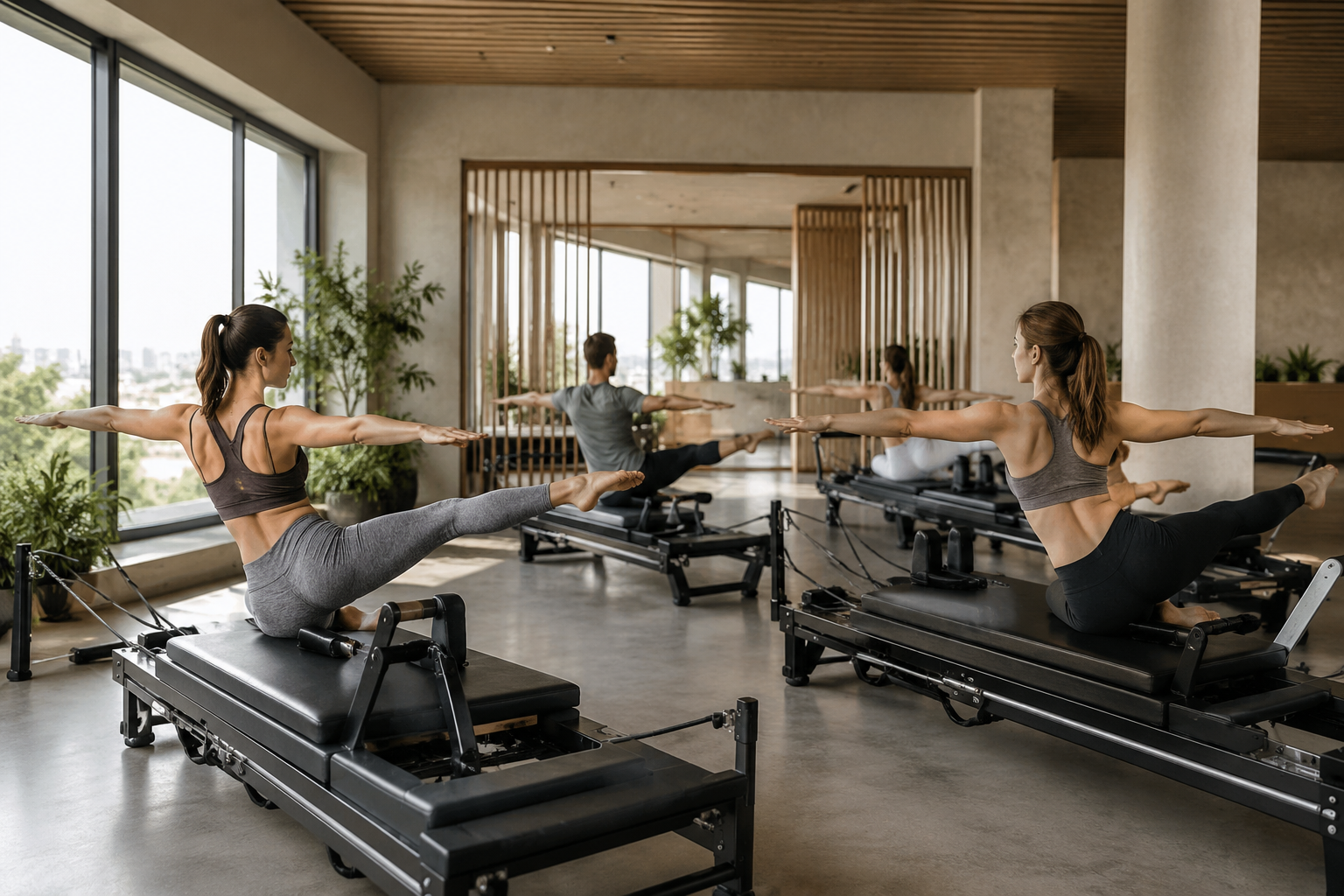
The fitness landscape in 2026 has witnessed a noticeable shift away from high-intensity, demanding workouts towards more mindful movement practices like Pilates, which prioritize the connection between the body and mind. This cultural pivot reflects a growing understanding of the importance of holistic well-being, where individuals seek activities that not only challenge their physical capabilities but also foster mental clarity and reduce stress, making Pilates an ideal choice for those pursuing sustainable fitness.
How Modern Lifestyles Increased Demand for Low-Impact Exercise
Modern lifestyles, often characterized by prolonged periods of sitting and increased screen time, have led to a greater demand for low-impact exercise options that can counteract the physical tolls of contemporary living. Pilates, with its emphasis on core strength, flexibility, and spinal alignment, offers a gentle yet effective workout that helps mitigate issues like lower back pain and poor posture, appealing to a broad clientele looking for sustainable long-term health solutions.
The Role of Social Media in the Pilates Boom
Social media platforms like TikTok and Instagram have played a pivotal role in catapulting Pilates into the mainstream, transforming it into a significant fitness trend and a lifestyle movement. Influencers and certified Pilates instructors alike share engaging content, showcasing the diverse benefits of Pilates and inspiring countless individuals to embark on their own Pilates experience, solidifying its status in 2026. This content includes:
- Captivating reformer Pilates routines
- Accessible mat Pilates workouts
What Is Pilates and How Does It Work?
Pilates is a comprehensive system of exercise that focuses on strengthening the body with an emphasis on core strength, flexibility, and body awareness, making it a unique and effective workout modality.
The Origins of Pilates and Its Core Principles
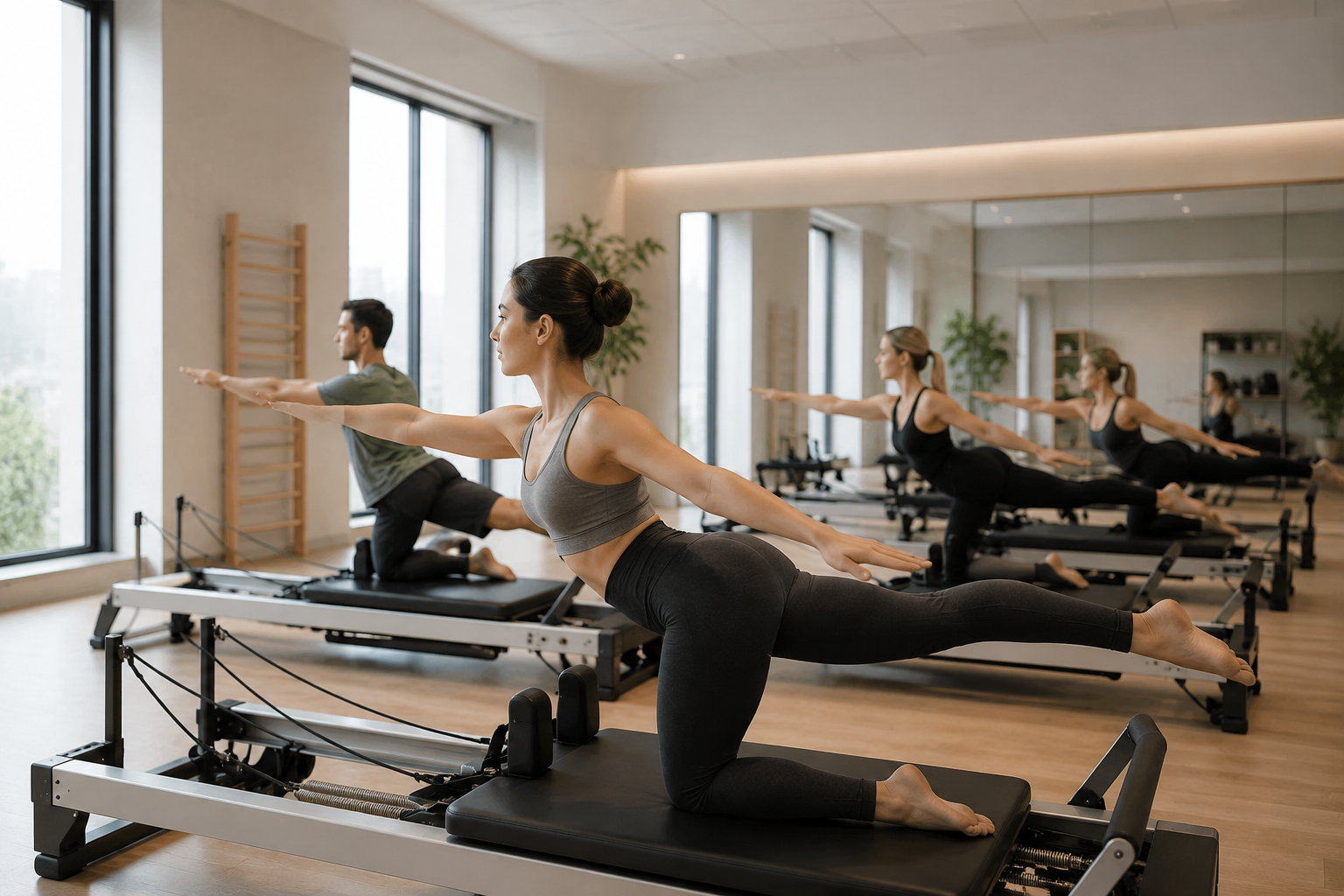
Pilates was developed in the early 20th century by Joseph Pilates, a physical trainer who sought to create a method that would unify the body and mind to improve overall well-being. His original principles remain fundamental to every Pilates class today, emphasizing a holistic approach to physical and mental health. These foundational principles include:
- Centering
- Concentration
- Control
- Precision
- Breath
- Flow
This foundational philosophy ensures that each Pilates workout is a deeply intentional and effective session.
Difference Between Mat Pilates and Reformer Pilates
While both Mat Pilates and Reformer Pilates adhere to the core principles established by Joseph Pilates, they offer distinct experiences and utilize different equipment to achieve similar fitness goals. Here’s a breakdown of their differences:
| Type of Pilates | Key Characteristics |
|---|---|
| Mat Pilates | Involves performing exercises on a mat, relying solely on body weight for resistance. It develops core strength and stability through a series of precise movements, making it accessible for home workouts or group classes. |
| Reformer Pilates | Uses a specialized reformer machine with springs and pulleys to provide adjustable resistance, allowing for a wider range of exercises that can target specific muscle groups, enhance endurance, and offer a more dynamic and personalized workout experience, appealing to different body types and fitness levels. |
How Pilates Combines Strength, Flexibility, and Control
Pilates is renowned for its unique ability to harmoniously combine strength, flexibility, and control, offering a comprehensive workout that develops a lean physique and improves functional fitness.
Each movement is executed with deliberate precision and guided by controlled breathwork, which not only builds overall strength, particularly in the core muscles, but also significantly enhances flexibility and balance. This mindful approach ensures that every exercise contributes to greater body awareness, allowing participants to energize their bodies and minds while achieving sustained muscle tone and a profound sense of physical mastery.
The Most Powerful Physical Benefits of Pilates
Pilates offers a multitude of powerful physical benefits that contribute significantly to overall well-being, enhancing everything from posture to injury prevention through its precise, low-impact movements.
Building Stronger Core Muscles and Stability
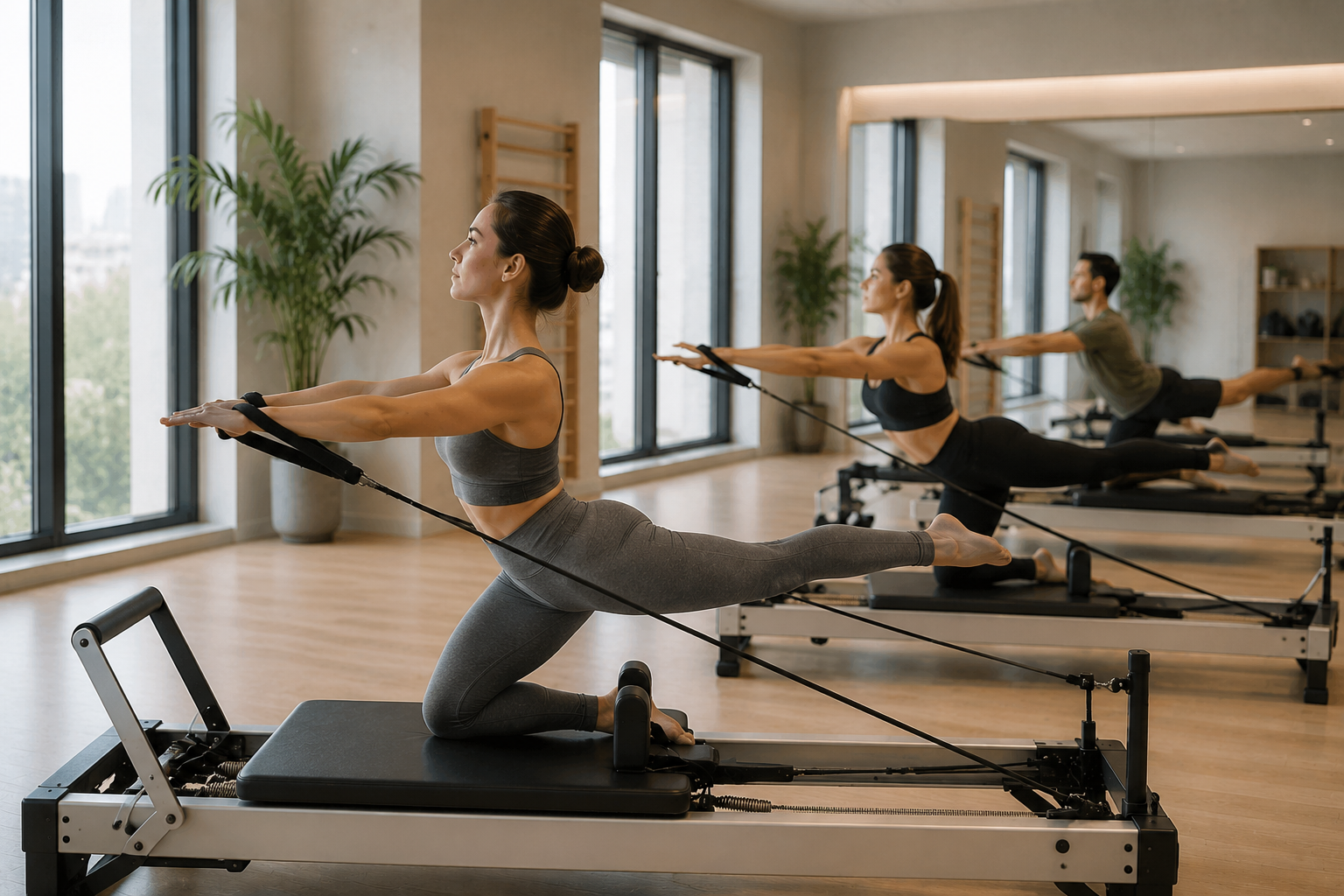
One of the most celebrated benefits of Pilates is its unparalleled ability to build stronger core muscles and enhance overall body stability. Through a consistent Pilates workout routine, individuals develop a robust powerhouse—the deep abdominal muscles, pelvic floor, and back muscles—which serves as the foundation for all movement.
This increased core strength not only improves balance and coordination but also provides crucial support for the spine, significantly reducing the incidence of lower back pain and fostering a stable, resilient body for daily activities and more strenuous physical pursuits.
Improving Posture and Spinal Alignment
Pilates places a significant emphasis on achieving optimal posture and spinal alignment, making it an incredibly effective modality for correcting imbalances and promoting a healthier skeletal structure.
Through carefully designed exercises and the guidance of a certified Pilates instructor, participants learn to lengthen their spine, engage their core muscles, and align their body segments correctly. This dedicated focus on proper alignment helps to alleviate chronic pain, particularly back pain, and cultivates an elegant, upright posture that not only looks better but also supports more efficient movement and overall physical well-being.
Increasing Flexibility and Mobility
A consistent Pilates practice is instrumental in significantly increasing both flexibility and mobility, contributing to a greater range of motion and fluid movement throughout the body. Unlike some forms of exercise that focus solely on muscle contraction, Pilates incorporates dynamic stretches and movements that elongate muscles and release tension in the joints.
This integrated approach not only helps to prevent stiffness and improve the body’s ability to move freely but also plays a crucial role in injury prevention, making everyday activities and other fitness endeavors, such as running, feel more comfortable and efficient.
Toning Muscles Without Heavy Impact
Pilates is an exceptional workout modality for toning muscles and achieving a sculpted physique without subjecting the body to heavy impact or excessive strain, making it ideal for various fitness levels and different body types. Through controlled, repetitive movements and the use of resistance from equipment like the reformer machine or body weight in mat Pilates, the practice targets deep muscle fibers, leading to long, lean muscle tone and improved endurance.
This gentle yet highly effective approach builds functional strength and muscle definition, ensuring a challenging workout that supports long-term health and prevents the wear and tear often associated with high-intensity training, making it a sustainable choice for overall strength.
Enhancing Balance, Coordination, and Body Awareness
Pilates excels at enhancing balance, coordination, and overall body awareness, fostering a profound connection between the body and mind that extends beyond the Pilates studio. The precise execution required in every Pilates exercise demands acute concentration and control, prompting individuals to become intimately aware of their body’s position in space and how different parts interact.
This heightened body awareness not only significantly improves equilibrium and coordination, crucial for preventing falls and excelling in other activities, but also strengthens the mind-body connection, cultivating a more graceful, efficient, and intentional way of moving through life.
Supporting Injury Prevention and Recovery
Pilates is widely recognized for its powerful role in supporting injury prevention and facilitating recovery, making it an invaluable component of a comprehensive wellness routine. By strengthening deep stabilizing muscles, improving flexibility, and correcting muscular imbalances, Pilates creates a more resilient and adaptable body that is less prone to injury, particularly in areas like the lower back, knees, and shoulders.
Furthermore, its low-impact nature and adaptability allow individuals to personalize their workout, making it an excellent rehabilitation tool for those recovering from injuries, as it gently rebuilds strength and mobility under the guidance of a certified Pilates instructor, promoting a safe return to full function.
The Mental and Emotional Benefits of Pilates
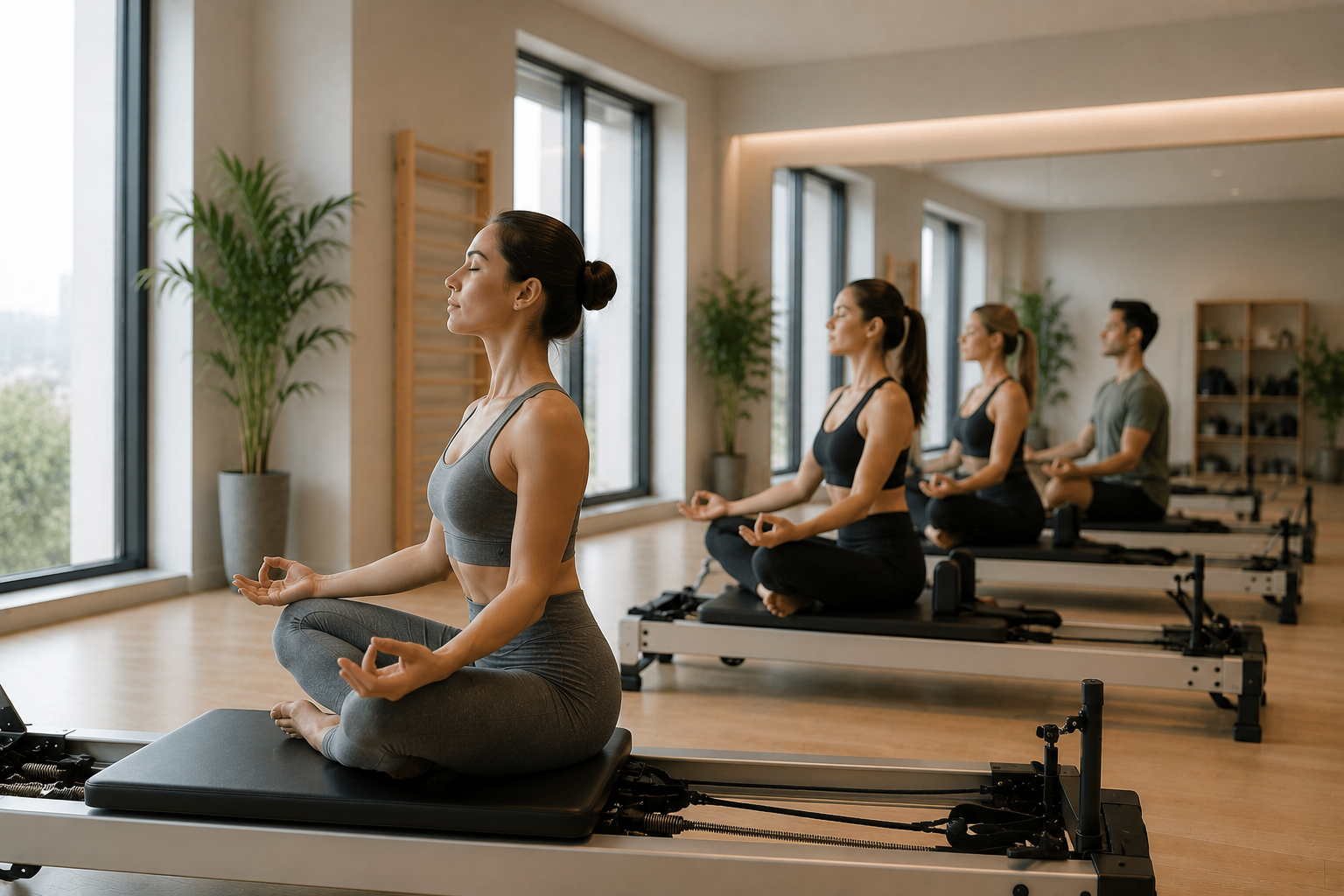
Reducing Stress Through Breath-Controlled Movement
Pilates stands out as an exceptional mindful movement practice for reducing stress, largely due to its inherent focus on controlled breathwork and the mind-body connection. In every Pilates class, participants are guided to synchronize their movements with deep, intentional breaths, which activates the parasympathetic nervous system, promoting relaxation and calming the nervous system.
This deliberate mindfulness not only alleviates mental tension but also enhances overall well-being by fostering a sense of peace and presence, effectively acting as a moving meditation that melts away the stressors of daily life in 2026.
Improving Focus and Mind-Body Connection
One of the profound mental benefits of Pilates is its capacity to significantly improve focus and strengthen the mind-body connection, a cornerstone of Joseph Pilates’ original philosophy. Each Pilates workout demands precise control and concentration, requiring individuals to be intimately aware of every muscle engagement and movement.
This intense focus cultivates heightened body awareness and enhances cognitive function, making the Pilates experience a powerful tool for developing mental clarity and fostering a deeper, more intuitive relationship between the body and mind, which is vital for long-term health.
How Pilates Supports Nervous System Regulation
Pilates is incredibly effective at supporting nervous system regulation, primarily through its emphasis on controlled breathwork and mindful movement. The low-impact nature and deliberate pace of a Pilates class encourage a shift from the “fight or flight” response of the sympathetic nervous system to the “rest and digest” state governed by the parasympathetic nervous system.
This regulation helps to reduce chronic stress, improve sleep quality, and enhance emotional balance, contributing significantly to both physical and mental health, making Pilates a holistic approach to wellness in 2026.
Boosting Mood, Energy, and Emotional Balance
A consistent Pilates practice can dramatically boost mood, elevate energy levels, and foster greater emotional balance, providing a comprehensive approach to overall well-being. The release of endorphins during a Pilates workout, combined with the focus on breath and movement, acts as a powerful antidote to feelings of anxiety and depression.
Regular participation in a Pilates class helps energize the body and mind, leading to improved mental clarity and resilience, solidifying its reputation as a transformative fitness trend that supports a healthier emotional landscape for its diverse clientele.
Why Pilates Is Perfect for Modern Lifestyles
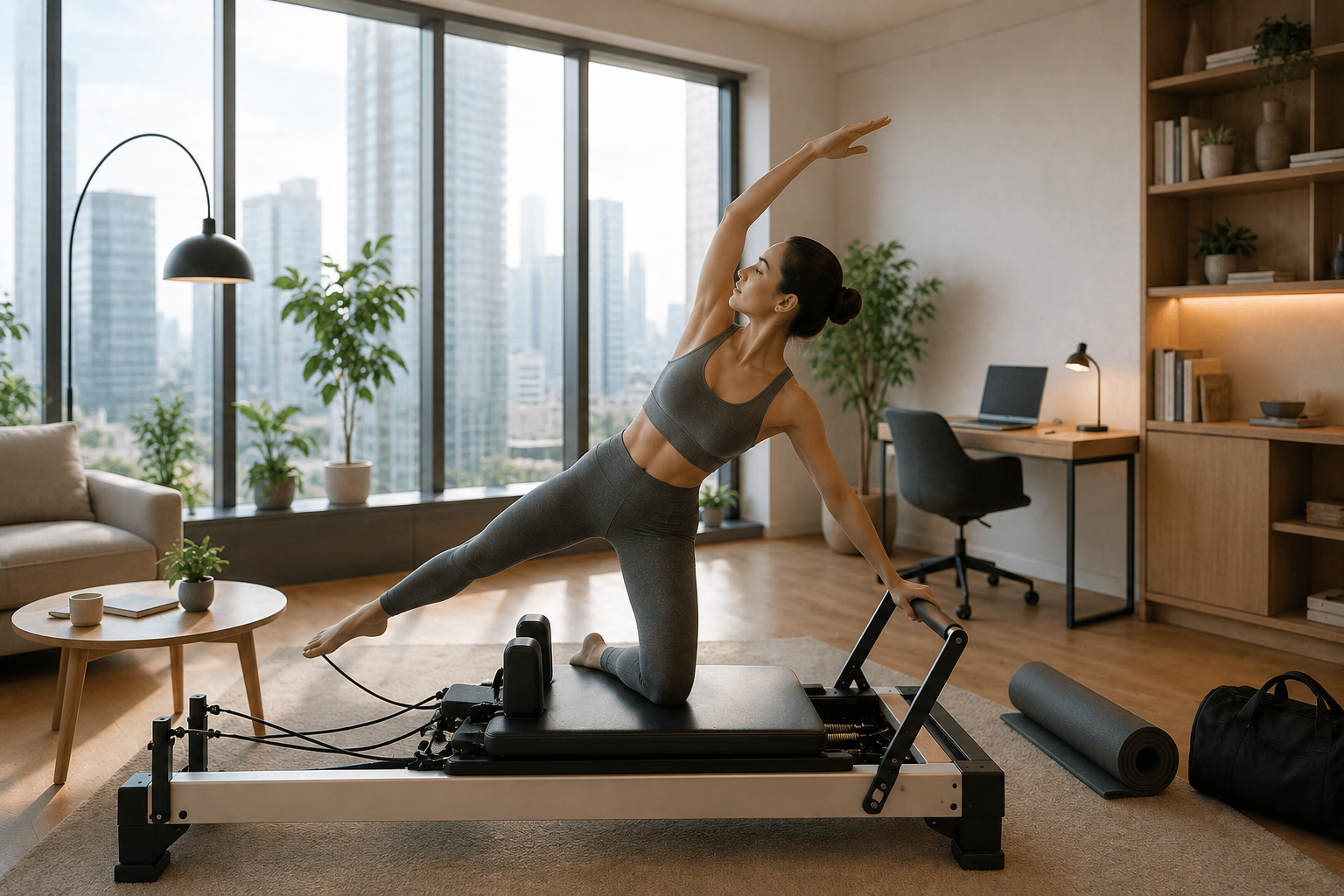
Helping Office Workers Reverse Poor Posture
For office workers battling the pervasive issue of poor posture, Pilates offers a tailored and highly effective solution. The sustained periods of sitting often lead to rounded shoulders, a hunched back, and lower back pain, but a regular Pilates class can directly counteract these effects.
By specifically targeting core strength, spinal alignment, and flexibility, Pilates helps to strengthen the postural muscles, lengthen the spine, and open up the chest, reversing the adverse impacts of desk work and promoting an upright, pain-free posture that enhances overall well-being and functional fitness.
Supporting Recovery From Screen-Time Fatigue
In 2026, as screen-time fatigue becomes an increasingly common complaint, Pilates provides an ideal antidote, supporting recovery through its mindful and restorative practices. Prolonged engagement with digital devices often leads to neck strain, eye fatigue, and mental exhaustion, but the low-impact, breath-focused movements of a Pilates workout can alleviate these symptoms.
The emphasis on body awareness and gentle stretching helps release tension, calm the nervous system, and improve circulation, offering a refreshing and energizing escape that rejuvenates both the body and mind, proving its adaptability.
Why Busy People Prefer Sustainable Workouts
Busy individuals in 2026 are increasingly gravitating towards sustainable workouts like Pilates, recognizing the long-term health benefits over short-term, high-intensity exertion. Pilates offers a holistic approach that builds muscle tone, improves core strength, and enhances flexibility without the risk of burnout or injury often associated with more strenuous activities.
Its ability to personalize workouts and adapt to different body types and fitness levels means that even with limited time, a daily Pilates routine or a few group classes can provide significant returns on overall strength, making it an efficient and enduring choice for enduring wellness.
Why Celebrities, Athletes, and Influencers Love Pilates
Pilates for Athletic Performance and Mobility
Pilates has become an indispensable training modality for athletes and individuals seeking enhanced athletic performance and mobility, lauded for its ability to build foundational strength and prevent injuries. By focusing on core strength, flexibility and balance, a Pilates workout can significantly improve an athlete’s power, agility, and range of motion, which is crucial for activities like running, swimming, and various sports.
This targeted approach to functional fitness ensures that the body moves more efficiently and effectively, reducing the risk of strain and allowing athletes to push their limits while maintaining peak physical condition for long-term health.
The Rise of Pilates in Celebrity Wellness Culture
The rise of Pilates in celebrity wellness culture in 2026 has been nothing short of phenomenal, with countless public figures endorsing its transformative benefits for both physical and mental health. Celebrities are frequently seen attending reformer Pilates classes or sharing their mat Pilates routines on social media, showcasing how it helps them maintain a lean physique, manage stress, and achieve overall well-being.
This high-profile adoption has significantly boosted Pilates’ status as a premier fitness trend, attracting a diverse clientele and solidifying its position as a cornerstone of modern luxury wellness.
TikTok and Instagram “Pilates Lifestyle” Trends
TikTok and Instagram have undeniably fueled the “Pilates Lifestyle” trends, transforming the practice into a viral fitness phenomenon and a celebrated aesthetic in 2026. Influencers and certified Pilates instructors consistently share engaging content, from aesthetically pleasing reformer workouts to quick mat-based challenges, inspiring millions to try a Pilates class.
The visual appeal of the movements, combined with testimonials about improved muscle tone, core strength, and mental clarity, has created a vibrant online community that makes Pilates not just a workout, but a daily lifestyle choice embraced by a global audience.
Different Types of Pilates People Are Trying in 2026
Reformer Pilates Classes
Reformer Pilates classes continue to be immensely popular in 2026, offering a dynamic and challenging workout experience that leverages the specialized reformer machine. This equipment, designed by Joseph Pilates, utilizes springs and pulleys to provide adjustable resistance, allowing for a diverse range of exercises that target core strength, endurance, and flexibility.
Participants in a reformer class benefit from personalized adjustments, deeper muscle engagement, and the opportunity to achieve significant improvements in muscle tone, body alignment, and overall strength, making it a sought-after modality for a wide clientele seeking comprehensive fitness goals.
Hot Pilates and Heated Studio Workouts
A growing Pilates trend in 2026 is the emergence of Hot Pilates and heated studio workouts, which combine traditional Pilates principles with the benefits of a warm environment. Performing a Pilates workout in a heated room (often similar to hot yoga temperatures) can enhance flexibility, increase circulation, and promote deeper detoxification through sweating.
This invigorating twist on the classic Pilates experience offers an intensified challenge that helps energize the body, improve muscle pliability, and further reduce stress, appealing to those looking to amplify the physical and mental health benefits of their mat-based or reformer practice.
Pilates Fusion Classes (Yoga, Strength, Cardio Blends)
Pilates fusion classes are becoming incredibly popular in 2026, reflecting a desire for diverse and efficient workouts that blend the core principles of Pilates with other fitness modalities. These innovative group classes often combine Pilates with elements of yoga for increased flexibility and mindfulness, strength training for enhanced muscle tone, or cardio for an elevated heart rate and improved endurance.
Such blends offer a holistic approach to fitness, allowing participants to achieve multiple fitness goals simultaneously and personalize their workout experience, catering to different body types and ensuring a comprehensive workout for overall well-being.
At-Home Virtual Pilates Programs
The accessibility and convenience of at-home virtual Pilates programs have made them a cornerstone of the fitness landscape in 2026, enabling individuals to engage in a Pilates workout from anywhere. Fueled by online platforms and the rise of digital wellness, these programs offer a wide range of mat-based classes, guided by certified Pilates instructors, that require minimal or no equipment.
This allows a diverse clientele to prioritize their long-term health, enjoy the benefits of Pilates, including core strength, flexibility, and body awareness, on their own schedule, reinforcing Pilates’ status as an adaptable and inclusive fitness trend.
Common Myths About Pilates Explained
“Pilates Is Only for Women”
One prevalent myth surrounding Pilates is the misconception that it is exclusively a workout for women, a notion that could not be further from the truth in 2026. Joseph Pilates himself designed the method to benefit all body types and fitness levels, initially using it to train male soldiers and athletes.
Many high-performing athletes and men of all ages now regularly incorporate Pilates into their training routines, recognizing its profound benefits for core strength, flexibility and balance, and overall well-being. This low-impact, yet highly effective modality provides a challenging workout that enhances functional fitness and supports long-term health for everyone.
“Pilates Is Too Easy to Be Effective”
Another common misconception is that Pilates is too easy to be truly effective, particularly when compared to high-intensity gym workouts or weightlifting. However, anyone who has participated in a proper Pilates class, especially reformer Pilates, quickly discovers its profound challenge.
The emphasis on precise control, breathwork, and deep core strength means even seemingly simple exercises can be incredibly demanding, building significant muscle tone and endurance without heavy impact. Pilates offers a nuanced and comprehensive workout that dramatically improves strength and flexibility, proving its efficacy for all fitness goals.
“You Need Expensive Equipment to Start”
Many aspiring practitioners believe that starting Pilates requires expensive equipment like a reformer machine, deterring them from beginning their journey. While a Pilates studio with reformers offers a unique experience, a significant portion of Pilates, known as mat Pilates, requires only a mat and your own body weight.
This accessibility makes it a versatile fitness trend that can be practiced at home through online platforms and virtual programs, or in group classes. While equipment can enhance the workout, it is not a prerequisite to reap the numerous benefits of Pilates, including improved core strength and body awareness.
How Beginners Can Start Pilates Successfully
Choosing the Right Pilates Style for Your Goals
For beginners looking to embark on their Pilates journey, choosing the right style is crucial for achieving specific fitness goals and ensuring a positive Pilates experience. If you’re seeking to build foundational core strength and flexibility without equipment, mat Pilates is an excellent starting point, often available through online platforms or local group classes.
For those desiring more resistance, personalized attention, and a dynamic workout that targets diverse muscle groups, reformer Pilates at a dedicated Pilates studio might be ideal. Consider your current fitness level, preferences, and what you aim to gain from your Pilates workout to personalize your approach.
Essential Beginner Exercises and Equipment
Starting Pilates successfully as a beginner involves familiarizing yourself with essential mat-based exercises and minimal equipment, ensuring a solid foundation for your practice. Fundamental movements like “The Hundred,” “Roll-Up,” “Single Leg Stretch,” and “Criss-Cross” are excellent for developing core strength, breathwork, and body awareness.
For equipment, a comfortable mat is truly all you need to begin, making Pilates highly accessible and low-impact. As you progress, you might explore resistance bands or small stability balls to deepen your mat work, gradually enhancing your overall strength and flexibility.
How Often You Should Practice Pilates
Consistency is key to unlocking the full spectrum of benefits of Pilates, making the frequency of your practice a crucial factor for long-term health and achieving fitness goals. For beginners, aiming for two to three Pilates classes per week, whether mat-based or reformer Pilates, is an excellent starting point to build muscle memory, core strength, and body awareness.
This regular engagement allows your body to adapt, improve endurance, and solidify the mindful movement principles. As you progress, you might increase your daily Pilates sessions or integrate it with other activities like running, always listening to your body to ensure balanced recovery and prevent overtraining.
Common Mistakes People Make With Pilates
Focusing on Speed Instead of Control
A common mistake people make in Pilates, particularly beginners, is prioritizing speed over the meticulous control that defines the modality. Joseph Pilates emphasized precision and deliberate movement, not rushed repetitions.
Executing exercises too quickly diminishes the engagement of deep core muscles, compromises proper form, and reduces the overall effectiveness of the workout, hindering the development of true strength and flexibility. To truly energize your body and mind, focus on slow, controlled movements, allowing each breathwork-guided motion to be intentional, which maximizes the benefits of Pilates for long-term health.
Ignoring Proper Breathing Techniques
Ignoring proper breathing techniques is another significant error that can undermine the effectiveness of a Pilates workout and limit its profound benefits for physical and mental health. Breathwork is a cornerstone of the Pilates method, guiding movement, engaging the core, and promoting nervous system regulation.
When participants hold their breath or breathe shallowly, they miss out on the crucial support for core strength, reduce oxygen flow to muscles, and fail to harness the stress-reducing power of mindful movement. A certified Pilates instructor will always emphasize coordinated breathing to enhance the entire Pilates experience and achieve better muscle tone.
Overtraining Without Recovery or Mobility Balance
A common mistake, even among enthusiastic practitioners, is overtraining without adequate recovery or a balanced approach to mobility, despite Pilates being a low-impact exercise. While a consistent daily Pilates routine offers numerous benefits, pushing too hard without allowing muscles to recover can lead to fatigue, plateaus, or even injury, especially when neglecting other aspects of functional fitness.
It’s crucial to listen to your body, incorporate rest days, and perhaps blend Pilates with other activities like running or gentle stretching to maintain flexibility and balance, ensuring a sustainable and effective long-term health strategy in 2026.
The Future of Pilates Beyond 2026
AI-Powered Virtual Pilates Coaching
Beyond 2026, the future of Pilates is poised for groundbreaking innovation with the advent of AI-powered virtual Pilates coaching, revolutionizing how individuals engage with this mindful movement practice.
These intelligent online platforms will offer highly personalized Pilates workout plans, real-time form correction, and adaptive progression based on an individual’s unique fitness level and specific fitness goals. By leveraging artificial intelligence, participants will receive immediate feedback on their breathwork and control, effectively bringing the expertise of a certified Pilates instructor into their homes, making the benefits of Pilates even more accessible and tailored for a diverse clientele.
Smart Fitness Mirrors and Home Wellness Tech
The integration of smart fitness mirrors and advanced home wellness tech is set to redefine the Pilates experience beyond 2026, making high-quality instruction more immersive and convenient than ever. These sophisticated devices will project virtual Pilates instructors directly into your living space, offering a wide array of mat-based and reformer Pilates classes.
Users will benefit from on-screen guidance, performance tracking, and even biofeedback to optimize their core strength, flexibility, and body awareness. This trend in digital wellness ensures that individuals can pursue their long-term health goals with cutting-edge support, solidifying Pilates’ role as a premier fitness trend.
Why Pilates Is Becoming a Long-Term Lifestyle Movement
Pilates is rapidly evolving beyond a mere fitness trend to become a long-term lifestyle movement, fundamentally reshaping how people approach their physical and mental health. Its holistic approach, emphasizing core strength, flexibility, and mind-body connection, aligns perfectly with the growing desire for sustainable wellness in 2026 and beyond.
Unlike high-intensity workouts that can lead to burnout, Pilates offers adaptability, inclusivity for different body types, and profound benefits like reduced back pain and improved posture, making it a sustainable practice for all ages and fitness levels. This commitment to overall well-being ensures its enduring appeal and widespread adoption.
Final Thoughts: Why Pilates Is More Than Just a Fitness Trend
In conclusion, Pilates in 2026 is unequivocally more than just a fleeting fitness trend; it has cemented its position as a transformative lifestyle movement. From its origins with Joseph Pilates to its widespread adoption through online platforms and the influence of TikTok, the benefits of Pilates, including enhanced core strength, unparalleled flexibility and balance, and profound mental wellness, resonate deeply with individuals seeking sustainable, long-term health. Its adaptability, inclusivity for different body types, and emphasis on mindful movement make it an indispensable modality for physical and mental health, promising to energize bodies and minds for years to come.