


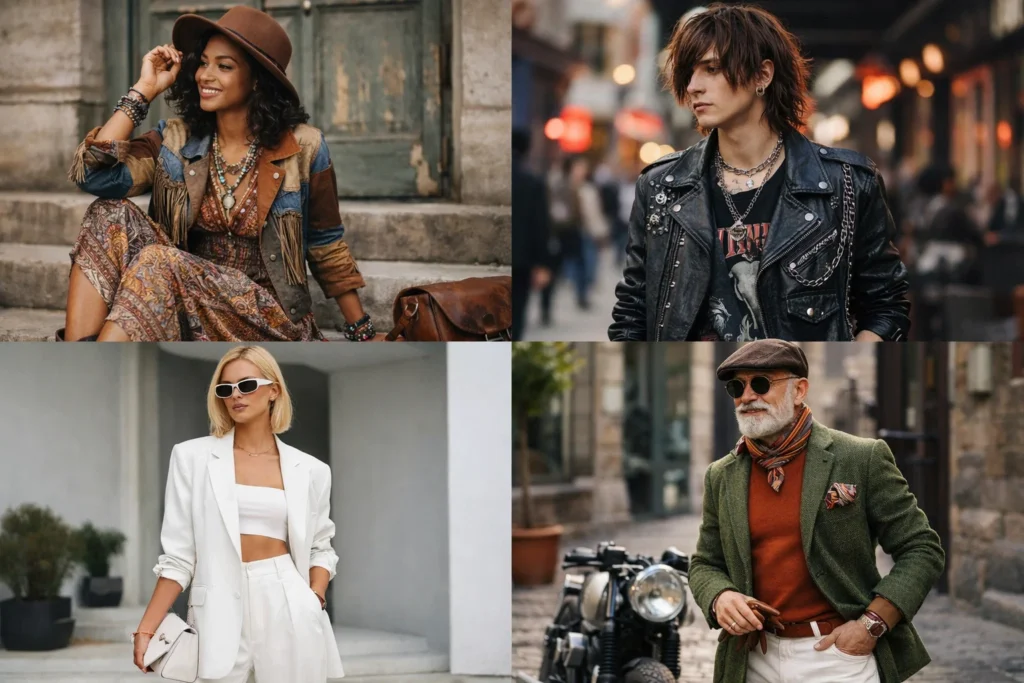
In 2026, the fashion landscape is undergoing a seismic shift. Consumers are increasingly turning away from the fleeting allure of fast fashion trends and embracing personalization and individuality. This article explores the drivers behind this transformation, highlighting how personal style is reshaping the fashion industry.
The Shift from Mass Trends to Personal Expression

How Fast Trends Have Lost Their Appeal
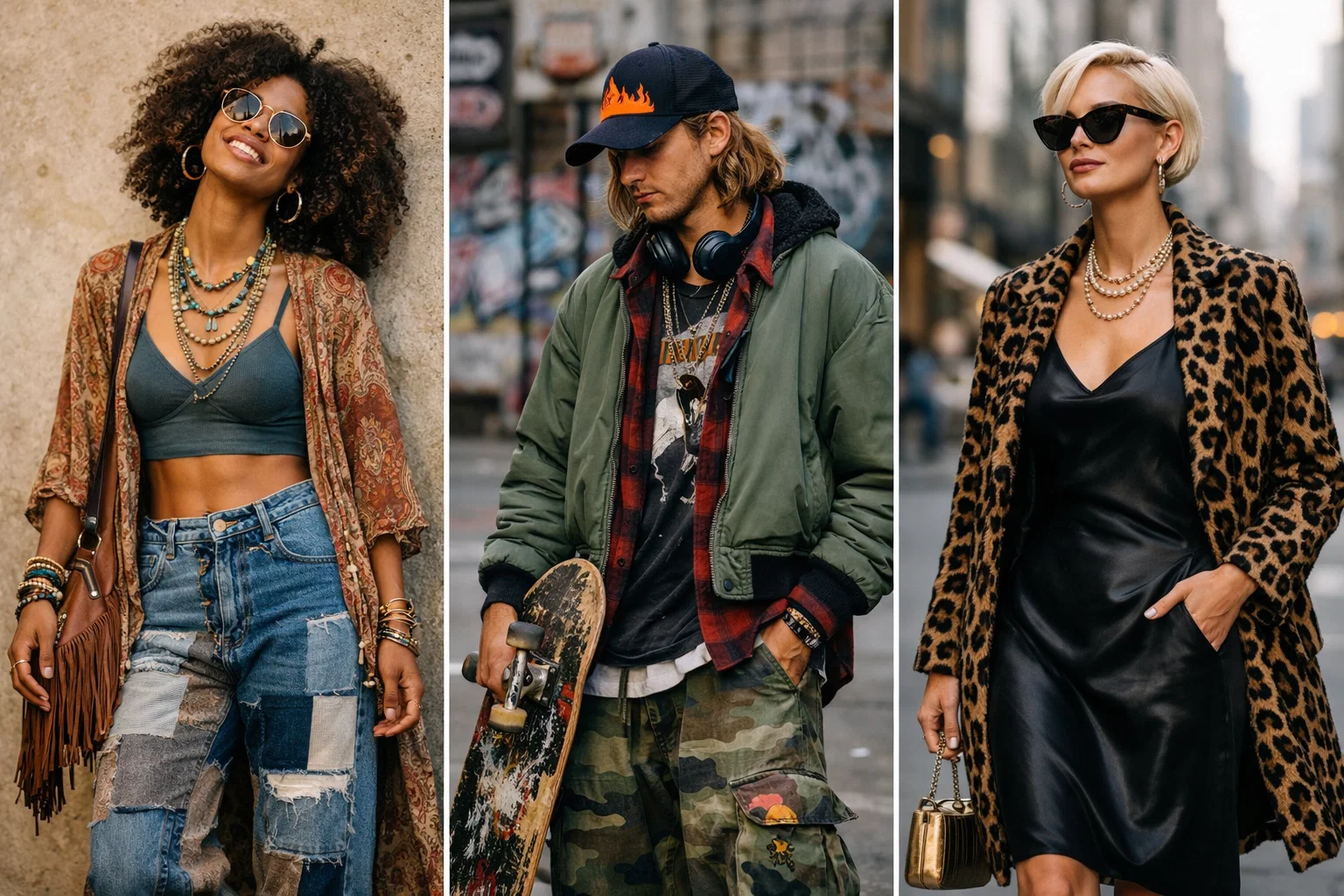
The relentless trend cycle of fast fashion, driven by digital platforms and influencer culture, has led to consumer fatigue. Shoppers are tired of the constant turnover of garment styles and the feeling of sameness that mass trend adoption promotes, fueling the churn rate within wardrobe choices.
Why Personalization Resonates with Modern Consumers
Personalization offers a refreshing alternative. It allows consumers, especially Gen Z and Millennials, to express their unique personal identity and values. Personal style, facilitated by AI and fashion-tech, empowers individuals to curate their own look, moving beyond the rise and fall of microtrends.
Understanding Personalized Style
Definition and Core Principles
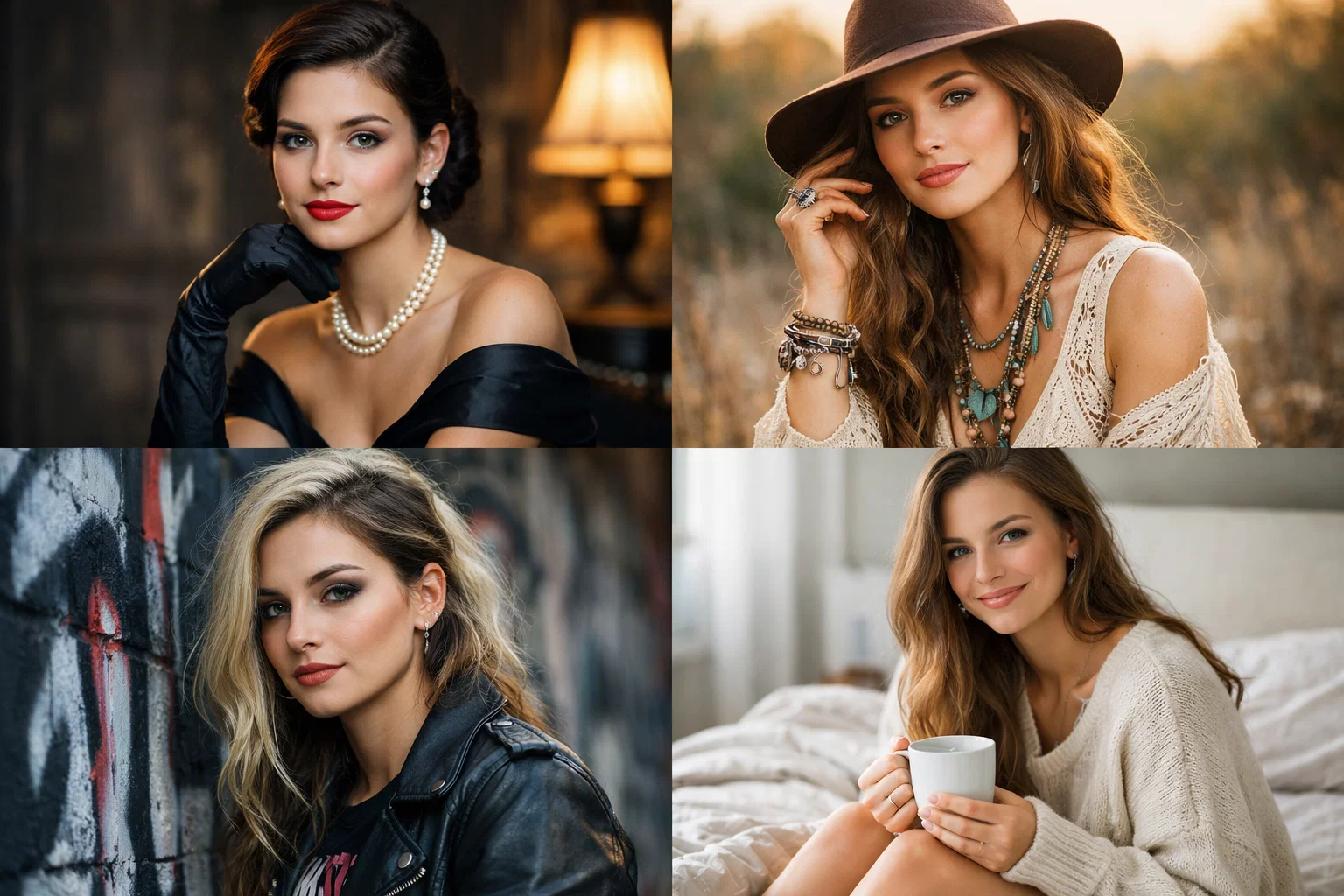
Personal style is about expressing individuality through fashion personalization, moving beyond mere trend following. It involves selecting clothes and accessories that reflect one’s unique body type, values, and preferences. The core principle of this approach is self-expression rather than conformity.
Difference Between Trend-Following and Individual Style
While trend-following focuses on adopting the latest runway looks, personal style is about creating a unique wardrobe that resonates with one’s inner self. Trend adoption emphasizes virality, whereas personal style emphasizes lasting value and emotional connection, avoiding the trap of micro-trends.
How Personalized Style Reflects Identity and Values
Personal style becomes a powerful extension of one’s personal identity and values. Consumers can express their passions, beliefs, and aspirations through carefully chosen garment pieces. Embroidery and other forms of customization further enhance the ability to communicate individuality through clothing.
Psychological Drivers Behind the Trend
Self-Expression and Authenticity
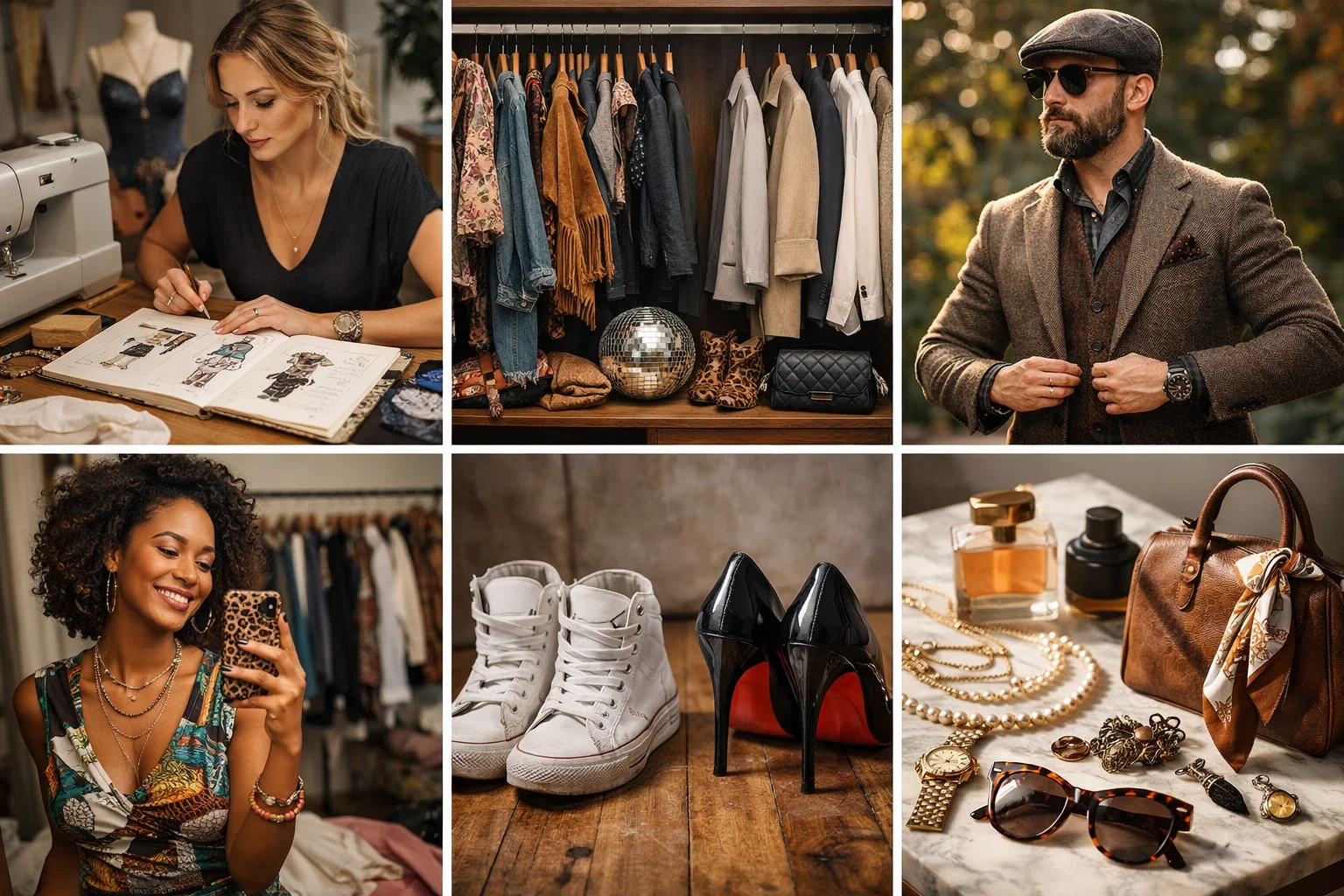
The shift towards personal style is deeply rooted in the desire for self-expression and authenticity. Consumers seek to showcase their unique selves and reject the pressure to conform to transient fashion trends. This drive toward individuality is amplified by digital platforms.
Confidence, Emotional Attachment, and Identity
Personal style fosters confidence as individuals embrace their unique body type and preferences. By investing in pieces that resonate with their values, consumers develop an emotional attachment to their wardrobe, strengthening their sense of personal identity and self-worth.
Mindful Consumption and Decision-Making
Personalization promotes mindful consumption by encouraging shoppers to invest in items that truly reflect their personal style and values. This contrasts with the impulsive nature of fast fashion, where purchases are driven by fleeting fashion trends and the fear of missing out on the next trend.
Sustainability and Ethical Fashion
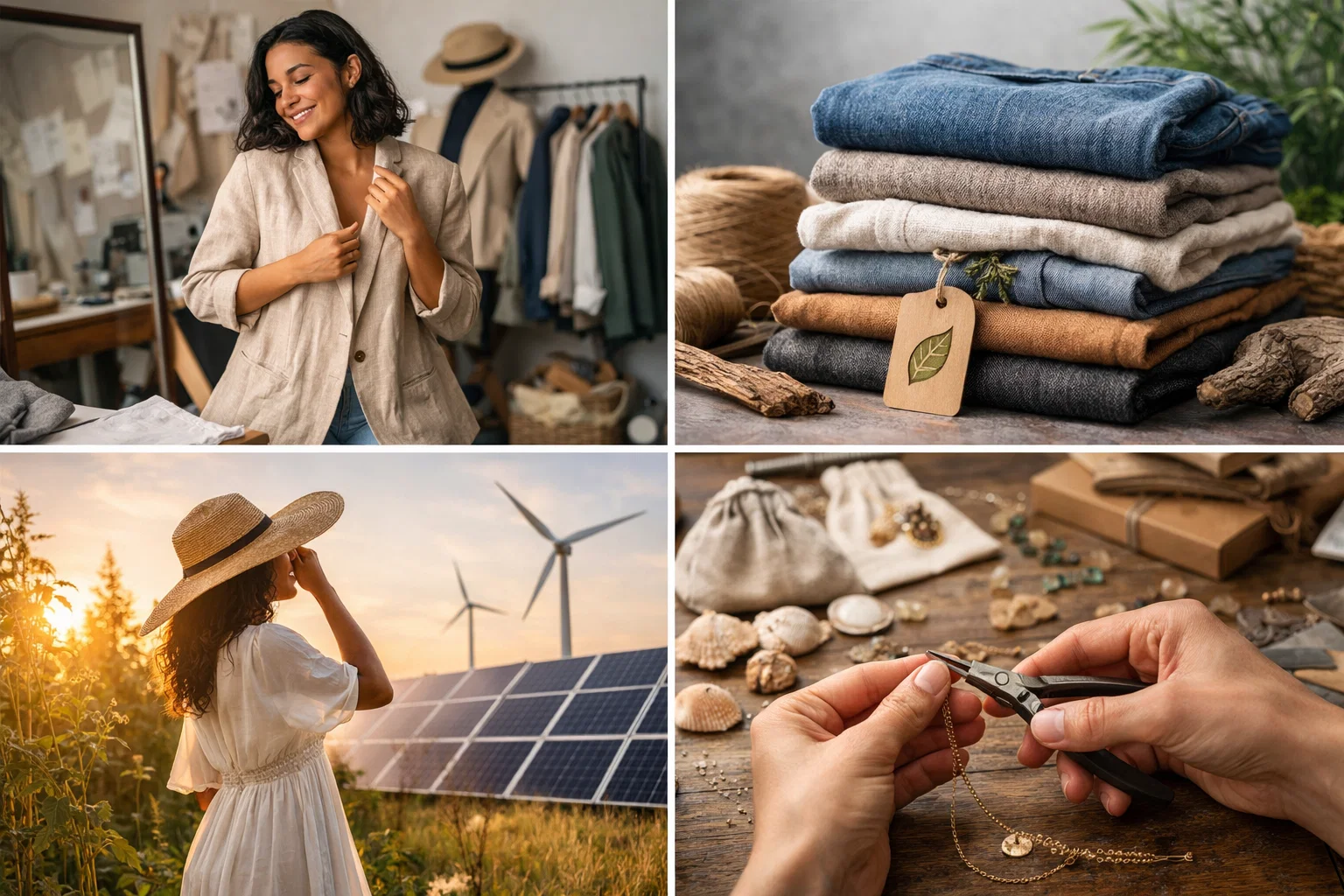
Personalized Style as an Alternative to Fast Fashion
Personal style presents a sustainable alternative to fast fashion. By focusing on quality and timeless design, it reduces the demand for cheap, disposable garment items, which often contribute to environmental damage and unethical labor practices. It helps reshape the industry.
Conscious Consumption and Eco-Friendly Choices
Personalization encourages conscious consumption and the adoption of eco-friendly practices. Consumers are more likely to choose fashion brands that prioritize sustainability and ethical production, reducing their environmental footprint. Resale and tailor options become more prominent.
Longevity, Quality, and Emotional Investment in Pieces
By focusing on longevity and quality, personal style fosters an emotional investment in garment pieces. When individuals select clothing that reflects their unique personal identity, they are more likely to care for it and cherish it for years to come, rejecting the churn of fast fashion.
Technology Enabling Personalization
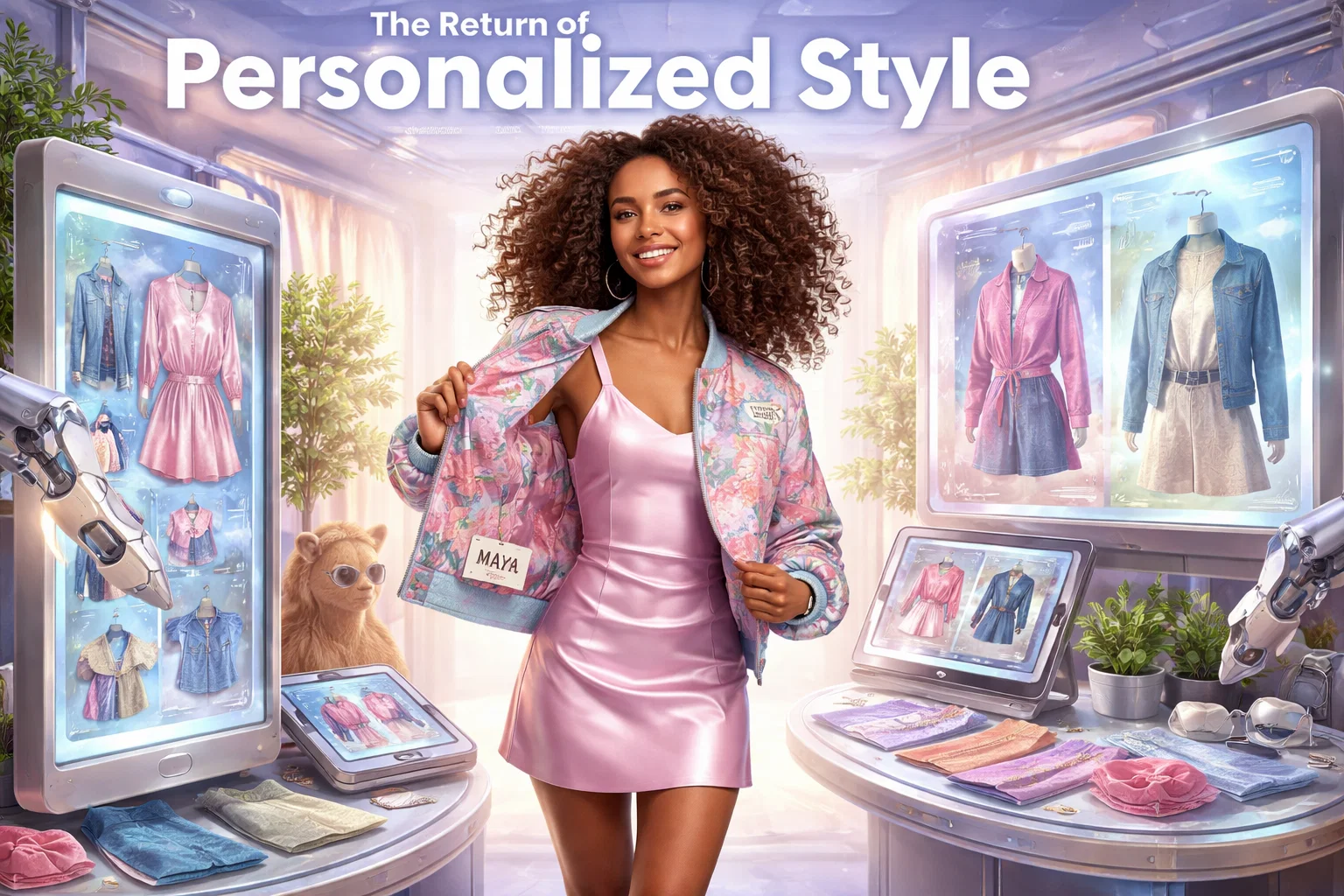
AI Styling Tools and Virtual Try-Ons
In 2026, AI styling tools are revolutionizing how consumers discover their personal style. Virtual try-ons, powered by sophisticated algorithms, allow shoppers to experiment with different garment combinations and fashion trends from the comfort of their homes. This transforms the shopping experience.
Custom Clothing, Accessories, and Home Décor
Customization is no longer a luxury but a standard expectation. Fashion brands and retailers offer consumers unprecedented control over design, allowing them to create clothing and accessories tailored to their unique body type and personal style. This extends to home décor too, making spaces truly personal and individual.
Smart Recommendations and Data-Driven Personalization
AI and machine learning algorithms analyze consumer data to provide smart recommendations. These recommendations, based on past purchases, browsing history, and personal style preferences, enable retailers to offer highly personalized shopping experiences, avoiding the sameness of mass-market trend adoption.
Cultural and Social Influences
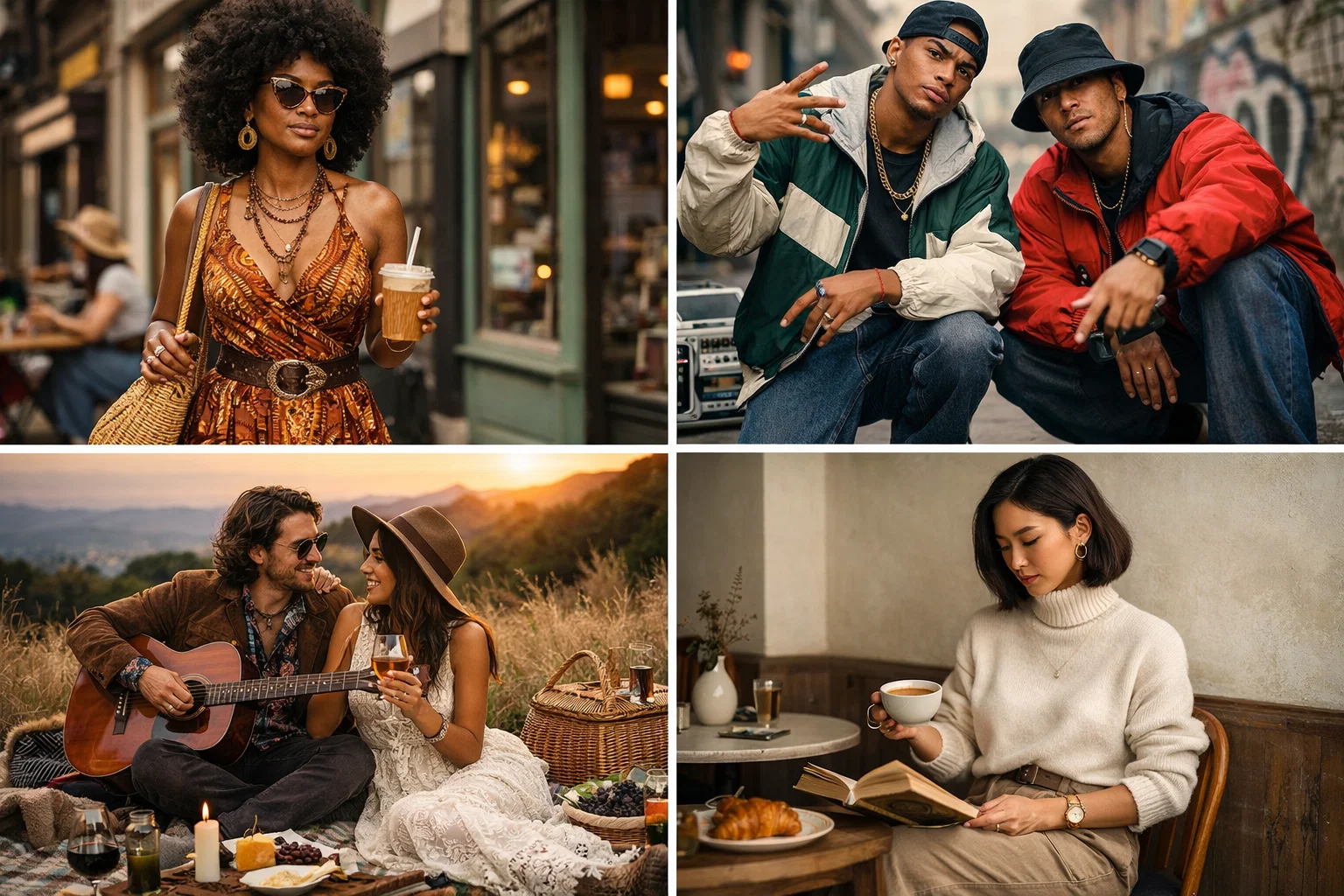
Social Media and the Rise of Individualized Aesthetics
Digital platforms like TikTok and Pinterest play a pivotal role in promoting individuality. Rather than pushing global fashion trends, these platforms allow users to create and share their niche aesthetics, fostering a culture of self-expression and diverse personal style explorations.
Micro-Influencers vs. Mass Influencers
The influence of mass influencers who promote broad fashion trends is waning, giving way to micro-influencers who champion personal style and authenticity. These niche content creators offer relatable inspiration, encouraging consumers to curate their own looks rather than blindly following fleeting fashion trends.
Cultural Shifts Toward Authenticity and Experience
A broader cultural shift towards authenticity and valuing experiences over possessions is driving the personalization movement. Consumers, especially Gen Z and Millennials, seek garment items and experiences that resonate with their personal identity and values, rejecting the superficiality of fast fashion virality.
Fashion and Lifestyle Applications
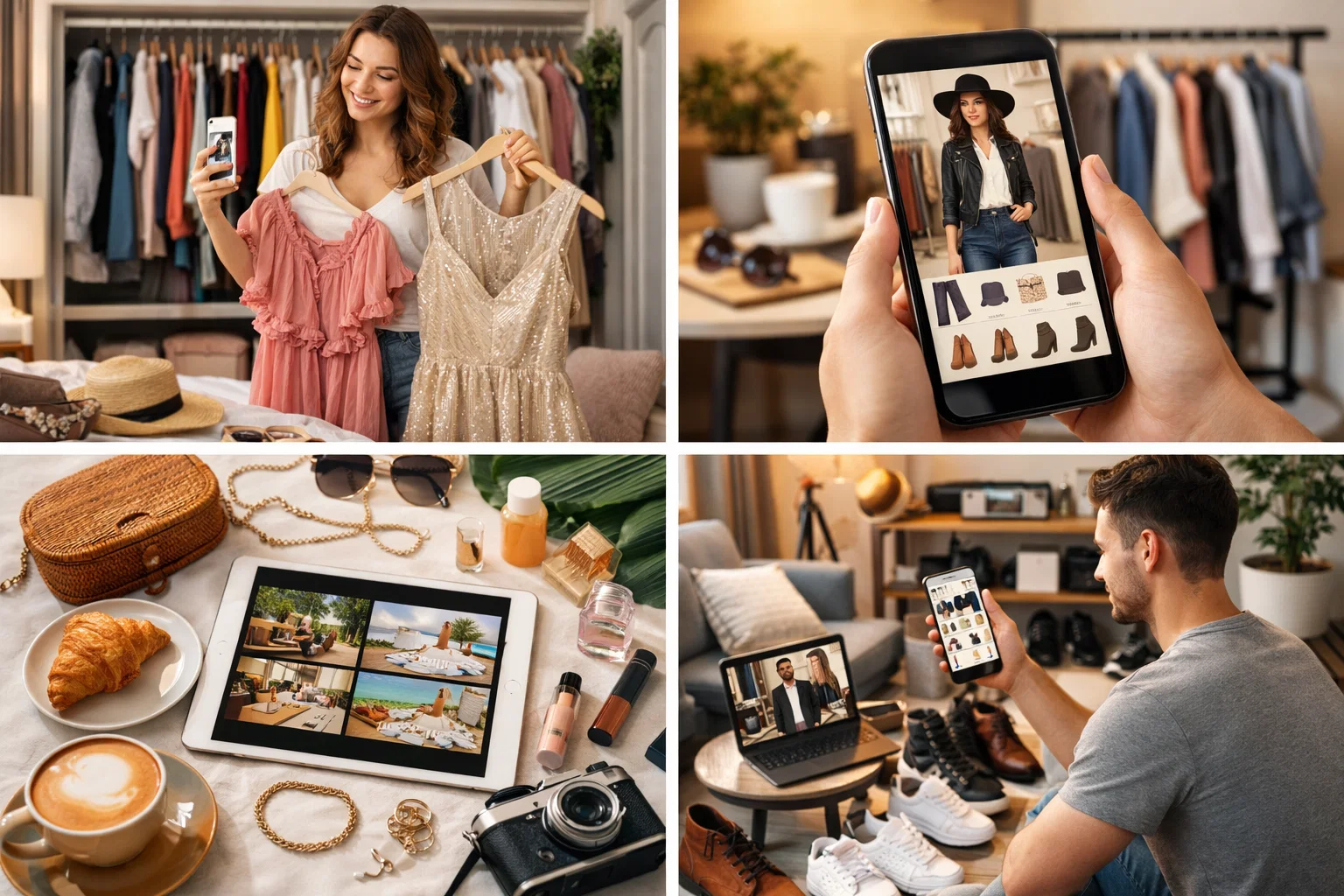
Wardrobe Personalization: Mix-and-Match, Custom Pieces
Wardrobe personalization is taken to new heights with AI-powered closet organization tools and custom designed pieces. Consumers can effortlessly mix and match garment items, experiment with different styles, and integrate customization options like embroidery and tailor services to reflect personal style.
Home and Interior Design: Personalized Spaces Over Trendy Templates
In 2026, homes reflect the individuality of their inhabitants rather than adhering to trendy templates. Consumers focus on creating personalized spaces that showcase their unique tastes and passions. This involves incorporating custom furniture, artwork, and décor items that resonate with their personal identity.
Accessories, Beauty, and Personal Branding
Accessories, beauty products, and personal branding initiatives become extensions of personal style. Consumers use these elements to communicate their individuality and values. From custom jewelry to personalized skincare routines, every detail is carefully chosen to reflect their unique personal identity and style.
Economic and Consumer Behavior Impacts
How Brands Are Responding to Demand for Customization
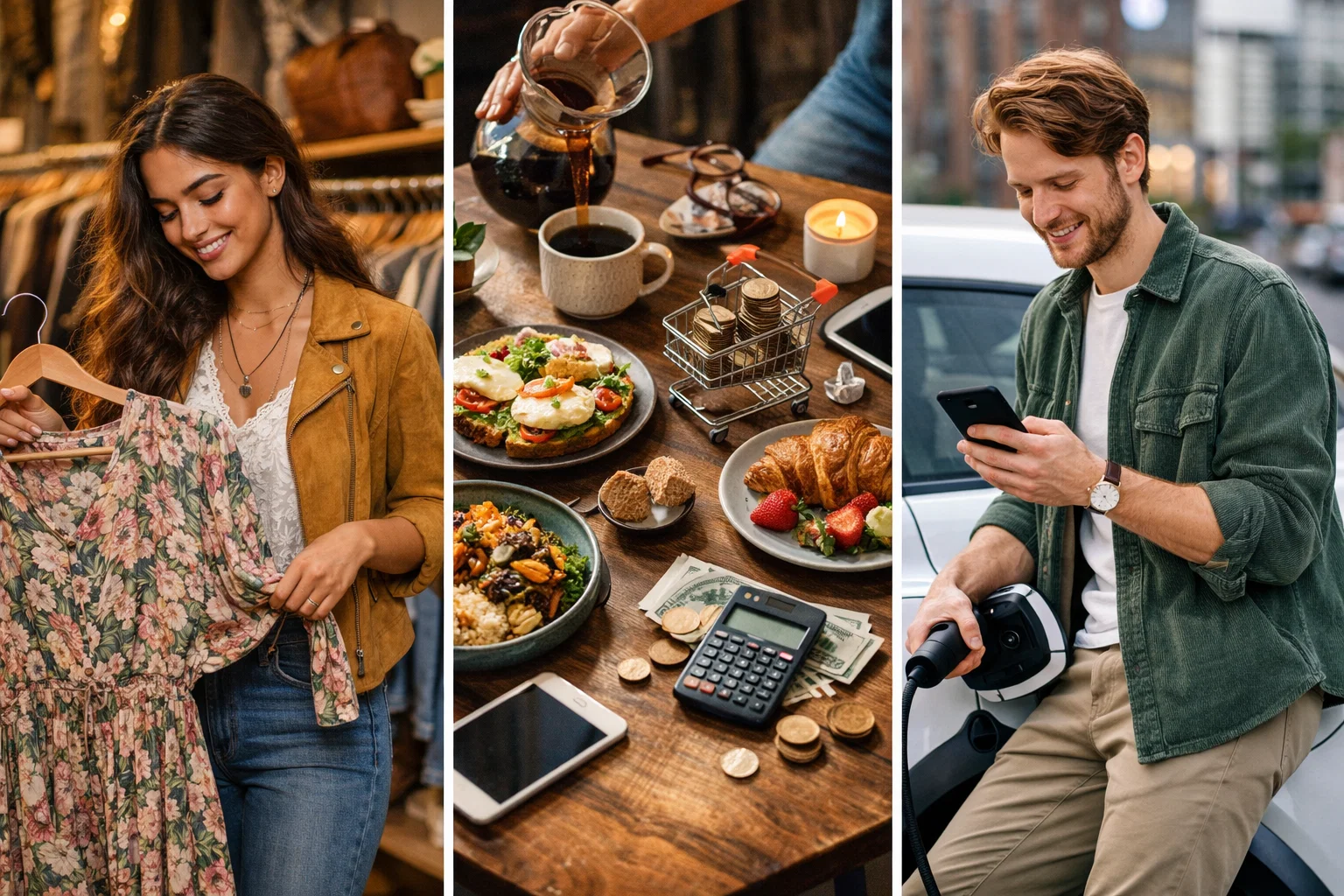
Fashion brands are adapting to the demand for customization by offering personalized services. These include made-to-order clothing, AI-powered styling consultations, and garment personalization options. Retailers invest in technology to enhance the shopper experience and cater to individual preferences and body type.
Building Loyalty Through Personalization
Personalization fosters stronger consumer loyalty. By offering personalized experiences and products, fashion brands create an emotional connection with shoppers, leading to increased customer satisfaction and repeat purchases. This personalization strategy focuses on long-term engagement rather than short-term trend adoption.
The Shift from Impulse Purchases to Thoughtful Buying
The emphasis on personal style drives a shift away from impulse purchases towards thoughtful buying. Consumers prioritize quality, longevity, and emotional attachment over fleeting fashion trends. This mindful consumption reduces turnover of clothing and encourages personal style investments that align with personal identity.
Practical Tips for Embracing Personalized Style
Discovering Your Unique Style Identity
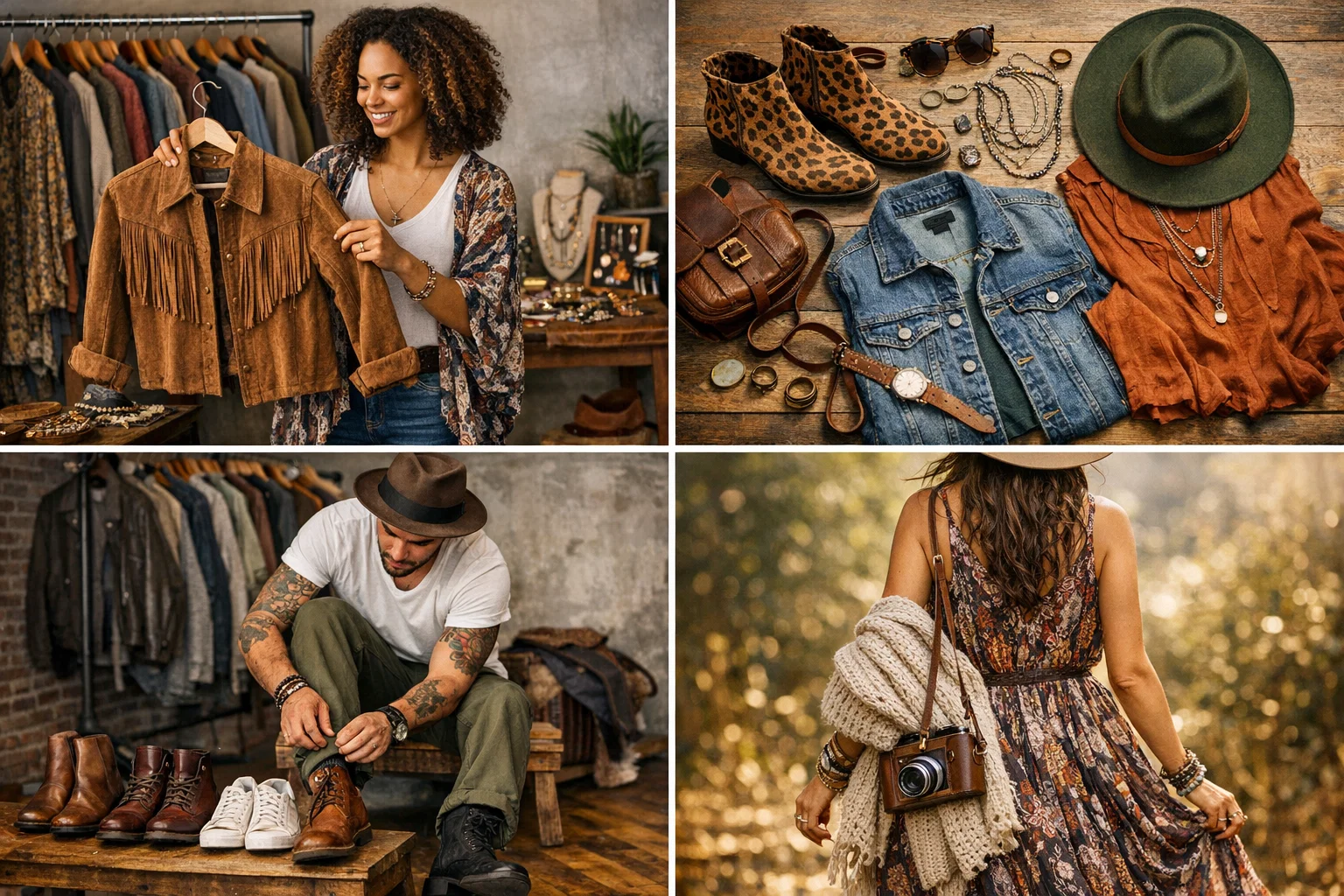
Begin your personalization journey by understanding your personal style identity. Explore different fashion trends and aesthetics using digital platforms such as TikTok and Pinterest. Consider your lifestyle, values, and the message you want to convey to reshape your wardrobe.
Choosing Pieces That Reflect Personality and Values
Select garment items that genuinely resonate with your personal identity and values. Focus on quality and longevity, choosing fashion brands that prioritize ethical production and sustainability. Avoid impulse buying driven by fast fashion and fleeting fashion trends. Your body type matters in the style.
Balancing Personal Style with Occasional Trends
While embracing personal style, it’s okay to incorporate occasional fashion trends that align with your aesthetic. Use AI powered apps to curate your wardrobe that is tailored to catering to niche that express your individuality, but avoid getting caught up in the churn of fast fashion and trend adoption.
Challenges and Considerations
Avoiding Over-Customization and Clutter
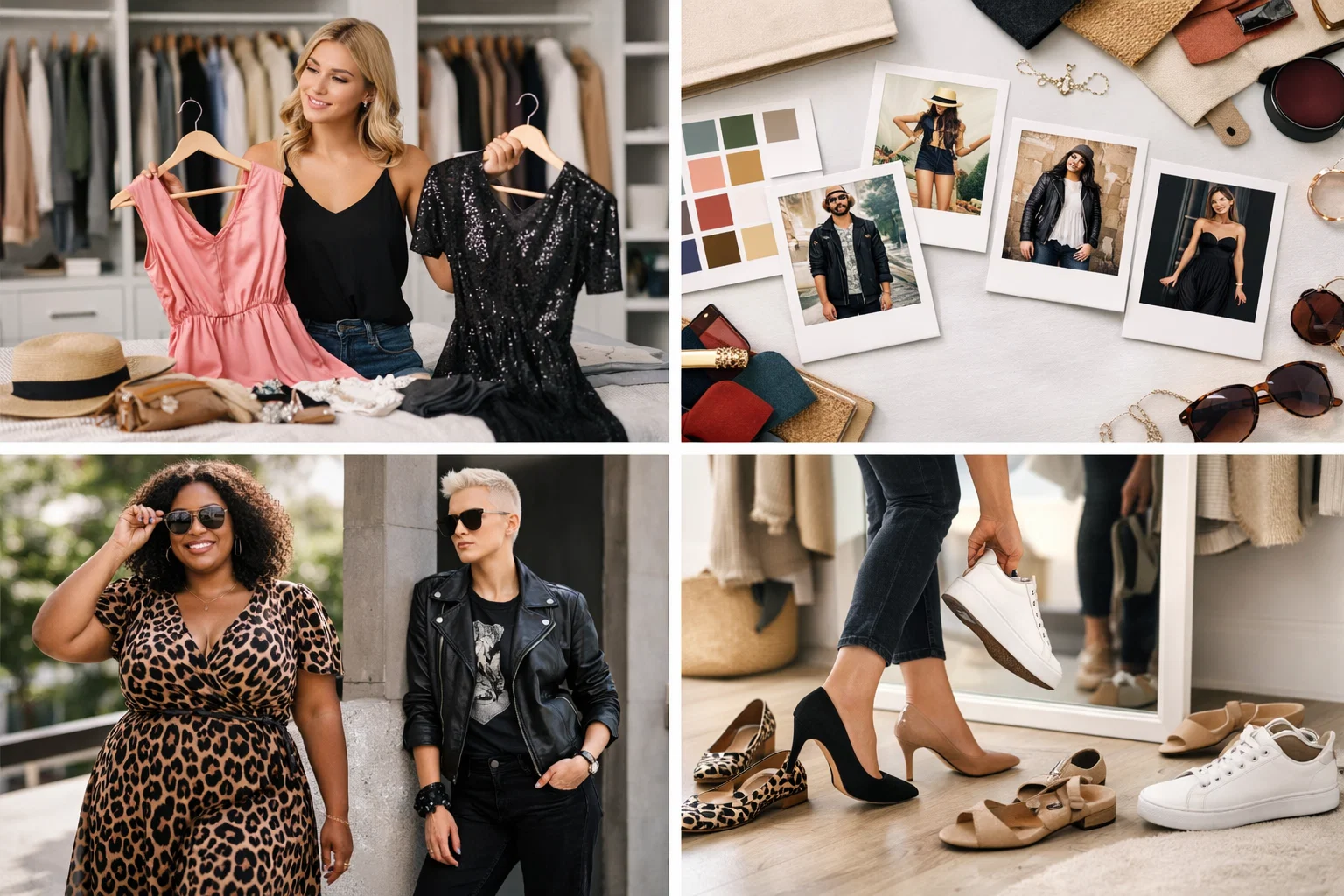
While personalization enhances individuality, be mindful of over-customization and clutter. A well-curated wardrobe should be versatile and functional. Regularly assess your closet, removing items that no longer align with your style or serve a practical purpose to avoid sameness.
Navigating Social Pressure While Staying Authentic
Maintaining authenticity can be challenging in the face of social pressure and influencer culture. Remember that personal style is about self-expression, not conforming to external expectations. Trust your instincts and embrace clothing styles that make you feel confident and comfortable in 2026.
Costs and Accessibility of Personalized Items
The costs of customization and personalized items can be a barrier for some consumers. Explore affordable options such as tailor services, resale platforms, and DIY fashion personalization. Prioritize key pieces that reflect your style and gradually build a wardrobe that aligns with your budget and body type.
The Future of Personalized Style in 2026 and Beyond
Trends in Customization and Individual Expression
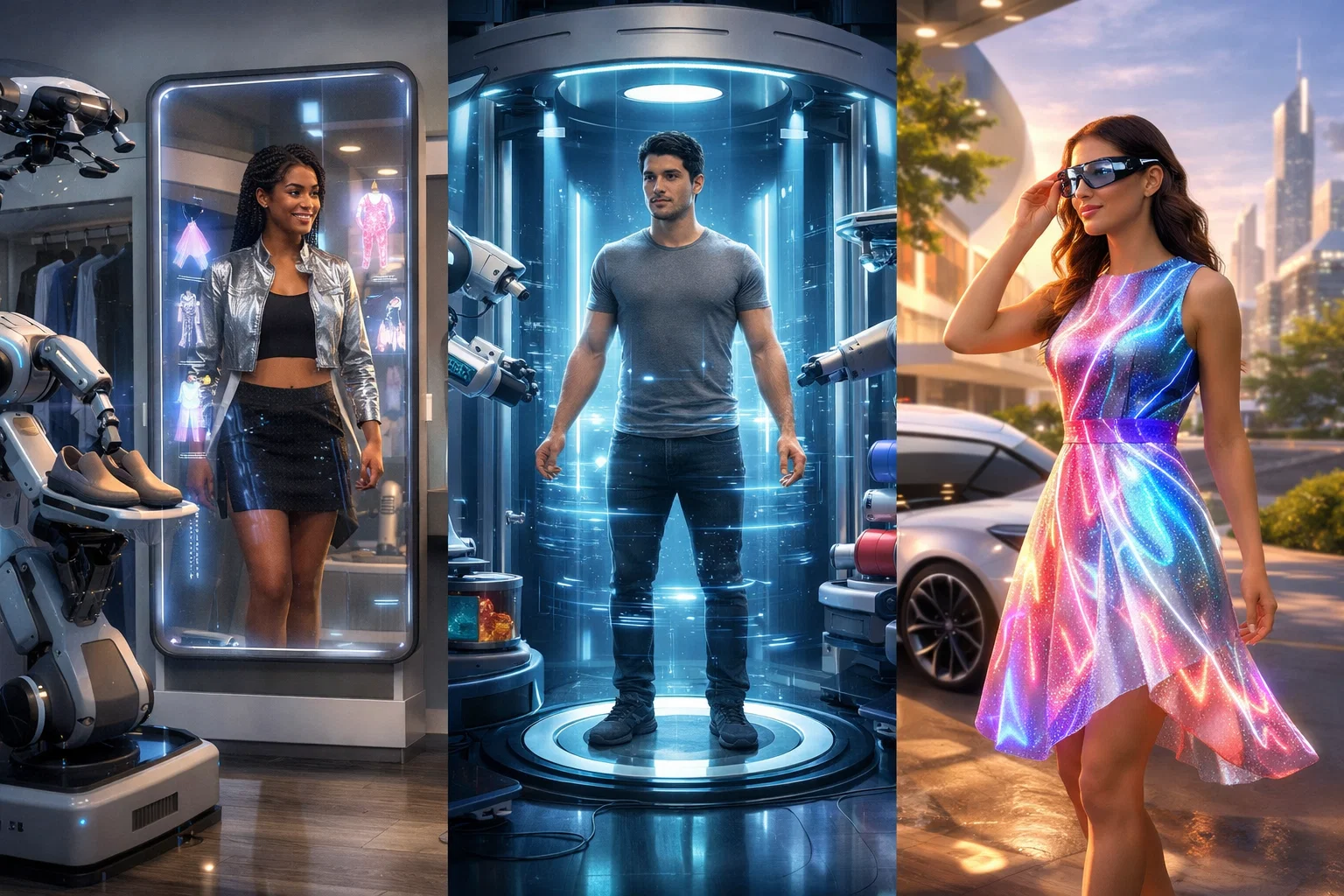
In 2026, the trends in customization and individual expression will continue to evolve with advancements in technology. Expect to see more algorithmic styling tools, AI assistance, and platforms like TikTok dedicated to helping consumers discover and refine their unique personal style and body type.
Integration with AI, Technology, and Smart Fashion
AI and technology will play an increasingly prominent role in personal style. Smart garment items that adapt to individual preferences and needs will become more prevalent. Real-time algorithmic analysis of fashion trends will assist shoppers in building a fully realized, personalized wardrobe style.
The Role of Sustainability and Mindful Living
Sustainability and mindful living will be integral to personal style as more consumers prioritize ethical and eco-friendly choices. Fashion brands that embrace sustainable practices and transparency will resonate with shoppers seeking garment items that align with their values and reshape the fashion industry.
Conclusion: Why Individuality Outshines Fast Trends
In 2026, individuality triumphs over fast fashion trends, empowering consumers to embrace their unique personal style and values. By focusing on self-expression, mindful consumption, and technological innovation, we are moving toward a more authentic, sustainable, and fulfilling fashion industry for everyone, avoiding the churn of microtrends.